Réamhrá: Ag Iniúchadh ar an gCeangal Féideartha idir Teiripe an tSolais Dheirg agus an Titimis
Is riocht casta néareolaíoch é titimeas a chuireann isteach ar an mbealach a fheidhmíonn comharthaí leictreacha san inchinn. Do dhaoine a bhfuil cónaí orthu le titimeas, Is gnách go mbíonn cóireálacha leighis ar nós míochainí frith-urghabhála i gceist le bainistiú urghabhálacha, coigeartuithe stíl mhaireachtála, agus monatóireacht rialta ag gairmithe cúram sláinte.
Le blianta beaga anuas, teiripe solas dearg, ar a dtugtar freisin teiripe photobiomodulation (PBMT), mheall sé suim mhéadaithe eolaíoch mar gheall ar a éifeachtaí féideartha ar fhuinneamh ceallacha, athlasadh, agus feidhm néareolaíoch.
Tá sé seo ba chúis le go leor daoine a iarraidh:
An féidir le teiripe solais dhearg cabhrú le taomanna titimeas?
Is é an freagra atá ann faoi láthair go bhfuil teiripe solas dearg ní cóireáil fhaofa í le haghaidh titimeas agus ní féidir ionad cúraim leighis a chur ina ionad. Mar sin féin, tá taighdeoirí ag fiosrú an féidir le fóta-mhodúchán tacú le sláinte inchinne trí thionchar a imirt ar phróisis bhitheolaíocha a bhaineann le feidhm cheallacha agus cothromaíocht néareolaíoch.
Scrúdaíonn an t-alt seo an tuiscint atá ag an eolaíocht faoi láthair ar theiripe solas dearg, titimeas, agus an ról a d'fhéadfadh a bheith ag fóta-mhodúil maidir le tacú le folláine néareolaíoch iomlán.
Cad is Titimis ann agus Cén Fáth a Bhfuil Tábhacht ag Sláinte Inchinne?
Is neamhord néareolaíoch é titimeas arb é is sainairíonna é taomanna arís agus arís eile de bharr go tobann, gníomhaíocht leictreach neamhrialaithe san inchinn.
Le linn urghabháil, féadfaidh grúpaí néaróin éirí róghníomhach, as a dtiocfaidh athruithe sealadacha i:
- Gluaiseacht
- Feasacht
- Eispéiris céadfacha
- Iompar
- Chonaic
Athraíonn cúiseanna an titimeas go forleathan agus d’fhéadfadh go n-áireofaí iad:
- Fachtóirí géiniteacha
- Gortuithe inchinne
- Coinníollacha forbartha
- Ionfhabhtuithe a dhéanann difear don inchinn
- Athruithe struchtúracha i bhfíochán inchinne
Toisc go bhfuil an inchinn ar cheann de na horgáin is mó éileamh ar fhuinneamh sa chorp, Is réimse tábhachtach taighde néareolaíoch é feidhm shláintiúil cheallacha a chothabháil.
Seo nuair a chuir eolaithe suim i bhfótabiomodulation.
Conas a Oibríonn Teiripe Solas Dearg?
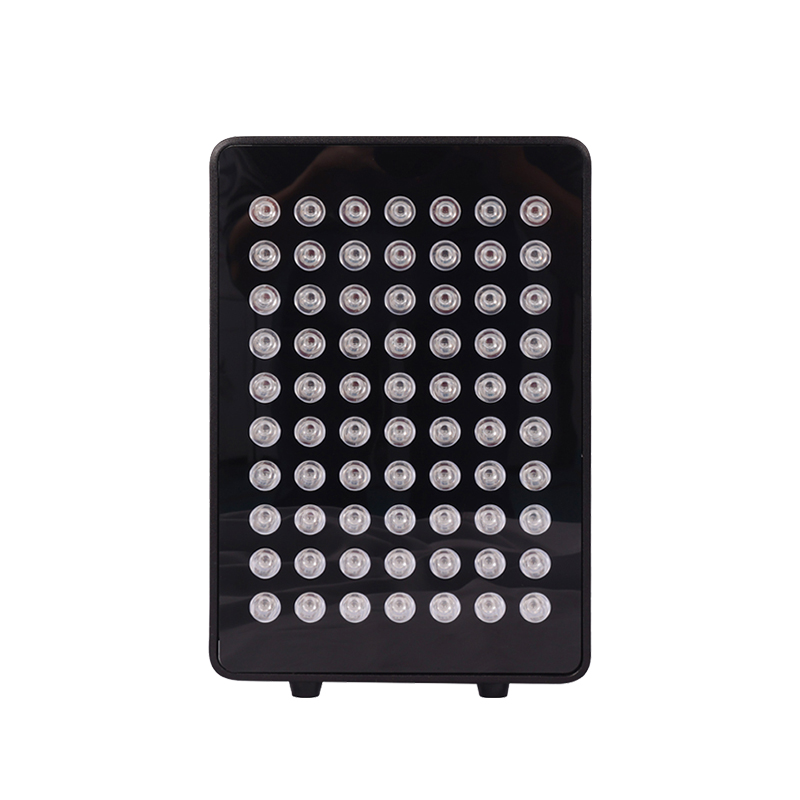
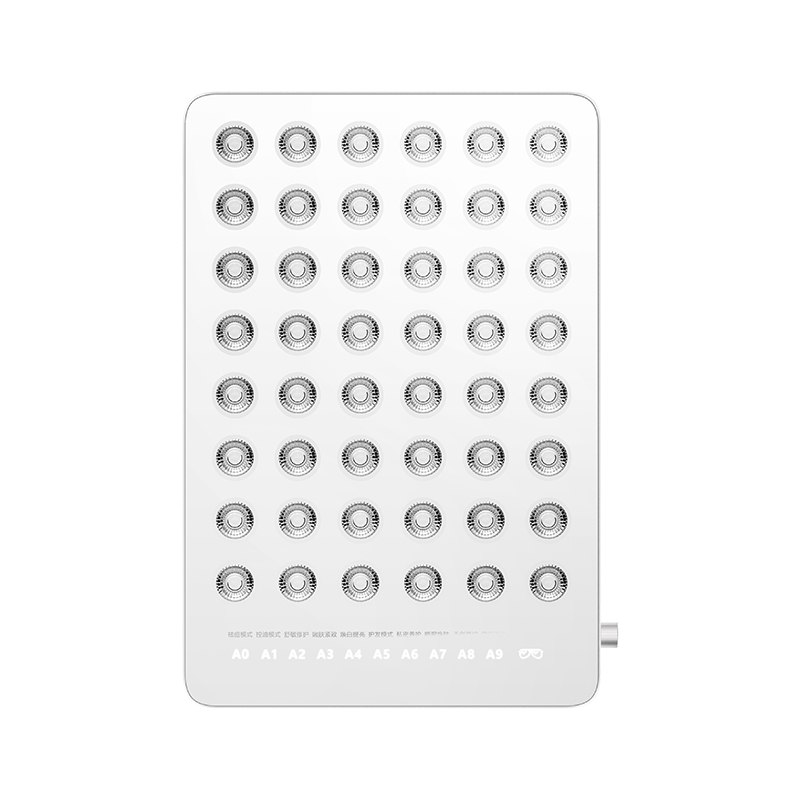
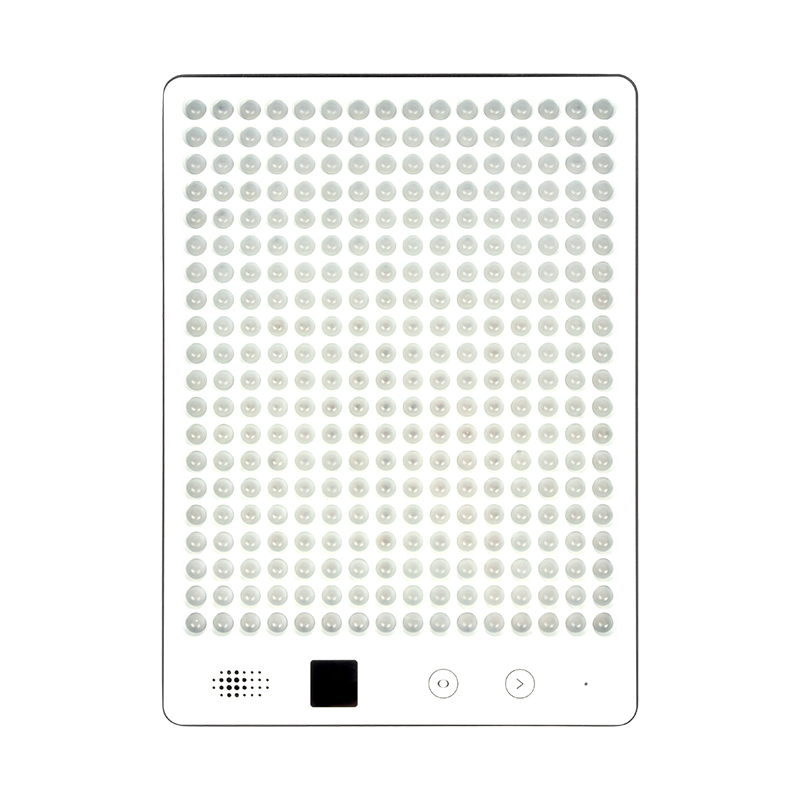
Úsáideann teiripe solais dhearg tonnfhaid sonracha de sholas dearg infheicthe agus solas gar-infridhearg chun freagairtí bitheolaíocha taobh istigh de chealla a spreagadh.
Áirítear ar na tonnfhaid is coitianta a ndéantar taighde orthu:
Solas Dearg
630–660nm
Is minic a bhaineann le hiarratais ar leibhéal an dromchla, mar shampla:
- Athnuachan craicinn
- Aisghabháil fíocháin
- Folláine cosmaideacha
Solas Near-Infridhearg
810–850nm
Go minic staidéar le haghaidh idirghníomhaíochtaí fíocháin níos doimhne, lena n-áirítear:
- Aisghabháil muscle
- Tacaíocht fuinnimh cheallacha
- Iarratais taighde néareolaíoch
Nuair a shroicheann solas cealla, féadfaidh sé idirghníomhú le mitochondria, atá freagrach as fuinneamh cheallacha a tháirgeadh.
Tugtar photobiomodulation ar an bpróiseas seo.
An bhféadfadh Teiripe Solas Dearg Tacú le Feidhm Inchinne?
Cé go bhfuil gá le níos mó taighde, Tá eolaithe ag fiosrú go leor bealaí ina bhféadfadh teiripe solais dhearg tionchar a imirt ar phróisis a bhaineann leis an inchinn.
1. Tacú le Metabolism Fuinnimh Néaróin
Teastaíonn fuinneamh leanúnach ó néaróin chun cumarsáid a choinneáil.
Táirgeann mitochondria ATP, an fhoinse fuinnimh a ligeann do chealla feidhmeanna riachtanacha a chomhlíonadh.
Tugann taighde ar fhótabiomodulation le fios go bhféadfadh tionchar a bheith ag solas dearg agus solas gar-infridhearg ar ghníomhaíocht miteachondrial.
Áirítear le réimsí spéise féideartha:
- Táirgeadh fuinnimh cheallacha
- Aisghabháil fíocháin inchinn
- Rialachán maidir le freagairt ar strus
Meastar go bhfuil meitibileacht fuinnimh sláintiúil tábhachtach chun gnáthfheidhm néareolaíoch a chothabháil.
2. Teiripe Solas Dearg agus Néar-athlasadh
Is freagairt nádúrtha bitheolaíoch é athlasadh, ach féadfaidh athlasadh iomarcach nó fada cur isteach ar go leor córas coirp, lena n-áirítear an néarchóras.
Tá taighdeoirí ag déanamh staidéir ar cibé an bhféadfadh tionchar a bheith ag fótabiomodulation ar chonairí athlastacha.
I measc na meicníochtaí féideartha atá á iniúchadh tá:
- Comharthaíocht athlastach a rialáil
- Tacaíocht cothromaíocht cheallacha
- Feabhsú ar phróisis aisghabhála fíocháin
Mar sin féin, an gaol idir athlasadh, titimeas, agus tá teiripe solais fós ina ábhar taighde leanúnach.
3. Ag Tacú le Comhardú Ocsaídeach i gCealla
Úsáideann an inchinn méideanna suntasacha ocsaigine chun tacú lena gníomhaíocht.
Ciallaíonn an t-éileamh ard fuinnimh seo go bhfuil cealla inchinn an-íogair do strus ocsaídiúcháin.
Tá eolaithe ag fiosrú an bhféadfadh tionchar a bheith ag fótabiomodulation:
- Freagraí frithocsaídeacha
- Bainistíocht struis cheallacha
- Éifeachtúlacht mitochondrial
D'fhéadfadh na torthaí seo cabhrú le taighdeoirí tuiscint níos fearr a fháil ar an gcaoi a n-idirghníomhaíonn teiripí éadrom-bhunaithe le córais néareolaíocha.
An féidir le Teiripe Solais Dhearg Urghabhálacha a Chosc?
Faoi láthair, níl aon fhianaise eolaíoch ann a chruthaíonn gur féidir le teiripe solais dhearg taomanna titimeas a chosc.
Bíonn tionchar ag go leor fachtóirí ar urghabhálacha, lena n-áirítear:
- Ceimic inchinn
- Freagra cógais
- Truicear aonair
- Géineolaíocht
- Patrúin codlata
- Leibhéil struis
Do dhaoine a bhfuil titimeas orthu, tá cóireálacha leighis cruthaithe mar bhunchloch do bhainistiú urghabhála i gcónaí.
Níor cheart go mbreathnófaí ar theiripe solais dhearg ach mar uirlis fholláine thacúil fhéideartha agus níor cheart go n-athrófaí cúram titimis ordaithe riamh.
Suim Taighde i bhFóta-mhodúchán agus i gCoinníollacha Néareolaíocha
Tá réimse na néareolaíochta photobiomodulation ag leathnú.
Tá taighdeoirí ag déanamh staidéir ar theiripe solais maidir le réimsí néareolaíocha éagsúla, lena n-áirítear:
- Aisghabháil gortaithe inchinn
- Feidhm chognaíoch
- Coinníollacha neurodegenerative
- Sláinte mheabhrach
- Meicníochtaí deisiúcháin cheallacha
Is é an chúis atá leis an spéis seo ná go bhféadfadh tionchar a bheith ag solas ar bhealaí bitheolaíocha a bhaineann le:
- Táirgeadh fuinnimh
- Cumarsáid cheallacha
- Freagraí fíocháin
Mar sin féin, Tá go leor feidhmeanna néareolaíocha fós á n-imscrúdú agus teastaíonn tuilleadh taighde cliniciúil orthu.
Cúrsaí Sábháilteachta do Dhaoine ar a bhfuil Titeamas
Cé go meastar go ginearálta go bhfuil teiripe solas dearg neamh-ionrach, ba chóir do dhaoine a bhfuil titimeas orthu bheith aireach.
1. Pléigh Le Gairmí Leighis
Sula dtosaíonn tú teiripe solas dearg, ba chóir do dhaoine aonair a bhfuil titimeas orthu dul i gcomhairle lena soláthraí cúram sláinte.
Is féidir le dochtúir meastóireacht a dhéanamh:
- Stair leighis
- Cineál urghabhála
- Míochainí reatha
- Fachtóirí riosca aonair
2. Smaoinigh ar Fhóta-íogaireacht
D'fhéadfadh titimeas fóta-íogair a bheith ag daoine áirithe a bhfuil titimeas orthu, áit ar féidir le patrúin amhairc áirithe nó soilse gealánacha taomanna a spreagadh.
Nuair a bhíonn gléas teiripe solas dearg á roghnú agat:
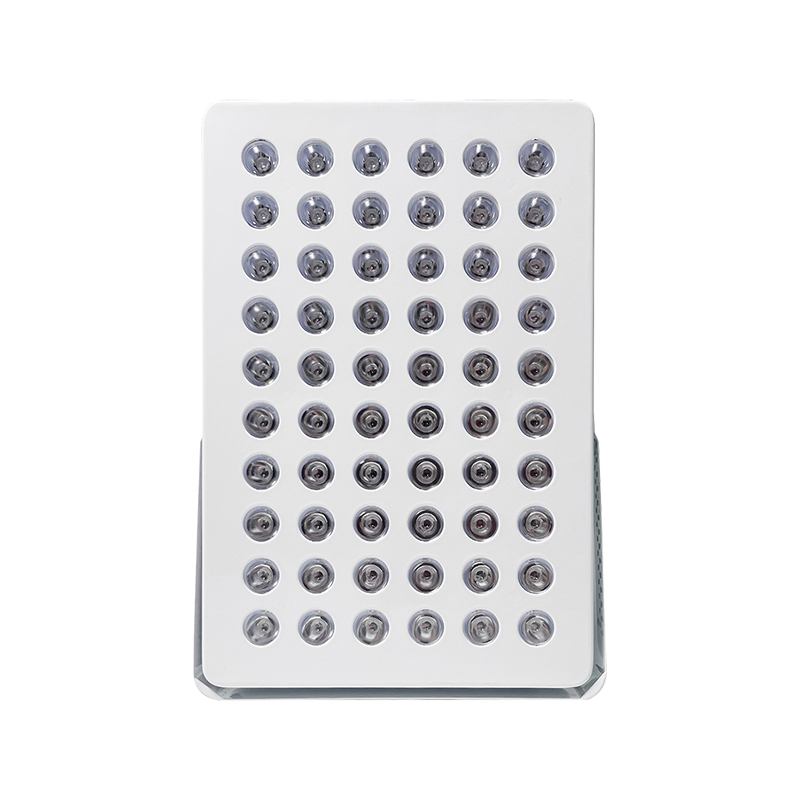
Roghnaigh trealamh le:
- Aschur LED cobhsaí
- Oibríocht neamh-ghealánach
- Dearadh sábháilteachta gairmiúla
3. Lean Treoirlínte Déantóra
Ba cheart trealamh teiripe solais dearg gairmiúil a úsáid i gcónaí de réir:
- Fad an tseisiúin a mholtar
- Socruithe cuí achair
- Treoracha monaróir
Ní chiallaíonn nochtadh níos mó i gcónaí torthaí níos fearr.
Cén Fáth a Bhfuil Teiripe Solais Dheirg Lán-Choirp Ag Éirí Coitianta
Thar taighde néareolaíoch, Tá teiripe solas dearg lán-chomhlacht tar éis éirí coitianta i dtionscail folláine mar go mbíonn go leor úsáideoirí ag lorg cineálacha cur chuige neamh-ionracha:
- Aisghabháil
- Scíth a ligean
- Sláinte craicinn
- Tacaíocht feidhmíochta Lúthchleas Gael
- Leas iomlán a bhaint sláinte ginearálta
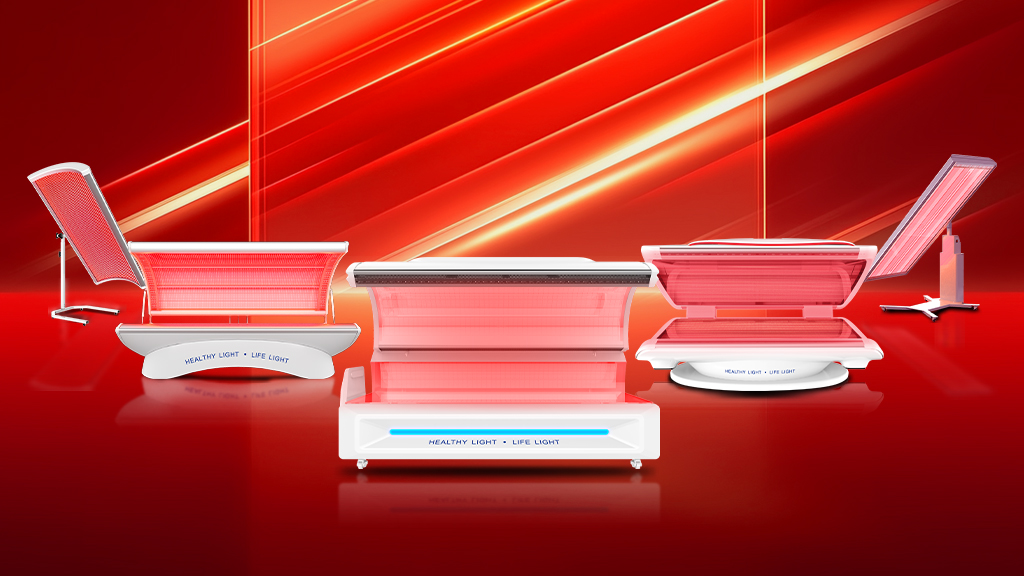
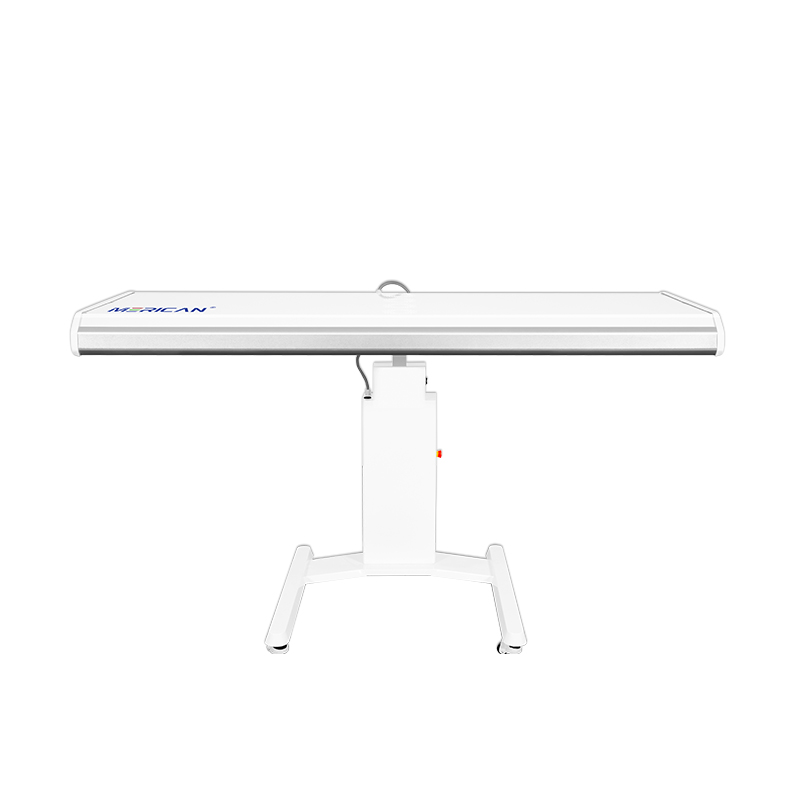
Ligeann leapacha tráchtála teiripe solais dearga do ghnólachtaí folláine eispéireas áisiúil lánchorp a sholáthar do chustaiméirí.
I measc na suíomhanna coitianta tá:
- Clinicí áilleacht
- Ionaid aclaíochta
- Limistéir faoi Chosaint Speisialta
- Stiúideonna folláine
- Áiseanna aisghabhála
Conas Leaba Teiripe Tráchtála Solas Dearg a Roghnú
Ba cheart do ghnólachtaí atá ag infheistiú i dtrealamh teiripe solais dhearg roinnt fachtóirí a bhreithniú:
Cruinneas Tonnfhad
Ba cheart go soláthródh córais ghairmiúla tonnfhaid chomhsheasmhacha dearga agus neas-infridhearg.
Cáilíocht stiúir
Cuidíonn soilse ardchaighdeáin le feidhmíocht chobhsaí agus taithí an chustaiméara a chinntiú.
Chompord Úsáideoir
Feabhsaíonn dearadh compordach sástacht na gcustaiméirí agus athchuairteanna.
Tacaíocht Monaróra
Ba cheart go soláthródh soláthraithe iontaofa:
- Cúnamh teicniúil
- Saincheapadh táirge
- Seirbhís iar-díola
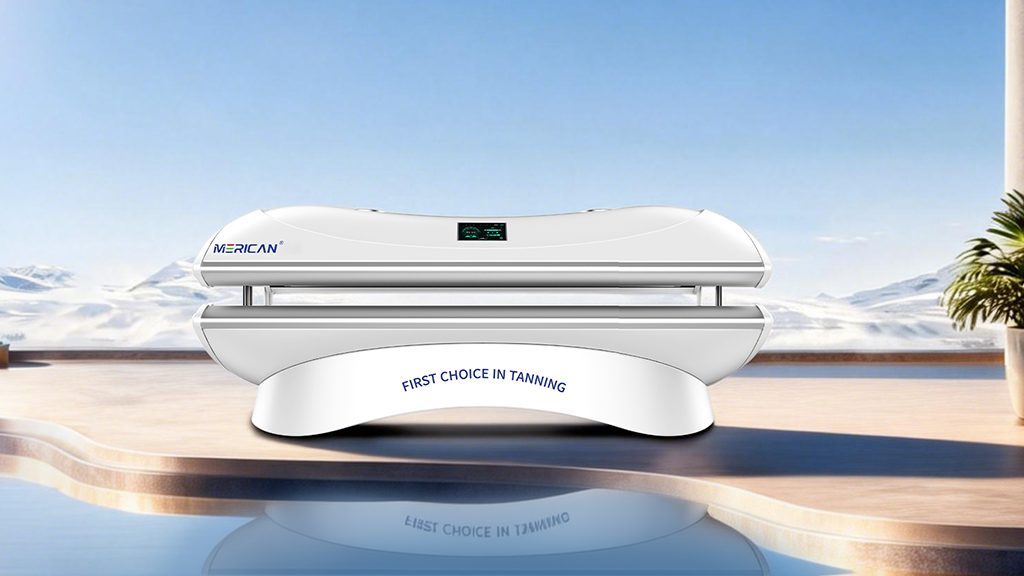
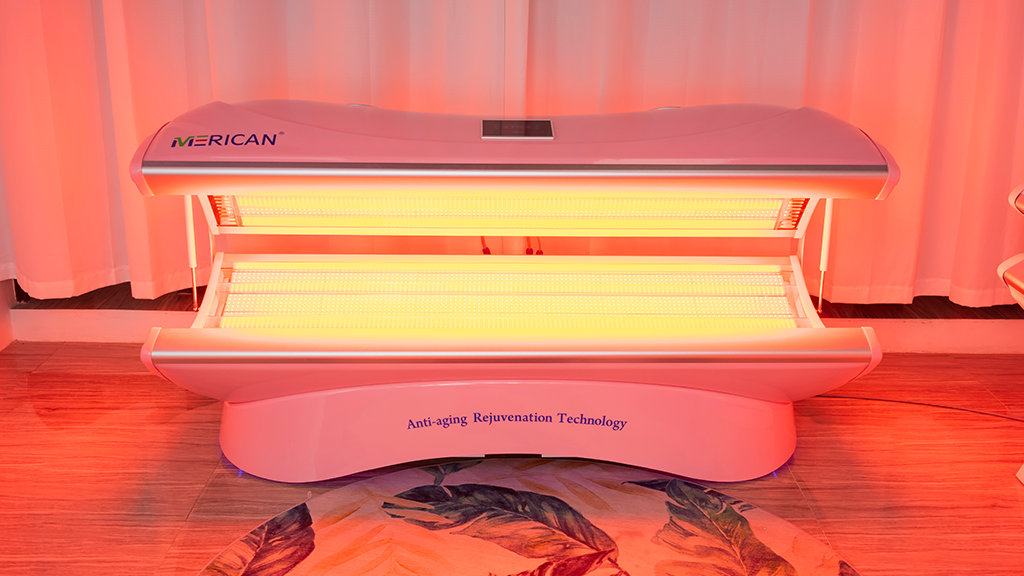
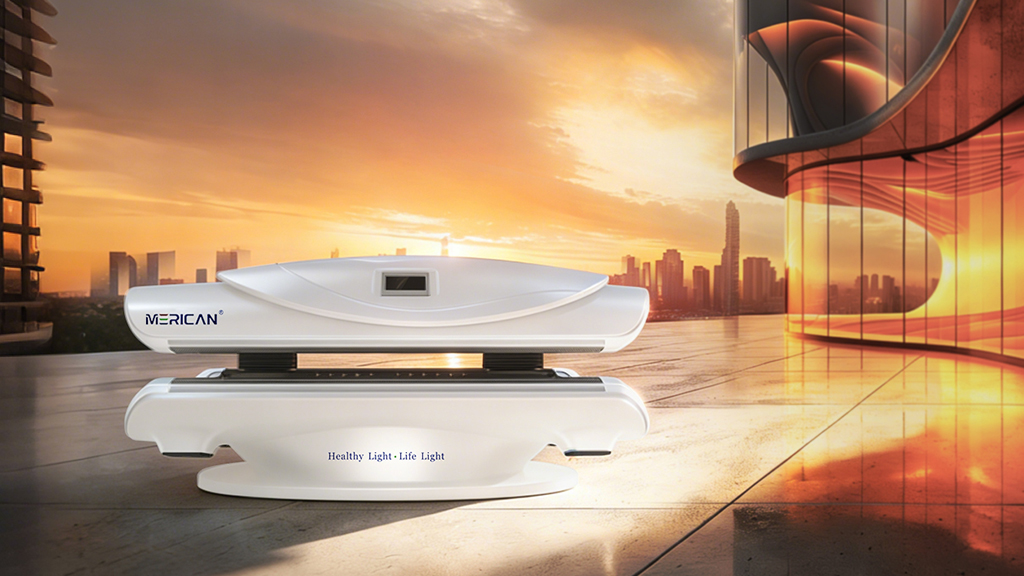
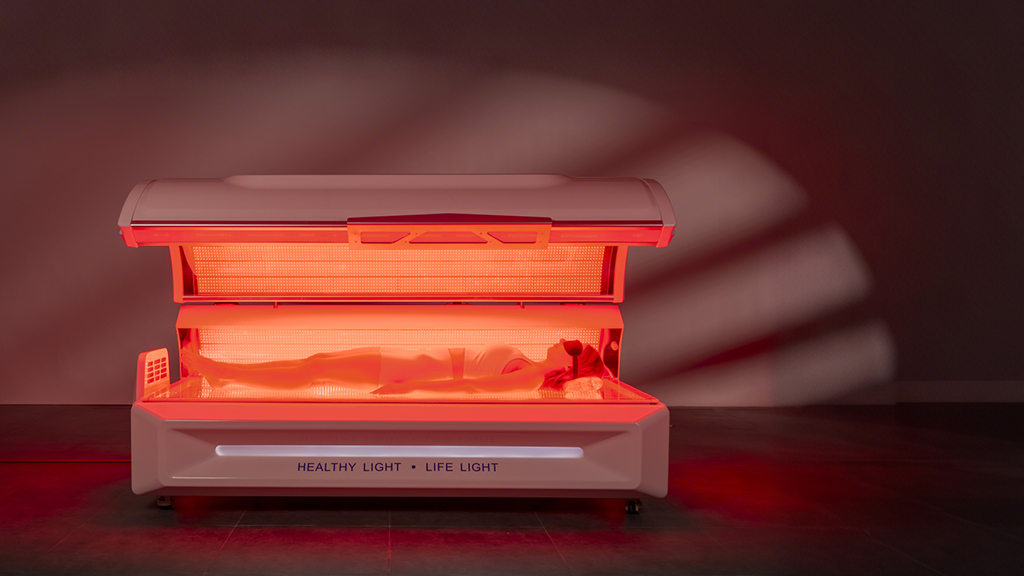
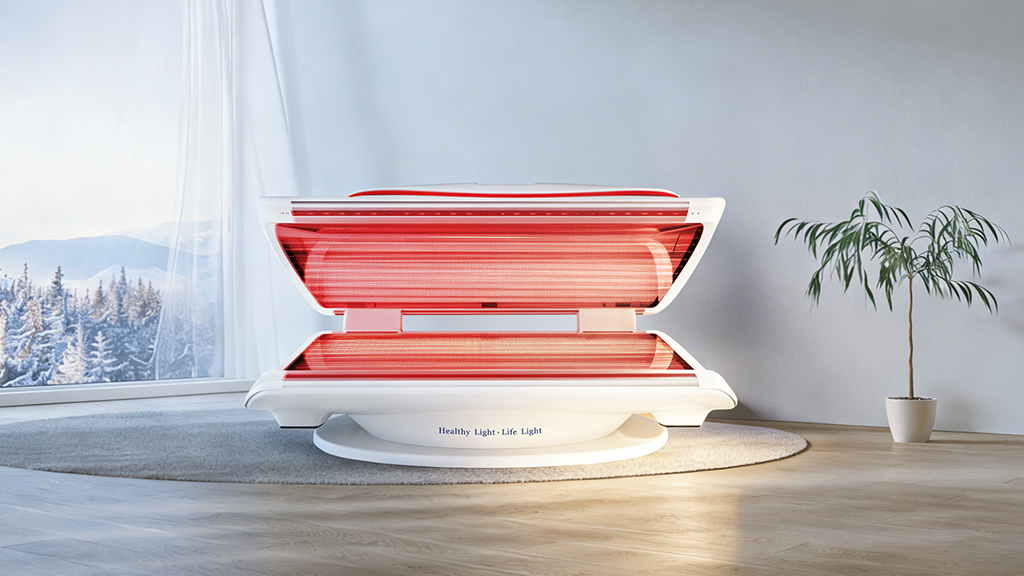
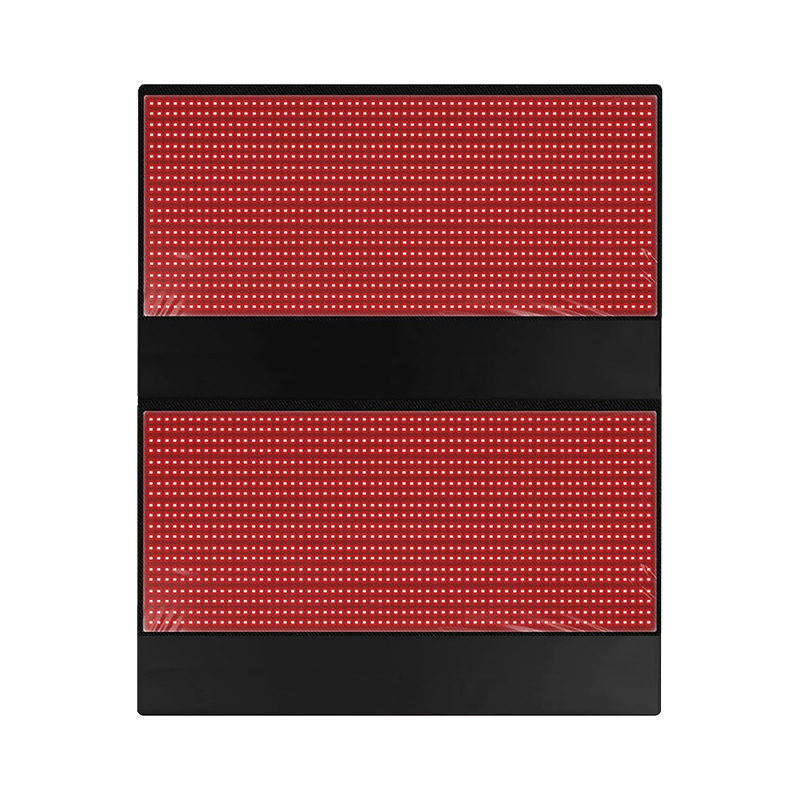
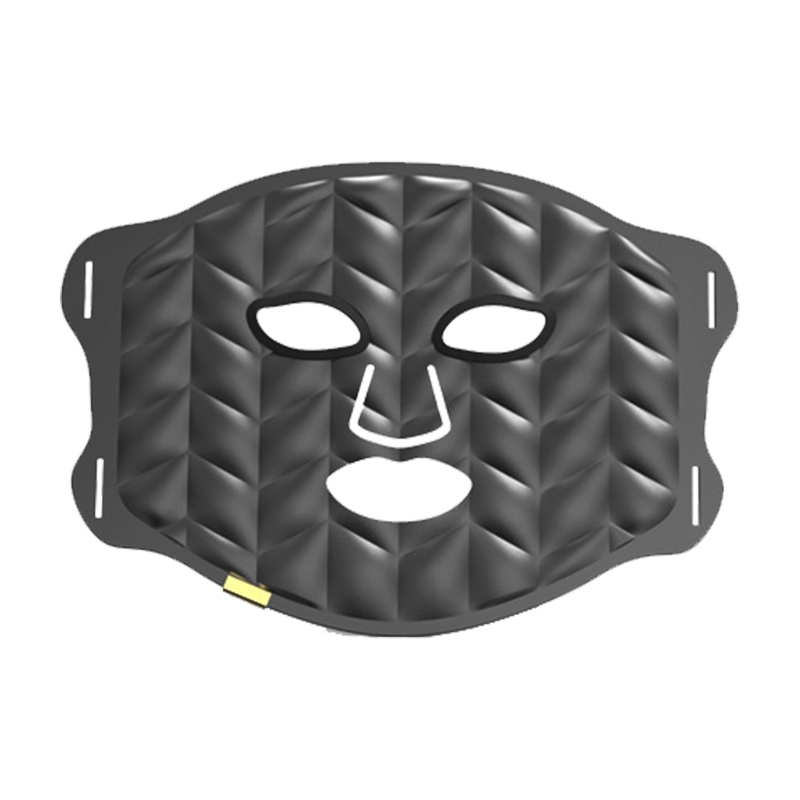
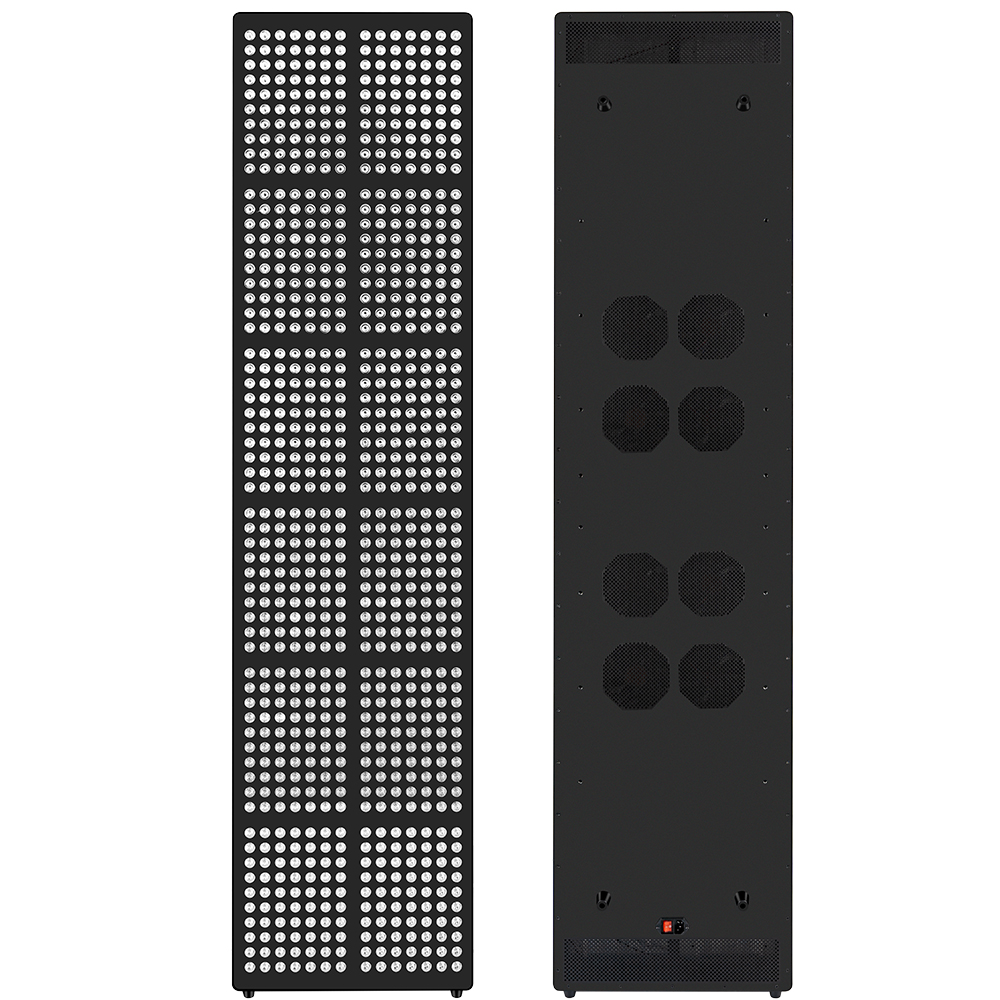
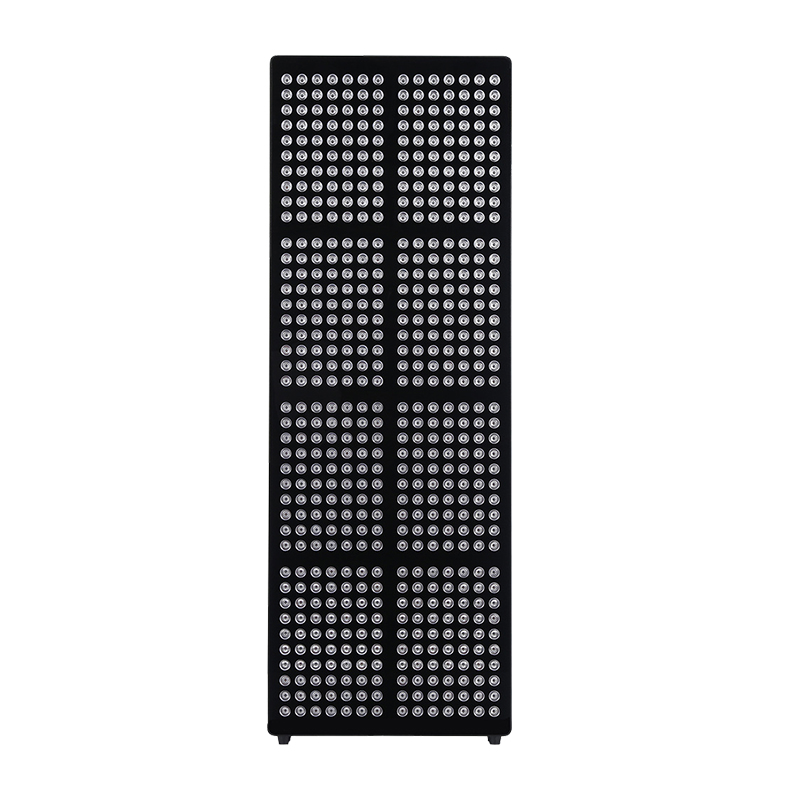
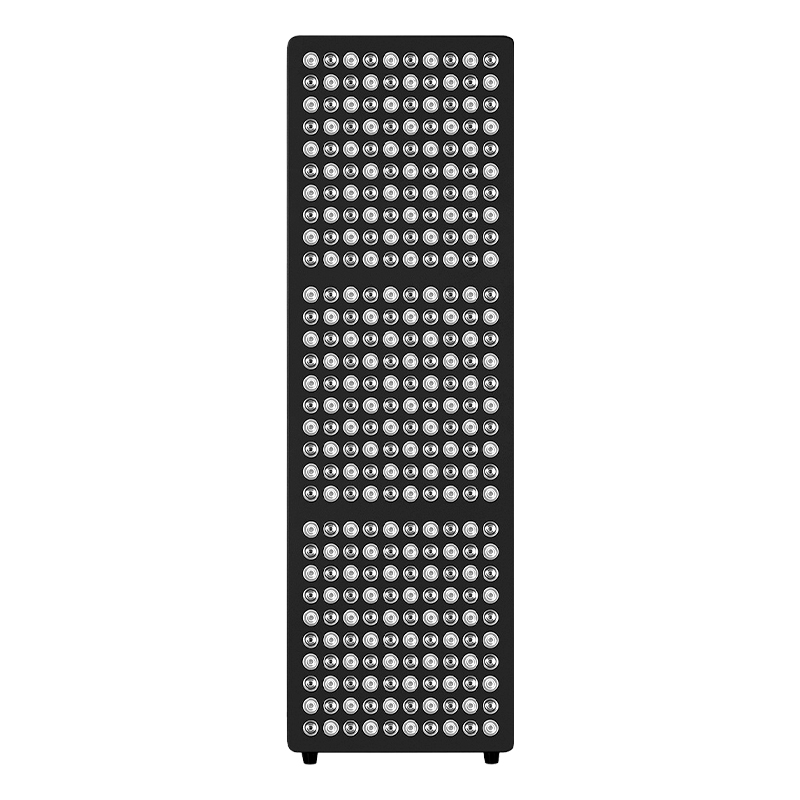
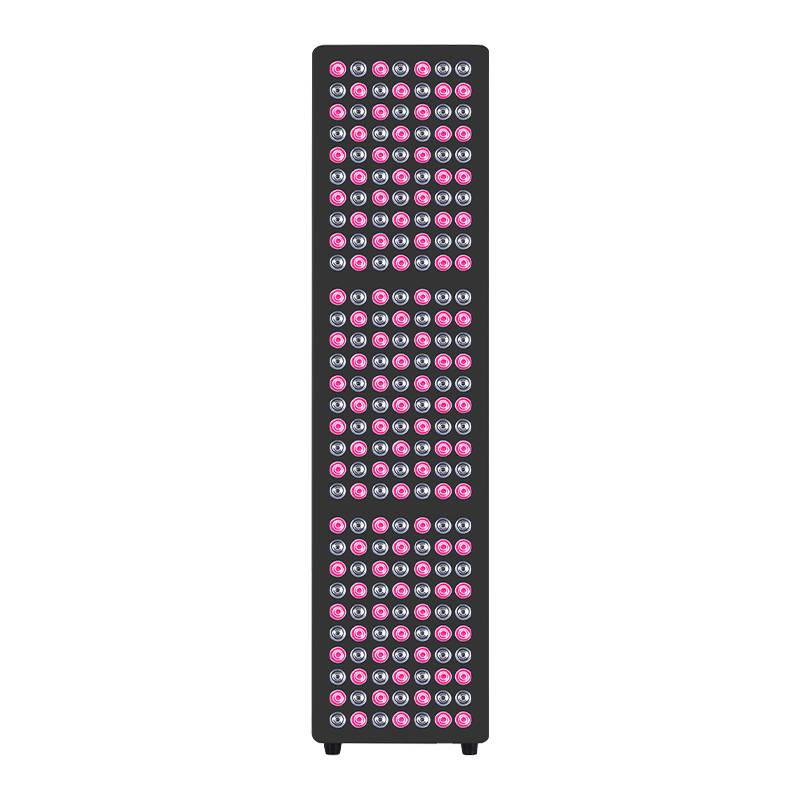
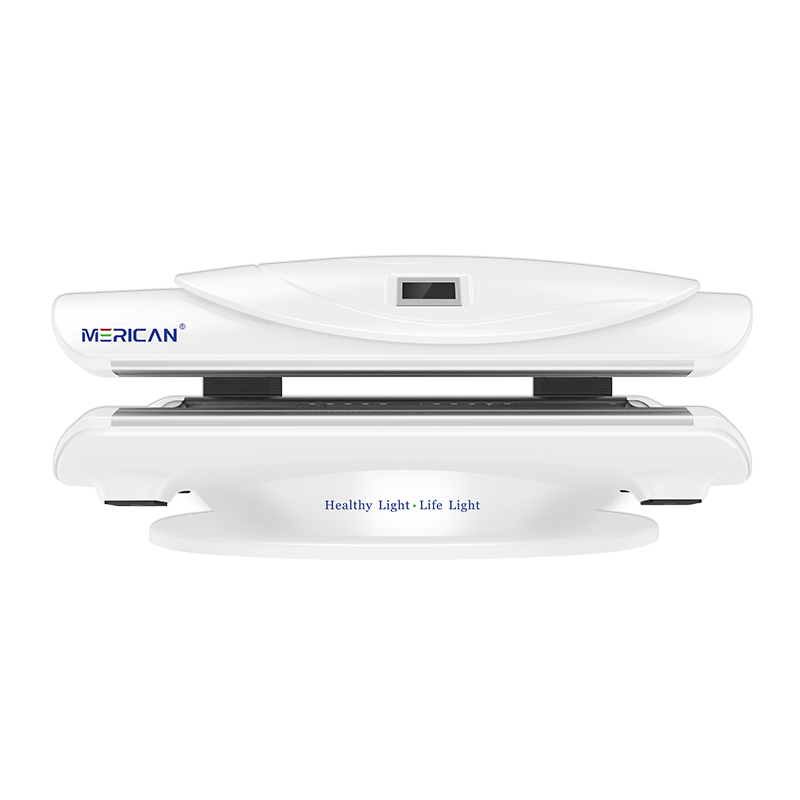
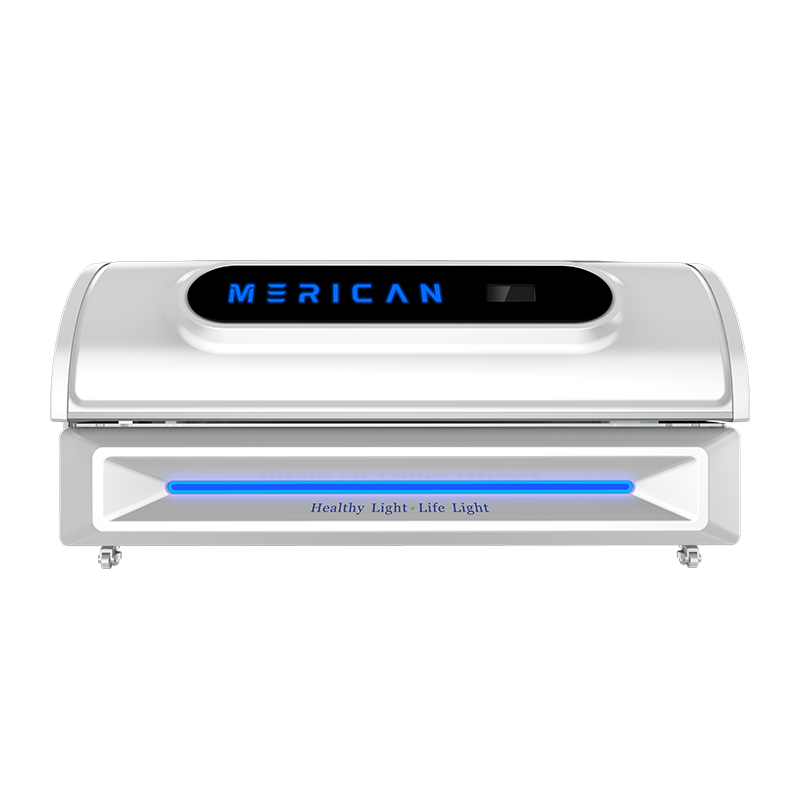
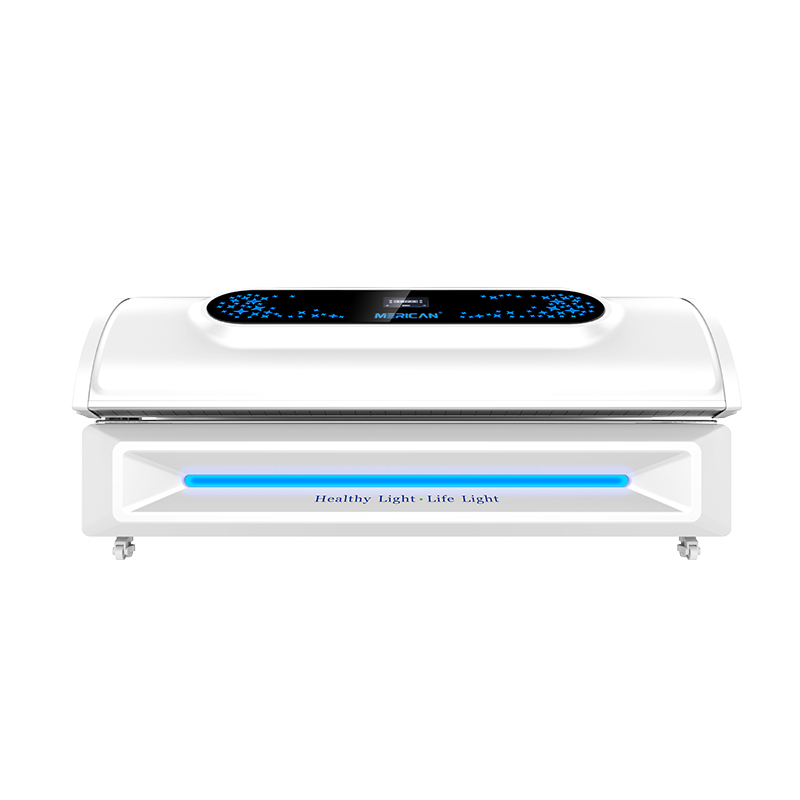
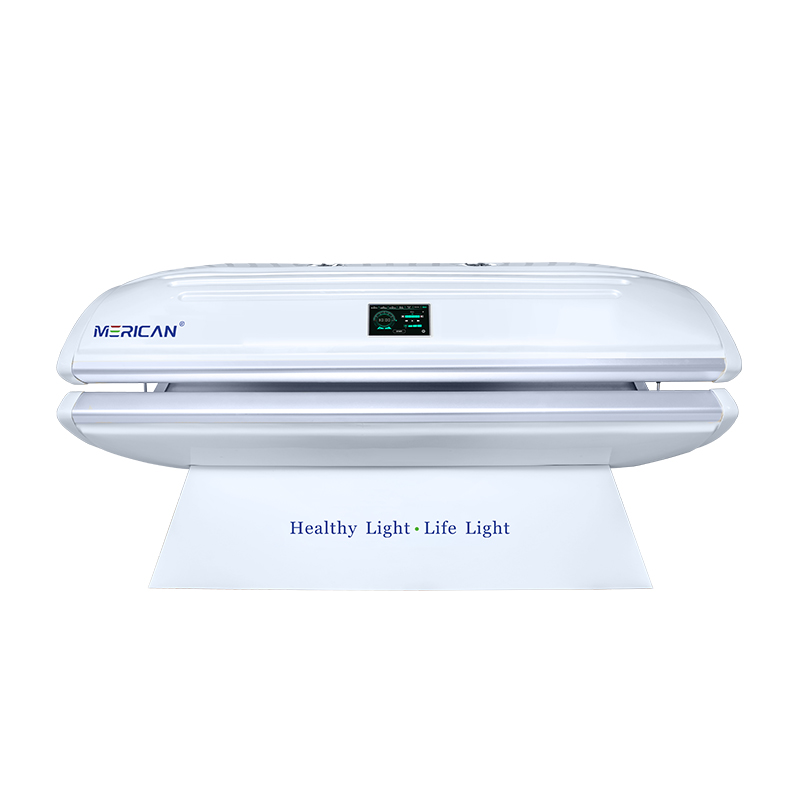
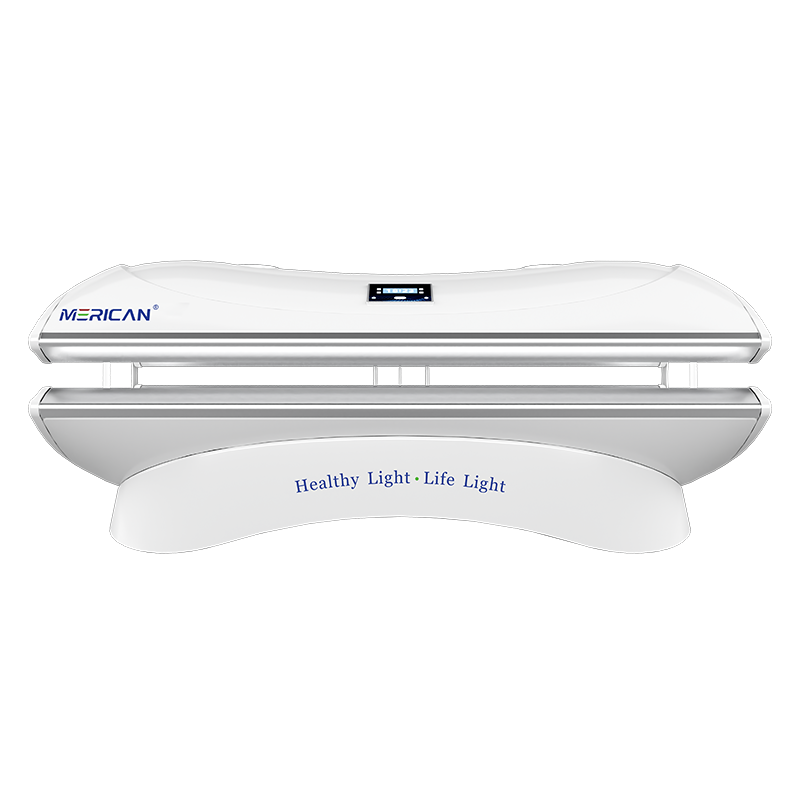
Réiteach Molta: Leaba Teiripe Solas Dearg Mheirceá M4N
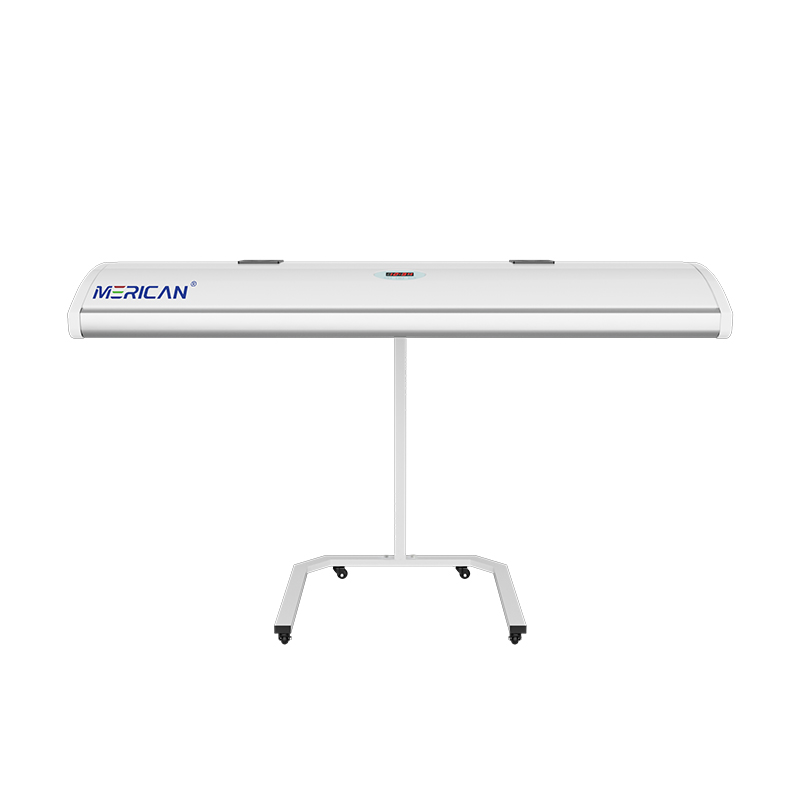
Do ghnólachtaí atá ag lorg réiteach fótabiomodulation lánchorp gairmiúil, Leaba Teiripe Solas Dearg Mheirceá M4N deartha chun freastal ar riachtanais folláine tráchtála.
Comhcheanglaíonn an M4N ardteicneolaíocht LED le dearadh comhlacht iomlán atá éasca le húsáid, rud a fhágann go bhfuil sé oiriúnach do:
- Ionaid folláine
- salons áilleacht
- Gyms
- Stiúideonna athshlánaithe
- Áiseanna optamaithe sláinte
Áirítear ar na príomhbhuntáistí:
- Teicneolaíocht ghairmiúil tonnfhad dearg agus gar-infridhearg
- Dearadh clúdach comhlacht iomlán
- Oibriú cobhsaí tráchtála
- Taithí úsáideora compordach
- Oiriúnach d'iarratais ghnó saincheaptha
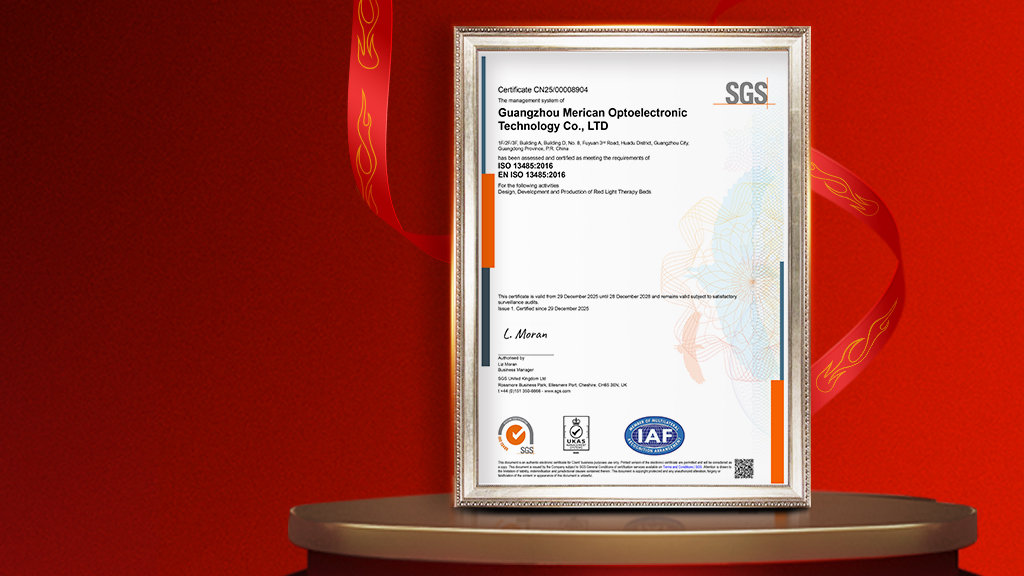
Le 18 taithí na mblianta sa tionscal teiripe solais, Soláthraíonn Merican gairmiúla OEM & Seirbhísí saincheaptha ODM do chustaiméirí ar fud an domhain.
Tacaithe ag foireann theicniúil ghairmiúil agus R&D fhoireann, Is féidir le Merican cabhrú le comhpháirtithe táirgí saincheaptha a fhorbairt le:
- Dearadh cuma saincheaptha
- Priontáil lógó branda eisiach
- Réitigh lipéad príobháideacha
- Cumraíochtaí trealaimh phearsantaithe
Cibé an bhfuil sciamhlann á oibriú agat, ionad aclaíochta, spa, nó branda folláine, Is féidir le Merican réitigh shaincheaptha um theiripe solais dhearg a sholáthar chun do spriocanna gnó a mheaitseáil.
Tá Merican ag earcú go gníomhach freisin gníomhairí agus dáileoirí domhanda chun comhpháirtíochtaí fadtéarmacha a thógáil agus réitigh teiripe solas dearg gairmiúla a leathnú ar fud an domhain.
Conclúid: Todhchaí Teiripe Solais Dheirg agus Taighde Titimis
Réimse imscrúdaithe eolaíoch atá ag teacht chun cinn is ea an gaol idir teiripe an tsolais dhearg agus titimeas.
Ní léiríonn an fhianaise atá ann faoi láthair gur féidir le teiripe solais dhearg titimeas a leigheas nó taomanna a stopadh go díreach. Mar sin féin, Leanann taighde ar fhóta-mhodúchán mar gheall ar an tionchar a d'fhéadfadh a bheith aige ar fhuinneamh ceallacha, athlasadh, agus folláine néareolaíoch.
Do dhaoine aonair a bhfuil titimeas orthu, tá cóireáil leighis riachtanach fós. Féadfar teiripe solais dhearg a mheas mar theicneolaíocht folláine chomhlántach nuair a úsáidtear í go freagrach agus le treoir ghairmiúil.
De réir mar a leanann an taighde, féadfaidh fótabiomodulation léargais nua a sholáthar ar an gcaoi ar féidir le teicneolaíochtaí solas-bhunaithe tacú le sláinte agus téarnamh an duine.