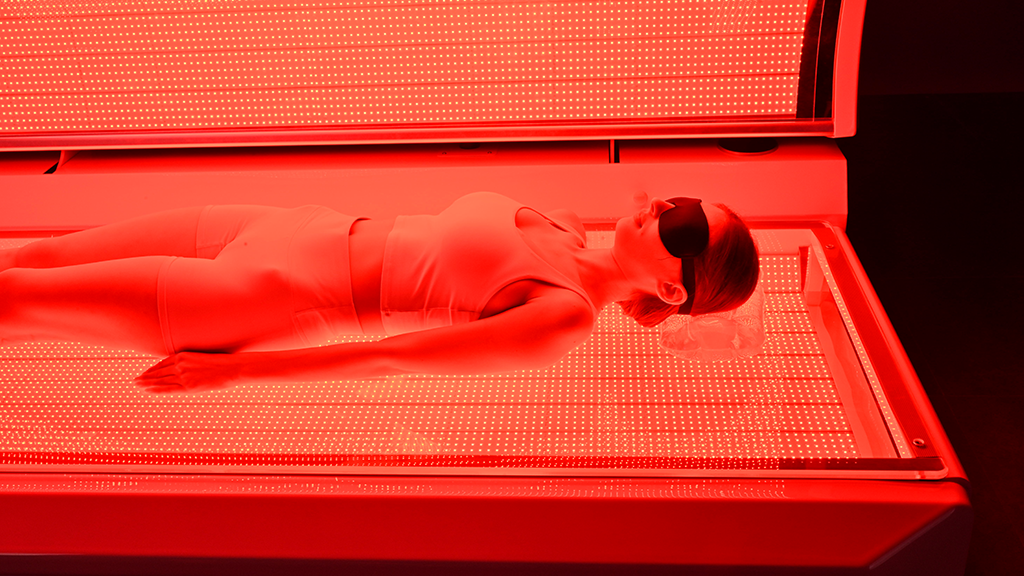
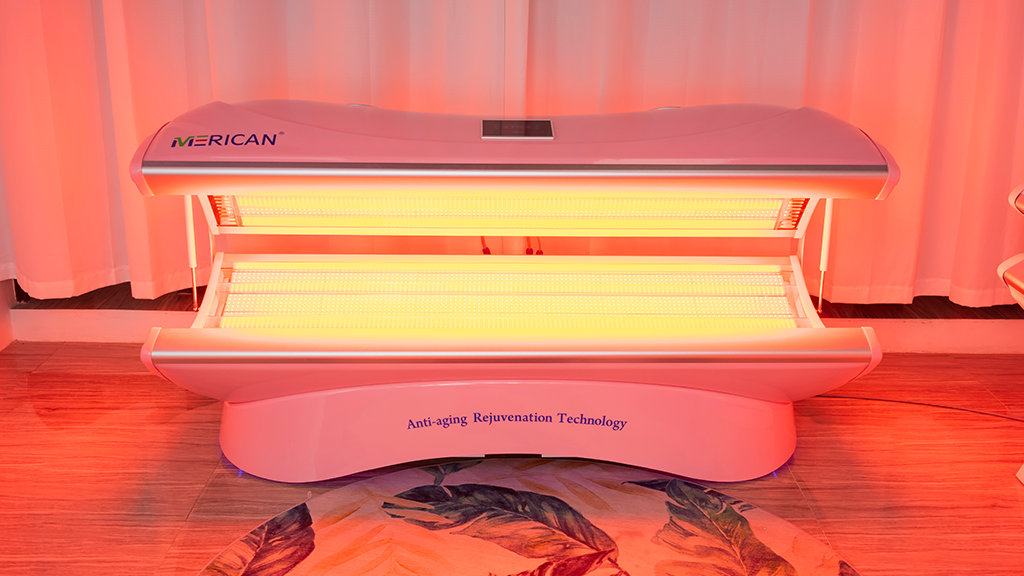
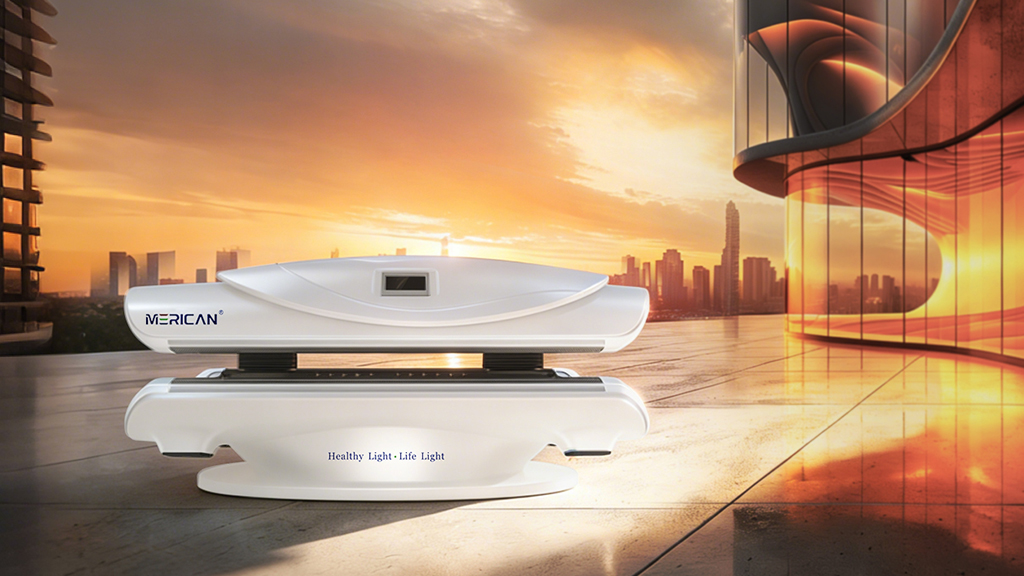
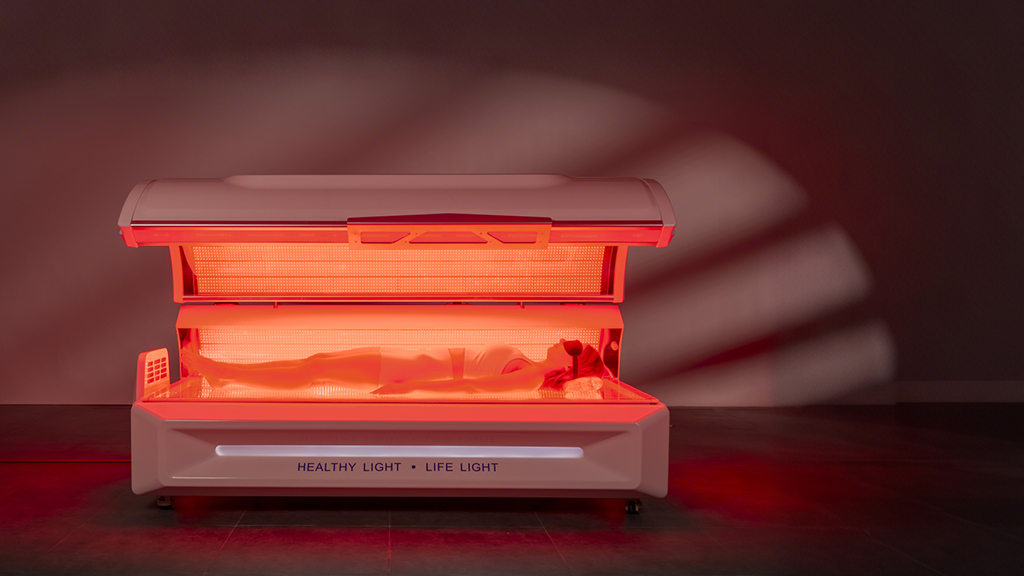
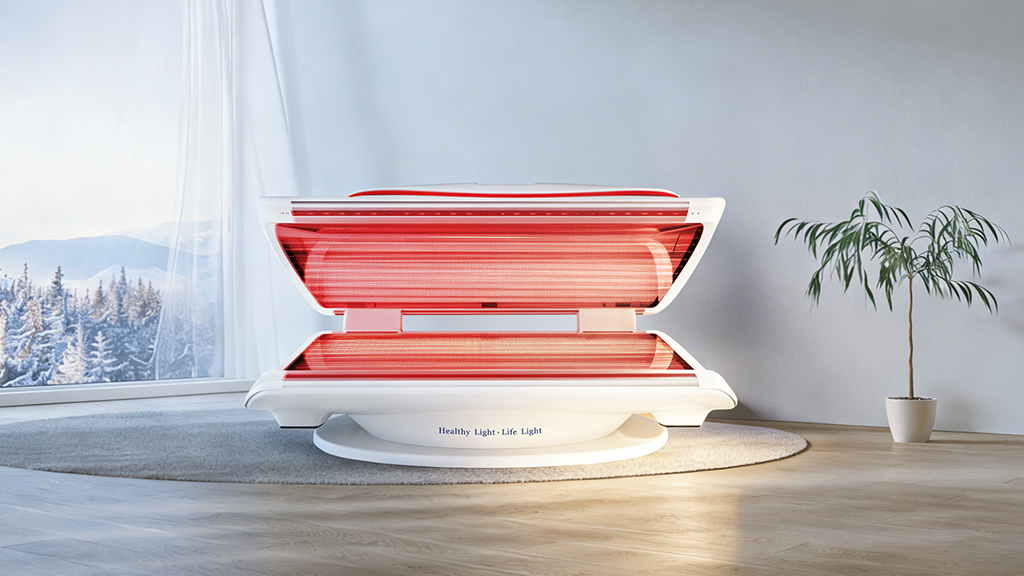
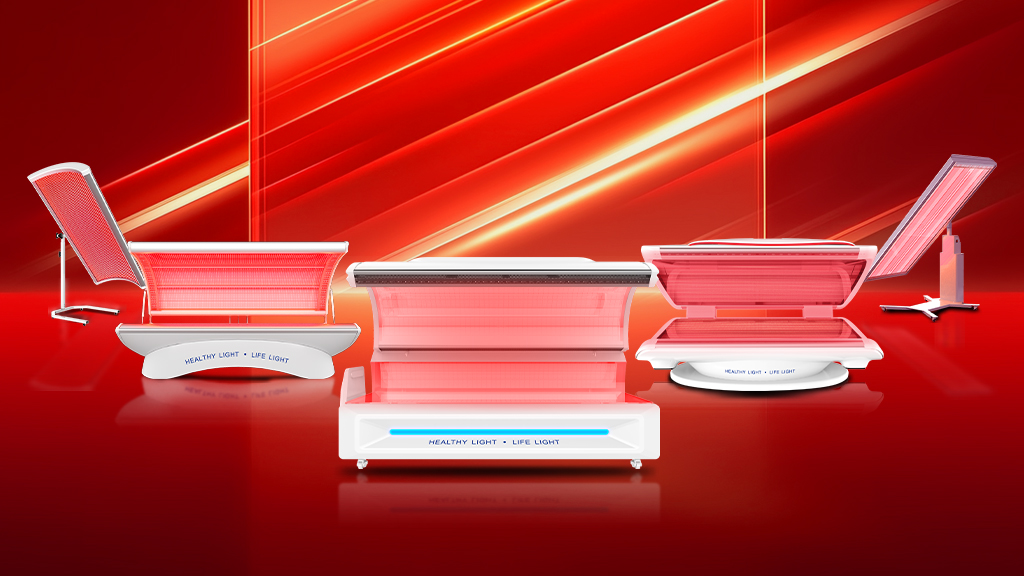
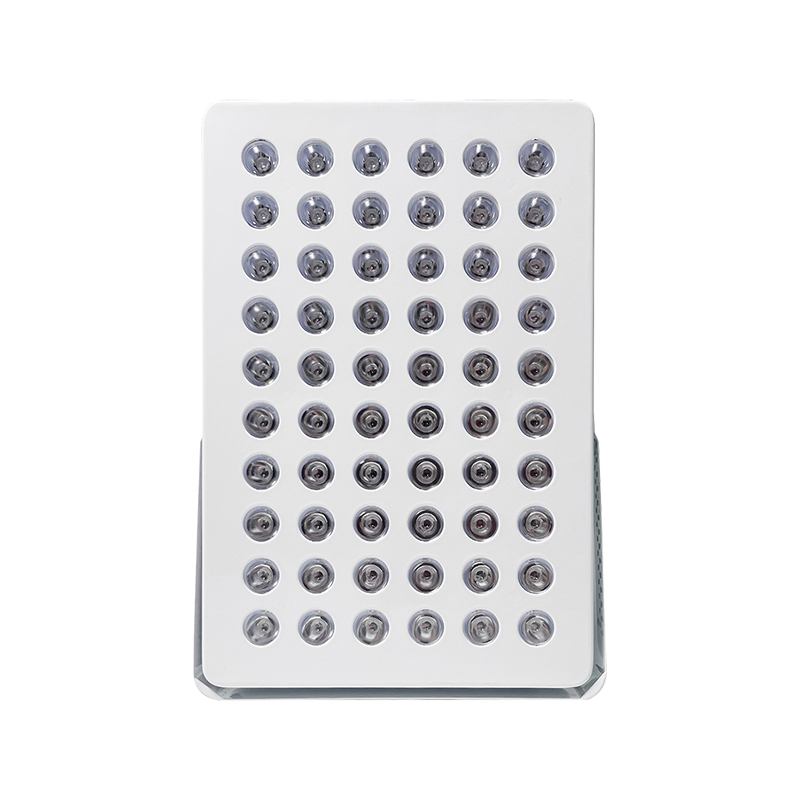
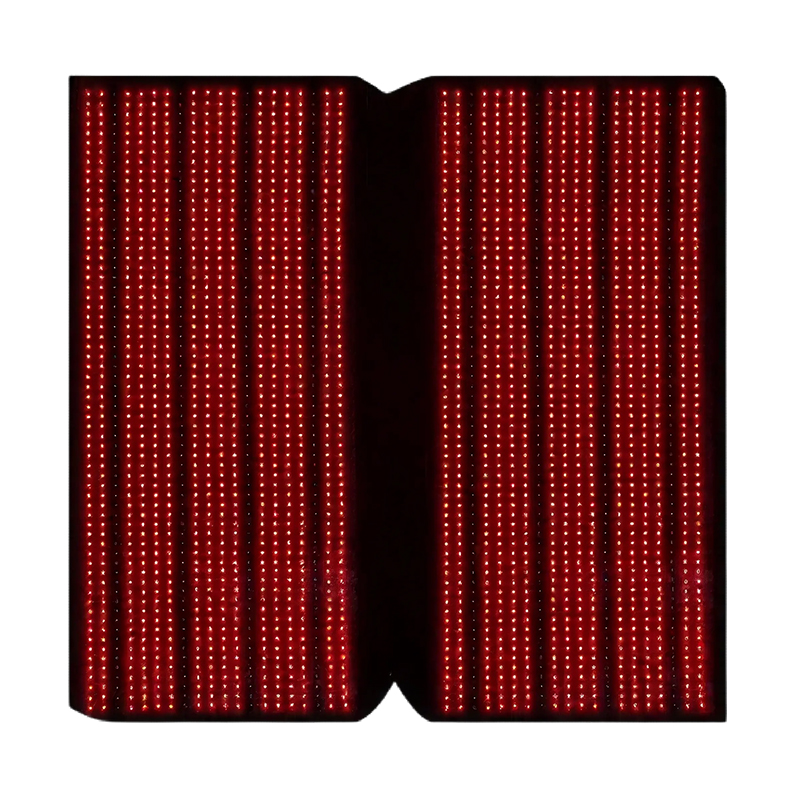
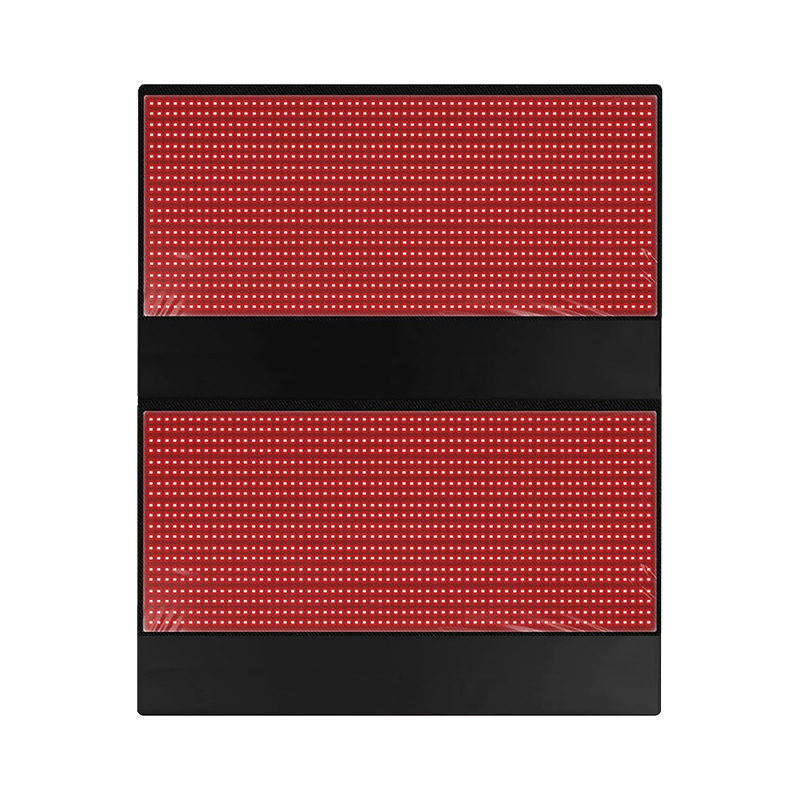
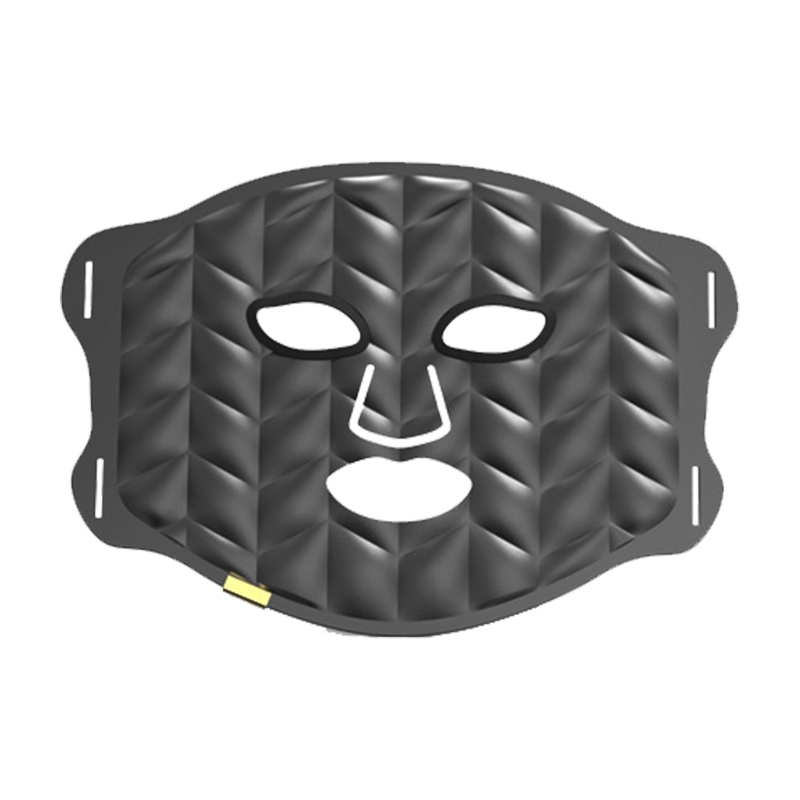
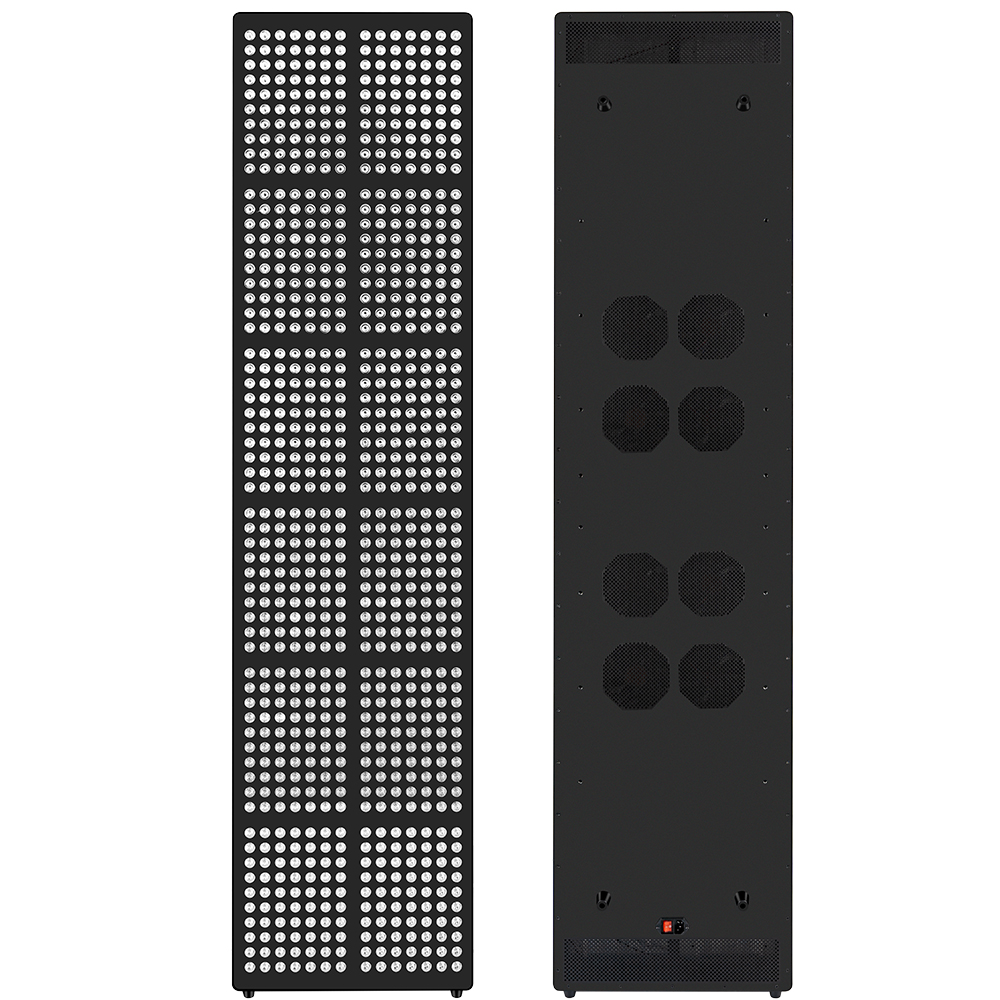
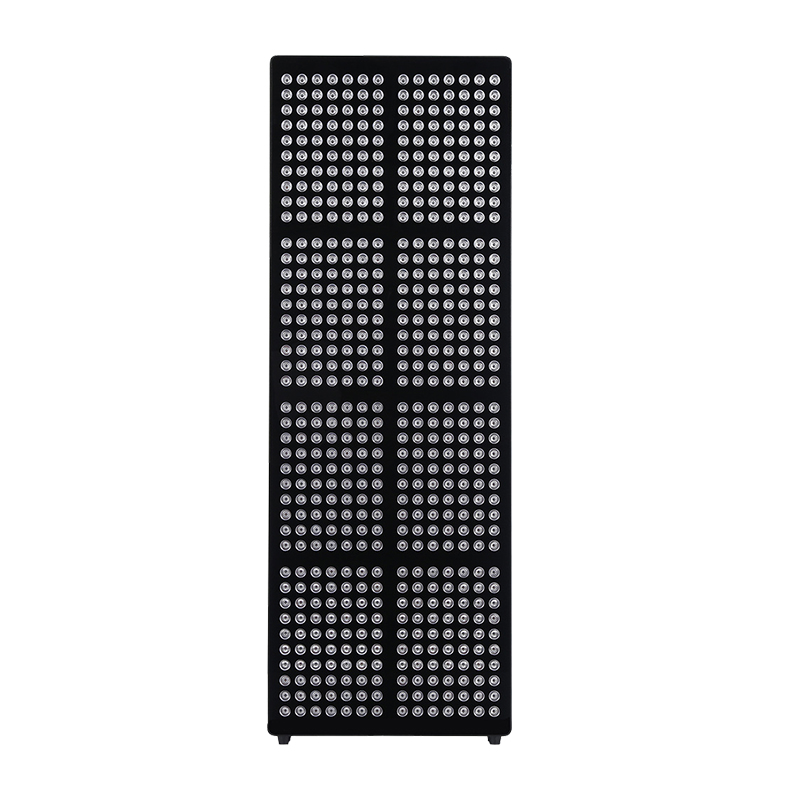
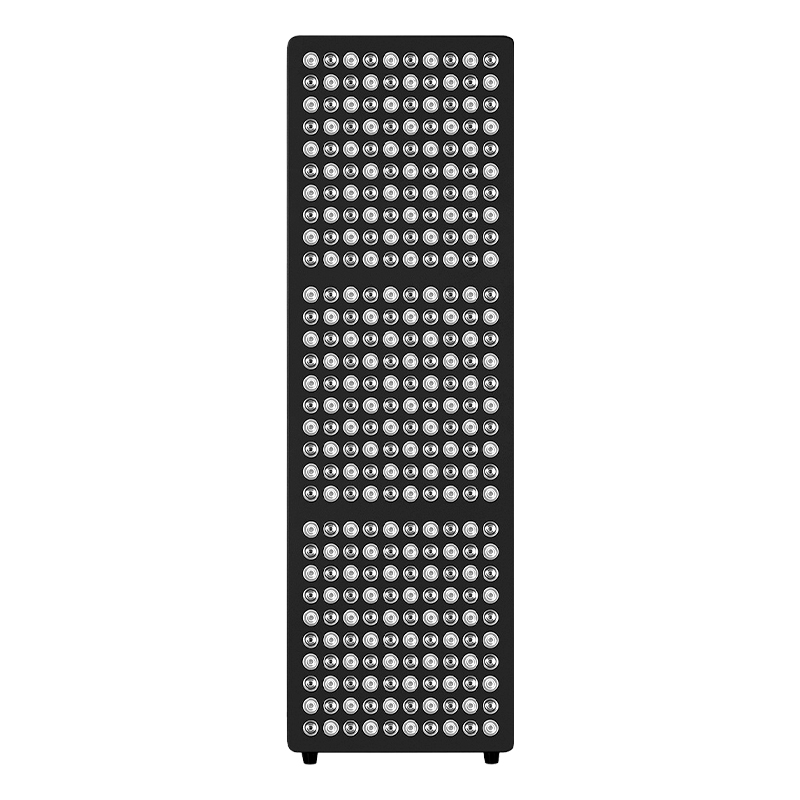
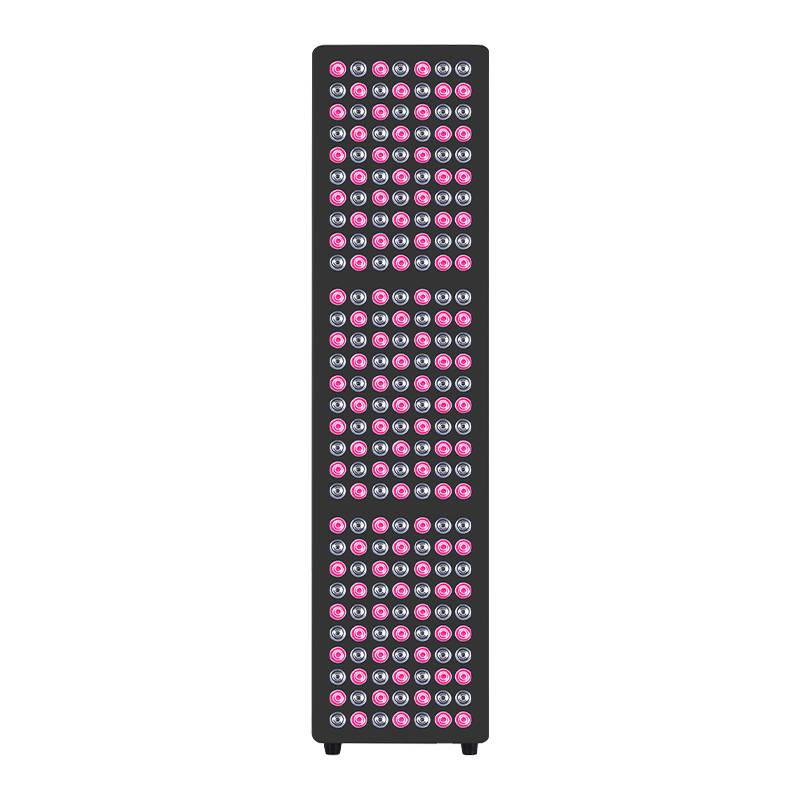
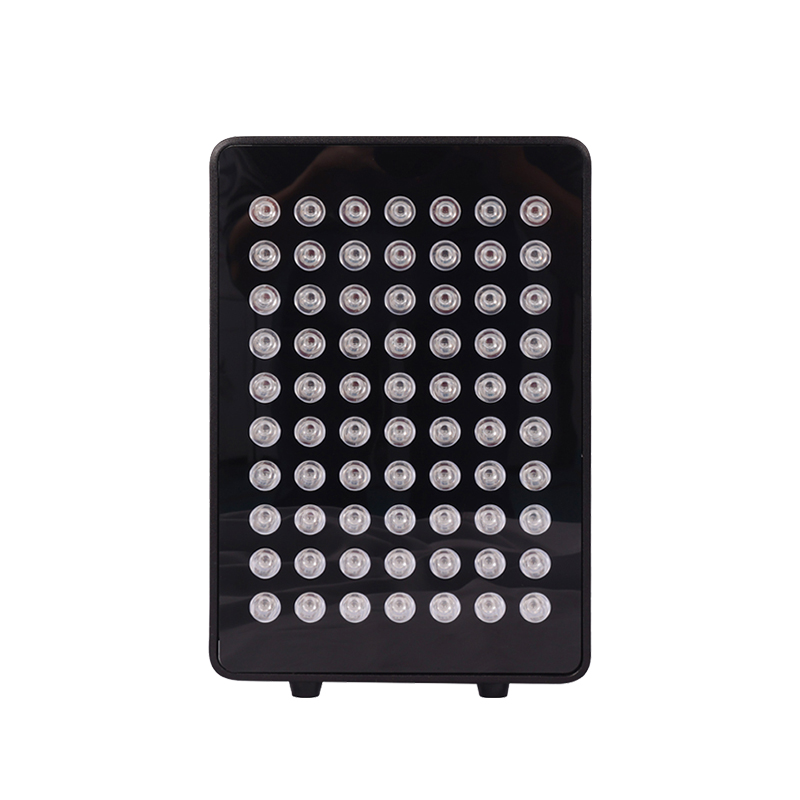
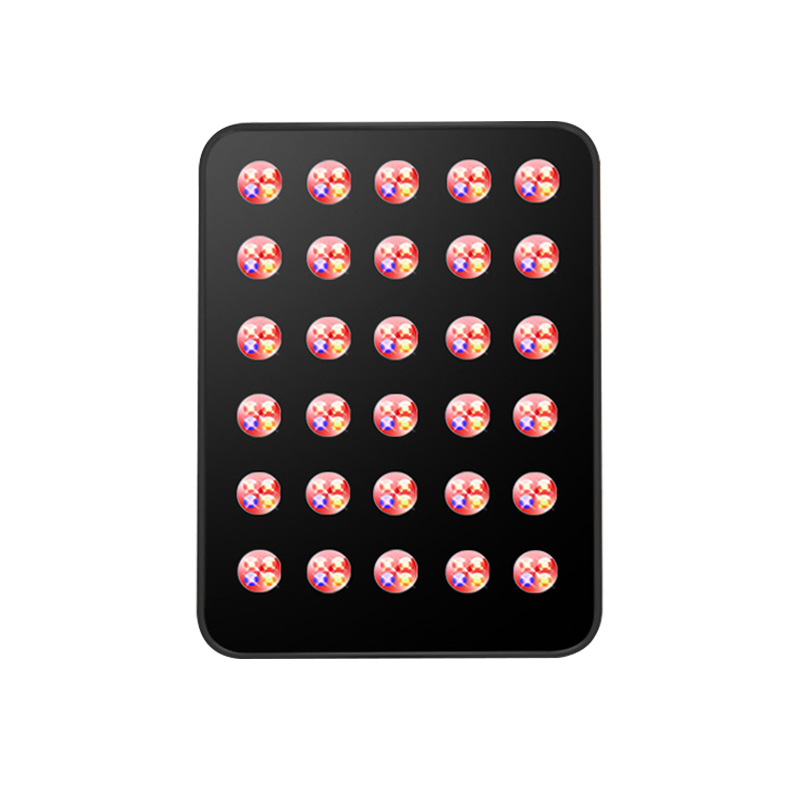
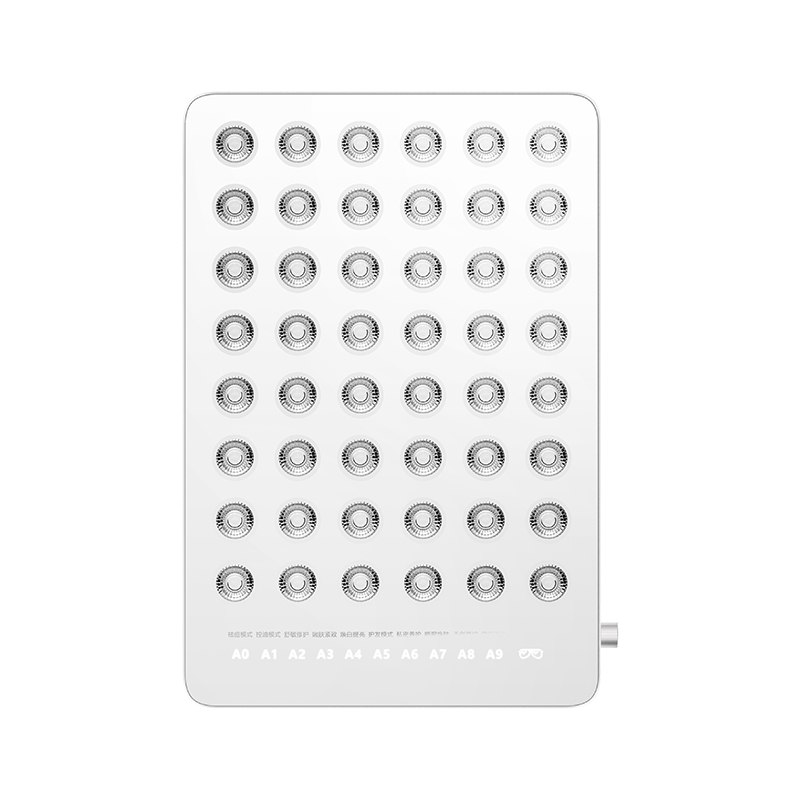
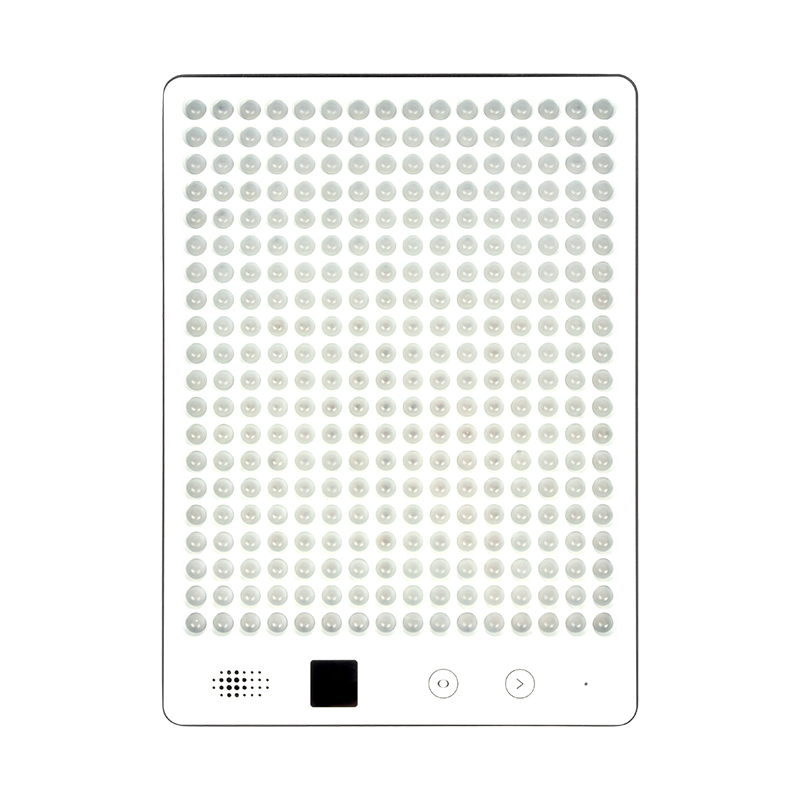
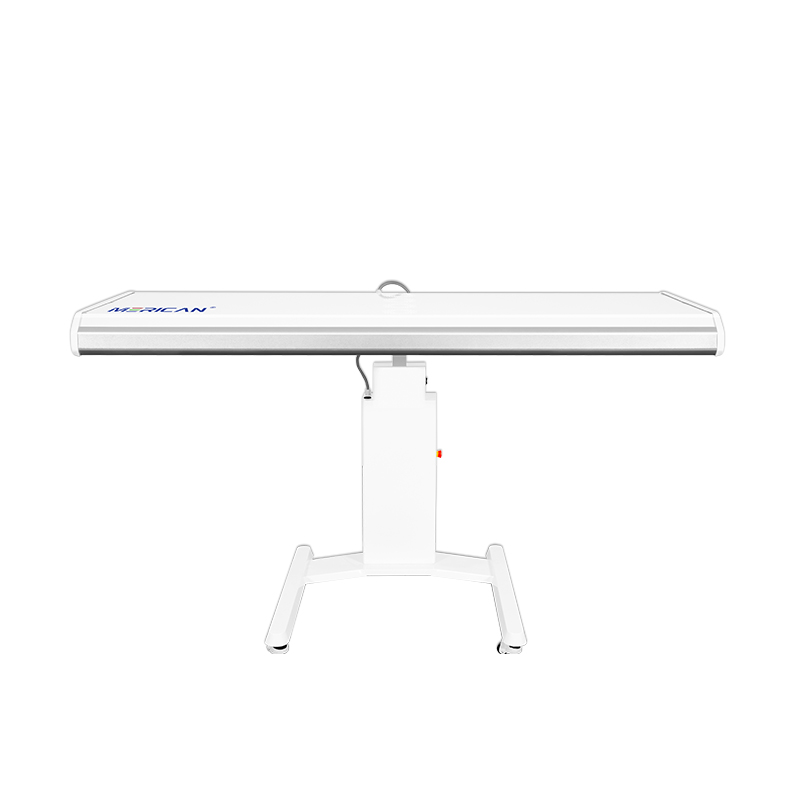
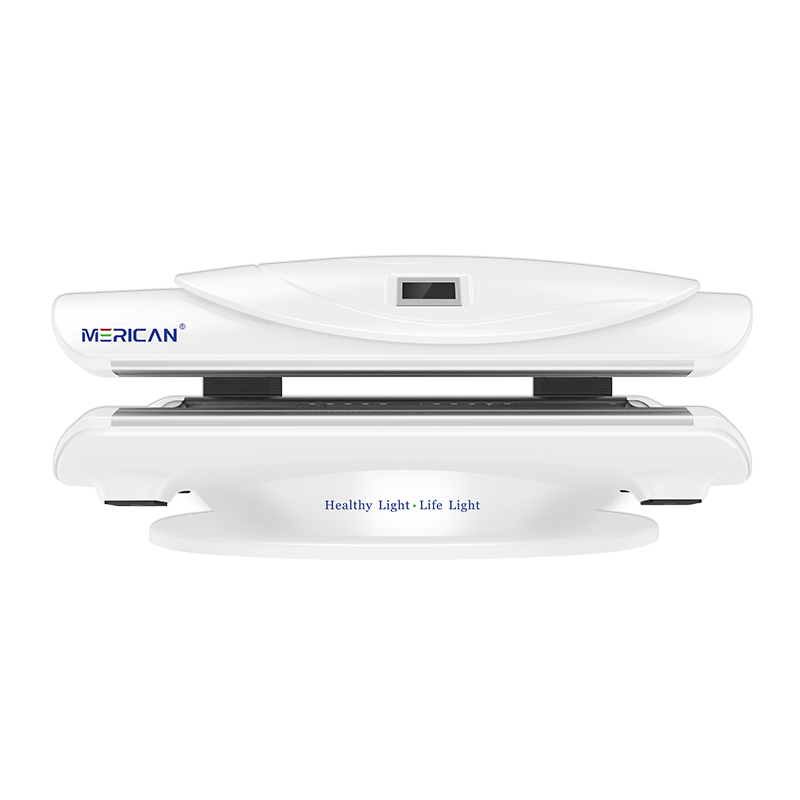
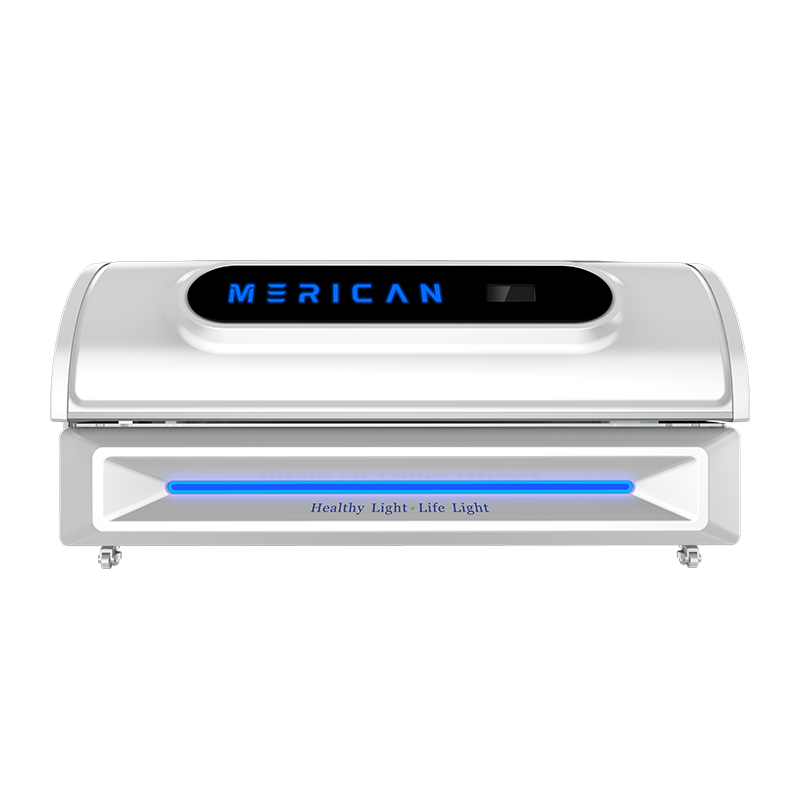
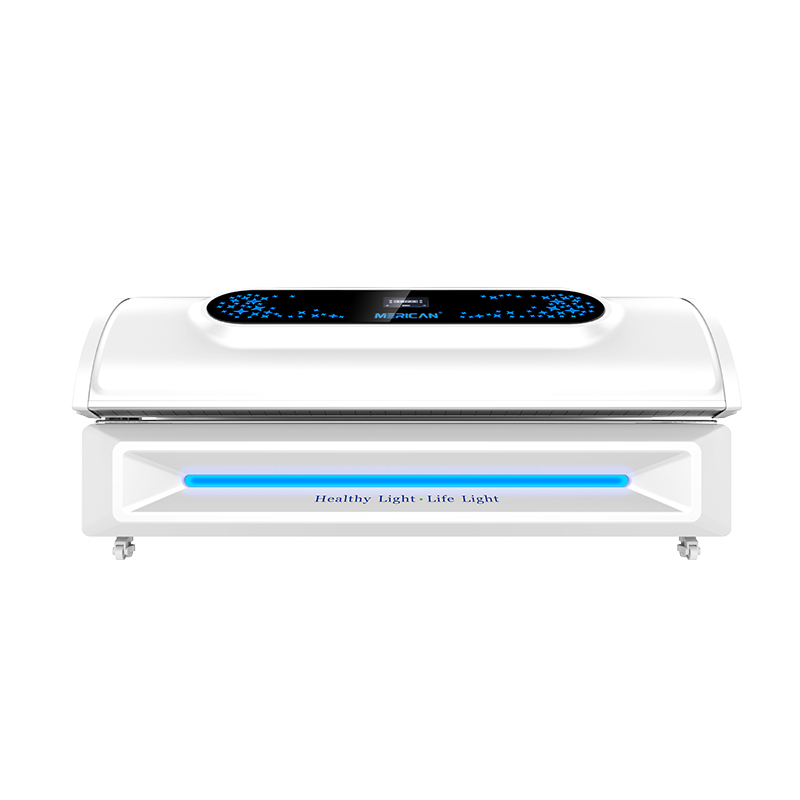
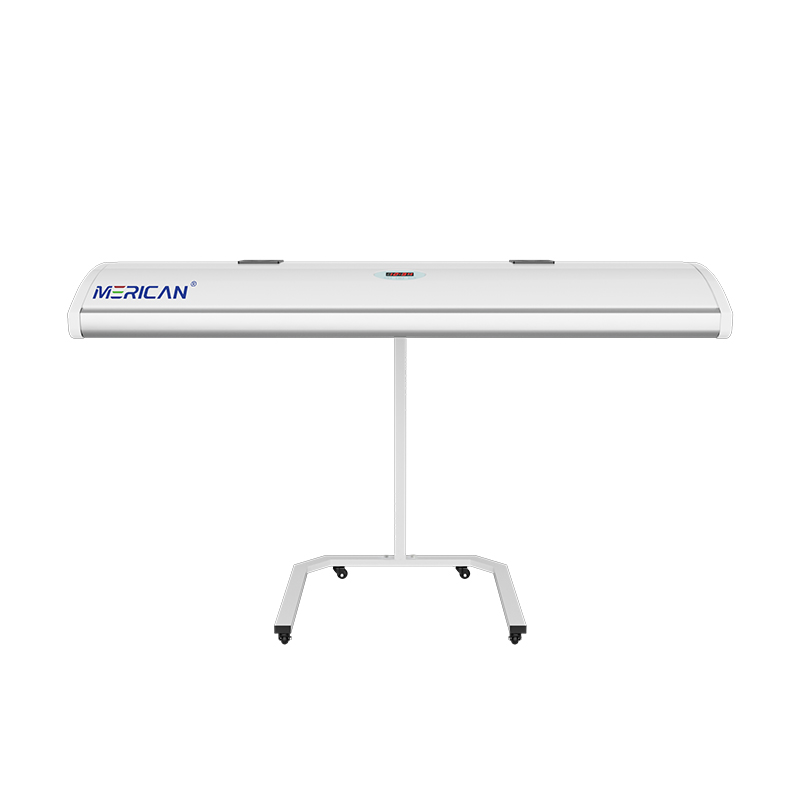
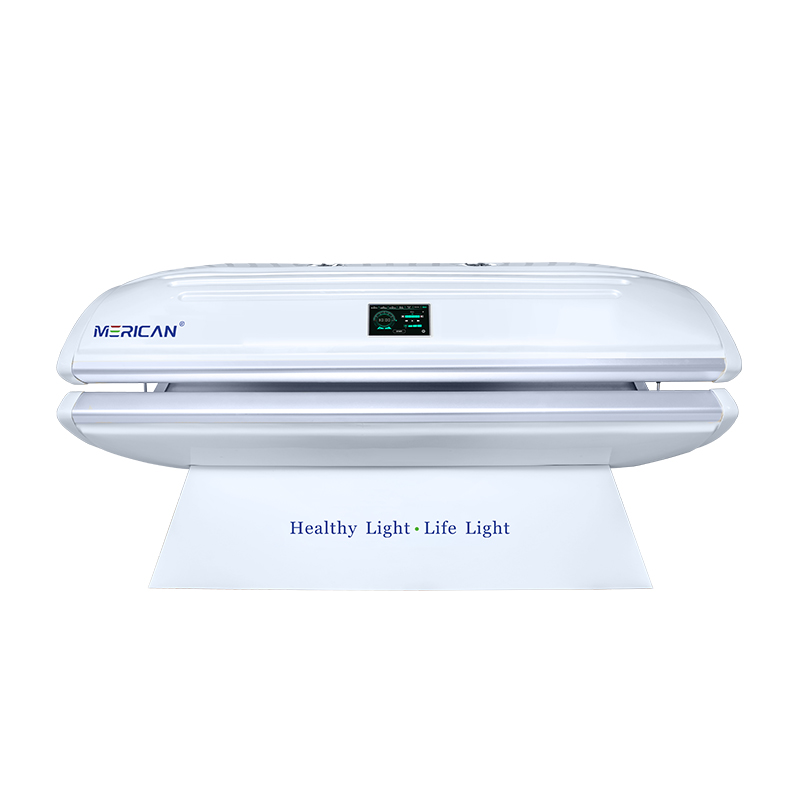
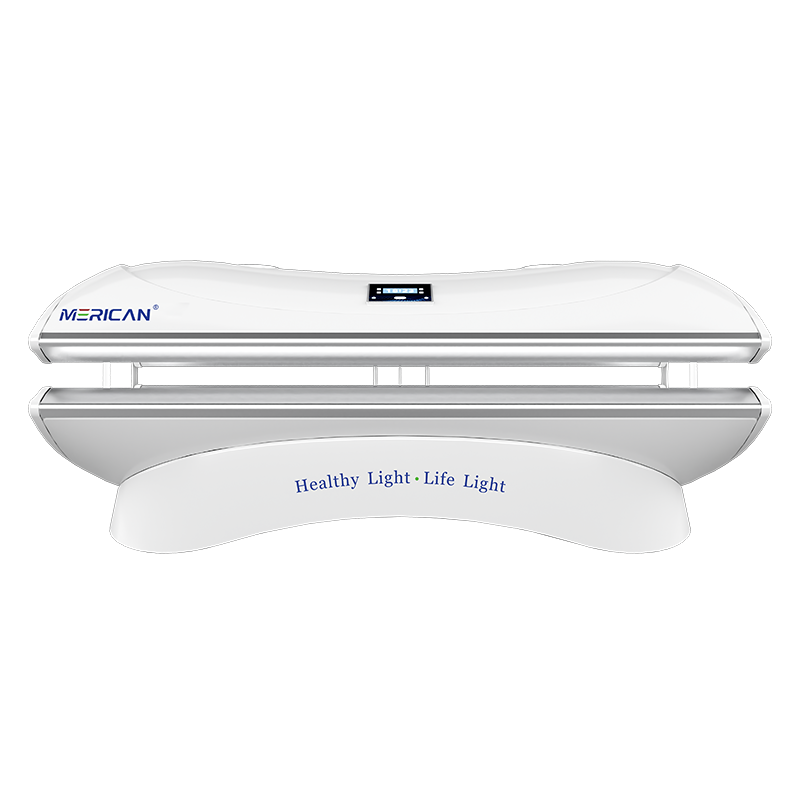
Ka kaha te pana a nga kaipara i o ratou tinana, a he mea nui te whakaora ki te whakangungu ano. I nga tau tata nei, maimoatanga rama whero (RLT) kua rongonuihia i waenga i nga kaitäkaro ngaio me nga mahi whakangahau he mea ngawari, he ara kore-ahuru hei tautoko i te whakaora tere me te hauora uaua.
How Red Light Therapy Helps Athletes Recover
Red light therapy uses red and near-infrared light, usually in the 630–880 nm awhe. This light penetrates the skin and reaches muscles, where it may:
- Boost cellular energy (ATP) hangahanga
- Improve blood flow to tired muscles
- Support tissue repair after intense exercise
Simply put, it helps muscles recover more efficiently after training.
Reducing Muscle Soreness and Fatigue
After workouts, muscles often feel sore due to tiny muscle fiber damage and inflammation. Ka awhina pea te rongoa rama whero:
- Reduce post-workout muscle soreness
- Decrease inflammation
- Relax tight muscles
Many athletes report feeling less stiff and more ready for their next session.
Supporting Strength and Performance
While red light therapy does not directly build muscle, better recovery can lead to:
- More consistent training
- Less downtime from soreness
- Improved overall performance
When athletes recover faster, they can train smarter and more often.
Is Red Light Therapy Safe for Athletes?
He haumaru te whakamaarama rama whero:
- No UV exposure
- No drugs or injections
- Suitable for frequent use
It is best used as a recovery tool, not a replacement for proper training, kai kai, and rest.
Whakarāpopototanga
Red light therapy offers athletes a science-backed way to support muscle recovery, whakaiti te mamae, and stay ready for peak performance.