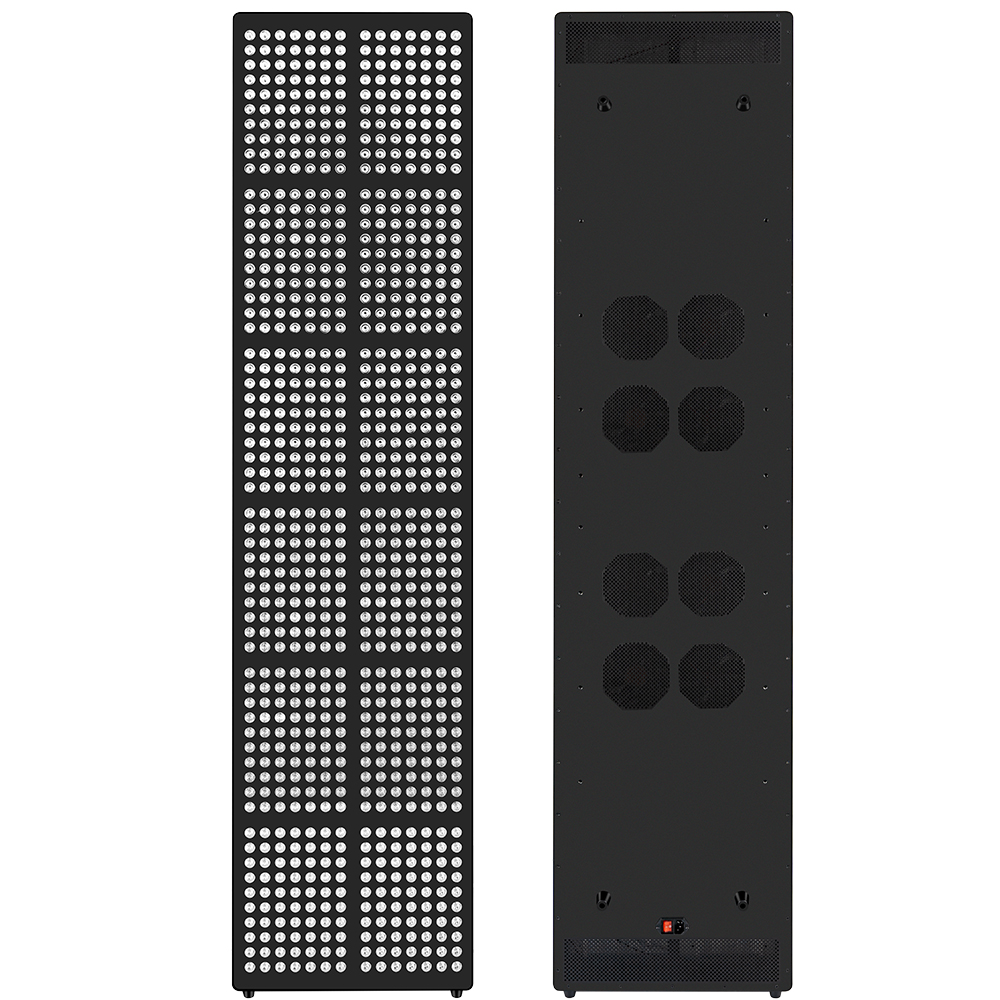
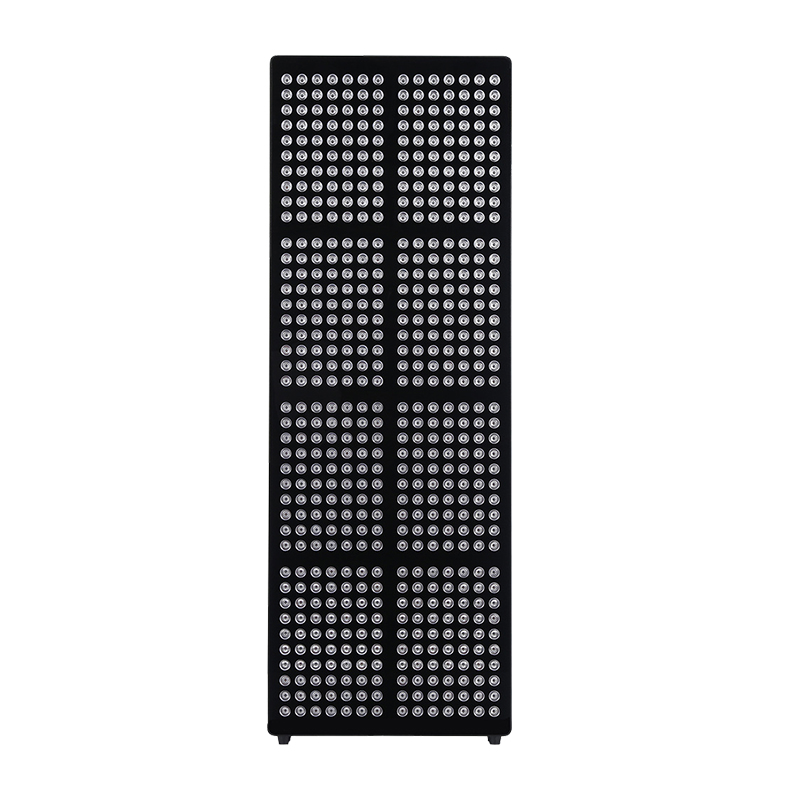
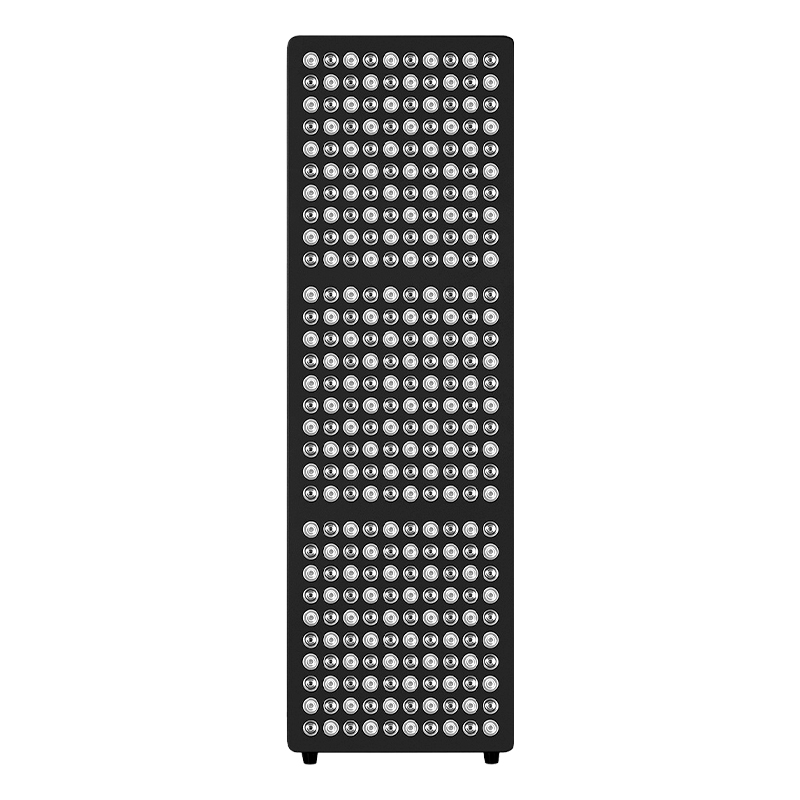
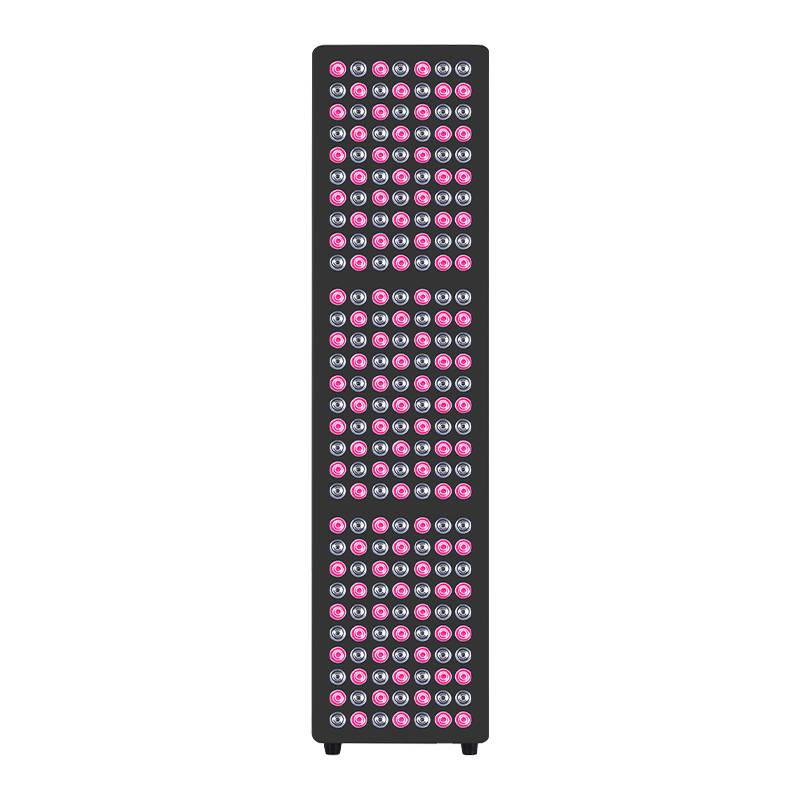
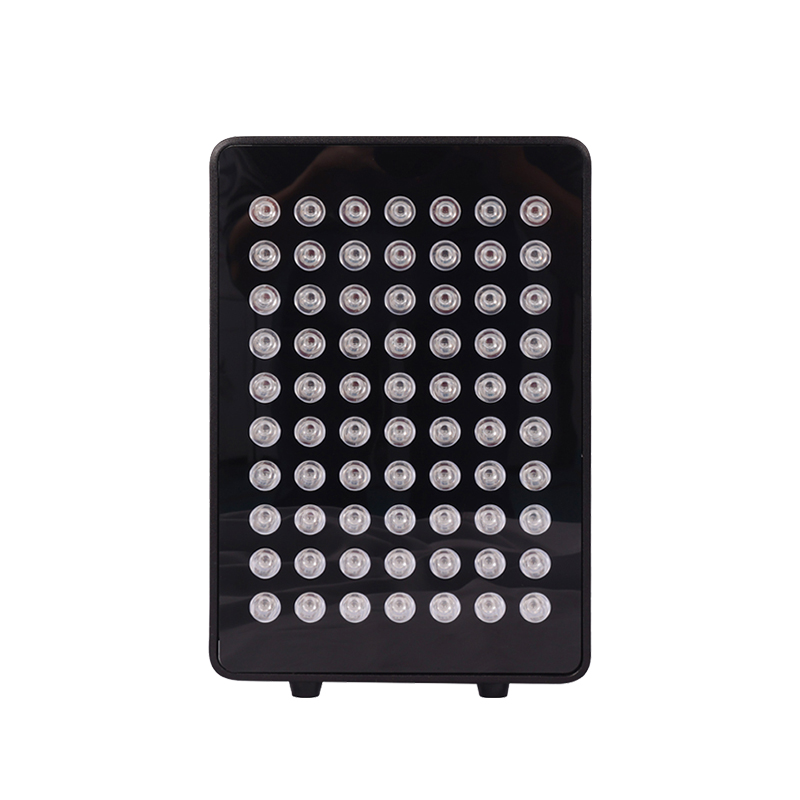
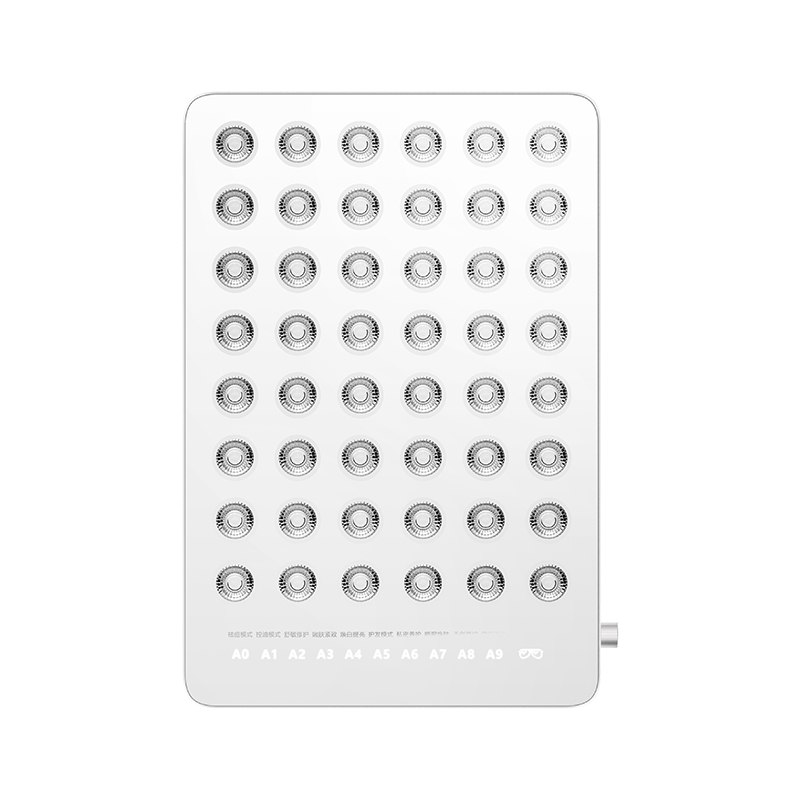
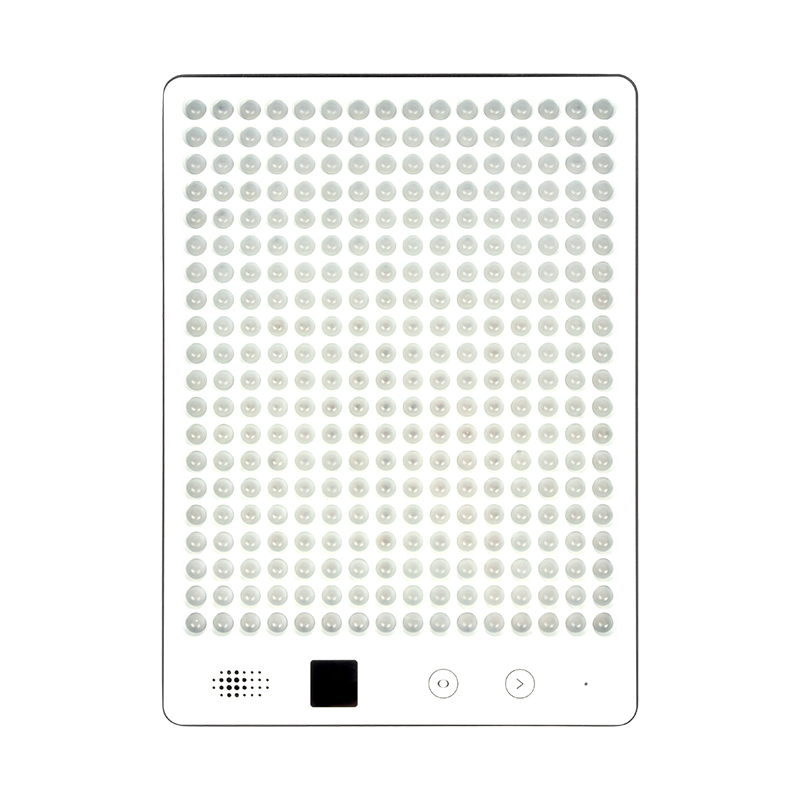
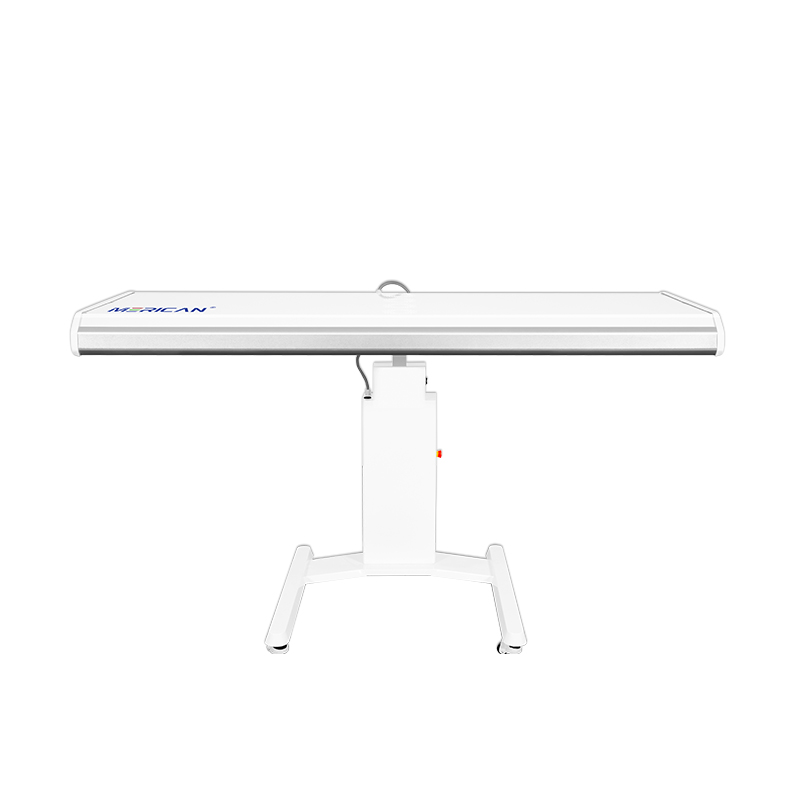
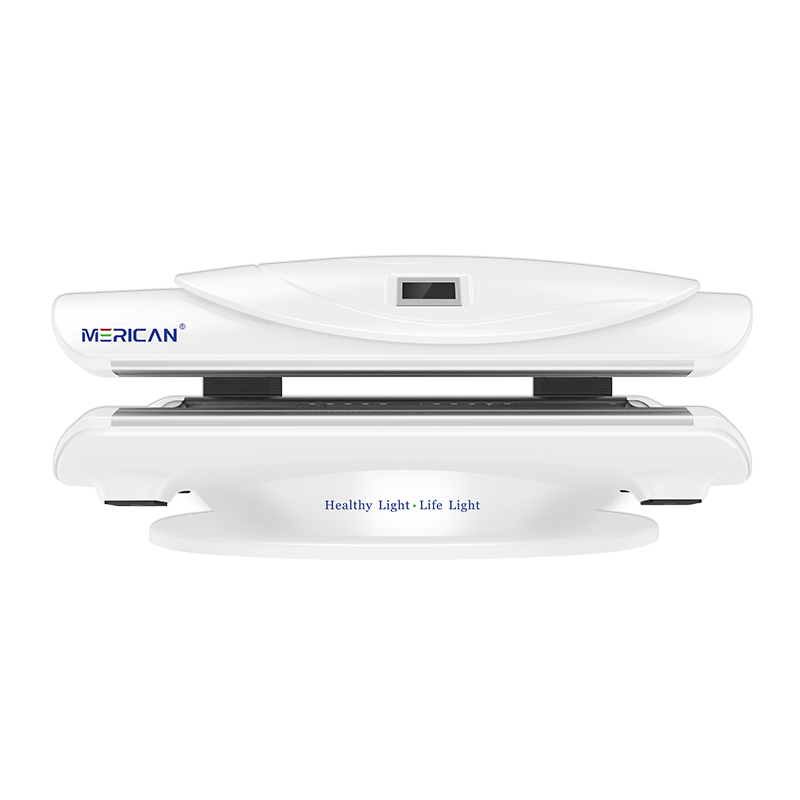
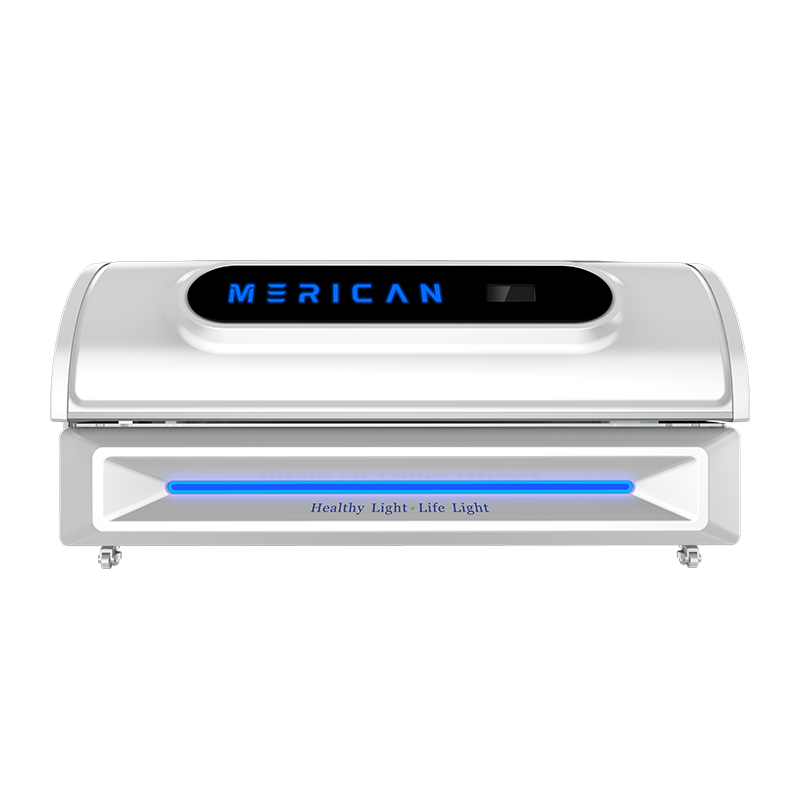
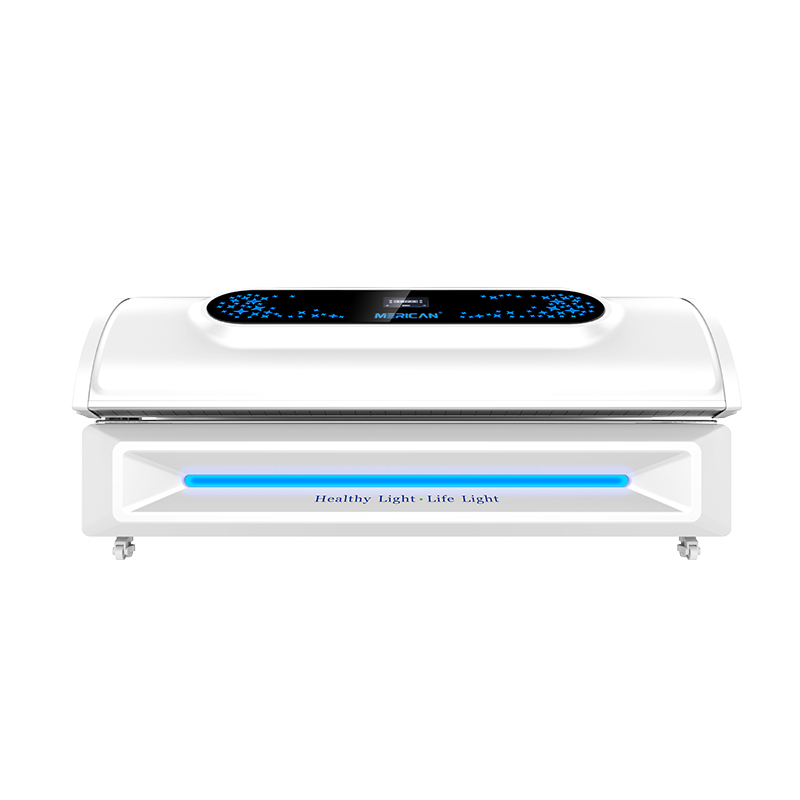
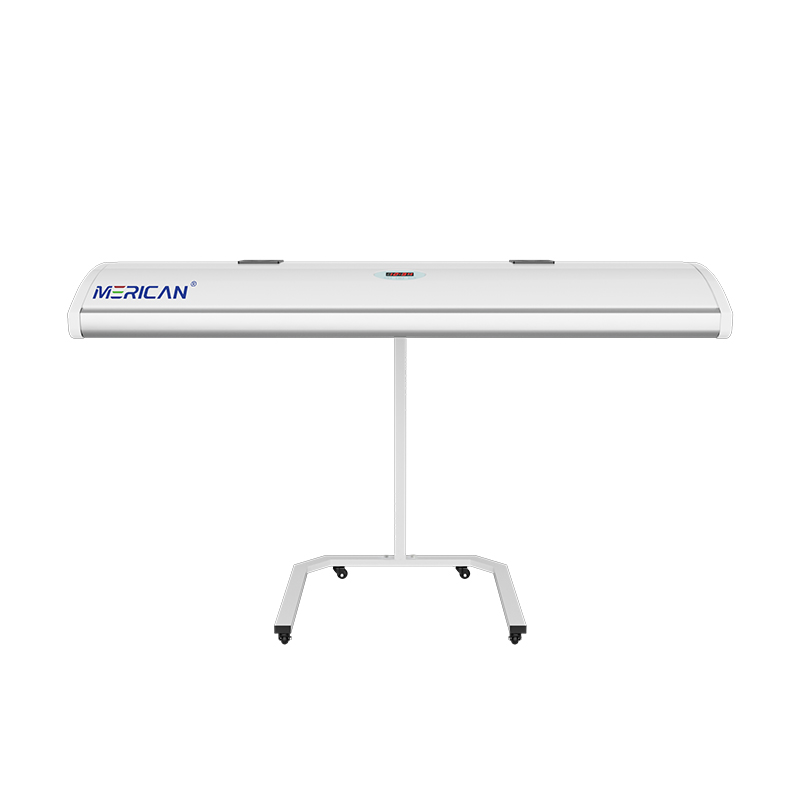
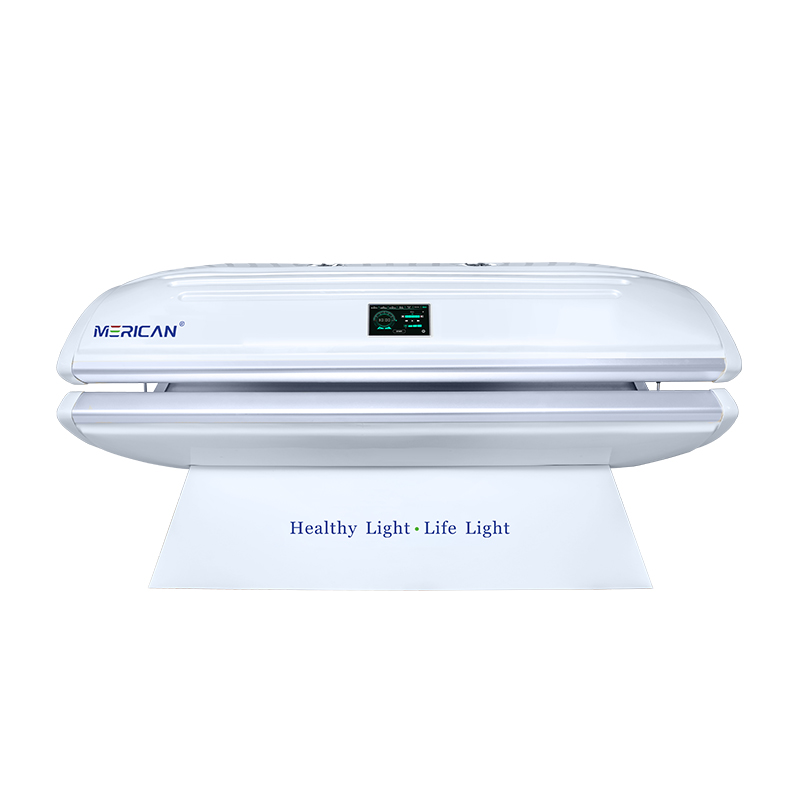
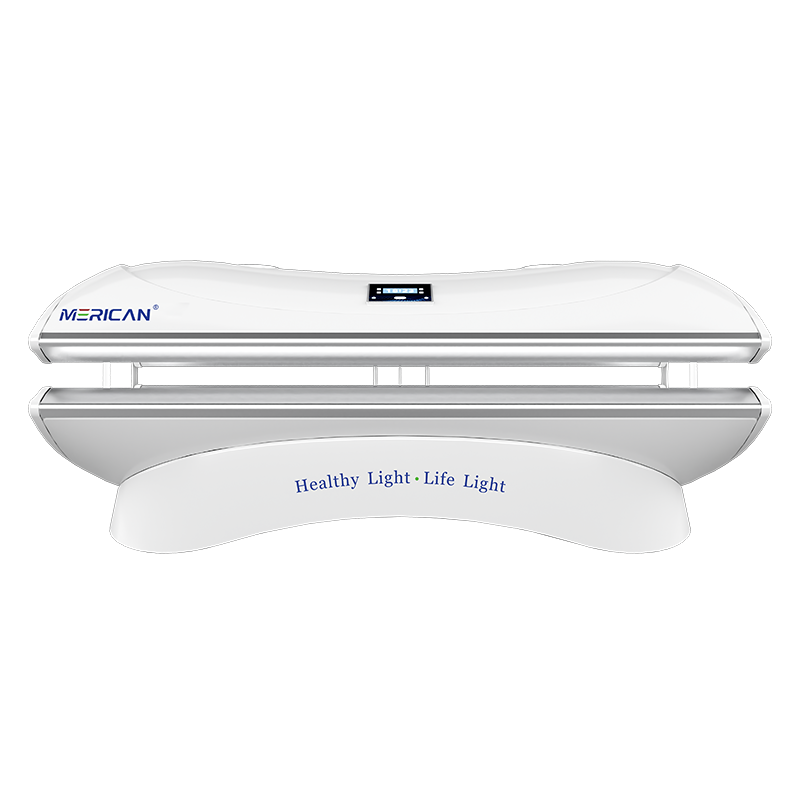
Te mamae tahi, he mate noa e pa ana ki nga miriona o te ao, ka tino pa ki te kounga o te oranga. I te mea kei te haere tonu nga mahi hauora, Ko nga maimoatanga rereke penei i te whakamaarama rama whero me te tata-infrared kua arohia mo o raatau kaha ki te whakaiti i te mamae tahi.. I roto i tenei tuhinga, we delve into the principles behind this innovative therapy and explore how specific wavelengths can provide much-needed relief from joint pain.
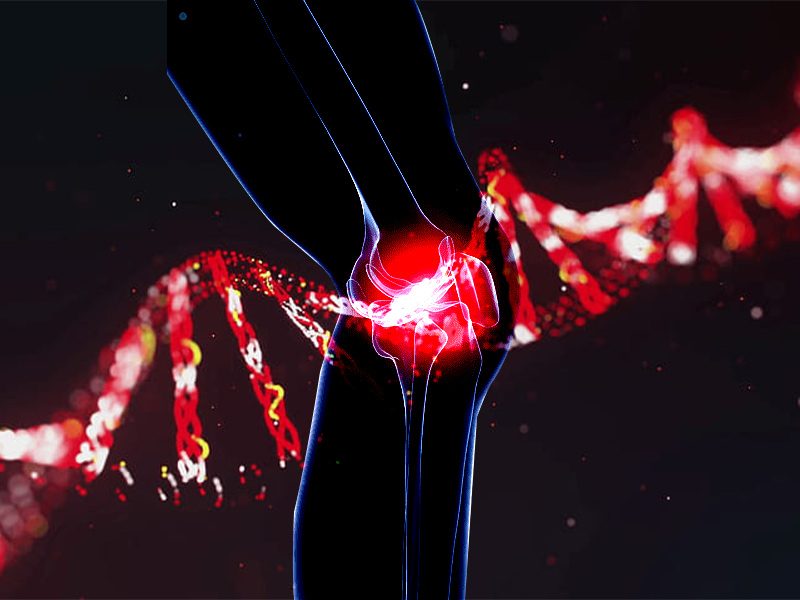
Understanding Red and Near-Infrared Light Therapy
Te whakamaarama rama whero me te tata-infrared rama, mohiotia hoki kophotobiomodulation, is a non-invasive treatment that utilizes specific wavelengths of light to stimulate cellular function and promote healing. Ko enei roangaru, typically ranging from 600 ki 1000 nanometera, penetrate the skin and are absorbed by the mitochondria, the energy-producing powerhouses within cells.
The Mitochondrial Effect
Mitochondria play a crucial role in energy production, and when exposed to red and near-infrared light, they undergo a photochemical reaction. This reaction triggers a cascade of beneficial effects, including increased production of adenosine triphosphate (ATP), the molecule responsible for storing and transferring energy in cells.
Joint Pain Relief Mechanism
Joint pain often arises from inflammation, tissue damage, and impaired circulation. Red and near-infrared light therapy addresses these factors through several mechanisms:
- Whakaitihia te mumura: The therapy helps mitigate joint pain by modulating the inflammatory response. It can inhibit pro-inflammatory cytokines while promoting anti-inflammatory molecules, thereby reducing swelling and pain.
- Whakanuia te Tohanga: By improving blood flow and microcirculation, red and near-infrared light therapy ensures efficient delivery of oxygen and nutrients to joint tissues. This increased circulation supports tissue repair and reduces pain.
- Cellular Regeneration: The therapy stimulates cellular regeneration and collagen synthesis. Collagen is a vital component of joint structures, and its replenishment supports joint health and function.
- Neuroprotection: Red and near-infrared light therapy may provide neuroprotective effects by enhancing nerve cell activity and reducing oxidative stress, potentially alleviating nerve-related joint pain.
Applying the Right Wavelengths
While both red and near-infrared wavelengths contribute to joint pain relief, studies have shown that certain wavelengths are particularly effective:
- Maama Whero (600-700nm): Red light penetrates more superficially and is suitable for addressing skin-related joint issues. It aids in reducing inflammation and promoting wound healing, which can be beneficial for joint pain caused by skin conditions or surface injuries.
- Maama-Pokarere Tata (700-1000nm): Near-infrared light penetrates deeper into tissues, making it ideal for addressing joint pain arising from deeper structures. It supports cellular metabolism, te whakahiato collagen, and anti-inflammatory responses, providing comprehensive relief.
Red and near-infrared light therapy holds significant promise in providing relief from joint pain. By harnessing the power of specific wavelengths, this non-invasive treatment addresses the root causes of joint discomfort, promoting inflammation reduction, enhanced circulation, whakahounga kiko, and overall improved joint function. As scientific research continues to uncover the intricate mechanisms behind this therapy, it is clear that the future holds exciting potential for more effective and personalized joint pain management strategies.