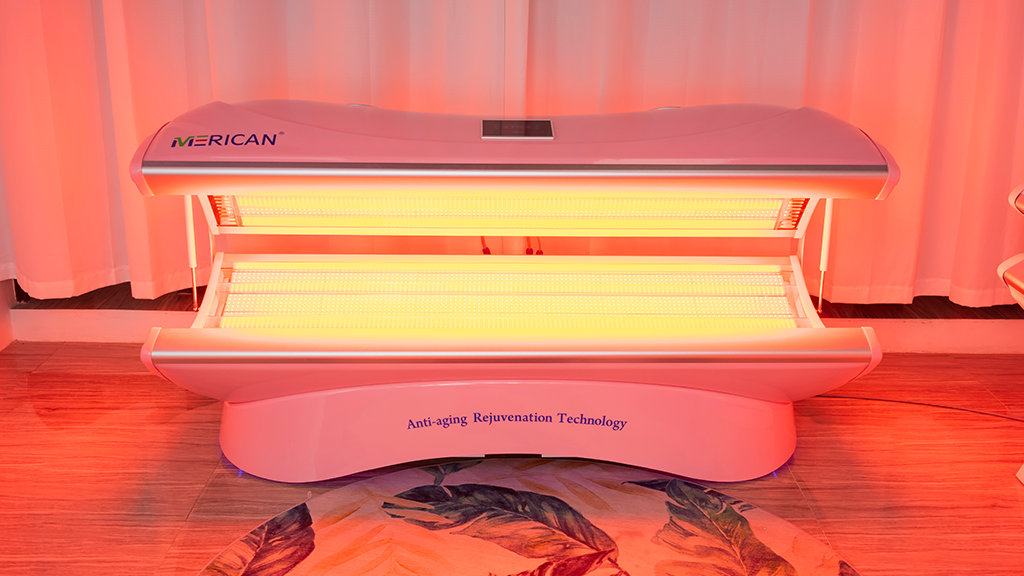
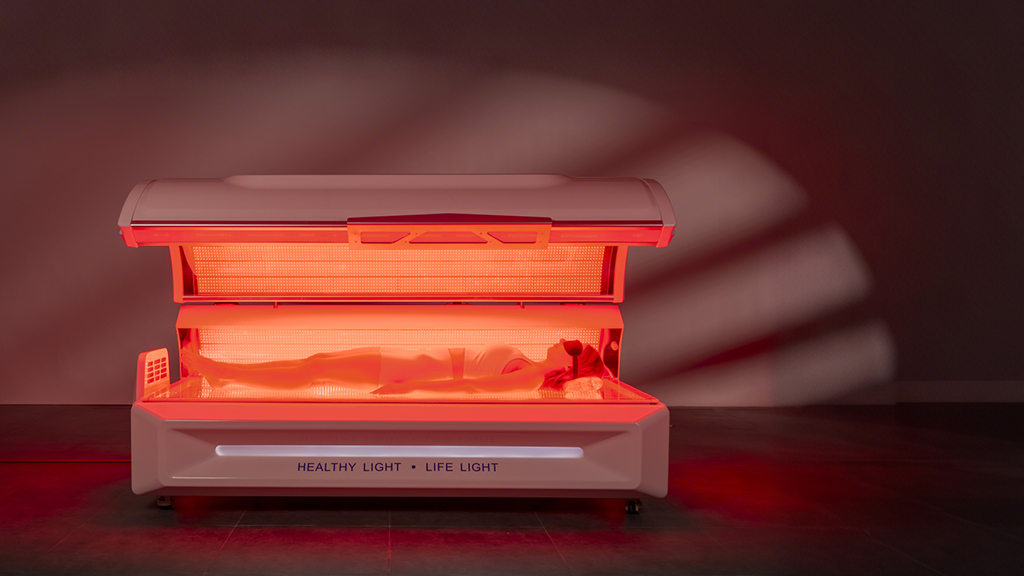
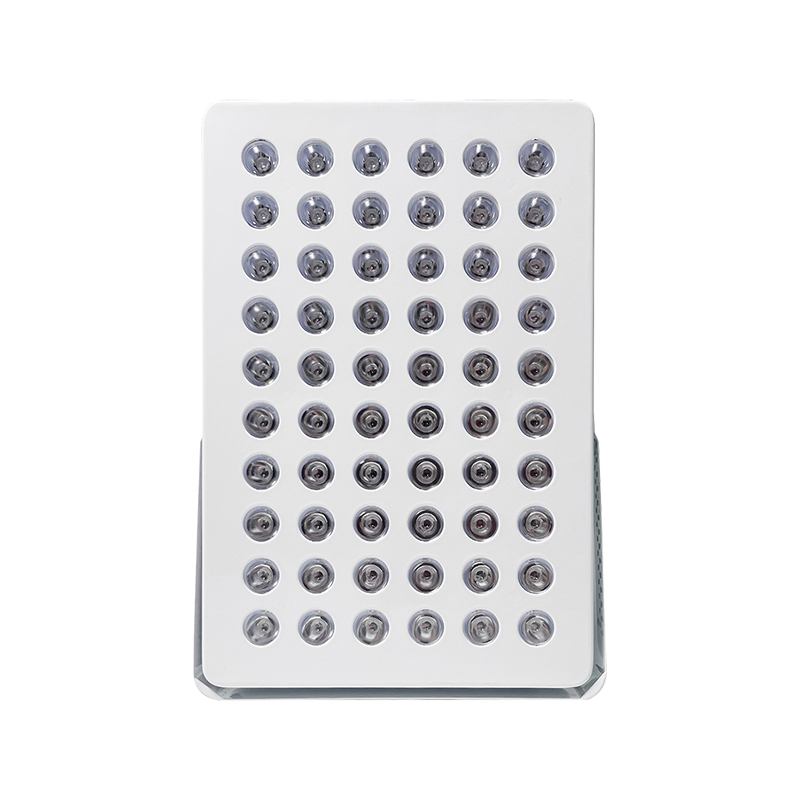
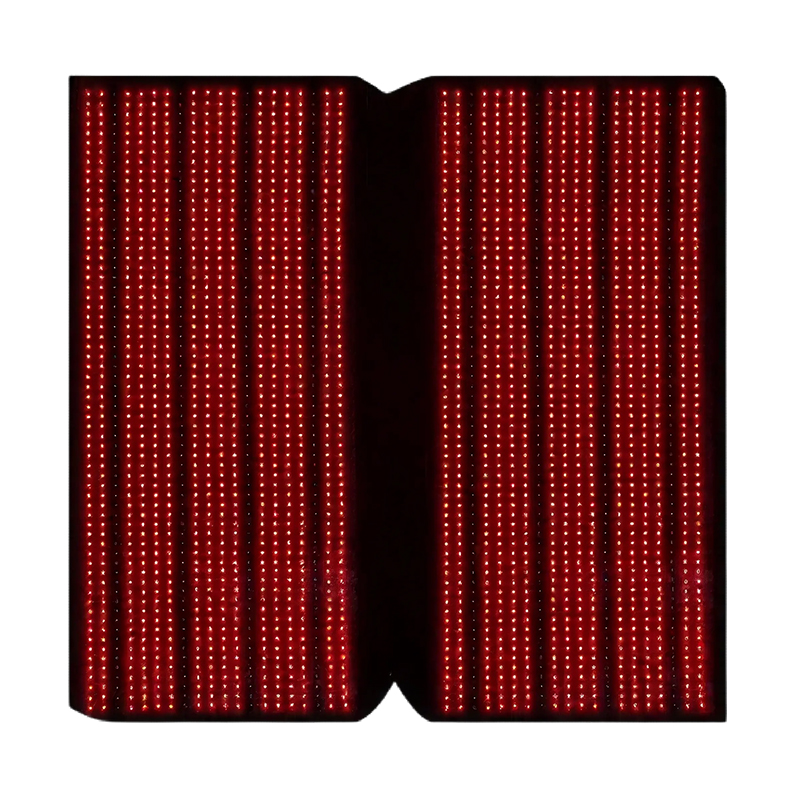
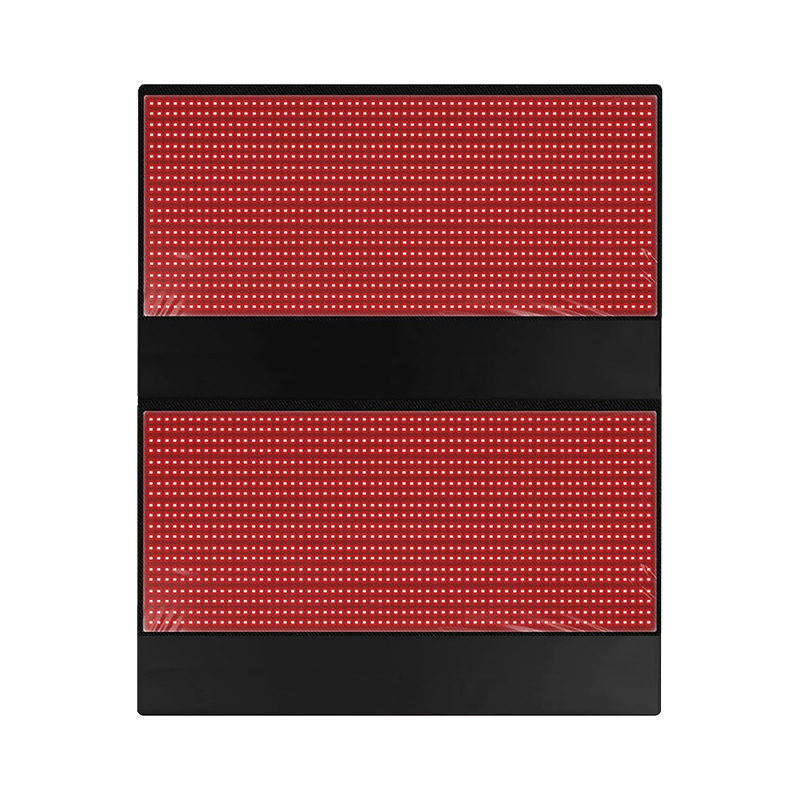
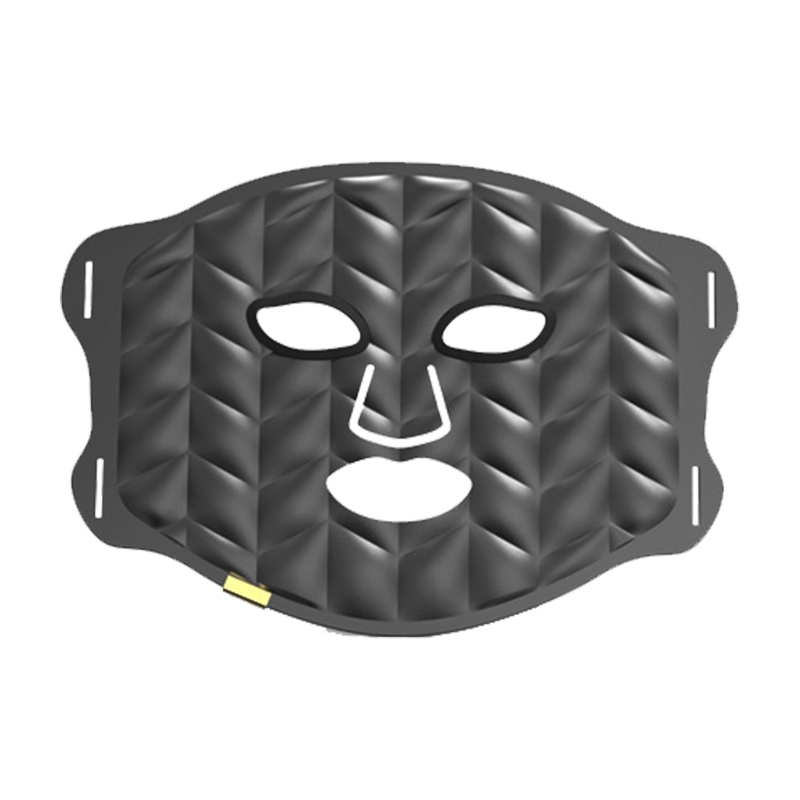
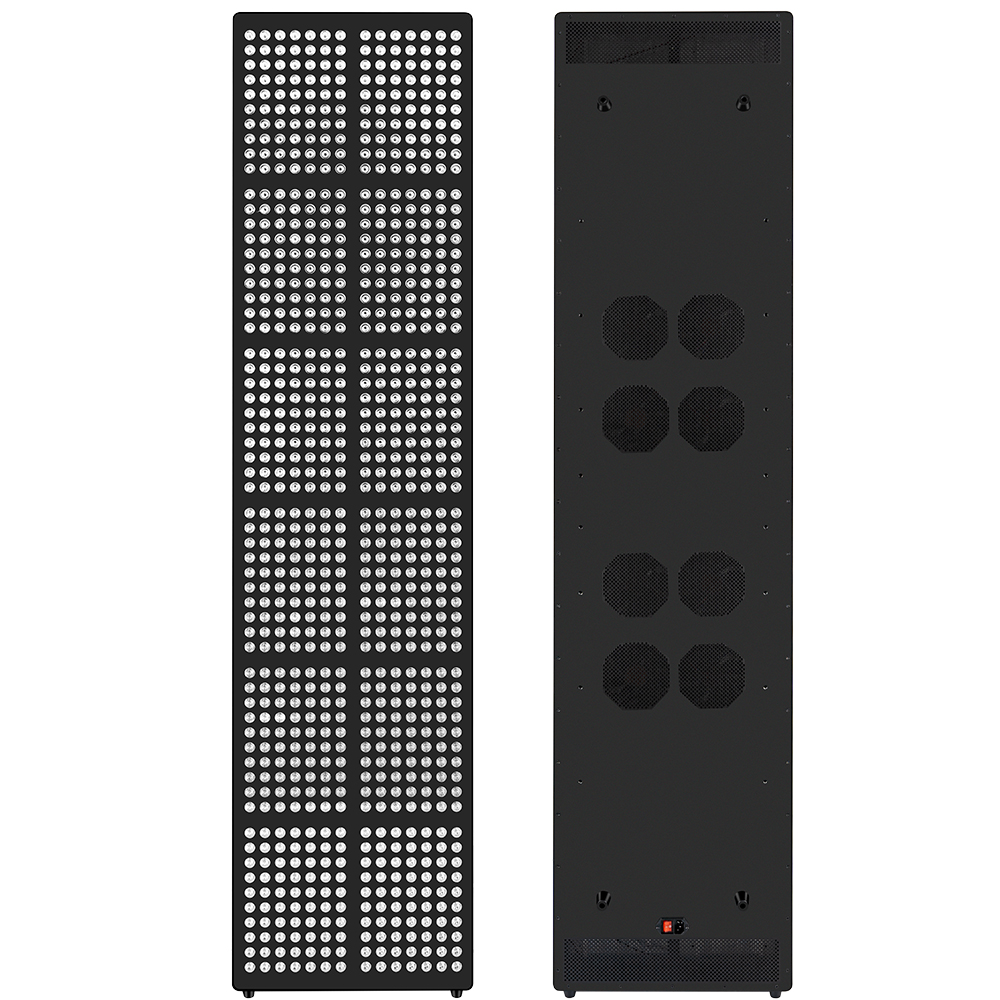
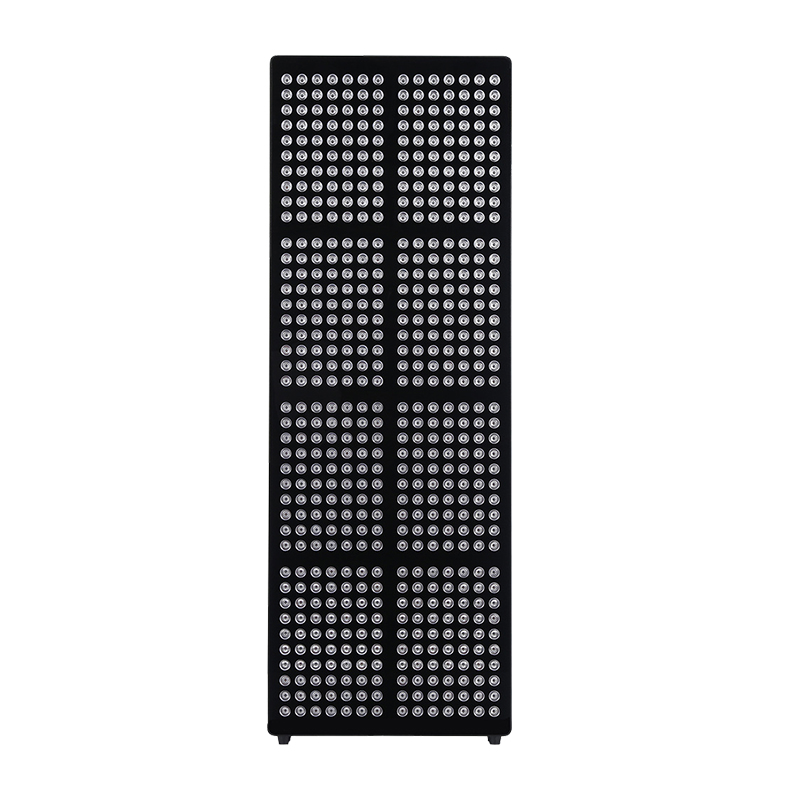
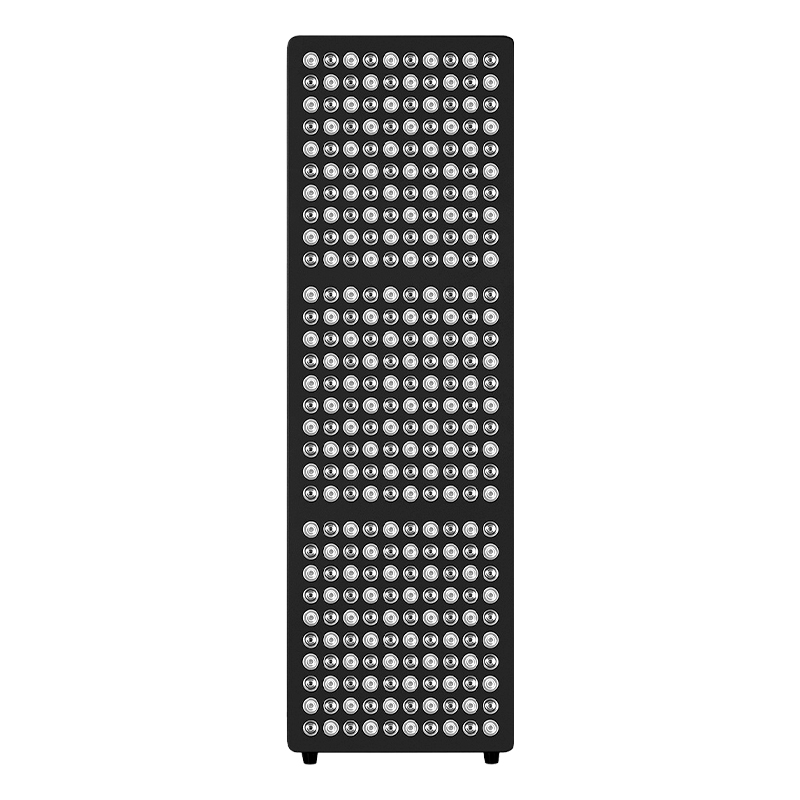
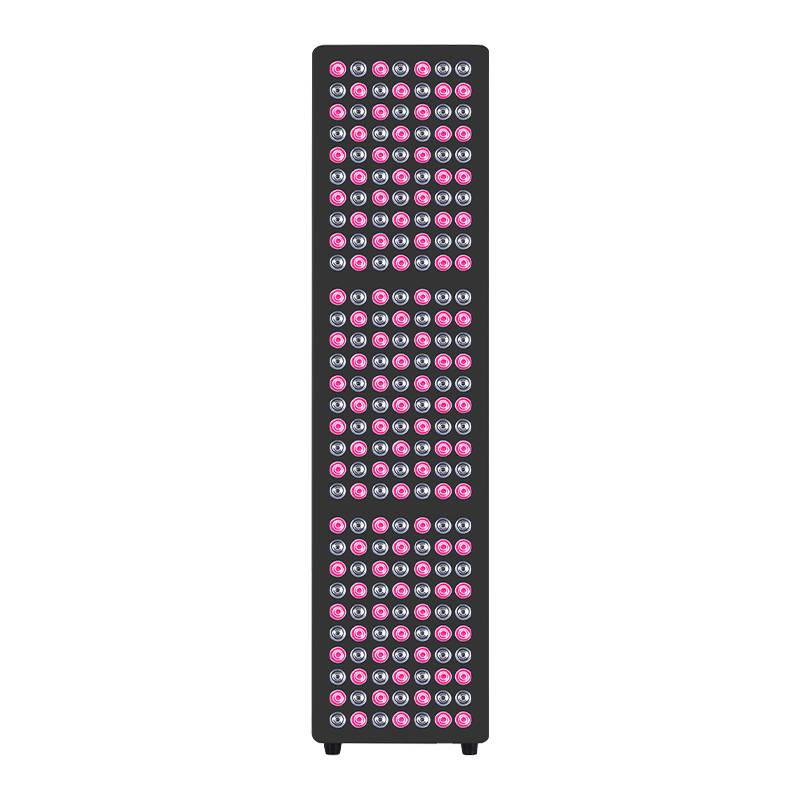
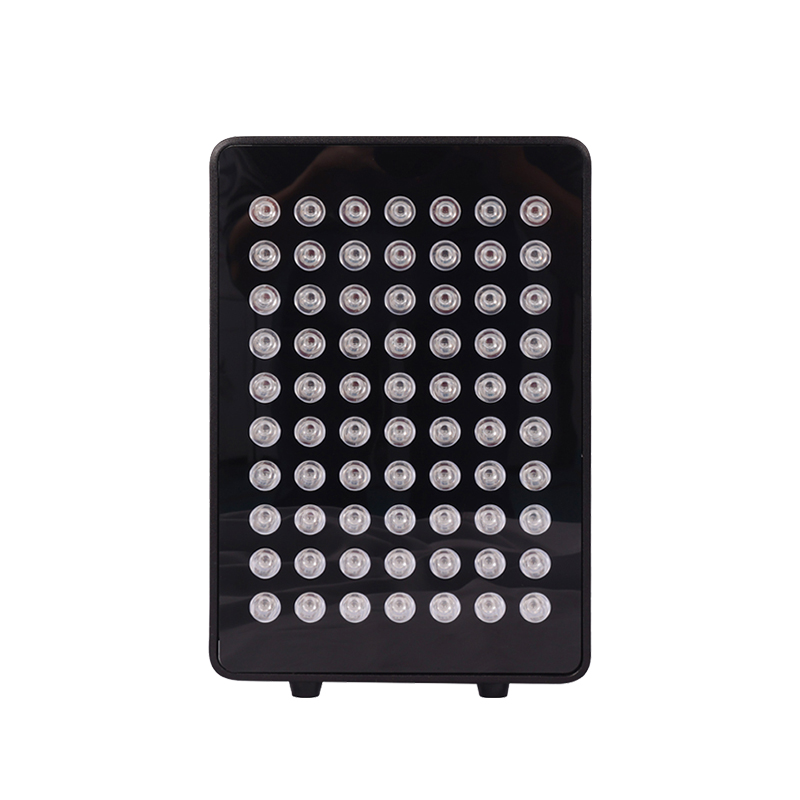
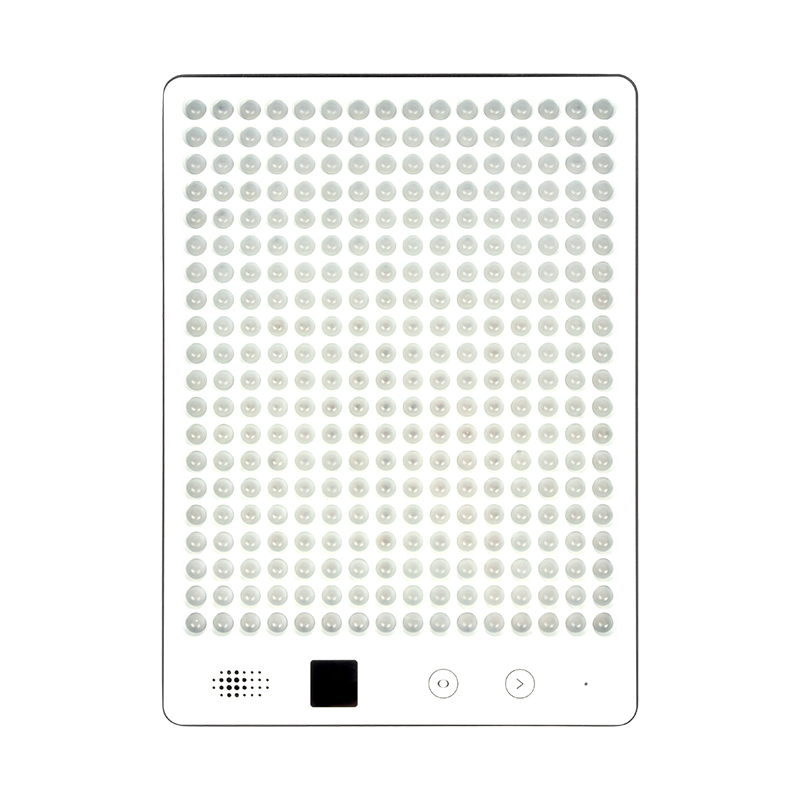
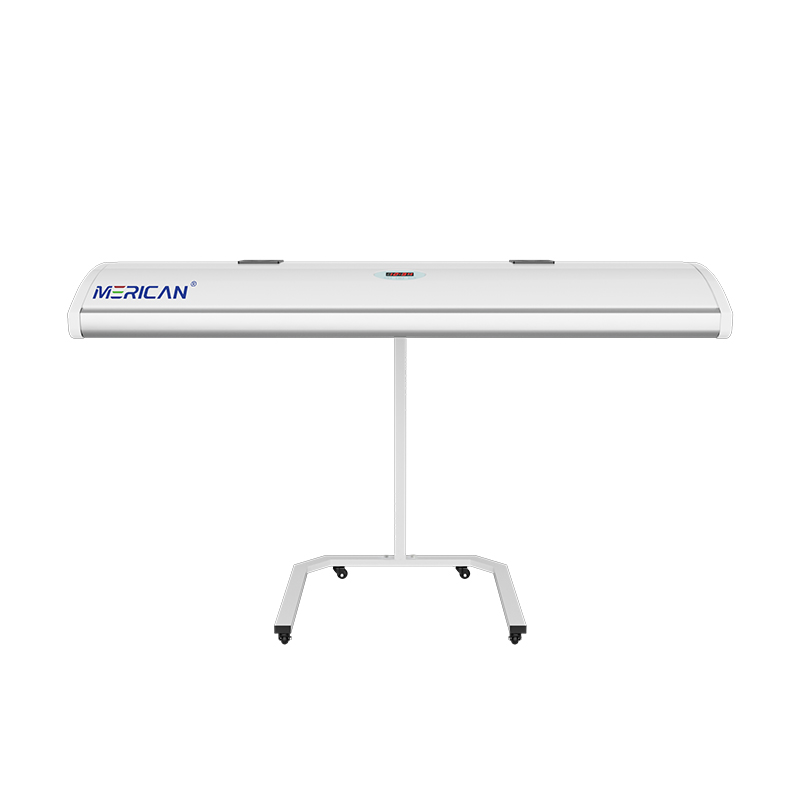
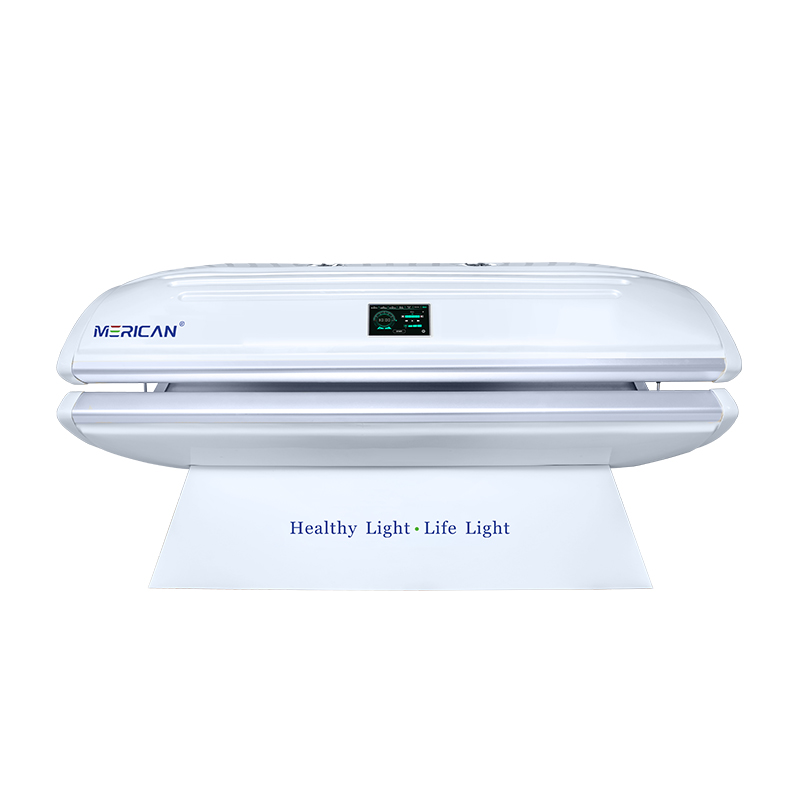
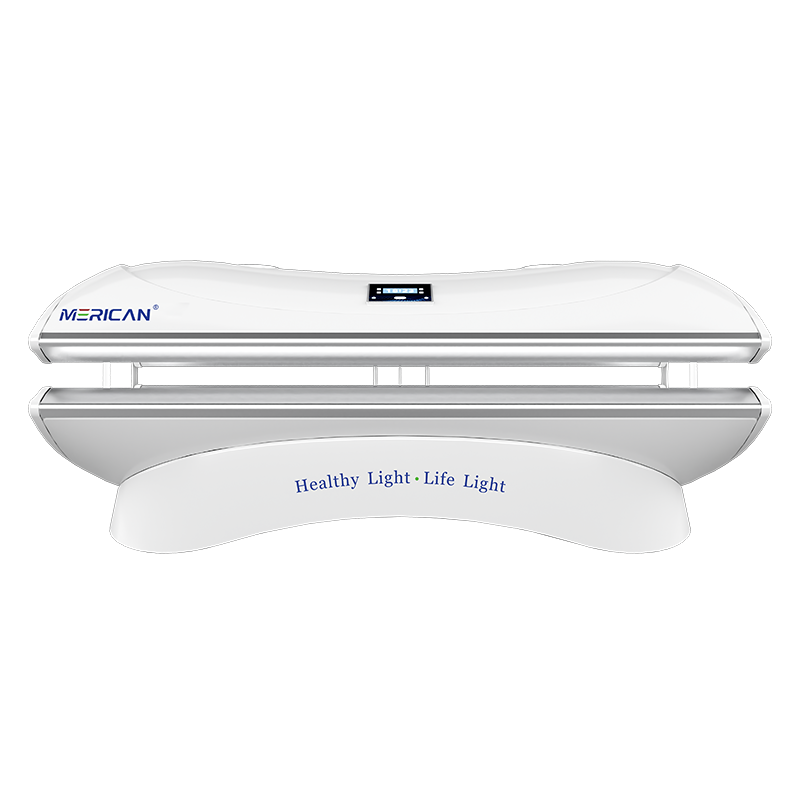
Leddsmerter, en vanlig sykdom som rammer millioner over hele verden, kan påvirke livskvaliteten betydelig. Ettersom medisinske fremskritt fortsetter, alternative behandlinger som rødt og nær-infrarødt lysterapi har fått oppmerksomhet for deres potensial til å lindre leddubehag. I denne artikkelen, vi fordyper oss i prinsippene bak denne innovative terapien og utforsker hvordan spesifikke bølgelengder kan gi sårt tiltrengt lindring av leddsmerter.
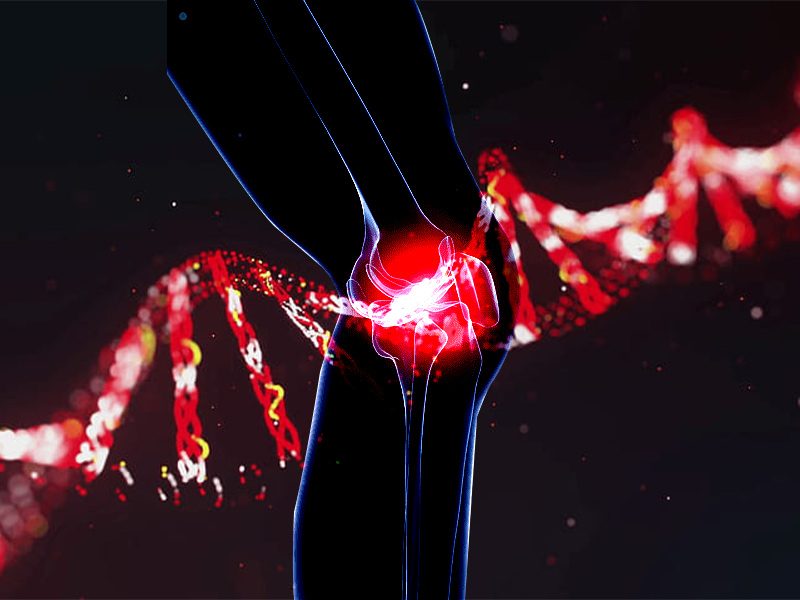
Forstå rødt og nær-infrarødt lysterapi
Rødt og nær-infrarødt lysterapi, også kjent somfotobiomodulering, er en ikke-invasiv behandling som bruker spesifikke bølgelengder av lys for å stimulere cellulær funksjon og fremme helbredelse. Disse bølgelengdene, vanligvis fra 600 til 1000 nanometer, trenger inn i huden og absorberes av mitokondriene, de energiproduserende kraftverkene i cellene.
Mitokondriell effekt
Mitokondrier spiller en avgjørende rolle i energiproduksjonen, og når de utsettes for rødt og nær-infrarødt lys, de gjennomgår en fotokjemisk reaksjon. Denne reaksjonen utløser en kaskade av gunstige effekter, inkludert økt produksjon av adenosintrifosfat (ATP), molekylet som er ansvarlig for å lagre og overføre energi i cellene.
Mekanisme for smertelindring av ledd
Leddsmerter oppstår ofte fra betennelse, vevsskade, og nedsatt sirkulasjon. Rød og nær-infrarød lysterapi adresserer disse faktorene gjennom flere mekanismer:
- Redusert betennelse: Behandlingen bidrar til å dempe leddsmerter ved å modulere den inflammatoriske responsen. Det kan hemme pro-inflammatoriske cytokiner samtidig som det fremmer anti-inflammatoriske molekyler, og reduserer dermed hevelse og smerte.
- Forbedret sirkulasjon: Ved å forbedre blodstrømmen og mikrosirkulasjonen, rød og nær-infrarød lysterapi sikrer effektiv tilførsel av oksygen og næringsstoffer til leddvev. Denne økte sirkulasjonen støtter vevsreparasjon og reduserer smerte.
- Cellulær regenerering: Terapien stimulerer cellulær regenerering og kollagensyntese. Kollagen er en viktig komponent i leddstrukturer, og påfylling støtter leddhelse og funksjon.
- Nevrobeskyttelse: Rødt og nær-infrarødt lysterapi kan gi nevrobeskyttende effekter ved å øke nervecelleaktiviteten og redusere oksidativt stress, potensielt lindre nerverelaterte leddsmerter.
Bruk av de riktige bølgelengdene
Mens både røde og nær-infrarøde bølgelengder bidrar til lindring av leddsmerter, studier har vist at visse bølgelengder er spesielt effektive:
- Rødt lys (600-700nm): Rødt lys trenger mer overfladisk inn og er egnet for å behandle hudrelaterte leddproblemer. Det hjelper til med å redusere betennelse og fremme sårheling, som kan være gunstig for leddsmerter forårsaket av hudsykdommer eller overflateskader.
- Nær-infrarødt lys (700-1000nm): Nær-infrarødt lys trenger dypere inn i vev, gjør den ideell for å behandle leddsmerter som oppstår fra dypere strukturer. Det støtter cellulær metabolisme, kollagen syntese, og antiinflammatoriske responser, gi omfattende lindring.
Rødt og nær-infrarødt lysterapi har betydelig løfte om å gi lindring fra leddsmerter. Ved å utnytte kraften til spesifikke bølgelengder, denne ikke-invasive behandlingen adresserer de grunnleggende årsakene til leddubehag, fremmer betennelsesreduksjon, økt sirkulasjon, vevsregenerering, og generelt forbedret leddfunksjon. Ettersom vitenskapelig forskning fortsetter å avdekke de intrikate mekanismene bak denne terapien, det er klart at fremtiden har et spennende potensial for mer effektive og personlig tilpassede strategier for håndtering av leddsmerter.