Ko nga rereketanga nui i waenga i te rama whero me te rama infrared tata (NIR) ko to ratou roangaru, te hohonutanga o te urunga, me nga paanga-koiora. Kei raro nei he whakataurite me te aratohu mo te whiriwhiri i te roangaru tika mo o hiahia:
- Wavelength and penetration depth
Parameters Red light Near infrared light (NIR)
Wavelength range 600–700 nm (e.g. 660 nm) 700–1100 nm (e.g. 850 nm)
Penetration depth 1–5 mm (skin layer) 5–10 cm (uaua, koiwi, hononga)
Primary targets Skin, superficial tissues Deep tissues, organs, roro
Importance:
Ko te rama whero he tino painga mo te hauora kiri (hanga collagen, whakaora patunga).
Ka tae te rama NIR ki nga uaua, uaua, me nga hononga, providing better pain relief and improved recovery.
- Bio-effects
Maama whero (e.g. 660nm)
Boosts collagen and elastin production → anti-aging, reduces acne/scars.
Reduce surface inflammation (e.g. werawera ra, hakihaki).
Whakatairanga i nga makawe makawe (for hair growth devices).
Tata ki te rama infrared (e.g. 850nm)
Accelerate muscle repair → post-exercise recovery, relieve delayed onset muscle soreness (DOMS).
Reduce deep inflammation (e.g. rewharewha, tendinitis).
Enhance brain function (emerging research in neuroprotection).
- How to choose the right wavelength?
For skin and beauty
Best: 660nm rama whero (e.g. for wrinkles, hakihaki, rosacea).
Pūrere:
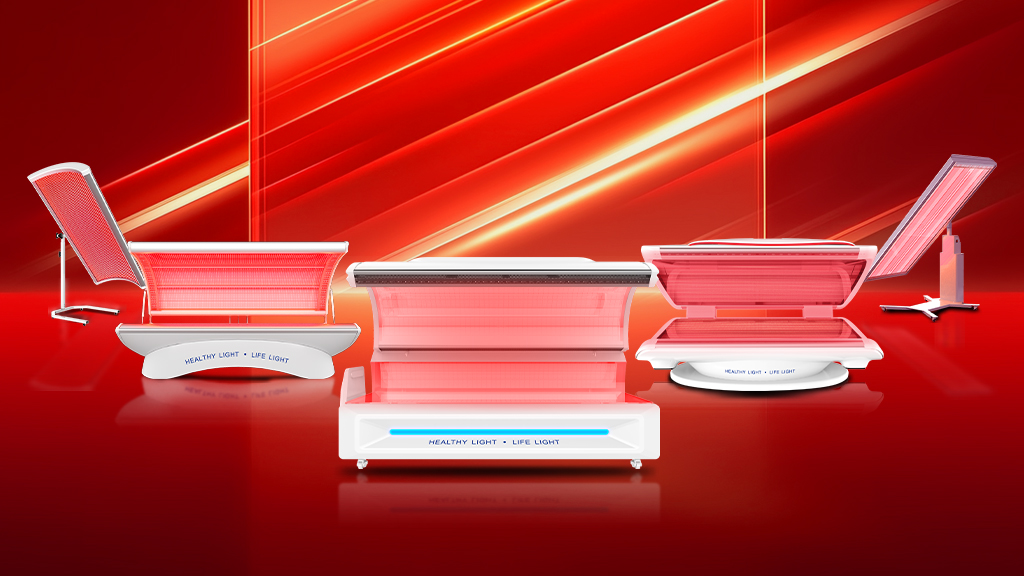
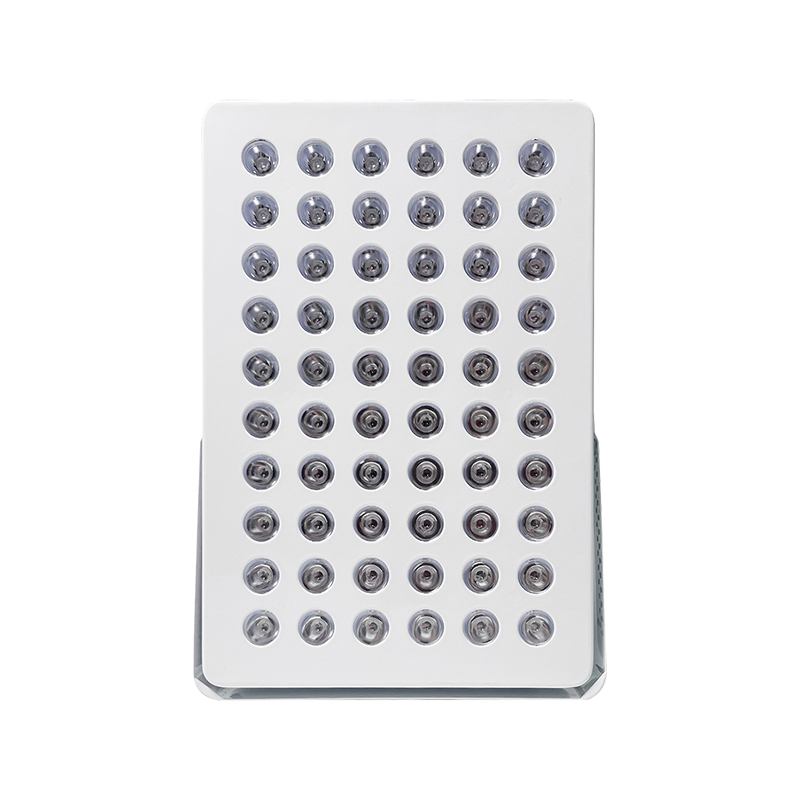
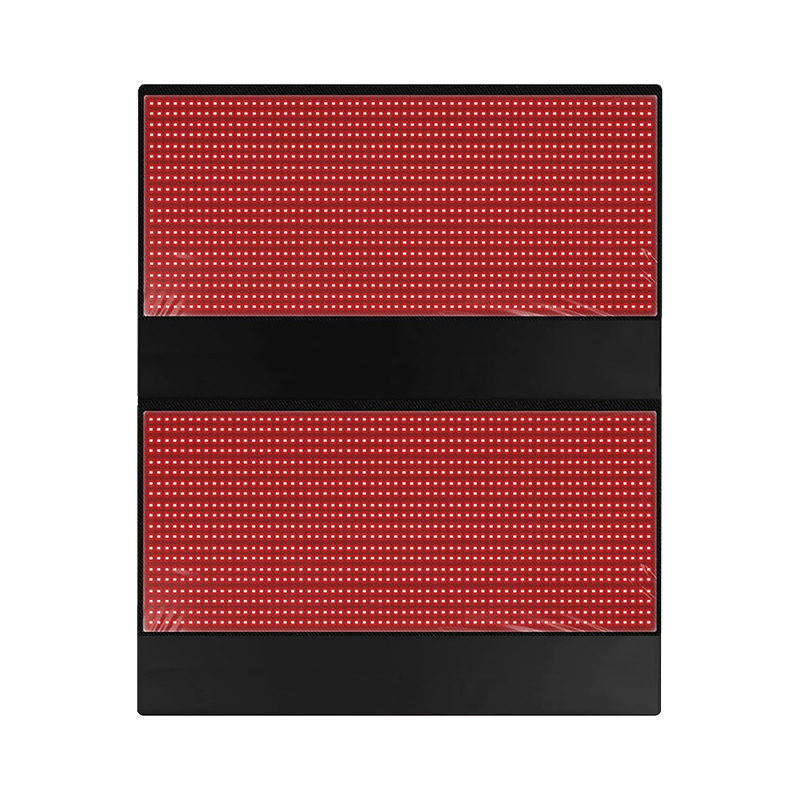
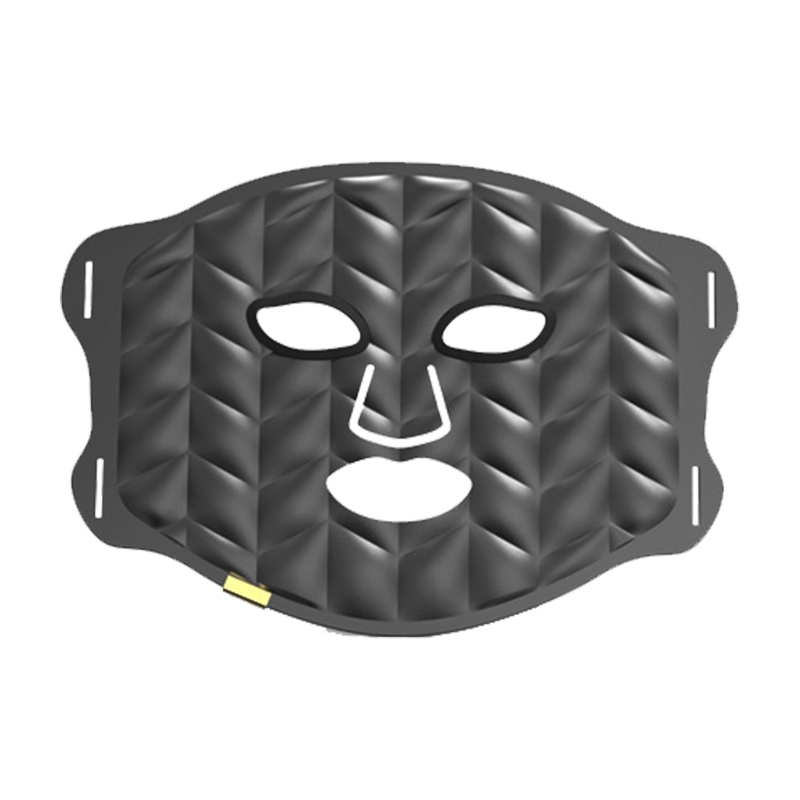
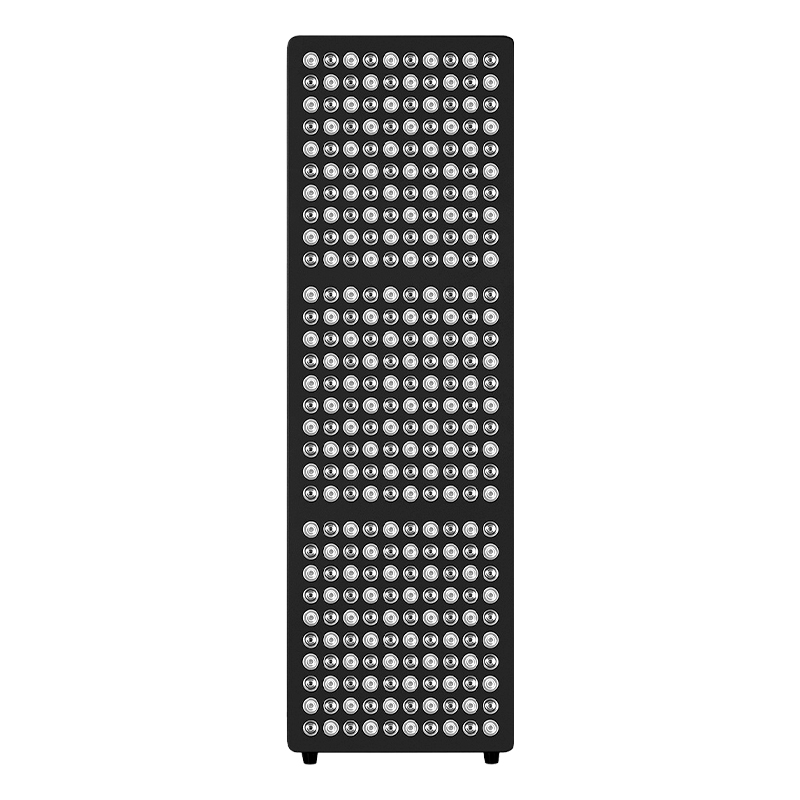
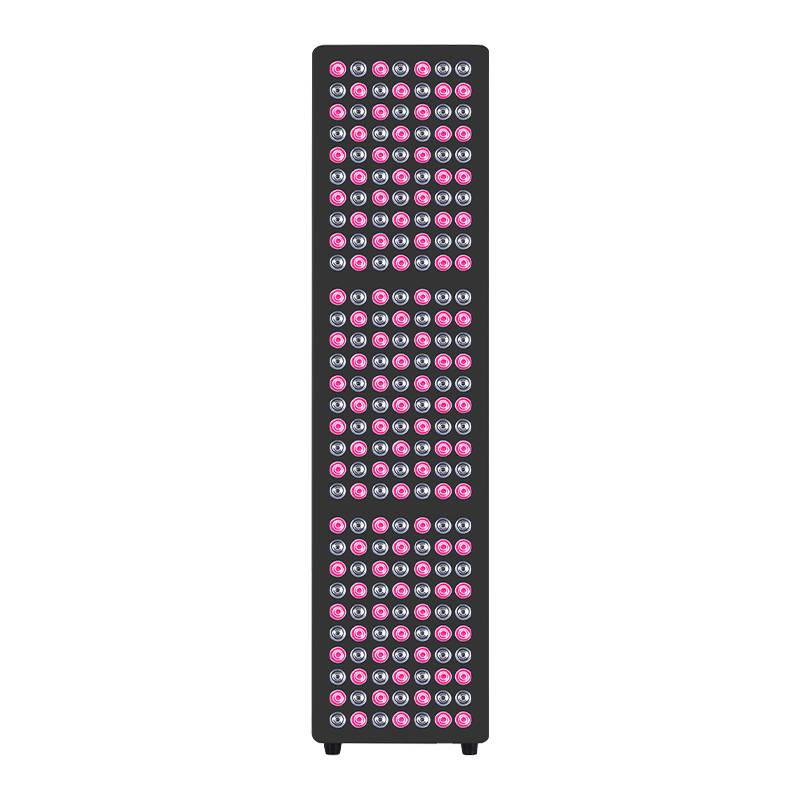
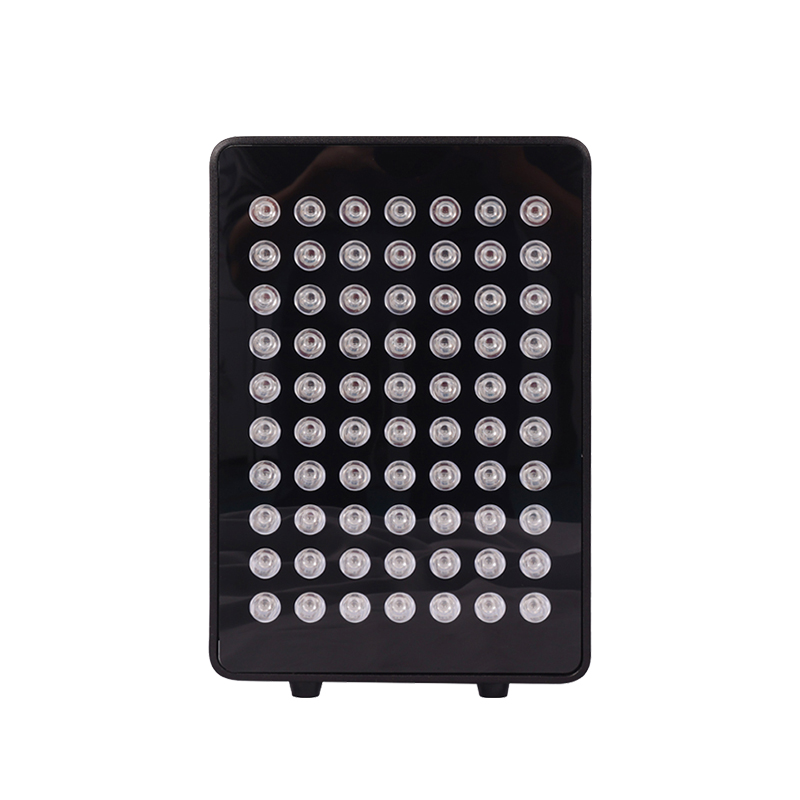
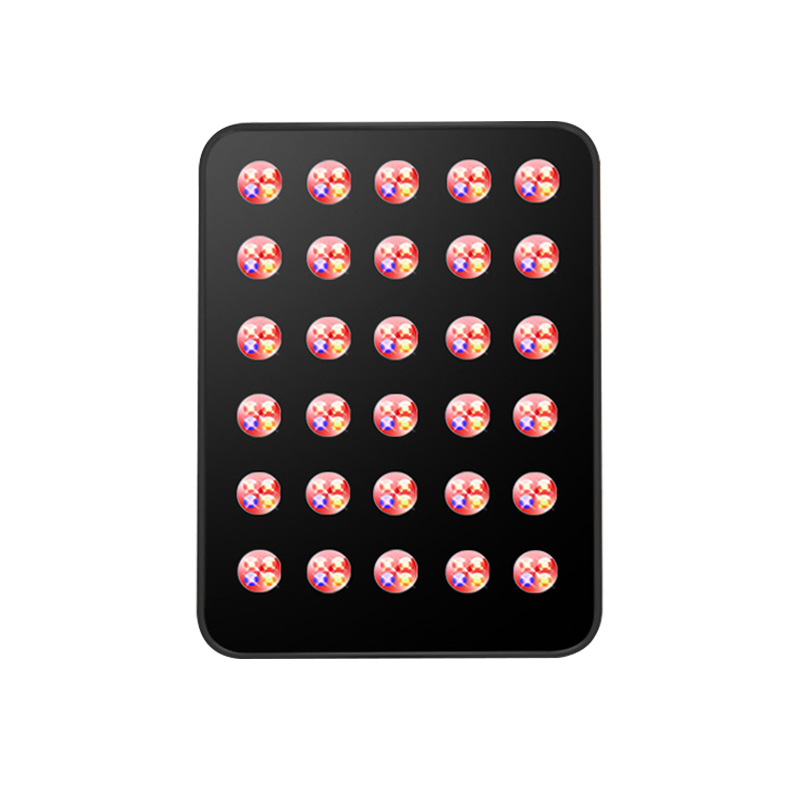
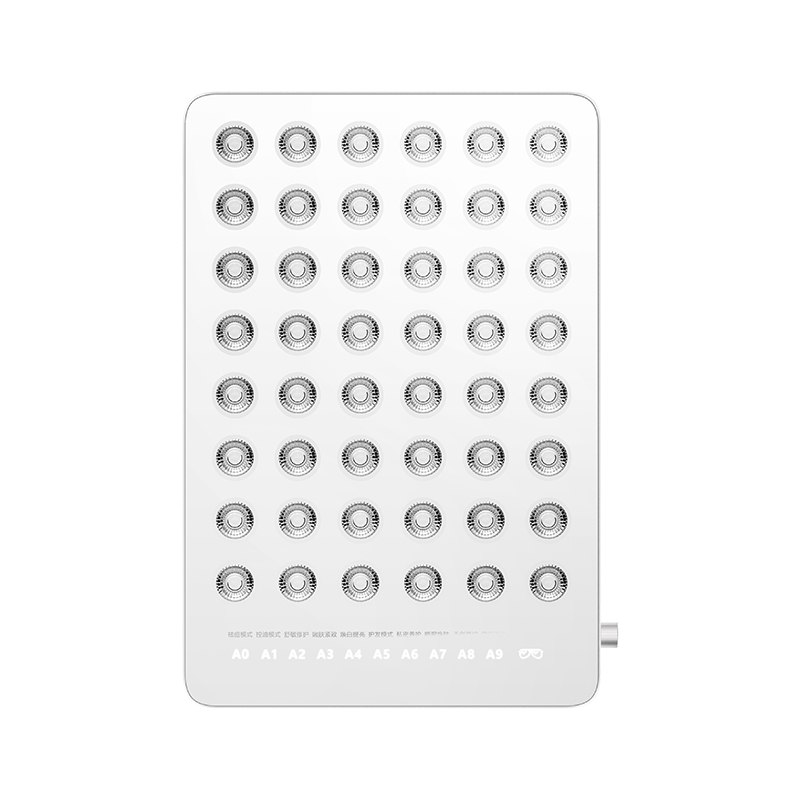
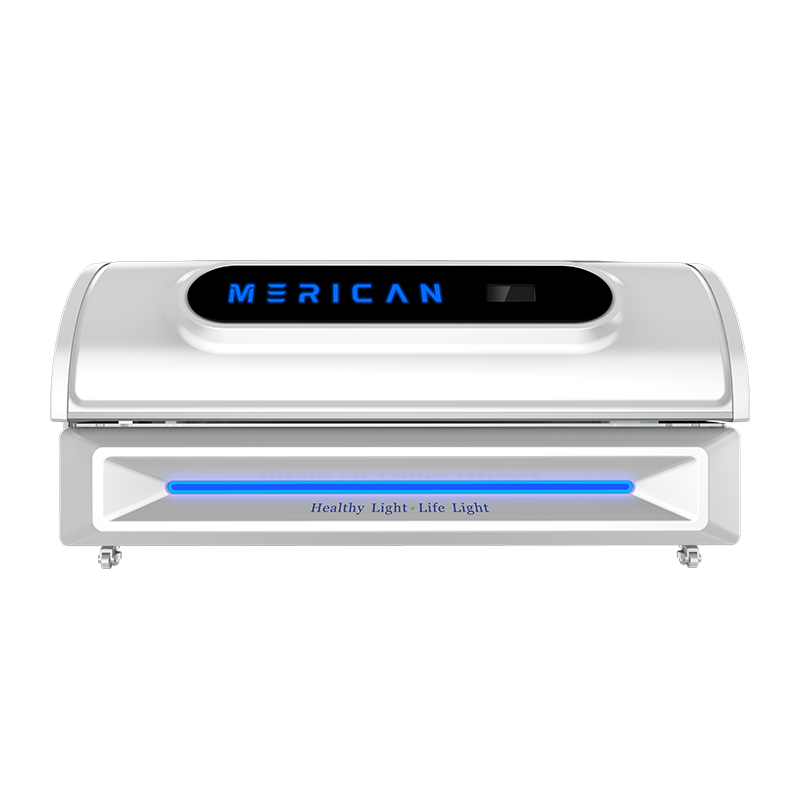
Paewhiri Whakamarama Whero Merican M1
Pain and muscle recovery
Best: 850nm near infrared (or 660nm + 850nm dual wavelength).
Pūrere:
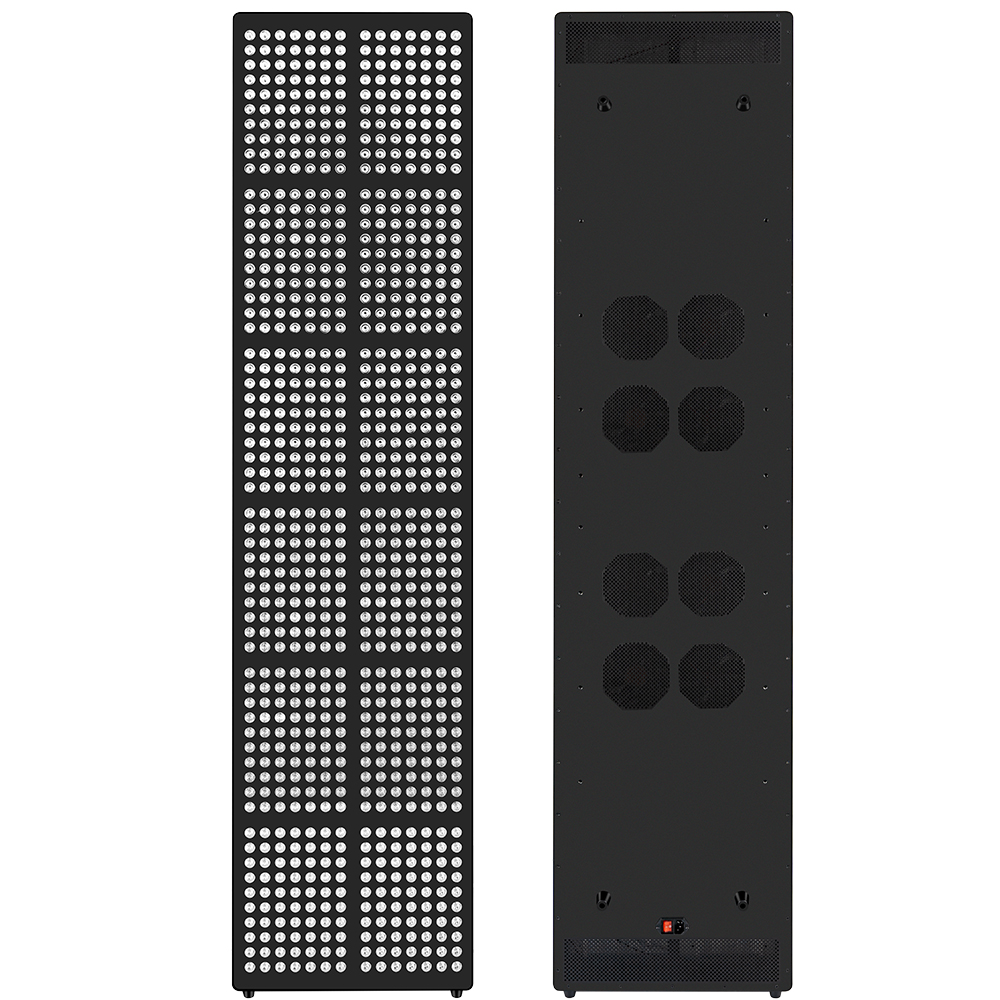
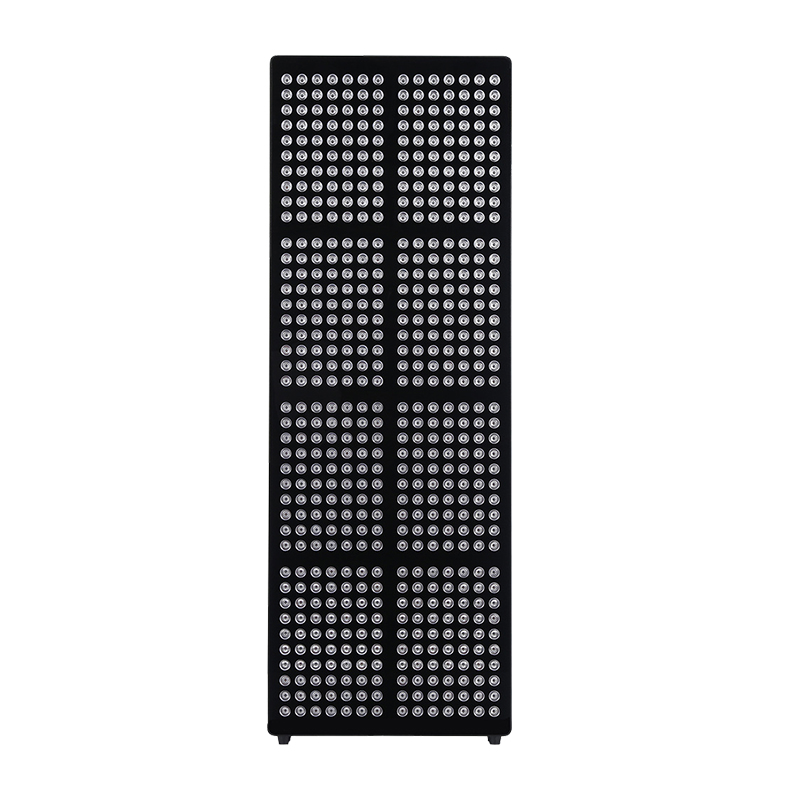
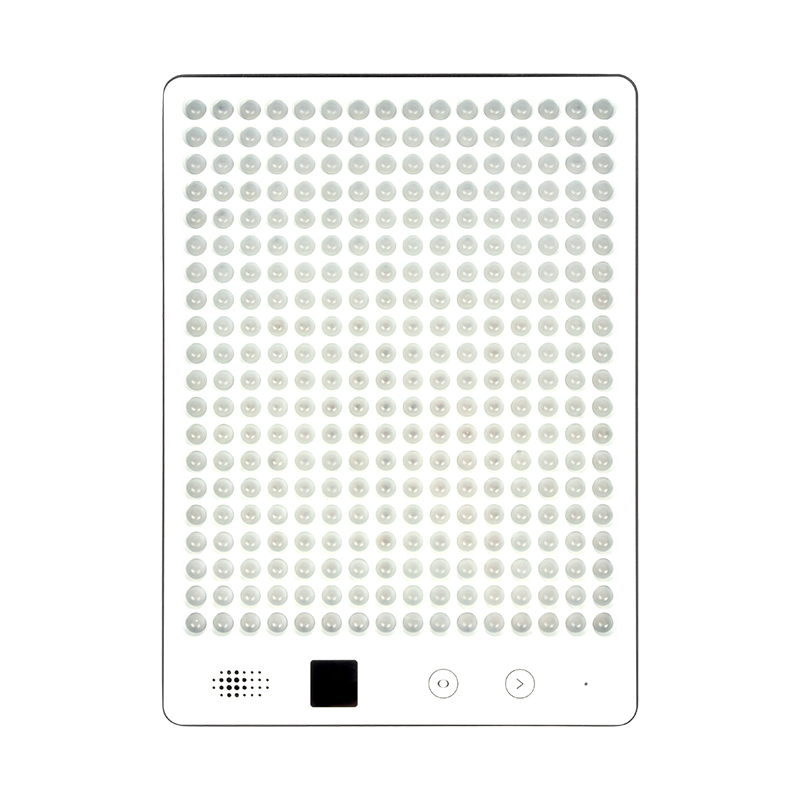
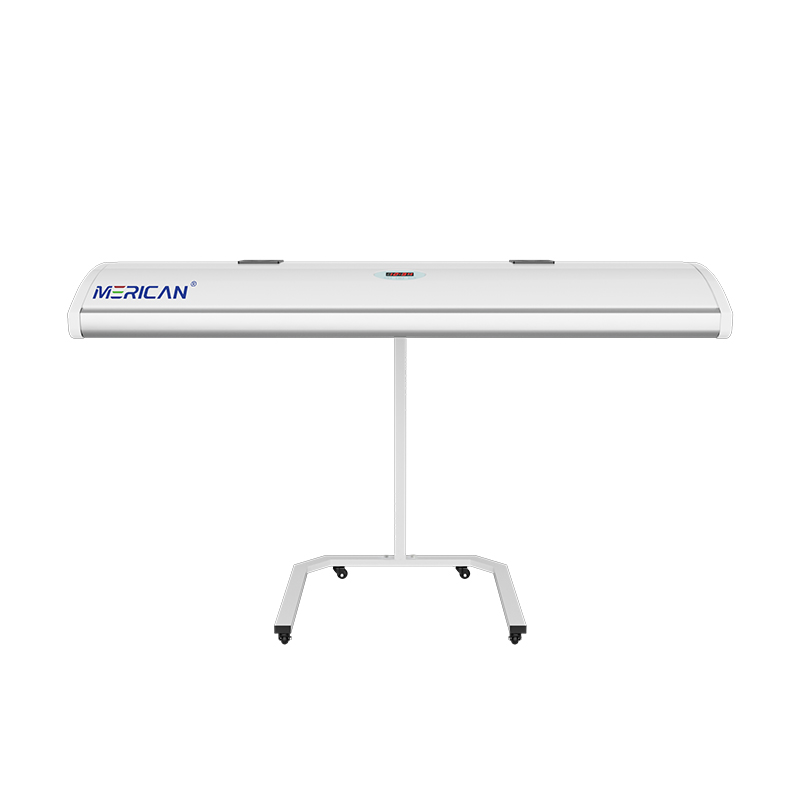
Merican Red Light Therapy Panel M2
Joints and deep tissue
Best: 810nm or 850nm near infrared (can penetrate bones/tendons).
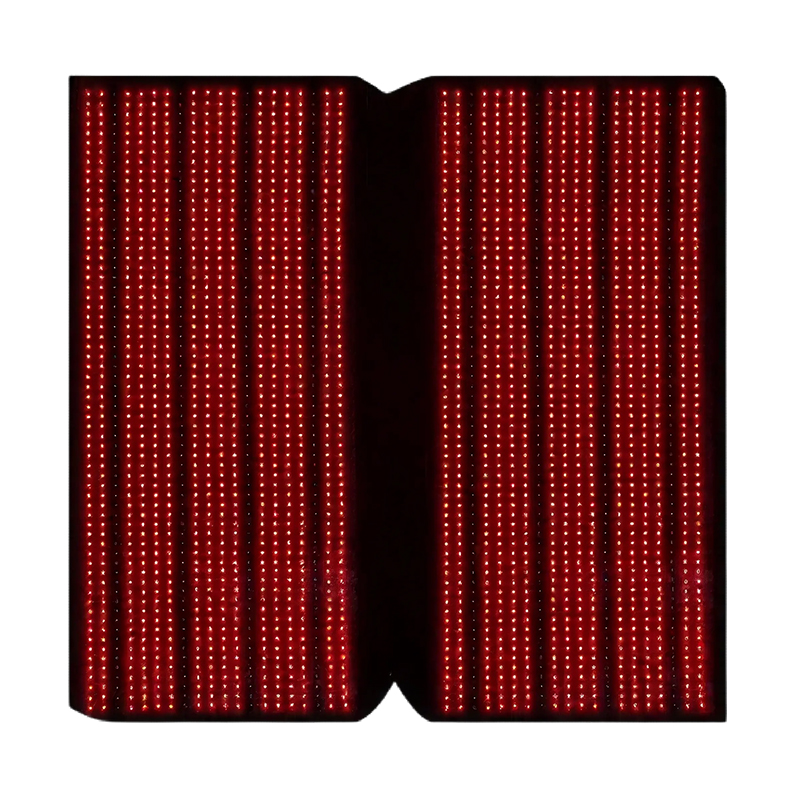
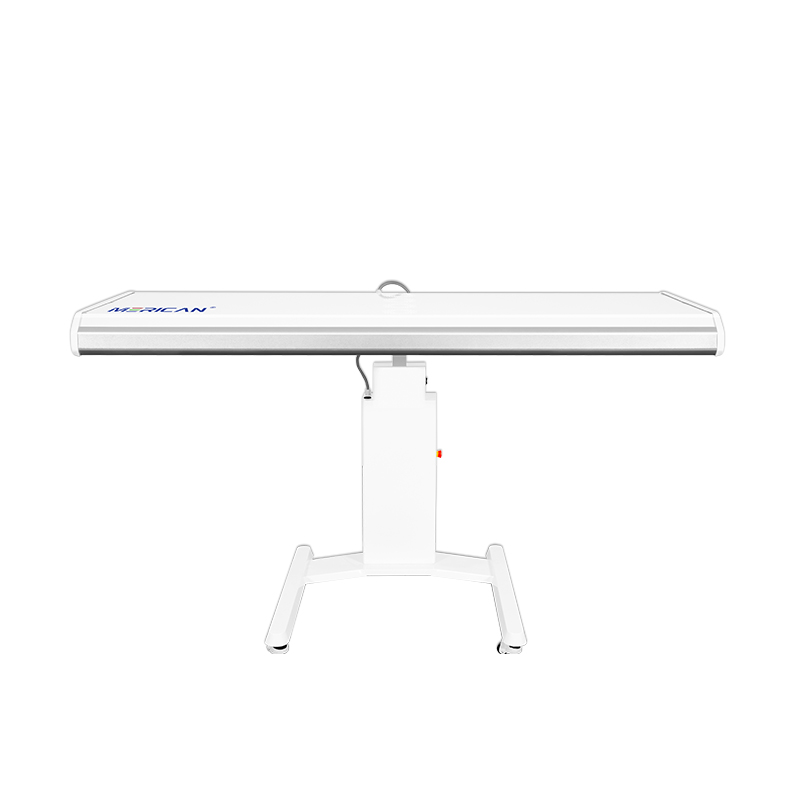
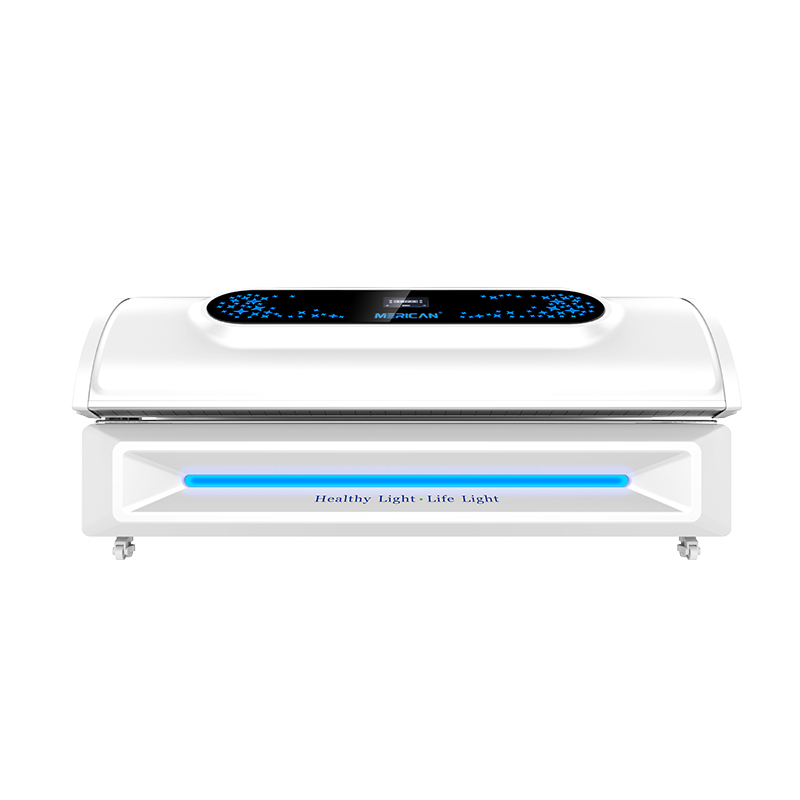
Tauira: Merican Whero Whero Therapy Moenga M4N
Overall Health
Best: Whero + NIR combination (e.g. 660nm + 850nm).
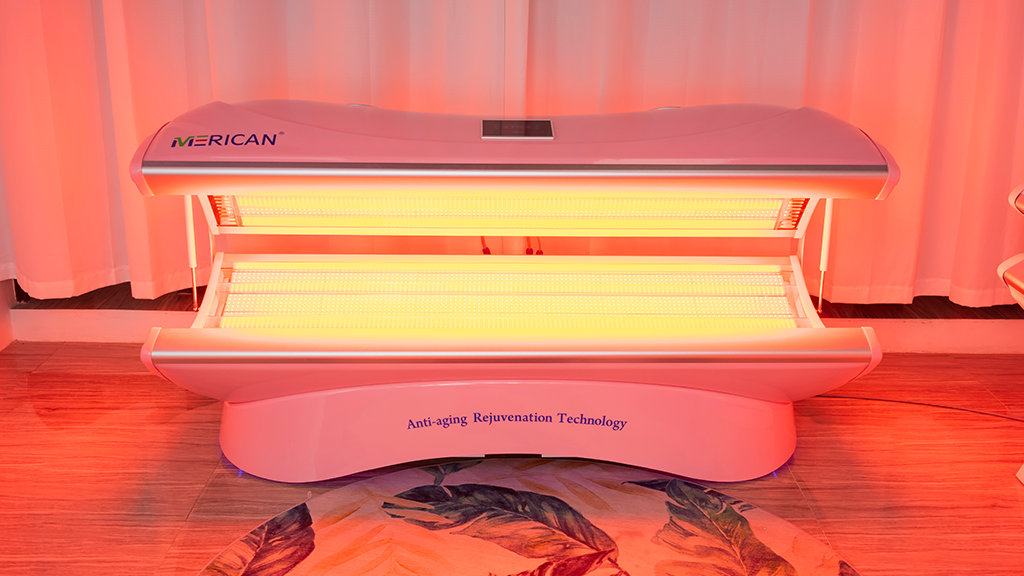
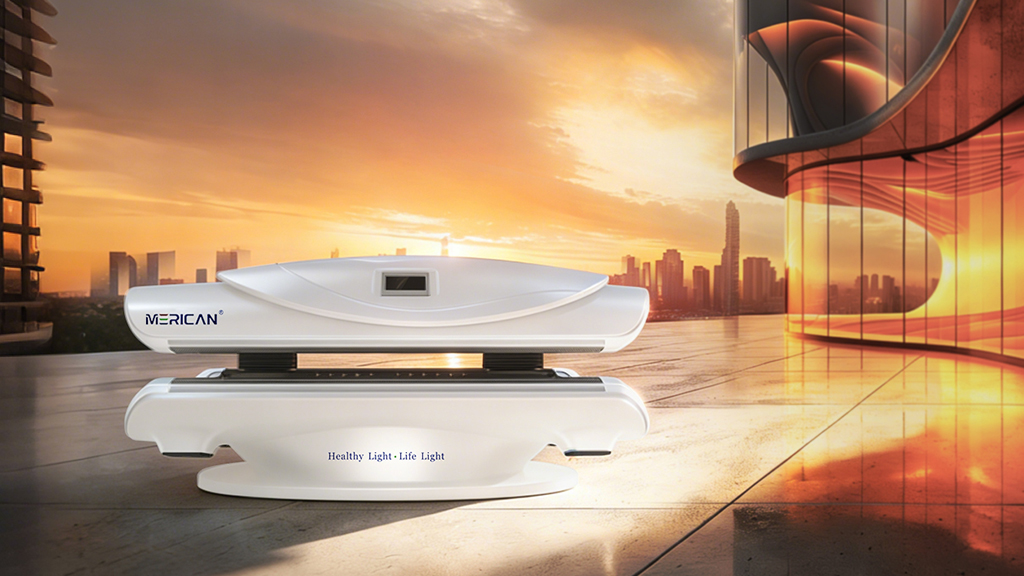
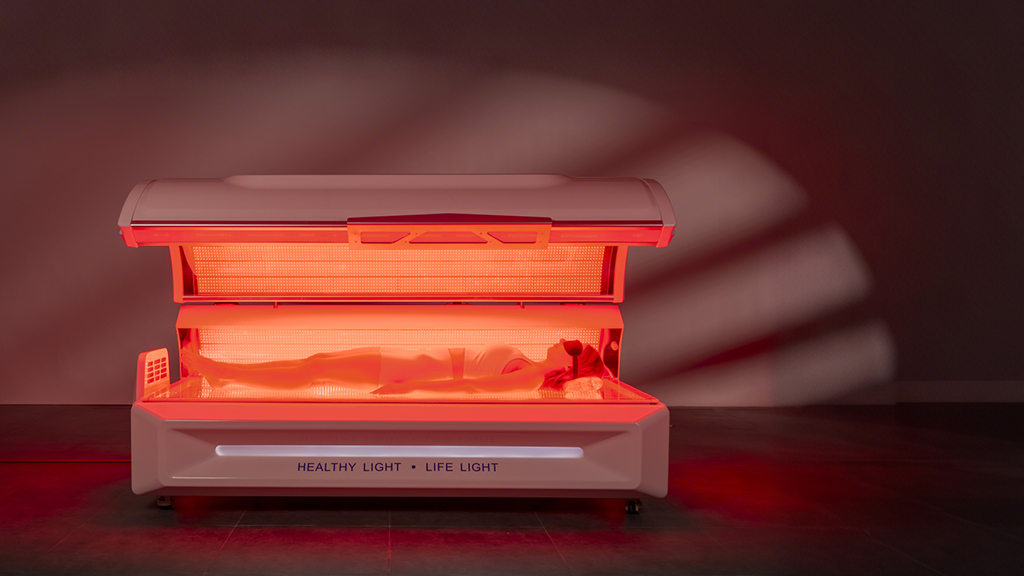
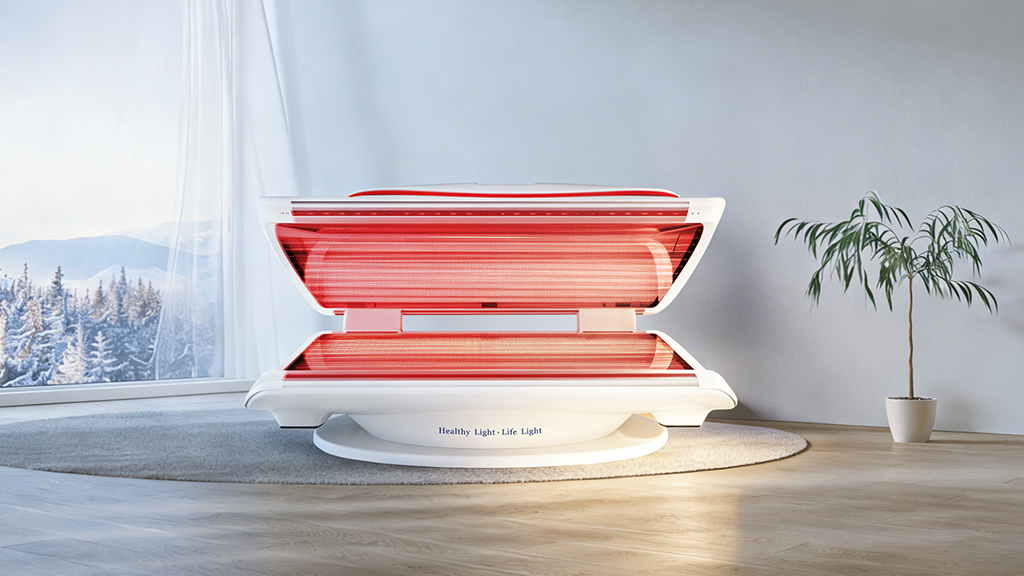
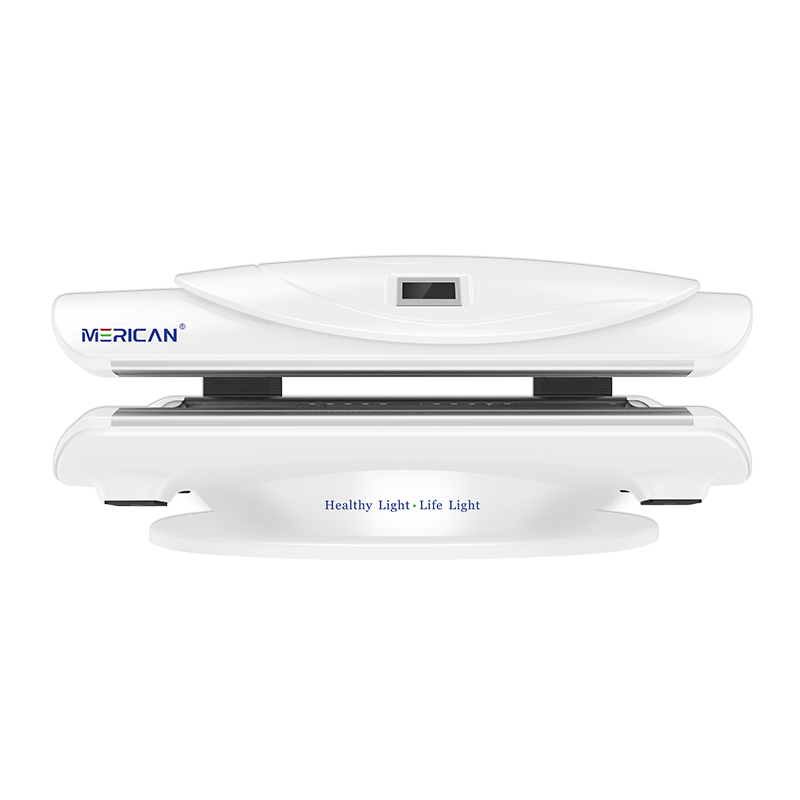
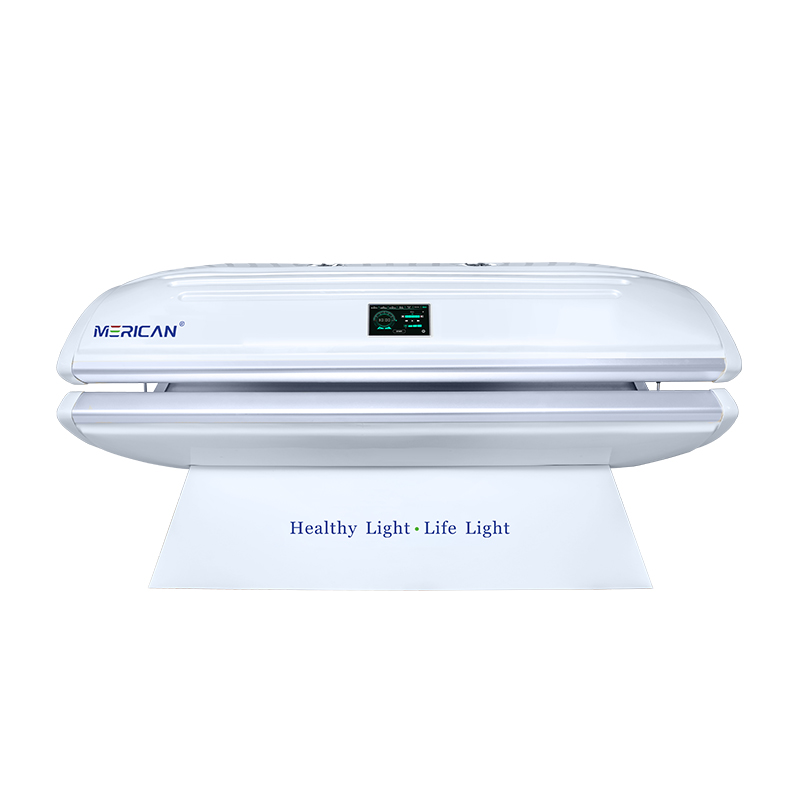
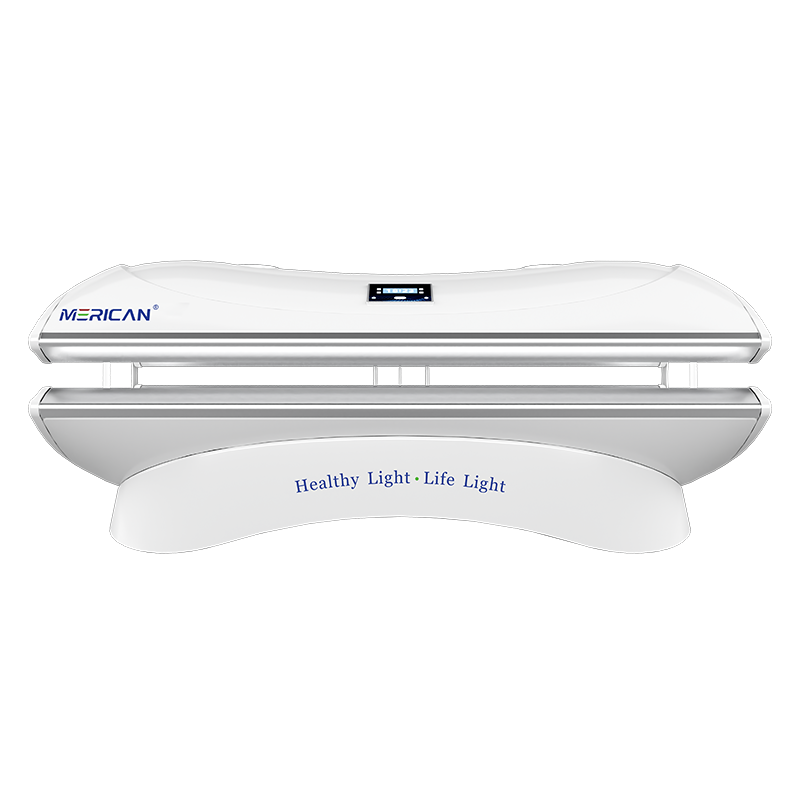
Tauira: Merican Red Light Therapy Bed M-MB
- Nga Whakaaro Matua
Dual wavelength devices (e.g. 660nm + 850nm) provide the broadest benefits.
Kiato mana (≥50–100 mW/cm²) is more important than wavelength alone.
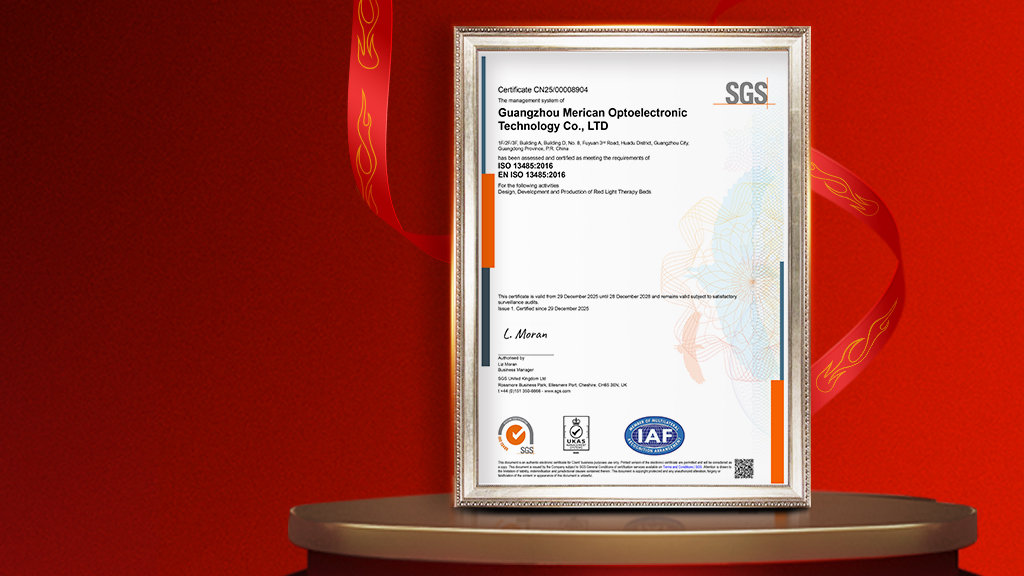
Avoid cheap devices with unproven wavelengths (ineffective or unsafe).
- Tohutohu Haumaru
Nga kanohi: NIR light penetrates eyelids → wear goggles for prolonged exposure.
Whakataunga: Avoid if pregnant or with active cancer (consult your doctor).
Final Tip: If unsure, choose a red/NIR combination device (e.g. Merikana). Start with 10–15 minutes, 3–5 times per week and adjust based on results.