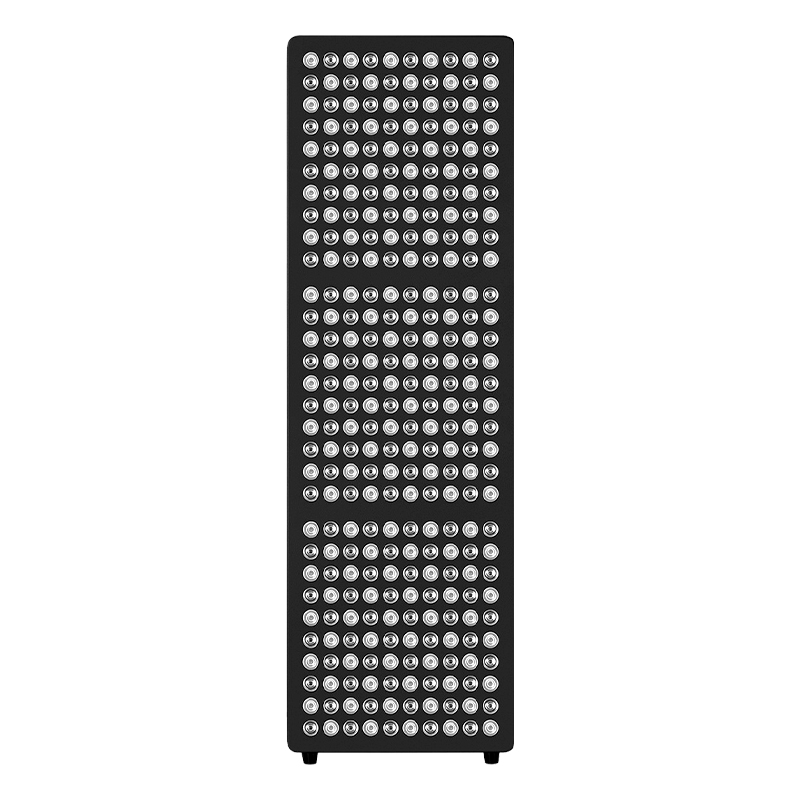
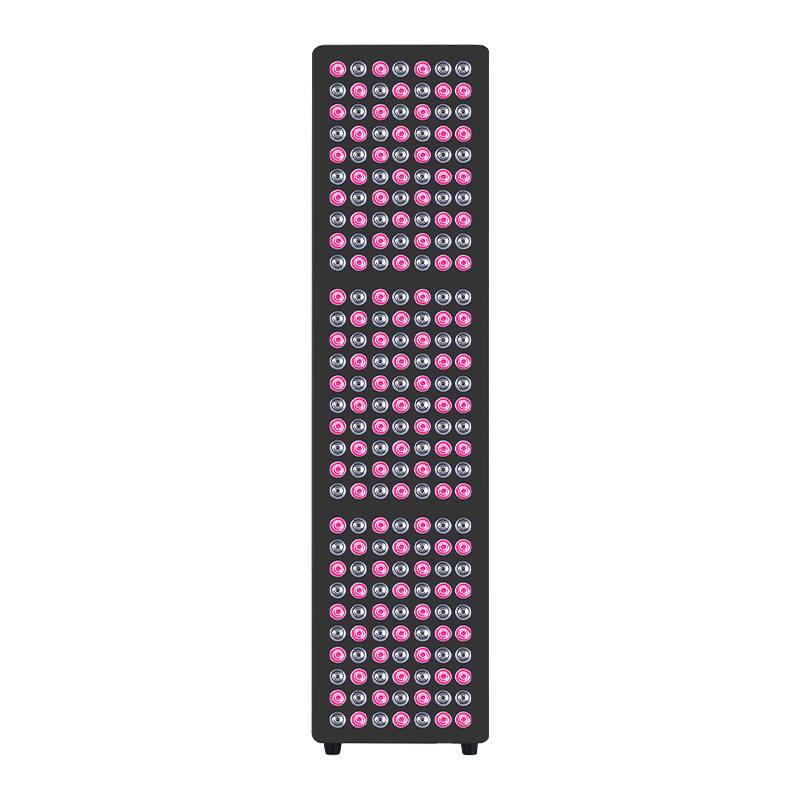
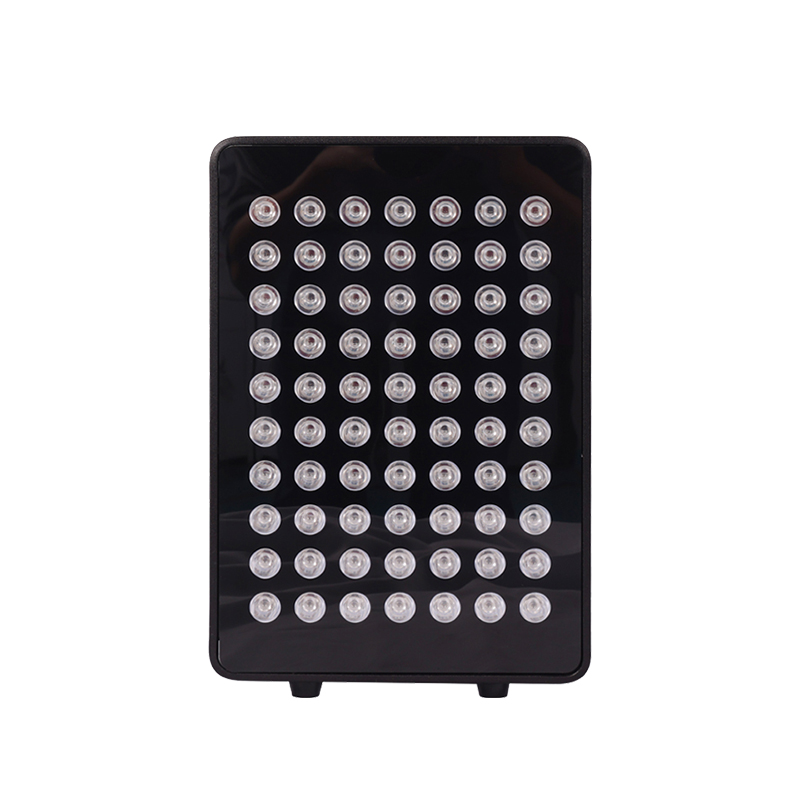
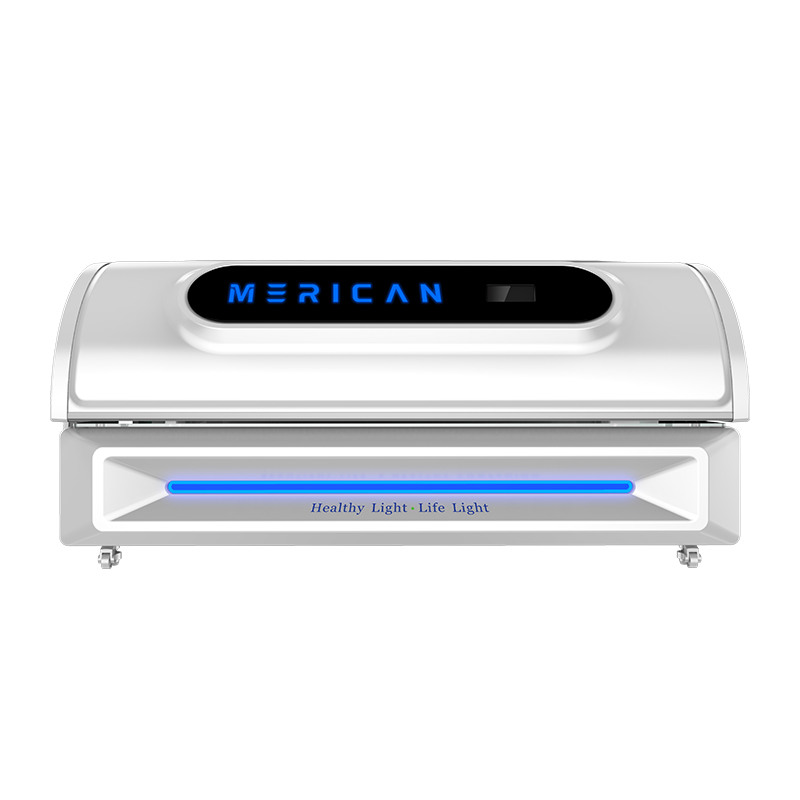
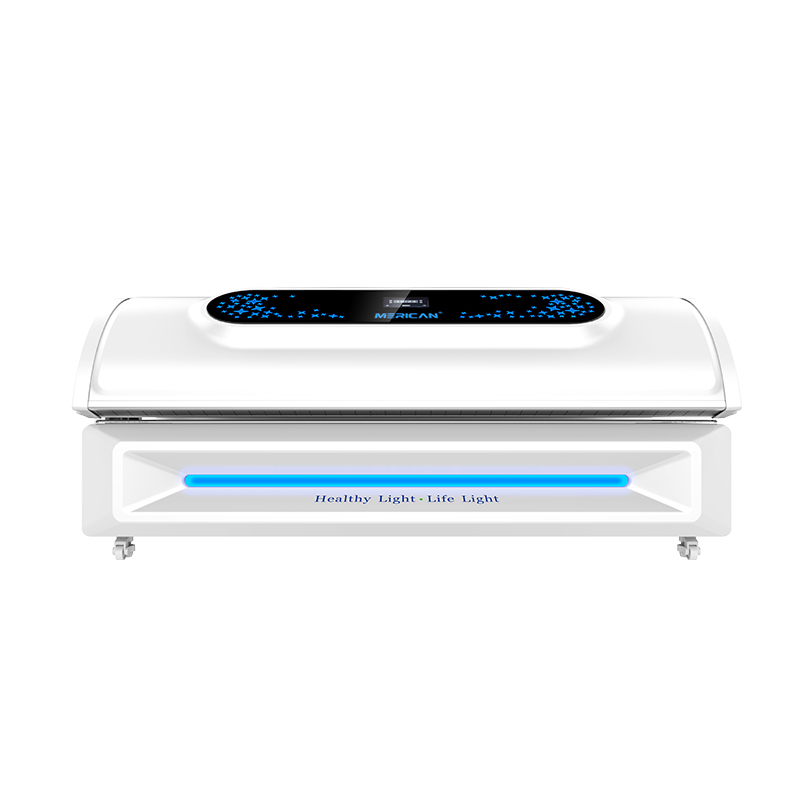
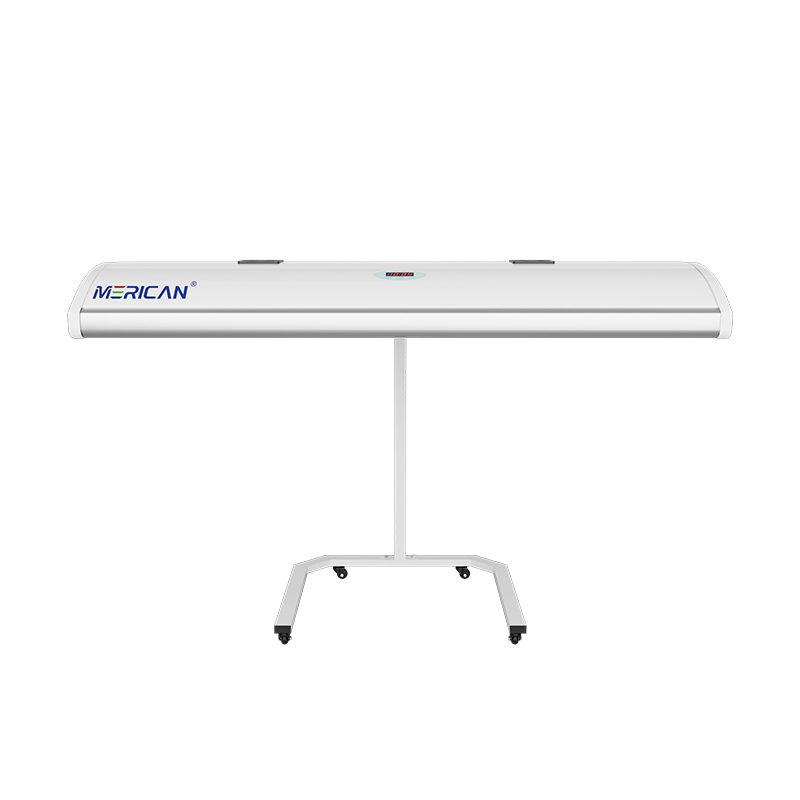
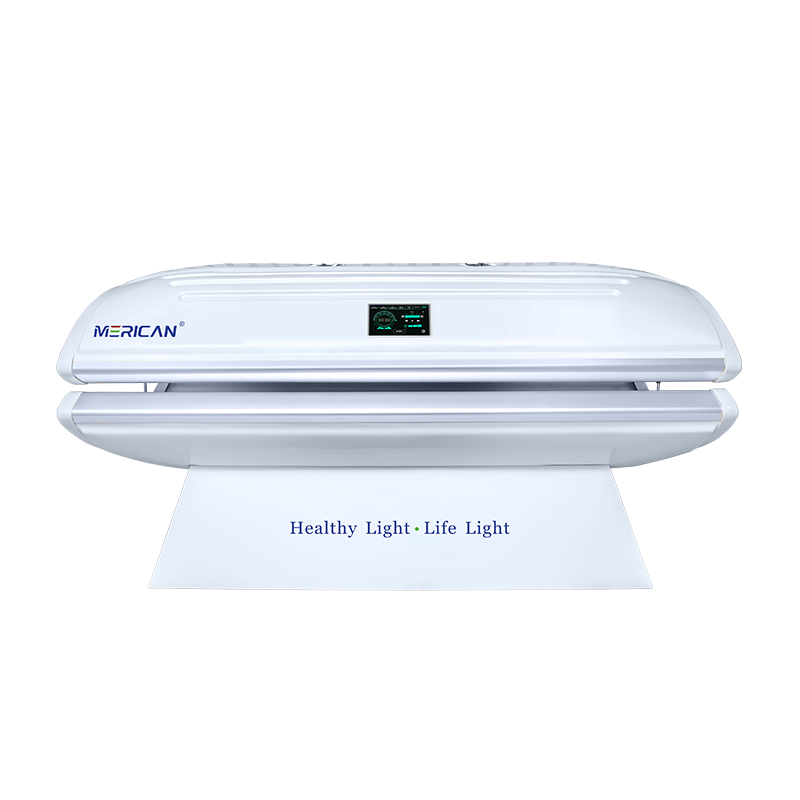
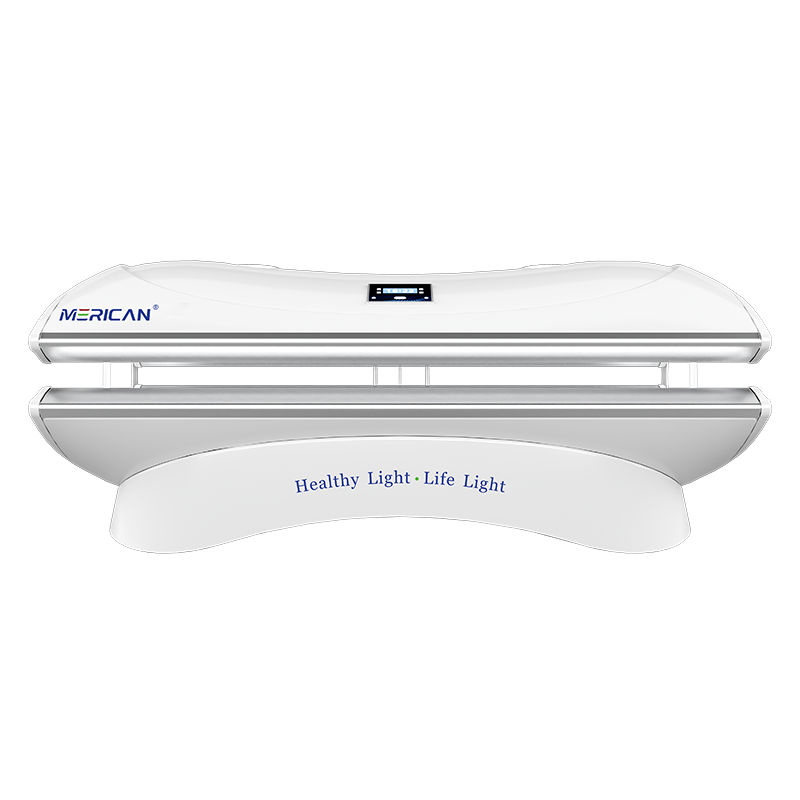
Ja, often, but almost never as a blanket endorsement of the device in your spare room. Dermatologists recommend light therapy for specific diagnoses, with specific devices, at specific doses, and they tend to be far more cautious about a full body red light therapy bed used for general anti-aging. The distinction is not cynicism. It reflects what the evidence supports: light has a role in conditions such as acne, psoriasis, and post-procedural healing, while the anti-aging claims attached to consumer beds are usually modest and sometimes overstated. A dermatologist who says yes is typically saying yes to a defined use, a known device, and a follow-up plan. A dermatologist who says no is often objecting to the claim rather than to the light. Understanding which conversation you are in makes the advice much easier to apply.
What dermatologists actually recommend light for
Acne is the most familiar example. Blue light has a recognized role for inflammatory acne, and red light is sometimes used alongside it. These are clinical protocols with defined exposure times, not a general wellness session.
Psoriasis and some other inflammatory conditions are treated with narrowband ultraviolet B, which is a different part of the spectrum from red light. Dermatologists are careful about this distinction because patients often conflate “licht therapie” with any device that glows.
Post-procedural care is another area. After certain laser treatments or peels, light-based support may be used to help comfort and healing. That use is tied to a specific procedure and a specific timeline.
Wound healing and some forms of scarring have been studied as well. In each case, the recommendation is attached to a diagnosis, a device, and a clinician who is monitoring the response.
Notice how narrow each of those examples is. None of them is “use light on your whole body three times a week because it is good for you”, which is the claim a full body bed tends to make.
Why the recommendation is conditional
Dermatology is a specialty built on diagnosis. A recommendation that ignores the diagnosis is not a recommendation; it is a preference. That is why the answer to “do dermatologists recommend it” depends on what it is being recommended for.
Device parameters matter as much as the category. Golflengte, bestraling, afstand, and treatment time determine the dose, and a device without documented output cannot be prescribed in any meaningful sense.
Supervision matters for conditions that change. Acne, psoriasis, and pigmentation all evolve, and a plan that is not reviewed is a plan that may become inappropriate.
This is why a clinician may endorse light therapy in their office and still decline to endorse a consumer bed for the same condition. They are comparing a controlled exposure with an uncontrolled one.
It is also why the same dermatologist may say yes to a device for one patient and no for another. The recommendation follows the history, the medication list, and the skin in front of them.
Where a home bed fits in their view
Many dermatologists describe home red light devices as low-risk when used as directed, with modest benefits for skin comfort and appearance. That is a fair summary of the evidence for a well-documented device.
They are more comfortable with home use when the goal is general skin maintenance rather than treatment of a diagnosis. Maintenance is a lower bar, and the consequences of a modest effect are smaller.
The practical advice tends to be conservative: follow the manual, bescherm de ogen, start at the shorter end of any range, and stop if the skin reacts.
What they rarely do is promise a transformation. A dermatologist who has watched many patients try many devices tends to describe home light therapy in the language of support rather than correction.
That framing is worth borrowing when you set your own expectations. Support is a reasonable thing to buy; correction is usually a different product with a different price and a different risk.
Where dermatologists are sceptical
Anti-aging claims are the usual target. “Collagen boost”, “facelift alternative”, En “reverses aging” are marketing phrases that outrun the evidence for a full body bed.
Whole-body wellness marketing is another. A device that claims to improve sleep, hormonen, immunity, and skin at once is making several claims, and the burden of evidence rises with each one.
Undocumented output is the third. If the manufacturer cannot state irradiance at a measured distance, the clinician has no way to relate the device to any published protocol.
None of this means dermatologists think the devices are useless. It means they distinguish between a tool with a modest, documented effect and a product with a story attached to it.
A useful test is whether the marketing survives being read aloud by someone sceptical. Claims about “cellulaire energie” often do not, while claims about texture and comfort usually do.
That is not a small distinction. It is the difference between a device you can describe accurately to a clinician and one you have to apologise for.
What they want to know about your device
They will ask about wavelength range, because red and near-infrared have different depth profiles and different evidence bases. A device that describes “rood licht” without a range is telling them very little.
They will ask about irradiance and the distance at which it was measured, because those two numbers together define what the skin actually receives.
They will ask about the timer, the programs, and whether the device has any independent safety certification. They may also ask who else in the household uses it.
And they will ask about eye protection, not as an afterthought but as part of the safety picture. A device without clear eye guidance is a device with a documentation gap.
If you can answer those questions in one page, the appointment becomes far more productive. If the supplier cannot answer them, that is already an answer about the red light therapy bed you are considering.
Who they tell to be cautious
Patients taking photosensitizing medication are the classic group. The interaction concerns the exposure itself, so a moisturizer cannot fix it and a shorter session may not be enough.
People with a history of skin cancer, or with many atypical moles, are usually advised to be conservative and to keep up surveillance rather than adding light exposure without discussion.
Anyone with lupus or another condition that can be triggered by light should ask before using a device at home. The answer may be a clear no for some conditions.
Oogziekte, recente oogoperatie, and pregnancy-related questions belong in the same conversation. A dermatologist will often refer those questions to the appropriate specialist rather than answer them alone.
Contact dermatitis and rosacea are more common cautions. A device that warms the face is not automatically calming for skin that flushes easily, and a test on a small area is often the sensible first step.
Why dermatologists disagree with each other
Training and practice setting shape recommendations. A clinician who uses light devices daily in a clinic has a different familiarity from one who does not, and both may be reading the same literature.
Evidence familiarity varies by condition. Acne and psoriasis have established protocols; anti-aging and “welzijn” claims sit in a much murkier area where reasonable clinicians can differ.
Geography and regulation matter too. Devices cleared for one indication in one market may be marketed for another purpose elsewhere, and clinicians respond to the rules they practise under.
This is why asking two dermatologists and getting two answers is not a contradiction. It is what happens when a broad question meets a field with narrow evidence.
It is also a reason to ask about your specific situation rather than polling opinions. Two conditional answers are more useful than one general verdict, even if the verdict feels tidier.
If the answers conflict, ask each clinician what evidence or experience is behind their view. That question usually reveals whether the disagreement is about data or about a different reading of the same data.
How to raise it in an appointment
Bring the device information, not just the brand name. Golflengte, bestraling, afstand, programs, and the manual’s eye-protection instructions are what make the conversation specific.
Ask about your goal rather than the device. “Will this help the texture on my cheeks” is answerable; “is red light good” invites a general statement that may not apply to you.
Ask what would make them advise stopping, and what signs should prompt a return visit. That question tends to produce the most useful answer in the whole appointment.
Ask whether anything about your history changes the calculation. Medicatie, prior procedures, and skin type are the details that turn general advice into advice for you.
Ask, te, whether the advice would change if the device were different. A clinician may accept a well-documented panel and decline a full body bed, and knowing that distinction helps you choose what to buy.
If you leave without a clear answer, ask for the answer in writing or arrange a follow-up. A vague impression of approval is a poor basis for a purchase.
Marketing claims that contradict dermatology
Claims of curing a condition, replacing a procedure, or producing results “equivalent to” a clinical treatment are the clearest warning signs. They describe a product category that does not exist.
Before-and-after images without consistent lighting, hoek, and timeframe are another. They are not evidence, and clinicians know how easily they can be produced.
Testimonials about dramatic skin changes should be read as stories rather than data. The plural of anecdote is not a clinical trial.
Be equally sceptical of “medical grade”, a phrase with no agreed meaning in consumer marketing. A red light therapy bed is medical grade when a clinician uses it for a documented indication, and not because the box says so.
If a product’s claims would embarrass a dermatologist, that is useful information about the product rather than about the specialty.
The mirror image is also true. A brand that describes a modest effect, names its wavelengths, and publishes its irradiance is behaving like a company that expects a clinician to read the page.
How to set up a sensible home routine
Follow the manual for your exact model, keep the documented distance, and use the eye protection specified. Do not extend the timer because the session feels comfortable.
Keep the rest of the routine stable and unremarkable. Bescherming tegen de zon, a tolerated moisturizer, and one active you understand will do more than a shelf of new products introduced in the same month.
Photograph the area at baseline and at planned intervals under the same light. A dermatologist can work with those images far more effectively than with a description of how your skin “feels better”.
Stop and seek advice for persistent redness, blaarvorming, pijn, or any change in a mole. A red light therapy bed is not a reason to delay an assessment.
Keep the routine short enough to survive a busy month. The device that gets used three times a week for a year is a better investment than one that gets used daily for a fortnight.
Condition, typical recommendation, and the bed’s role
The table summarizes the split between clinical recommendations and the modest role a home red light therapy bed can claim. It is a starting point for a conversation rather than a treatment plan.
Read the middle column as what a clinician would likely do first, and the right-hand column as what a device can add without displacing that first step.
| Condition or goal | What dermatologists typically recommend | Role of a home bed |
|---|---|---|
| Inflammatory acne | Clinical light protocols plus medical care | Adjunct at most |
| Psoriasis | Narrowband UVB under supervision | Not a substitute |
| Post-procedure healing | Procedure-specific aftercare | Only if advised |
| Fine lines and texture | Zonnebrandcrème, retinoïde, clinical options | Possible adjunct |
| Pigmentatie | Photoprotection and clinician-led plan | Poor fit |
| General skin maintenance | Consistent, gentle routine | Reasonable addition |
| Photosensitivity or medication risk | Individual assessment first | Ask before using |
Praktische regel: Ask a dermatologist about your goal and your device, not about red light in general, and treat the answer as guidance for your case rather than a verdict on the category.
Laatste afhaalmaaltijd
Dermatologists do recommend red light therapy, most confidently for defined conditions and post-procedure care delivered with controlled devices. Their endorsement of a home red light therapy bed is narrower: reasonable as a low-risk adjunct, not a treatment for a diagnosis.
The recommendation becomes more useful when you bring specifics. A wavelength range, an irradiance figure, a distance, and a clear goal give a clinician something to work with.
What stays constant across opinions is the priority order: diagnosis first, sun protection always, eye protection during sessions, and a review date rather than an open-ended hope.
If you remember only one thing from the appointment, make it the reason they gave. A recommendation with a reason attached is something you can follow; a recommendation without one is just permission.
That is also the most honest summary of the specialty’s position: interested, evidence-led, and unwilling to make a promise on behalf of a device it has not examined.