Roodlichttherapie (RLT) heeft veel aandacht gekregen vanwege de potentiële gezondheidsvoordelen ervan, maar veel mensen vragen zich dat af: is rood licht slecht voor je ogen??
Ontdek de wetenschap, risico's, en veilige werkwijzen achter deze trendbehandeling om uw gezichtsvermogen te beschermen terwijl u profiteert van de voordelen.
Hoe werken de ogen en reageren ze op blootstelling aan licht
Om te begrijpen of blootstelling aan rood of infrarood licht schadelijk is, het is belangrijk om eerst te begrijpen hoe de ogen functioneren:
- Lichtdetectie: Het oog bevat fotoreceptorcellen (staafjes en kegeltjes) die zich in het netvlies bevinden. Deze cellen zetten licht om in elektrische signalen die de hersenen interpreteren als visuele beelden. Het netvlies is bijzonder gevoelig voor lichtgolflengten tussen 400 en 700 nm.
- Lichtfiltering: Het hoornvlies en de lens filteren binnenkomend licht. UV en een deel van het zichtbare licht met hoge energie worden op natuurlijke wijze geblokkeerd om het netvlies te beschermen. Echter, langere golflengten zoals rood (620–750 nm) en nabij-infrarood (750–1000 nm) dieper doordringen.
- Kwetsbaarheid voor overmatige blootstelling: Langdurige of intense blootstelling aan licht, vooral in het blauwe en ultraviolette bereik, kent gevestigde risico's. Maar zorgen over roodlichttherapie met open of gesloten ogen hebben vaak betrekking op cumulatieve blootstelling nabij het netvlies.
- Natuurlijke bescherming: Knipperen en pupilvernauwing zorgen voor een natuurlijke verdediging.
Als u de gevoeligheid van het oog voor licht begrijpt, kunt u beoordelen of infraroodlicht veilig is voor de ogen tijdens roodlichttherapiesessies.
Wat roodlichttherapie met uw ogen doet
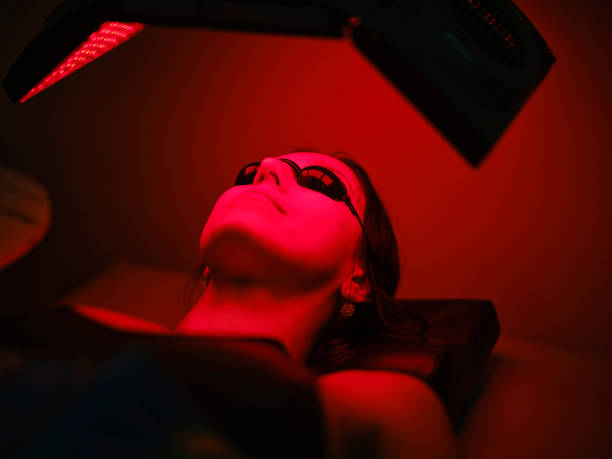
Roodlichttherapie (RLT) is een niet-invasieve behandeling waarbij rood op een laag niveau wordt gebruikt (620–750 nm) en nabij-infrarood (750–850 nm) golflengten om cellulaire activiteit te stimuleren door middel van fotobiomodulatie. Het wordt vaak toegepast voor huidherstel, pijnverlichting, en ontstekingsreductie.
Mechanismen van actie
- Mitochondriale activering: Rood en nabij-infrarood licht worden geabsorbeerd door cytochroom c-oxidase in mitochondriën, het stimuleren van adenosinetrifosfaat (ATP) productie en verbetering van het cellulaire energiemetabolisme.
- Verbeterde microcirculatie: Blootstelling aan licht verbetert de bloedstroom en de zuurstoftoevoer, supporting tissue repair and reducing oxidative stress.
- Anti-inflammatory effects: RLT modulates inflammatory cytokines and supports immune regulation at the cellular level.
- Cell signaling modulation: Photoreceptors trigger intracellular signaling cascades that promote regeneration and reduce cell apoptosis.
The eyes, especially the retina, are highly responsive to light. Red light exposure can transiently affect ocular tissues, such as increasing retinal blood flow or supporting photoreceptor metabolism.
Is Red Light Therapy Harmful to the Eyes?
Evaluating whether red light therapy (RLT) is harmful to the eyes requires a multi-faceted analysis.
1. Wavelength and Ocular Penetration
Rood en nabij-infrarood licht (630–850 nm) differ significantly from UV or blue light in terms of energy and tissue penetration. Deze langere golflengten kunnen met relatief lage absorptie door het hoornvlies en de lens gaan, mogelijk het netvlies bereiken. Echter, door hun niet-ioniserende aard is de kans kleiner dat ze directe DNA-schade veroorzaken.
2. Internationale veiligheidsrichtlijnen
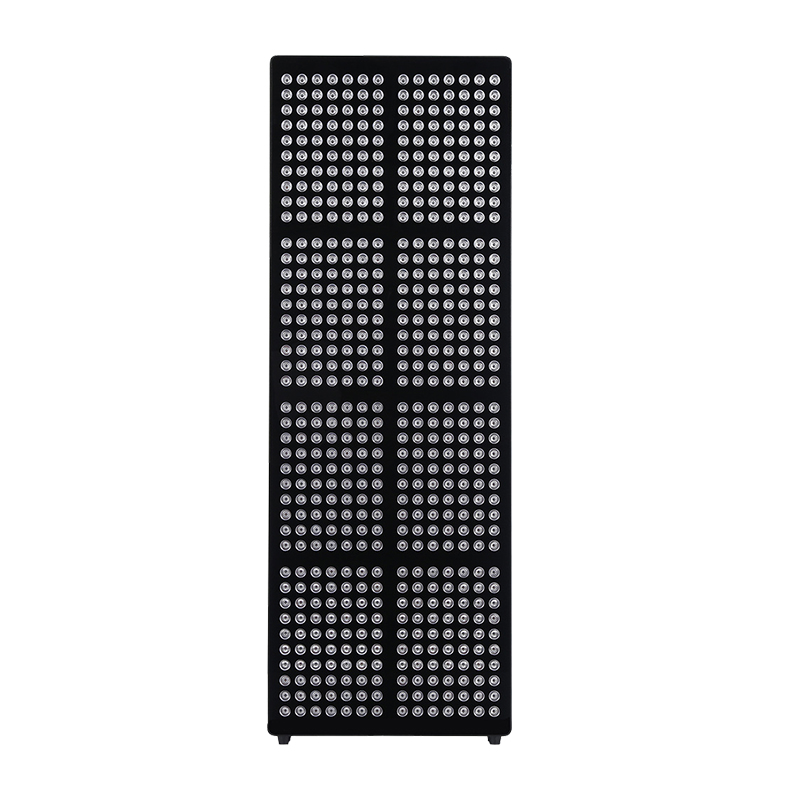
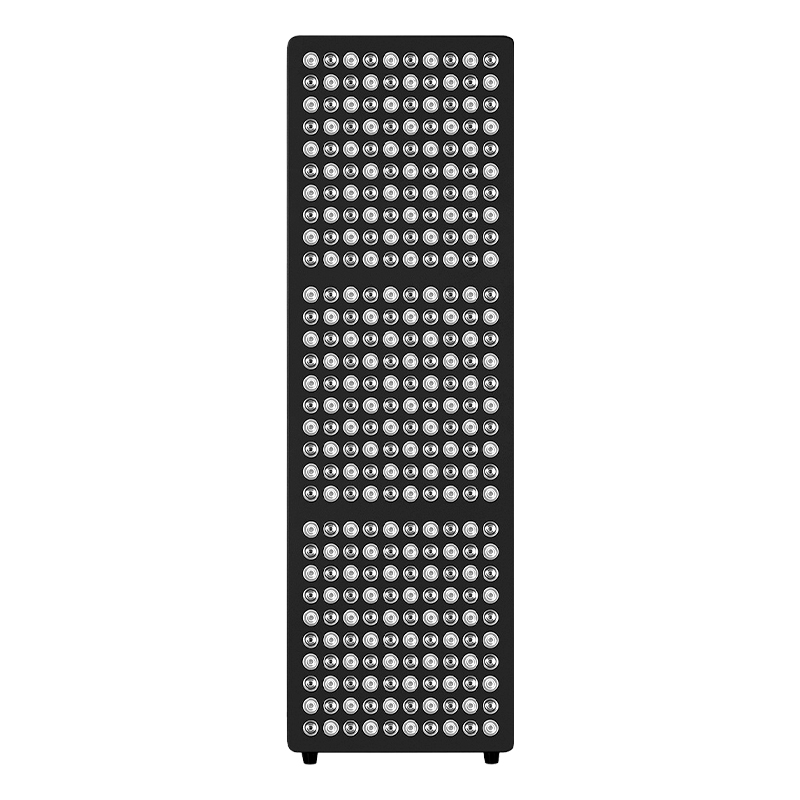
Fotobiologische veiligheidsnormen, zoals IEC 62471 blootstellingslimieten, richtlijnen geven over oculaire veiligheidsdrempels. De meeste apparaten voor roodlichttherapie voor consumenten zenden uit binnen veilige stralingsniveaus, hoewel herhaalde blootstelling zonder bescherming de drempelwaarden kan benaderen, vooral voor panelen met hoge intensiteit die van dichtbij worden gebruikt.
3. Bewijs uit dier- en mensstudies
Uit onderzoek naar blootstelling op korte termijn blijkt dat het risico voor het netvlies onder gecontroleerde omstandigheden minimaal is. Bijvoorbeeld, een studie over nabij-infrarood fotobiomodulatie bij mensen vonden een verbeterd retinaal metabolisme zonder waarneembare structurele schade. Echter, lange termijn, Blootstelling aan hoogfrequente straling is niet uitgebreid onderzocht.
4. Blootstellingsvariabelen
Of infrarood licht veilig is voor de ogen hangt af van de dosering. Hogere vermogensdichtheden, langdurige sessies, of frequent gebruik verhogen de potentiële oculaire blootstelling. Medische hulpmiddelen bieden over het algemeen blootstellingsrichtlijnen, maar de naleving door de gebruiker is vaak inconsistent.
5. Ogen open of gesloten tijdens de behandeling
De vraag of de roodlichttherapie-ogen open of gesloten zijn, is cruciaal. Met ogen open, het netvlies kan direct zichtbaar zijn; met gesloten ogen, het licht gaat nog steeds door de oogleden. Oogbescherming of afscherming wordt aanbevolen voor gezichtsbehandelingen om het cumulatieve blootstellingsrisico te minimaliseren.
Kan roodlichttherapie oogaandoeningen helpen behandelen??
Terwijl sommige gebruikers zich zorgen maken of rood licht slecht is voor je ogen, anderen onderzoeken het therapeutische potentieel ervan.
Therapeutisch potentieel voor oogziekten
RLT may help delay or mitigate vision loss associated with:
- Leeftijdsgebonden maculaire degeneratie (AMD): Red light may slow photoreceptor decline by improving mitochondrial resilience. A pilot study in The Journals of Gerontology confirmed measurable improvements in visual sensitivity among middle-aged participants following short-term red light exposure .
- Glaucoma: Photobiomodulation could support retinal ganglion cell survival and reduce intraocular stress.
- Diabetische retinopathie: Anti-inflammatory effects may help manage microvascular damage.
Recommended Use and Target Groups
While more robust clinical evidence is needed, RLT may be suitable for:
- Adults over 40 experiencing visual fatigue or contrast loss
- Early-stage AMD or glaucoma patients (under supervision)
- Individuals seeking non-invasive adjunctive therapies
Comparing Red Light Wavelengths
To assess whether red light is safe for the eyes, it’s essential to compare it against other light types like ultraviolet (UV) and blue light, which are well-documented for their ocular risks.
| Licht type | Golflengte (nm) | Safety for Eyes | Primary Ocular Impact |
| Ultraviolet (UV) | 280–400 | Unsafe — photochemical damage | Induces cataracts, retinal burns, corneal inflammation |
| Blauw licht | 400–495 | Voorzichtigheid — penetrates retina | Linked to macular degeneration and eye strain |
| Rood licht | 600–650 | Generally Safe with protection | Stimulates superficial retinal repair; low heat risk |
| Rood licht | 650–700 | Safe with Regulation | Enhances mitochondrial function in retinal cells |
| Near-IR Light | 700–850 | Caution Required — thermal load | Diepere penetratie; may benefit choroidal circulation |
In contrast to UV and blue light, which are both energetic and potentially damaging, red light’s lower energy makes it biologically active without being phototoxic—if used under safe exposure conditions.
Best Practices for Safe Red Light Therapy Around the Eyes
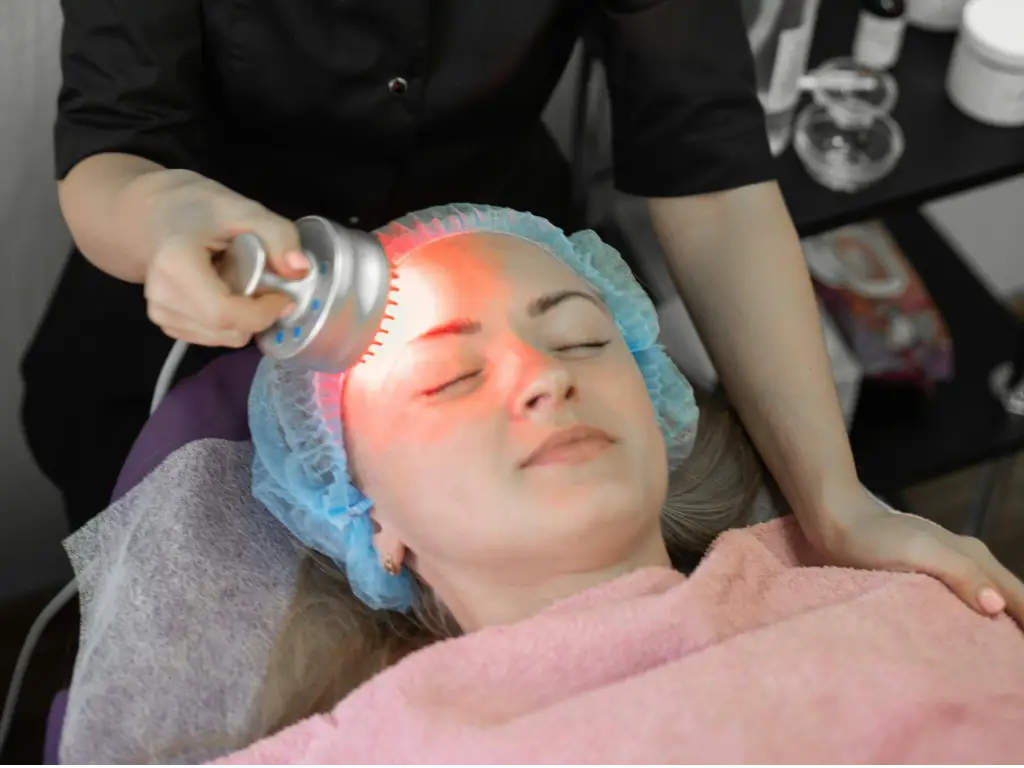
To minimize risk and maximize benefits, follow these key steps when using red light therapy near the eyes:
- Keep a safe distance (15–30 cm) between your eyes and the device, especially for high-power panels.
- Limit exposure time to 5–10 minutes per session, 3–5 keer per week, based on manufacturer guidelines.
- Use with eyes closed whenever possible; for added protection, wear goggles designed for red/NIR light shielding.
- Avoid direct staring into the LEDs—even low-level light can irritate the retina with prolonged exposure.
- Choose eye-safe, clinically tested devices with precise wavelengths (630–850 nm) and certified output limits.
Als er ongemak optreedt, stop treatment and consult a healthcare provider.
How to Choose an Eye-Safe Red Light Therapy Device
When selecting an RLT device, especially for use near the eyes, safety certifications and device features are paramount:
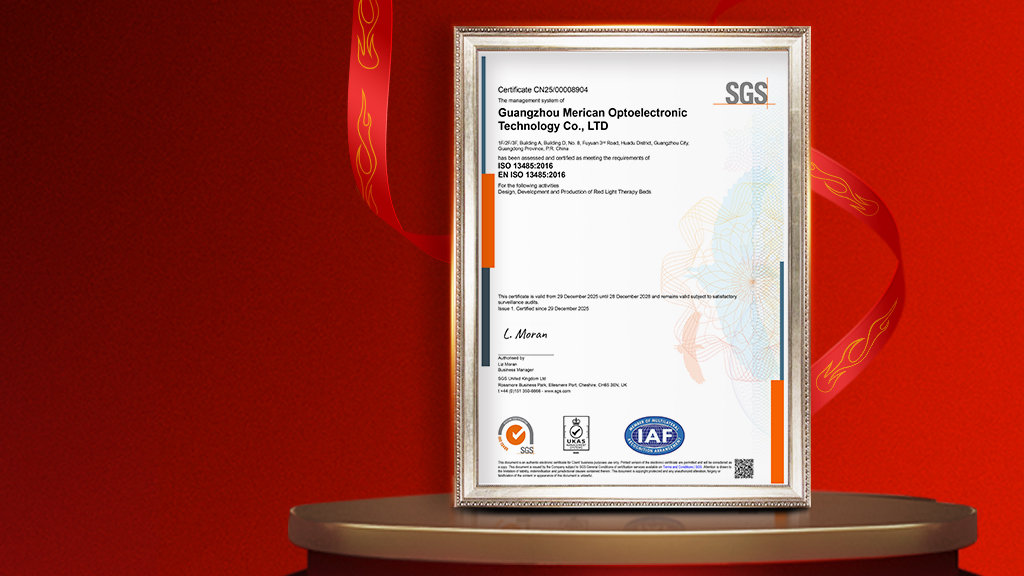
- FDA/CE Certification: Devices cleared by regulatory bodies meet strict safety and efficacy standards.
- Adjustable Intensity Controls: Allows users to customize light output, reducing risk.
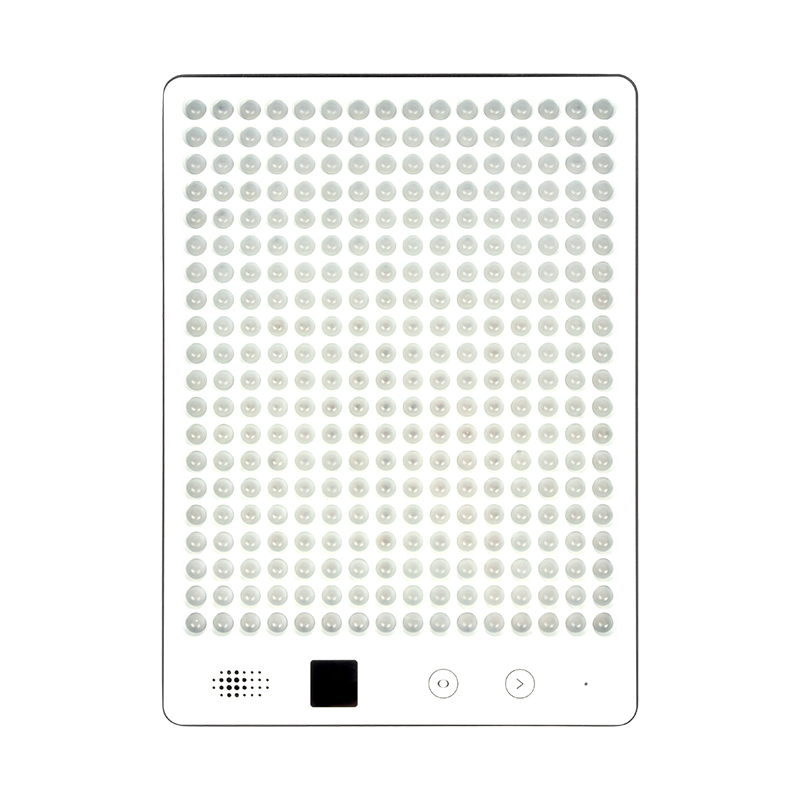
- Protective Design: Built-in shielding or optional eye goggles help reduce exposure risk, especially for facial panels used with eyes open.
- Automatic Timers: Prevent overexposure by limiting session length.
- Quality LEDs and Heat Management: Proper engineering reduces risk of thermal damage.
| Device Model | Golflengtebereik | Eye Safety Evaluation | Key Safety Features | Beste voor |
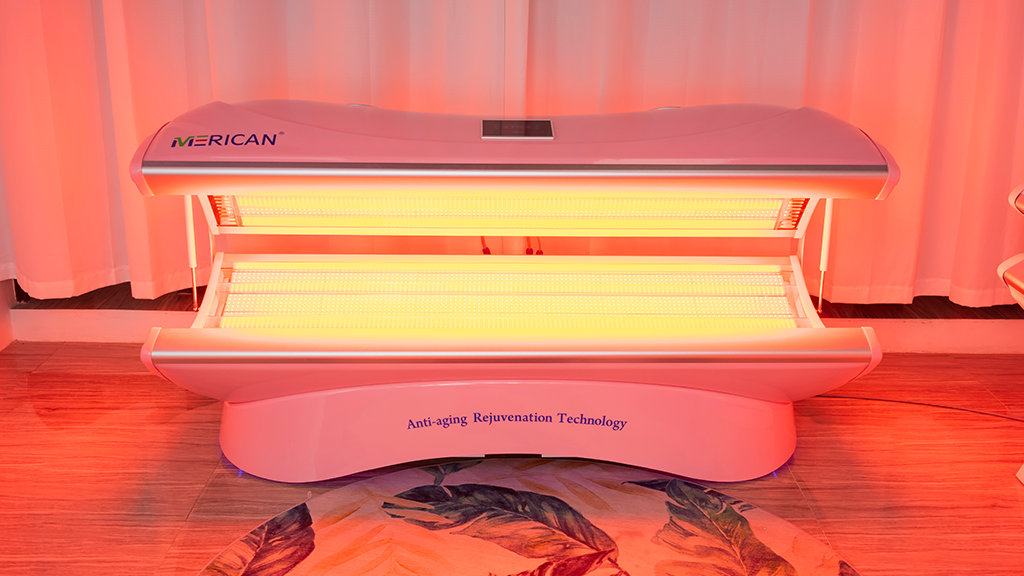
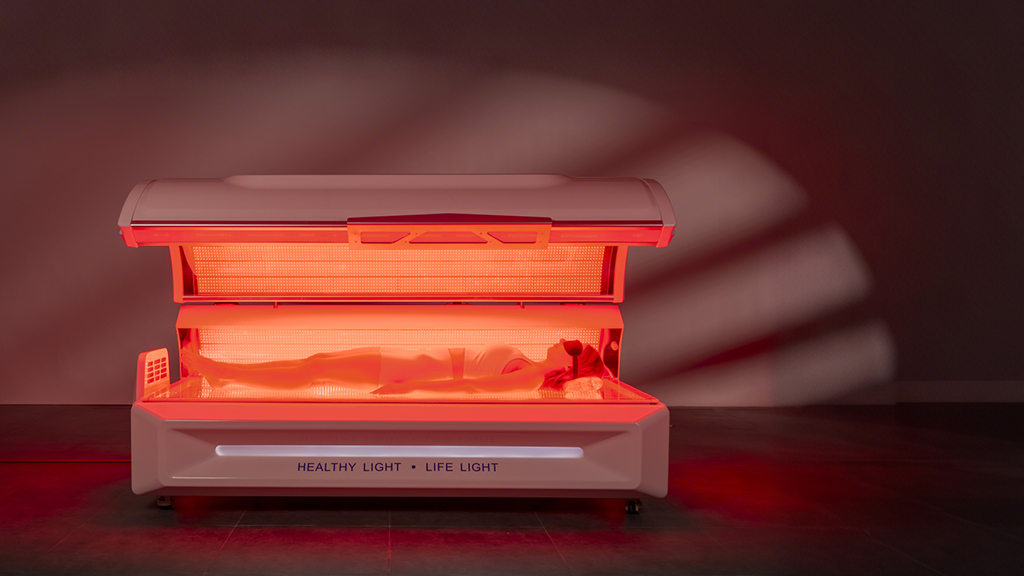
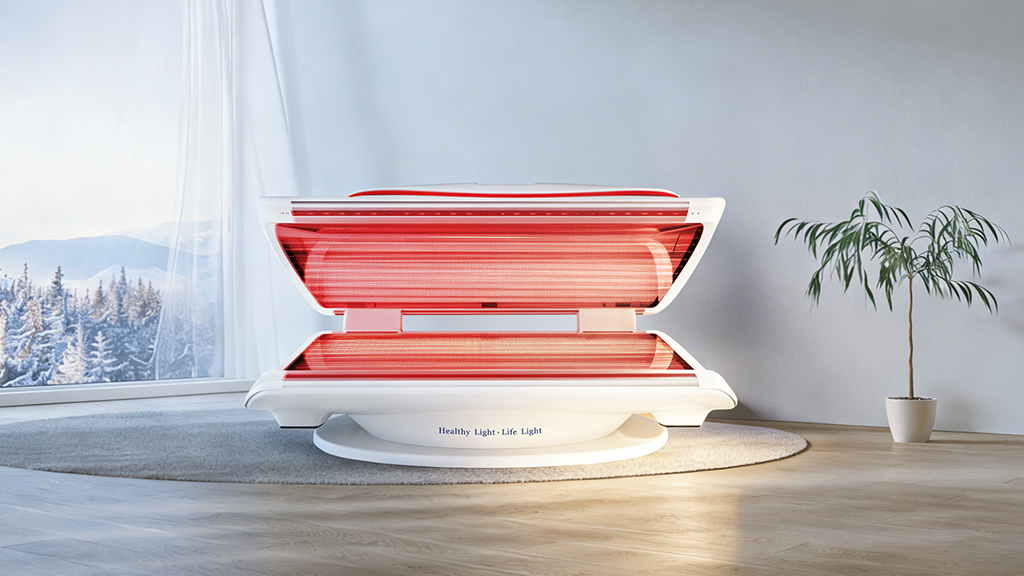
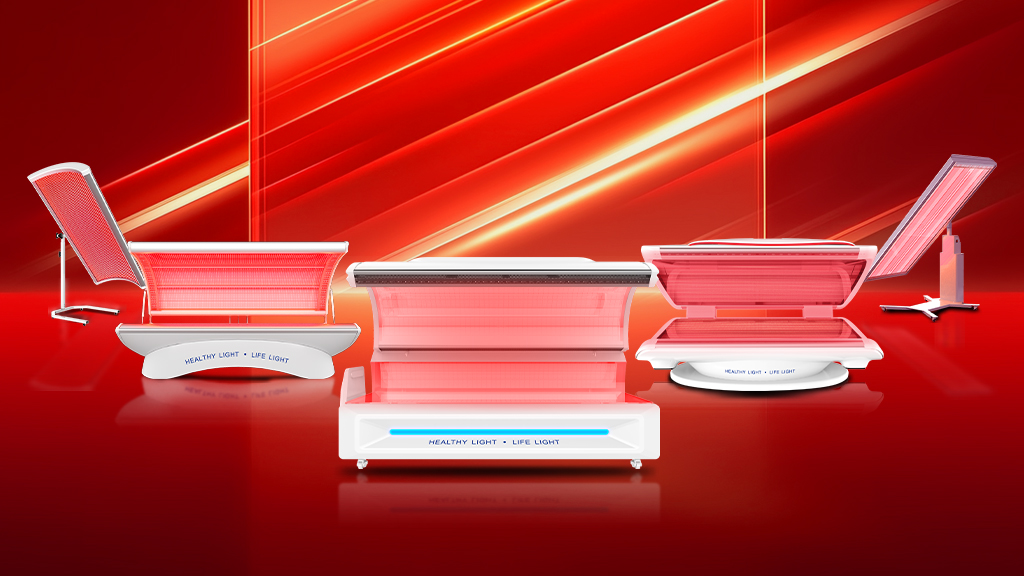
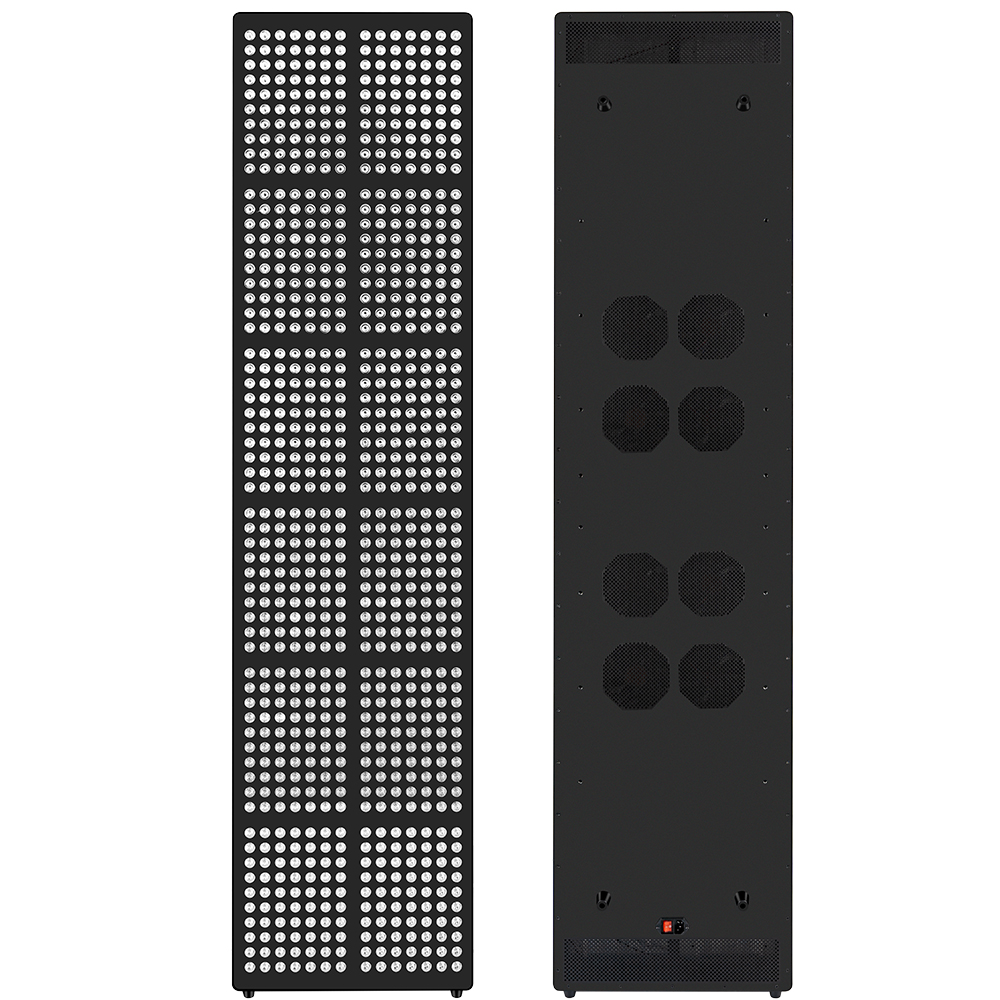
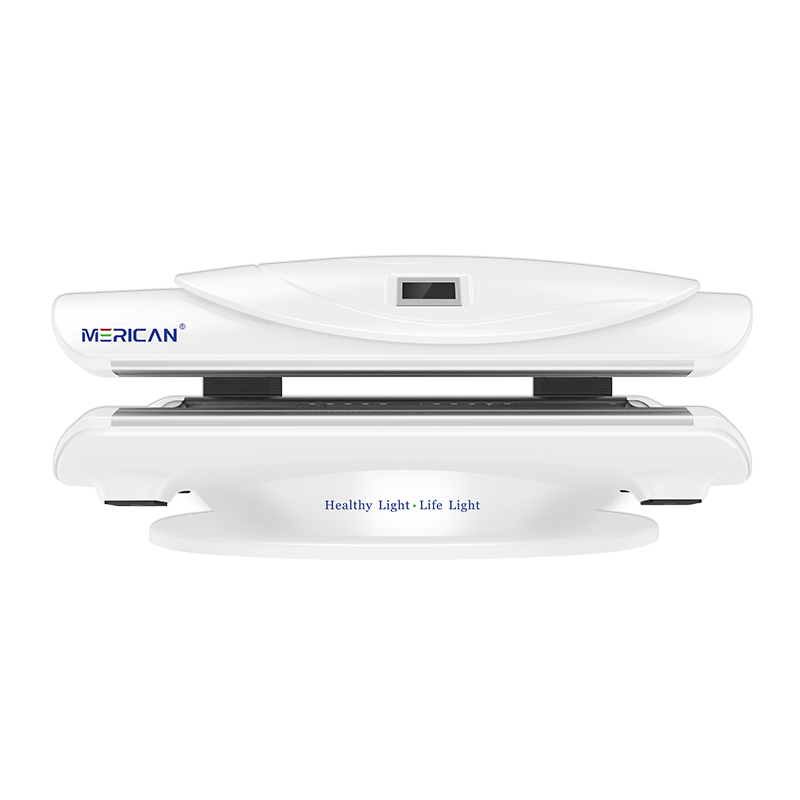
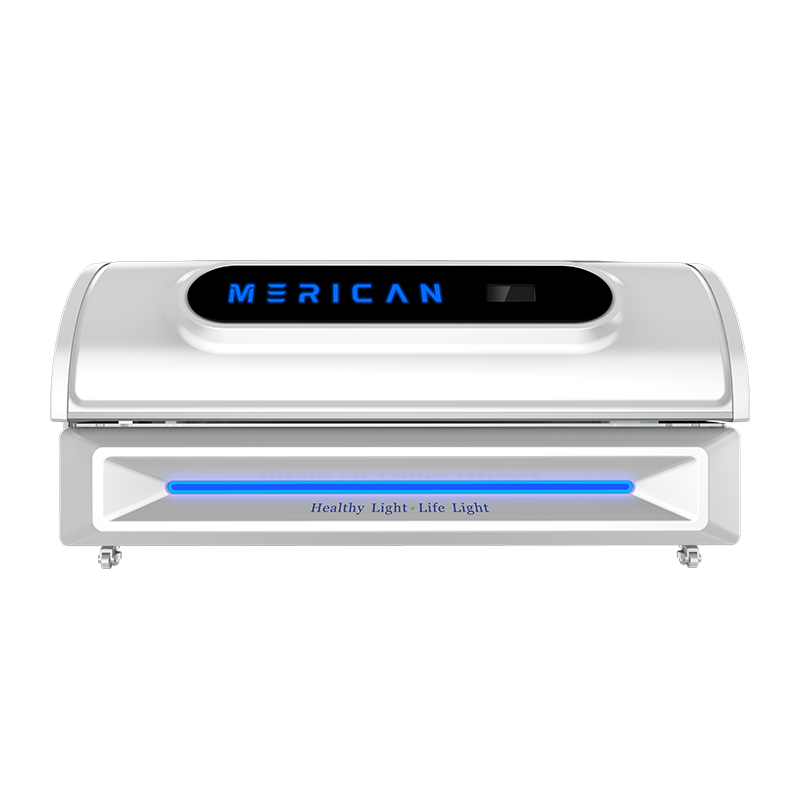
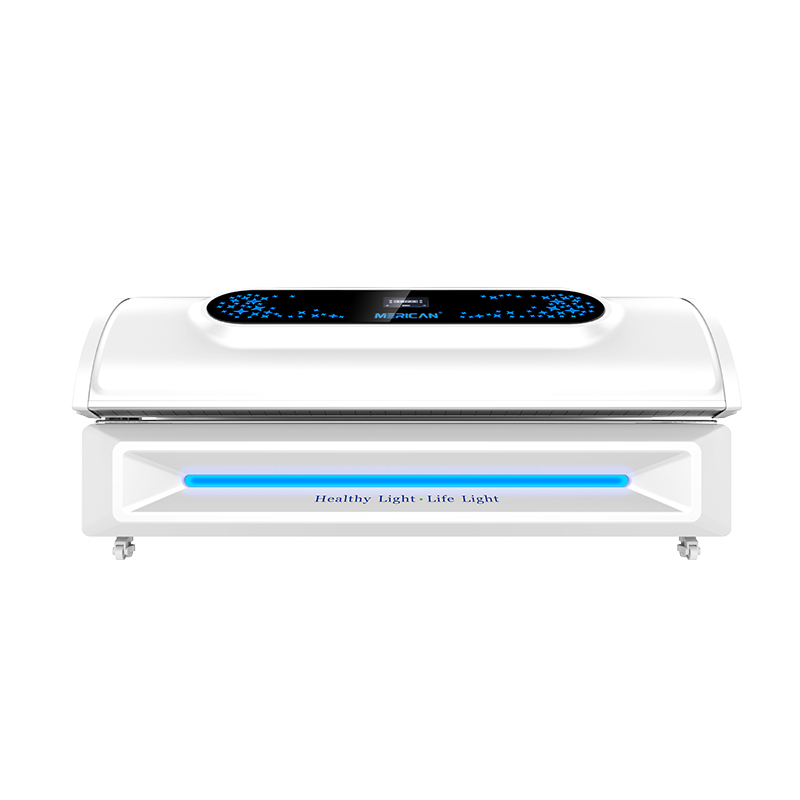
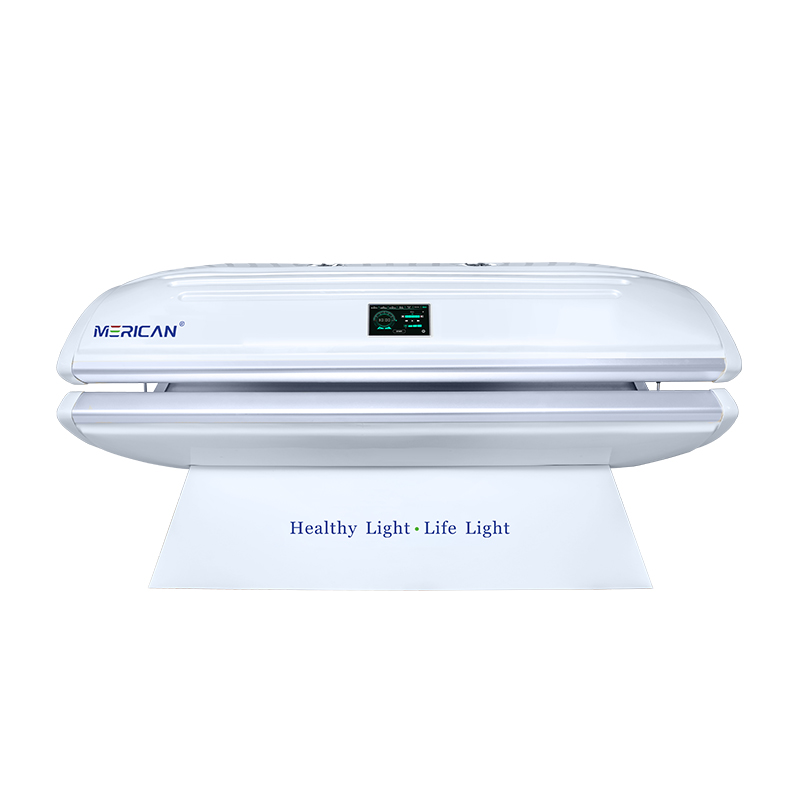
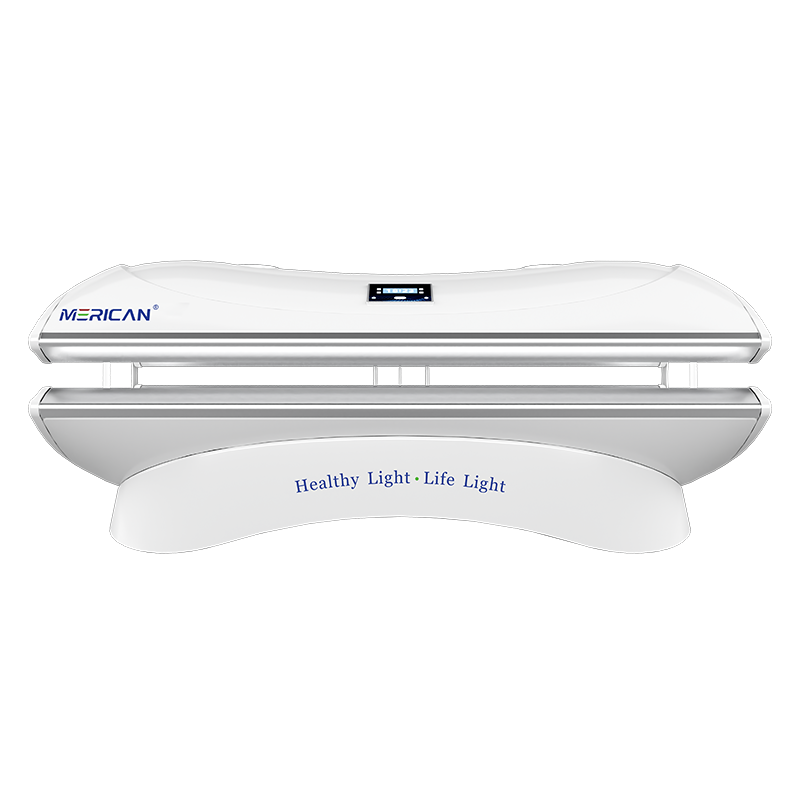
| Roodlichttherapiebed M4 | 630–850 nm | Eye-safe with closed eyes or goggles; avoid direct upward gaze | CE/FDA certified, timer, optional eye goggles | Full-body use, klinieken, kuuroorden |
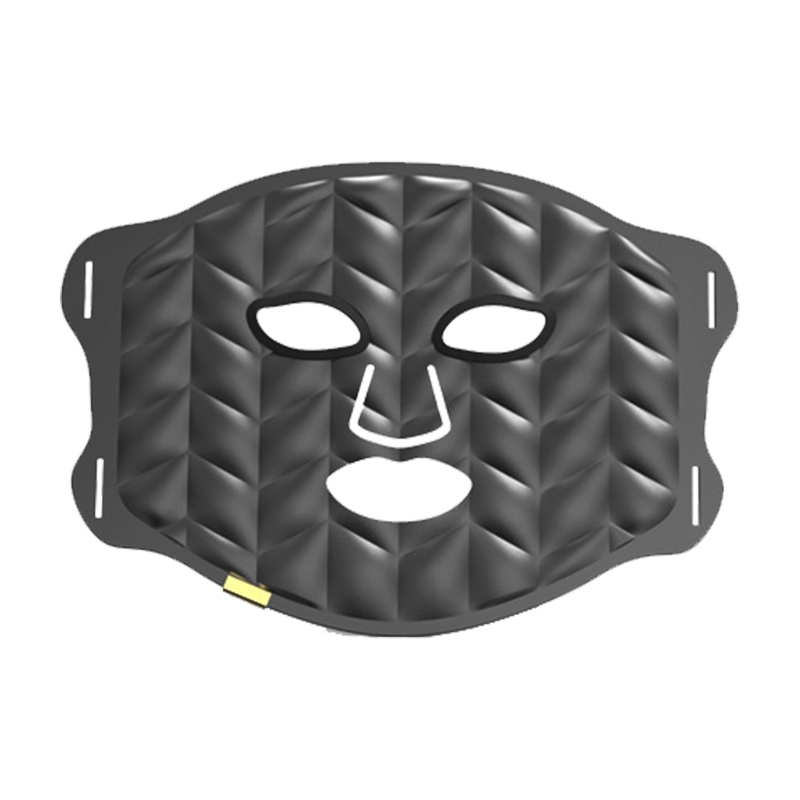
| LED lederen schoonheidsmasker MM04 | 620 nm (rood) + others | Low‑risk around eyes with built‑in eye shield; close eyes | CE/FDA certified, IPX7 waterproof, flexible design, integrated eye protection | Facial skincare, home beauty routines |
While the question is red light bad for your eyes doesn’t have a simple yes or no answer,safety depends on how and what you use—choose certified devices, follow guidance, and protect your eyes.
FAQS:
Is it safe to keep your eyes open during red light therapy?
Better to keep eyes closed or use goggles to avoid retinal overexposure.
Can red light therapy damage your eyes with long-term use?
Long-term high-intensity exposure may pose risks without proper protection.
What type of red light is safest for use around the eyes?
Wavelengths between 630–670 nm at controlled intensities are safest. Use FDA-cleared or clinically validated devices for eye-area applications.
Which color light is harmful for eyes?
Blue and ultraviolet light are most harmful due to high energy and retinal stress.
Why is red light bad for you?
Red light is typically safe, but overexposure or misuse—especially near sensitive tissues like eyes—can cause irritation or stress on photoreceptors.