Bihåleproblem - som trängsel, tryck, facial pain, huvudvärk, och postnasal dropp—orsakas vanligtvis av sinusinflammation på grund av allergier, infektioner, or chronic sinusitis. Dessa symtom kan avsevärt påverka andningen, sova, och övergripande livskvalitet.
Allt eftersom fler människor söker icke-invasiva hälsotillvägagångssätt, rött ljusterapi har fått uppmärksamhet som ett potentiellt stödjande alternativ. But can red light therapy help sinus problems? Let’s explore how it may work and what current research suggests.
Vad är rött ljusterapi?
Rödljusterapi, även känd som fotobiomodulering (PBM), använder lågnivå röda och nära-infraröda våglängder - vanligtvis mellan 630 nm och 880 nm — för att stimulera cellulär aktivitet.
Till skillnad från UV-ljus, red light therapy does not damage tissues. I stället, it works at a cellular level to support circulation, inflammation regulation, och vävnadsåtervinning.
How Red Light Therapy May Support Sinus Health
Red light therapy is not a cure for sinus infections or structural sinus problems, but it may help relieve symptoms through several mechanisms:
1. Helps Reduce Sinus Inflammation
Inflammation of the sinus lining is a key cause of congestion and pressure. Red light therapy may help modulate inflammatory responses and reduce swelling in sinus tissues.
2. Supports Natural Drainage
By improving local circulation, red light therapy may help reduce fluid buildup, supporting more comfortable sinus drainage.
3. May Help Relieve Sinus Pressure and Facial Pain
Reduced inflammation and improved circulation may ease pressure around the forehead, cheeks, and nasal passages.
4. Supports Tissue Recovery
Photobiomodulation can support cellular energy production, helping sinus tissues recover after irritation or infection.
Vad säger forskningen?
Research on photobiomodulation suggests beneficial effects for inflammation control, tissue healing, och smärtlindring. Some small studies and clinical observations indicate that low-level light therapy may help improve symptoms in chronic sinusitis and nasal inflammation.
Dock, red light therapy does not replace antibiotics, antihistamines, nasal corticosteroids, or medical sinus treatments when needed. It should be viewed as a complementary wellness approach.
How Red Light Therapy Is Used for Sinus Support
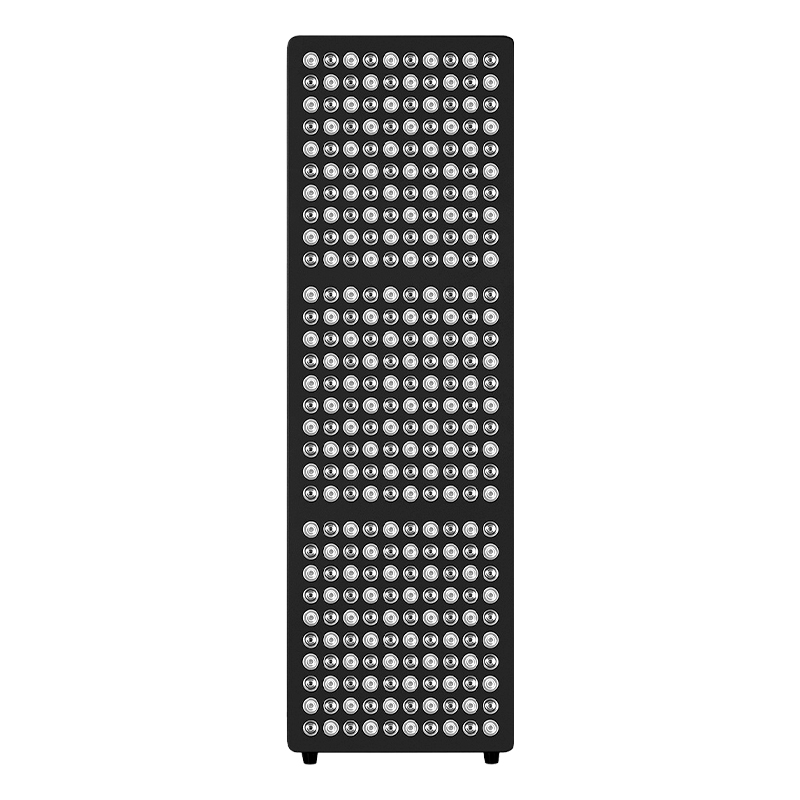
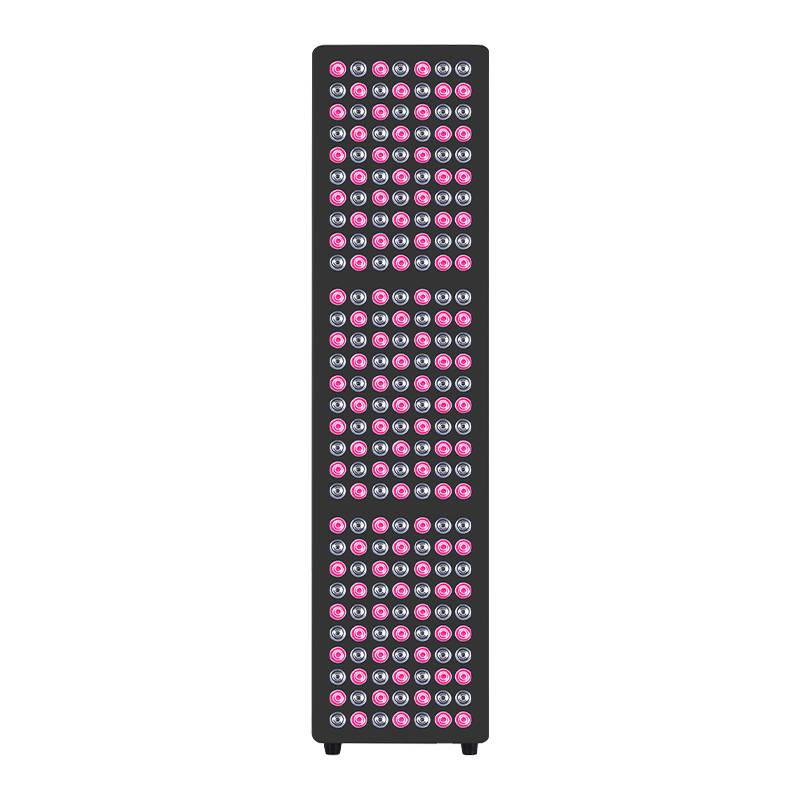
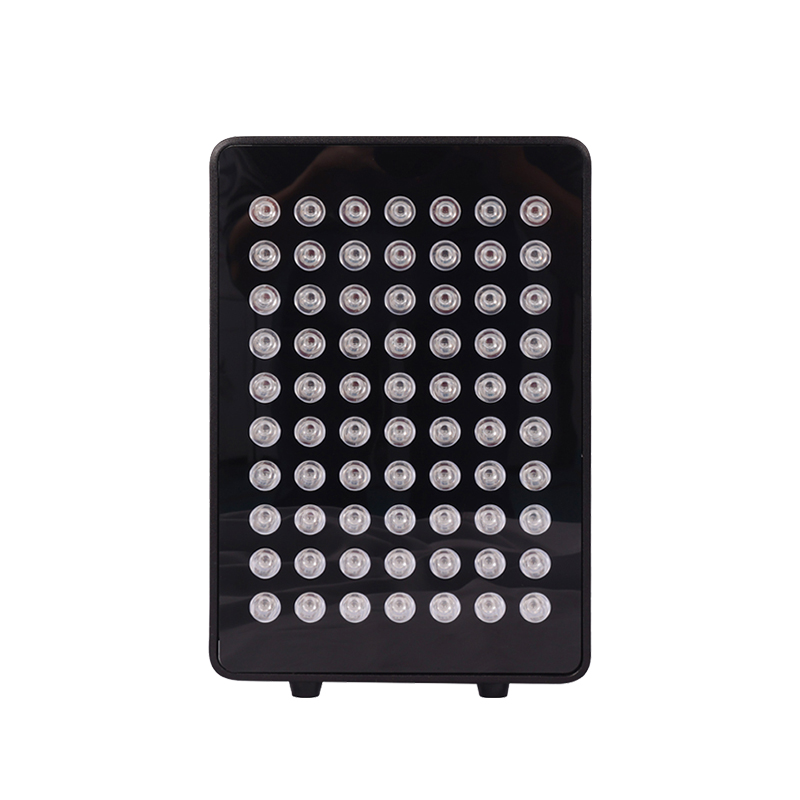
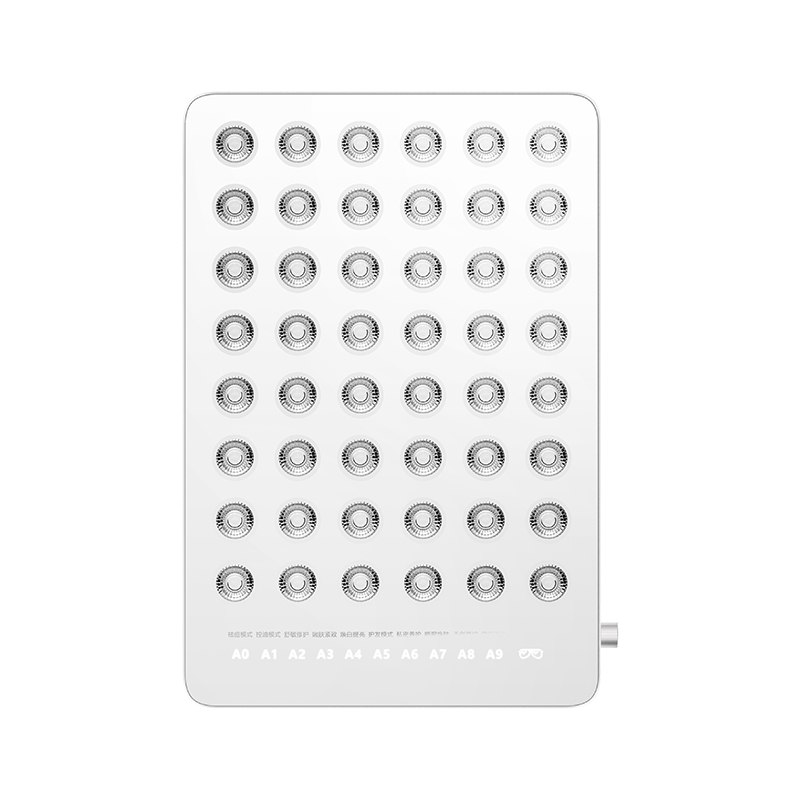
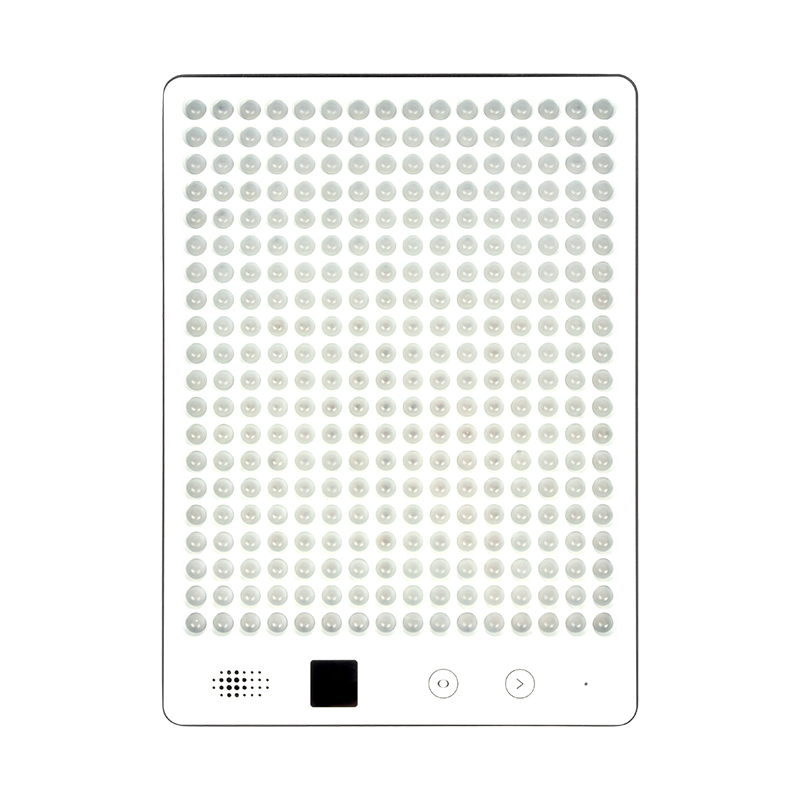
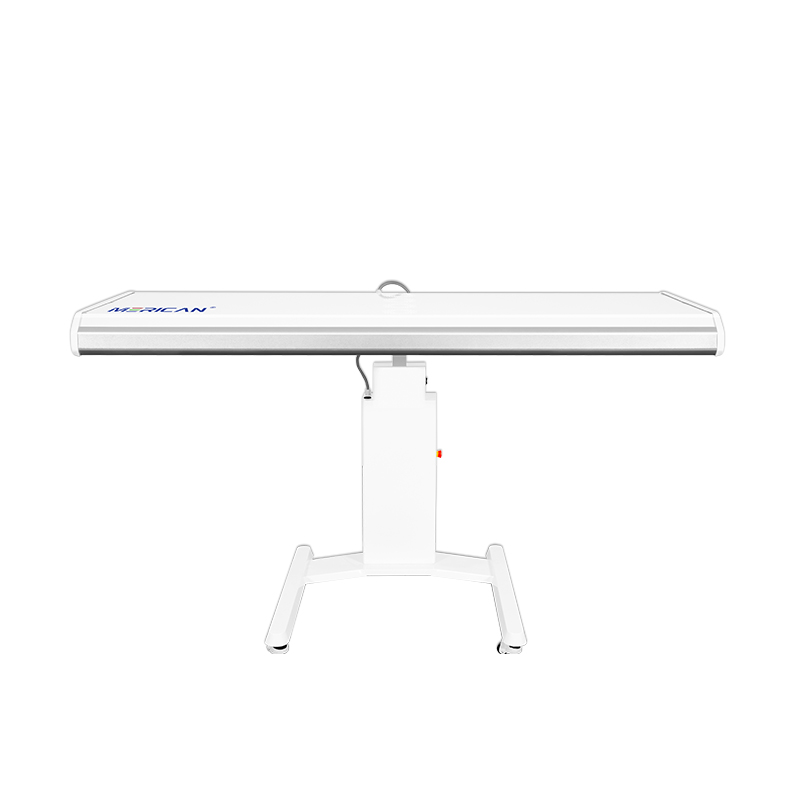
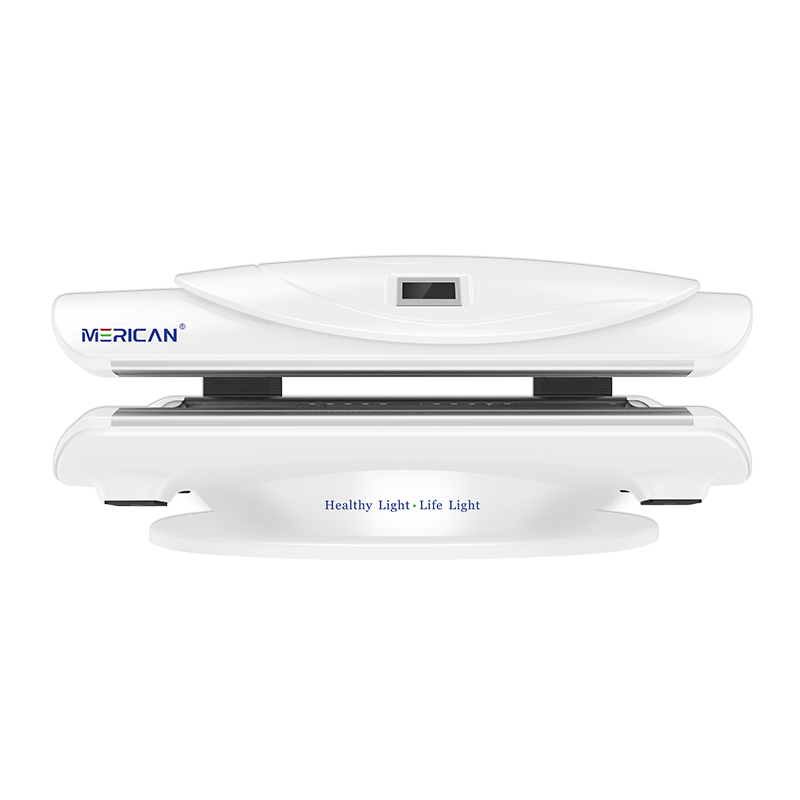
Red light therapy may be applied externally to the facial sinus areas or upper nasal region using low-power, targeted devices or professional-grade systems.
Allmänna friskvårdsorienterade riktlinjer inkluderar:
- Våglängder: 630–660 nm (röd) and 830–850 nm (nära-infrarött)
- Sessionens längd: 5–10 minutes per area
- Frekvens: 3– 5 pass per vecka
- Användningsområden: Forehead, cheeks, and nasal bridge (eyes protected)
Consistency over several weeks is typically required to notice symptom improvement.
Säkerhet och viktiga överväganden
- Red light therapy should not be used directly in the nasal cavity unless under professional supervision
- Eye protection is recommended when treating facial areas
- Persistent sinus pain, fever, or thick nasal discharge should be evaluated by a healthcare professional
Red light therapy is best used as part of a broader sinus care plan, including hydration, nasal rinses, and allergen management.
Slutliga tankar
Så, can red light therapy help sinuses? While it cannot cure sinus infections or structural sinus issues, rött ljusterapi kan hjälpa minska inflammation, ease pressure, förbättra cirkulationen, and support sinus comfort when used consistently and safely.
For individuals looking for a gentle, non-invasive way to support sinus health and breathing comfort, red light therapy may be a valuable complementary option.
FAQ
F: Can red light therapy clear a sinus infection?
A: Inga. Sinus infections require medical treatment. Red light therapy may help support symptom relief during recovery.
F: Is red light therapy safe for the face?
A: Ja, when used properly with appropriate wavelengths and eye protection.
F: Hur lång tid tar det att se resultat?
A: Some users notice improvement within 1–2 weeks of consistent use, while chronic sinus issues may take longer.