Ett brutet ben behöver tid, stabilitet, blodtillförsel, och ordentlig medicinsk vård för att läka. Beroende på frakturens läge och svårighetsgrad, behandling kan innebära immobilisering, gjutning, uppiggande, sjukgymnastik, eller operation. I takt med att intresset för icke-invasiv återvinningsteknik fortsätter att växa, rött ljusterapi för att läka brutna ben har också blivit ett område för vetenskaplig forskning.
Rödljusterapi, även känd som fotobiomodulering (PBM) eller lågnivåljusterapi, använder specifika våglängder av rött eller nära-infrarött ljus för att interagera med biologiska vävnader. Forskare har undersökt om denna typ av ljusexponering kan påverka cellulär aktivitet, inflammation, omlopp, och vävnadsreparation.
Så, kan rött ljusterapi faktiskt hjälpa ett brutet ben att läka snabbare?
Svaret är lovande men inte okomplicerat. Laboratorie- och djurforskning tyder på att fotobiomodulering kan påverka flera biologiska processer involverade i benreparation. Dock, bevisen är ännu inte tillräckligt starka för att säga att en kommersiell apparat för rödljusterapi kan läka ett brutet ben eller ersätta standard ortopedisk behandling.
Att förstå vad forskare vet - och vad som förblir osäkert - är viktigt innan man överväger rött ljusterapi som en del av en frakturåterhämtningsplan.
Vad händer när ett ben går sönder?
Benläkning är en komplex biologisk process. En fraktur "stänger sig" inte bara som ett skär i huden. Kroppen koordinerar inflammation, vävnadsbildning, blodkärlsutveckling, och benombyggnad över tid.
Benläkning beskrivs generellt i flera överlappande stadier.
1. Inflammatoriskt stadium
Omedelbart efter en fraktur, blodkärl runt skadan kan skadas, skapa ett hematom runt det brutna benet.
Kroppen aktiverar då ett inflammatoriskt svar. Immunceller och signalmolekyler hjälper till att ta bort skadad vävnad och initiera reparationsprocessen.
Inflammation är därför inte nödvändigtvis en dålig sak. Det är en viktig del av normal läkning.
2. Mjuk kallusbildning
Kroppen börjar skapa tillfällig bind- och broskliknande vävnad runt frakturen.
Denna struktur hjälper till att stabilisera det skadade området medan ny benbildning börjar.
3. Hård kallusbildning
Med tiden, mineraliserad vävnad ersätter den mjuka kallusen, skapar en starkare bro mellan de frakturerade benändarna.
4. Benombyggnad
Det nybildade benet omorganiseras och förstärks gradvis. Denna ombyggnadsprocess kan fortsätta långt efter att personen mår bättre och återgår till normala dagliga aktiviteter.
Eftersom benläkning involverar flera stadier, forskare är intresserade av om fotobiomodulering kan påverka en eller flera av dessa biologiska processer.
Vad är rött ljusterapi?
Rött ljusterapi använder specifika våglängder av synligt rött ljus, medan nära-infraröd terapi använder längre våglängder som kan penetrera djupare in i vävnaden.
Den vetenskapliga termen fotobiomodulering används ofta för att beskriva dessa ljusbaserade tillvägagångssätt.
PBM fungerar inte som ultraviolett garvning. Det är inte avsett att skada huden eller skapa en solbränna.
I stället, forskare har föreslagit att vissa våglängder av ljus kan interagera med cellulära komponenter och påverka processer relaterade till energiproduktion och cellulär signalering.
Potentiella intresseområden inkluderar:
- Mitokondriell aktivitet
- Cellulär energiproduktion
- Oxidativ stress
- Inflammatorisk signalering
- Blodkärlsbildning
- Vävnadsreparation
- Benbildande cellaktivitet
Dock, biologisk rimlighet är bara början.
En mekanism som ser lovande ut i ett laboratorium betyder inte automatiskt att behandlingen ger samma resultat hos personer med faktiska frakturer.
Kan rött ljusterapi hjälpa brutna ben att läka?
Forskning tyder på att fotobiomodulering kan påverka benreparationen, men styrkan på bevis varierar avsevärt beroende på typ av studie.
Forskare har undersökt PBM med hjälp av cellkulturer, djurmodeller, och några mänskliga studier.
Laboratorieforskning har föreslagit att specifik ljusexponering kan påverka osteoblaster - de celler som är ansvariga för att bilda nytt ben - och andra cellulära vägar involverade i benregenerering.
Djurstudier har också undersökt om PBM kan påverka benbildningen, kallusutveckling, och frakturreparation.
Dessa fynd är vetenskapligt intressanta eftersom de ger potentiella förklaringar till hur ljusterapi kan påverka den benläkande miljön.
Dock, djur- och cellstudier kan inte fastställa att en rött ljusterapisäng kommer att läka en mänsklig fraktur snabbare.
Mänskliga kliniska bevis förblir en viktig pusselbit.
Hur kan rött ljusterapi påverka benläkning?
Forskare har föreslagit flera möjliga mekanismer.
Stödjer cellulär energi
En av de mest diskuterade teorierna bakom fotobiomodulering involverar mitokondrier.
Mitokondrier är ansvariga för att producera mycket av den energi som cellerna kräver.
Benreparation kräver betydande cellulär aktivitet. Osteoblaster och andra celler som är involverade i vävnadsregenerering behöver energi för att föröka sig, producera extracellulära material, och delta i ombyggnaden.
PBM-forskning tyder på att vissa våglängder kan påverka mitokondriell funktion och cellulär energimetabolism.
Detta har fått forskare att undersöka om ljusexponering kan skapa förhållanden som stödjer vävnadsreparation.
Påverka osteoblastaktivitet
Osteoblaster är specialiserade celler involverade i ny benbildning.
Vissa laboratoriestudier har undersökt om fotobiomodulering kan påverka osteoblastproliferation, differentiering, och aktivitet.
Om dessa fynd bekräftas i väldesignade mänskliga studier, detta kan hjälpa till att förklara varför PBM undersöks som en potentiell stödjande teknik för benregenerering.
Men laboratorieresultat bör inte förväxlas med bevisade kliniska resultat.
Stödjer bildandet av blodkärl
En läkande fraktur kräver tillräcklig blodtillförsel.
Nya blodkärl hjälper till att leverera syre och näringsämnen till utvecklande vävnad och stöder de biologiska processer som är involverade i reparation.
Fotobiomodulering har undersökts för dess potentiella effekter på vaskulär signalering och cirkulation.
Forskare är därför intresserade av om PBM indirekt skulle kunna stödja miljön kring en läkande fraktur.
Modulerande inflammation
Inflammation spelar en nödvändig roll i tidig benreparation.
Målet är inte nödvändigtvis att eliminera inflammation utan att upprätthålla en lämplig inflammatorisk respons.
PBM har studerats för dess potentiella effekter på inflammatorisk signalering och oxidativ stress.
Detta är en anledning till att fotobiomodulering fortsätter att locka intresse för muskuloskeletal forskning.
Vad säger forskningen om benregenerering?
En växande mängd preklinisk forskning har undersökt fotobiomodulering och benreparation.
Studier har utforskat olika ljuskällor, inklusive laser och lysdioder, samt olika röda och nära-infraröda våglängder.
Forskare har rapporterat potentiellt gynnsamma effekter inom områden som t.ex:
- Bencellsaktivitet
- Ny benbildning
- Benmineralisering
- Frakturreparation
- Integrering av implantat
- Benregenerering
Dock, en av de största utmaningarna är bristen på standardisering.
Olika studier kan använda olika:
- Våglängder
- Bestrålningsnivåer
- Energidoser
- Exponeringslängder
- Behandlingsfrekvenser
- Behandlingsplatser
- Ljuskällor
Som ett resultat, det är svårt att jämföra studier direkt.
Ett positivt resultat från ett PBM-protokoll bevisar inte automatiskt att en annan enhet som använder en annan våglängd eller dosering ger samma effekt.
Rödljusterapi vs. Nära-infrarött ljus för benläkning
När man diskuterar benläkning, det är användbart att skilja mellan synligt rött ljus och nära-infrarött ljus.
Röda våglängder har i allmänhet mindre vävnadspenetration än längre nära-infraröda våglängder.
Eftersom ben är belägna under hud och andra vävnader, researchers have investigated near-infrared wavelengths as a potentially useful option for deeper targets.
Dock, the ideal wavelength depends on the specific application and treatment parameters.
It is not accurate to say that one wavelength is universally “best” for every fracture.
Other factors matter too, inklusive:
- Ljusintensitet
- Dose
- Behandlingens varaktighet
- Distance from the tissue
- Frequency of exposure
- Behandlingsområde
This is why consumers should be cautious about marketing claims based solely on a wavelength number.
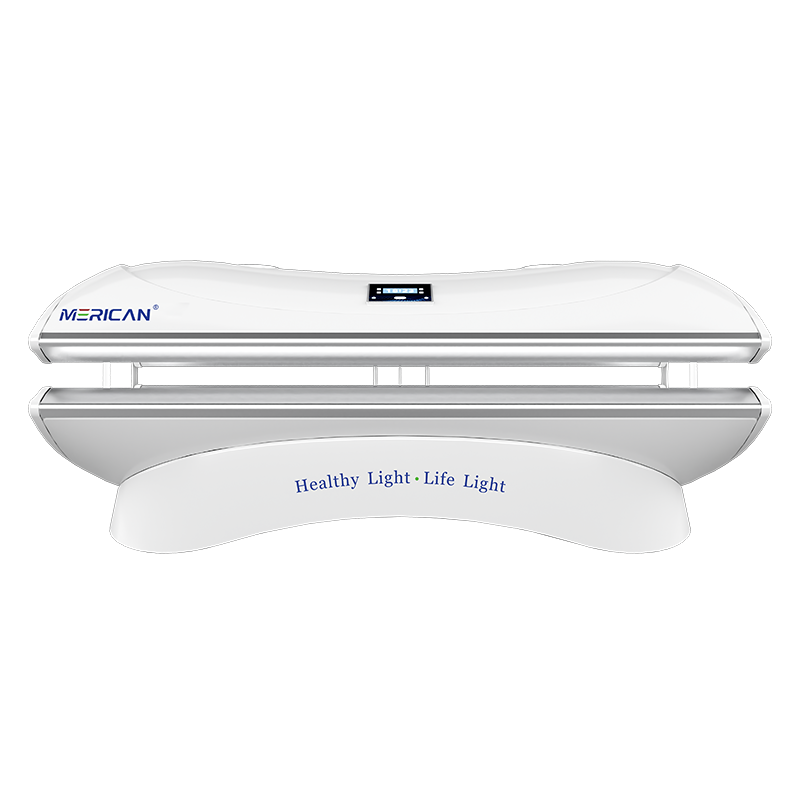
Can a Red Light Therapy Bed Heal a Broken Bone?
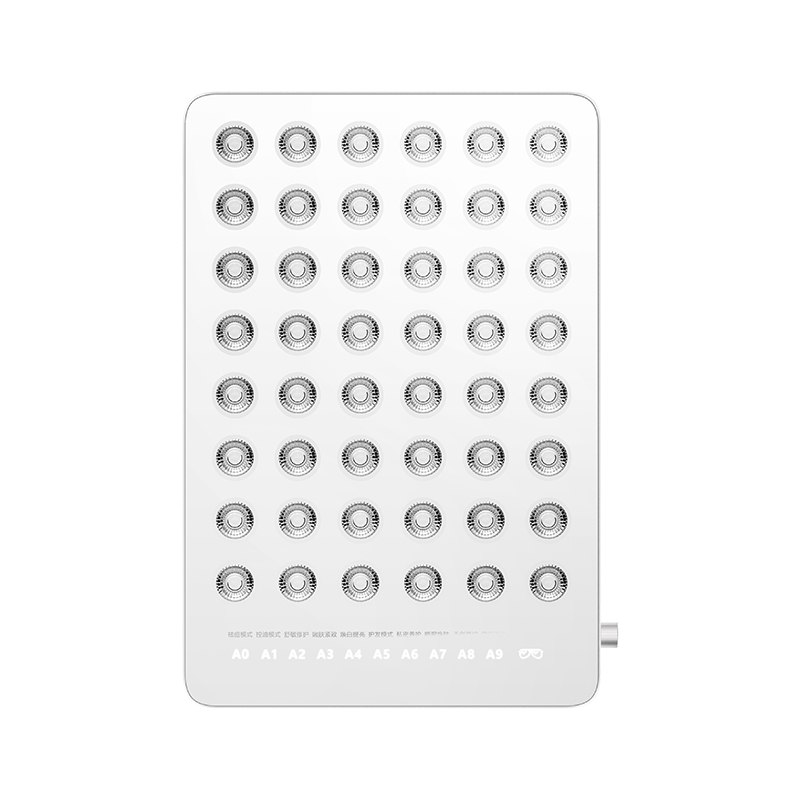
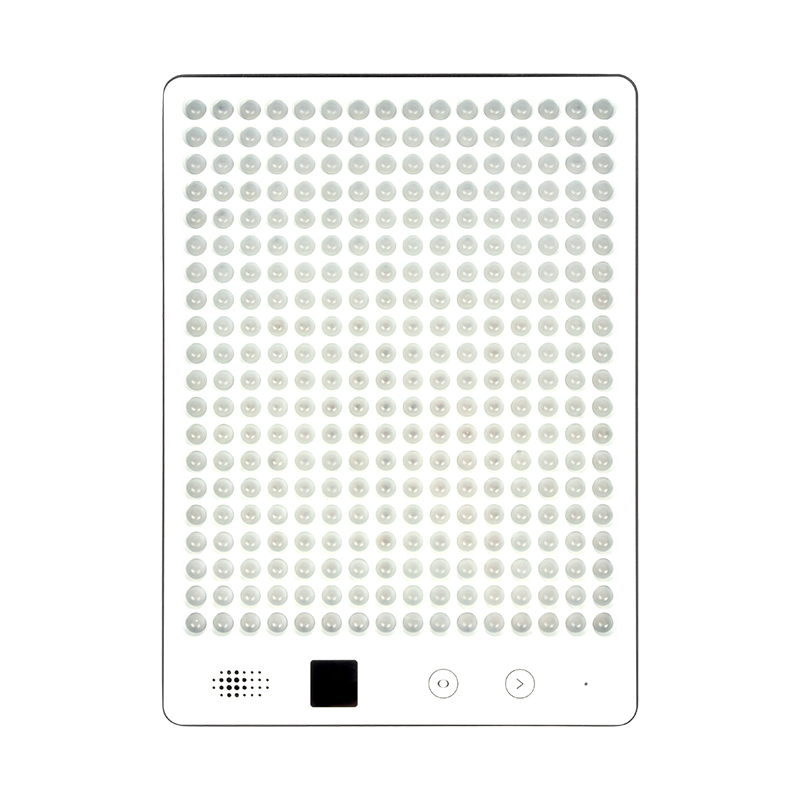
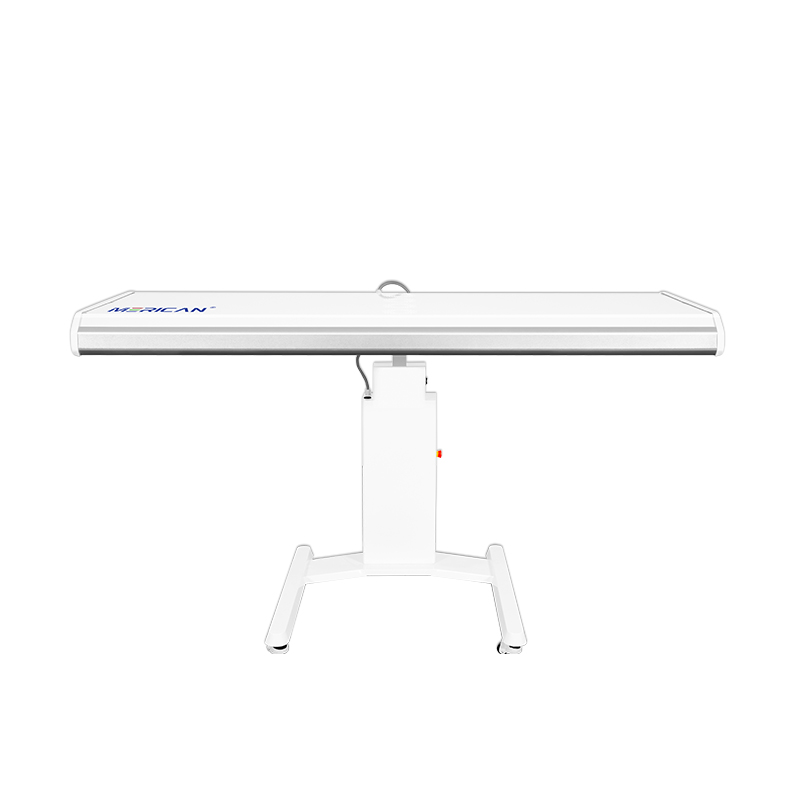
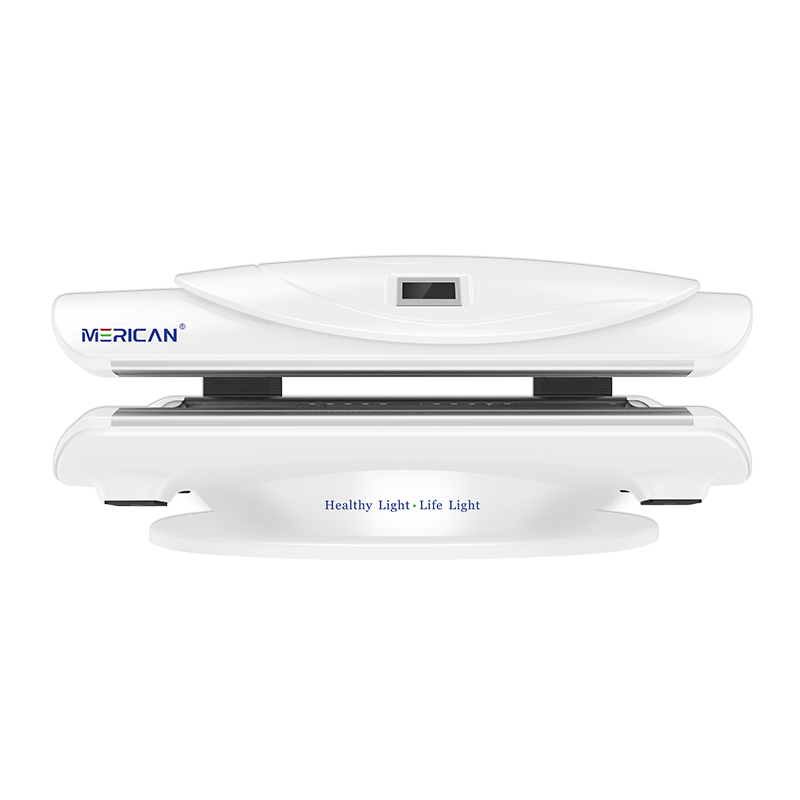
This question is particularly relevant as full-body red light therapy beds become more popular.
Det korta svaret är:
There is currently insufficient evidence to claim that a commercial full-body red light therapy bed can heal a broken bone.
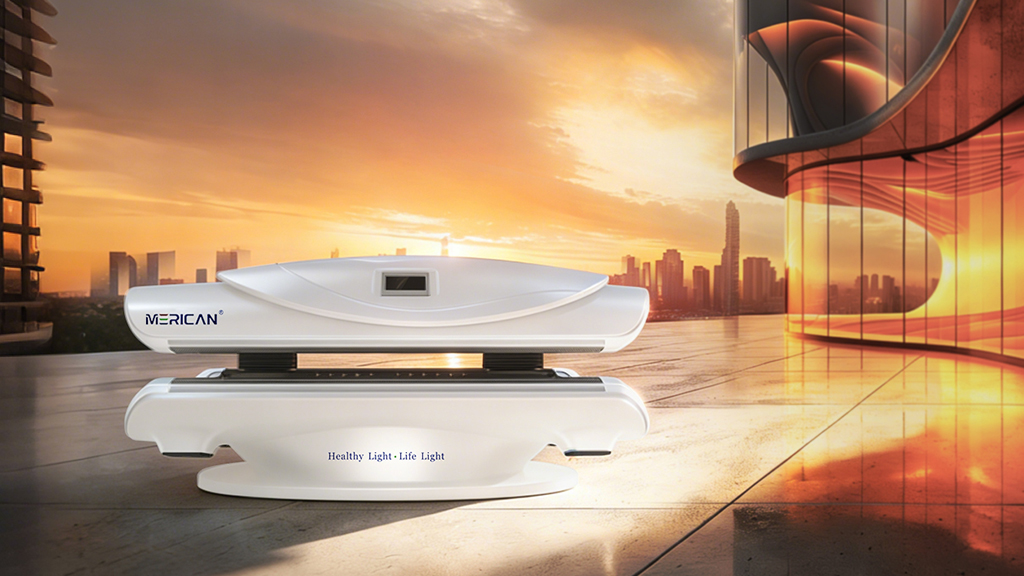
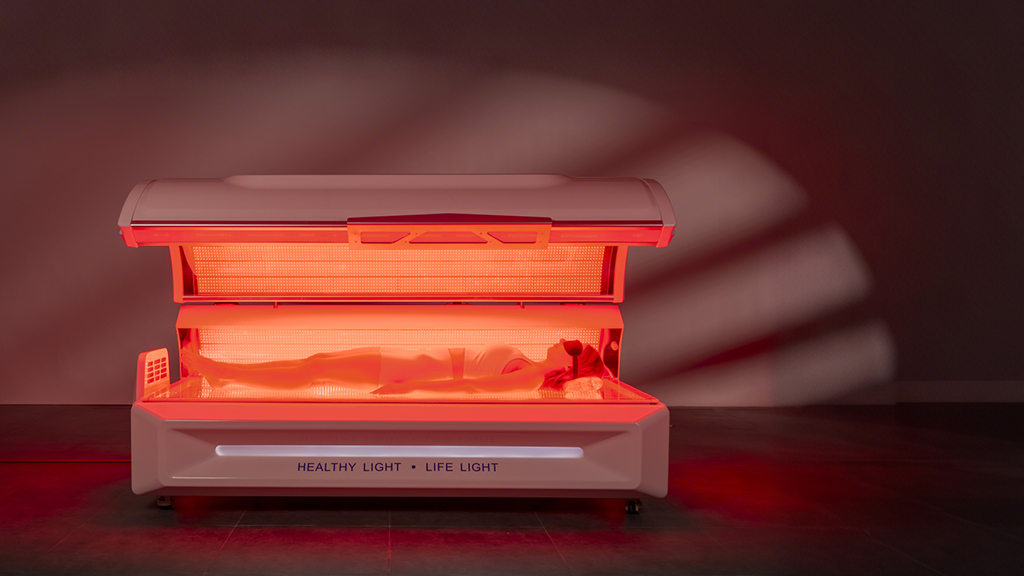
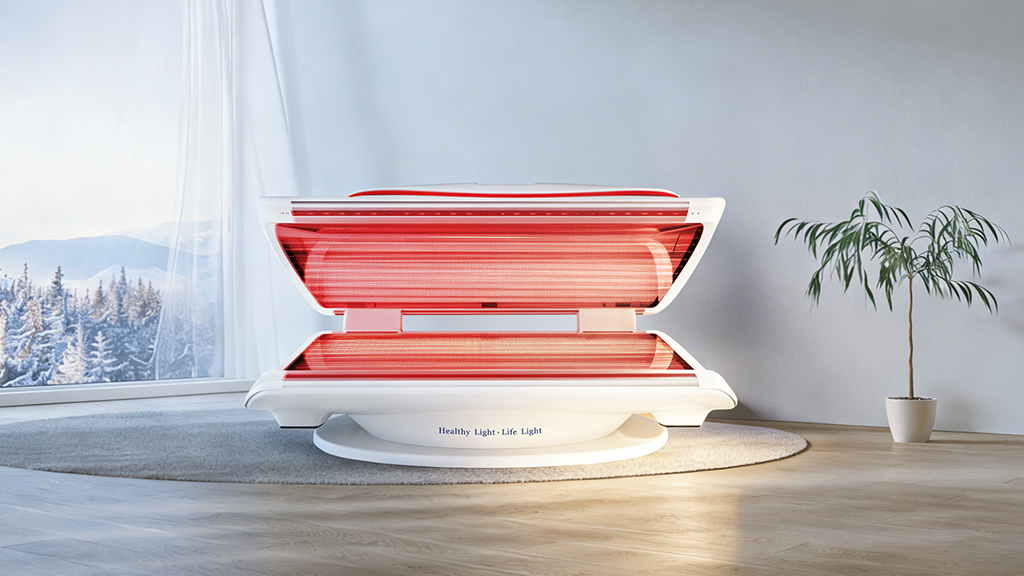
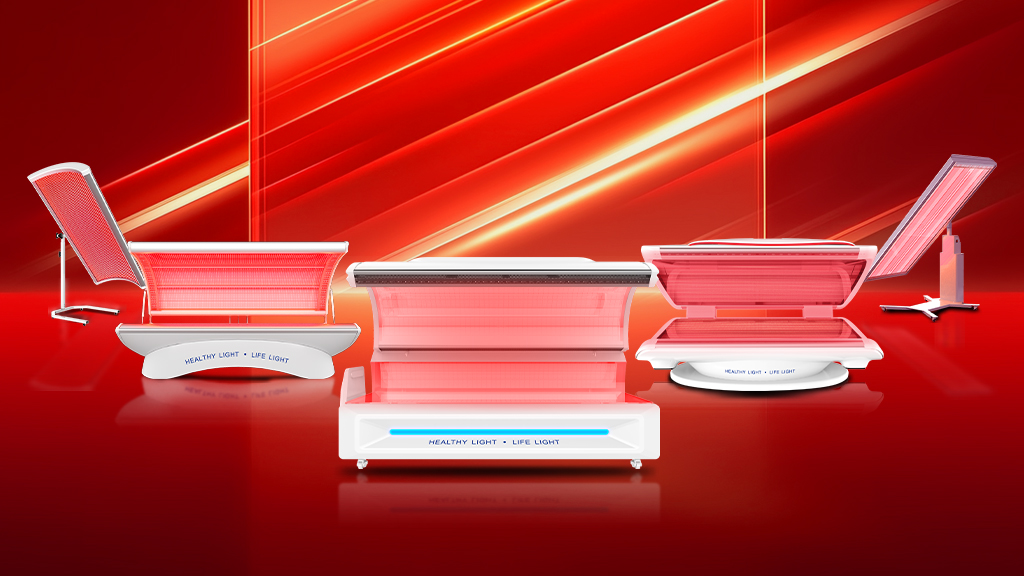
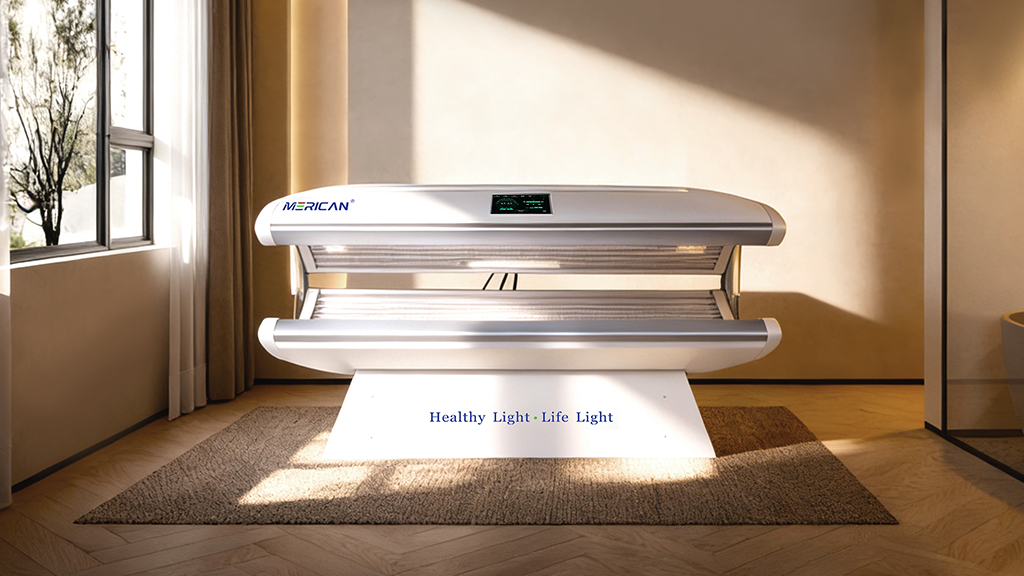
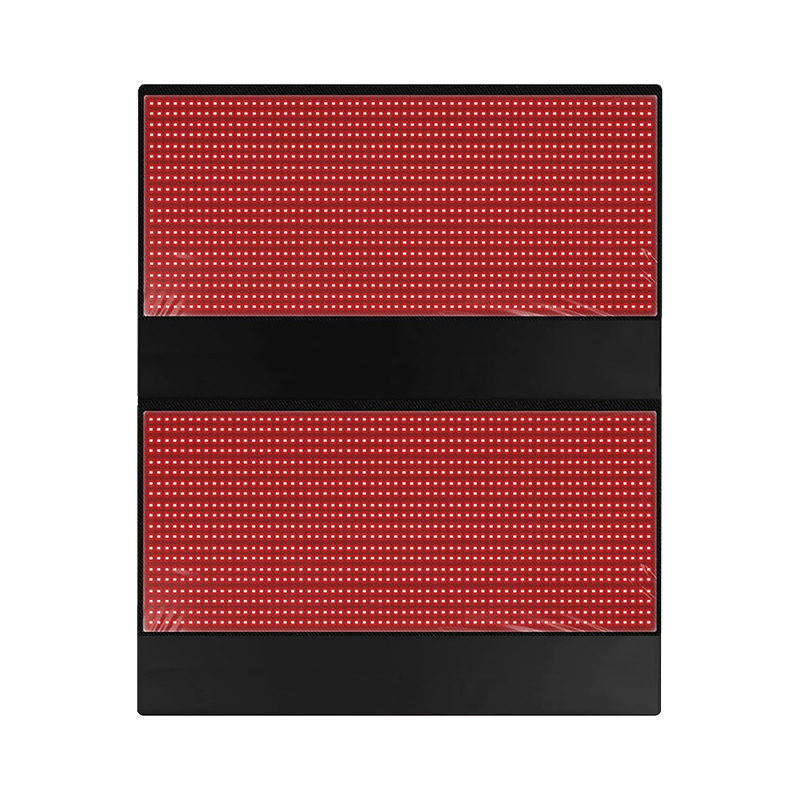
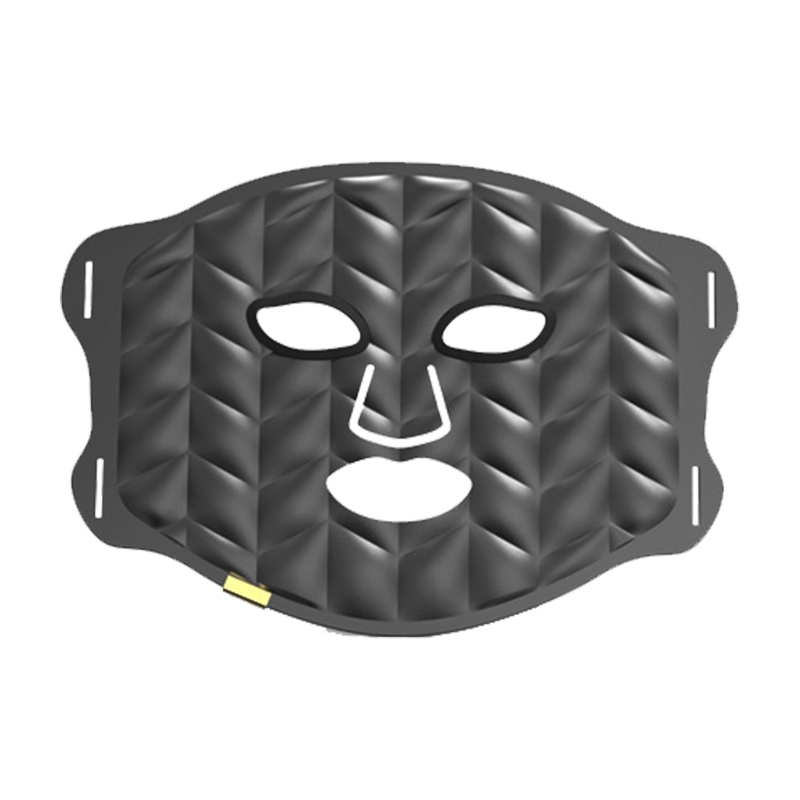
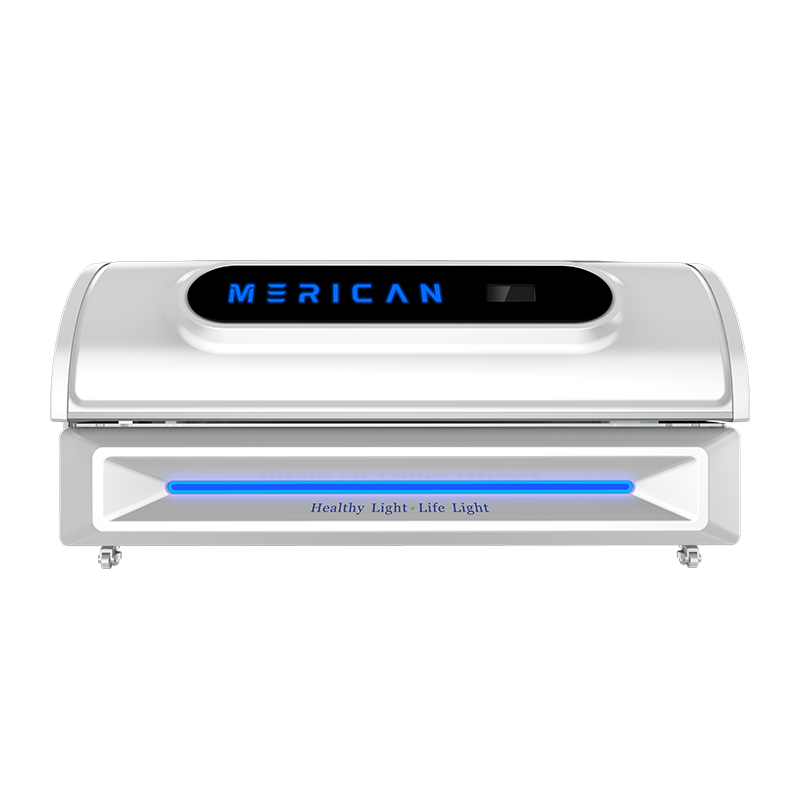
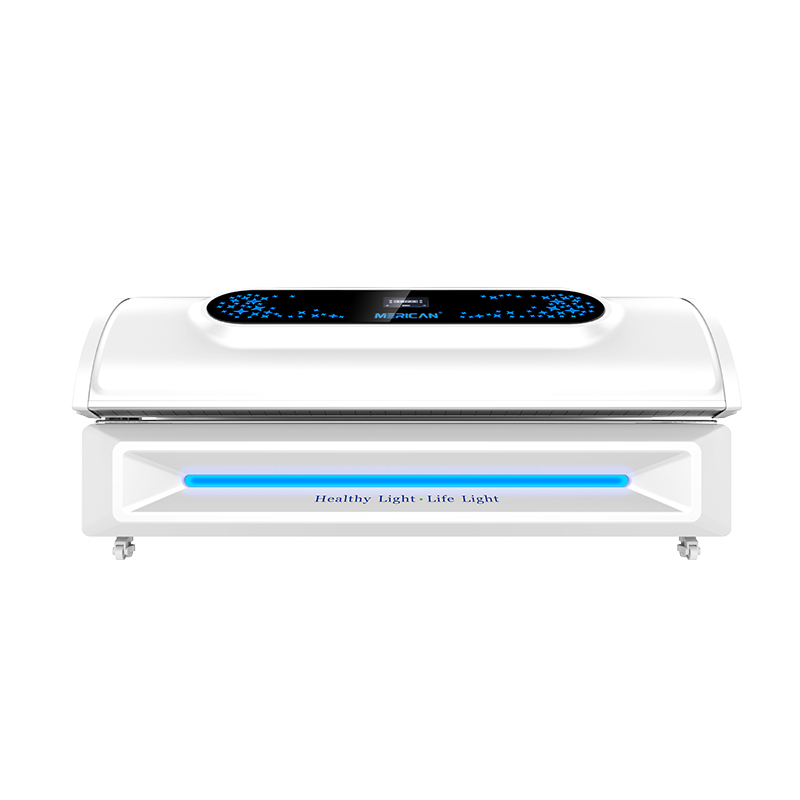
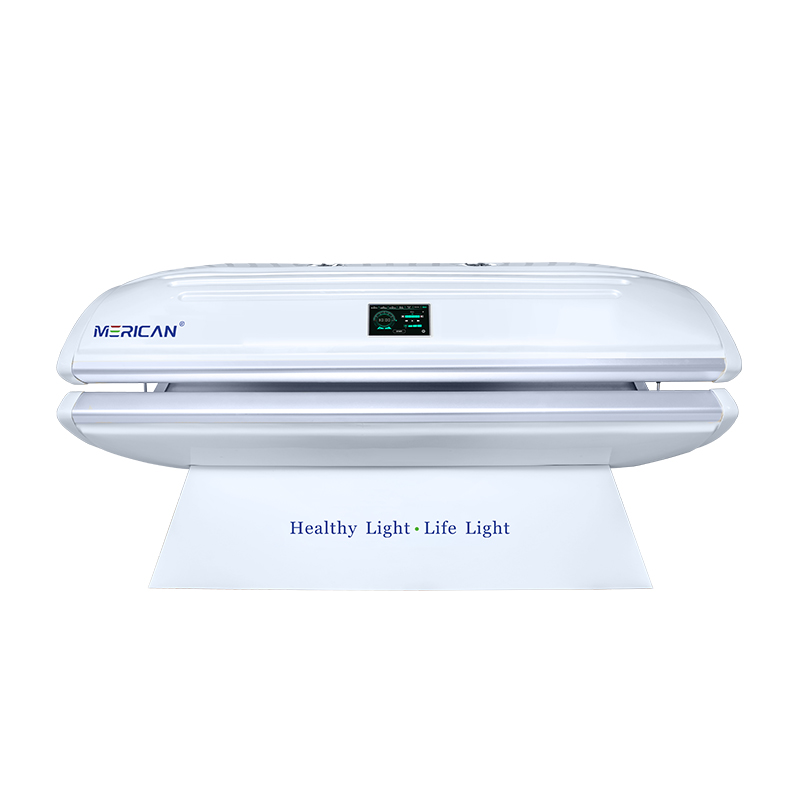
En terapisäng för rött ljus kan utsätta stora delar av kroppen för rött och/eller nära infrarött ljus, vilket gör det potentiellt användbart för allmänt välbefinnande och fotobiomoduleringstillämpningar.
Dock, forskning som involverar riktad ljusterapi för benreparation kan använda specifika behandlingsparametrar och fokusera direkt på den skadade regionen.
En helkroppssäng är inte nödvändigtvis likvärdig med ett riktat kliniskt PBM-protokoll.
Därför, företag bör undvika att marknadsföra en kommersiell rött ljusterapisäng som en beprövad behandling för frakturer såvida inte den specifika produkten och det avsedda påståendet stöds av lämpliga kliniska bevis och tillämpliga bestämmelser.
Kan rödljusterapi ersätta en gips eller operation?
Inga.
Detta är en av de viktigaste punkterna för alla som forskar rött ljus terapi läker brutna ben.
If you have a suspected or confirmed fracture, korrekt medicinsk bedömning är avgörande.
Beroende på frakturen, behandling kan krävas:
- Immobilisering
- En skådespelare
- En tandställning
- Minskning av förskjutet ben
- Kirurgisk fixering
- Sjukgymnastik
- Uppföljande bildtagning
Rödljusterapi bör inte användas som ersättning för dessa ingrepp.
En fraktur som är felaktigt inriktad eller instabil kan läka felaktigt, resulterar i långvarig smärta, svaghet, nedsatt rörlighet, eller andra komplikationer.
Ingen ljusterapiapparat bör användas som ersättning för ortopedisk utvärdering.
Kan Rödljusterapi vara ett kompletterande verktyg för återhämtning?
Detta är en mer rimlig fråga.
Istället för att fråga om rödljusterapi kan "bota" en fraktur, forskare undersöker om fotobiomodulering så småningom kan bli en kompletterande teknik vid sidan av vanlig ortopedisk vård.
Potentiella undersökningsområden inkluderar:
- Stödjer vävnadsåtervinning
- Påverka lokal cellulär aktivitet
- Stödjer cirkulationen runt läkande vävnad
- Modulerande inflammatoriska svar
- Stödja rehabilitering
Dock, mer klinisk forskning behövs innan specifika rekommendationer kan göras.
Den viktigaste distinktionen är:
Kompletterande betyder inte ersättning.
Om en sjukvårdspersonal rekommenderar immobilisering, kirurgi, medicin, eller sjukgymnastik, dessa behandlingar bör förbli grunden för frakturhantering.
Hur lång tid tar ett brutet ben att läka?
Benläkningstiden varierar avsevärt.
Faktorer som kan påverka återhämtningen inkluderar:
- Typ av fraktur
- Plats för frakturen
- Stränghet
- Åldras
- Övergripande hälsa
- Blodtillförsel
- Rökning
- Näring
- Diabetes
- Bendensitet
- Frakturens stabilitet
- Behandlingsmetod
Vissa frakturer kan bli avsevärt starkare inom flera veckor, medan mer komplicerade skador kan ta betydligt längre tid.
Viktigt, smärtlindring betyder inte nödvändigtvis att benet är helt läkt.
En person kan må bättre innan benet har återfått sin ursprungliga styrka.
Därför kan uppföljningstider och bildtagning vara nödvändiga.
Kan rödljusterapi minska frakturåterhämtningstid?
Detta är ett av de mest tilltalande påståendena i samband med PBM, men det är också ett av de påståenden som kräver mest försiktighet.
Viss preklinisk forskning tyder på att fotobiomodulering kan påverka biologiska vägar associerade med benreparation.
Dock, det finns inte tillräckligt med kliniska bevis av hög kvalitet för att garantera att rött ljusterapi kommer att förkorta läkningstiden för varje brutet ben.
Utfallet kan bero på typen av fraktur, behandlingsprotokollet, och individuella hälsofaktorer.
Mer randomiserade kontrollerade humanstudier behövs för att avgöra om PBM ger meningsfulla förbättringar i läkningstid och funktionell återhämtning.
Vilka faktorer är viktigare än rött ljusterapi?
Om du återhämtar dig från en fraktur, flera grunder är mycket viktigare än att lägga till en ljusbaserad friskvårdsbehandling.
Följ din ortopediska behandlingsplan
Följ instruktionerna angående avgjutning, hängslen, viktbärande, rörelse, och uppföljande möten.
Ät en balanserad kost
Benreparation kräver tillräcklig näring.
Protein, kalcium, vitamin D, och andra näringsämnen spelar viktiga roller för benhälsa.
Personer med näringsbrist bör diskutera lämpliga tester och kosttillskott med sin vårdgivare.
Undvik rökning
Rökning kan störa benläkning och är en viktig modifierbar riskfaktor för försenad återhämtning.
Delta i uppföljningsmöten
Din vårdgivare kan använda avbildning och fysiska undersökningar för att avgöra om frakturen fortskrider korrekt.
Följ rehabiliteringsvägledning
När rörelse är medicinskt lämplig, sjukgymnastik och gradvis rehabilitering kan hjälpa till att återställa styrka och funktion.
Är rödljusterapi säker under benåterställning?
Fotobiomodulering anses allmänt vara ett icke-invasivt tillvägagångssätt, men "icke-invasiv" betyder inte universellt riskfritt.
Säkerheten beror på:
- Enhetsspecifikationer
- Våglängd
- Bestrålning
- Exponeringens varaktighet
- Behandlingsplats
- Individuella hälsotillstånd
- Läkemedelsanvändning
Människor bör följa tillverkarens instruktioner och undvika att experimentera med överdriven exponering.
Extra försiktighet kan vara lämpligt för individer som:
- Ta fotosensibiliserande medicin
- Har en ljuskänslighetsstörning
- Har cancer eller en historia av cancer på behandlingsplatsen
- Är gravid eller planerar graviditet
- Ha en implanterad medicinsk utrustning
- Har ett aktivt sår eller infektion
Om du nyligen har genomgått frakturoperation eller har implanterat hårdvara, diskutera ljusbaserad behandling med din sjukvårdspersonal innan du använder den över det kirurgiska eller skadade området.
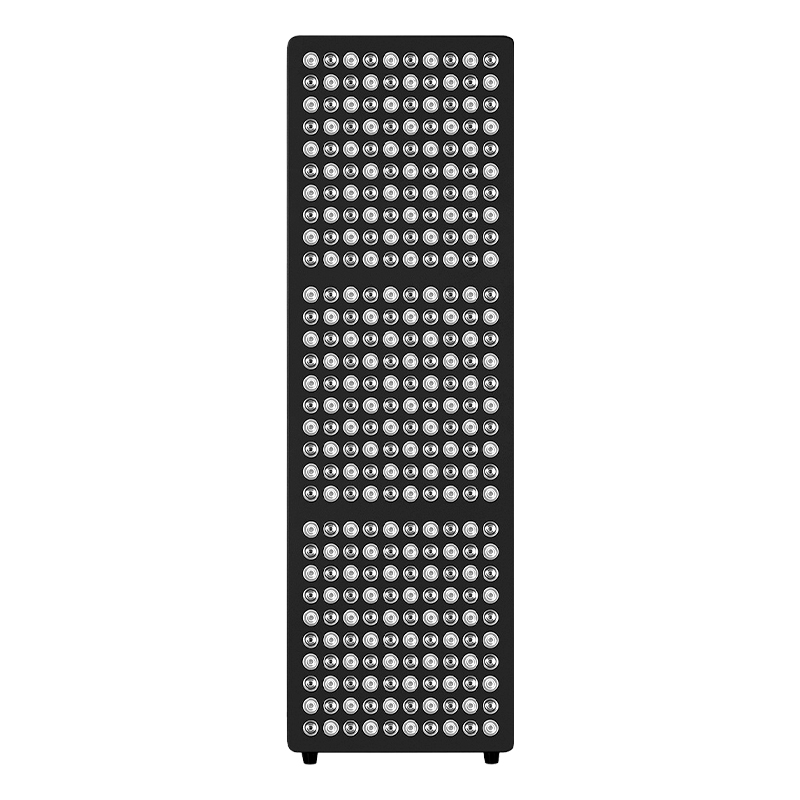
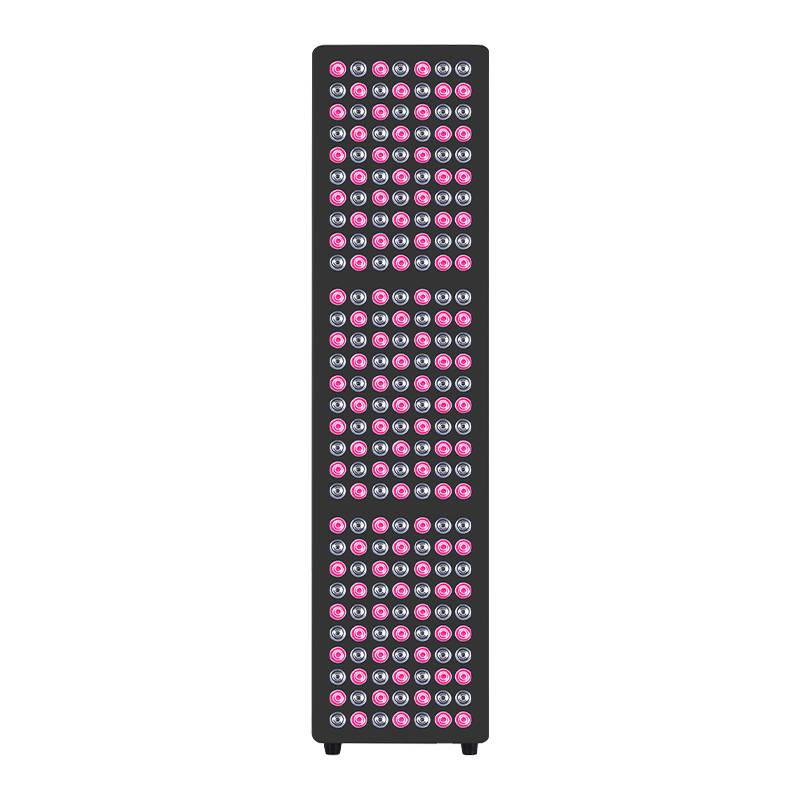
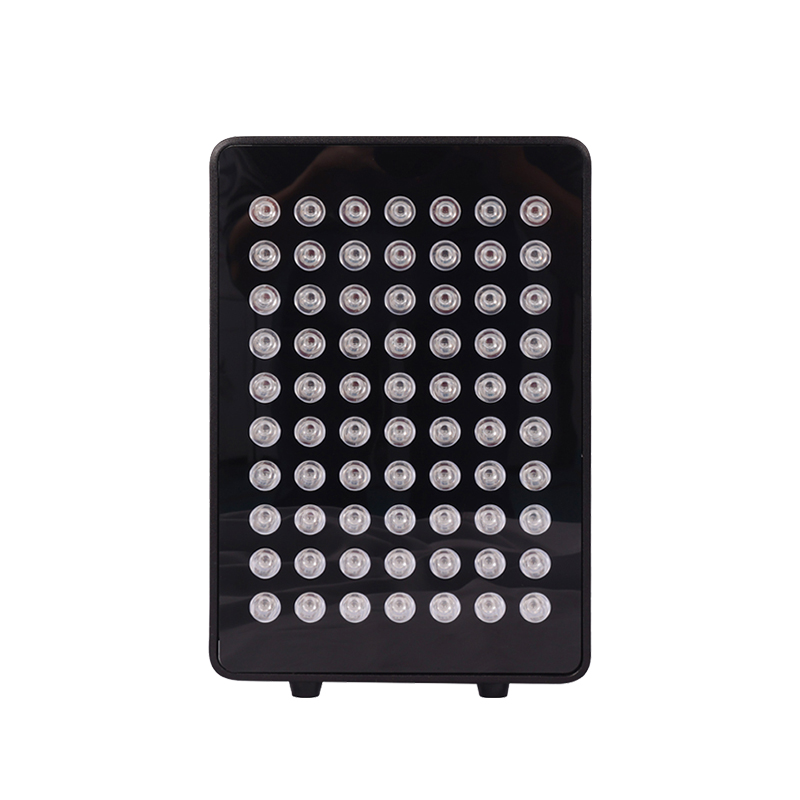
Vad ska du leta efter i en rött ljusterapiapparat?
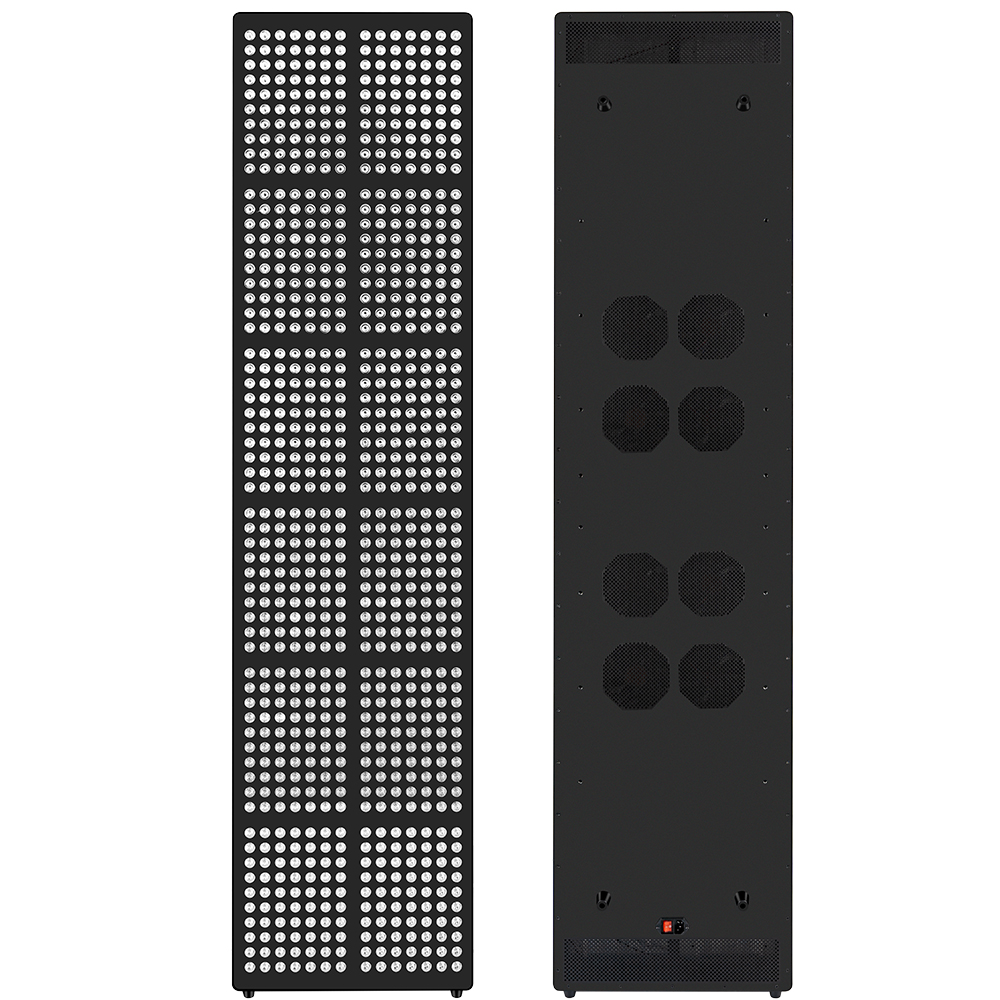
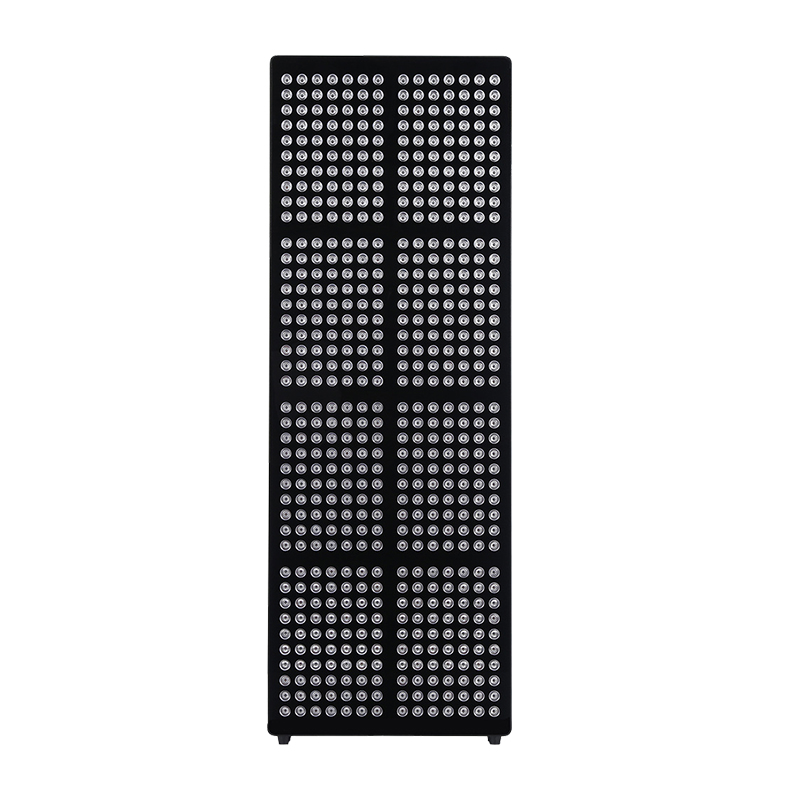
Om du forskar om professionell utrustning för rött ljusterapi, överväga mer än antalet lysdioder.
Viktiga specifikationer inkluderar:
Våglängd
Tillverkaren bör tydligt identifiera de våglängder som används.
Bestrålning
Detta hjälper till att indikera den optiska kraften som levereras till behandlingsområdet.
Behandlingsområde
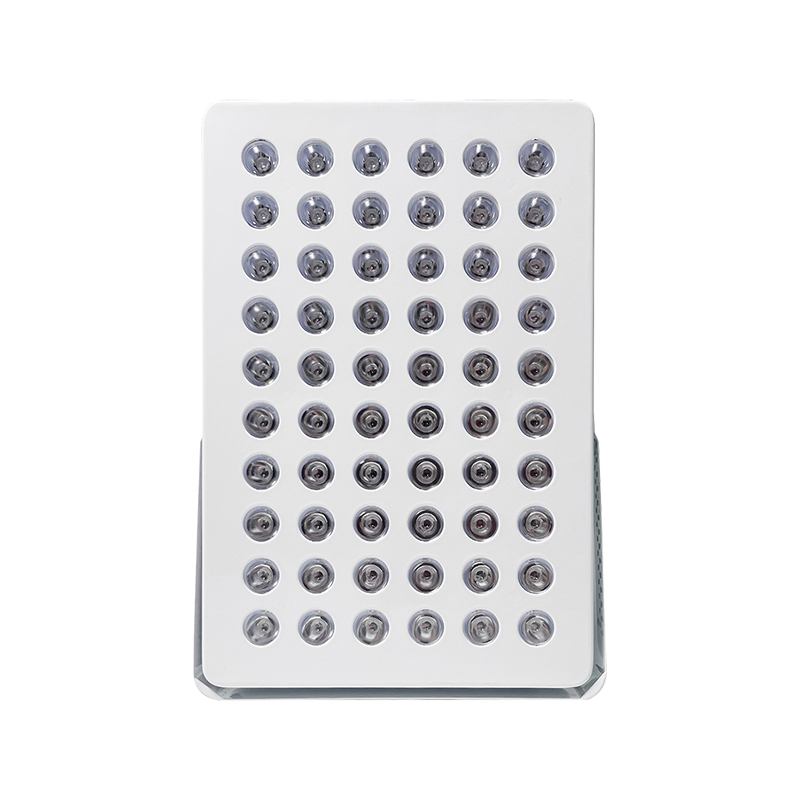
Fundera på om systemet är utformat för riktad exponering eller exponering för hela kroppen.
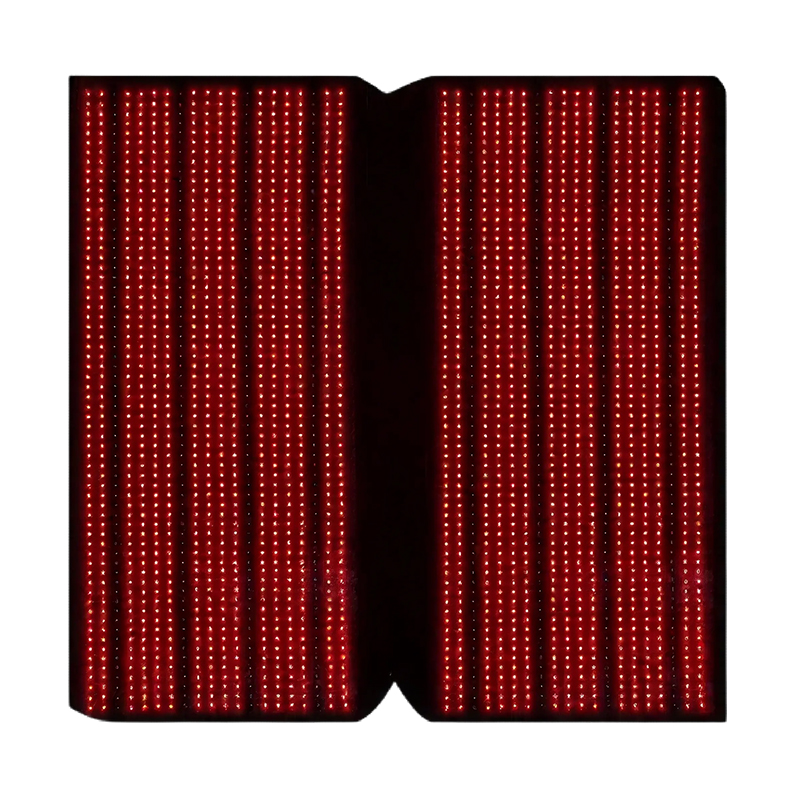
Ljusfördelning
Enhetlighet har betydelse vid behandling av större ytor.
Behandlingskontroller
Professionella system kan erbjuda justerbara sessionstider och andra kontrollfunktioner.
Kylsystem
Kommersiell utrustning bör utformas för upprepad användning och lämplig värmehantering.
Säkerhetsfunktioner
Leta efter tydliga bruksanvisningar och lämpliga säkerhetsöverväganden.
Rödljusterapi för benhälsa vs. Benläkning
En annan viktig SEO-skillnad är mellan benhälsa och benläkning.
Dessa termer ska inte behandlas som synonymer.
"Benhälsa" kan i stora drag syfta på att bibehålla starka ben och stödja normal muskuloskeletala funktion.
"Benläkning" avser den biologiska reparationsprocessen efter en faktisk fraktur.
En person som är intresserad av allmänt välbefinnande kan använda rött ljusterapi som en del av en bredare återhämtningsrutin, men detta betyder inte att enheten har kliniskt bevisats läka frakturer.
Att hålla dessa begrepp åtskilda hjälper till att förhindra vilseledande medicinska påståenden.
Vanliga frågor
Kan rött ljusterapi hjälpa till att läka brutna ben?
Preklinisk forskning tyder på att fotobiomodulering kan påverka biologiska processer involverade i benreparation. Dock, kliniska bevis är fortfarande begränsade, och rött ljusbehandling har inte etablerats som ersättning för standard frakturbehandling.
Vilken färg ljus är bäst för benläkning?
Forskning har undersökt både röda och nära-infraröda våglängder. Det finns ingen universellt etablerad våglängd som kan rekommenderas som den bästa behandlingen för varje fraktur.
Kan rödljusterapi få ett brutet ben att läka snabbare?
Vissa laboratorie- och djurstudier har gett lovande resultat, men det finns inte tillräckligt med mänskliga bevis av hög kvalitet för att garantera snabbare frakturläkning.
Kan jag använda en rött ljusterapisäng efter att ha brutit ett ben?
Anta inte att en helkroppssäng för rödljusterapi är likvärdig med riktad klinisk PBM som används i forskning. Om du har en fraktur, speciellt en som kräver operation eller immobilisering, rådfråga din vårdgivare innan du använder ljusterapi.
Kan rödljusterapi ersätta ett gips?
Inga. En skådespelare, spänna, kirurgi, eller annan ortopedisk behandling kan vara nödvändig beroende på frakturen. Rödljusterapi bör aldrig användas som ersättning för medicinskt indikerad frakturstabilisering.
Tränger nära-infrarött ljus djupare än rött ljus?
Nära-infraröda våglängder penetrerar i allmänhet biologisk vävnad på olika sätt och kan nå djupare än synliga röda våglängder. Detta är en anledning till att nära-infrarött ljus ofta undersöks för djupare vävnadstillämpningar.
Sista takeaway
Vetenskapen bakom rött ljusterapi och läkning av brutna ben är tillräckligt lovande för att motivera fortsatt forskning, men det är ännu inte tillräckligt starkt för att stödja påståendet att rödljusterapi självständigt kan läka frakturer.
Laboratorie- och djurstudier tyder på att fotobiomodulering kan påverka cellulär energi, osteoblastaktivitet, blodkärlsbildning, inflammation, och andra processer involverade i benreparation. Dock, mänskliga kliniska bevis är fortfarande mer begränsade, och behandlingsprotokoll varierar avsevärt mellan studierna.
För alla med brutet ben, prioritet bör alltid vara lämplig medicinsk diagnos, stabilisering, eftervård, näring, och rehabilitering.
Rödljusterapi kan så småningom ha en roll som en kompletterande återhämtningsteknik, men mer högkvalitativ mänsklig forskning behövs för att bestämma den ideala våglängden, dosering, behandlingsfrekvens, och klinisk tillämpning.
För konsumenter och företag som överväger utrustning för rött ljusterapi, det är också viktigt att skilja mellan a riktat kliniskt PBM-protokoll och a kommersiell helkroppssäng för rött ljusterapi. Resultat från den ena kan inte automatiskt tillämpas på den andra.
I sista hand, det mest ansvarsfulla sättet att närma sig rött ljusterapi för benåtervinning är att se det som ett framväxande forskningsområde – inte en ersättning för beprövad ortopedisk vård.