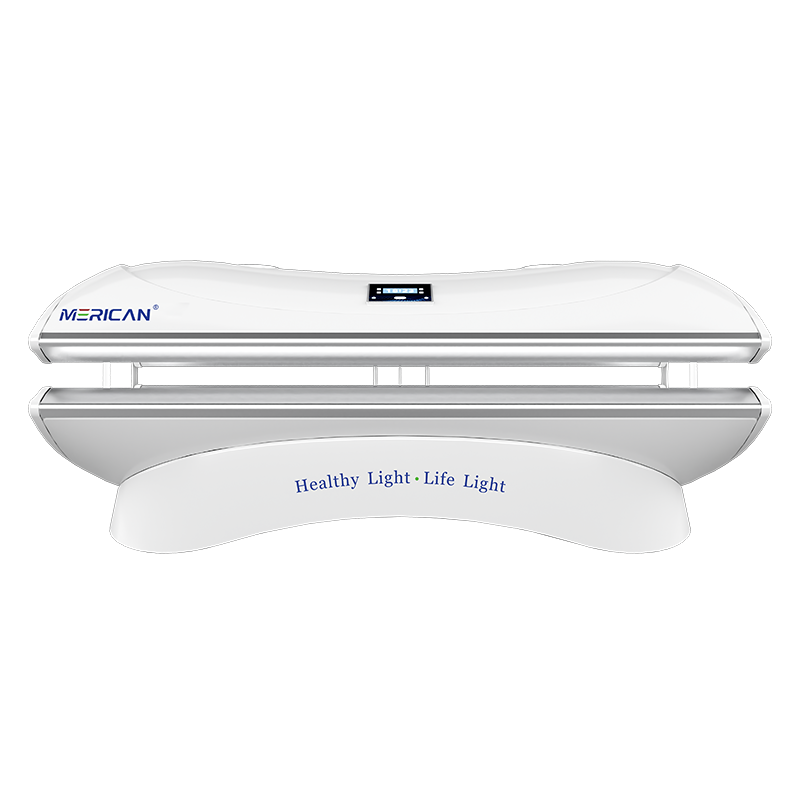
Depression är ett mångfacetterat tillstånd som påverkar humöret, energinivåer, sömnkvalitet, och allmänt välbefinnande. I takt med att intresset för icke-drog växer, icke-invasiva friskvårdslösningar, rött ljusterapi (RLT) diskuteras alltmer som ett stödjande alternativ. Nedan, vi svarar på de vanligaste frågorna om rött ljusterapi och depression från en vetenskapsbaserad, utbildningsperspektiv.
FAQ 1: Kan rödljusterapi hjälpa mot depression?
Rödljusterapi kan hjälpa till att stödja humörreglering, men det är det inte en behandling eller ett botemedel mot depression. Forskning tyder på att rött och nära-infrarött ljus kan stödja cellulär energiproduktion, omlopp, och nervsystemets balans—faktorer som ofta störs hos personer som upplever depressiva symtom.
Många användare rapporterar förbättringar i:
- Stämningsstabilitet
- Energinivåer
- Sömnkvalitet
Dessa indirekta fördelar kan bidra till bättre känslomässigt välbefinnande när de används som en del av en holistisk livsstil.
FAQ 2: Hur påverkar rödljusterapi humöret?
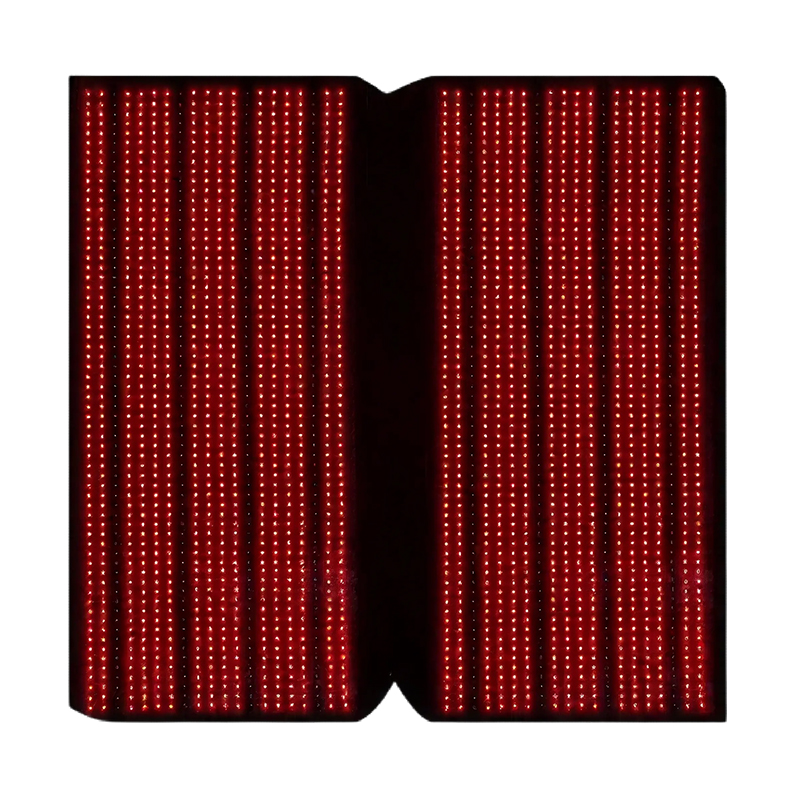
Rödljusterapi fungerar genom att leverera specifika våglängder av ljus (allmänt 630–880 nm) som stimulerar mitokondriell aktivitet. Detta kan hjälpa:
- Förbättra ATP (cellulär energi) produktion
- Minska inflammation
- Stödja hjärnans och nervsystemets funktion
Sedan har depression kopplats till trötthet, neuroinflammation, och försämrad hjärnans energimetabolism, rött ljusterapi kan hjälpa till att ta itu med vissa underliggande fysiologiska bidragande orsaker till dåligt humör.
FAQ 3: Is there scientific research on red light therapy and depression?
Several preliminary studies and clinical observations have explored fotobiomodulering (the scientific term for red light therapy) in relation to mental health. Findings suggest potential benefits such as:
- Reduced depressive symptom scores
- Improved cognitive function
- Better sleep patterns
Dock, large-scale clinical trials are still limited. Current evidence supports red light therapy as a complementary wellness tool, inte en fristående medicinsk behandling.
FAQ 4: Is red light therapy safe for people with depression?
När den används på rätt sätt, red light therapy is generally considered safe and well-tolerated. Det:
- Does not involve UV radiation
- Är icke-invasiv och drogfri
- Has minimal reported side effects
Som sagt, individuals with diagnosed depression should rådfråga en sjukvårdspersonal before adding any new wellness technology to their routine.
FAQ 5: Can red light therapy replace antidepressant medication?
Inga. Rödljusterapi should not replace antidepressants, psychotherapy, eller sjukvård. I stället, den kan användas som:
- En kompletterande hälsopraktik
- Del av en bredare egenvårds- och livsstilsstrategi
Det är mest effektivt i kombination med professionell behandling, hälsosamma sömnvanor, fysisk aktivitet, och stresshantering.
FAQ 6: Hjälper rödljusterapi mot säsongsbunden depression (LEDSEN)?
Rödljusterapi kan vara särskilt tilltalande för individer som upplever säsongsbetonade humörförändringar. Till skillnad från traditionell ljusterapi, rött ljus:
- Anstränger inte ögonen
- Dämpar inte melatonin
- Kan användas vid olika tider på dygnet
Medan vitljusterapi förblir standarden för SAD, rött ljusterapi kan erbjuda ett skonsammare alternativ för humör och energistöd.
FAQ 7: Helkropps- vs lokaliserad rött ljusterapi – spelar det någon roll?
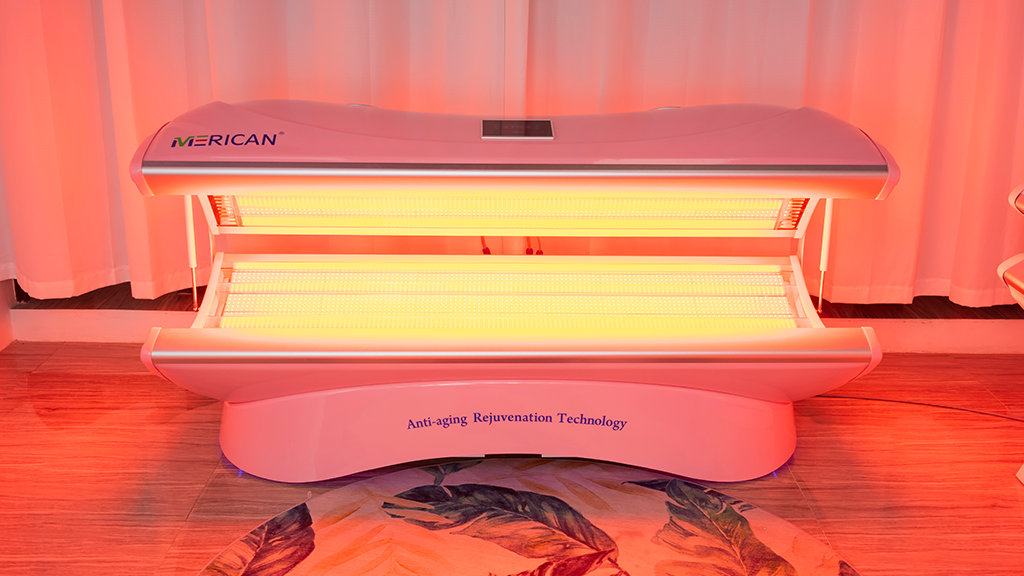
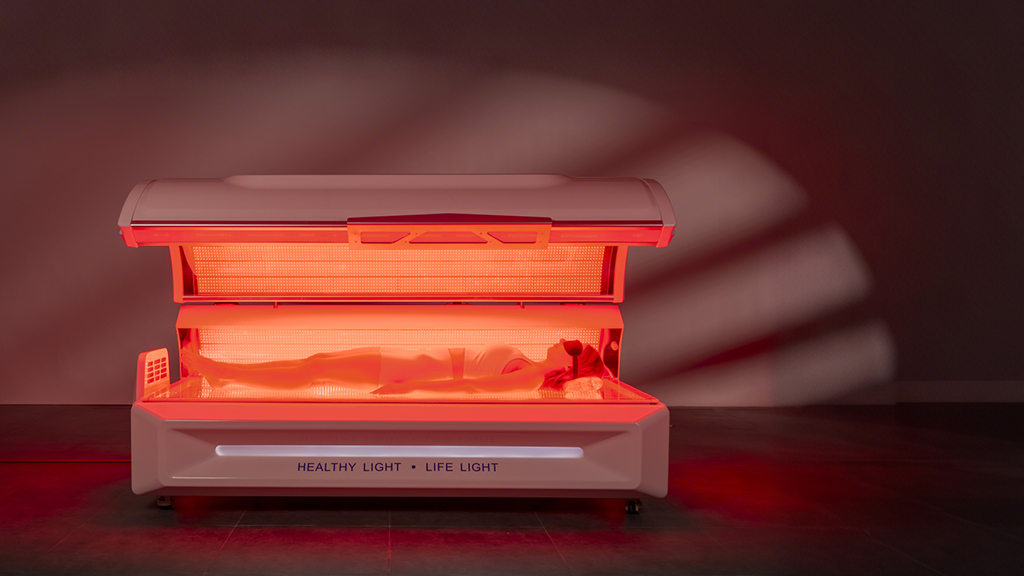
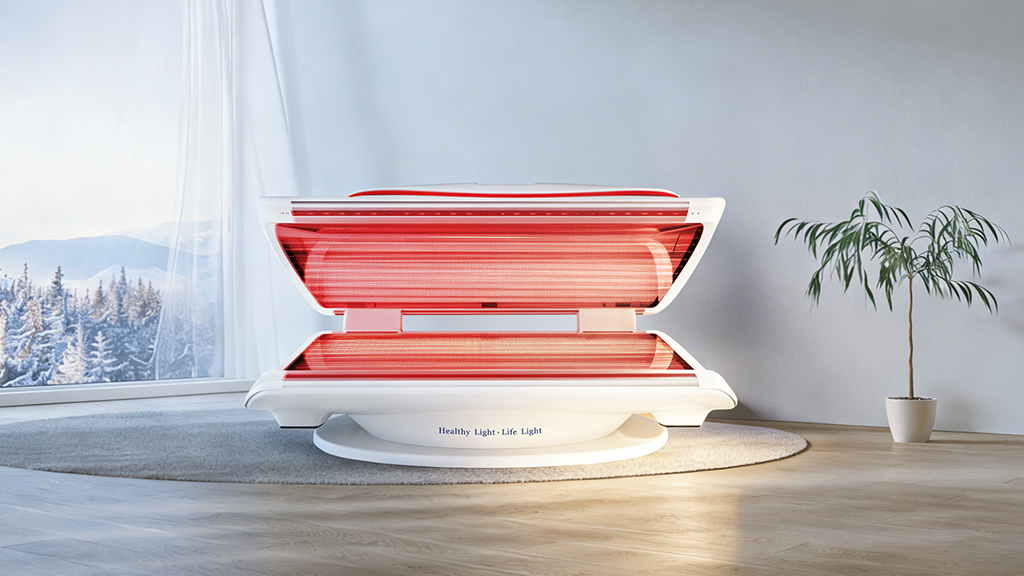
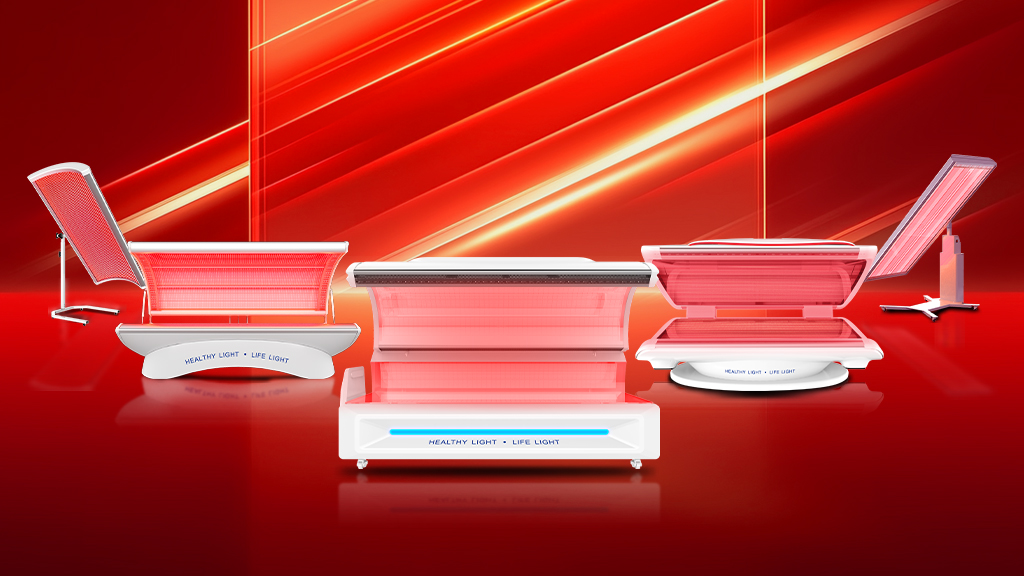
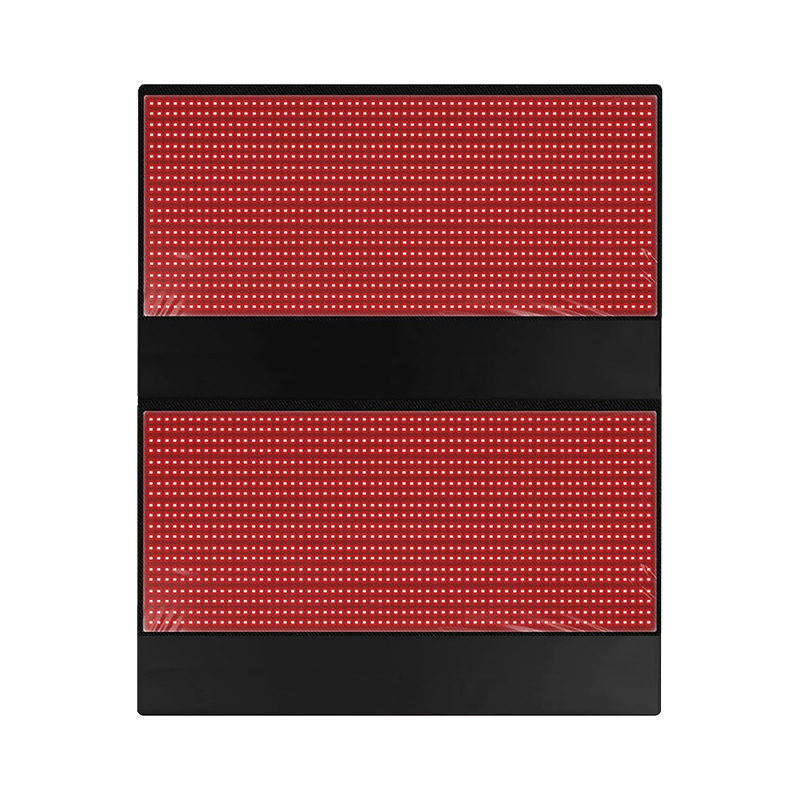
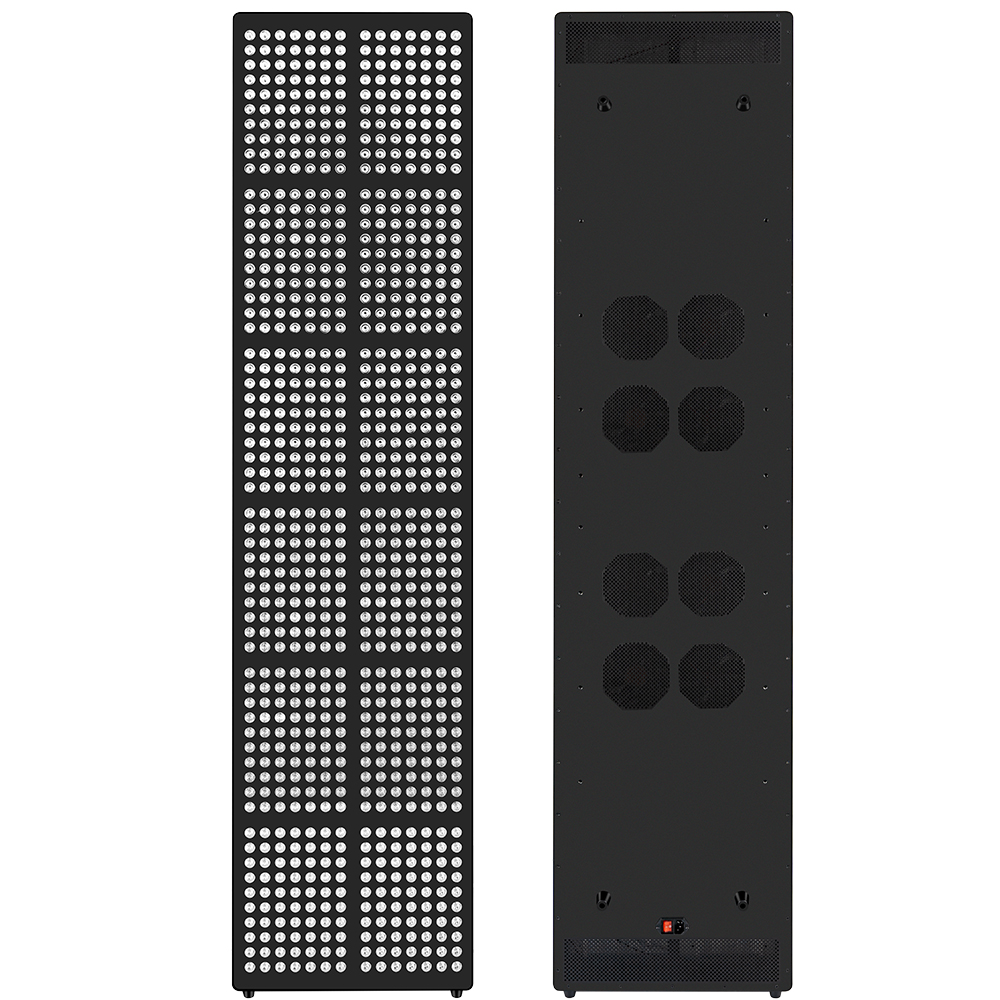
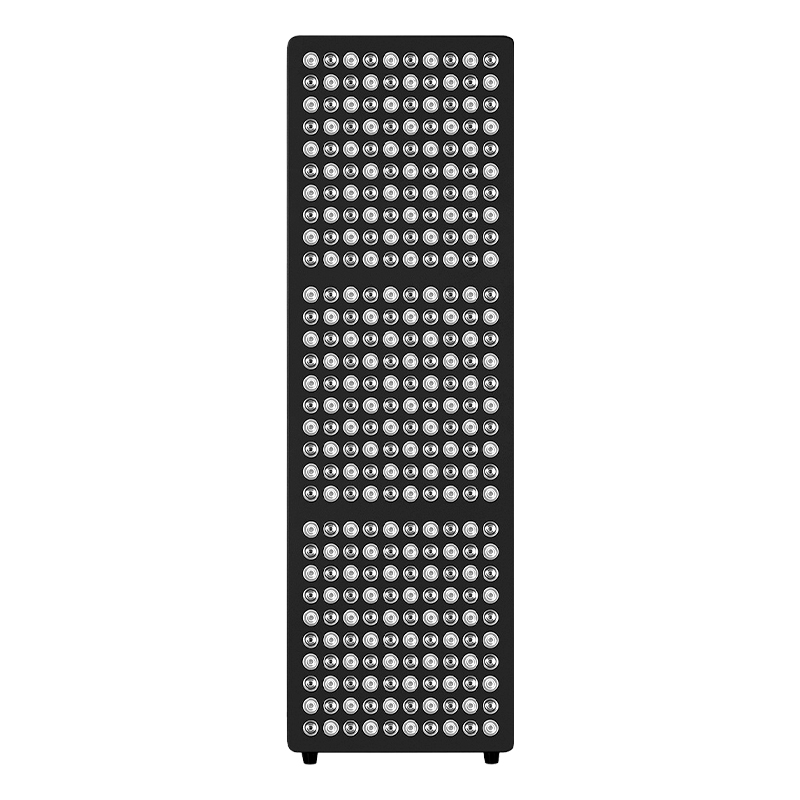
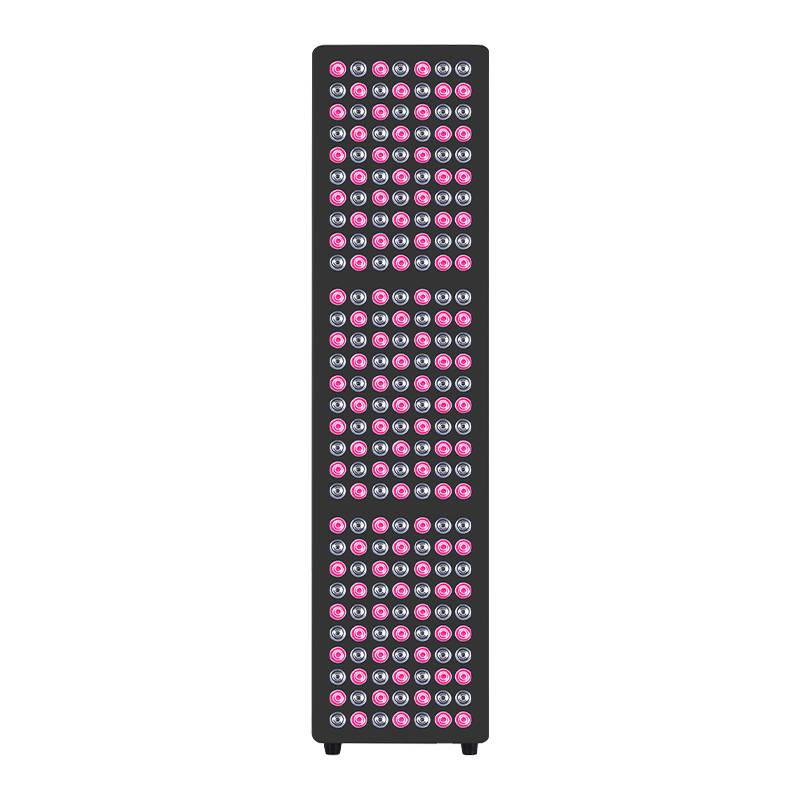
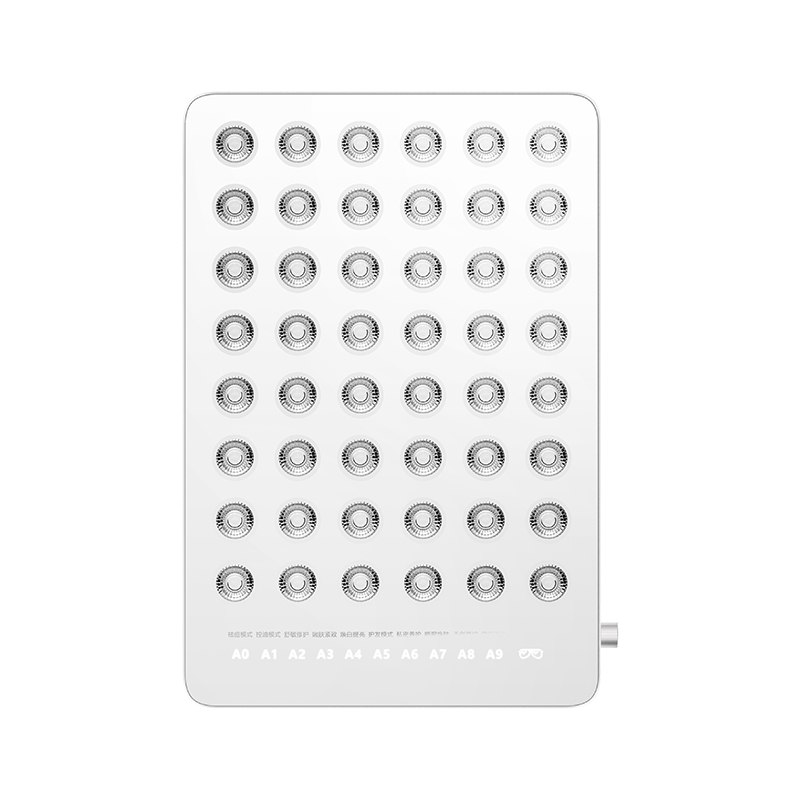
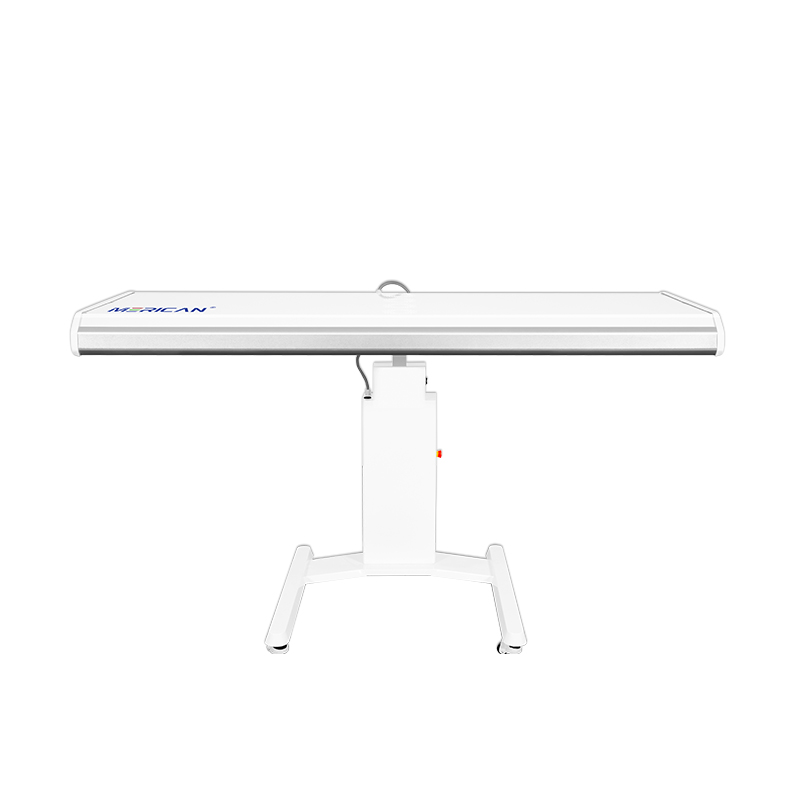
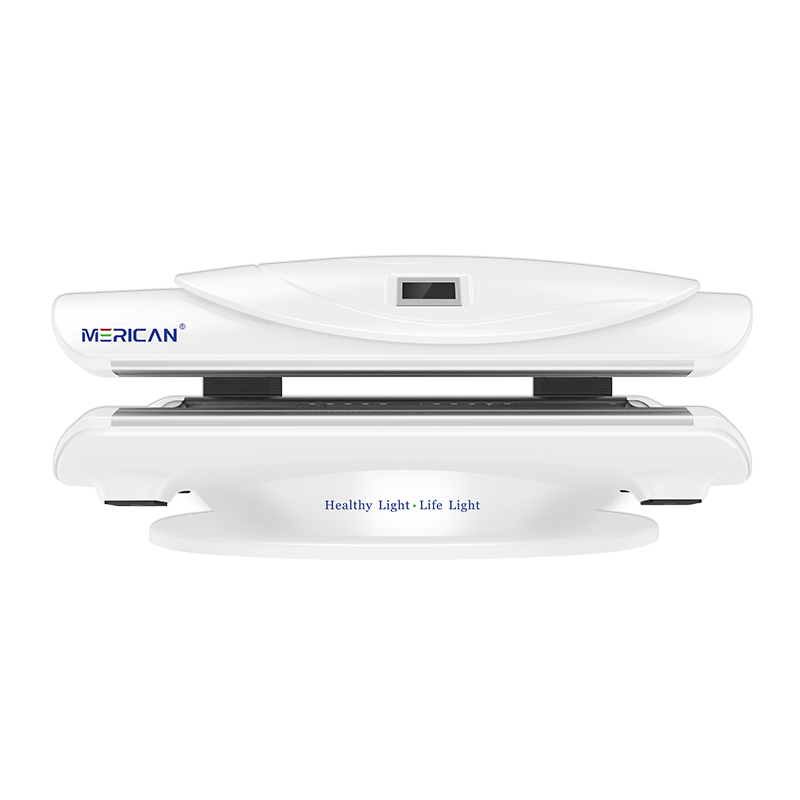
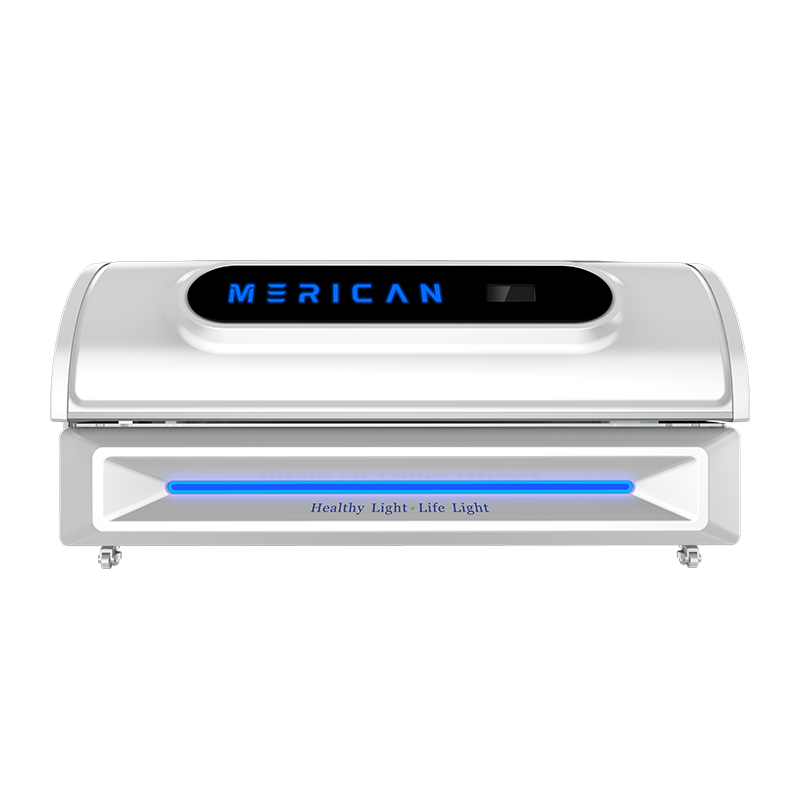
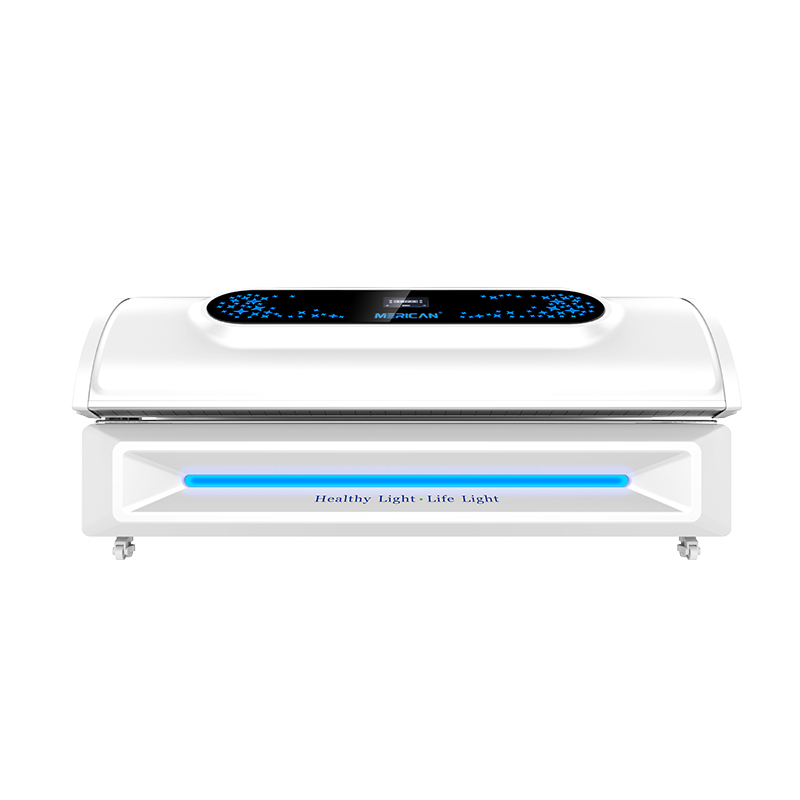
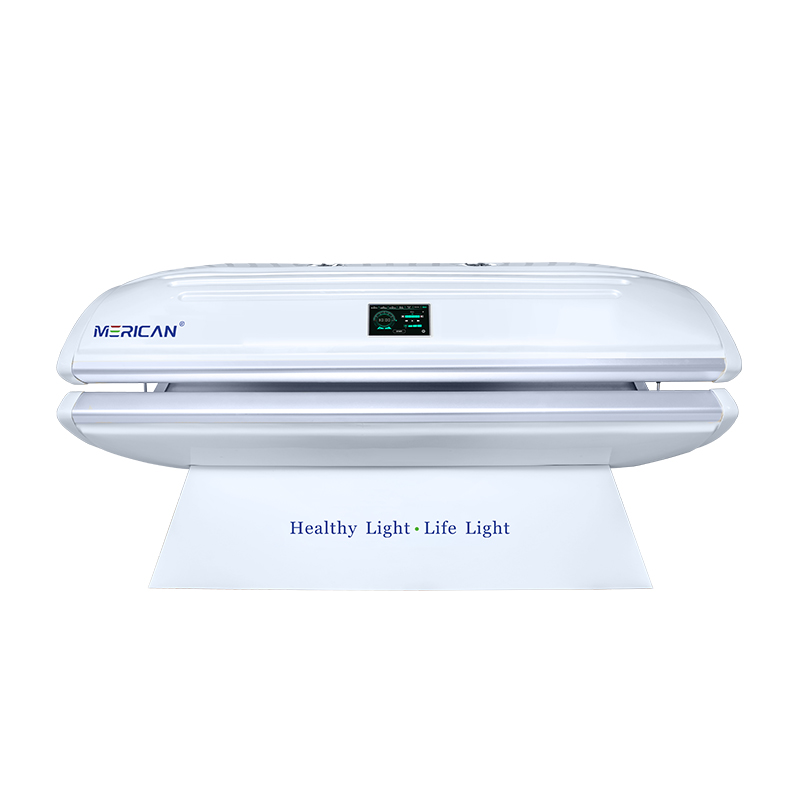
Helkroppssängar för rött ljus ger även, exponering för hela kroppen, som kan hjälpa till att stödja:
- Avslappning av nervsystemet
- Återhämtning av fysisk trötthet
- Total energibalans
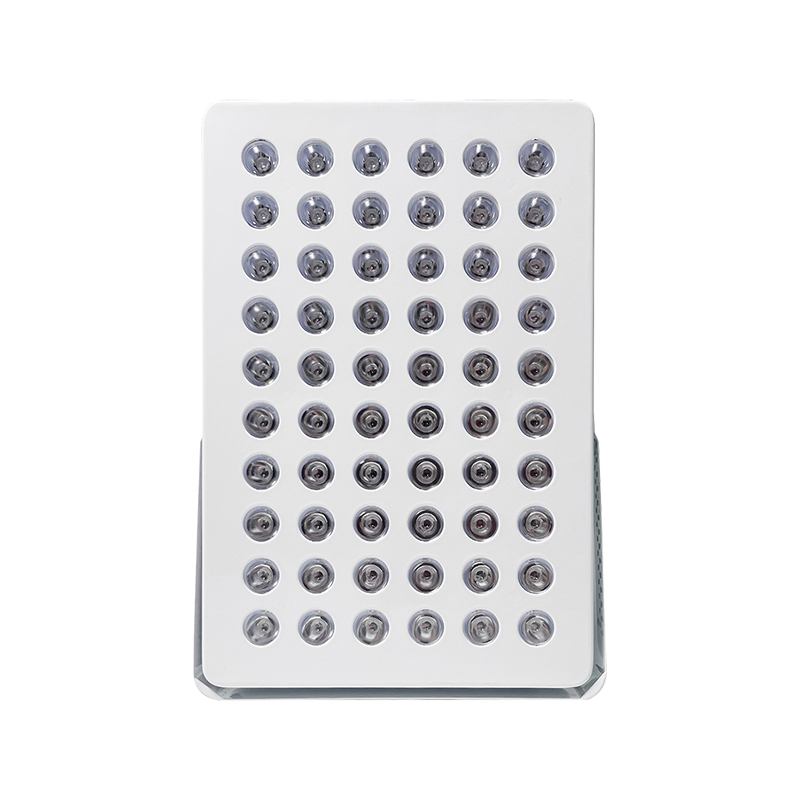
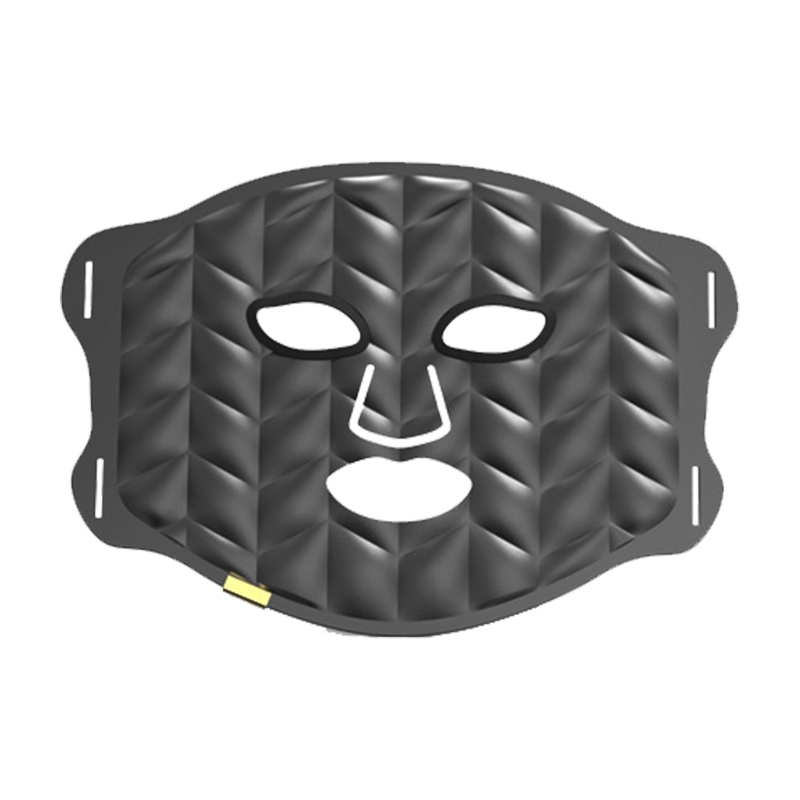
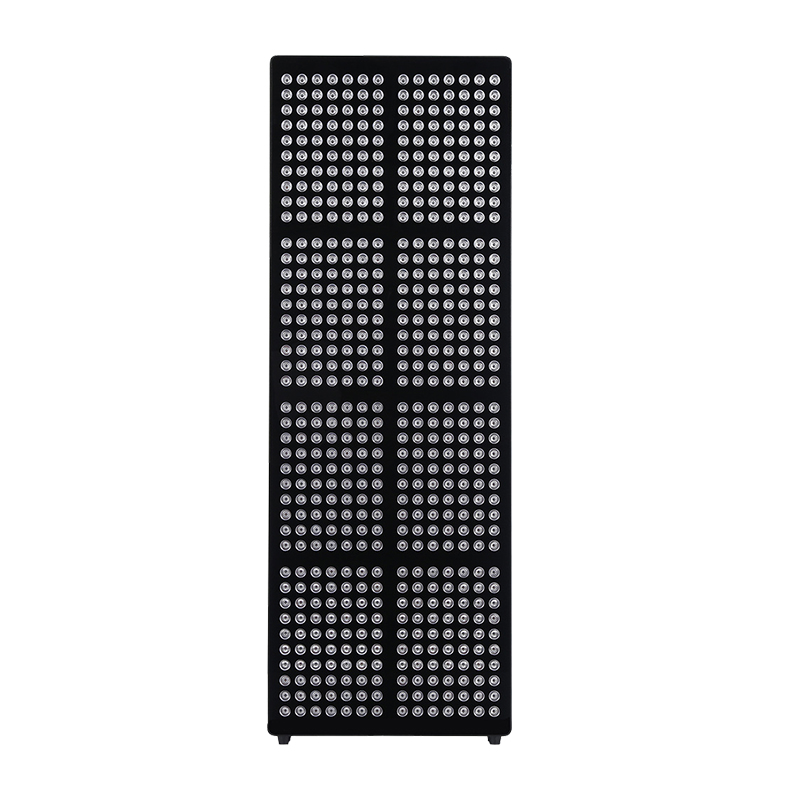
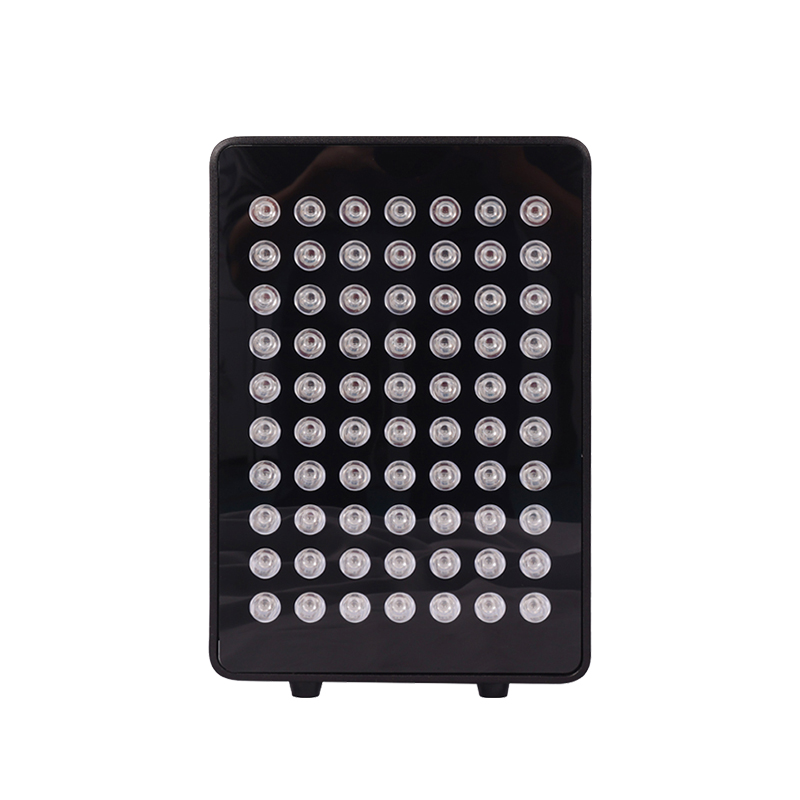
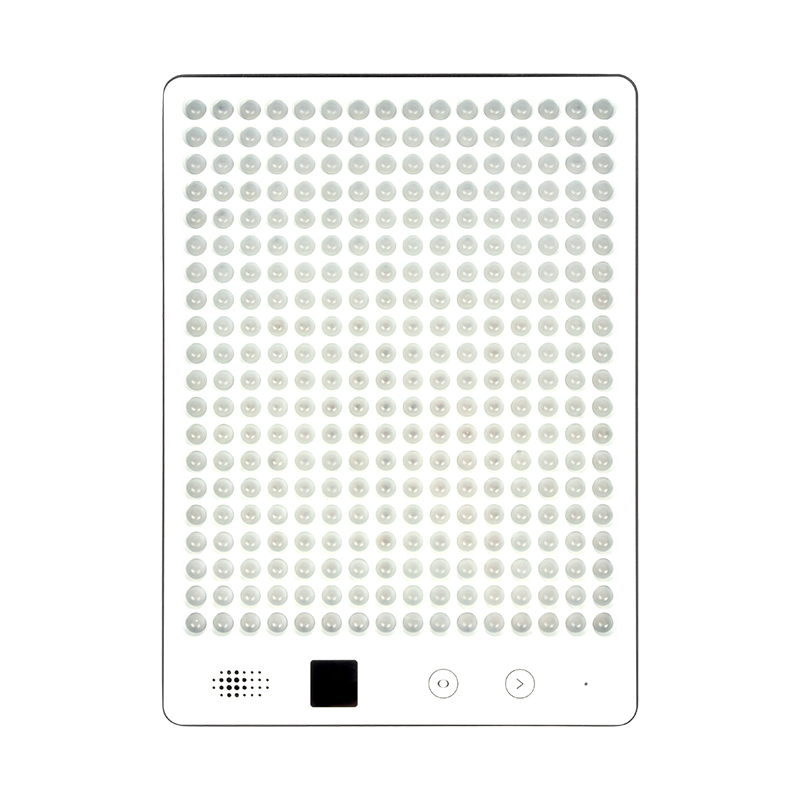
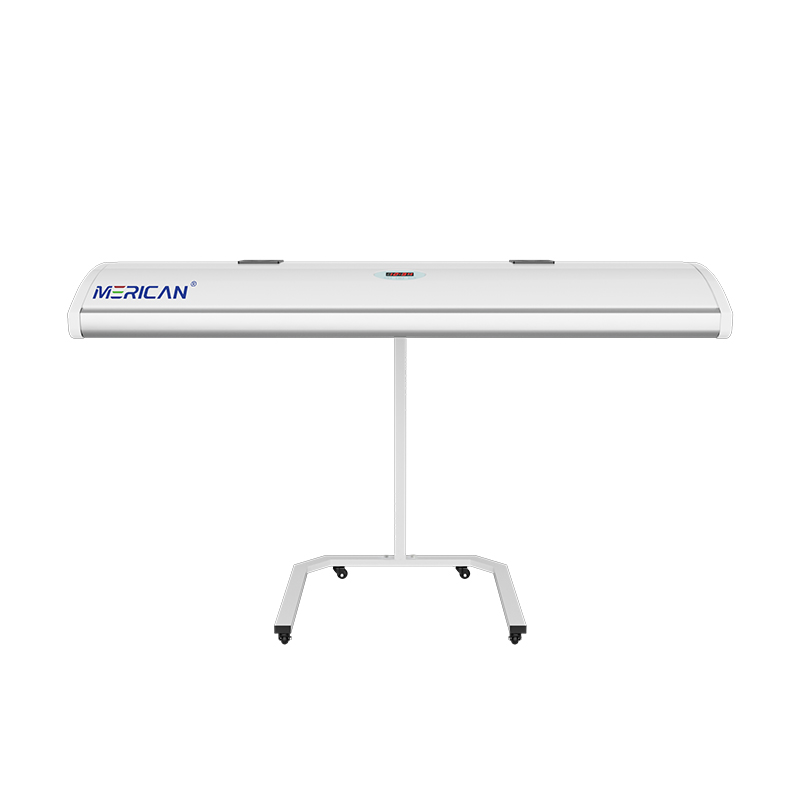
Eftersom depression ofta samexisterar med kronisk smärta, muskelspänningar, och sömnstörningar, exponering för hela kroppen kan erbjuda bredare hälsofördelar jämfört med lokaliserade enheter.
FAQ 8: Hur ofta ska rödljusterapi användas för humörstöd?
Användningen varierar beroende på enhet och intensitet, men allmänna hälsoriktlinjer föreslår ofta:
- 3– 5 pass per vecka
- 10–20 minuter per pass
Konsekvens är viktigare än intensitet. Överanvändning ger inte nödvändigtvis bättre resultat.
FAQ 9: Vem bör undvika rödljusterapi?
Rödljusterapi kanske inte är lämplig för:
- Individer med ljuskänsliga tillstånd
- De som tar fotosensibiliserande mediciner
- Människor med oövervakade psykiatriska tillstånd utan medicinsk övervakning
Professionell vägledning rekommenderas alltid i dessa fall.
FAQ 10: Är rödljusterapi kliniskt bevisad för depression?
För närvarande, rött ljus terapi är inte kliniskt godkänd som medicinsk behandling för depression. It is best described as an emerging, research-supported wellness technology with potential mood-supportive benefits.
Sista takeaway
Red light therapy offers a promising, non-invasive approach to supporting mood, energi, and sleep—key factors linked to depression. While it is not a cure or replacement for medical treatment, it may play a valuable role in integrative mental wellness strategies when used responsibly.