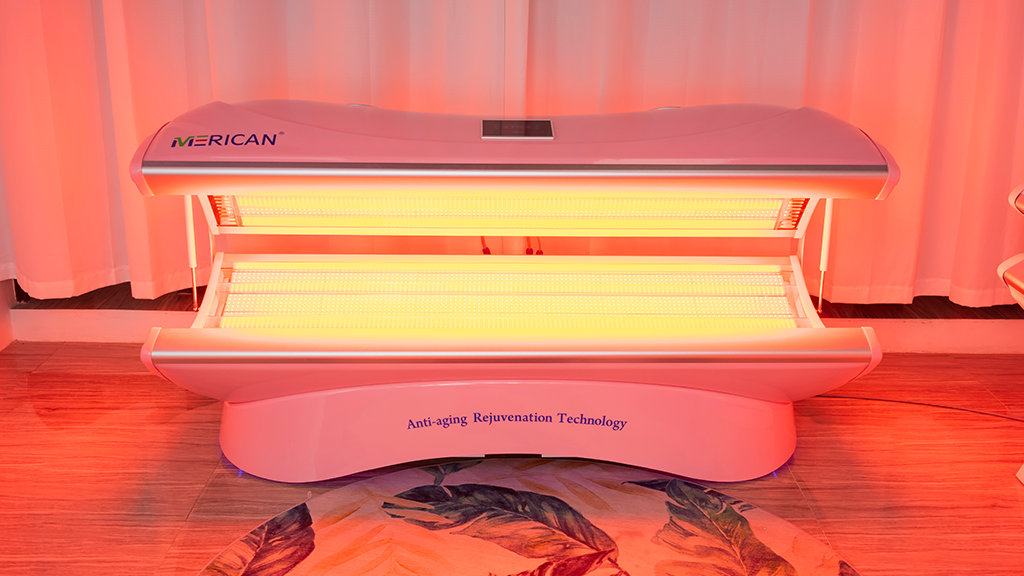
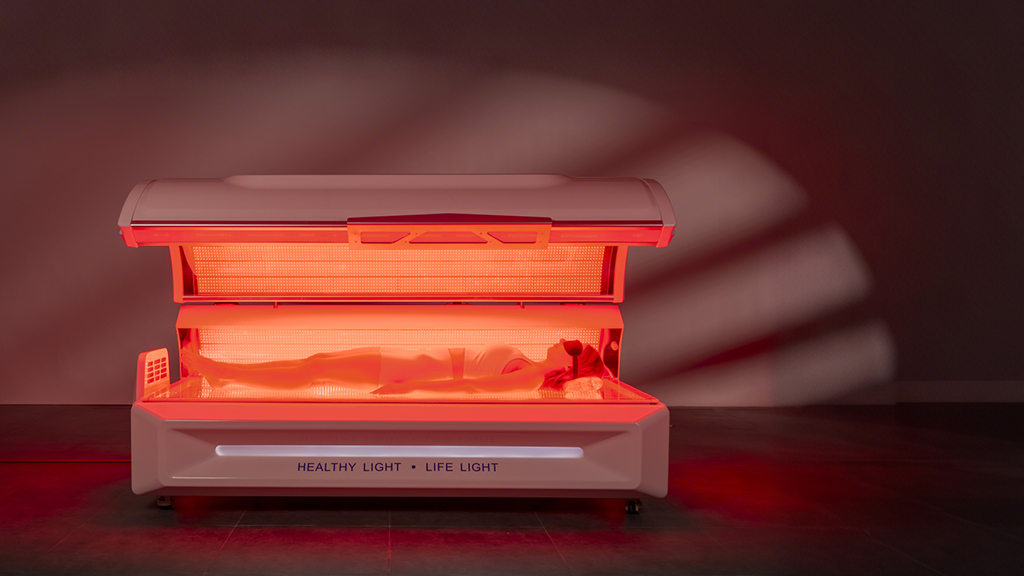
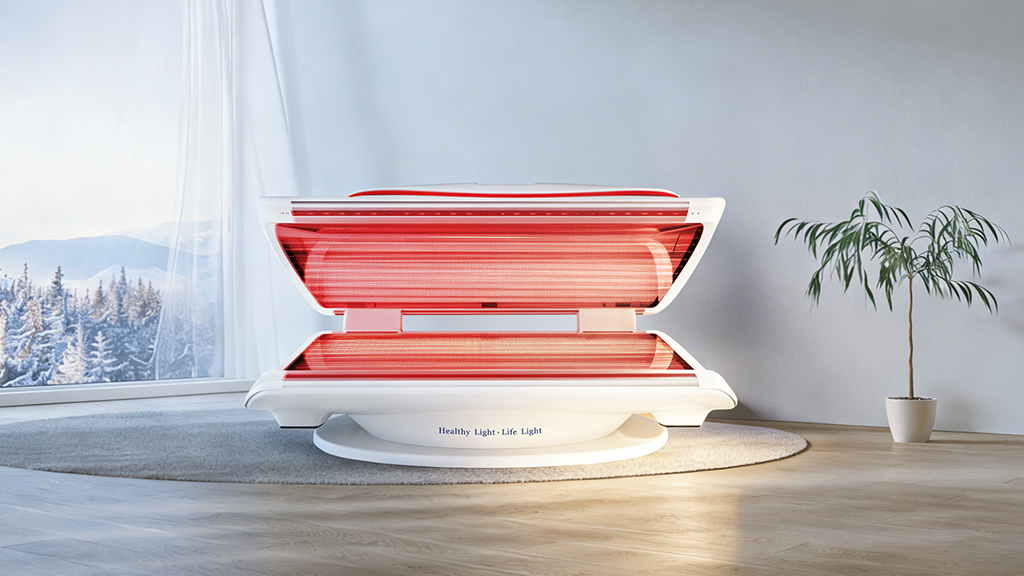
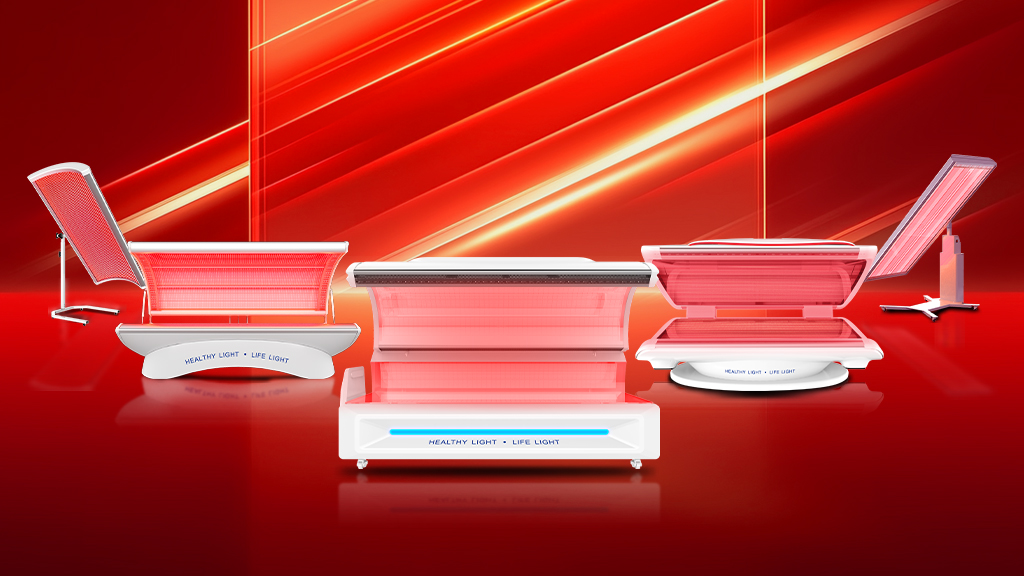
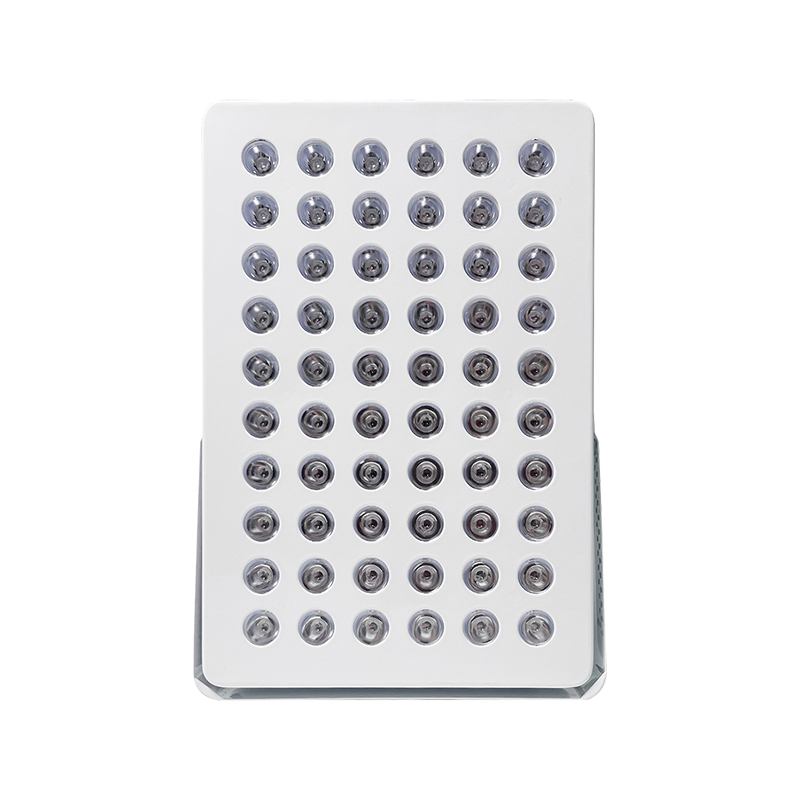
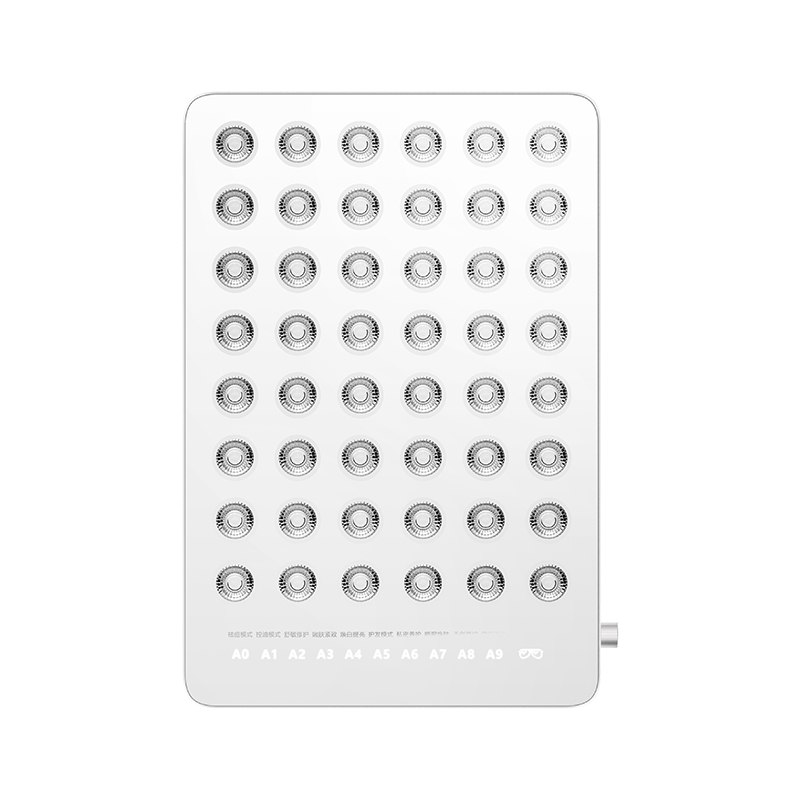
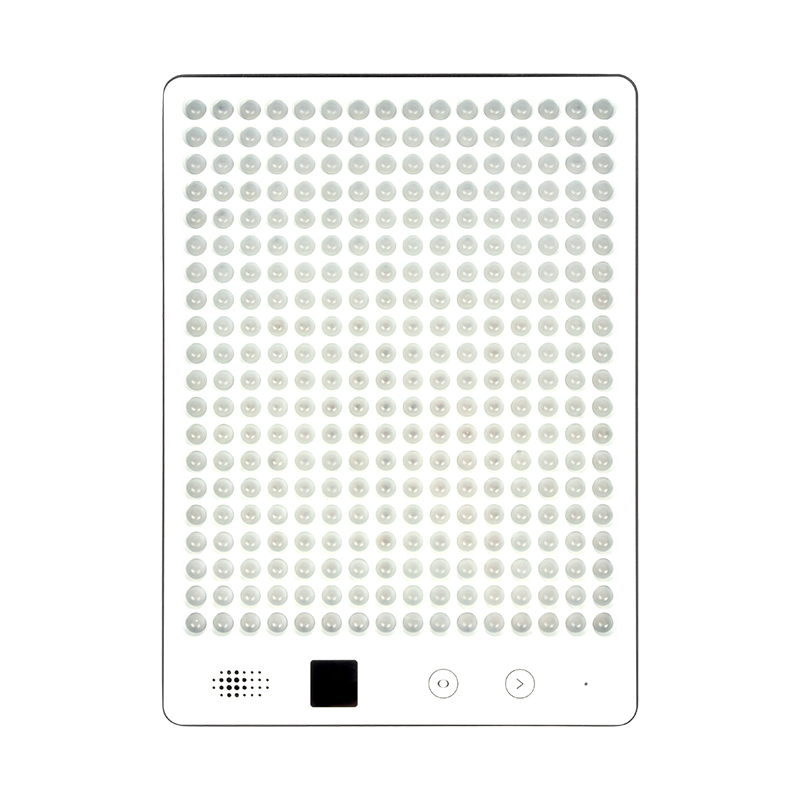
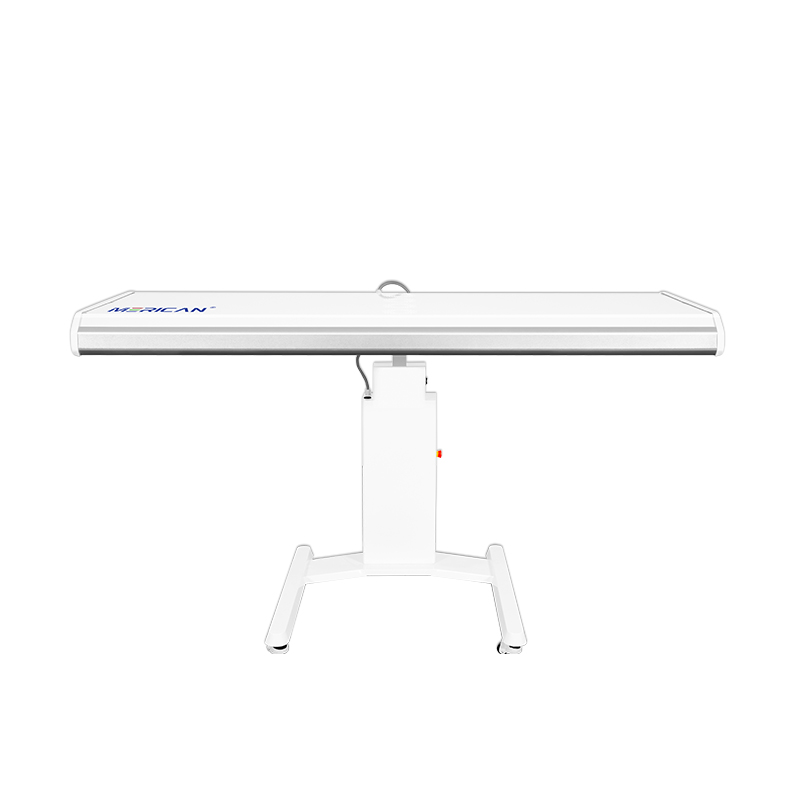
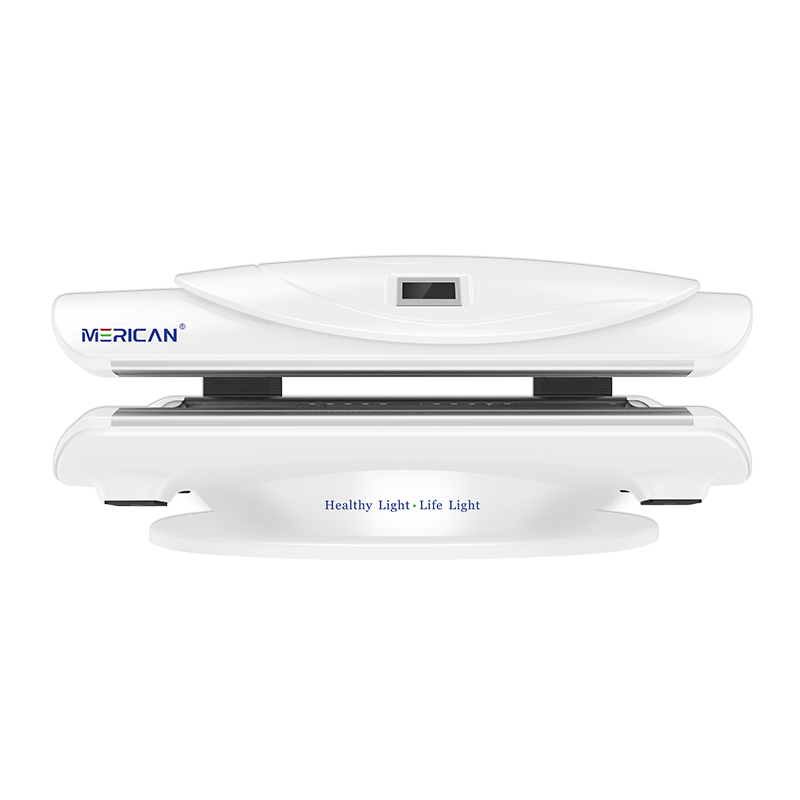
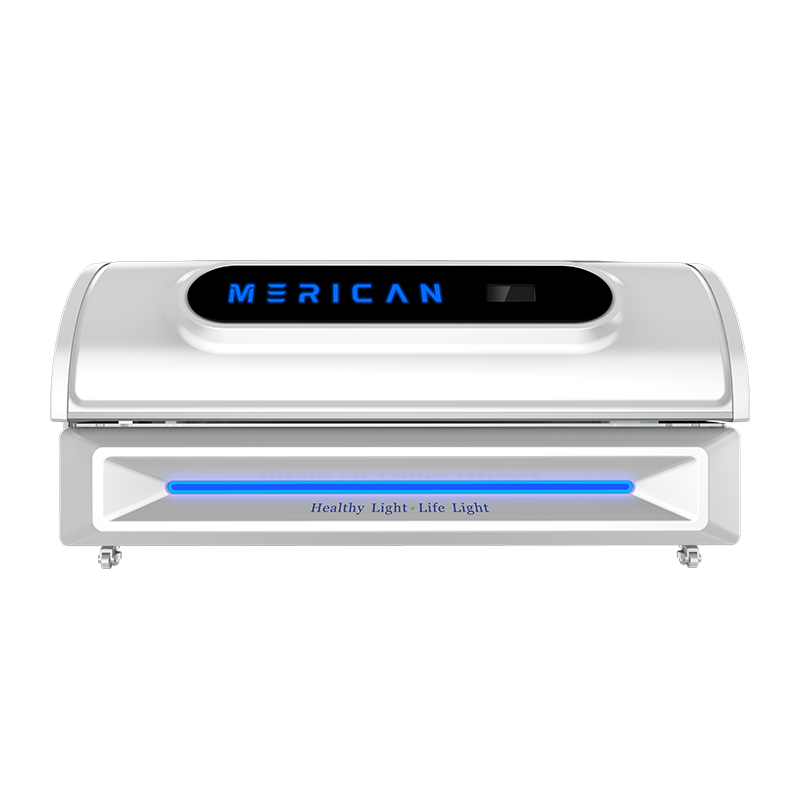
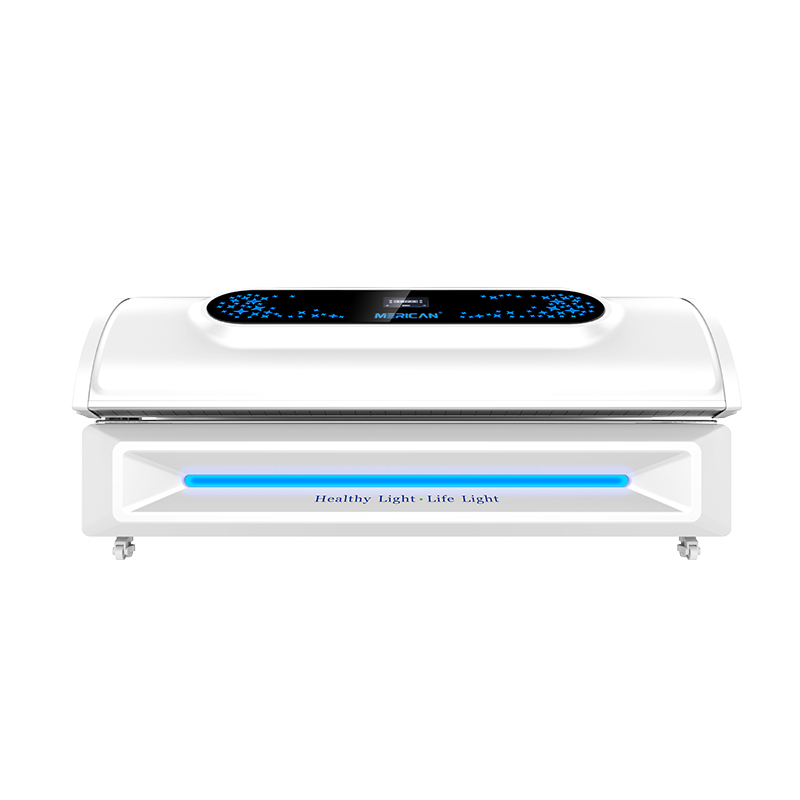
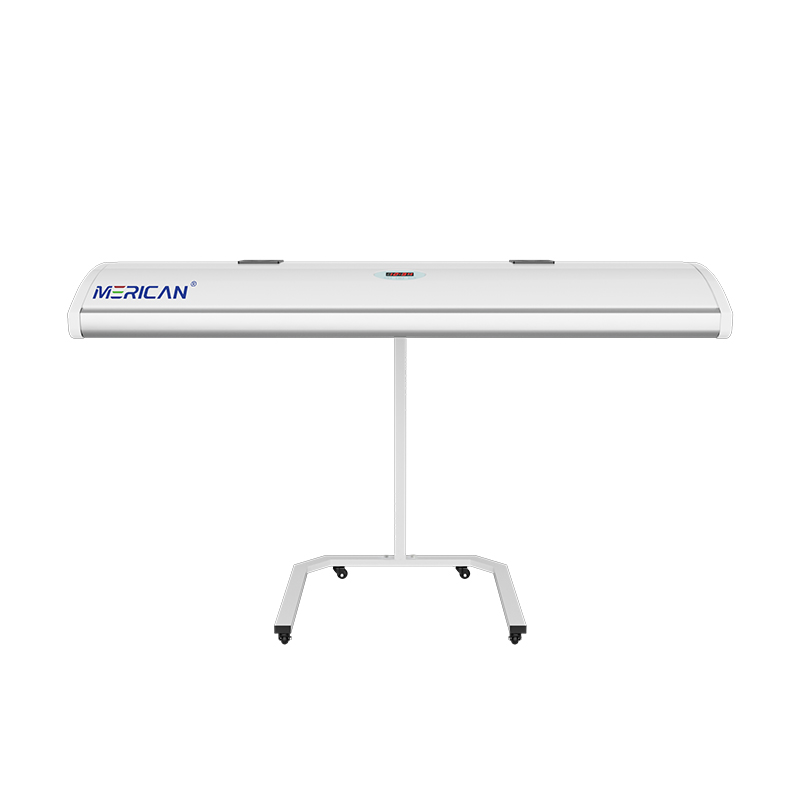
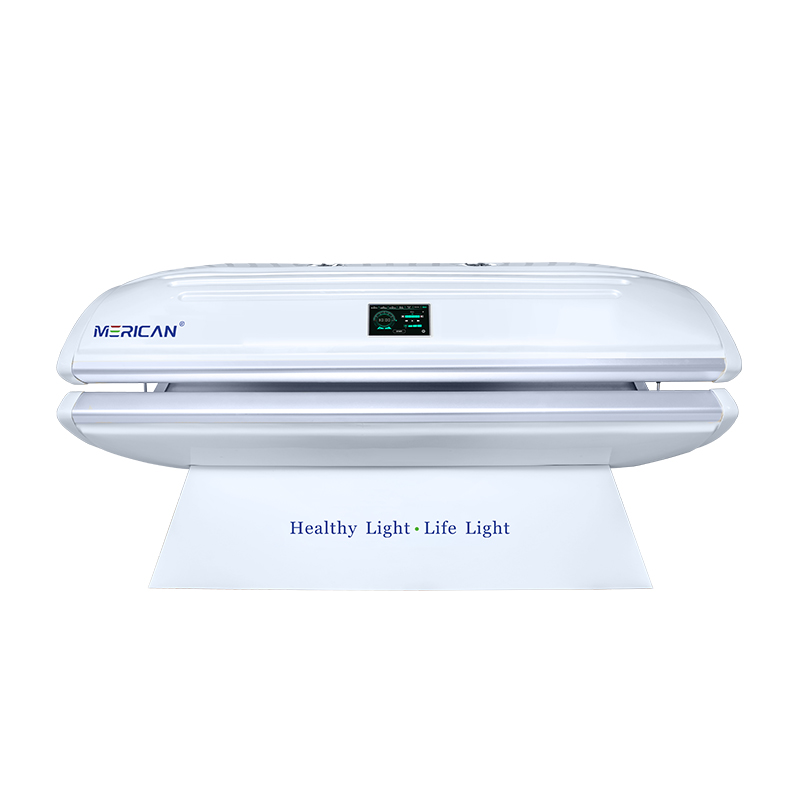
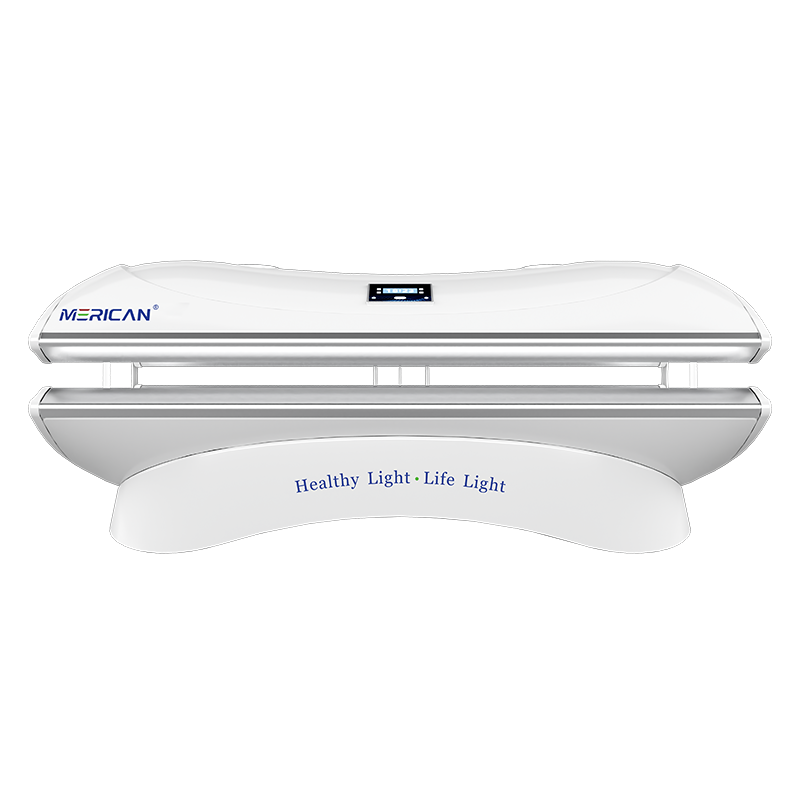
Depression är ett komplext psykiskt tillstånd som påverkas av biologiska, psykologisk, och miljöfaktorer. På senare år, rött ljusterapi (RLT) har fått uppmärksamhet som ett icke-invasivt tillvägagångssätt som kan stödja humörreglering och hjärnhälsa. Även om det inte ersätter medicinsk behandling, växande forskning tyder på att rött och nära-infrarött ljus kan spela en stödjande roll för att hantera depressiva symtom.
Hur rödljusterapi fungerar
Rött ljusterapi använder specifika våglängder av rött och nära-infrarött ljus - vanligtvis mellan 630–880 nm- att stimulera cellulär aktivitet. Dessa våglängder penetrerar huden och kan påverka mitokondriernas funktion, ökande ATP (cellulär energi) produktion, som är avgörande för hjärnans och nervsystemets hälsa.
Viktiga biologiska effekter kopplade till depression inkluderar:
- Förbättrad cellulär energimetabolism
- Minskad neuroinflammation
- Förbättrad blodcirkulation och syretillförsel
Dessa mekanismer är relevanta eftersom depression har associerats med mitokondriell dysfunktion, kronisk inflammation, och försämrat cerebralt blodflöde.
Rödljusterapi och hjärnfunktion
Nya studier tyder på att transkraniell eller hela kroppen rött ljusterapi kan hjälpa:
- Stöd signalsubstansbalansen (som serotonin och dopamin)
- Förbättra neurala signaleringseffektivitet
- Främja neuroplasticitet
Genom att optimera cellulär energi i hjärnvävnad, rött ljusterapi kan bidra till att förbättra kognitiv klarhet, motivering, och känslomässig reglering – områden som ofta drabbas hos individer med depression.
Vad säger forskningen?
Flera småskaliga studier och kliniska observationer har rapporterats:
- Förbättringar av humörpoäng
- Minskad trötthet och hjärndimma
- Bättre sömnkvalitet, som är nära kopplat till svårighetsgraden av depression
Medan storskaliga kliniska prövningar fortfarande pågår, aktuella fynd tyder på att rött ljusterapi är säker, väl tolererad, och värda att undersökas ytterligare som en kompletterande friskvårdsteknik.
Säkerhet och begränsningar
Rödljusterapi anses generellt vara säker när den används enligt riktlinjerna. Dock:
- Det borde det inte ersätta professionell psykvård
- Resultaten kan variera beroende på våglängd, exponeringstid, och konsistens
Slutliga tankar
Rödljusterapi är ett lovande, Vetenskapligt underbyggt hälsoverktyg som kan stödja humörbalansen genom att ta itu med underliggande biologiska faktorer associerade med depression. Allt eftersom forskningen utvecklas, det kan bli ett allt mer värdefullt tillägg till holistiska strategier för mental hälsa.