أصبح العلاج بالضوء الأحمر أحد أكثر تقنيات العناية بالبشرة غير الجراحية شيوعًا في صناعة الجمال والعافية. من المنتجعات الصحية وعيادات الأمراض الجلدية إلى إجراءات العناية بالبشرة في المنزل, يستخدم المزيد من الأشخاص العلاج بالضوء الأحمر لدعم البشرة ذات المظهر الصحي, تحسين نسيج الجلد, وتعزيز الاسترخاء. أحد الأسئلة الأكثر شيوعًا التي يطرحها المبتدئين هو: how long should you use red light therapy on your face?
الجواب يعتمد على عدة عوامل, including the type of device, شدة الضوء, أهداف العلاج, and how sensitive your skin may be. While there is no universal session length for everyone, most skincare-focused red light therapy sessions are designed to be short, مريح, and consistent.
يستخدم العلاج بالضوء الأحمر أطوال موجية محددة من الضوء الأحمر المرئي والأشعة تحت الحمراء القريبة لدعم النشاط البيولوجي الطبيعي في الجلد. على عكس تقنيات الدباغة بالأشعة فوق البنفسجية, العلاج بالضوء الأحمر لا يعتمد على التعرض للأشعة فوق البنفسجية. بدلاً من, ويرتبط عادة بدعم الكولاجين, تجديد الجلد, تحسين الدورة الدموية, وصحة الجلد بشكل عام.
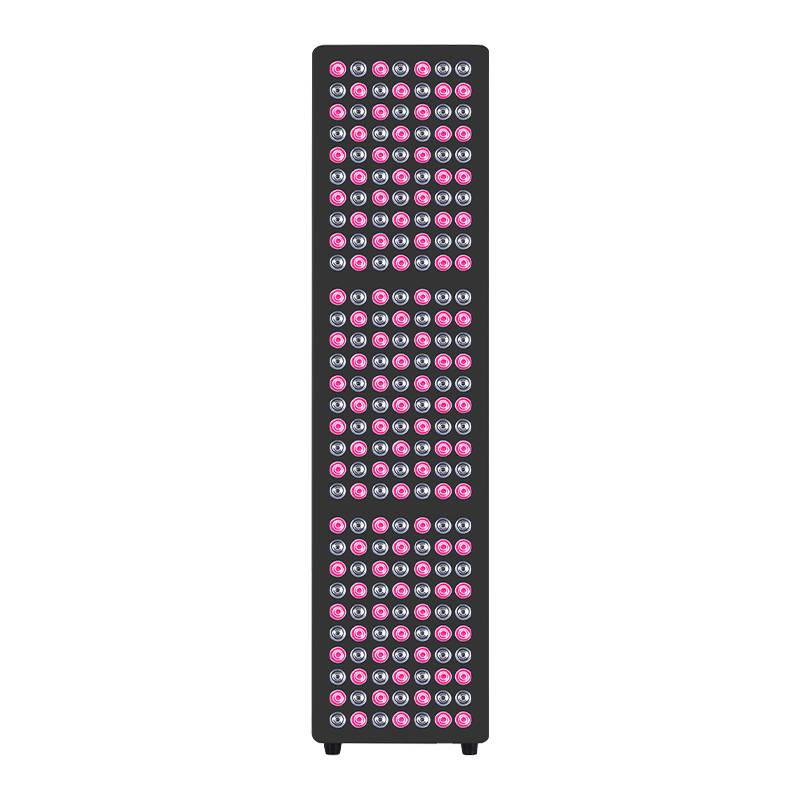
Many people use facial red light therapy to help improve the appearance of fine lines, dull skin, نسيج غير متساو, علامات حب الشباب, or dry skin. Red light wavelengths such as 660nm are commonly associated with collagen support and skin renewal. Near-infrared wavelengths such as 850nm may penetrate deeper beneath the skin surface and are often used in professional wellness systems.
بالنسبة لمعظم الناس, facial sessions commonly range between 10 و 20 دقيقة لكل منطقة العلاج. Some low-power home devices may require slightly longer sessions, while professional-grade systems with higher energy output may use shorter treatment times.
غالبًا ما يُعتبر الاتساق أكثر أهمية من الجلسات الطويلة للغاية. يوصي العديد من متخصصي العناية بالبشرة بالاستخدام المنتظم عدة مرات في الأسبوع بدلاً من الإفراط في استخدام العلاج بالضوء في جلسة واحدة. يُفضل عمومًا دعم العافية التدريجي والثابت على التعرض المفرط.
غالبًا ما يبدأ الأشخاص الجدد في العلاج بالضوء الأحمر بجلسات أقصر لمعرفة مدى استجابة بشرتهم. البدء ببطء قد يساعد في تقليل خطر الجفاف أو الحساسية المؤقتة, خاصة للأفراد ذوي أنواع البشرة الحساسة أو المتفاعلة.
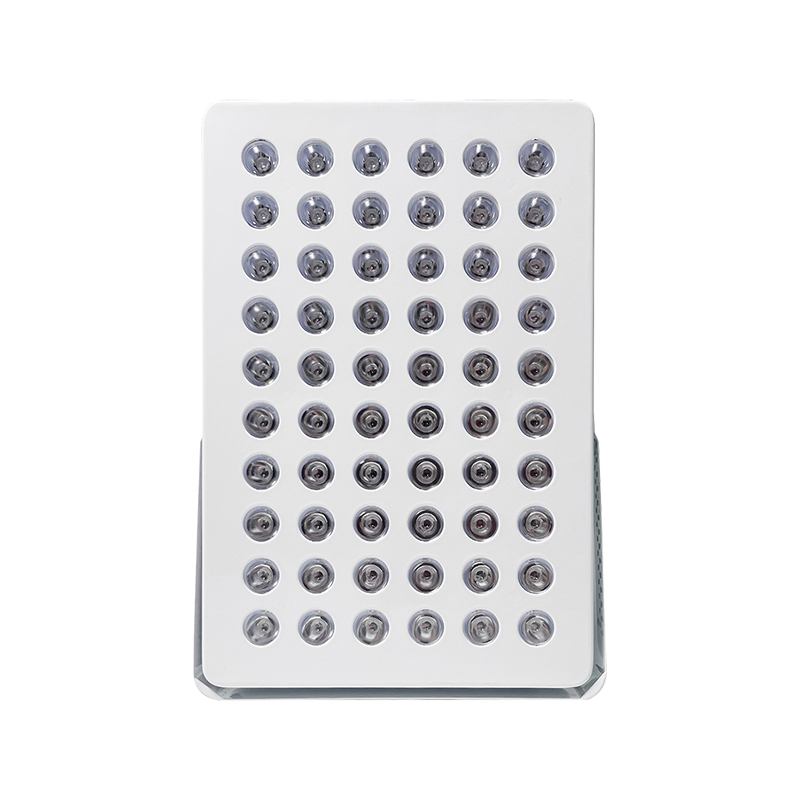
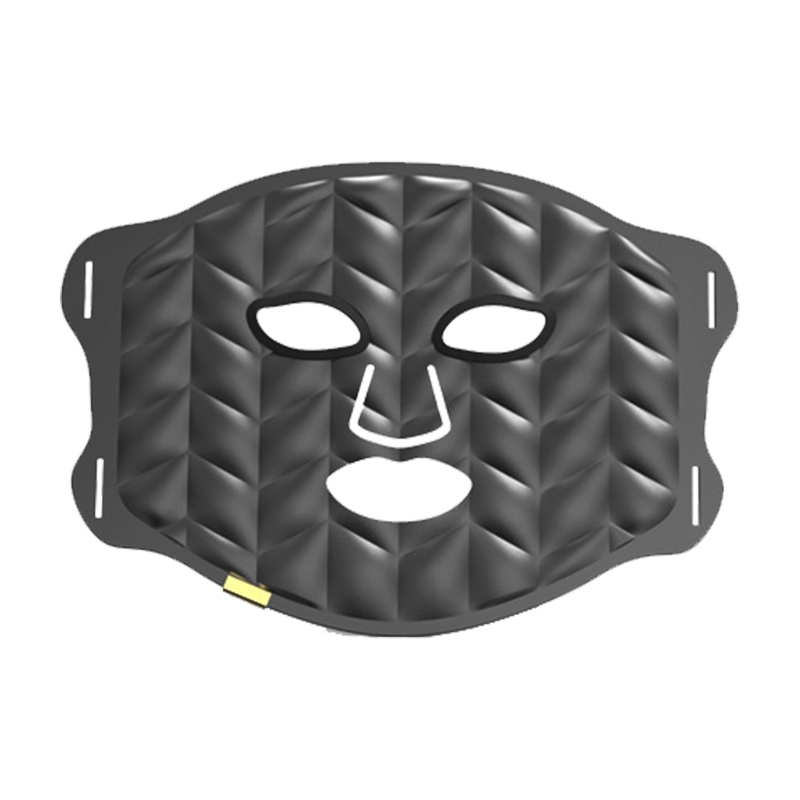
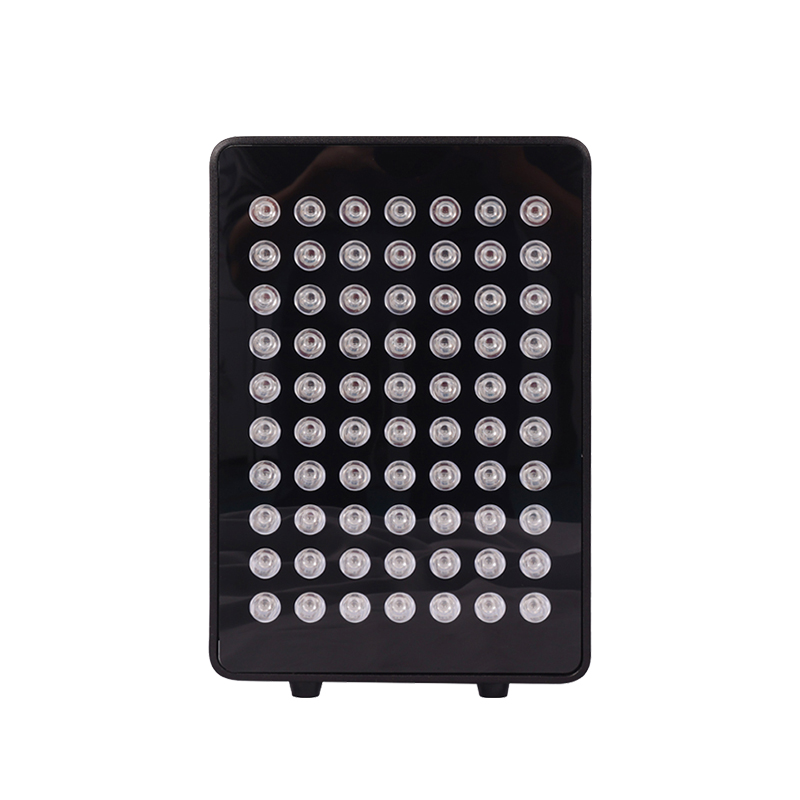
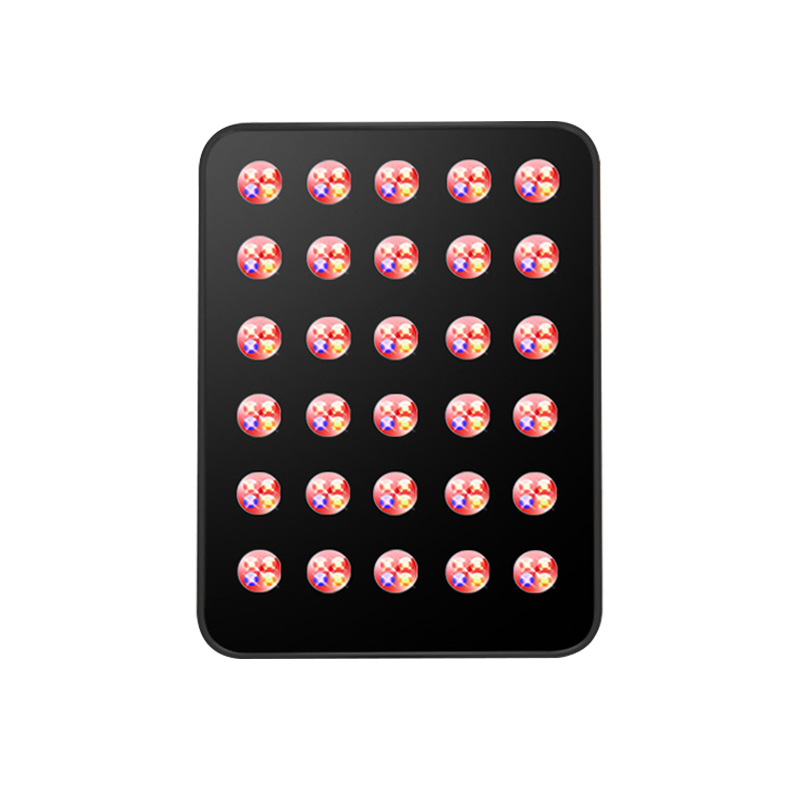
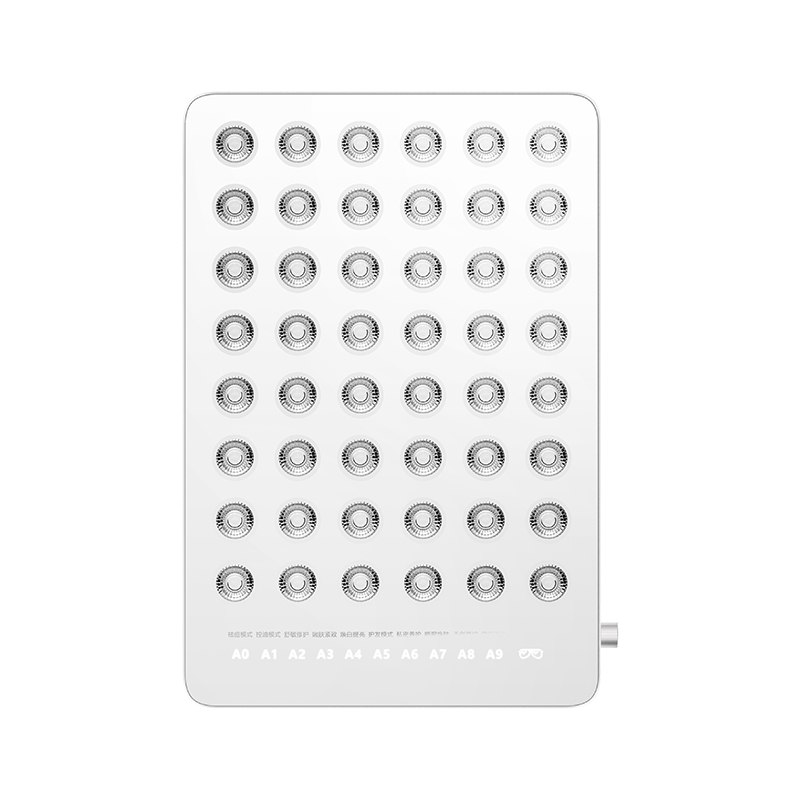
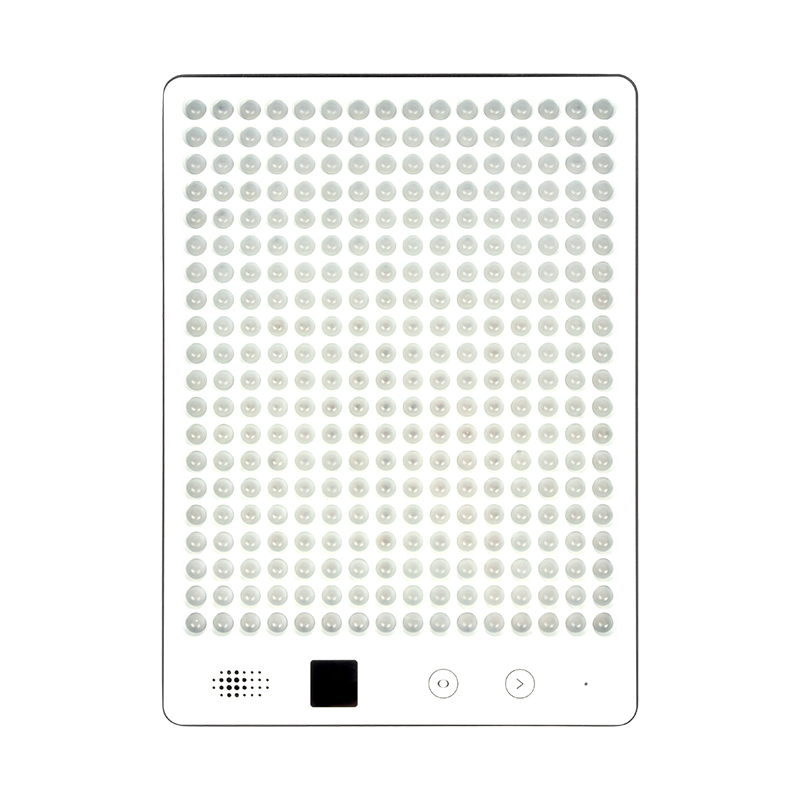
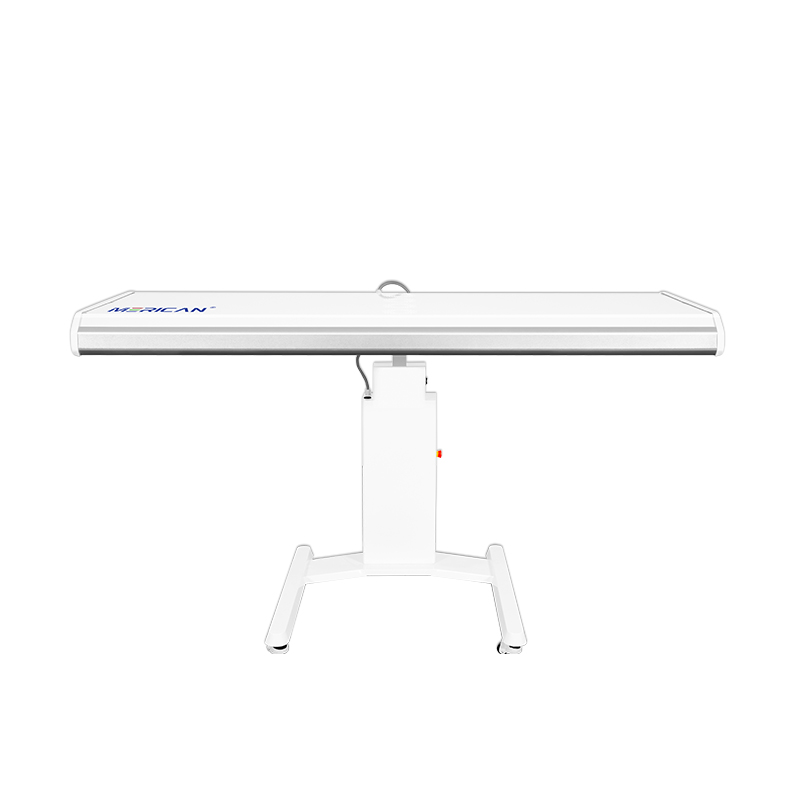
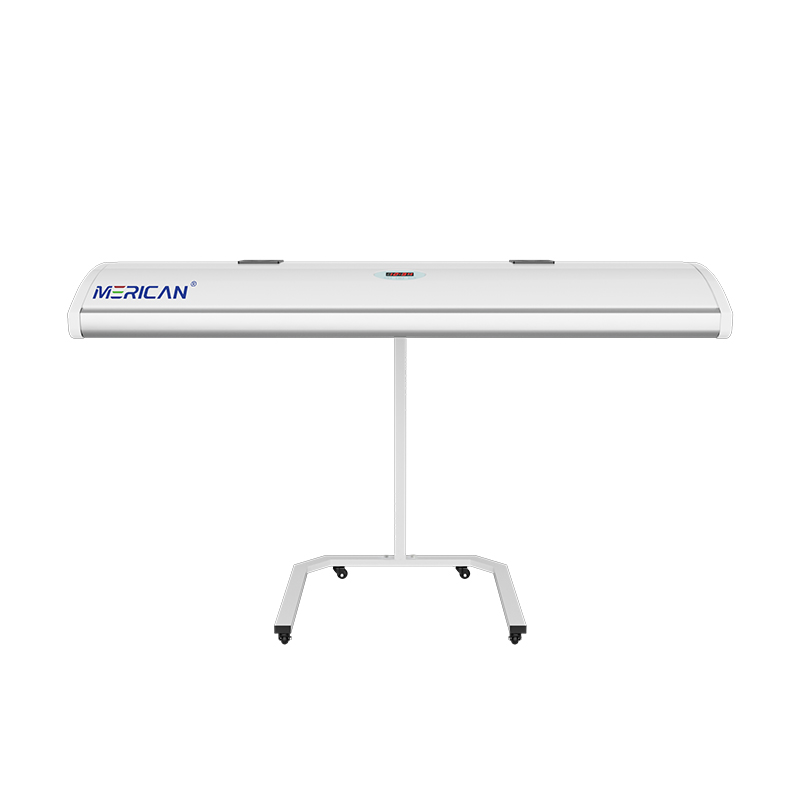
المسافة من الجهاز مهمة أيضًا. تم تصميم بعض الأنظمة للاستخدام المباشر للوجه, بينما توفر الأنظمة الاحترافية الأكبر حجمًا تغطية علاجية أوسع من مسافة أكبر قليلاً. يعد اتباع توصيات الشركة المصنعة أمرًا مهمًا لتحقيق الراحة واتساق العلاج.
عامل رئيسي آخر هو أهداف العلاج. قد يستخدم الأفراد الذين يركزون على الاسترخاء والصحة العامة للبشرة جلسات أقصر, في حين أن أولئك الذين يستهدفون دعم مكافحة الشيخوخة أو تحسين نسيج الجلد قد يفضلون جداول علاج أكثر انتظامًا مع مرور الوقت.
أحد أسباب استمرار تزايد شعبية العلاج بالضوء الأحمر للوجه هو أنه مريح بشكل عام وغير جراحي. على عكس العلاجات التجميلية العدوانية التي قد تنطوي على تقشير, تهيج, أو التوقف, غالبًا ما تكون جلسات العلاج بالضوء الأحمر مهدئة ويسهل دمجها في إجراءات العناية بالبشرة الحديثة.
يجمع العديد من الأشخاص بين العلاج بالضوء الأحمر للوجه وعادات العناية بالبشرة الصحية مثل الترطيب, الترطيب, استخدام واقية من الشمس, والتغذية المتوازنة. قد تساعد إجراءات نمط الحياة الصحي في دعم صحة الجلد بشكل عام إلى جانب علاجات العلاج بالضوء.
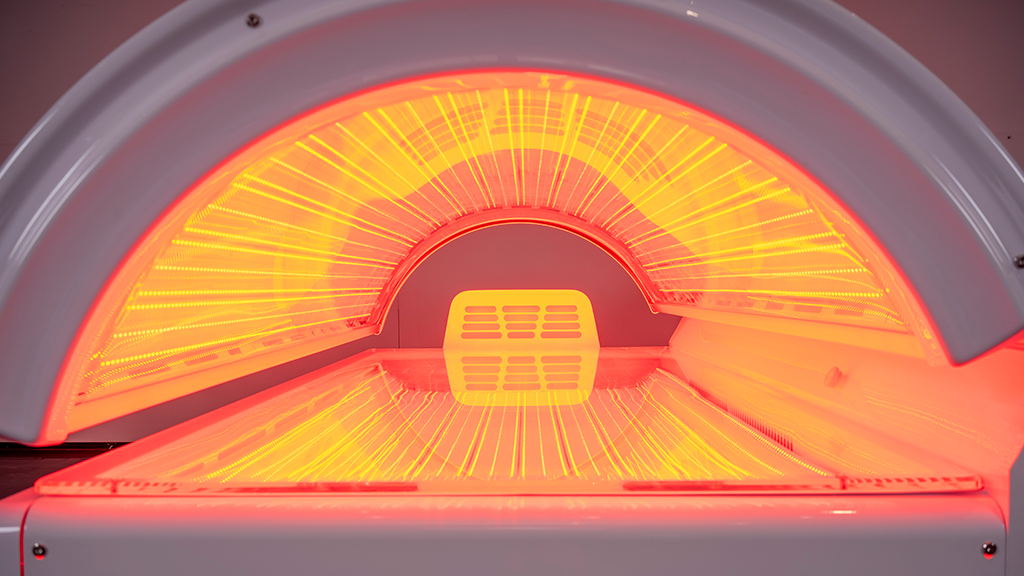
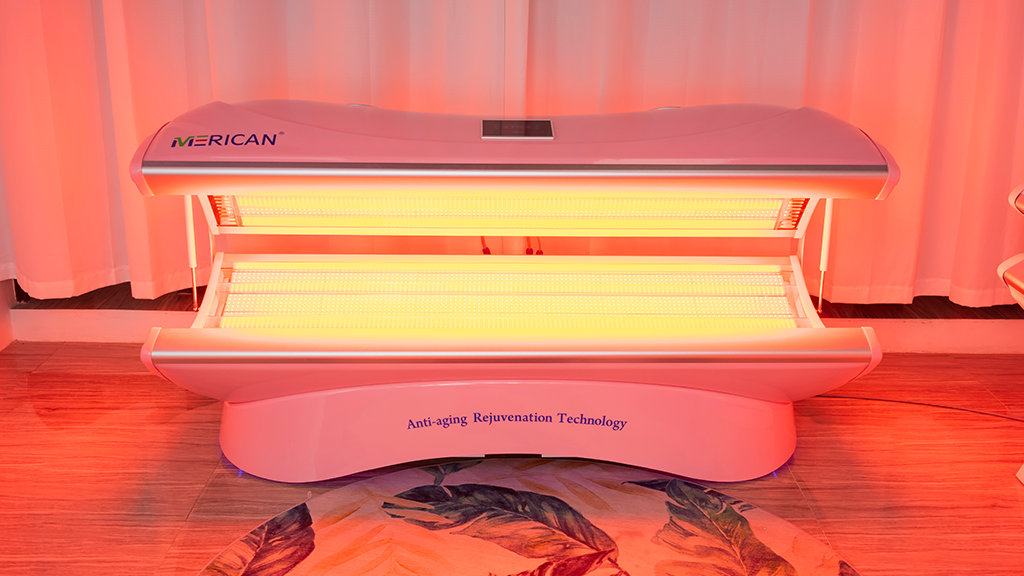
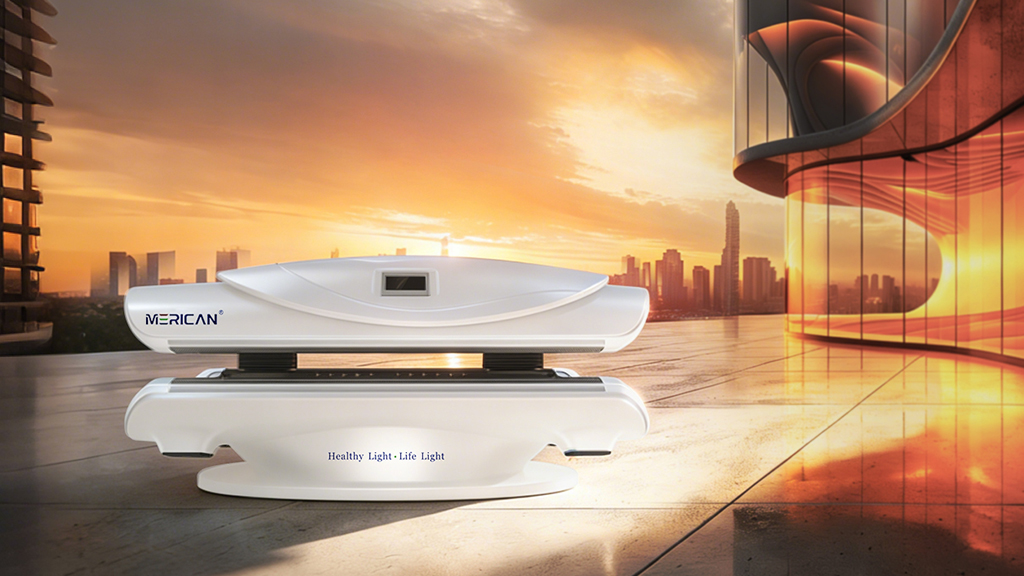
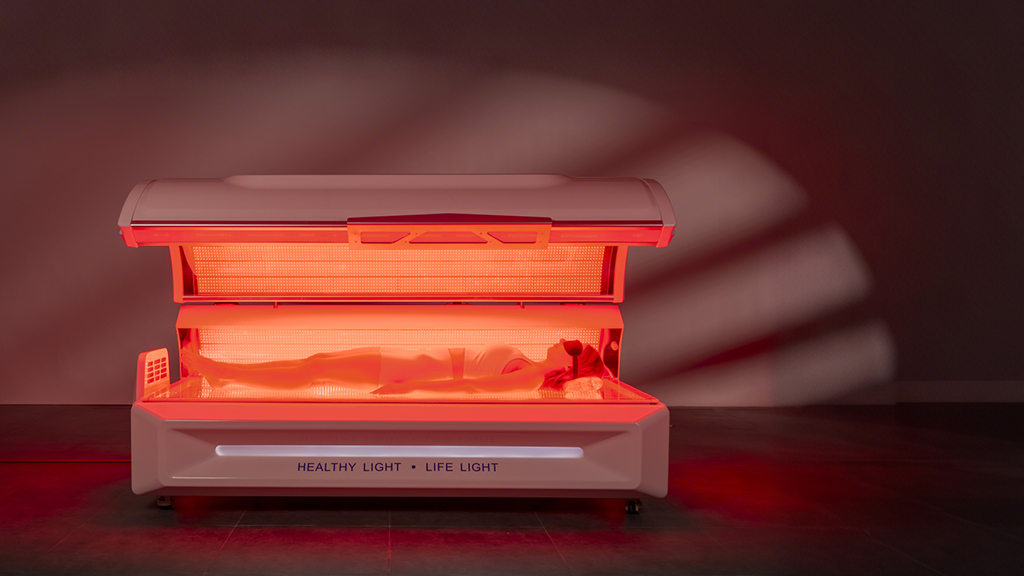
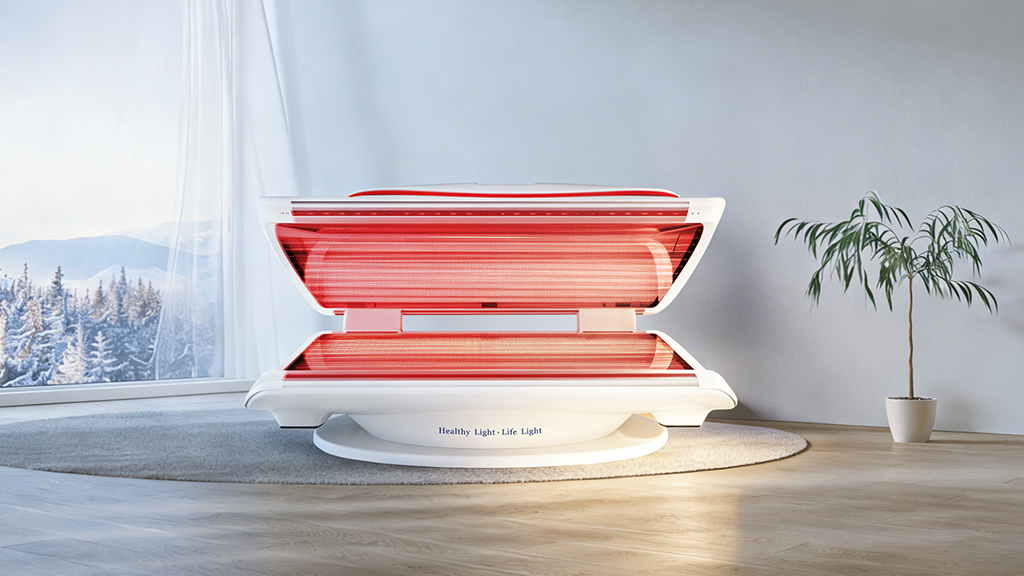
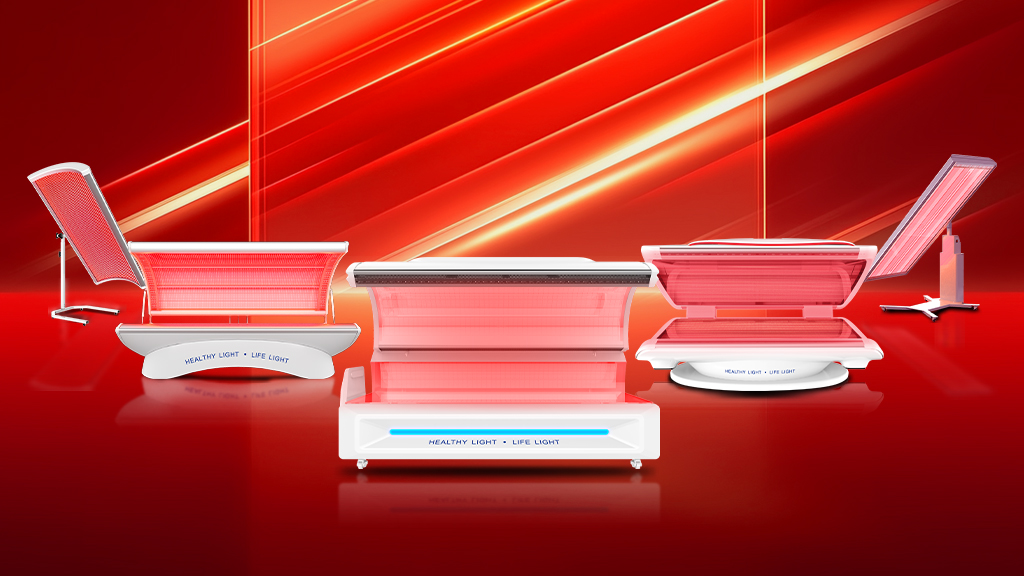
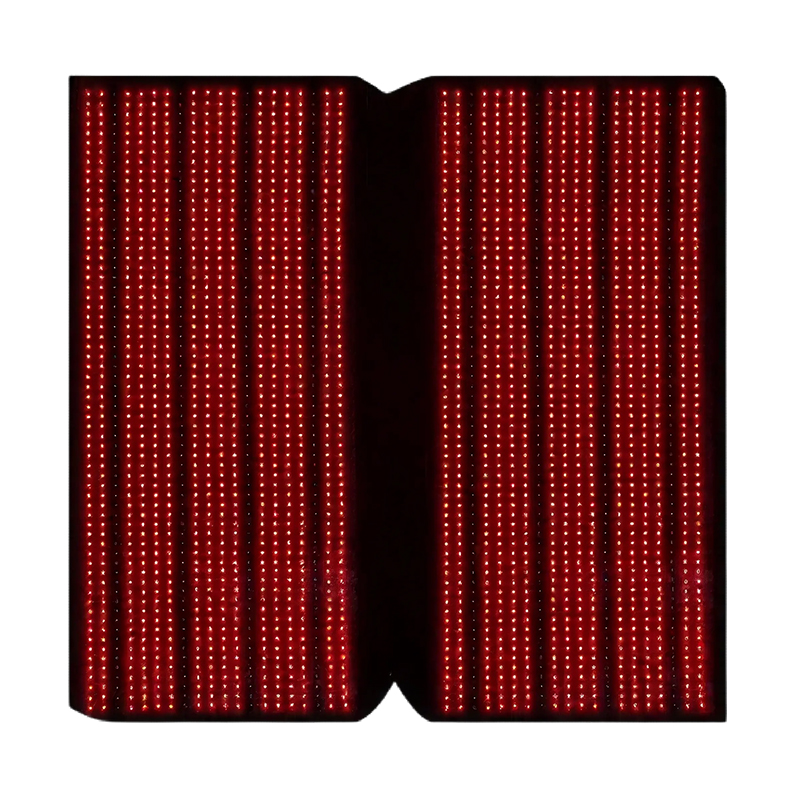
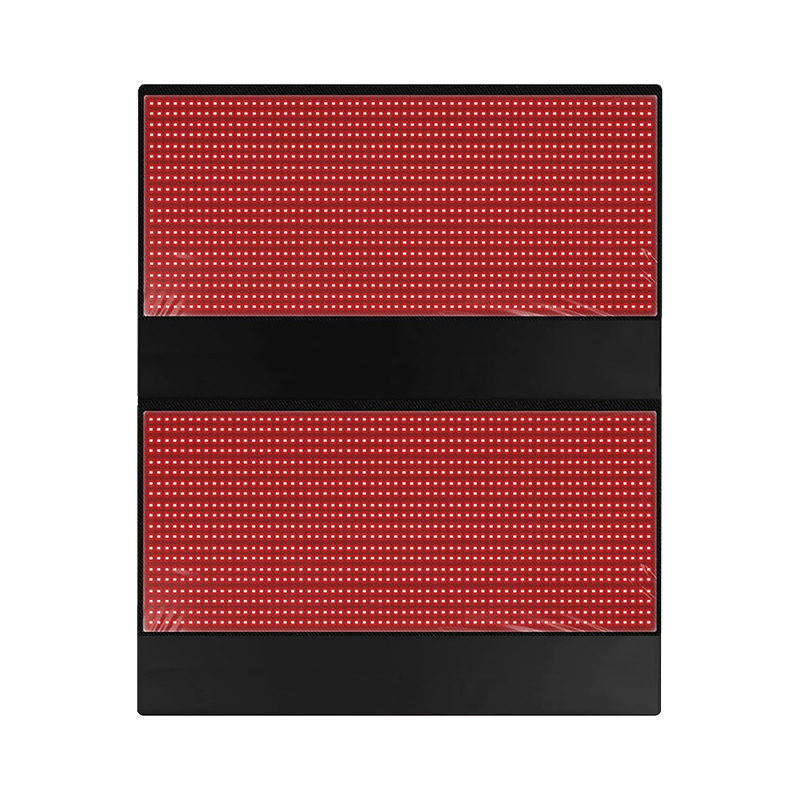
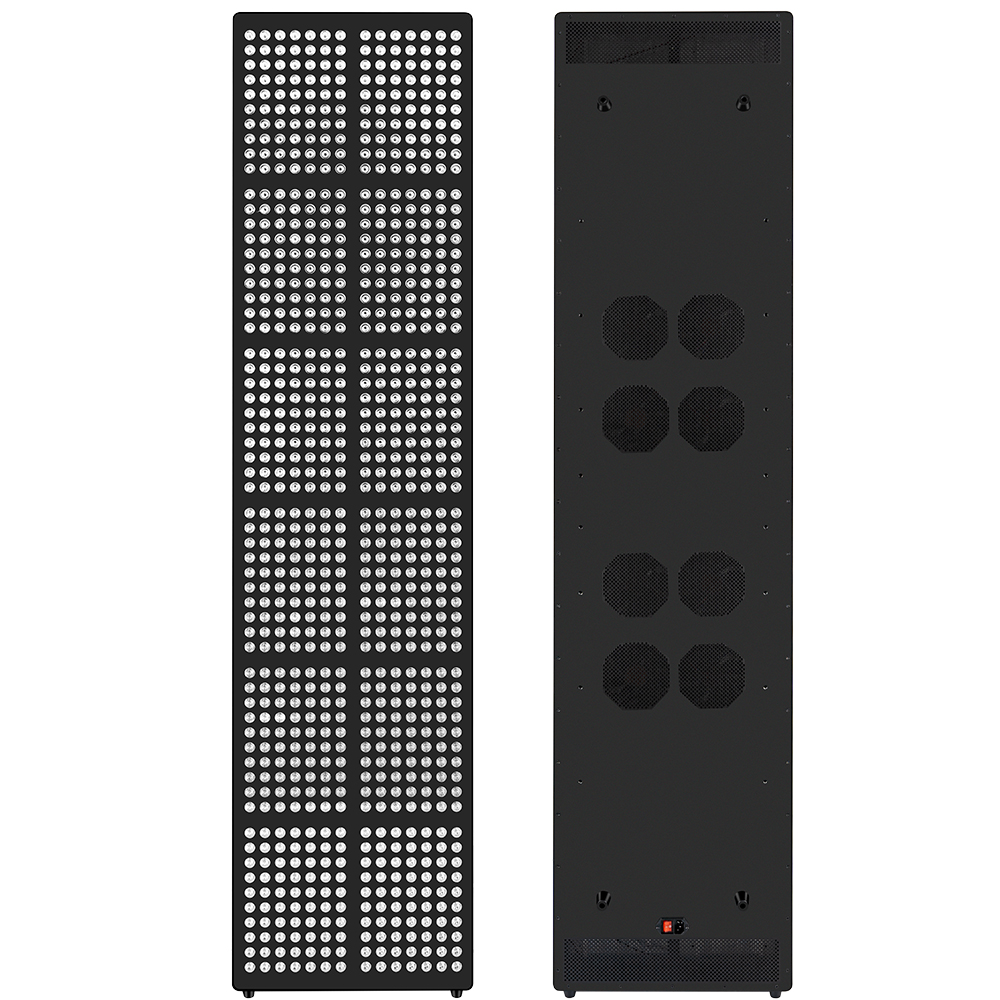
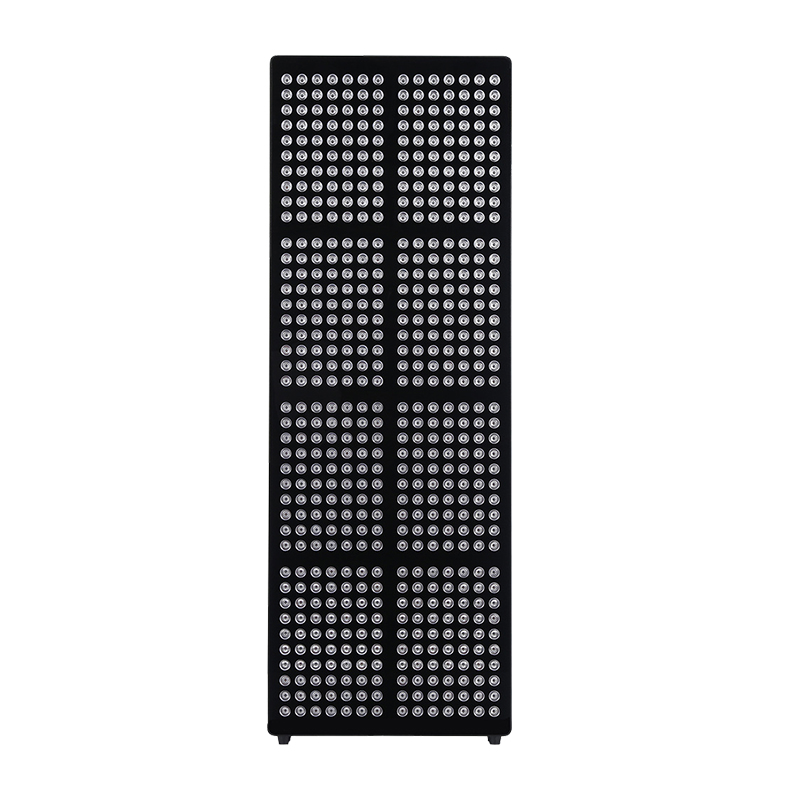
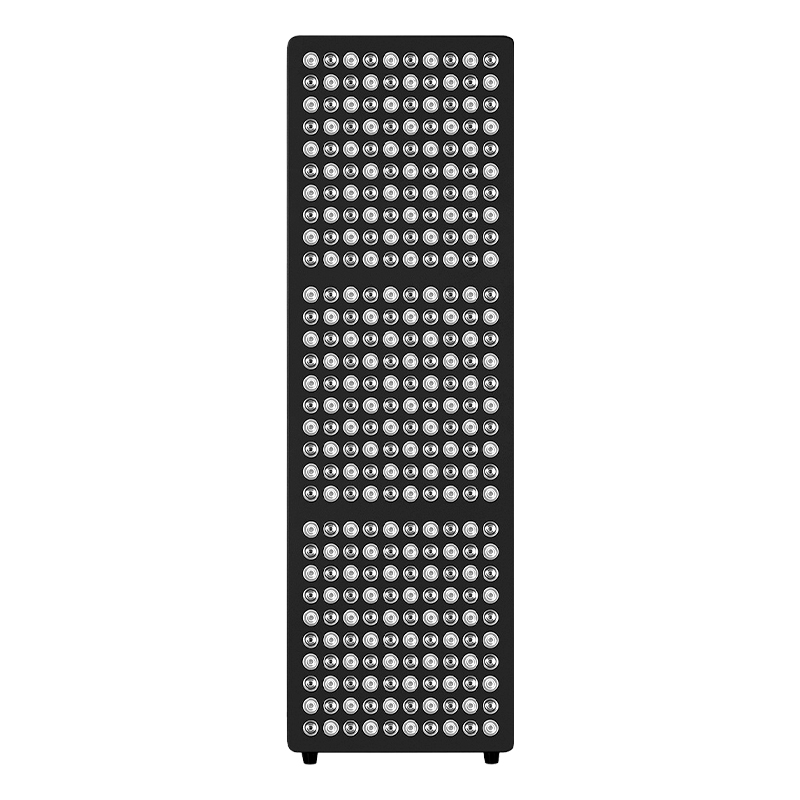
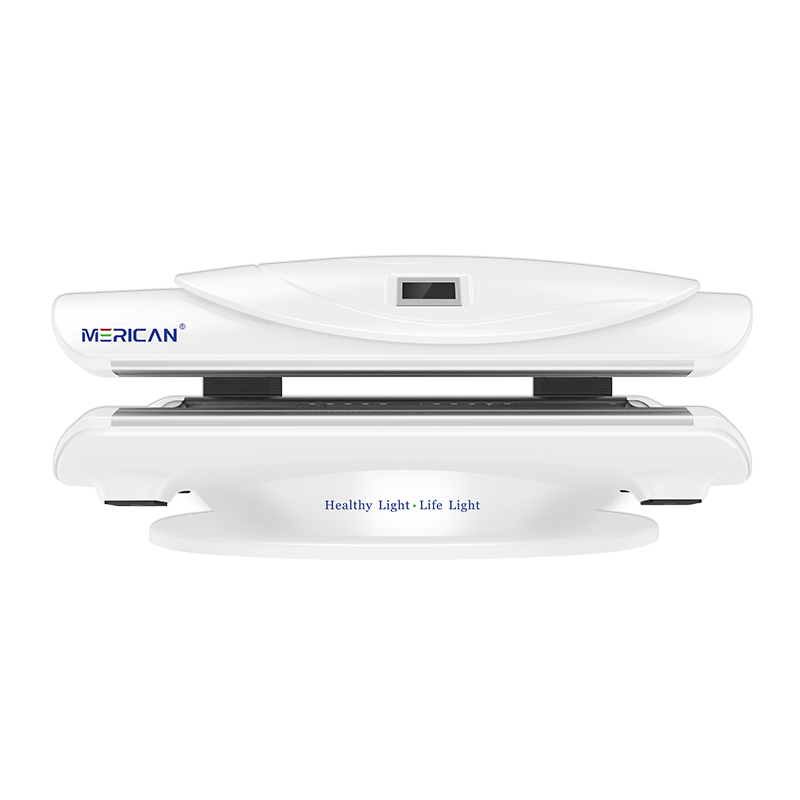
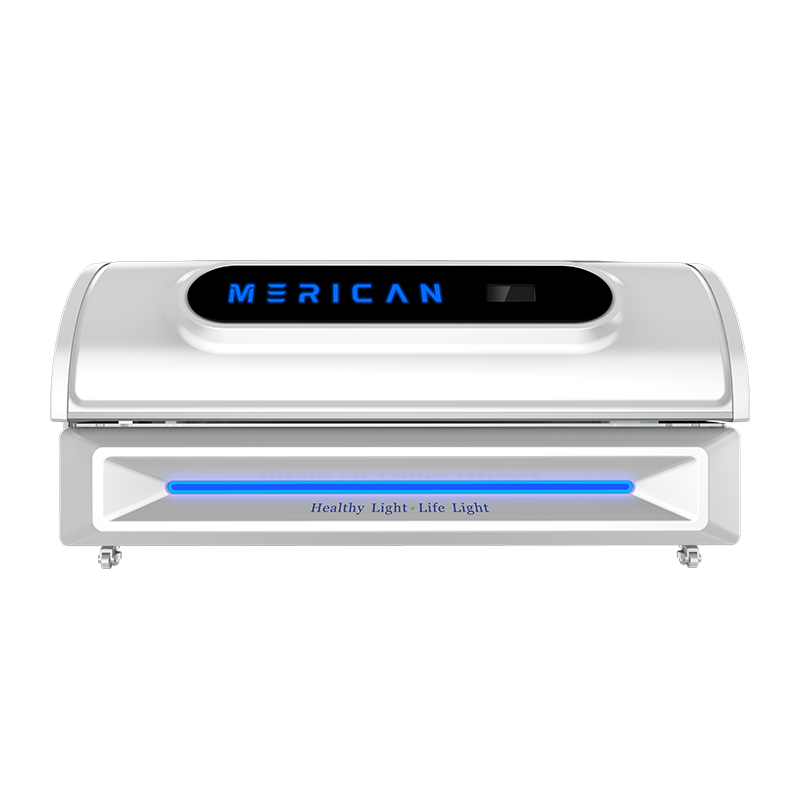
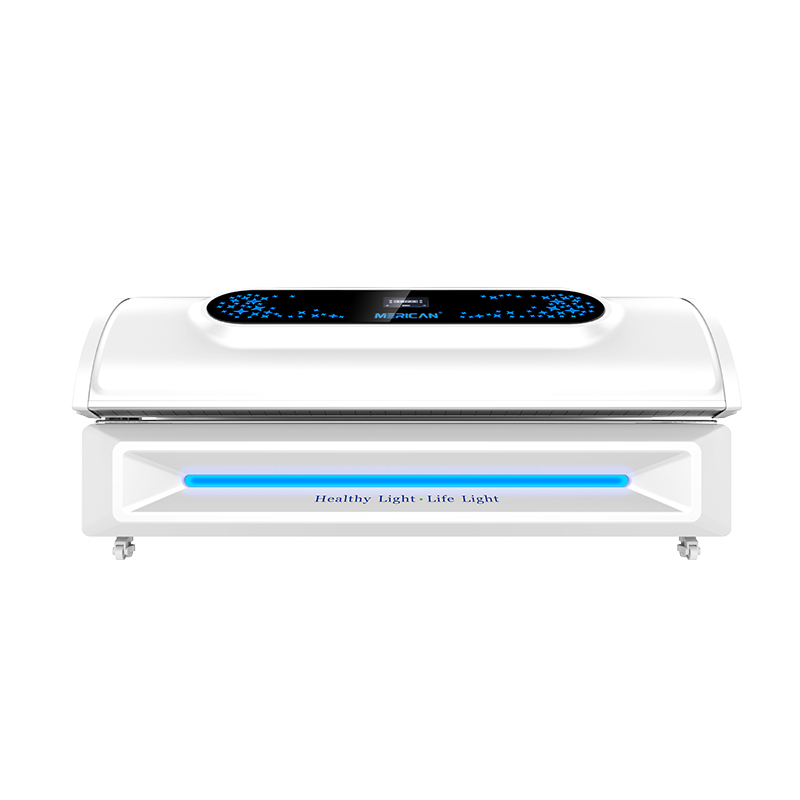
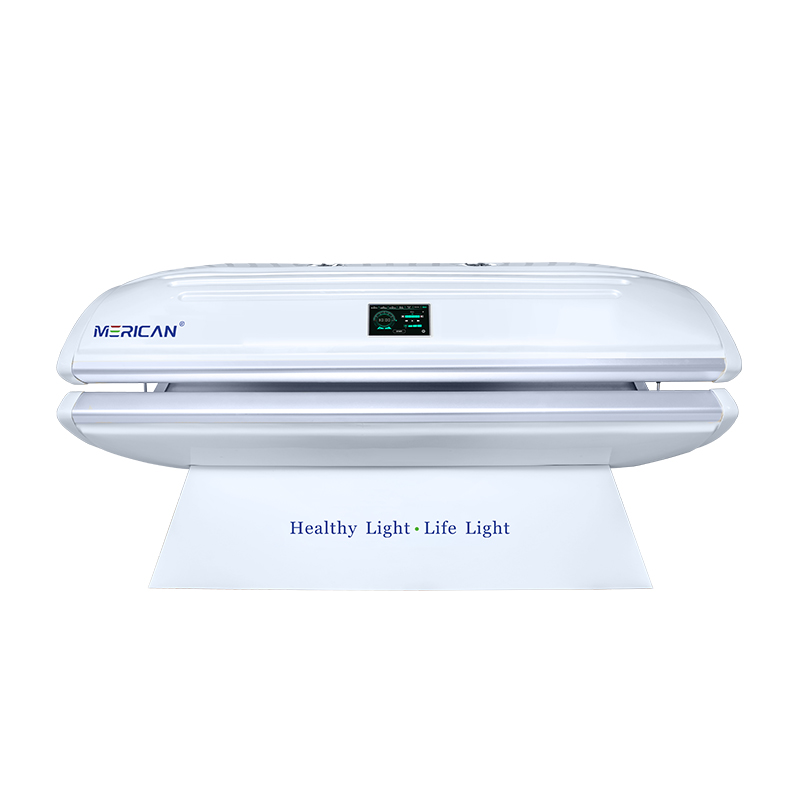
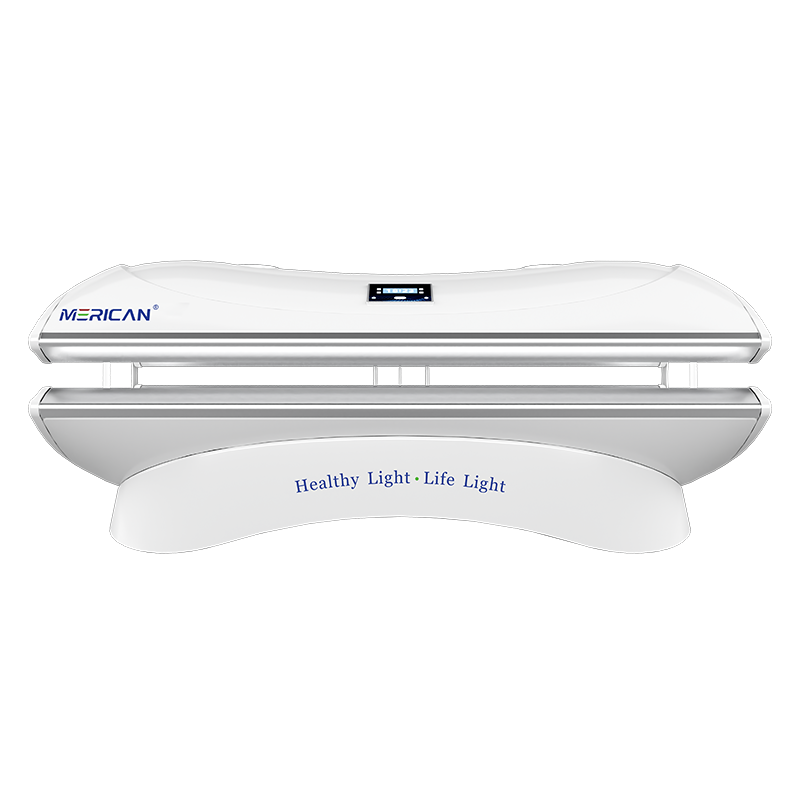
Professional beauty clinics and wellness centers increasingly use advanced facial and full-body red light therapy systems because they provide even light distribution and stable wavelength output. Modern systems often include intelligent cooling structures and ergonomic treatment designs for improved comfort.
Another important point is patience. Red light therapy is not typically associated with instant dramatic changes after one session. بدلاً من, gradual improvements in skin appearance and texture are more commonly linked to regular long-term use.
Some users notice temporary skin brightness or relaxation immediately after sessions, but collagen support and visible skin improvements generally require consistent treatment routines over several weeks.
It is also important to understand that more time does not always mean better results. Excessively long sessions may increase the chance of temporary skin irritation or dryness without improving effectiveness. Balanced and moderate treatment schedules are usually recommended for facial wellness support.
People with serious skin concerns, unusual reactions, or underlying dermatological conditions should consult skincare or healthcare professionals before beginning any new treatment routine.
Another reason why red light therapy has become so popular is convenience. Sessions are generally quick and require little downtime, making them suitable for busy lifestyles focused on beauty and self-care.
As global interest in non-invasive skincare technology continues growing, يظل العلاج بالضوء الأحمر للوجه أحد أكثر علاجات العافية استخدامًا على نطاق واسع لتجديد شباب الجلد ودعم الاسترخاء. سواء تم استخدامها في إجراءات مكافحة الشيخوخة, تحسين نسيج الجلد, أو الرعاية الذاتية العامة, أصبح العلاج بالضوء الأحمر جزءًا شائعًا بشكل متزايد من أنماط الحياة التجميلية الحديثة.
للأفراد الذين يستكشفون العلاج بالضوء الأحمر للوجه, غالبًا ما تُعتبر فترات الجلسات المعتدلة والروتينات المتسقة هي أفضل طريقة لدعم صحة البشرة على المدى الطويل.