مقدمة
Tinnitus can be a frustrating and challenging condition to live with, and finding an effective treatment can be a daunting task. With the rise of alternative therapies, red light therapy has gained attention as a potential solution for tinnitus sufferers. لكن, before you rush to try this treatment, it’s crucial to understand the facts and considerations associated with it. Is red light therapy truly safe and effective for tinnitus, or are there potential risks and limitations? This blog post will provide you with essential information to help you make an informed decision about whether red light therapy is right for you.
The Appeal of Red Light Therapy for Tinnitus
الطبيعة غير الغازية للعلاج بالضوء الأحمر, lack of significant side effects (عندما تستخدم بشكل صحيح), and potential to improve cellular function make it an attractive option for individuals with tinnitus. The therapy’s ability to target the underlying causes of tinnitus, such as inflammation and poor blood flow, has sparked interest among researchers and health enthusiasts alike.
Potential Limitations and Considerations
- Limited Research and Inconsistent Results: While some studies have shown promising results, the overall body of research on red light therapy for tinnitus is still relatively small and inconsistent. Different studies have used varying treatment parameters, such as wavelength, شدة, and duration, making it difficult to compare results and determine the most effective approach. More large-scale, well-designed studies are needed to establish the safety and efficacy of red light therapy for tinnitus.
- Individual Variability in Response: As with any treatment, individual responses to red light therapy may vary widely. Factors such as the underlying cause of tinnitus, the severity and duration of symptoms, and individual physiology can influence the therapy’s effectiveness. Some individuals may experience significant relief, while others may see little to no improvement. It’s important to approach red light therapy with realistic expectations and understand that it may not work for everyone.
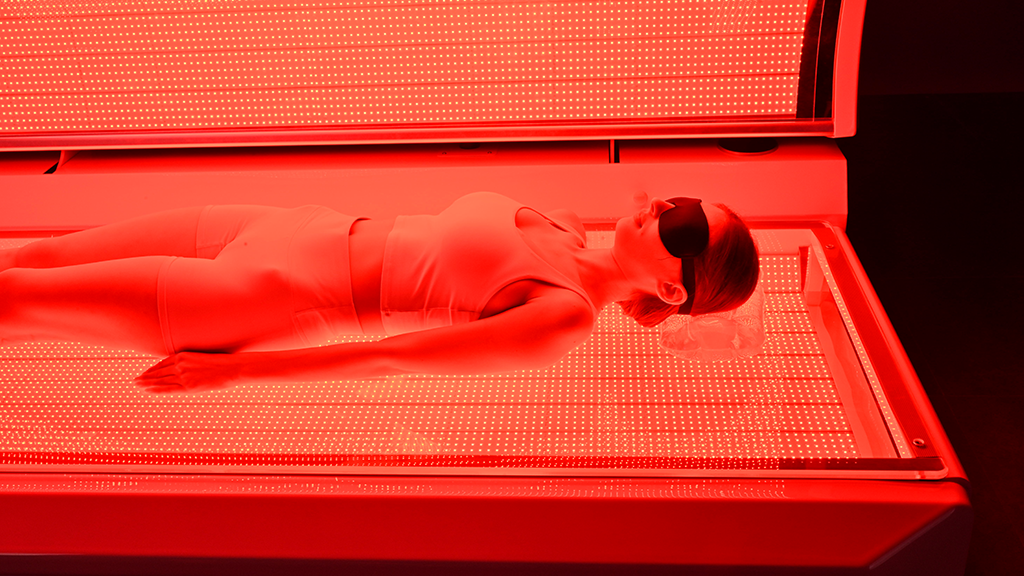
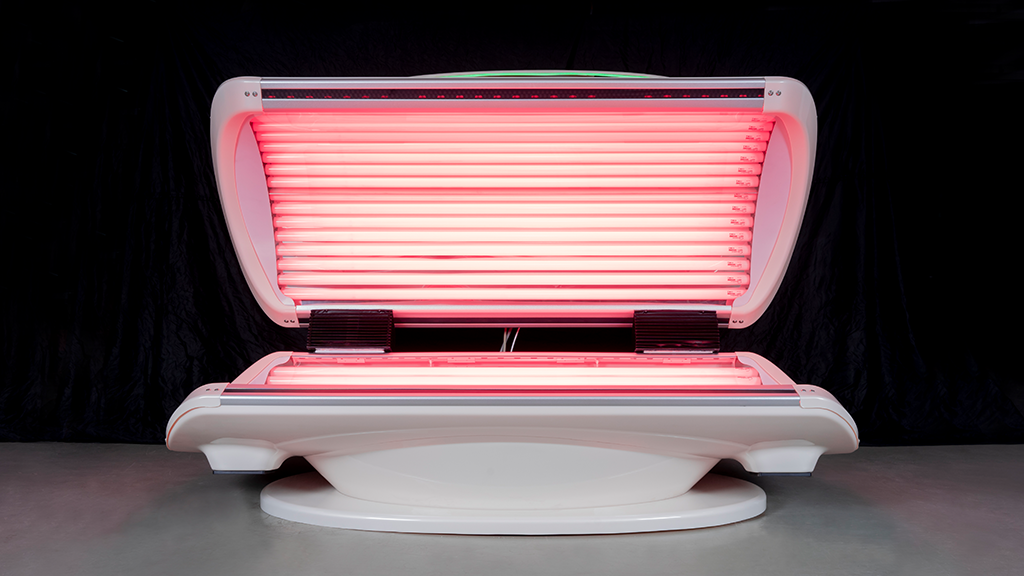
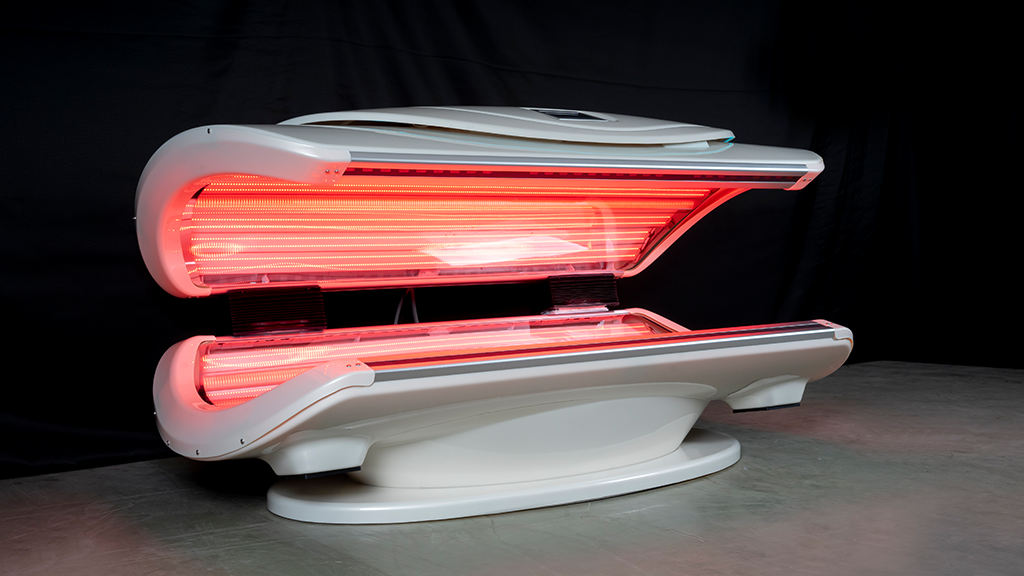
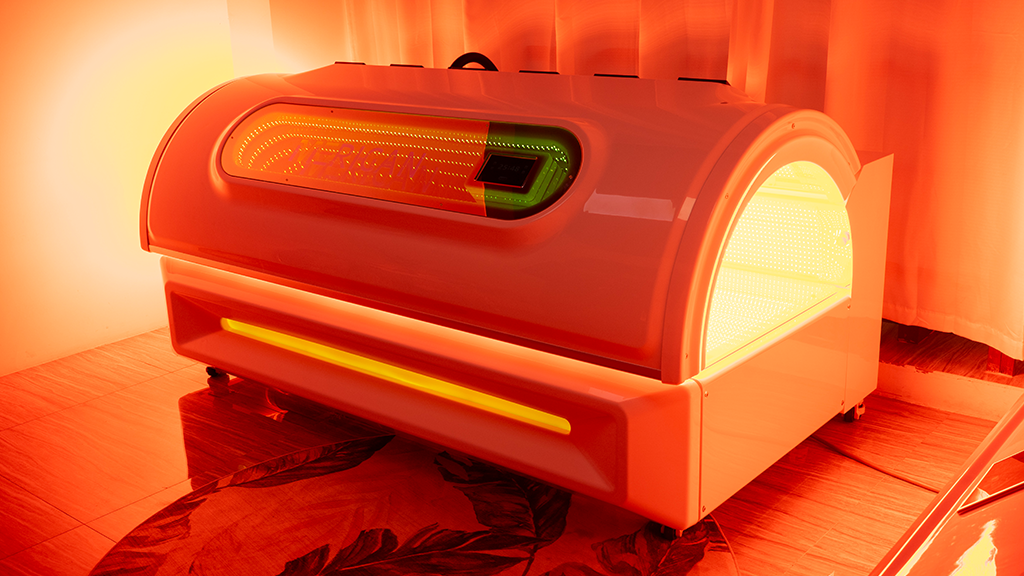
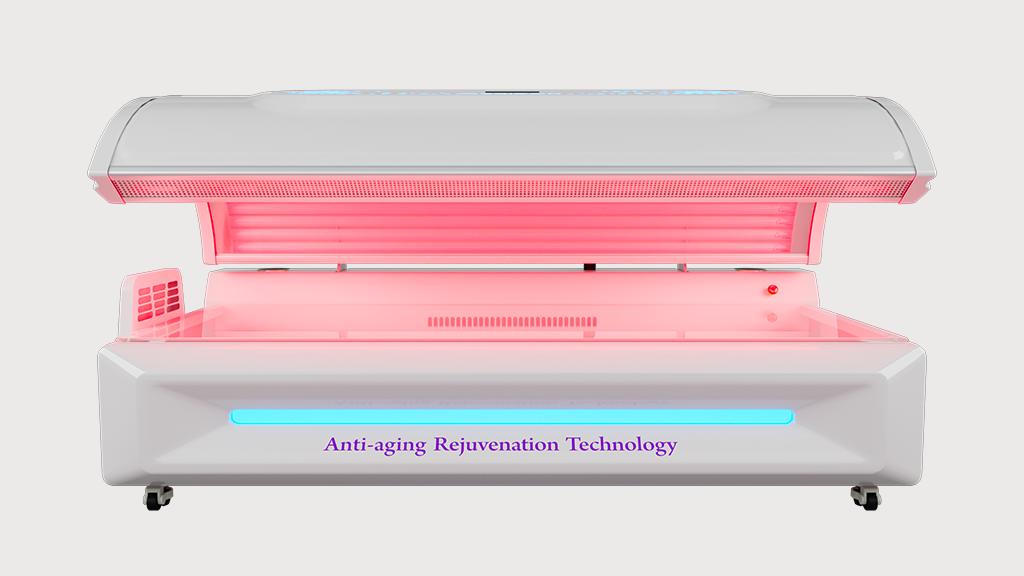
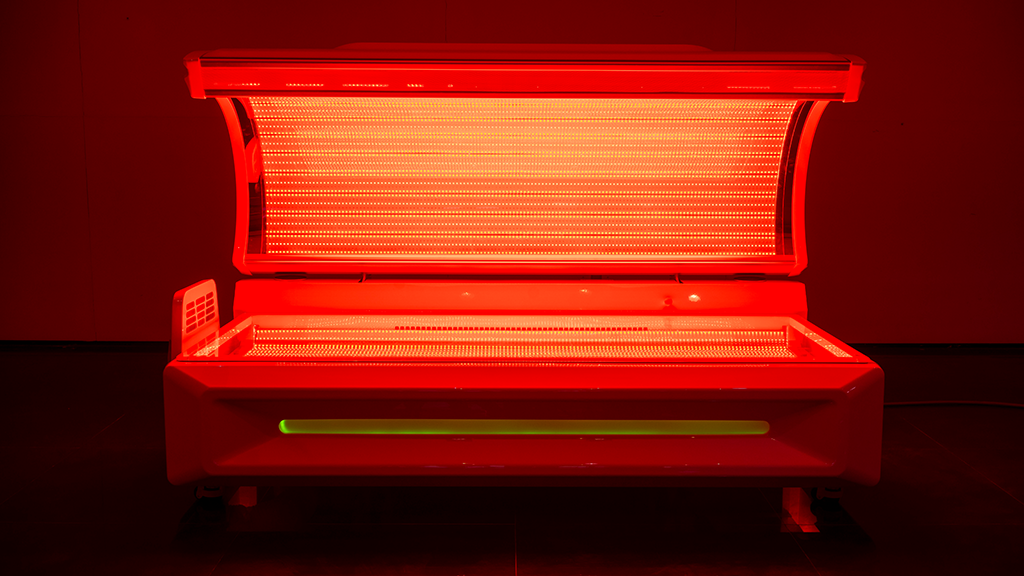
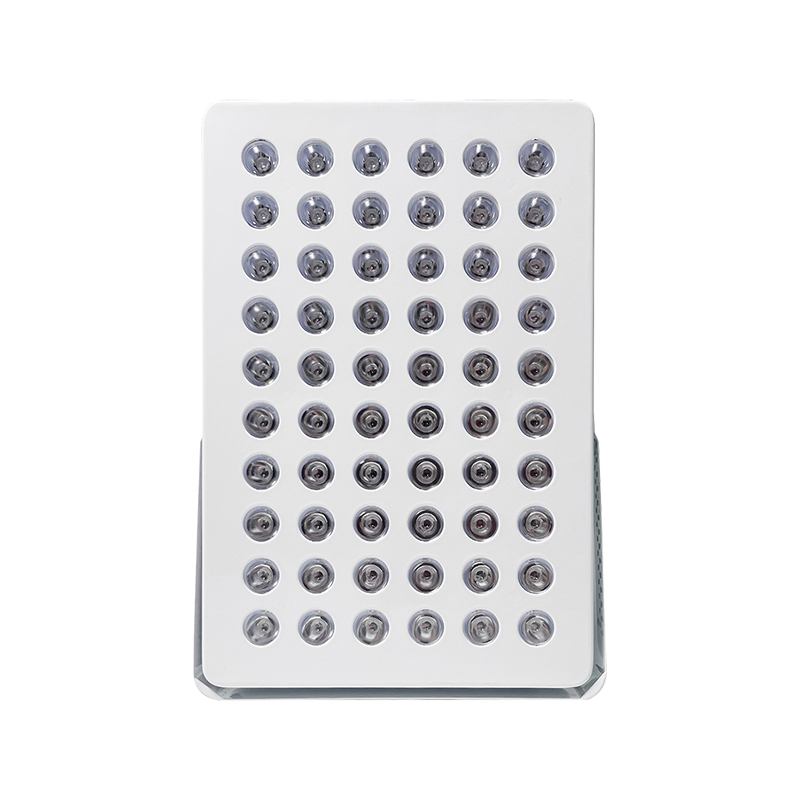
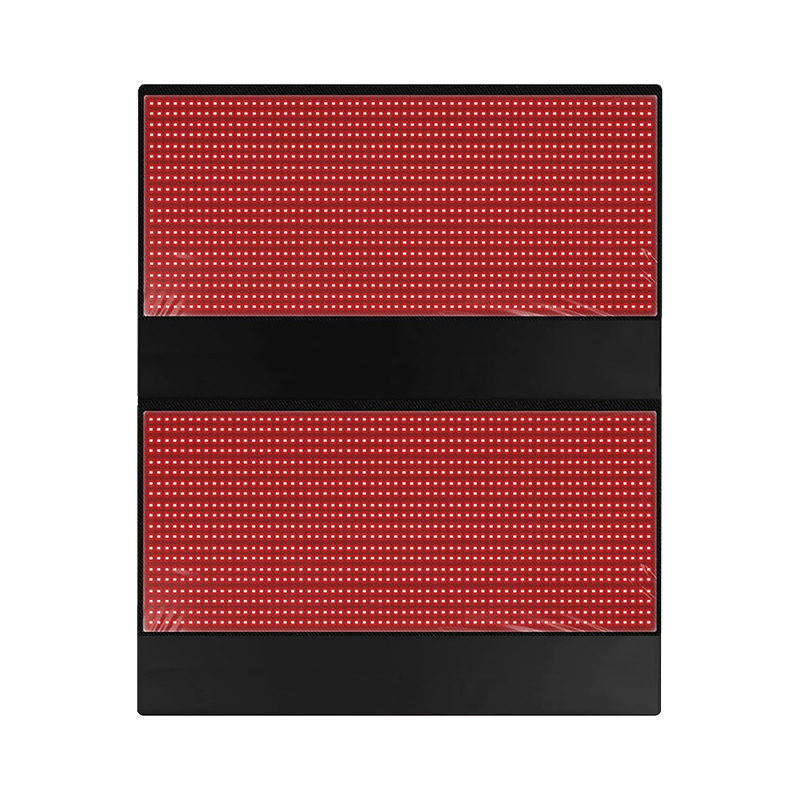
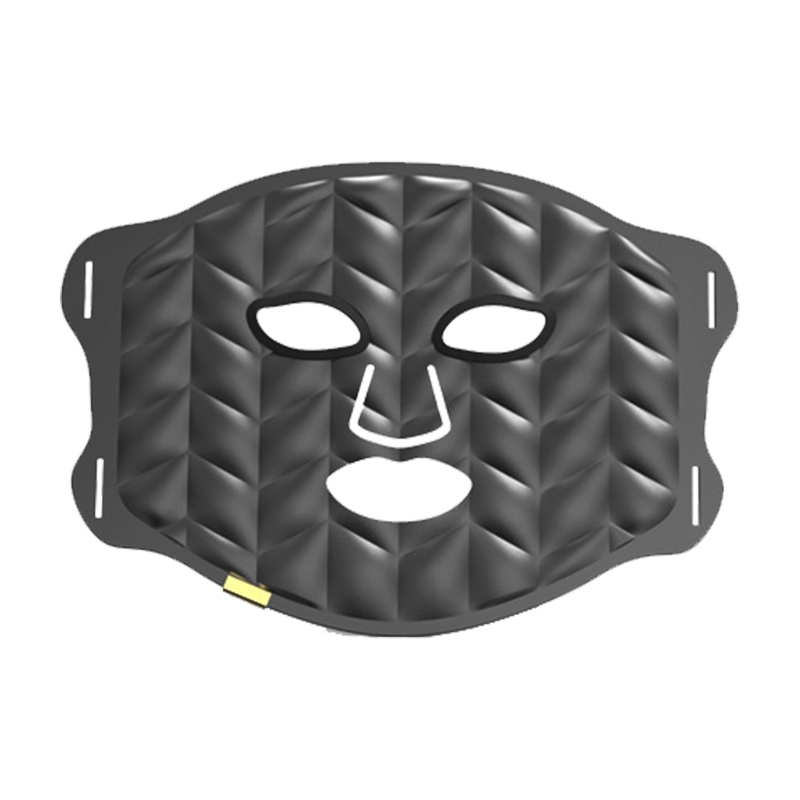
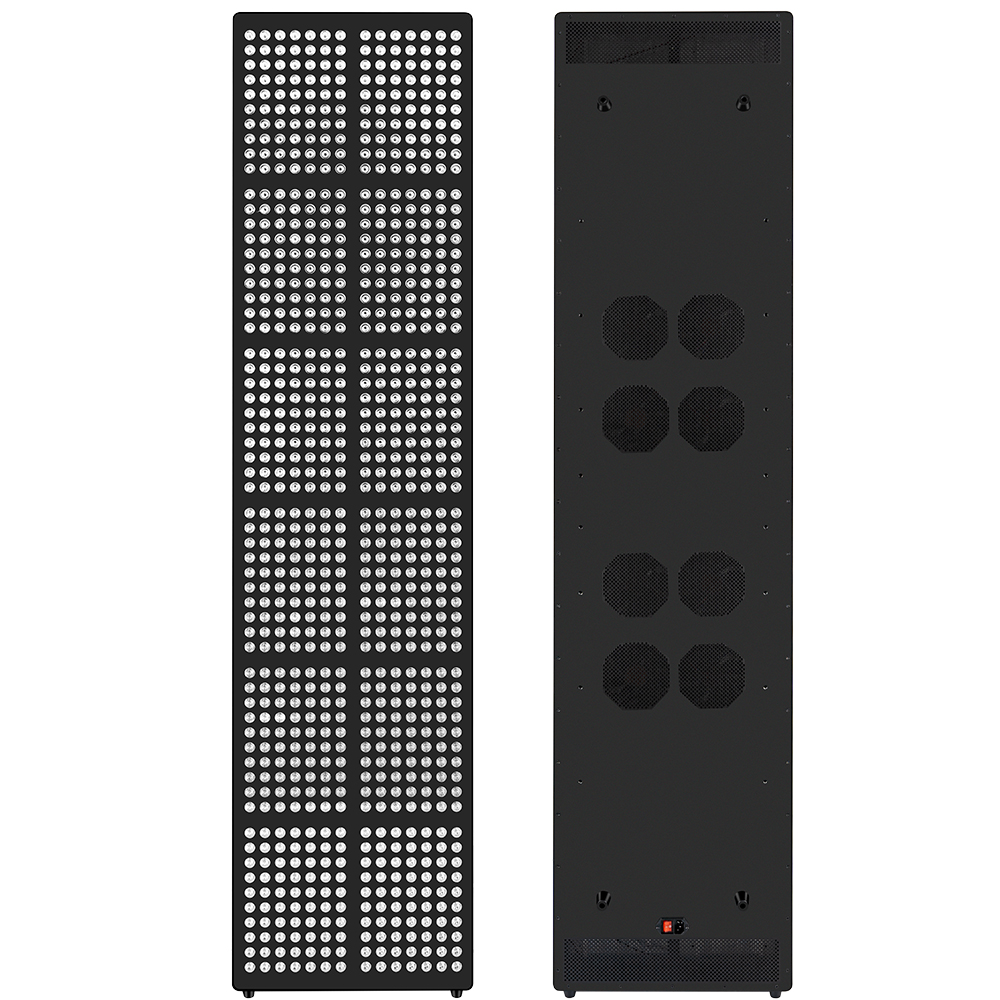
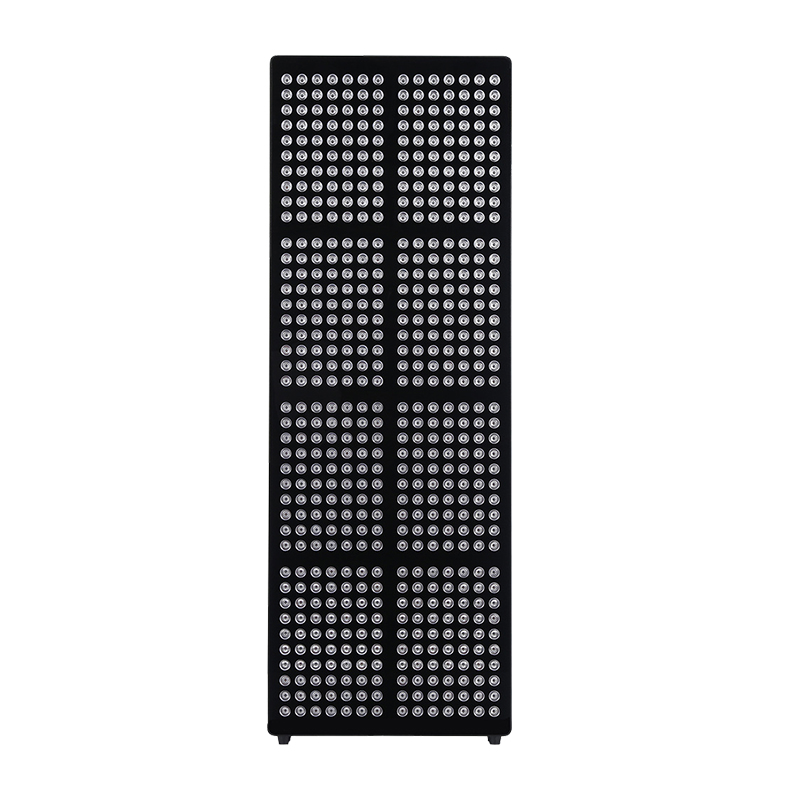
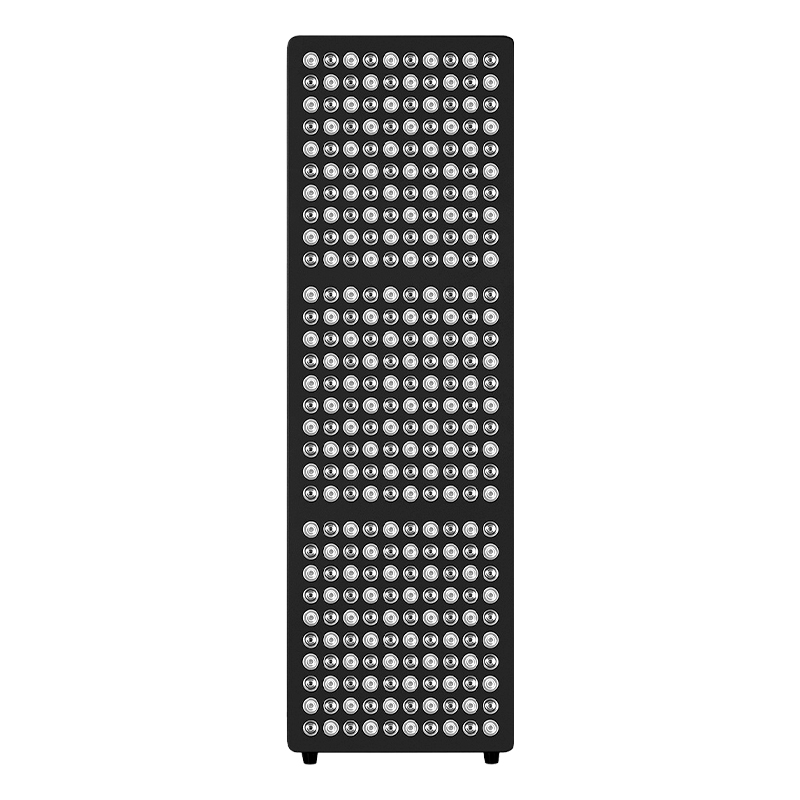
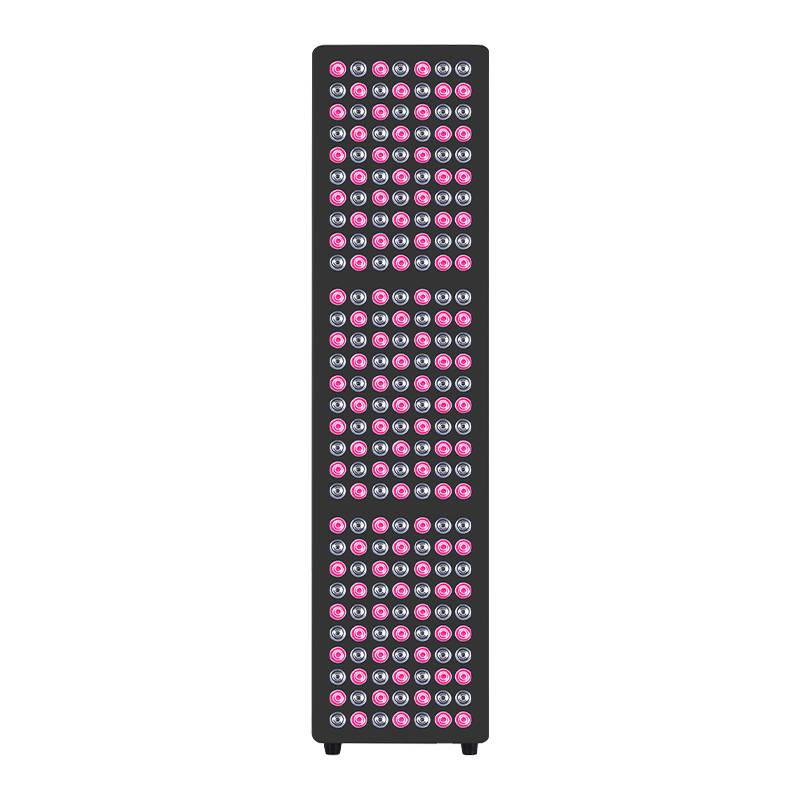
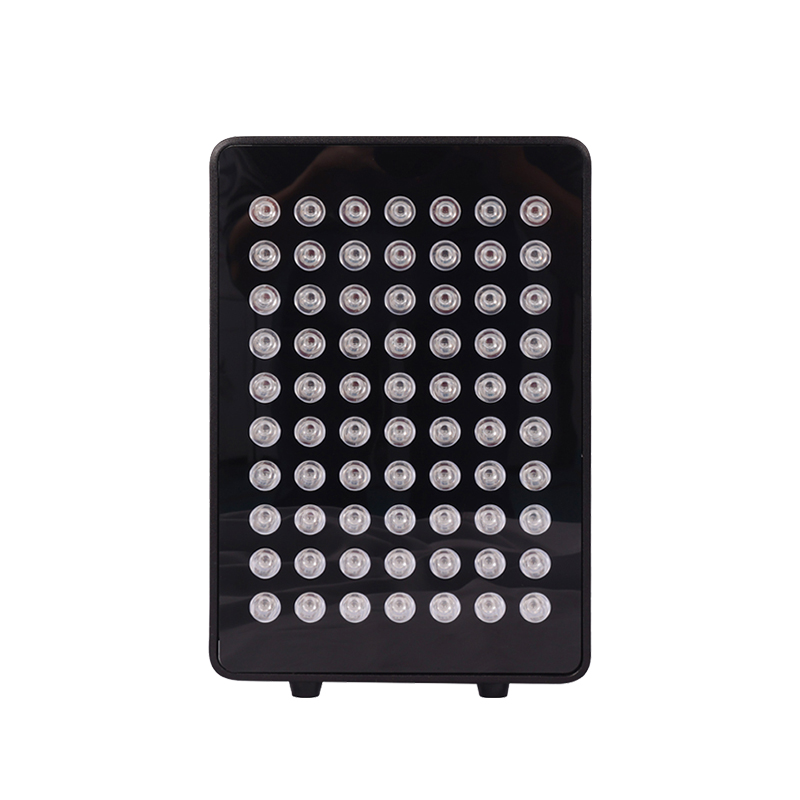
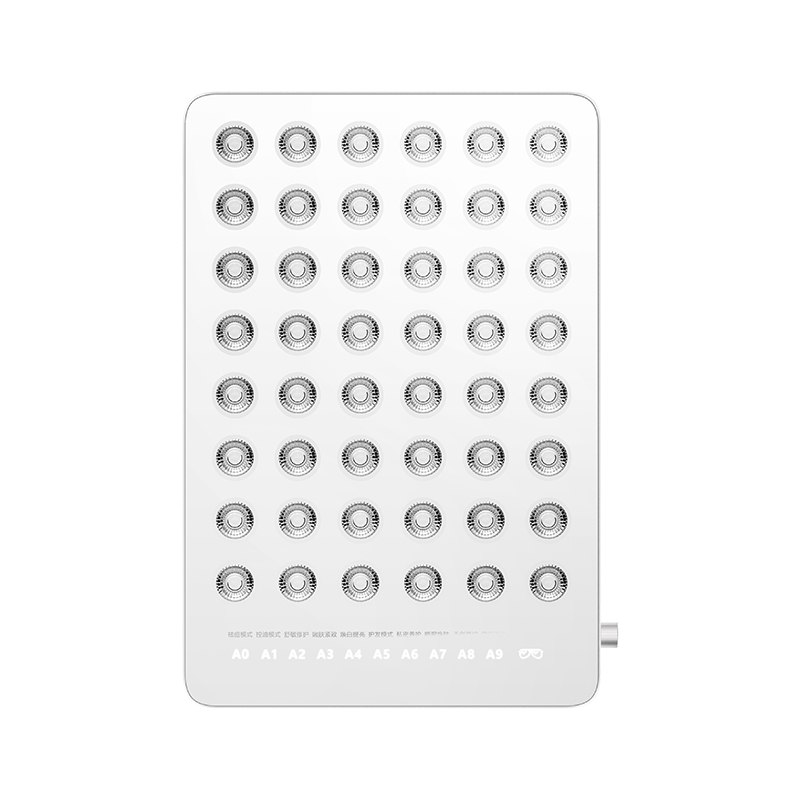
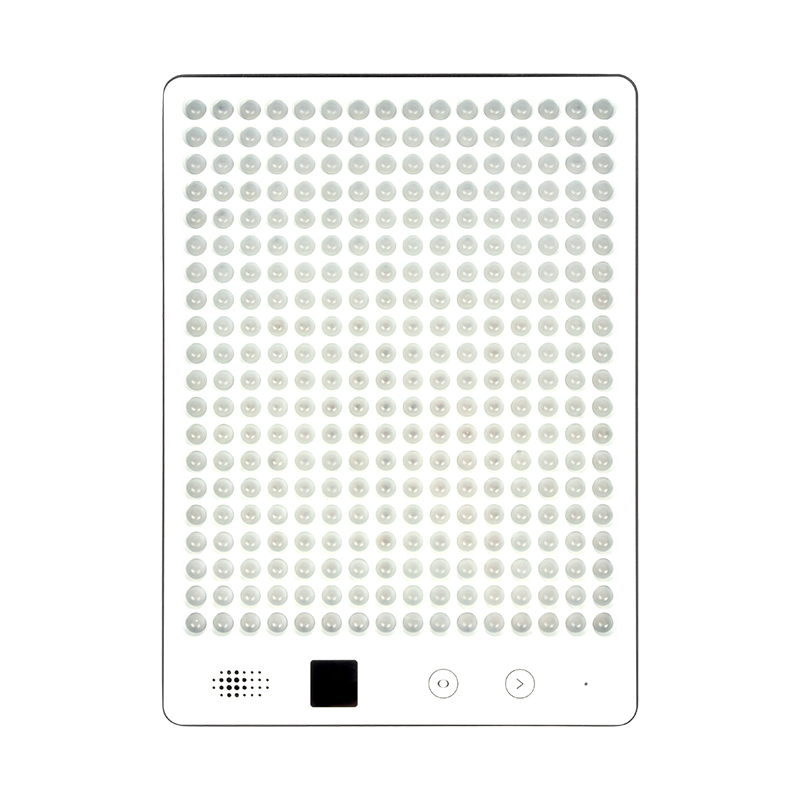
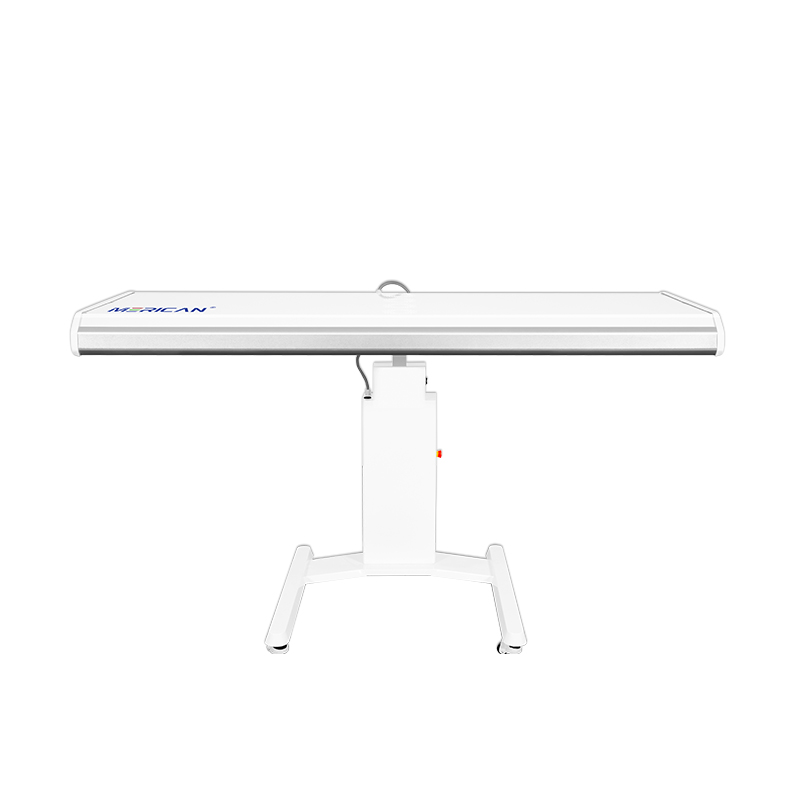
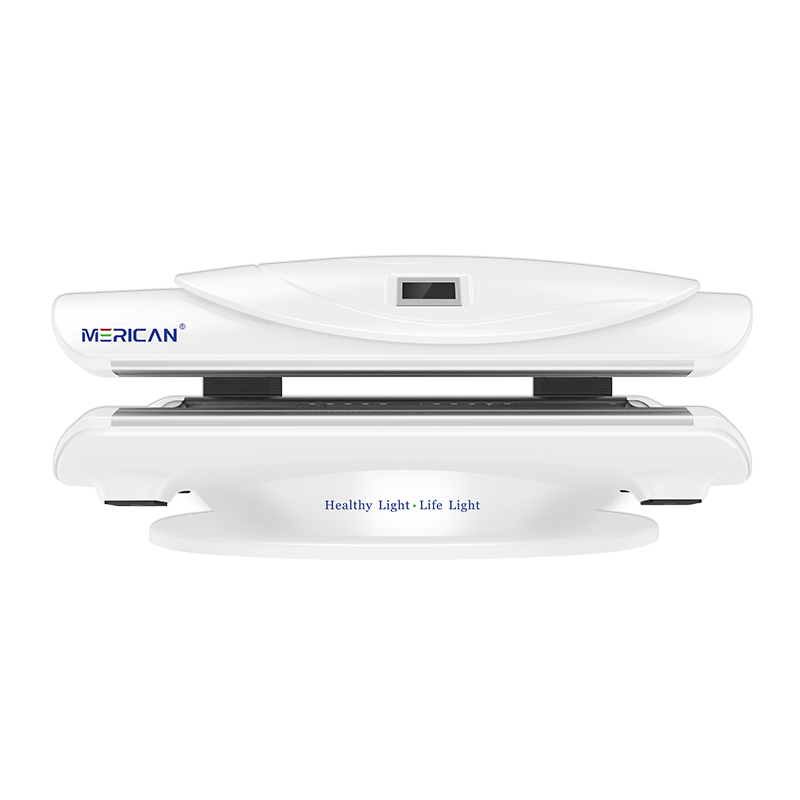
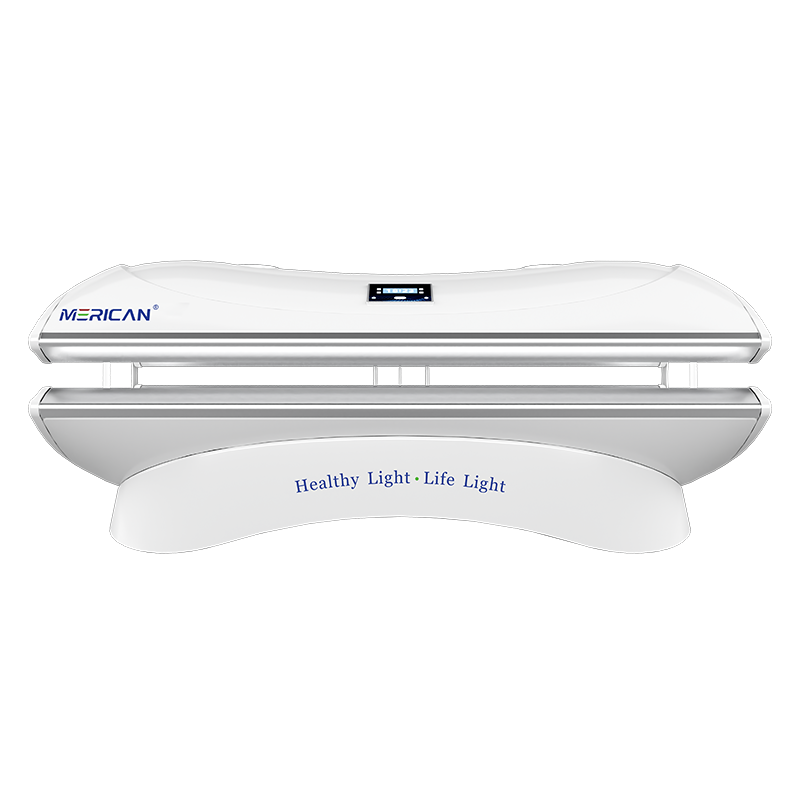
- Device Quality and Safety Concerns: The market is flooded with red light therapy devices of varying quality and safety standards. Using a low-quality or improperly calibrated device can lead to ineffective treatment or even potential harm, such as skin burns or eye damage. It’s crucial to choose a device that has been tested and certified by reputable organizations and to follow the manufacturer’s instructions carefully. إذا كان ذلك ممكنا, seek professional guidance when using red light therapy for tinnitus.
- Potential Interactions with Other Treatments: If you’re already undergoing other treatments for tinnitus, such as medication, sound therapy, or counseling, red light therapy may interact with them in unexpected ways. على سبيل المثال, it could affect the absorption or metabolism of certain medications or interfere with the effectiveness of sound therapy. It’s essential to consult with your healthcare provider before starting red light therapy to ensure it’s safe and won’t interfere with your current treatment plan.
- Cost and Accessibility Issues: Professional red light therapy treatments at clinics or spas can be expensive, and at-home devices may also require a significant investment. بالإضافة إلى ذلك, access to high-quality devices and professional guidance may be limited depending on your location, making it difficult for some individuals to try this therapy.
Tips for Safe and Effective Red Light Therapy for Tinnitus
If you decide to try red light therapy for tinnitus, here are some tips to help you ensure safety and effectiveness:
- Choose a reputable device from a trusted manufacturer and follow the instructions carefully.
- Start with short treatment sessions and gradually increase the duration as tolerated.
- Consult with a healthcare professional before starting treatment, especially if you have underlying health conditions or are taking medications.
- Monitor your response to the therapy and adjust the treatment protocol as needed. If you experience any adverse effects, stop treatment immediately and consult your doctor.
- Combine red light therapy with other healthy lifestyle habits, such as stress management techniques, a balanced diet, and regular exercise, for optimal tinnitus management.
خاتمة
Red light therapy offers an intriguing potential for tinnitus relief, but it’s essential to approach it with caution and an understanding of its limitations. By considering factors such as limited research, individual variability, device quality and safety, potential interactions with other treatments, and cost and accessibility issues, you can make an informed decision about whether red light therapy is right for you. If you decide to try it, be sure to follow the recommended treatment protocol, consult with a healthcare professional, and monitor your response to ensure safety and effectiveness. يتذكر, red light therapy should not replace traditional medical treatments for tinnitus but can be used as a complementary approach under professional guidance.