Introduzione
L’acufene può essere una condizione frustrante e difficile con cui convivere, e trovare un trattamento efficace può essere un compito arduo. Con l’avvento delle terapie alternative, la terapia con luce rossa ha attirato l'attenzione come potenziale soluzione per chi soffre di acufene. Tuttavia, prima di affrettarti a provare questo trattamento, è fondamentale comprendere i fatti e le considerazioni ad esso associati. La terapia con la luce rossa è veramente sicura ed efficace per l'acufene, oppure esistono potenziali rischi e limitazioni? Questo post del blog ti fornirà informazioni essenziali per aiutarti a prendere una decisione informata sul fatto che la terapia con luce rossa sia giusta per te.
L'appello della terapia con luce rossa per l'acufene
La natura non invasiva della terapia con luce rossa, assenza di effetti collaterali significativi (se usato correttamente), e il potenziale per migliorare la funzione cellulare lo rendono un’opzione attraente per le persone con acufene. La capacità della terapia di colpire le cause alla base dell’acufene, such as inflammation and poor blood flow, has sparked interest among researchers and health enthusiasts alike.
Potenziali limitazioni e considerazioni
- Limited Research and Inconsistent Results: While some studies have shown promising results, the overall body of research on red light therapy for tinnitus is still relatively small and inconsistent. Different studies have used varying treatment parameters, such as wavelength, intensità, and duration, making it difficult to compare results and determine the most effective approach. Più su larga scala, well-designed studies are needed to establish the safety and efficacy of red light therapy for tinnitus.
- Individual Variability in Response: Come con qualsiasi trattamento, individual responses to red light therapy may vary widely. Factors such as the underlying cause of tinnitus, the severity and duration of symptoms, and individual physiology can influence the therapy’s effectiveness. Some individuals may experience significant relief, mentre altri potrebbero vedere poco o nessun miglioramento. It’s important to approach red light therapy with realistic expectations and understand that it may not work for everyone.
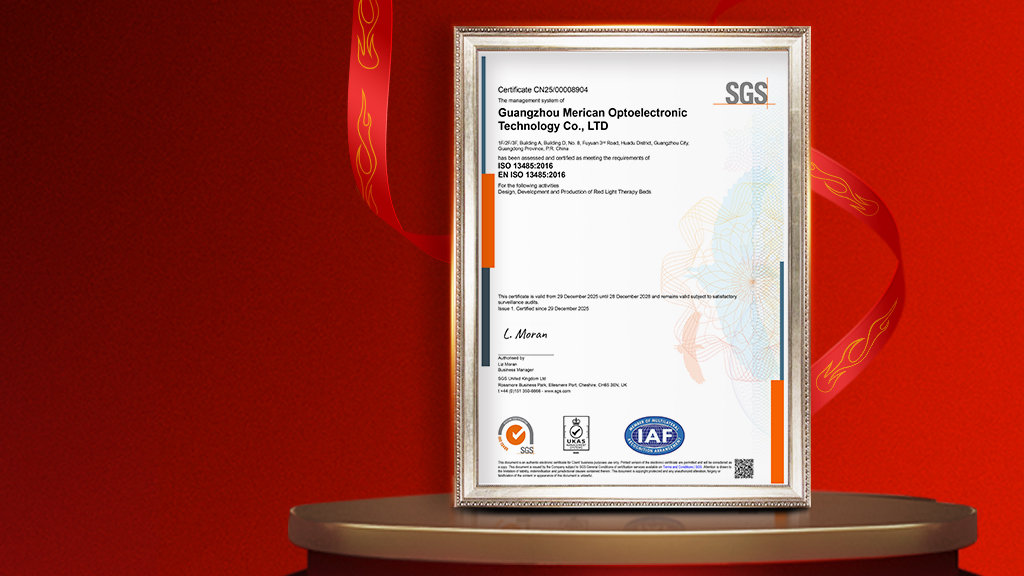
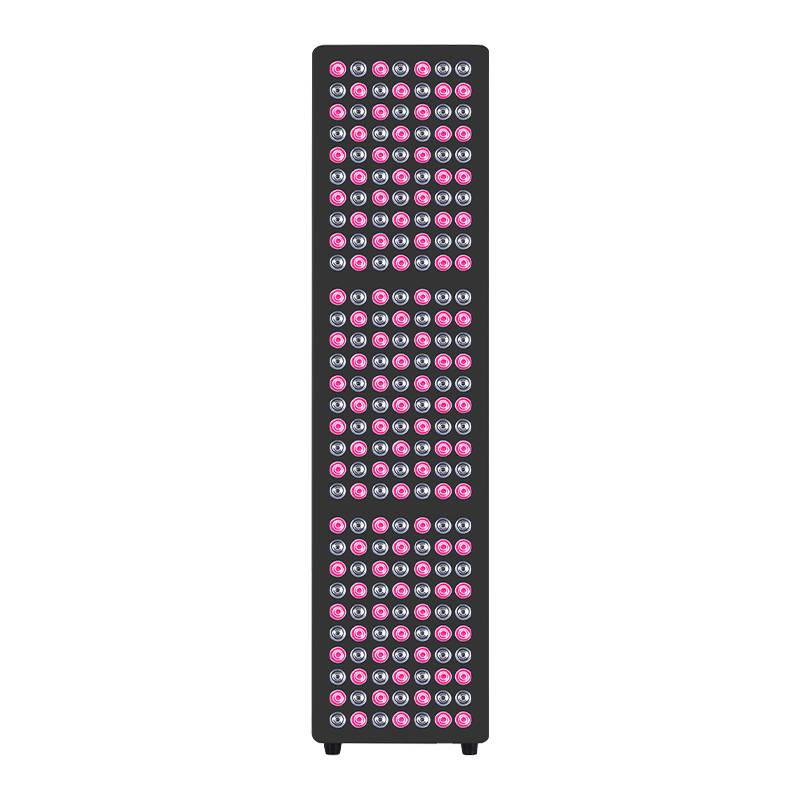
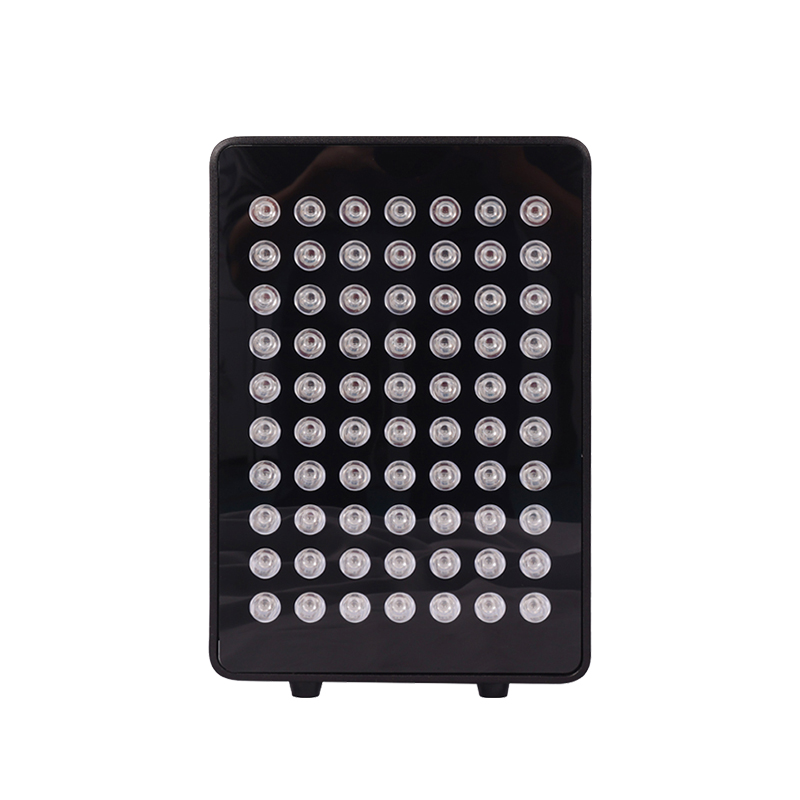
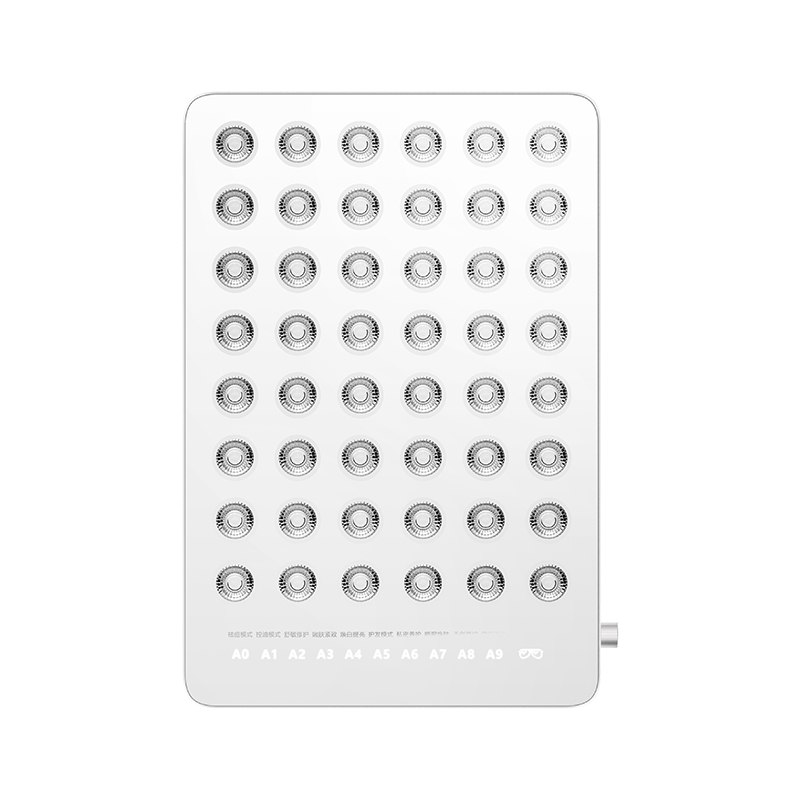
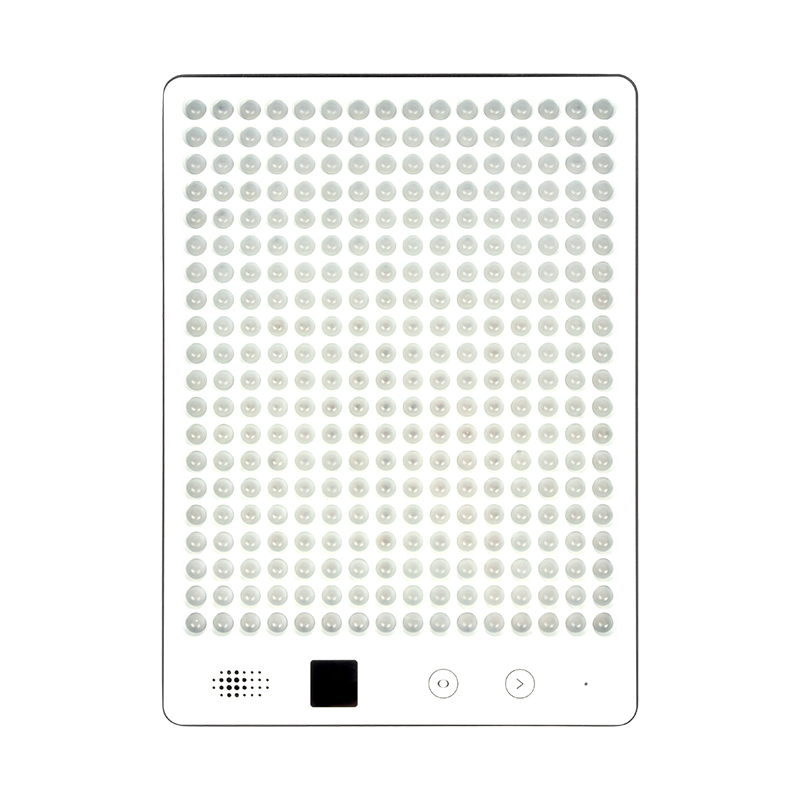
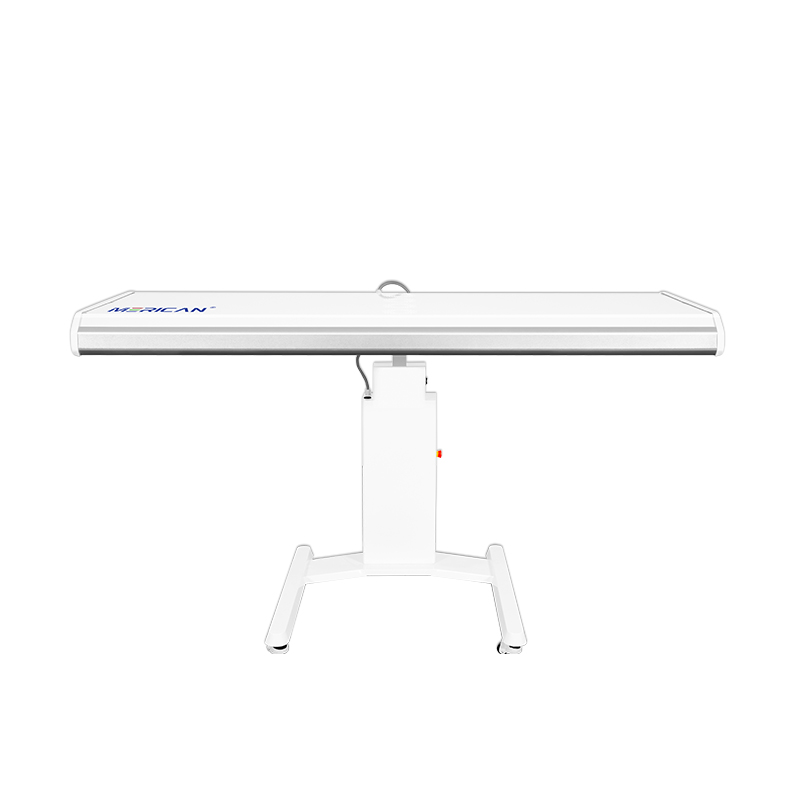
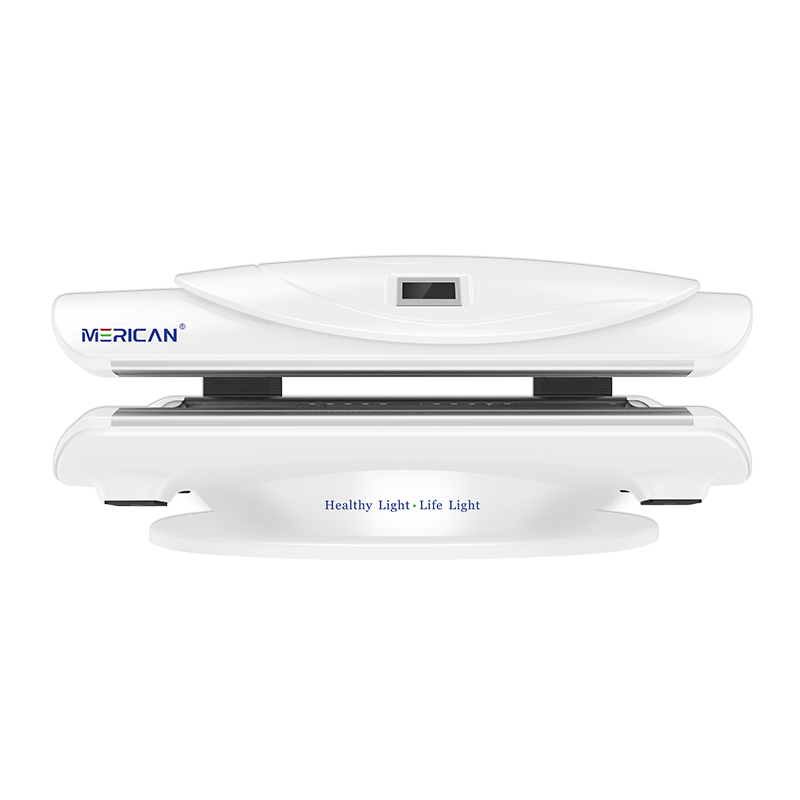
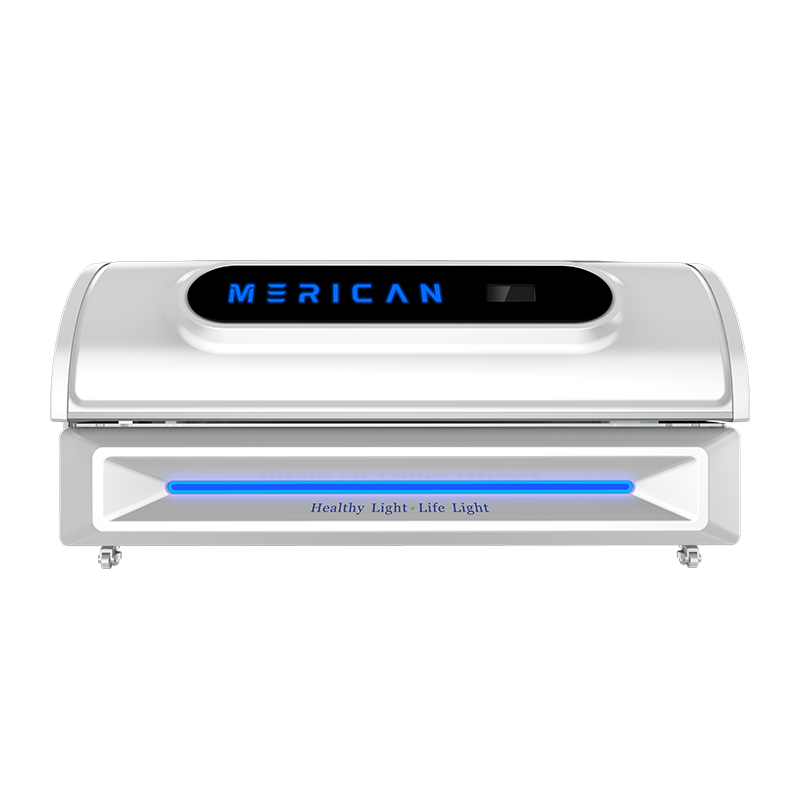
- Device Quality and Safety Concerns: The market is flooded with red light therapy devices of varying quality and safety standards. Using a low-quality or improperly calibrated device can lead to ineffective treatment or even potential harm, such as skin burns or eye damage. It’s crucial to choose a device that has been tested and certified by reputable organizations and to follow the manufacturer’s instructions carefully. Se possibile, seek professional guidance when using red light therapy for tinnitus.
- Potential Interactions with Other Treatments: If you’re already undergoing other treatments for tinnitus, such as medication, terapia del suono, or counseling, la terapia con la luce rossa può interagire con loro in modi inaspettati. Per esempio, it could affect the absorption or metabolism of certain medications or interfere with the effectiveness of sound therapy. It’s essential to consult with your healthcare provider before starting red light therapy to ensure it’s safe and won’t interfere with your current treatment plan.
- Cost and Accessibility Issues: I trattamenti professionali di terapia con luce rossa presso cliniche o spa possono essere costosi, e anche i dispositivi domestici possono richiedere un investimento significativo. Inoltre, l'accesso a dispositivi di alta qualità e alla guida professionale potrebbe essere limitato a seconda della tua posizione, rendendo difficile per alcuni individui provare questa terapia.
Tips for Safe and Effective Red Light Therapy for Tinnitus
If you decide to try red light therapy for tinnitus, ecco alcuni suggerimenti per aiutarti a garantire sicurezza ed efficacia:
- Scegli un dispositivo affidabile da un produttore affidabile e segui attentamente le istruzioni.
- Iniziare con brevi sessioni di trattamento e aumentare gradualmente la durata in base alla tolleranza.
- Consultare un operatore sanitario prima di iniziare il trattamento, soprattutto se soffri di patologie preesistenti o stai assumendo farmaci.
- Monitora la tua risposta alla terapia e modifica il protocollo di trattamento secondo necessità. Se si verificano effetti avversi, interrompere immediatamente il trattamento e consultare il medico.
- Combina la terapia con la luce rossa con altre abitudini di vita sane, such as stress management techniques, una dieta equilibrata, and regular exercise, for optimal tinnitus management.
Conclusione
Red light therapy offers an intriguing potential for tinnitus relief, ma è essenziale affrontarlo con cautela e comprenderne i limiti. By considering factors such as limited research, variabilità individuale, qualità e sicurezza del dispositivo, potential interactions with other treatments, and cost and accessibility issues, puoi prendere una decisione informata se la terapia con la luce rossa è giusta per te. Se decidi di provarlo, assicurarsi di seguire il protocollo terapeutico raccomandato, consultare un operatore sanitario, e monitorare la tua risposta per garantire sicurezza ed efficacia. Ricordare, red light therapy should not replace traditional medical treatments for tinnitus but can be used as a complementary approach under professional guidance.