Hair loss affects millions of people worldwide, leading many to explore non-invasive treatment options. Unter diesen, red light therapy—also known as low-level laser therapy (Lllt)—has gained attention for its potential to stimulate hair growth. But what does the science actually say?
In diesem Artikel, we review clinical studies and evidence behind red light therapy for hair regrowth, including how it works, who it helps, and what results you can realistically expect.
What Is Red Light Therapy for Hair Growth?
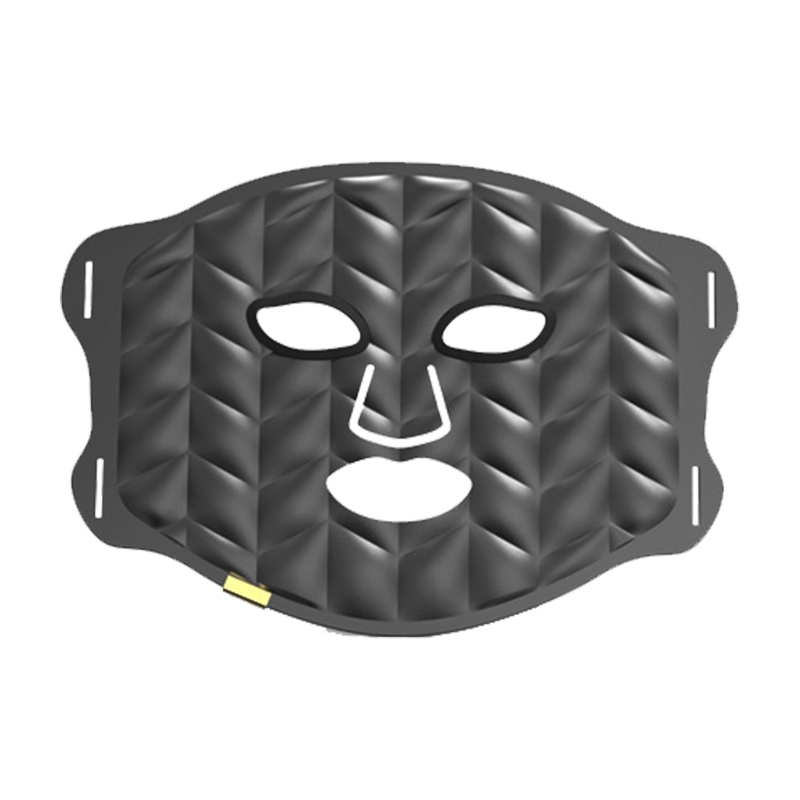
Red light therapy for hair growth typically uses wavelengths in the range of 630–680nm (Rotlicht) and sometimes near-infrared light around 800–850nm. This form of treatment is commonly referred to as LLLT and is delivered through devices like laser caps, Helme, or combs.
It is often used to treat conditions such as Androgenetic Alopecia, also known as male or female pattern baldness.
How Red Light Therapy May Stimulate Hair Growth
Clinical research suggests several biological mechanisms:
1. Increased Cellular Energy (ATP-Produktion)
Red light stimulates mitochondria in hair follicle cells, increasing energy production and promoting growth.
2. Verbesserte Durchblutung
Better blood flow delivers oxygen and nutrients to hair follicles.
3. Prolongation of the Growth Phase (Anagen Phase)
Red light may help keep hair follicles in the active growth phase longer.
4. Reduzierte Entzündung
Chronic scalp inflammation can contribute to hair loss. Red light therapy may help reduce this.
What Do Clinical Studies Show?
Several clinical trials have evaluated the effectiveness of red light therapy for hair growth:
Randomized Controlled Trials (RCTs)
Multiple RCTs have shown that LLLT devices can significantly increase hair density and thickness compared to placebo devices.
Participants using red light therapy devices for 16–26 weeks often experienced:
- Increased hair count
- Improved hair thickness
- Reduced shedding
FDA-Cleared Devices
Several LLLT devices have received FDA clearance for treating pattern hair loss, indicating they are considered safe and potentially effective when used as directed.
Meta-Analyses and Reviews
Systematic reviews suggest that red light therapy is a promising, Nicht-invasive Behandlung, though results can vary depending on device quality and treatment consistency.
Who Benefits Most from Red Light Therapy?
Clinical evidence suggests the best results occur in:
- Einzelpersonen mit early to moderate hair loss
- Patients with androgenetische Alopezie
- People who use the therapy consistently over several months
It may be less effective for:
- Advanced baldness
- Scarring alopecia
- Complete follicle inactivity
Wie lange dauert es, bis Ergebnisse sichtbar sind??
Most studies report visible improvements after:
- 8–12 Wochen (early changes)
- 16–26 weeks (more significant results)
Consistency is key—most protocols recommend 3–5 Sitzungen pro Woche.
Limitations of Current Research
While promising, research still has limitations:
- Variability in device types and wavelengths
- Small sample sizes in some studies
- Differences in treatment protocols
More long-term, large-scale studies are needed to fully establish effectiveness.
Is It Better Than Other Hair Loss Treatments?
Red light therapy is often used alongside other treatments, wie zum Beispiel:
- Topical solutions (like minoxidil)
- Oral medications
- Nutritional support
It is best viewed as a Komplementärtherapie, not a standalone cure.
Letzte Gedanken
Clinical studies suggest that red light therapy can support hair growth, particularly in individuals with early-stage pattern hair loss. While it is not a miracle cure, es bietet einen Safe, non-invasive option with growing scientific backing.
Für beste Ergebnisse, Konsistenz, device quality, and realistic expectations are essential.