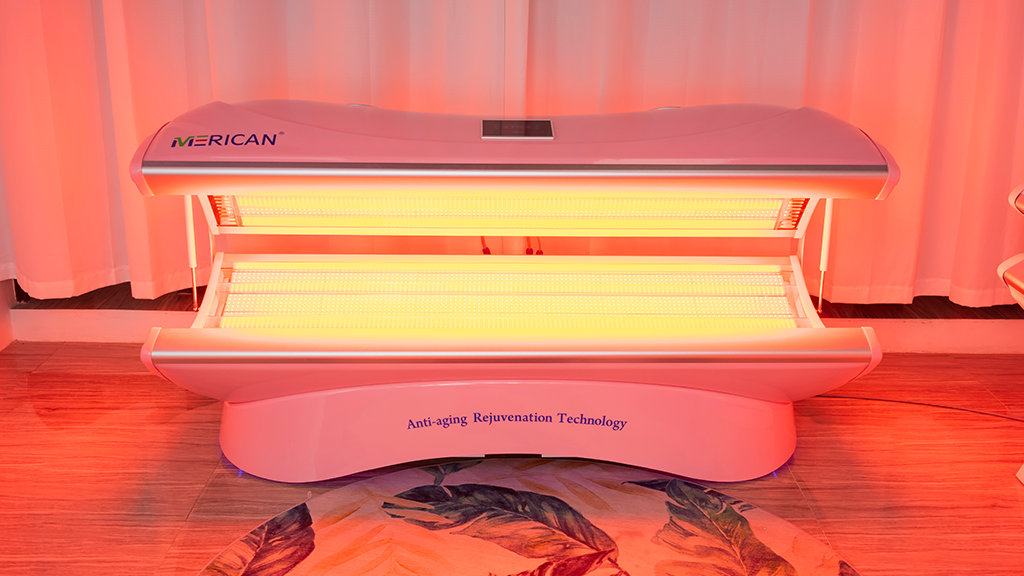
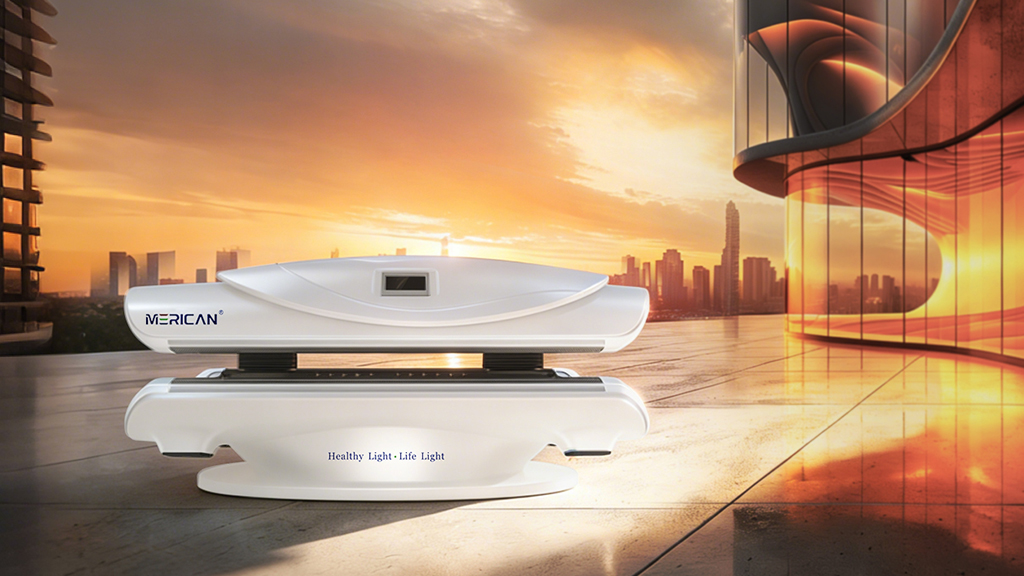
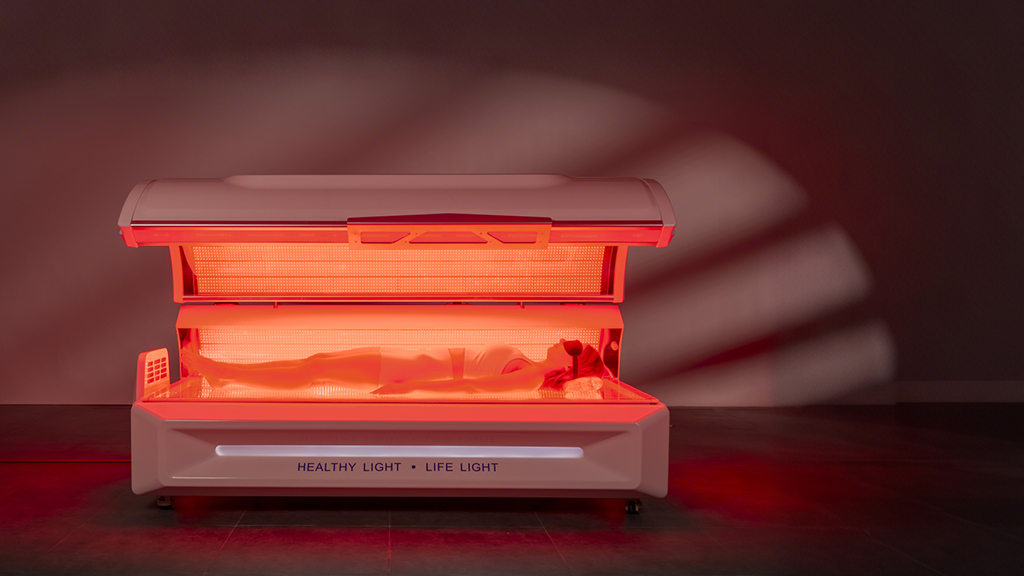
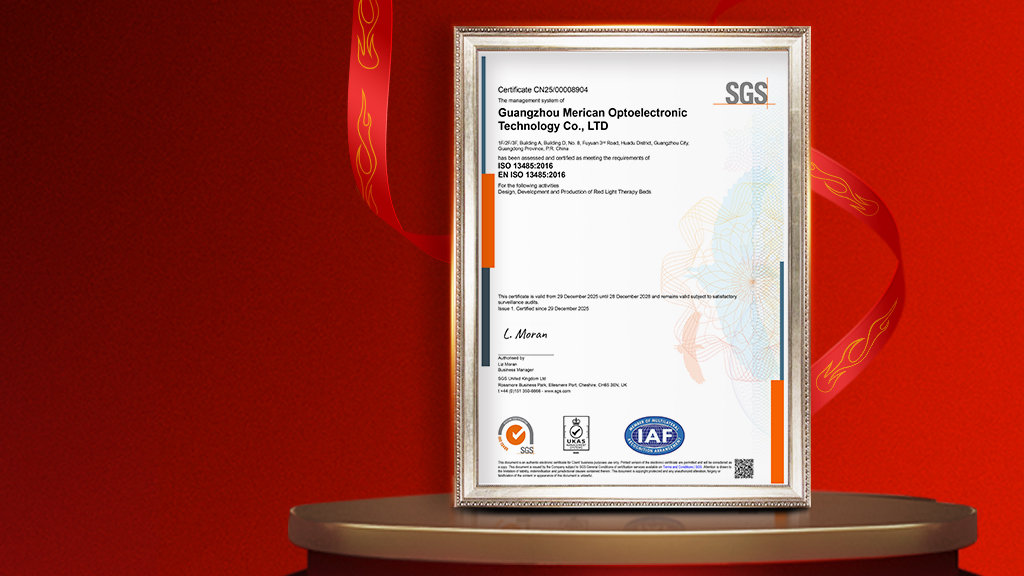
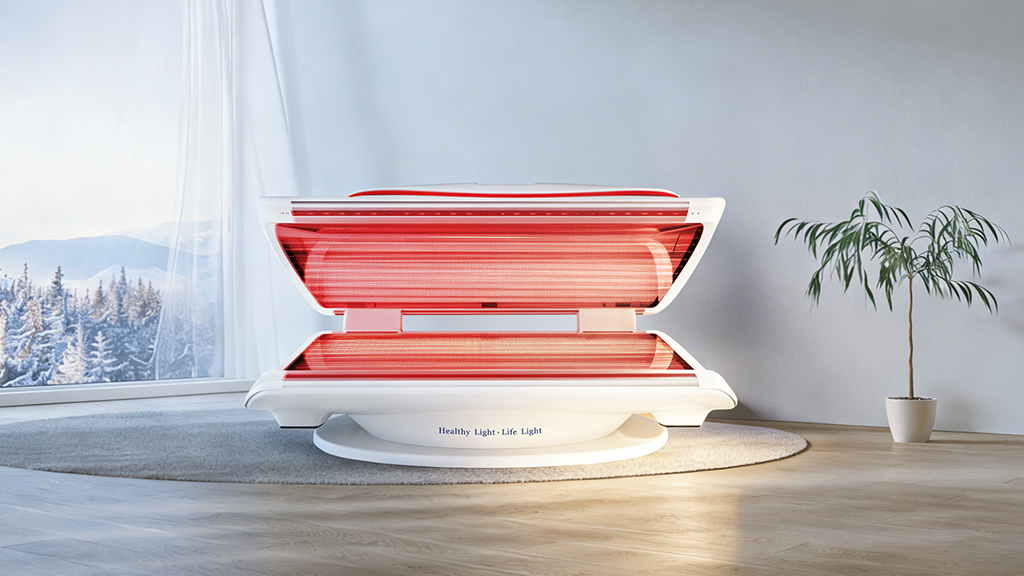
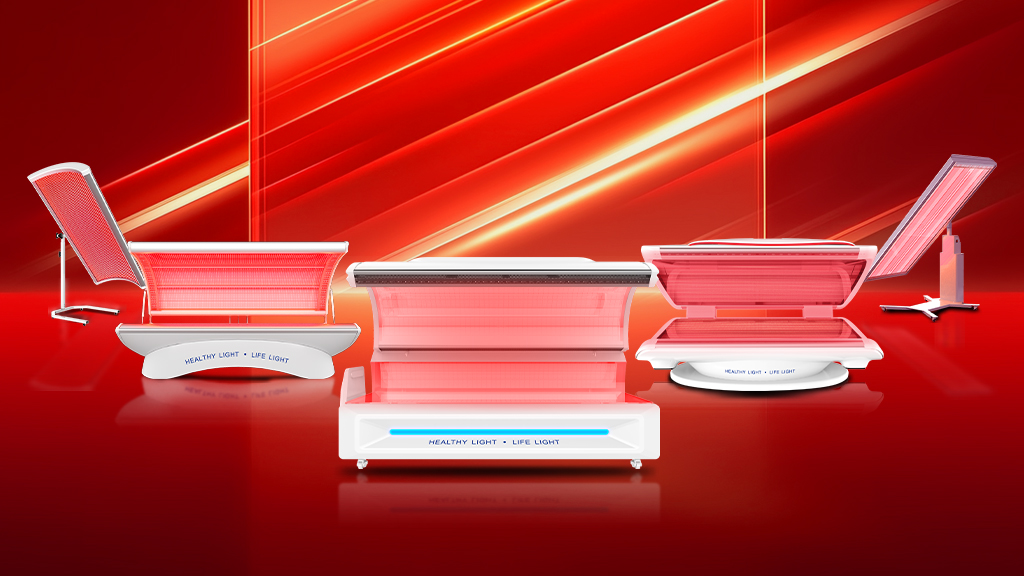
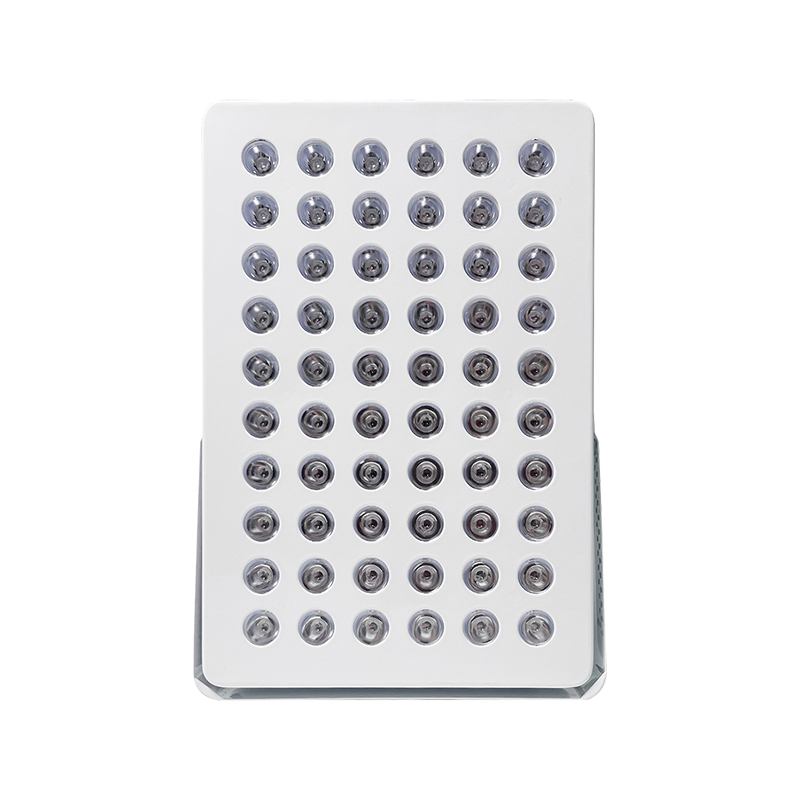
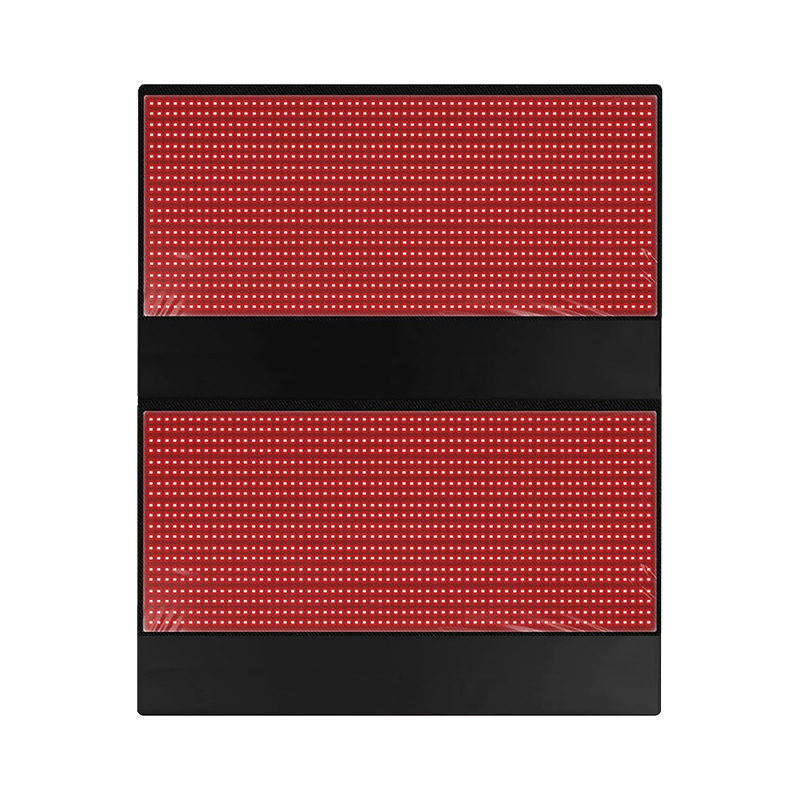
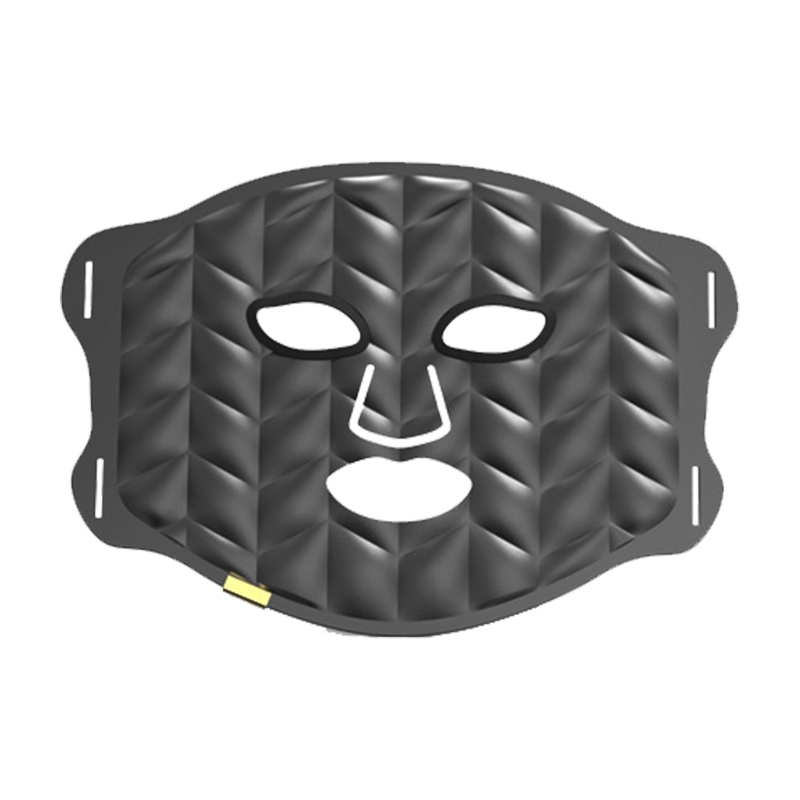
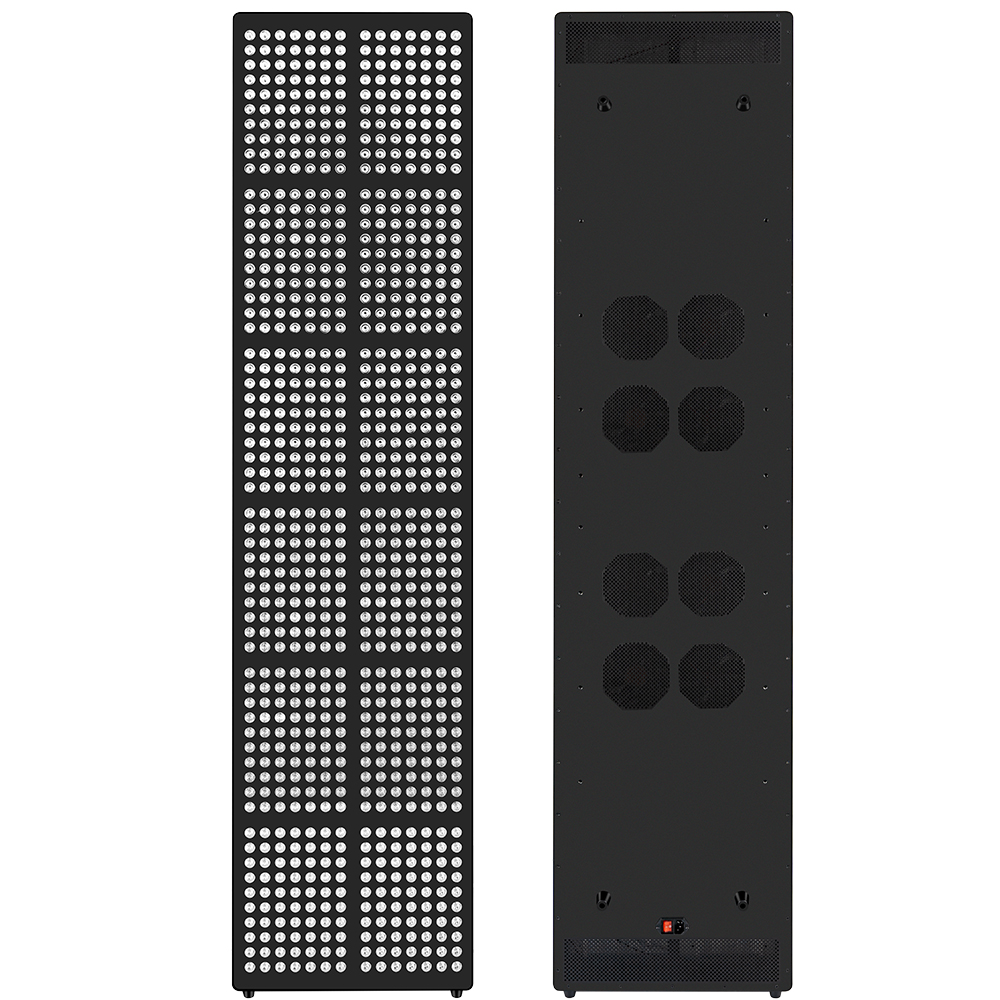
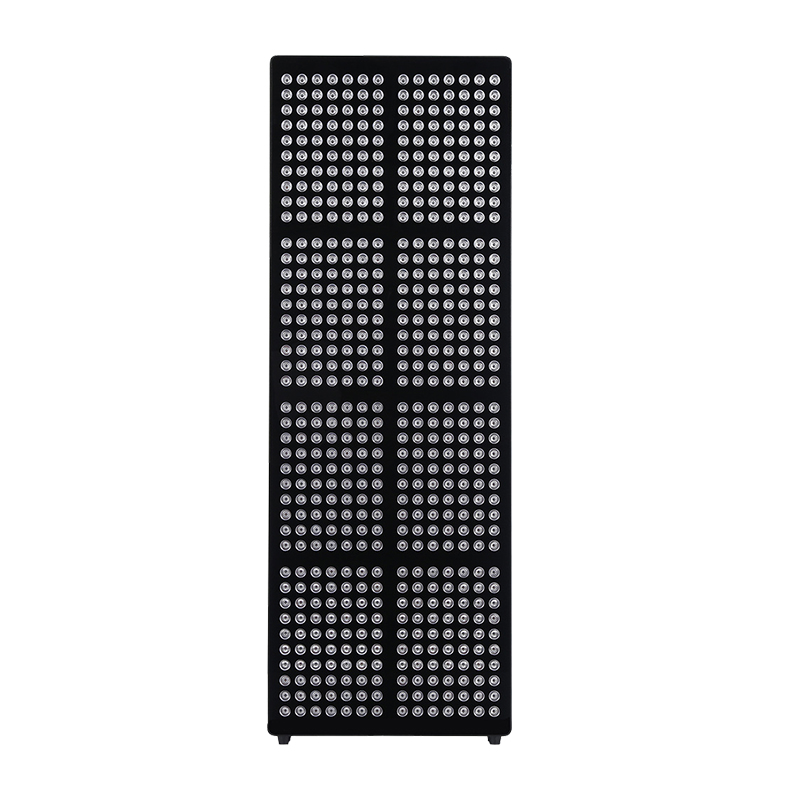
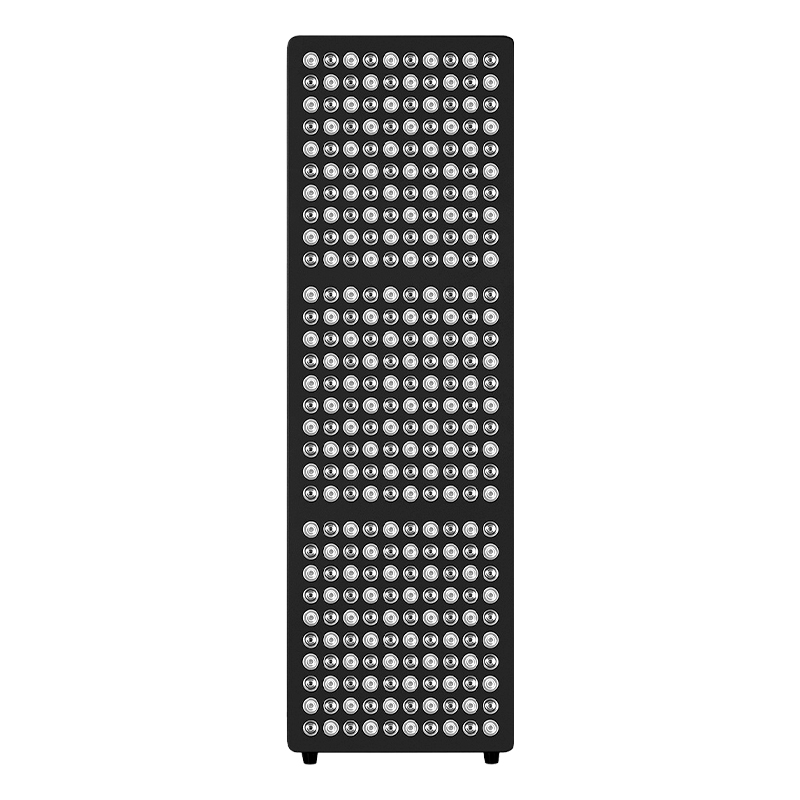
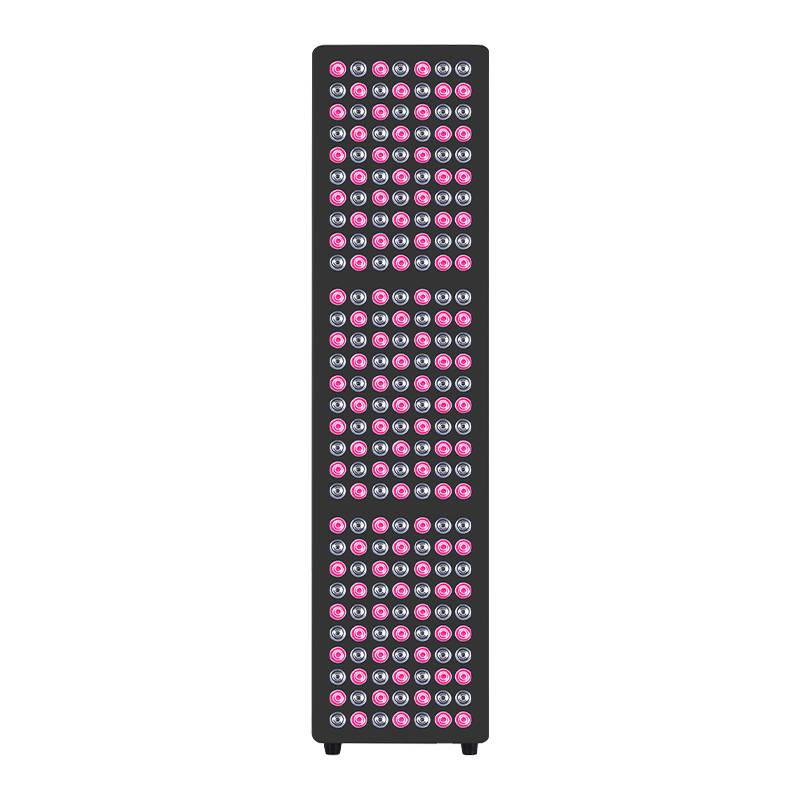
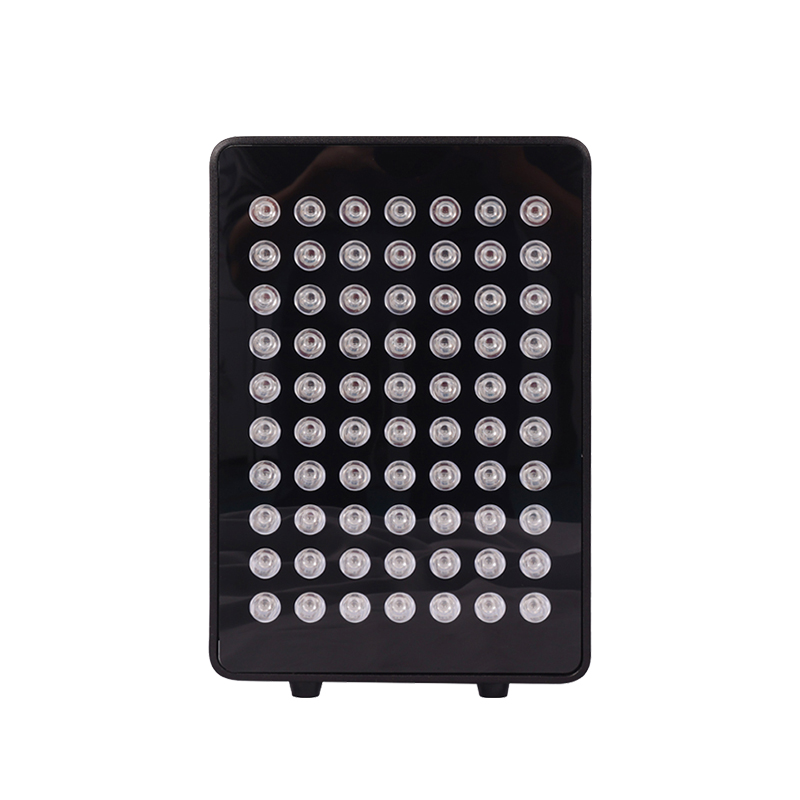
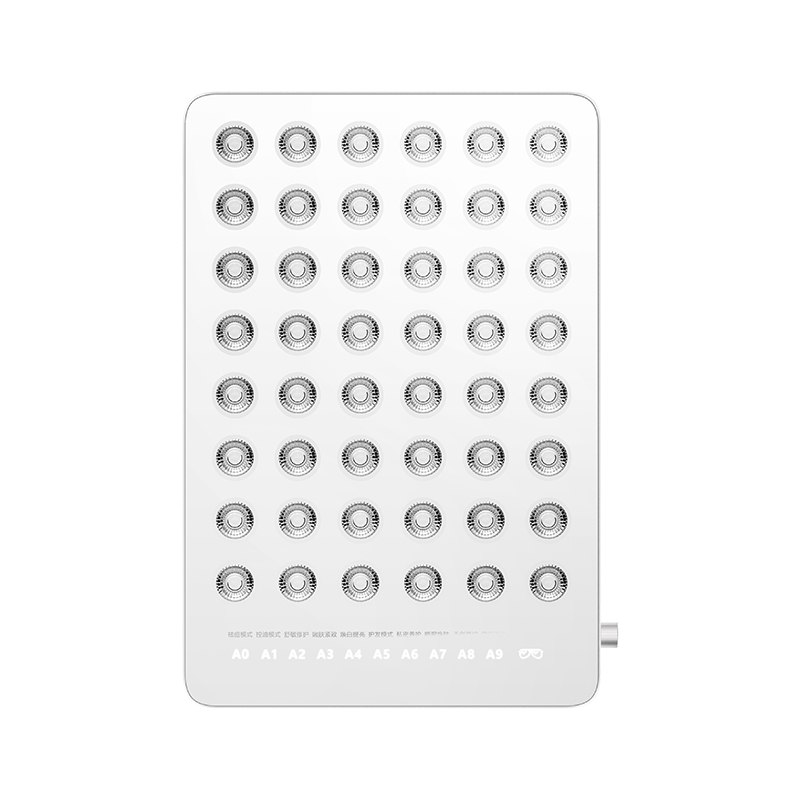
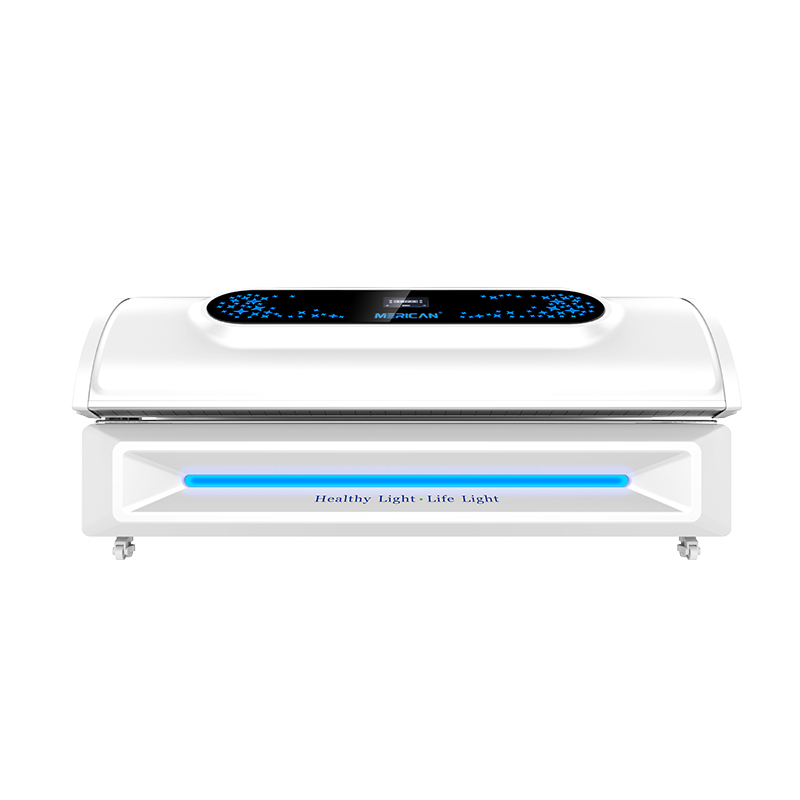
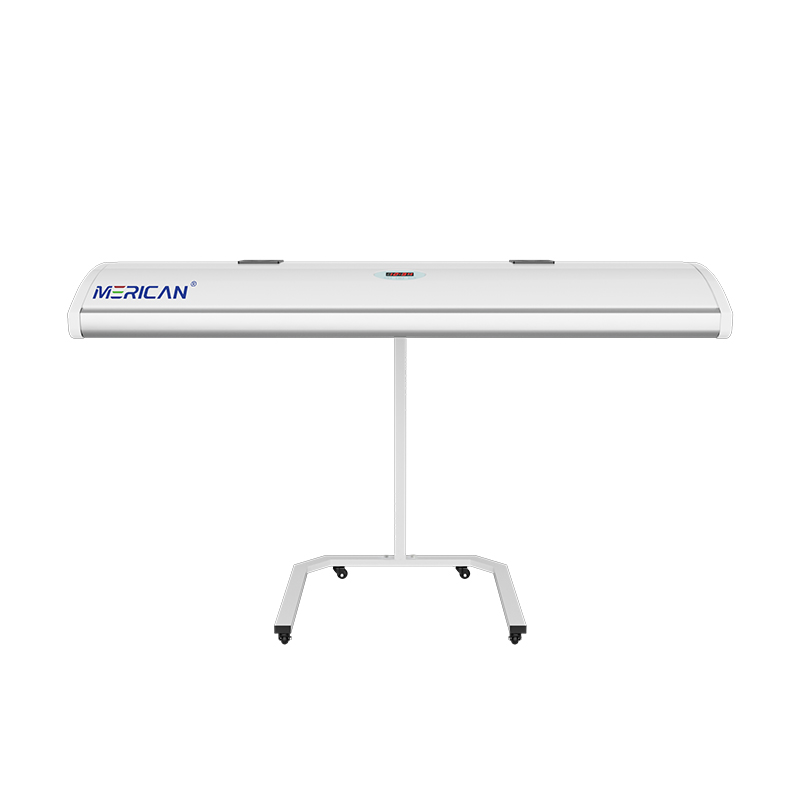
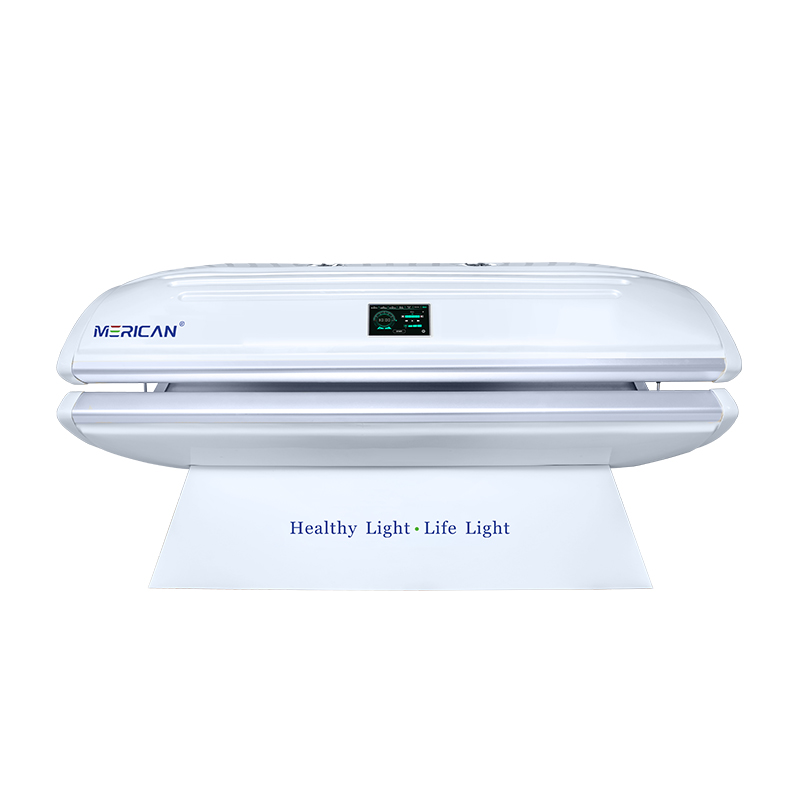
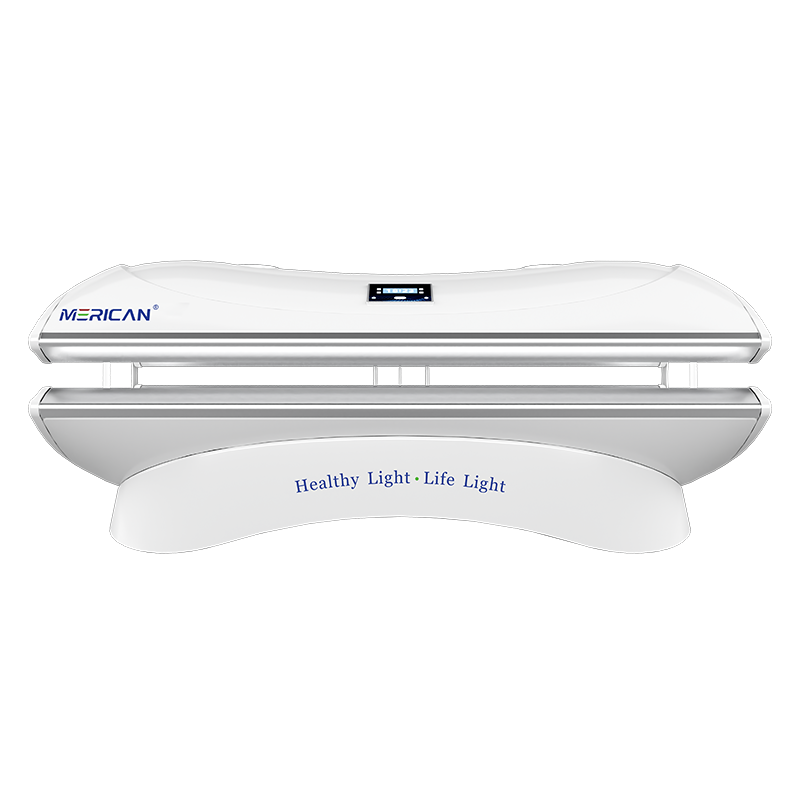
NEIN, Rotlichttherapie Und Solarien are not the same, und sie dienen ganz unterschiedlichen Zwecken. Hier finden Sie eine Aufschlüsselung der wichtigsten Unterschiede:
1. Art des Lichts
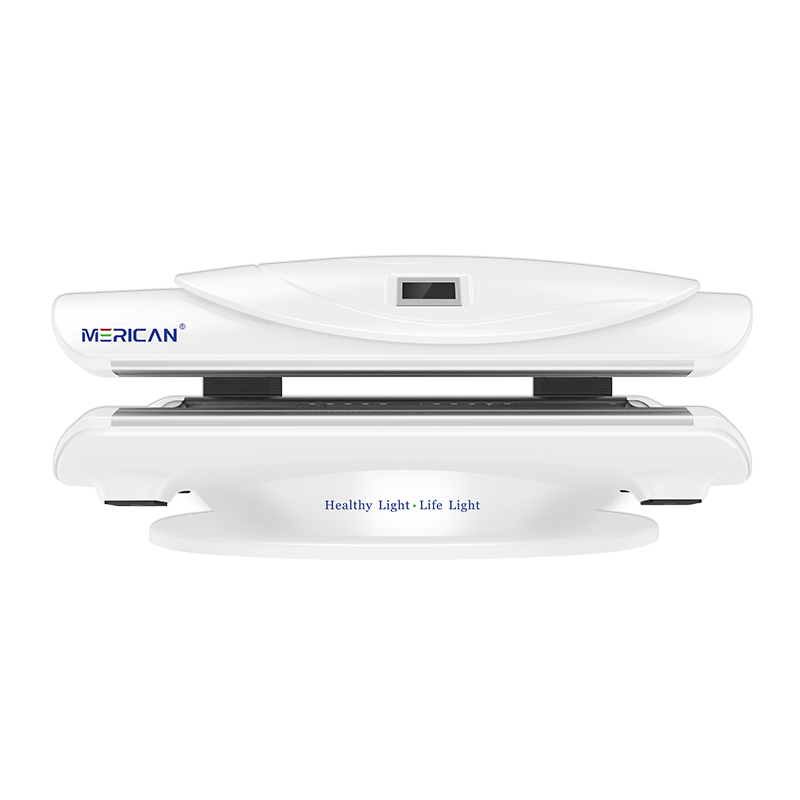
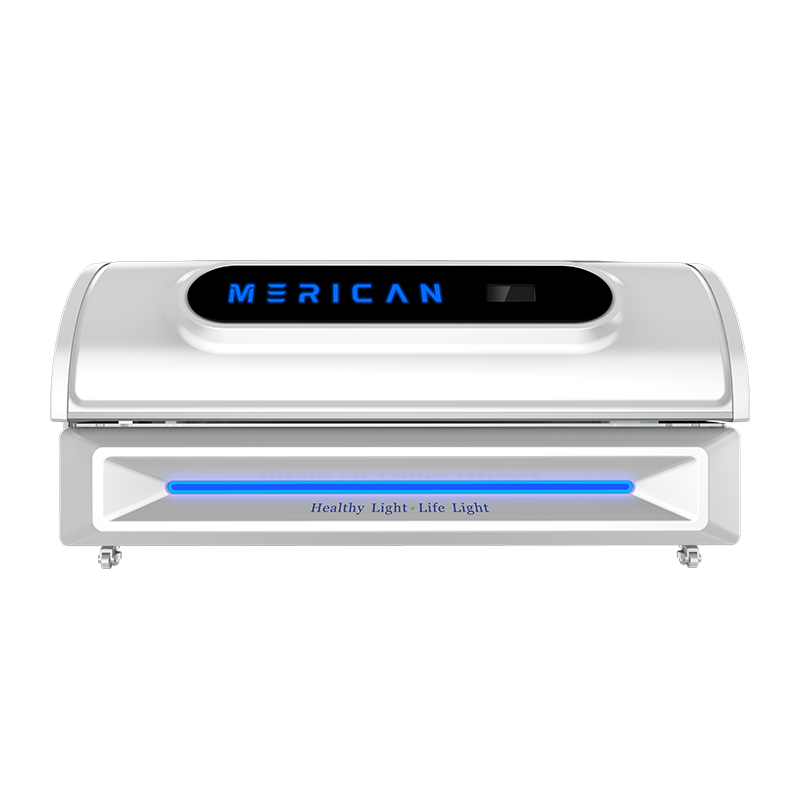
- Solarien: Tanning beds primarily use Ultraviolett (UV) Licht, insbesondere UVA- und UVB-Strahlen, to stimulate the skin’s production of melanin, which results in a tan. Prolonged UV exposure can increase the risk of skin damage, vorzeitiges Altern, und Hautkrebs.
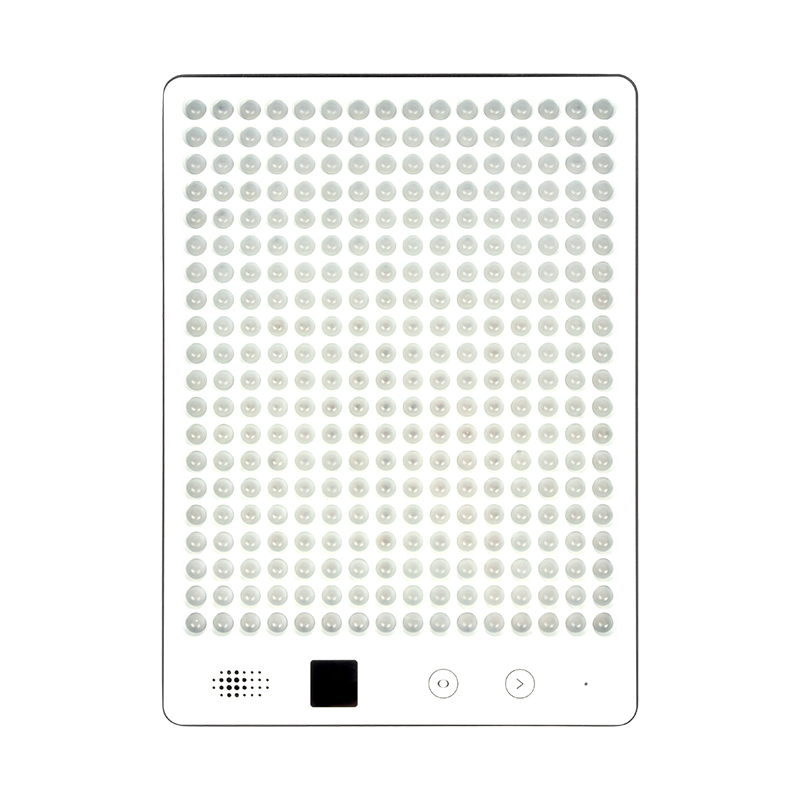
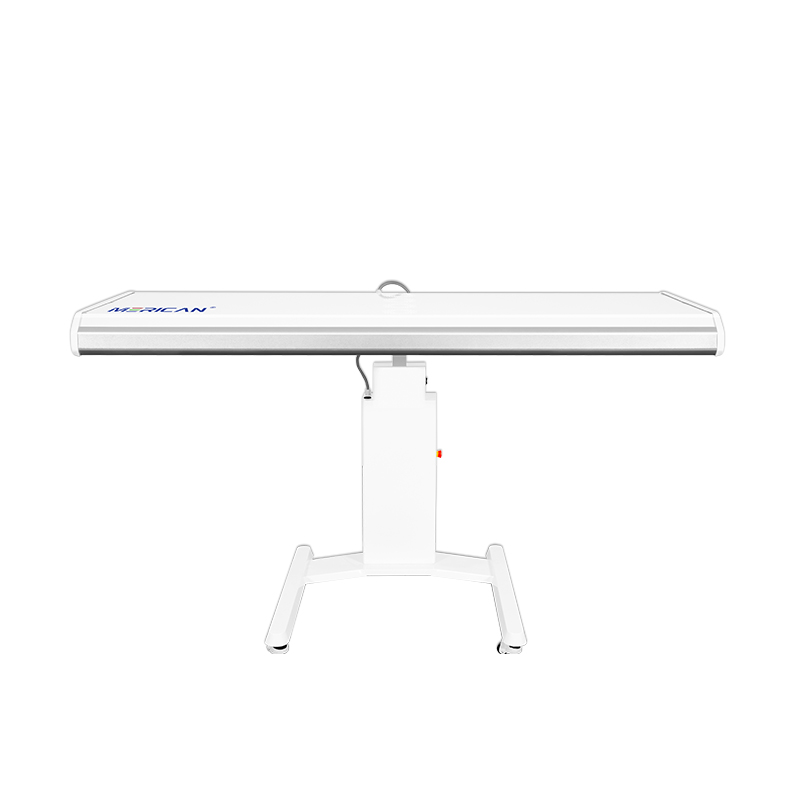
- Rotlichttherapie: Rotlichttherapie verwendet low-wavelength red light (typically between 630–700 nm), which does not cause tanning or damage the skin. This light is designed to penetrate the skin’s surface and stimulate biological processes like Kollagenproduktion, Zellreparatur, Und Wundheilung.
2. Zweck
- Solarien: The primary purpose of tanning beds is to tan the skin by promoting melanin production. UV rays in tanning beds stimulate pigmentation, darkening the skin. Some tanning beds also offer a combination of UV and red light for additional benefits like anti-aging or skin rejuvenation.
- Rotlichttherapie: The goal of red light therapy is not to tan the skin but to promote Hautgesundheit, reduzieren Falten, Hautton verbessern, aid in Schmerzlinderung, and help with Wundheilung. It’s often used for therapeutic purposes such as improving circulation, Entzündungen reduzieren, and accelerating recovery from injuries.
3. Wirkung auf die Haut
- Solarien: Tanning beds expose the skin to UV radiation, which can cause damage over time, einschließlich vorzeitiger Alterung (Falten, Feine Linien, und Hyperpigmentierung), increased risk of sunburn, and a higher risk of developing Hautkrebs (especially with excessive or unprotected use).
- Rotlichttherapie: Red light therapy is generally considered safe for the skin and does not cause sunburn or tanning. Stattdessen, it promotes healing, Kollagenproduktion, und Gewebereparatur. It’s commonly used to treat Akne, Narbenbildung, Und Feine Linien and is believed to have rejuvenating effects on the skin.
4. Risiko
- Solarien: Tanning beds come with significant health risks because they use UV light. Overexposure to UV rays increases the risk of Hautkrebs, besonders melanoma, and can lead to premature aging of the skin. Tanning beds are generally not recommended by dermatologists.
- Rotlichttherapie: Rotlichttherapie wird berücksichtigt sicher, with very low risks of side effects when used properly. It doesn’t carry the same risks as UV exposure, and most people can use red light therapy without significant issues. Jedoch, some people may experience minor side effects like mild redness or irritation, particularly if used for too long.
5. Duration and Frequency
- Solarien: Sessions in a tanning bed can last from 5 Zu 20 Minuten, depending on the type of bed and the intensity of the UV rays. Overuse can result in skin damage.
- Rotlichttherapie: Red light therapy sessions typically last from 5 Zu 20 Minuten as well, depending on the device and intended treatment area. Für optimale Ergebnisse, sessions are often done several times per week over a period of time.
In Summary:
- Solarien verwenden UV-Licht to tan the skin, which comes with risks such as skin damage, Altern, and cancer.
- Rotlichttherapie verwendet non-UV red light Für die Hautverjüngung, Heilung, and other therapeutic benefits, with no tanning or harmful side effects.
If your goal is to tan, you’ll need to use a Solarium with UV light. If you’re looking for Heilung der Haut, Anti-Aging, oder Schmerzlinderung, Dann Rotlichttherapie is the right option.