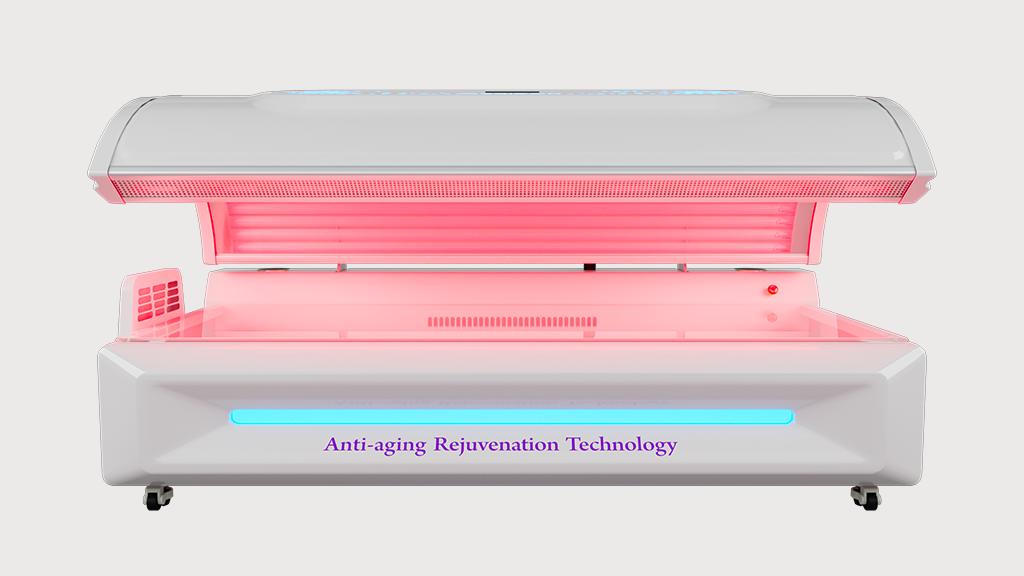
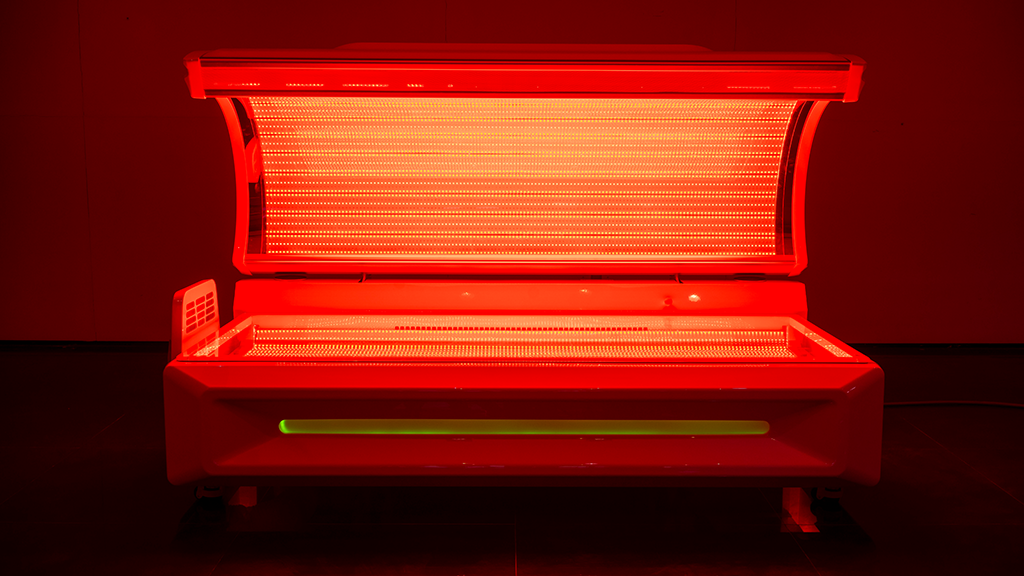
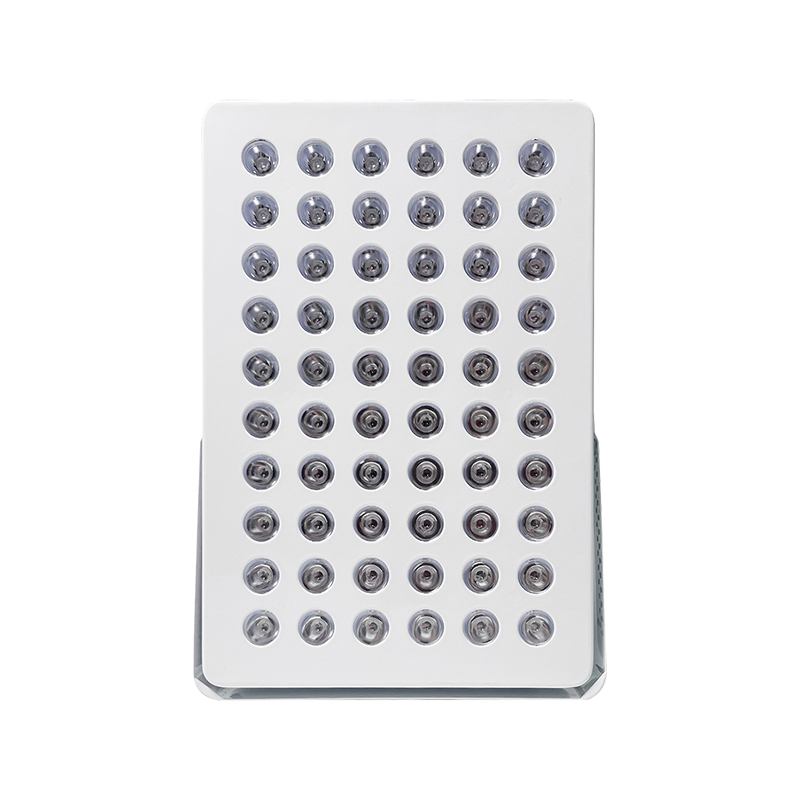
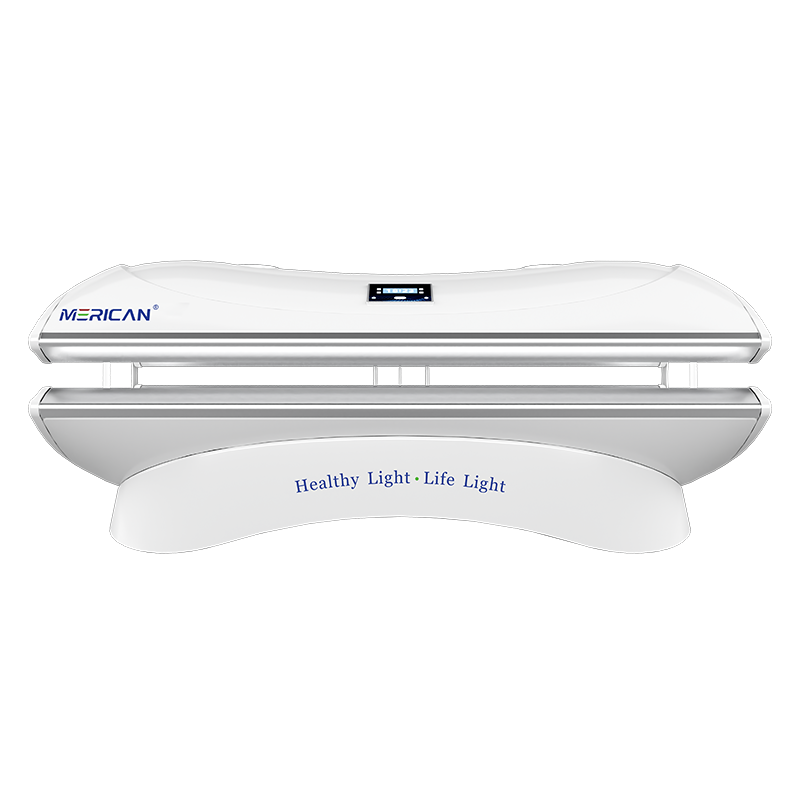
Rotlichttherapie (RLT), Auch als Lasertherapie auf niedriger Ebene bekannt (Lllt) oder Photobiomodulation, is gaining recognition as a powerful tool in supporting the body’s natural healing processes. One of its most promising applications is in promoting wound healing — from minor cuts and abrasions to chronic ulcers and post-surgical recovery.
Wie die Rotlichttherapie funktioniert
Red light therapy uses specific wavelengths of red and near-infrared light (Typischerweise 630–850 nm) that penetrate the skin without causing damage. When absorbed by the body’s cells, particularly in the mitochondria, this light stimulates a series of beneficial biological effects, einschließlich:
- Erhöhte ATP-Produktion: Steigert die Zellenergie, helping repair tissues faster.
- Verbesserte Durchblutung: Delivers more oxygen and nutrients to the wound site.
- Reduzierte Entzündung: Calms the immune response, minimizing tissue damage.
- Kollagenstimulation: Supports the regeneration of skin and connective tissue.
- Antibacterial Effects: Helps prevent infection at the wound site.
Scientific Evidence Supporting Wound Healing
Numerous clinical studies support the use of red light therapy in wound care. Zum Beispiel:
- A study published in Photomedizin und Laserchirurgie showed that diabetic patients with foot ulcers experienced significantly faster healing with red light therapy compared to conventional treatment.
- Another trial involving post-operative patients found reduced healing time and improved scar quality in those receiving regular RLT sessions.
These results suggest red light therapy is especially useful for:
- Surgical incisions
- Verbrennungen
- Pressure ulcers (bedsores)
- Diabetic wounds
- Skin graft healing
Sicher und nicht invasiv
One of the key benefits of red light therapy is that it’s non-invasive, schmerzlos, und drogenfrei. It can be used in clinical settings or with FDA-cleared home-use devices. Most users experience no side effects, although it’s important to follow recommended guidelines for duration and frequency.
Ideal Treatment Protocol
For wound healing, Typischerweise wird eine Rotlichttherapie angewendet:
- 3–5 Mal pro Woche
- 10–20 Minuten pro Sitzung
- Benutzen Rotlicht (630–660 nm) oder Leinesblattlicht (810–850 nm) for deeper tissue repair.
Always consult with a medical professional when using red light therapy to treat open wounds or chronic skin conditions.
Letzte Gedanken
Red light therapy offers a scientifically backed, non-invasive solution to accelerate wound healing and tissue regeneration. Whether you’re recovering from surgery, managing chronic wounds, or simply treating everyday skin injuries, red light therapy can be a valuable part of your recovery toolkit.