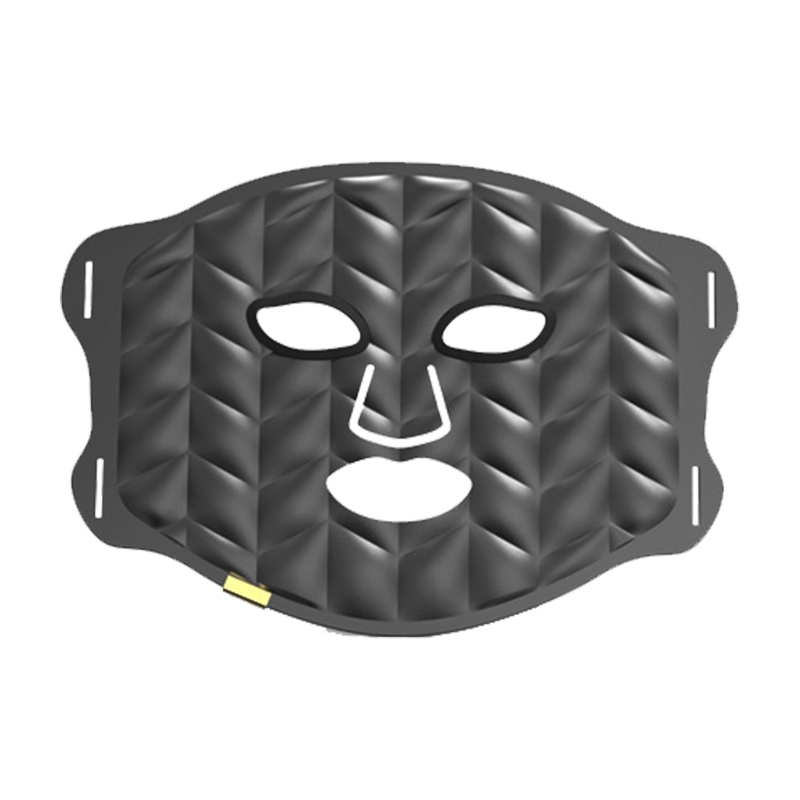
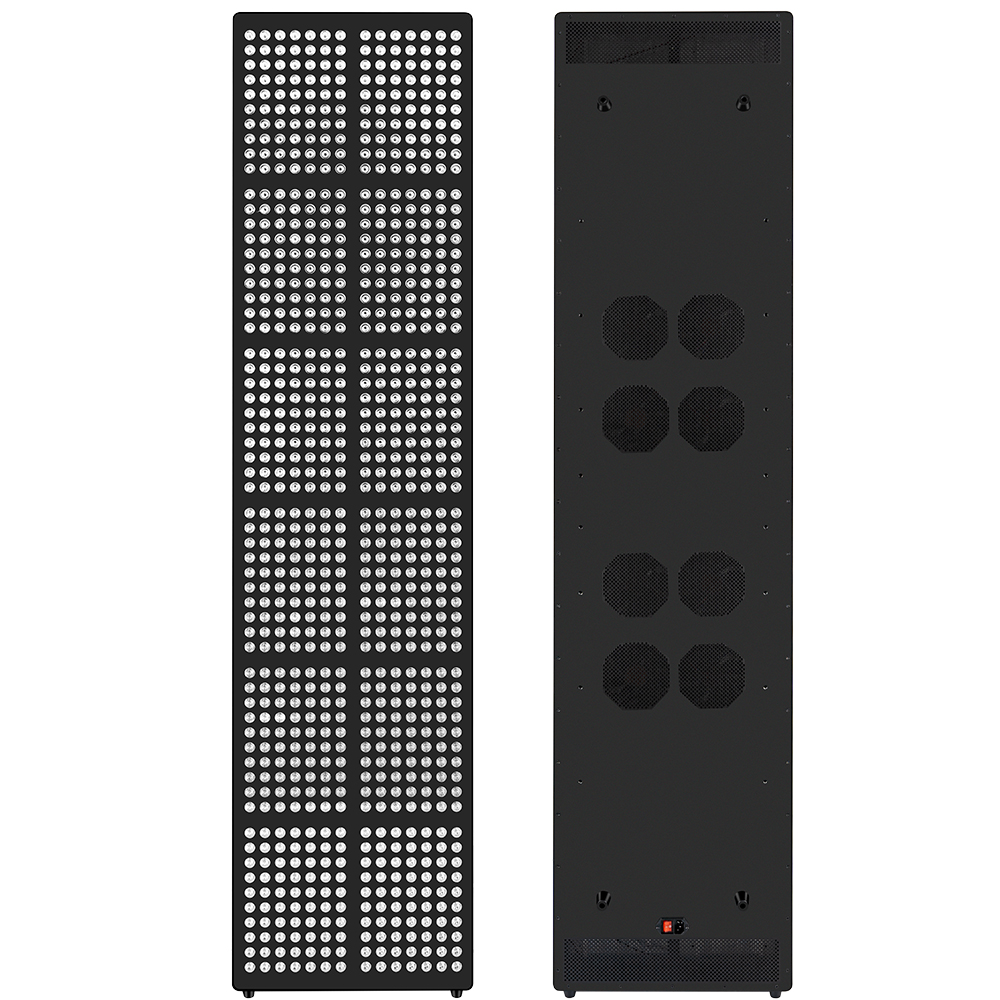
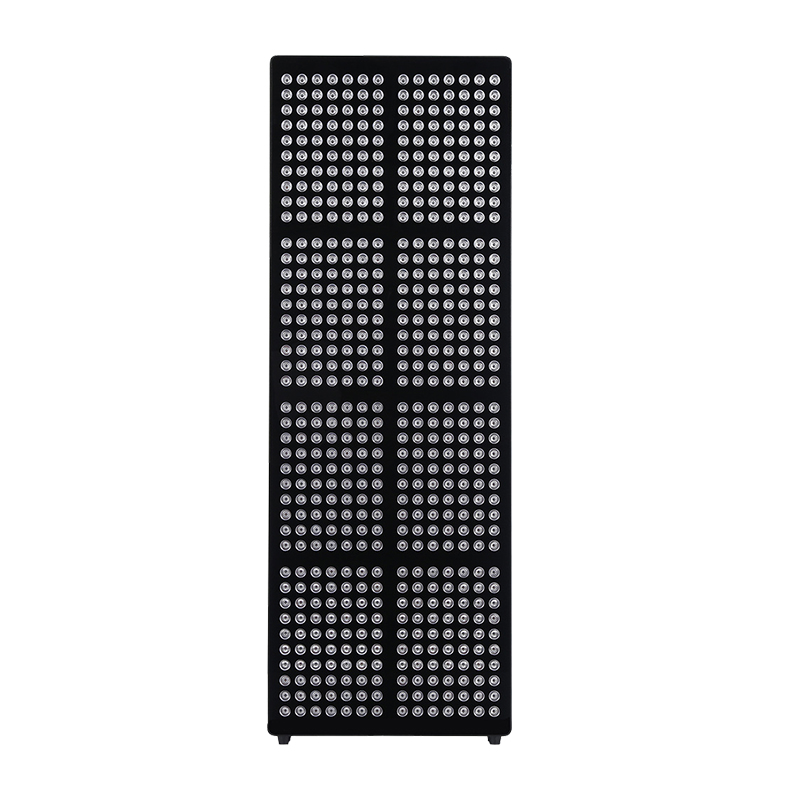
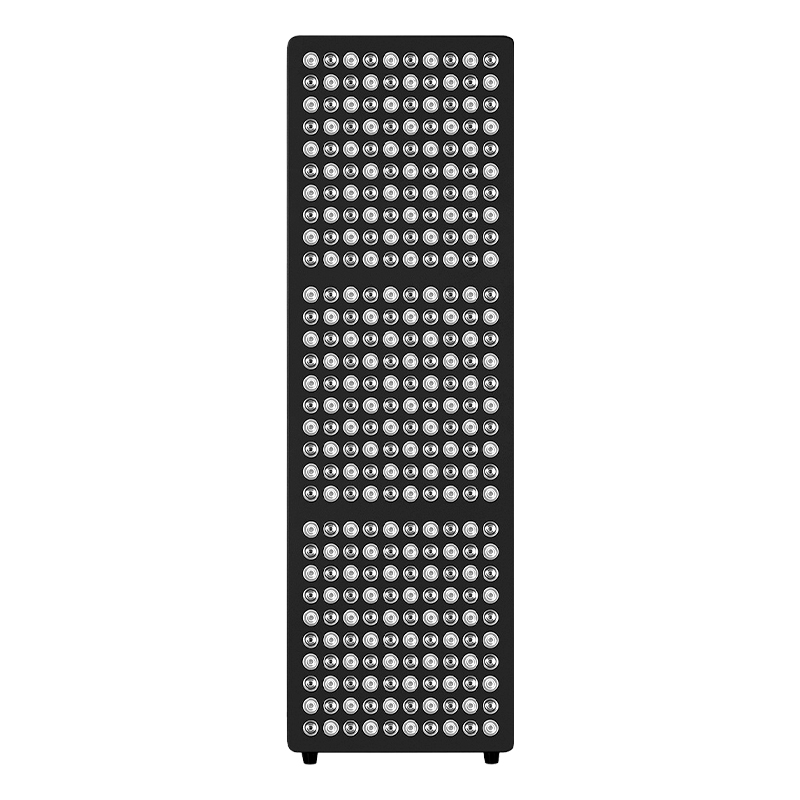
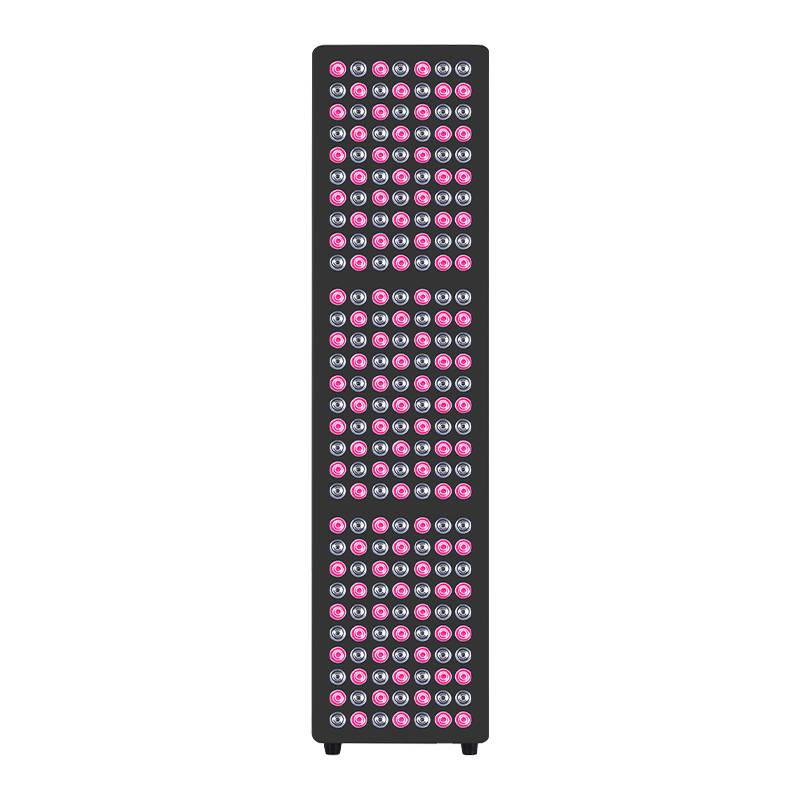
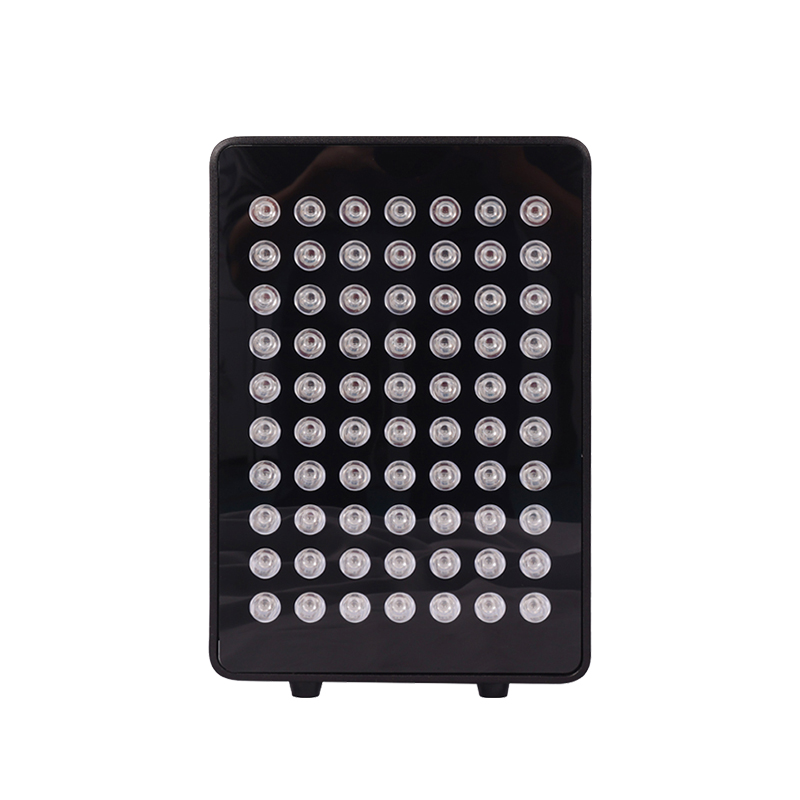
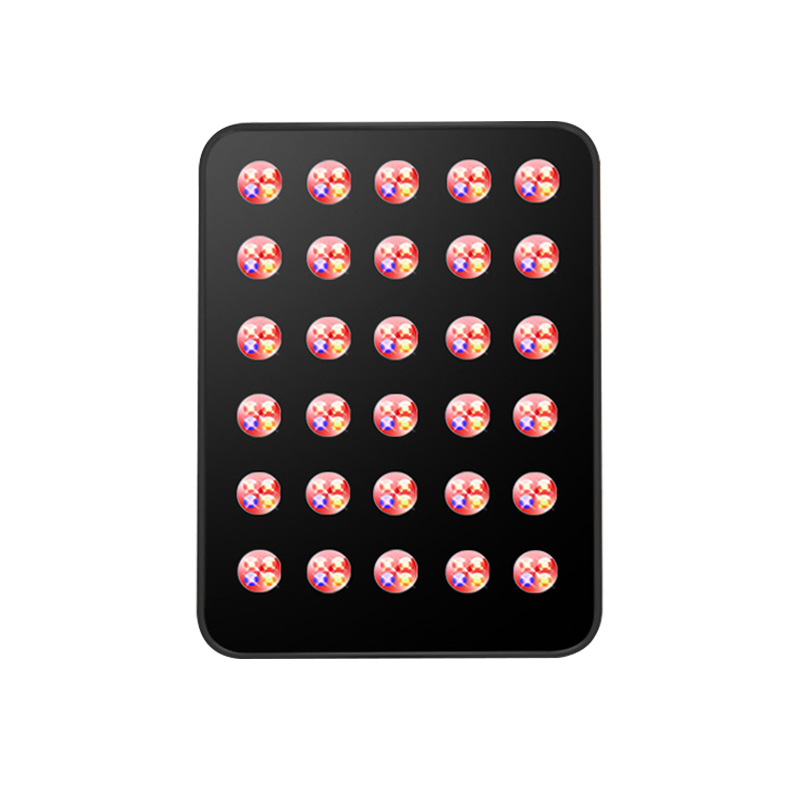
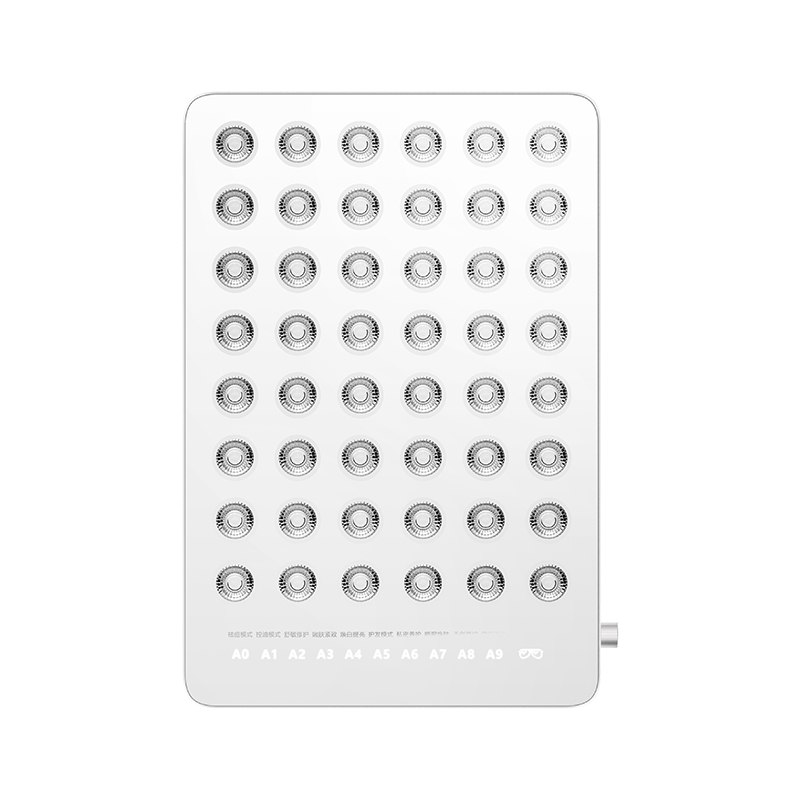
Lichttherapie, auch als Phototherapie bekannt, hat in den letzten Jahren aufgrund seines Potenzials, eine Vielzahl von Beschwerden zu lindern, an Popularität gewonnen, einschließlich Schmerzen und Depressionen. Der Einsatz unterschiedlicher Lichtfarben in der Therapie basiert auf der Idee, dass unterschiedliche Lichtwellenlängen spezifische therapeutische Wirkungen auf Körper und Geist haben können. Hier ist ein kurzer Überblick über die Wirkung von drei gängigen Lichtfarben, die in der Lichttherapie verwendet werden:
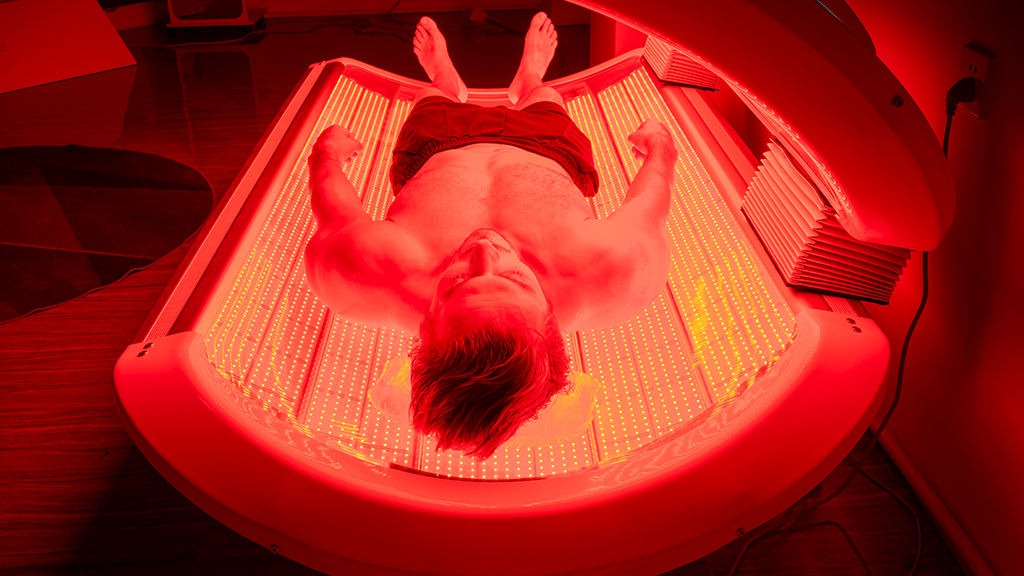
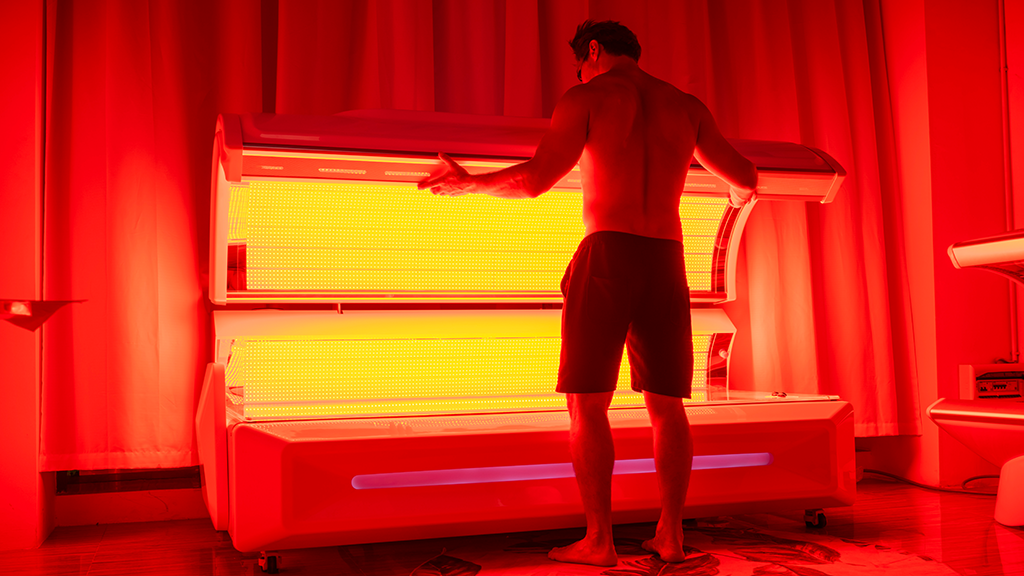
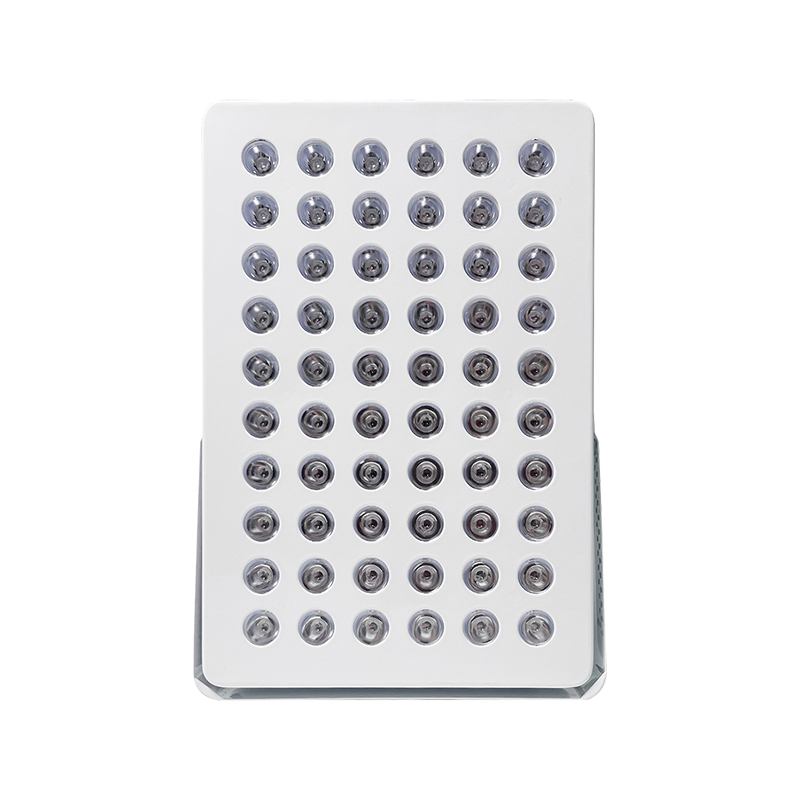
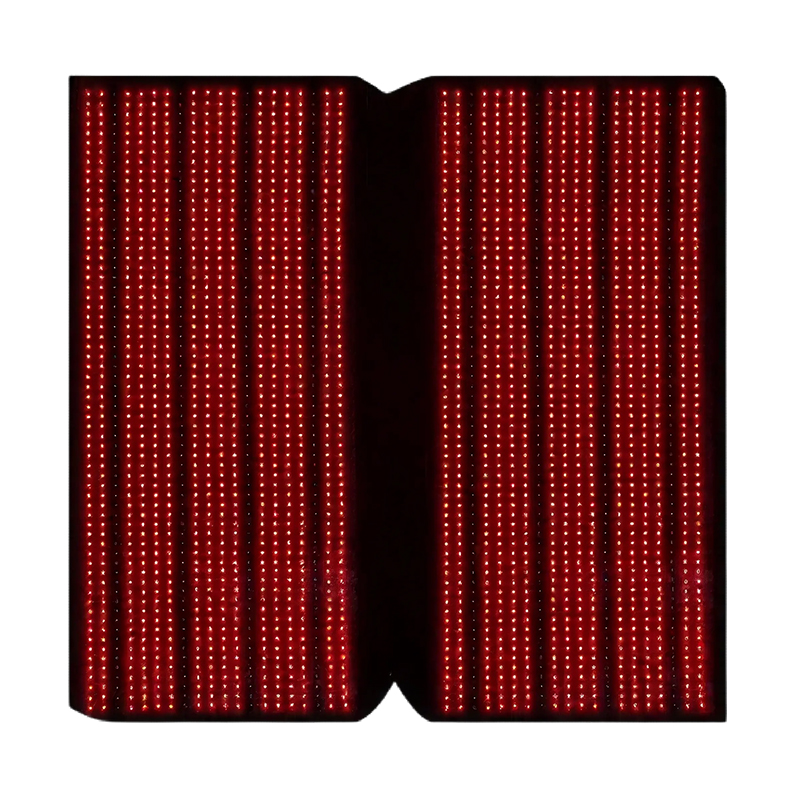
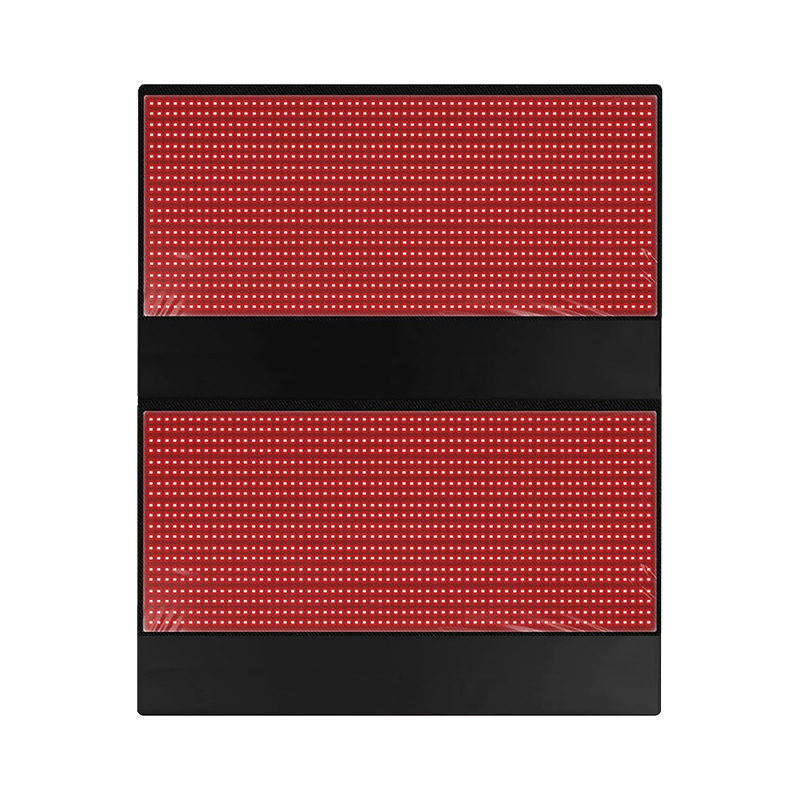
- Rotlichttherapie: Rotlicht, welches eine längere Wellenlänge hat, ist für seine Fähigkeit bekannt, tiefer in die Haut und das Gewebe einzudringen. Es wird häufig zur Behandlung einer Reihe von Erkrankungen eingesetzt, einschließlich chronischer Schmerzen, Muskelkater, und Hautprobleme wie Akne und Falten. Es wird angenommen, dass die Rotlichttherapie die Produktion von Kollagen und anderen Proteinen in der Haut stimuliert, Dies kann dazu beitragen, die Hautstruktur zu verbessern und das Auftreten feiner Linien und Fältchen zu reduzieren. Zusätzlich, Es hat sich gezeigt, dass rotes Licht die Durchblutung des betroffenen Bereichs erhöht, Dies kann helfen, Entzündungen und Schmerzen zu lindern.
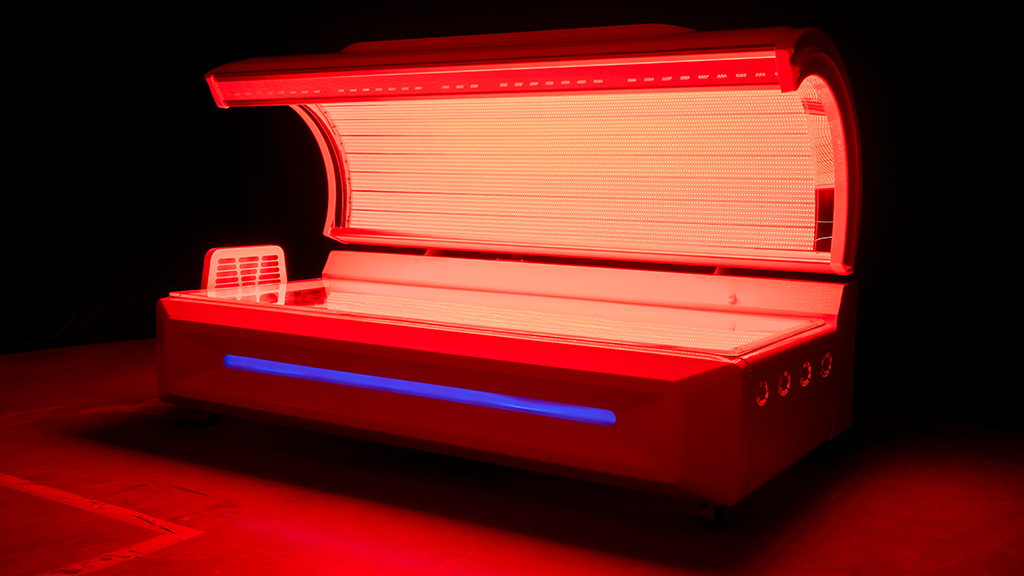
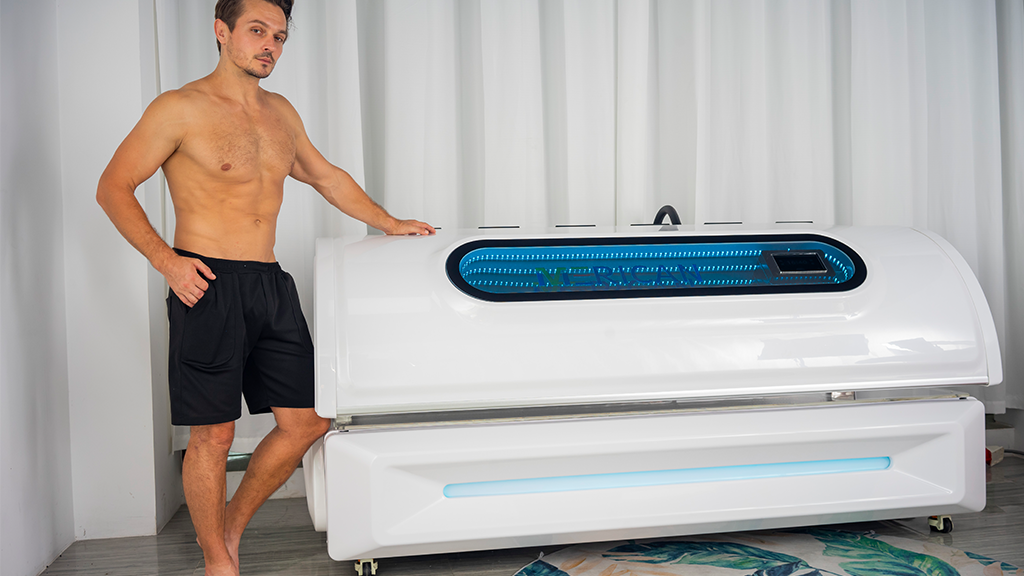
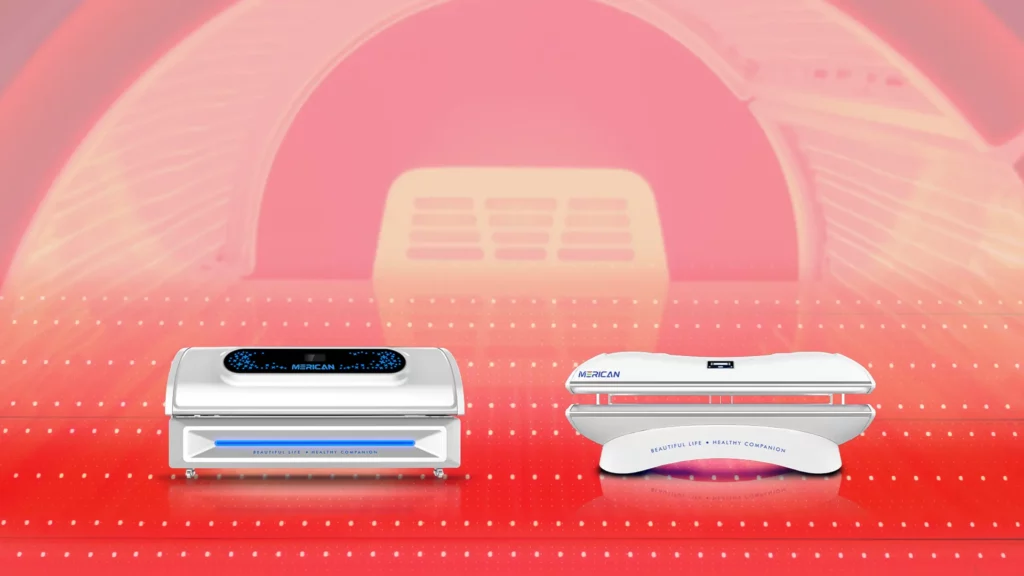
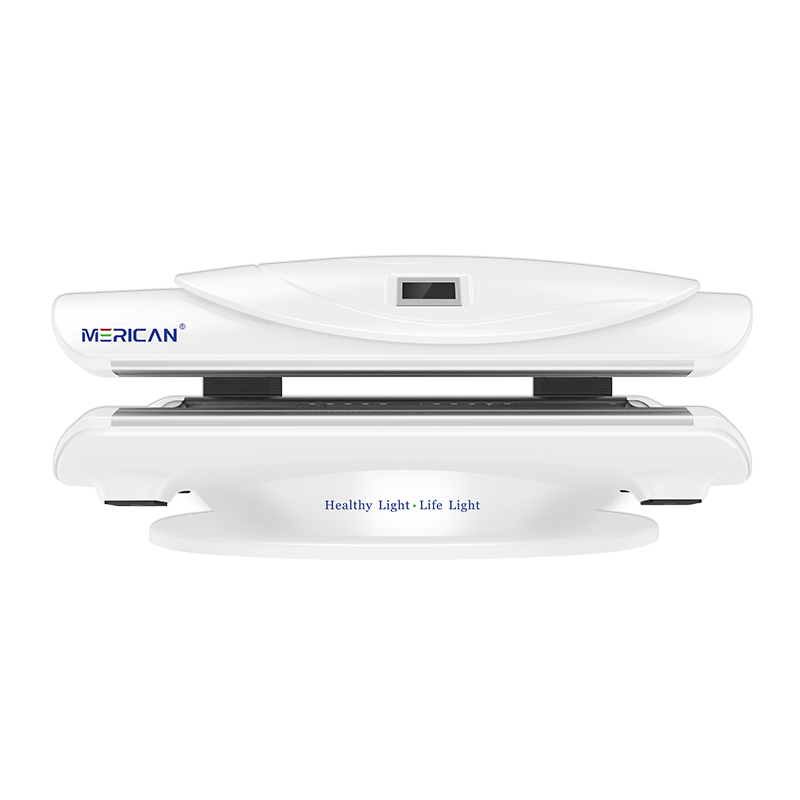
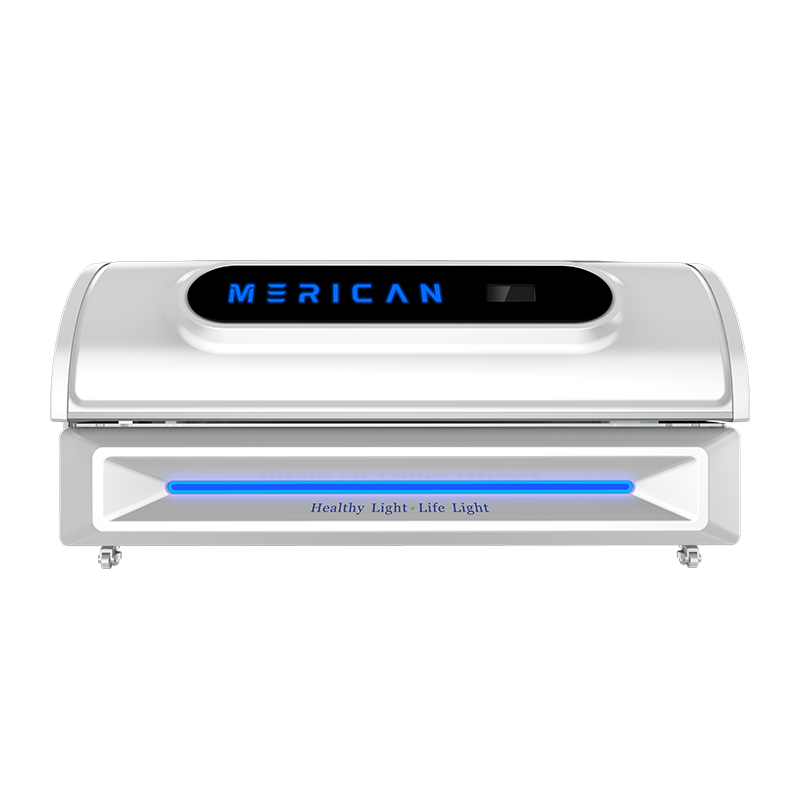
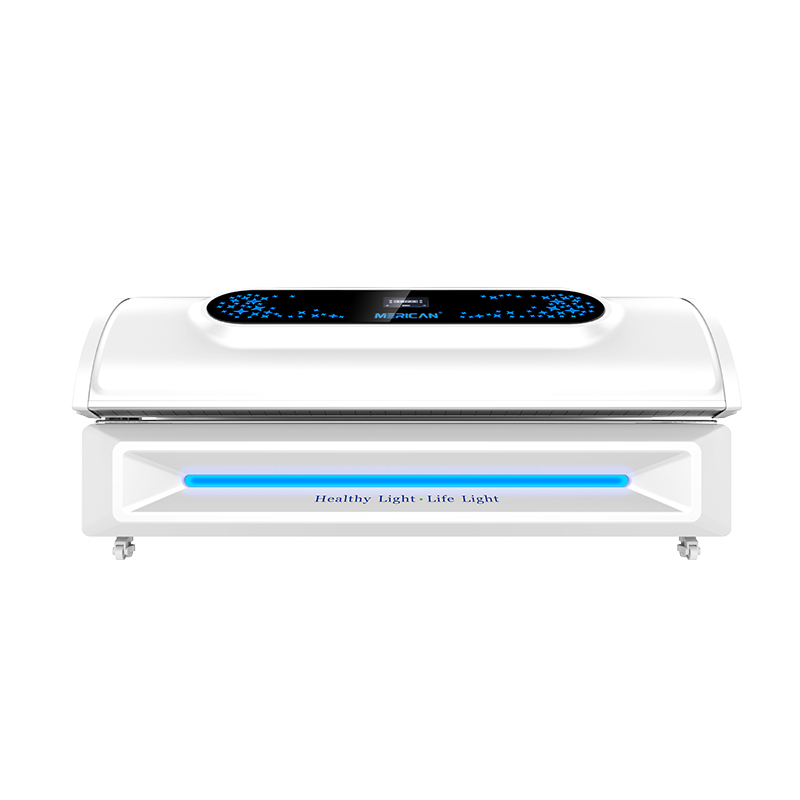
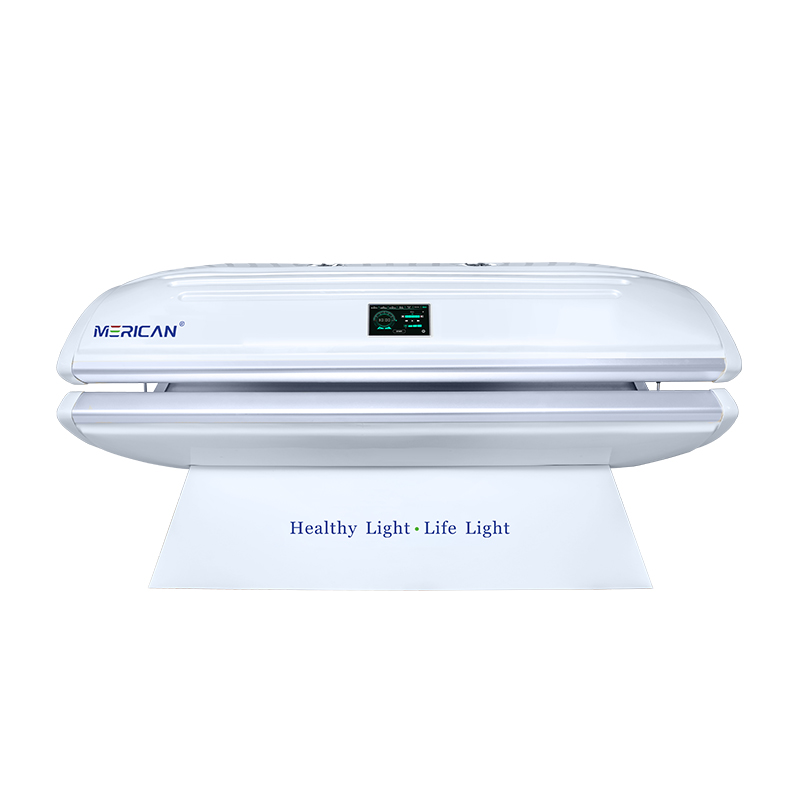
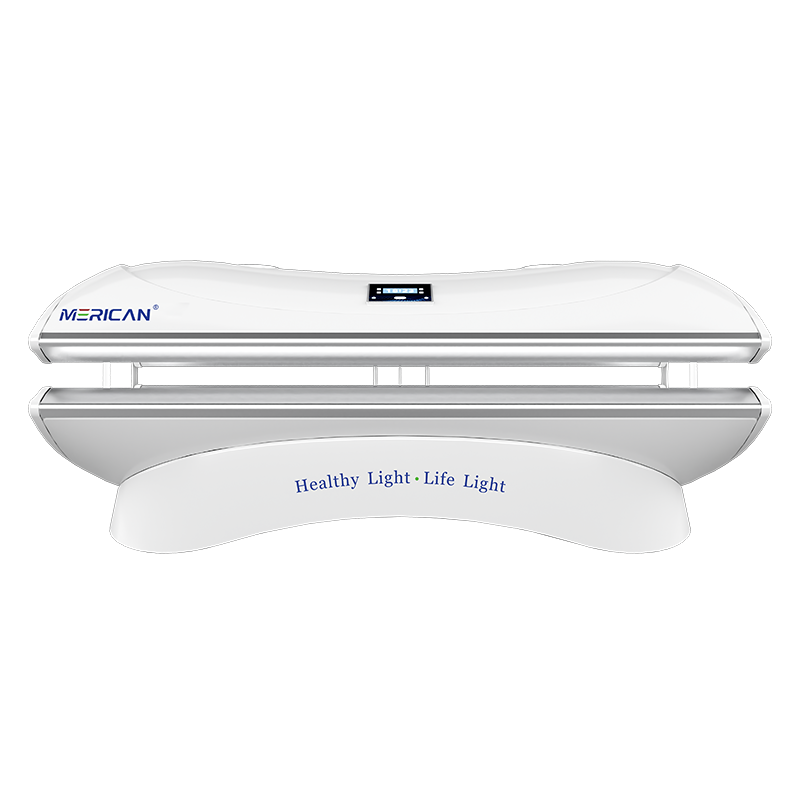
LED-Lichttherapiebett M5N: Übernahme eines horizontalen Vollkabinendesigns, Verwenden Sie ein ergonomisches Design, um das Gefühl zu simulieren, flach auf dem Bett zu liegen, Kunden können Gesundheits- und Schönheitsdienstleistungen in einem entspannten und komfortablen Raum genießen.
Hauptmerkmale:
Lichtquelle: LED
Helle Farbe: Rot + Infrarot
Wellenlänge: 633nm/660 nm/850 nm/940 nm
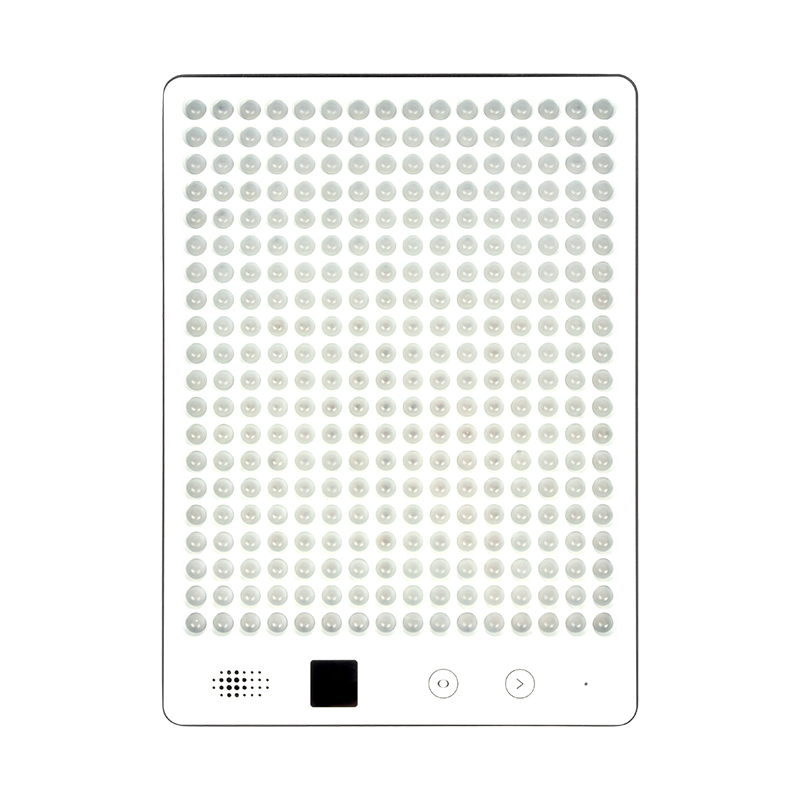
LED-ANZEIGE: 14400LEDs
Leistung: 1760W
Stromspannung: 110V – 380V
2. Blaue Lichttherapie: Blaues Licht, welches eine kürzere Wellenlänge hat, wird häufig zur Behandlung von Hauterkrankungen wie Akne und Rosacea eingesetzt. Blaues Licht kann die Haut durchdringen und gezielt die Bakterien bekämpfen, die Akne verursachen, tötet sie ab und reduziert Entzündungen. Es kann auch zur Behandlung von durch Entzündungen verursachten Hauterkrankungen eingesetzt werden, wie Rosacea. Jedoch, Es ist wichtig zu beachten, dass die Belastung durch blaues Licht erfolgt, vor allem von Bildschirmen, wurde mit digitaler Augenbelastung und Schlafstörungen in Verbindung gebracht, Daher ist es wichtig, die Blaulichttherapie unter Anleitung eines medizinischen Fachpersonals anzuwenden.
3. Grünlichttherapie: Die Grünlichttherapie wird seltener eingesetzt als die Rot- und Blaulichttherapie, Es hat sich jedoch gezeigt, dass es einige potenzielle Vorteile hat. Man geht davon aus, dass grünes Licht eine beruhigende Wirkung auf das Nervensystem hat, was helfen kann, Stress und Ängste abzubauen. Es wurde auch auf sein Potenzial untersucht, die Schlafqualität zu verbessern und Müdigkeit zu reduzieren. Zusätzlich, Es hat sich gezeigt, dass die Therapie mit grünem Licht die Produktion von Melatonin stimuliert, ein Hormon, das Schlaf und Wachheit reguliert, was für Menschen mit Schlafstörungen von Vorteil sein kann.
Es ist wichtig zu bedenken, dass die Lichttherapie keine Universallösung ist, Und welche Art von Licht für Sie am besten geeignet ist, hängt von Ihrem spezifischen Zustand und Ihren Bedürfnissen ab. Vor Beginn einer Lichttherapie-Behandlung, Es ist wichtig, einen Arzt zu konsultieren, um die für Sie am besten geeignete Lichtart und den besten Behandlungsplan zu ermitteln.