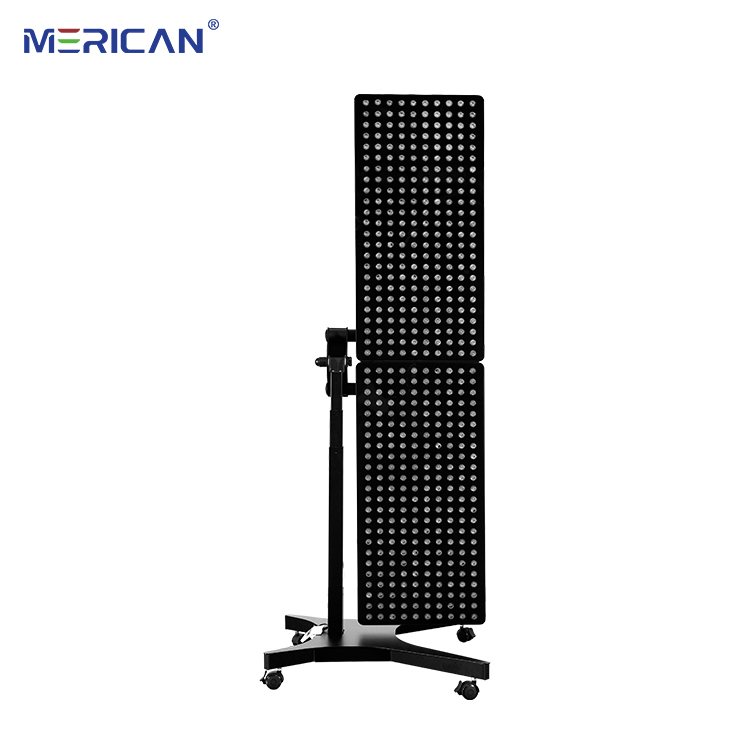
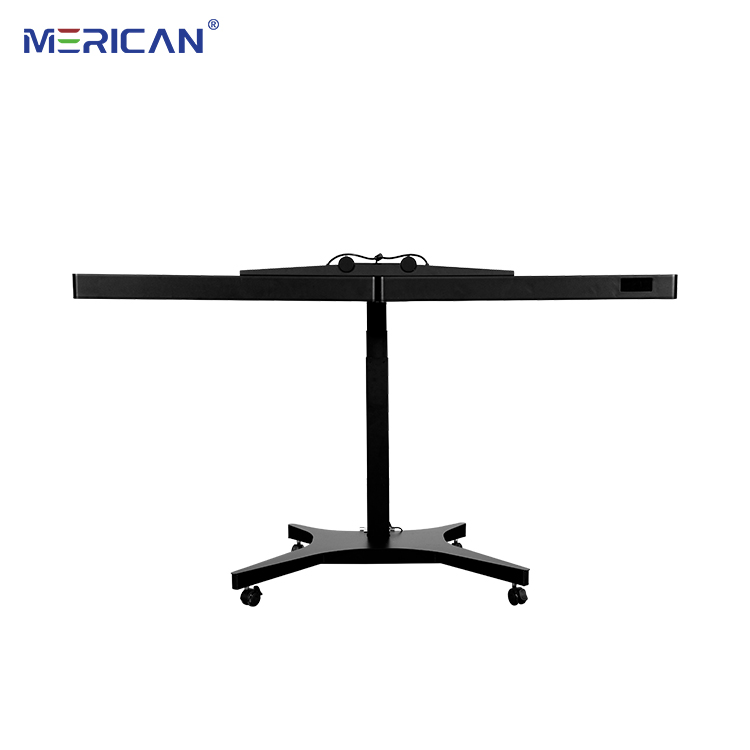
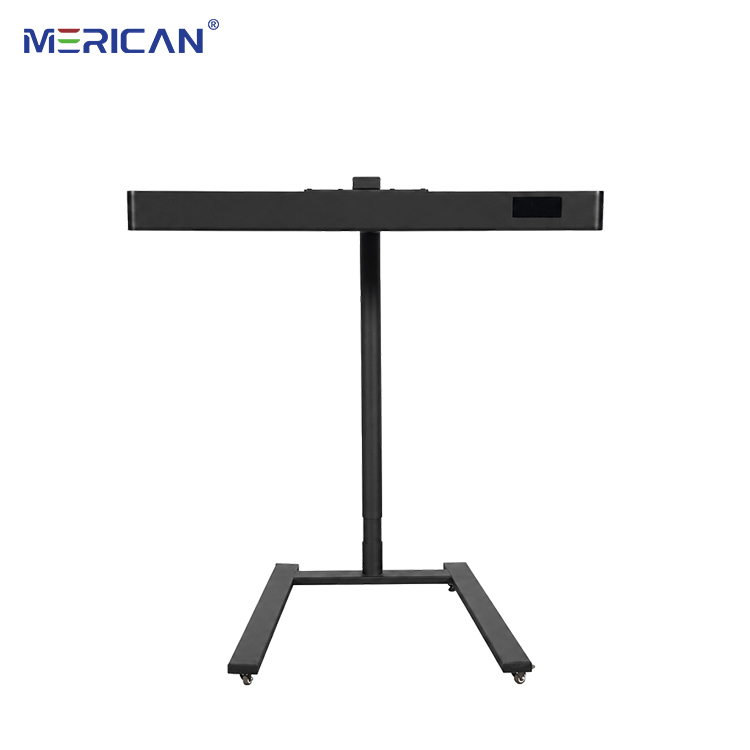
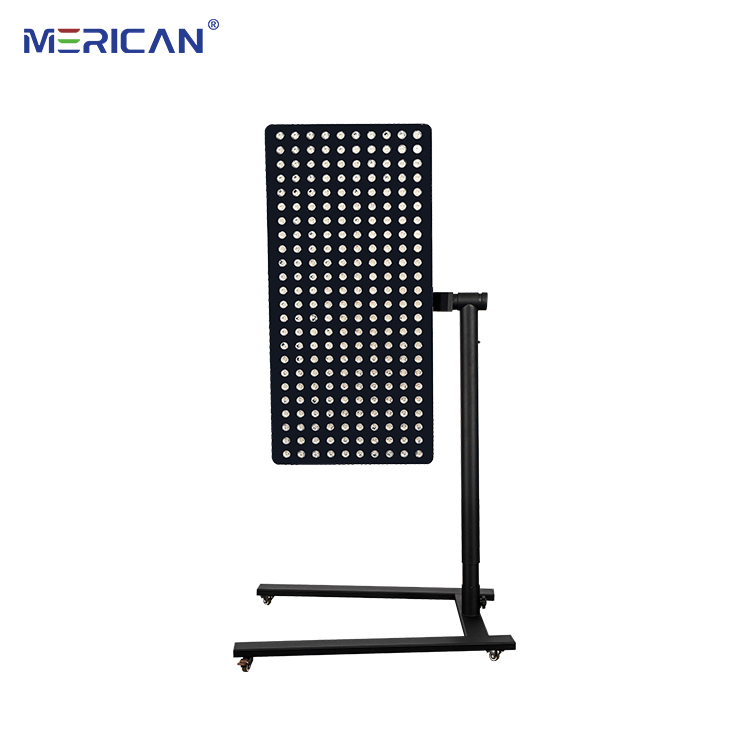
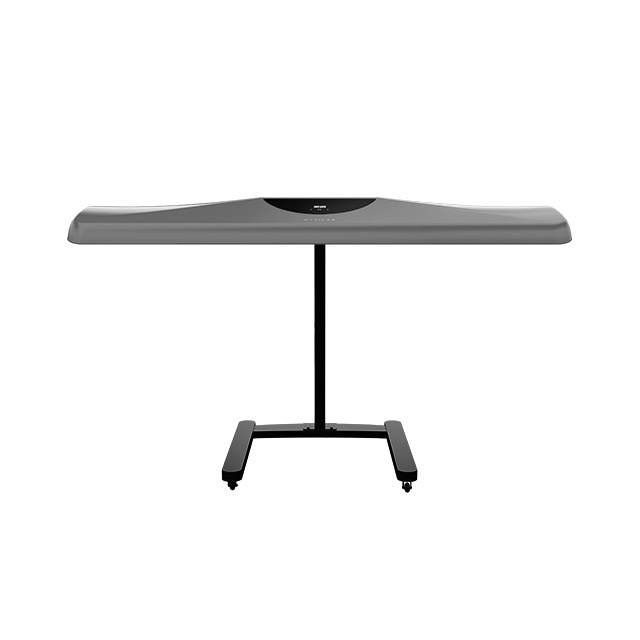
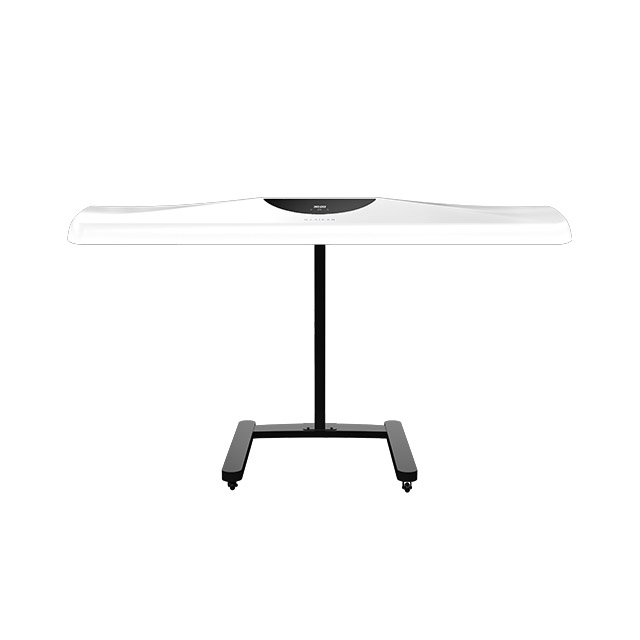
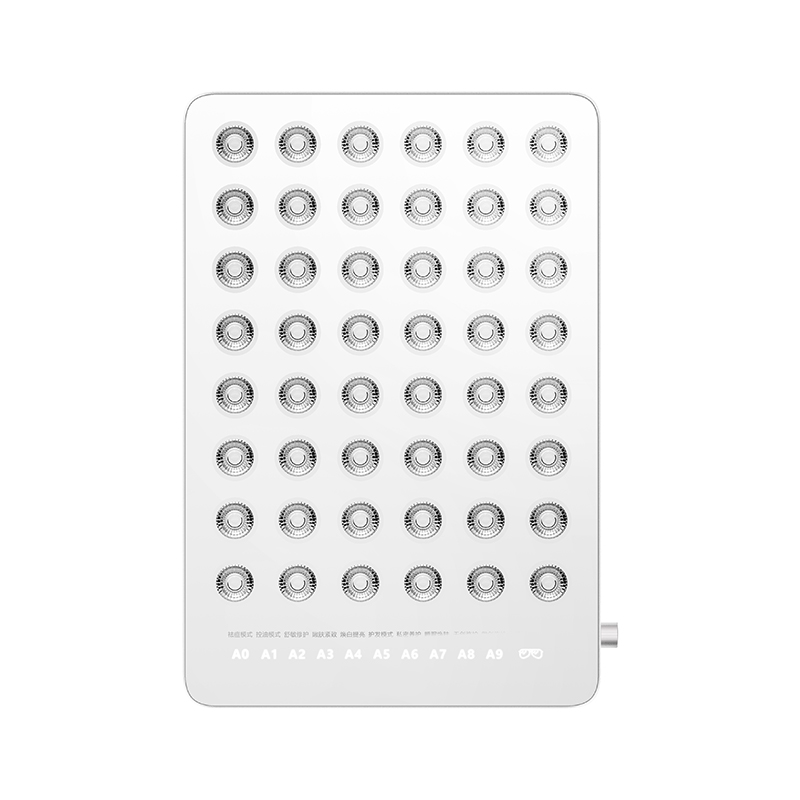
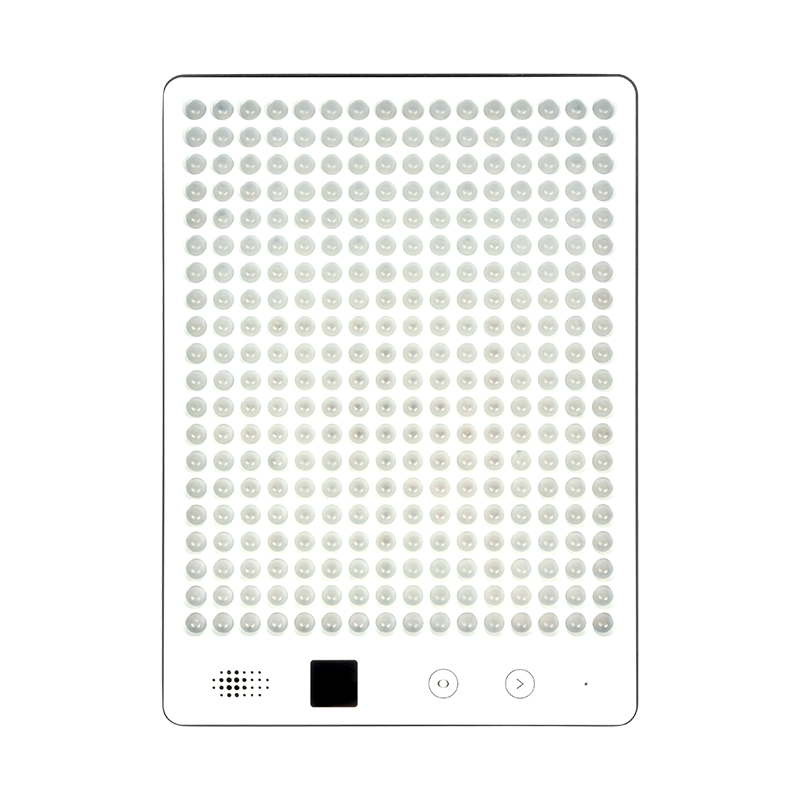
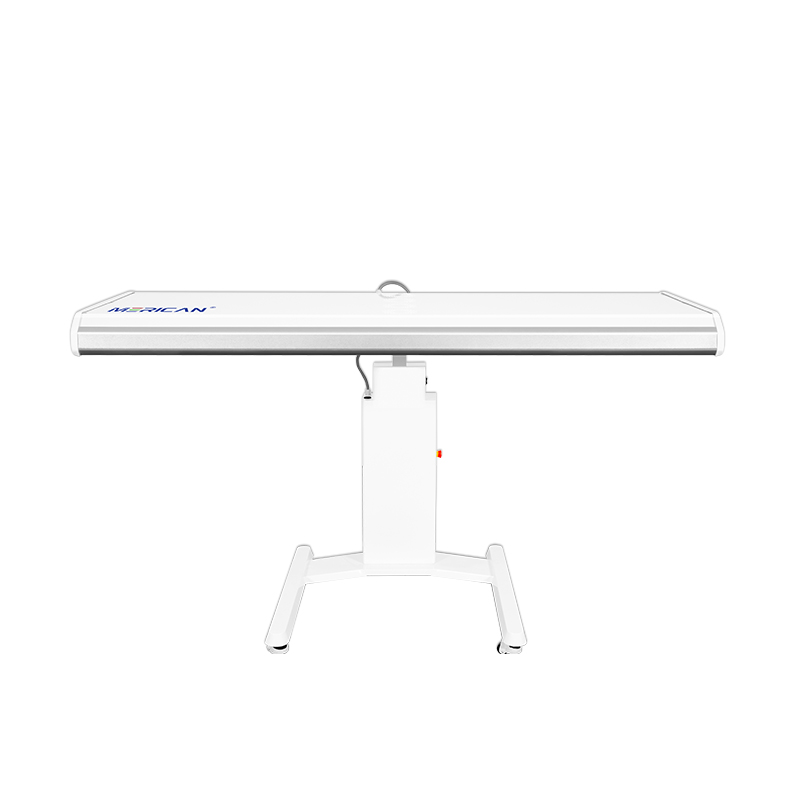
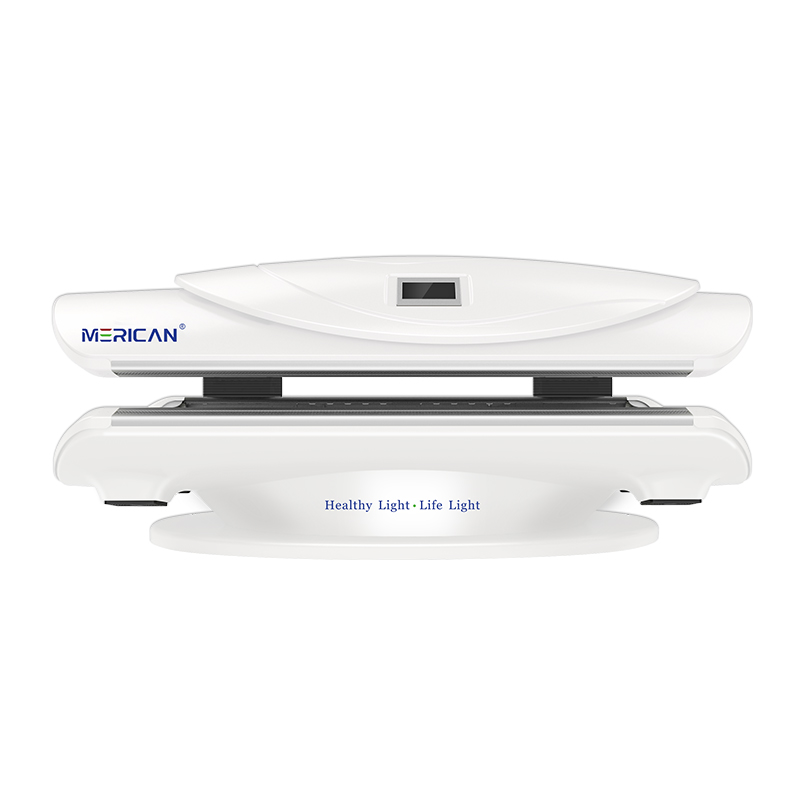
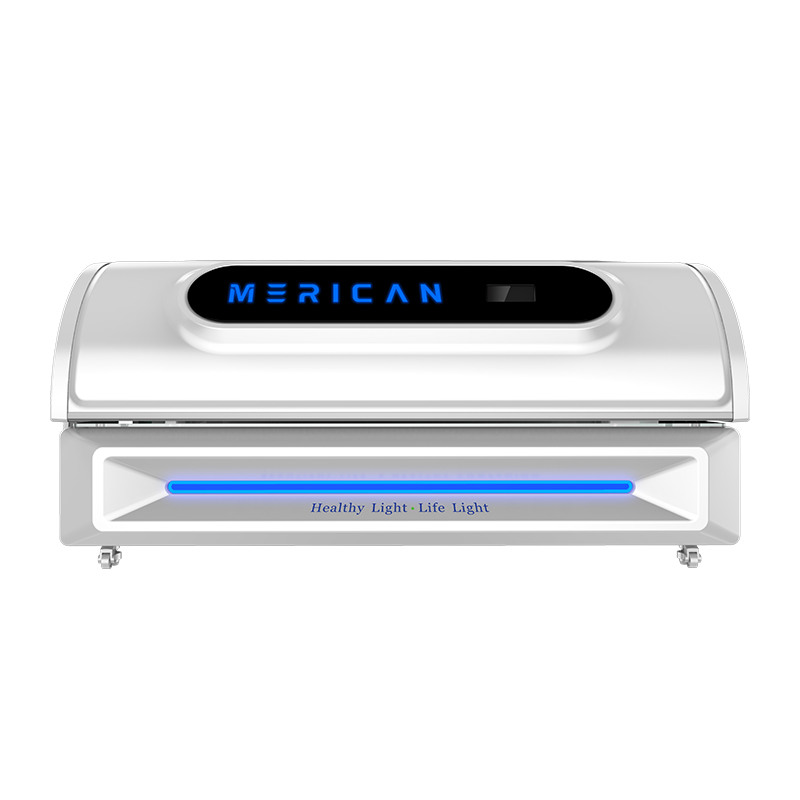
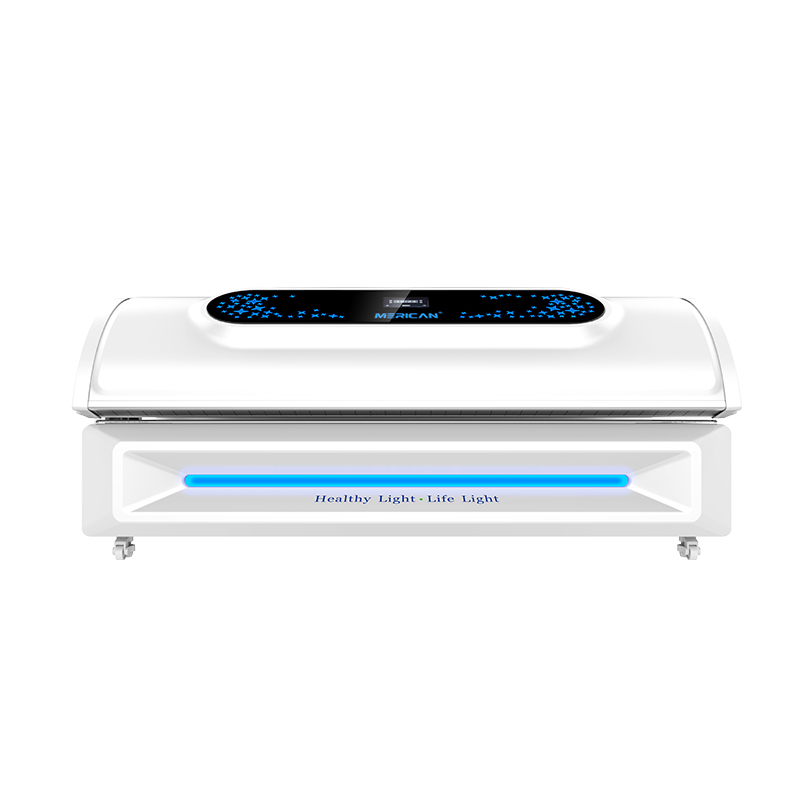
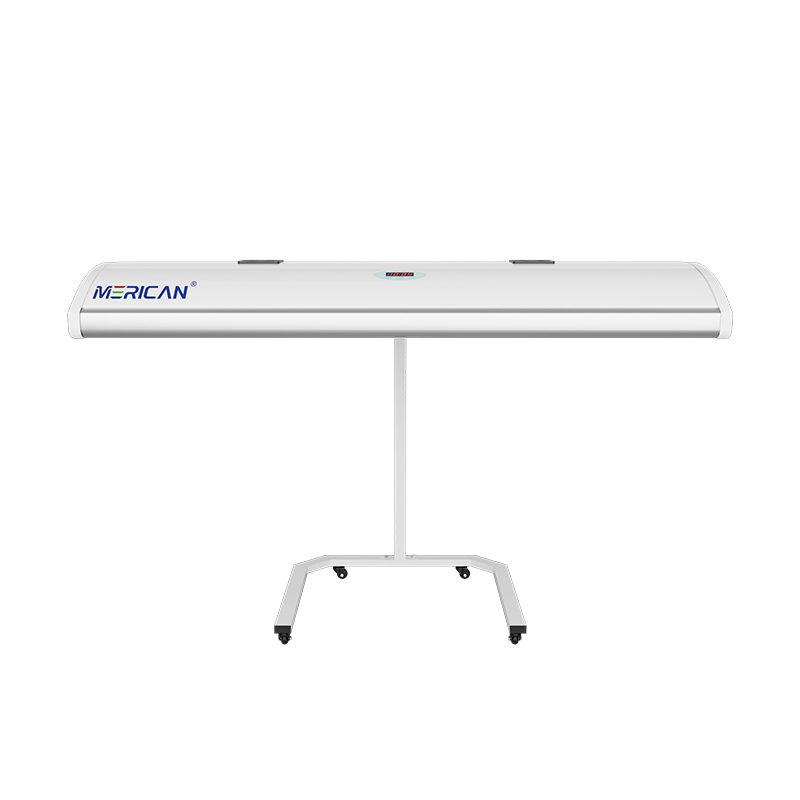
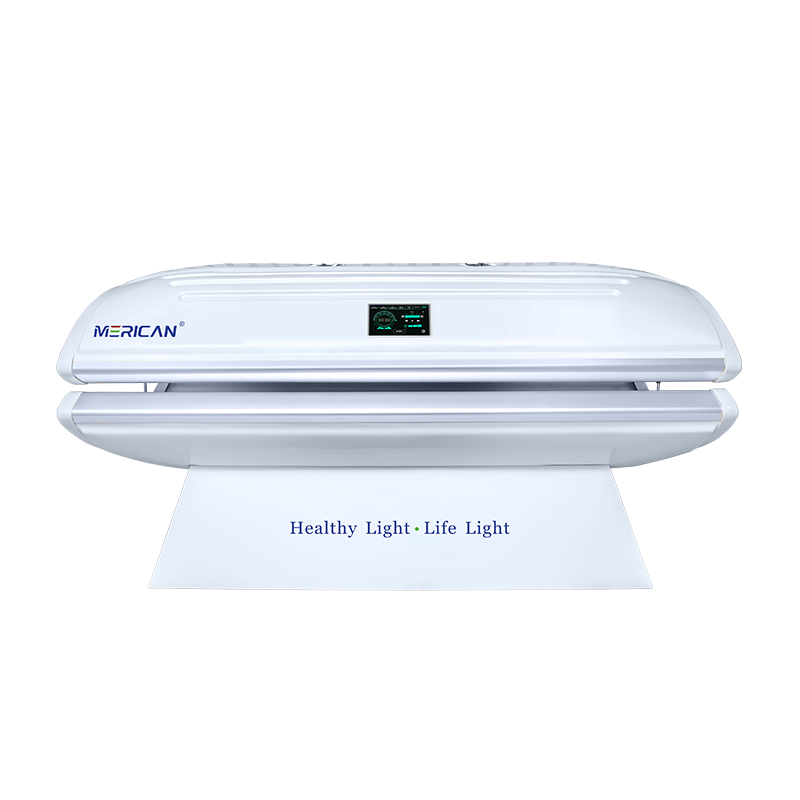
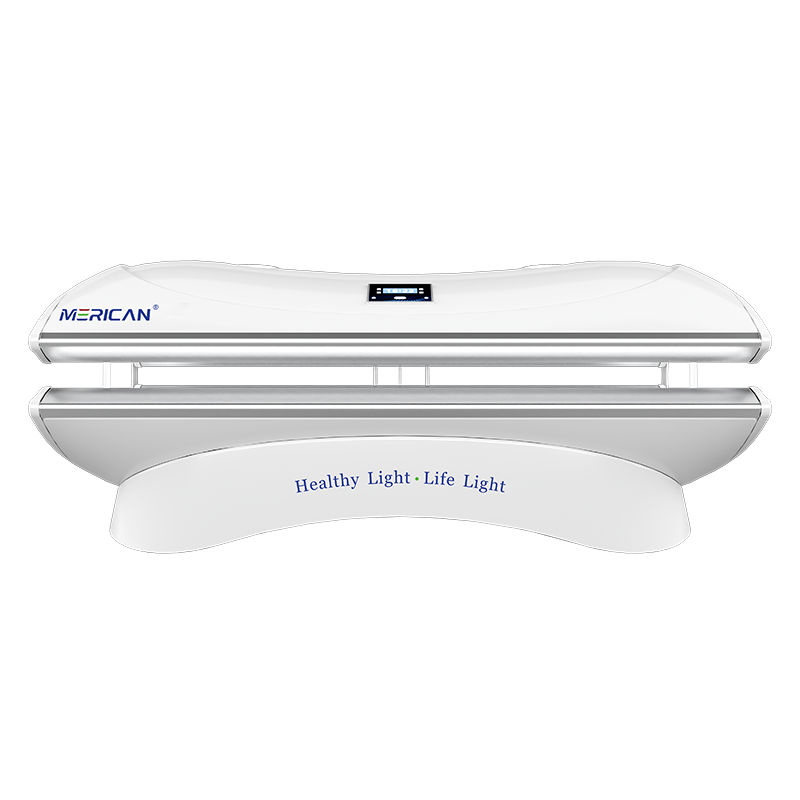
いいえ. A red light therapy bed cannot regrow gum tissue that has already receded, and no light device sold for home use should be presented as a way to rebuild it. Gum recession means the soft tissue margin has moved away from the crown of the tooth and the root is exposed, and that tissue does not grow back on its own or in response to illumination. What clinicians can do is manage the cause, monitor the attachment, and in selected cases graft tissue surgically. Light-based treatments have been studied as an adjunct in periodontal and post-surgical care, mainly for comfort and healing support, but that is a different claim from regeneration. The practical risk of confusing the two is delay: periodontal disease can progress quietly while someone waits for a bed to restore a gum line that needs a diagnosis instead.
Why light cannot rebuild lost gum tissue
Gum tissue is a structured attachment, not a surface that simply needs stimulation. The gingiva sits against the tooth and the underlying bone through a ligament and a seal that took shape over years. When that margin migrates, the change involves the position of tissue relative to the root, not a local deficiency of light.
光生産, the mechanism usually cited for red and near-infrared devices, is studied for effects on inflammation, 快適, and tissue repair processes. Those effects are described in relation to living cells responding to a stimulus. They do not describe the creation of new attached gingiva where none exists.
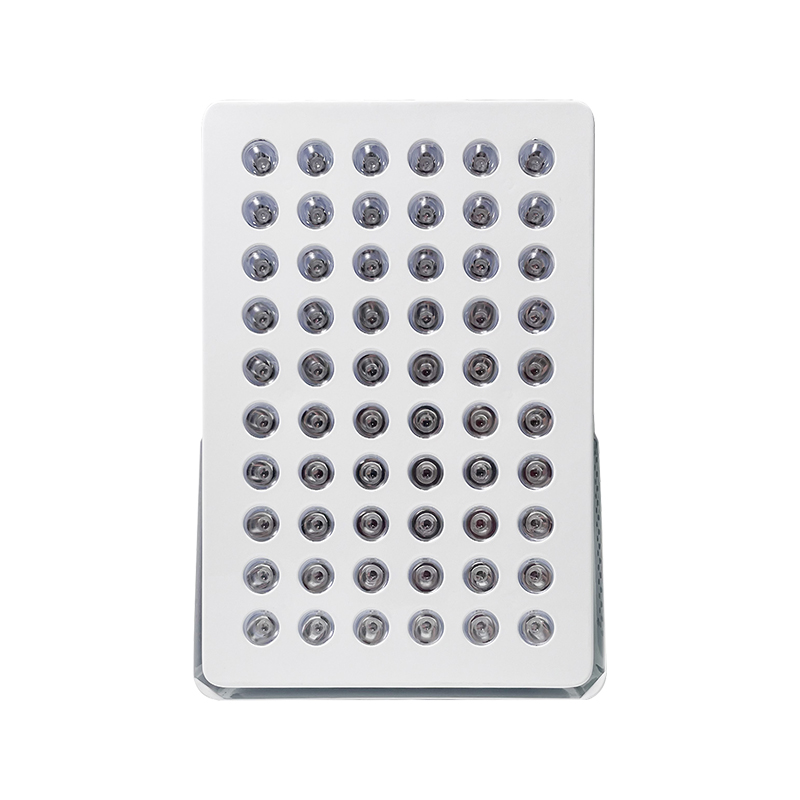
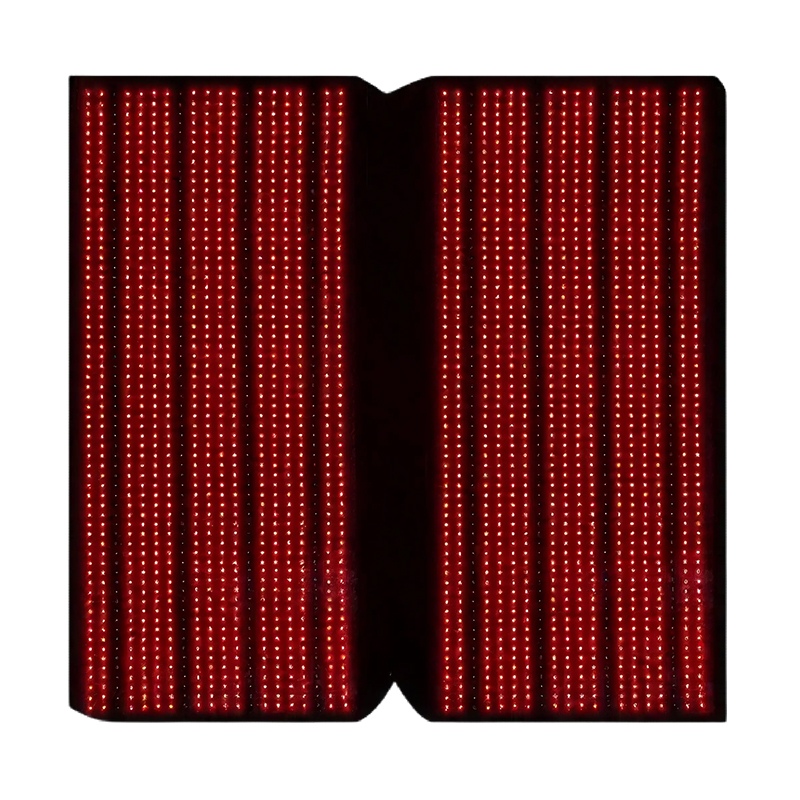
There is also a physical limitation. A full body bed illuminates skin from a distance, and the light that reaches the mouth is a fraction of what reaches the forearm. Even a device aimed directly at the face is not delivering a documented periodontal protocol, because no such home protocol exists for regrowing gums.
Anyone who tells you otherwise is making a claim that would require clinical evidence in humans, ethical approval, and measured attachment gain. Marketing language about cellular energy is not that evidence, however technical it sounds.
What gum recession actually involves
Recession describes a shift of the gingival margin toward the root, exposing cementum and sometimes causing sensitivity, a longer-looking tooth, or a visible notch at the gum line. It is a sign rather than a single disease.
Common contributors include periodontal disease, which destroys attachment and bone; aggressive brushing or a hard brush with an abrasive technique; a thin gum biotype that recedes easily; orthodontic movement; clenching and grinding; and smoking, which affects healing and blood flow.
Some recession is stable for years and mainly a cosmetic and sensitivity issue. Some is progressive and part of active periodontal disease, where bone loss continues and teeth can eventually become mobile.
The distinction matters because the two situations need different responses. One may be monitored with improved hygiene; the other needs clinical treatment, and possibly referral to a periodontist. Neither is solved by adding sessions in a red light therapy bed.
Recession can also be described by how much root is exposed and whether the tissue is attached or merely resting against the tooth. That detail decides whether a graft is technically possible, which is another reason the measurement belongs to a clinician rather than to a device manual.
What the clinical literature actually supports
Light-based therapy has been studied in dentistry for several purposes: reducing discomfort after periodontal treatment, supporting healing of oral soft tissue, managing oral mucositis in patients receiving cancer therapy, and easing orthodontic discomfort. Those are adjunctive uses, typically delivered in a clinical setting with defined parameters.
Adjunctive means it sits alongside standard treatment rather than replacing it. A study showing less post-operative discomfort after scaling and root planing does not show that light regrows gum tissue, and the two conclusions should never be merged in marketing.
Evidence quality also varies by application. Some areas have multiple small trials with inconsistent protocols; others have very little. A responsible summary would say that the evidence is mixed and indication-specific, and that no home bed has been validated for gingival regeneration.
If a clinician offers light therapy as part of your periodontal care, that is a conversation about your case, delivered with a diagnosis and a device they control. It is not the same as buying a bed and treating your own gum line at home.
Where a red light therapy bed might reasonably fit
A bed can be used for general wellness, リラクゼーション, or the kinds of comfort goals described in its manual, and those uses can coexist with dental care. What it should not do is occupy the slot in your routine that belongs to brushing, interdental cleaning, or professional treatment.
If you have had a dental procedure, ask the treating clinician whether any light device is appropriate during healing and when it can be resumed. Post-operative instructions take priority over a general article, and the timing differs by procedure.
Some users find a warm session pleasant and easier to keep as a habit than other wellness routines. That is a legitimate reason to use a device, provided the reason is stated honestly rather than dressed up as periodontal therapy.
The distinction is worth keeping in writing. If your reason for using a red light therapy bed is comfort, say so in your log. If your reason is gum health, the entry should be a dental appointment, not a timer setting.
Why a dental diagnosis comes first
Recession is assessed with more than a glance. A clinician probes pocket depths, checks for bleeding, evaluates attachment loss, reviews radiographs for bone level, and looks at the gum biotype and the way your teeth meet.
That assessment answers questions a device cannot: whether disease is active, whether bone has been lost, whether a tooth is at risk, and whether the recession is stable or progressing. Each answer changes what should happen next.
Delay has a cost. Periodontal disease is largely painless until it is advanced, and bone that is lost does not return. A person who spends three months waiting for a gum line to improve with light exposure may lose ground that an earlier appointment would have protected.
This is why the honest answer to the question is not “try it and see”. The honest answer is that the symptom belongs to a clinician who can measure it, and that no consumer device substitutes for that measurement.
What actually addresses receding gums
Treatment depends on the cause. If periodontal disease is present, the priority is controlling infection and inflammation, often through professional cleaning and a maintenance schedule, with more advanced care if indicated.
If the cause is mechanical, such as brushing force or grinding, the response is a softer technique, an appropriate brush, and possibly a night guard. Removing the cause is what allows the tissue to stabilize.
For exposed roots that are sensitive or a gum line that is a cosmetic concern, a clinician may discuss a graft. Connective tissue grafts and similar procedures move tissue from one site to another; they do not rely on light to generate new gingiva.
Monitoring is part of treatment too. Photographs, 測定値, and regular reviews show whether a stable situation is staying stable, which is often the most useful outcome a patient can achieve.
None of these options is enhanced by using a red light therapy bed at home instead of attending the appointment. They are clinical decisions with indications, リスク, and follow-up, and the sequence matters more than any single intervention.
The risk of substituting a device for care
The main harm is not the light itself. It is the substitution: 時間, 注意, and money directed at a device while a treatable condition continues.
There is a second, subtler harm. A session that feels warm and pleasant can create a sense of having addressed the problem, which makes a dental appointment feel less urgent. That feeling is not evidence of anything happening in the gum.
A third risk is attributing improvement to the device when the real change came from better brushing, a new brush head, or a cleaning you had last month. Without a record, the credit goes to whatever was most recent and most expensive.
None of this means a red light therapy bed is dangerous to own. It means the device should be described accurately in your own mind, so that the dental problem keeps the clinician it needs.
A simple test is to ask what you would do if the device were taken away tomorrow. If the answer is “book a check-up”, the device was never the plan, and it is worth saying that out loud before another month passes.
Who should be especially cautious
Anyone with active gum disease, loose teeth, pus, or unexplained bleeding should see a dentist before starting any new wellness routine, including light devices. The priority is the infection, not the routine.
People who have recently had periodontal surgery, a graft, an extraction, or implant placement should follow the surgeon’s instructions about heat, ライト, and when normal habits can resume.
Anyone taking photosensitizing medication, receiving cancer therapy, or managing a condition that affects mucosal healing should ask before using a device near the face. Oral tissue can be more reactive than skin.
妊娠, uncontrolled diabetes, and smoking all affect periodontal health and healing. None of them is a reason to panic, and all of them are reasons to have the conversation with a clinician rather than with a product page.
Smoking deserves its own line because it masks the usual warning signs. Gums can look pale and calm while attachment is being lost, so a visual check at home is even less reliable for a smoker than for anyone else.
What to ask a dentist or periodontist
Ask what is causing the recession, whether there is attachment or bone loss, and whether the situation is stable or progressing. Ask what the measurements were, so you can compare them at the next visit.
Ask whether a graft is indicated now, later, or not at all, and what the trade-offs are. Ask what you should change at home, including brushing technique and interdental cleaning.
Ask whether any light-based treatment is appropriate for your case, and if so, who should deliver it and with what parameters. A clinician who uses photobiomodulation as an adjunct will be able to describe its role precisely.
Ask when you should return. A review interval is part of the plan, and it is the mechanism by which a stable gum line stays stable rather than becoming a surprise.
Bring the questions in writing. A short list keeps a rushed appointment focused, and it gives you something to compare against the answers you receive next time.
Claim versus reality
The table pairs common claims with what the evidence can actually bear. It is not a judgment about whether light devices are worth owning; it is a check on which sentences belong in a conversation about gum disease.
| Claim you may see | What the evidence supports | Practical reading |
|---|---|---|
| Light regrows receded gums | No human evidence for gingival regeneration from a home device | Treat the claim as marketing |
| Light treats periodontal disease | Studied as an adjunct in clinical care, 代わりではありません | Diagnosis and treatment come first |
| Light speeds healing after dental work | Some adjunctive evidence in clinical settings | Ask the treating clinician |
| A bed improves gum health at home | No validated home periodontal protocol | Keep brushing and reviews |
| Warmth means it is working on gums | Warmth reflects heat, not tissue change | Do not use sensation as evidence |
| Recession is cosmetic only | May be stable, may be progressive disease | Only assessment can tell |
実践的なルール: If your gum line is changing, book the dental assessment before you book another session. A red light therapy bed is a wellness device, not a periodontal treatment.
最終的なポイント
Red light therapy cannot regrow receded gums, and no home device should be marketed as though it can. Light-based therapy has a modest, adjunctive role in some areas of dental care, delivered in clinical settings with a diagnosis behind it.
What actually protects a gum line is controlling the cause, keeping professional reviews, and treating active disease. If you are using a bed for comfort or general wellness, that is a reasonable choice as long as you describe it accurately.
If bleeding, 感度, or a changing gum line has prompted the question, the useful next step is a dental appointment. The device can wait; the attachment may not.
Keep the two decisions separate. One is whether a wellness device suits your week and your budget; the other is what is happening to your gums, which only an examination can answer. Mixing them is how a treatable problem becomes a longer story than it needed to be.