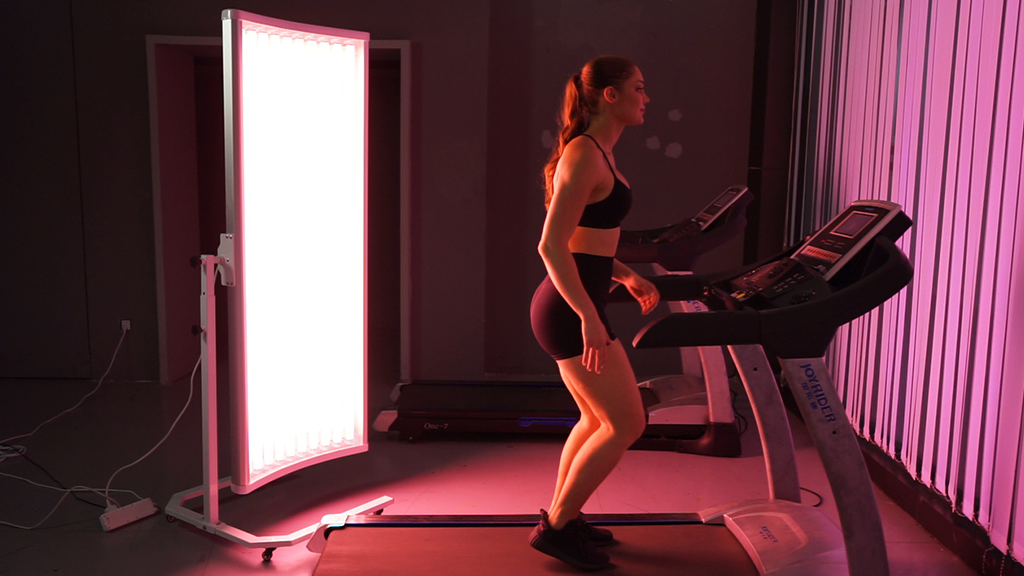
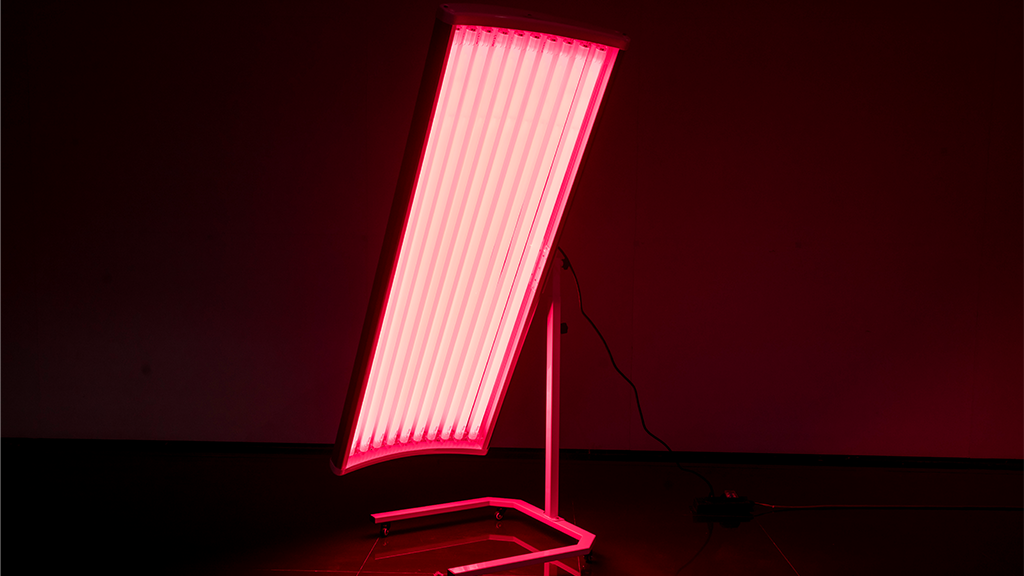
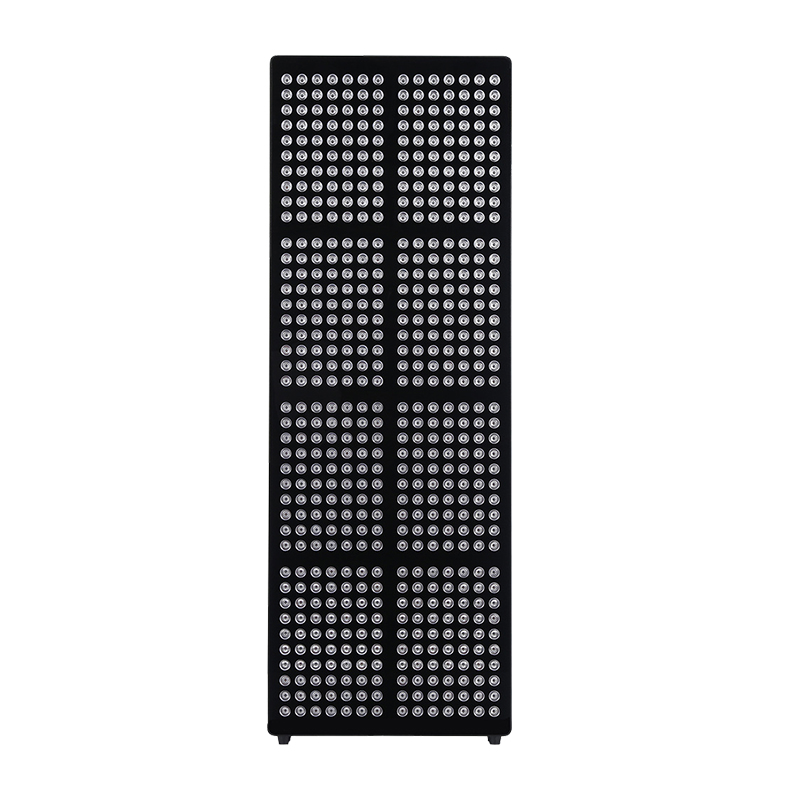
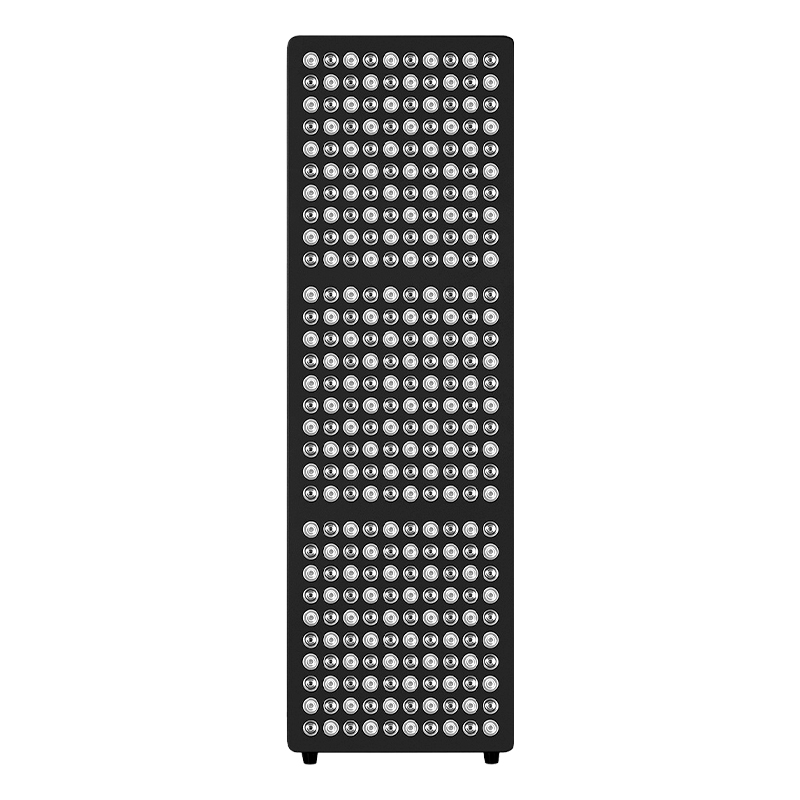
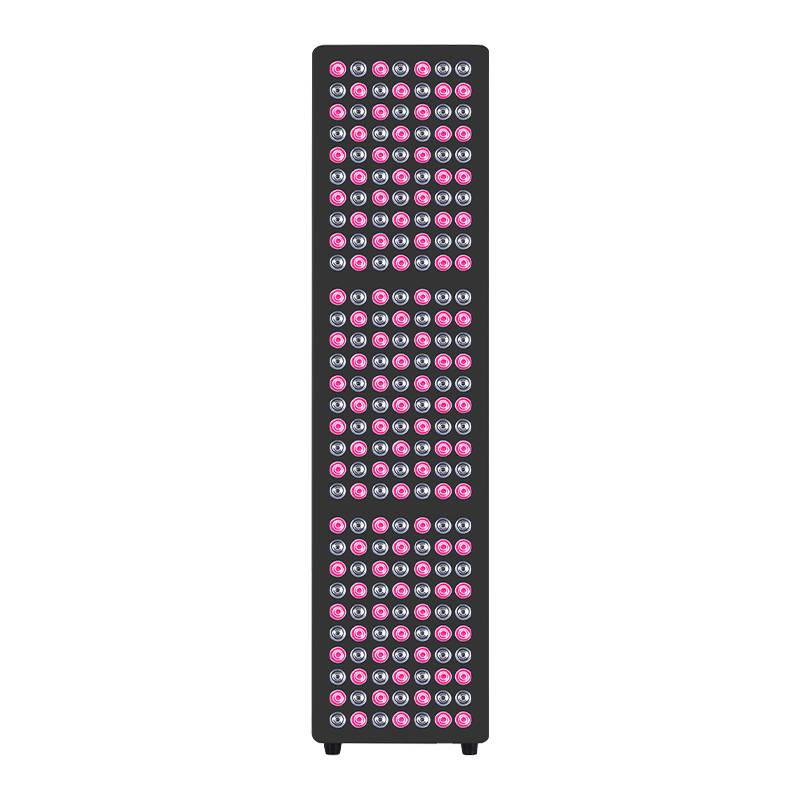
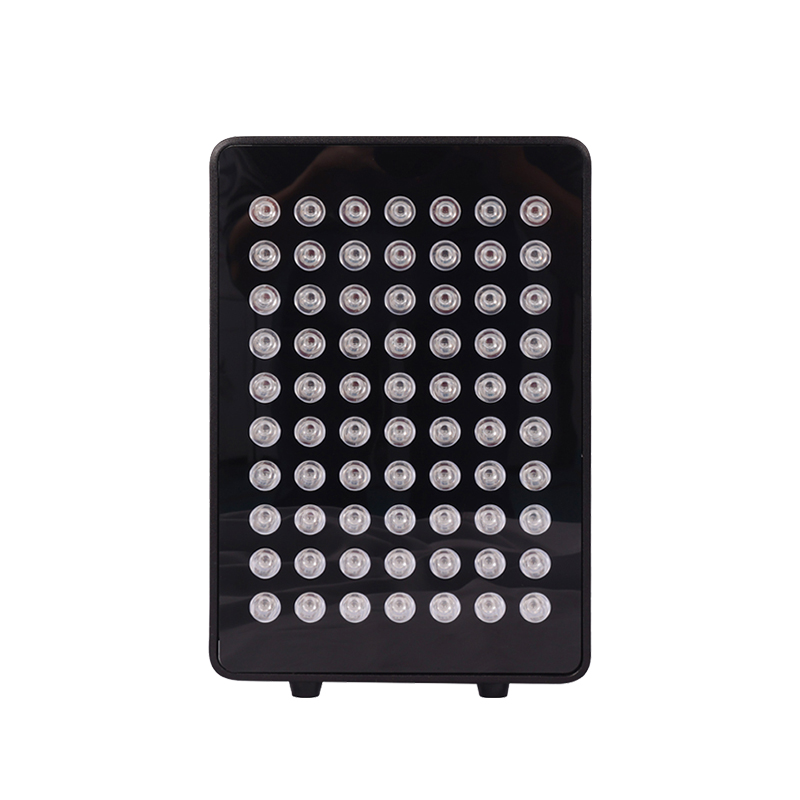
From elite athletes to weekend gym-goers, muscle recovery is key to consistent performance. Traditional recovery methods—stretching, ice baths, and massage—are now being complemented by 赤色光療法.
Why Red Light Therapy Is Popular in Sports Recovery
Athletes choose red light therapy because it:
- Works at the cellular level
- Requires no downtime
- Can be used before or after workouts
- Fits easily into training routines
Unlike ice therapy, red light therapy does not restrict blood flow, making it suitable for frequent use.
筋肉の回復のために赤色光療法を使用する方法
Best Times to Use
- Immediately after workouts
- On rest days
- During injury rehabilitation
対象地域
- Legs (quads, hamstrings, calves)
- Back and shoulders
- Arms and core muscles
Typical Protocol
- 10– 1セッションあたり15分
- 3– 週5回のセッション
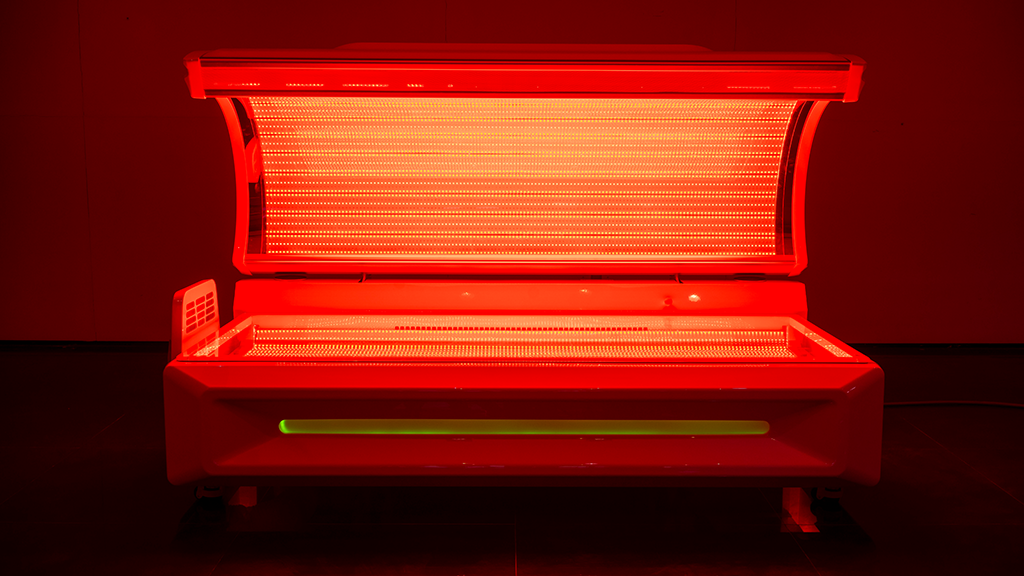
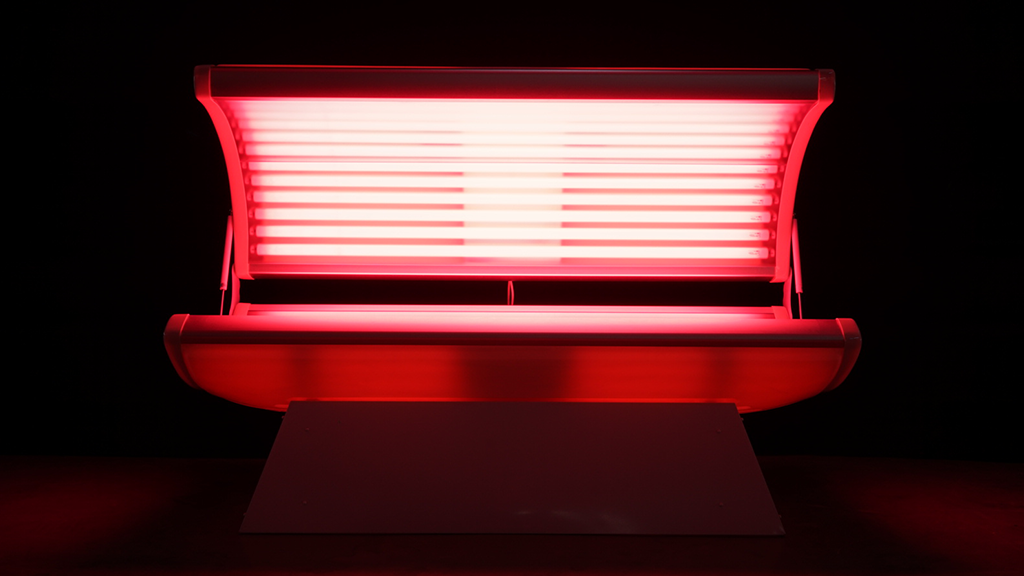
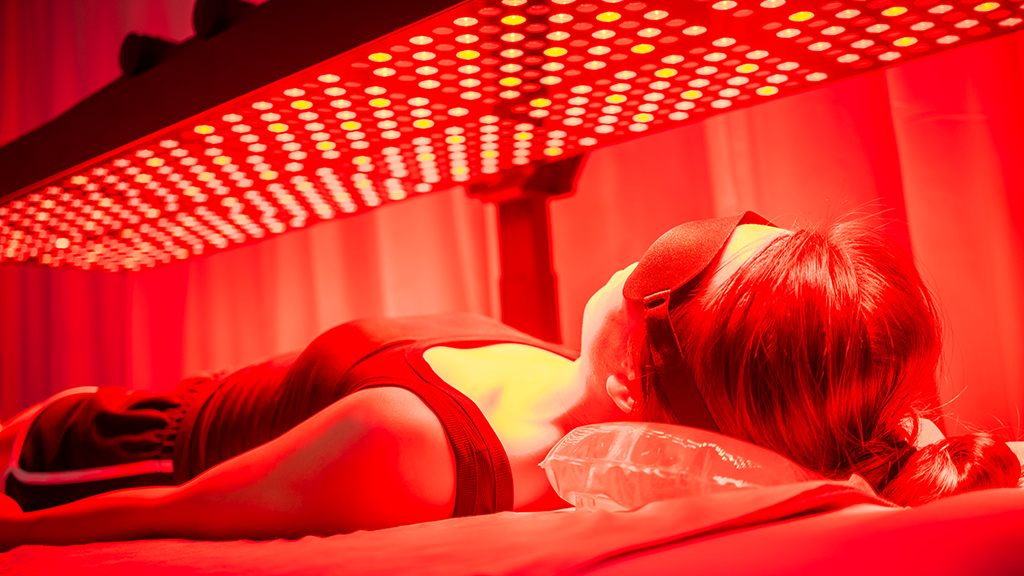
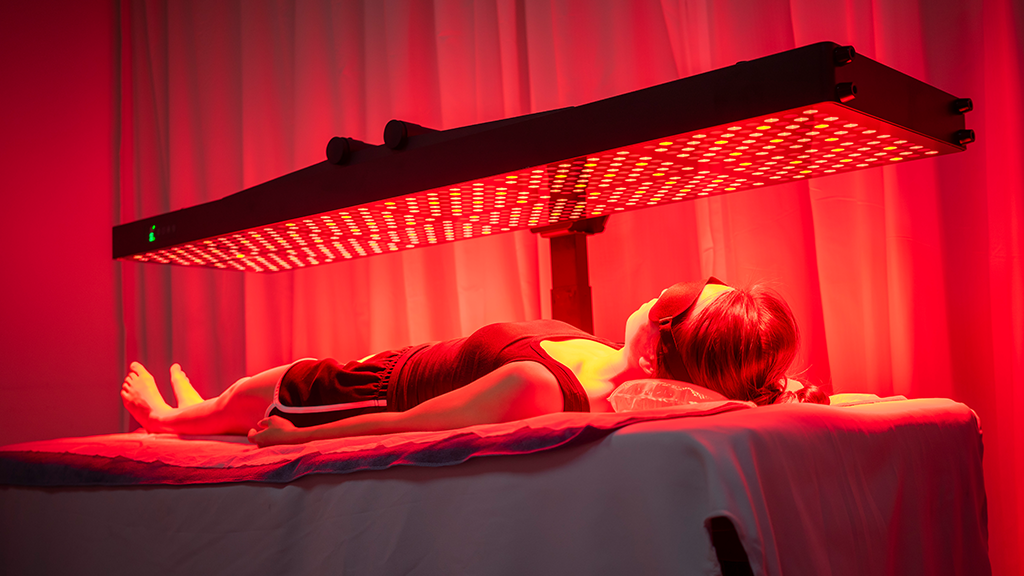
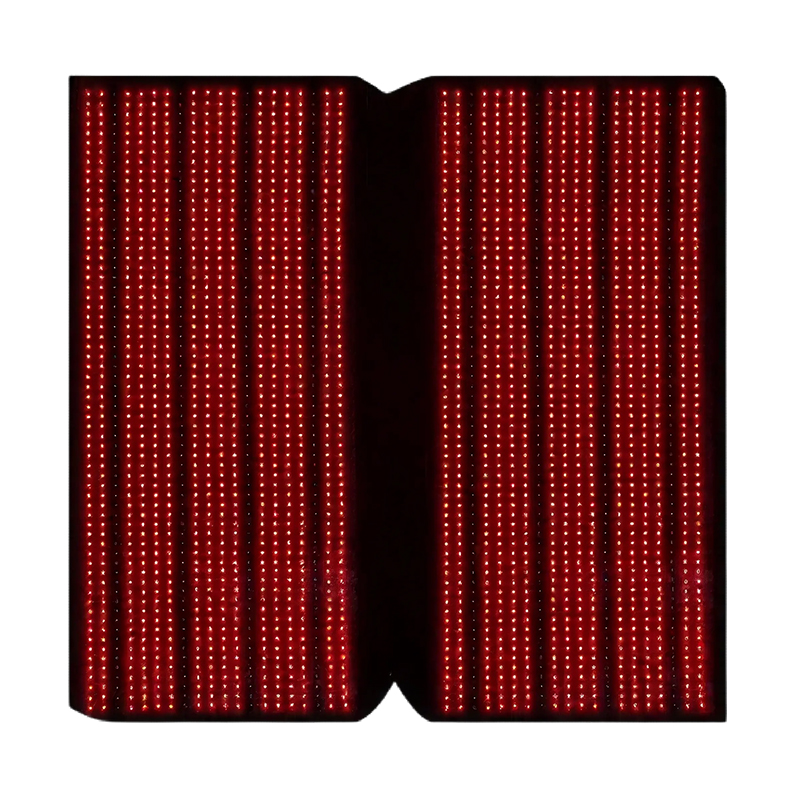
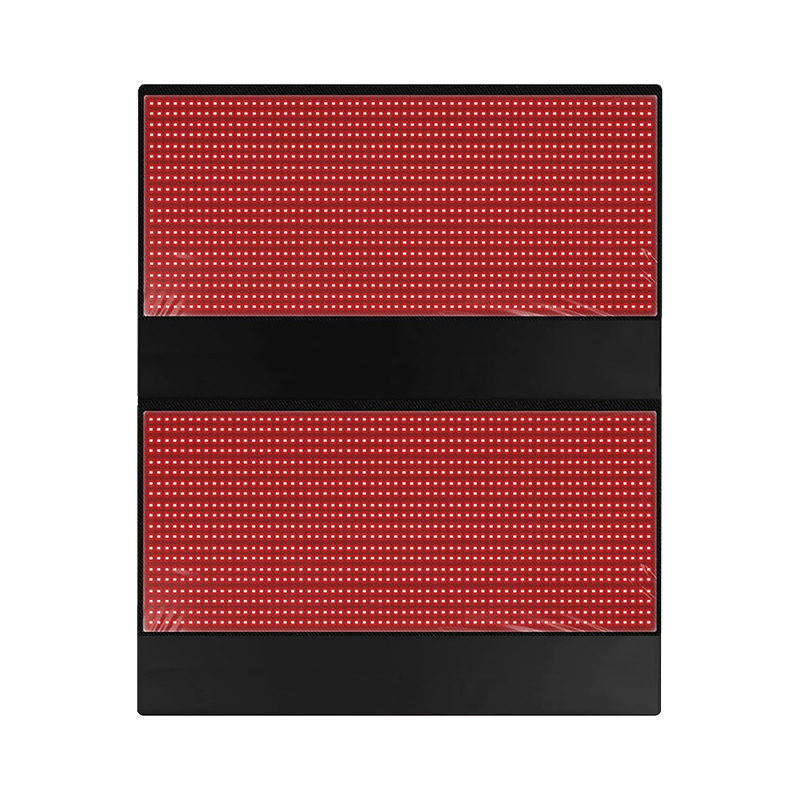
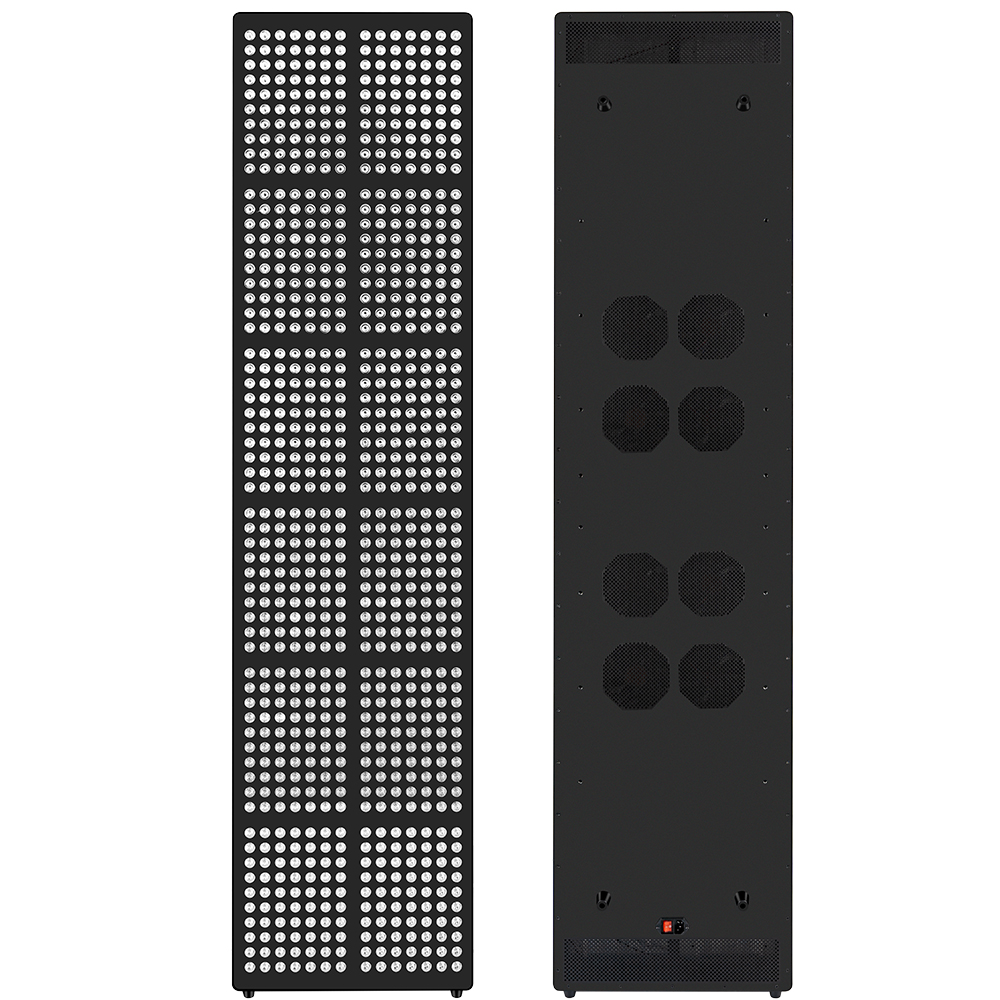
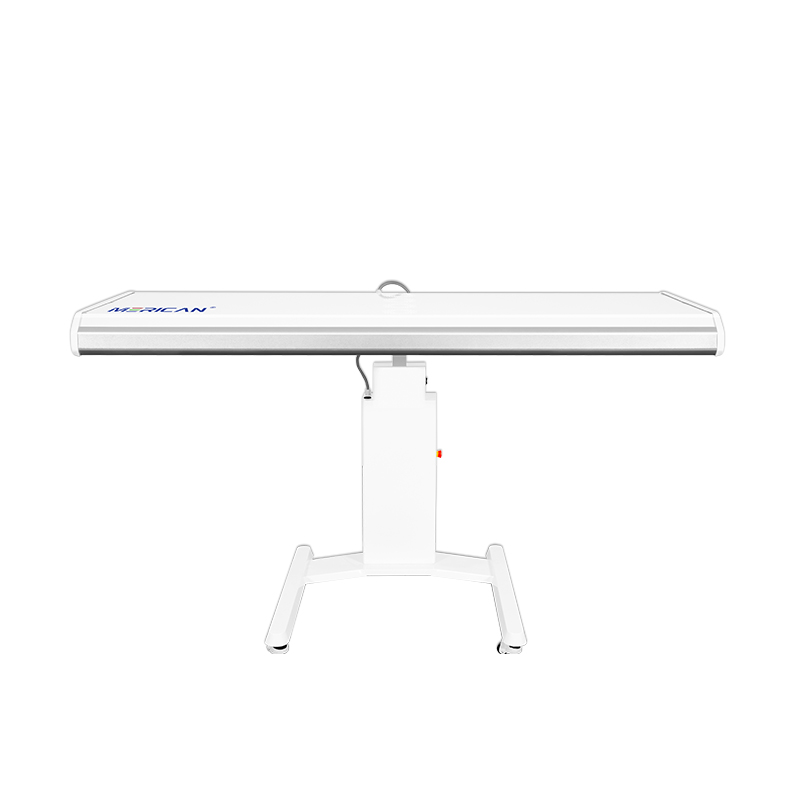
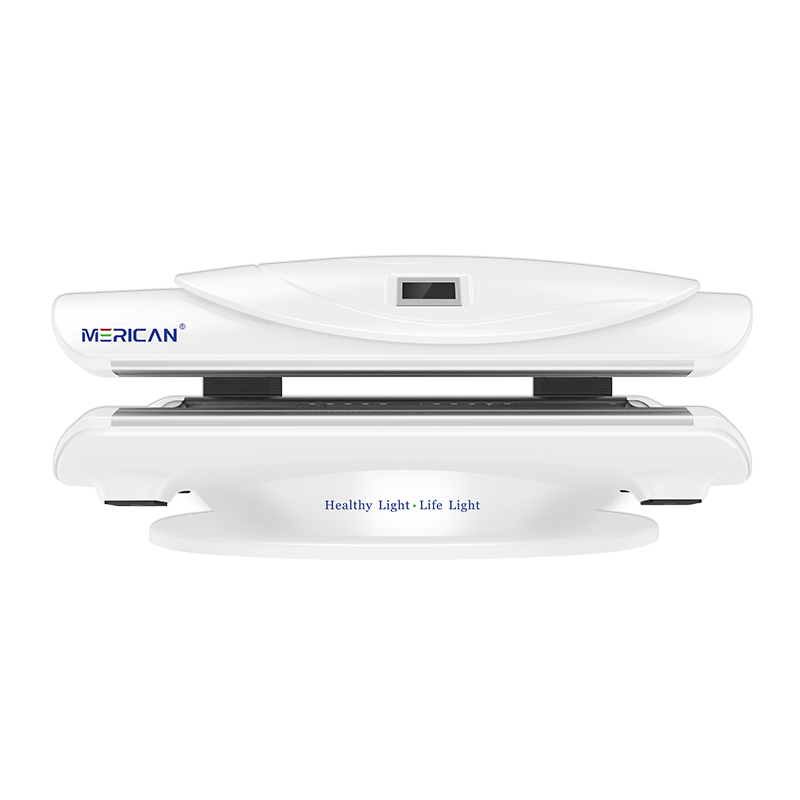
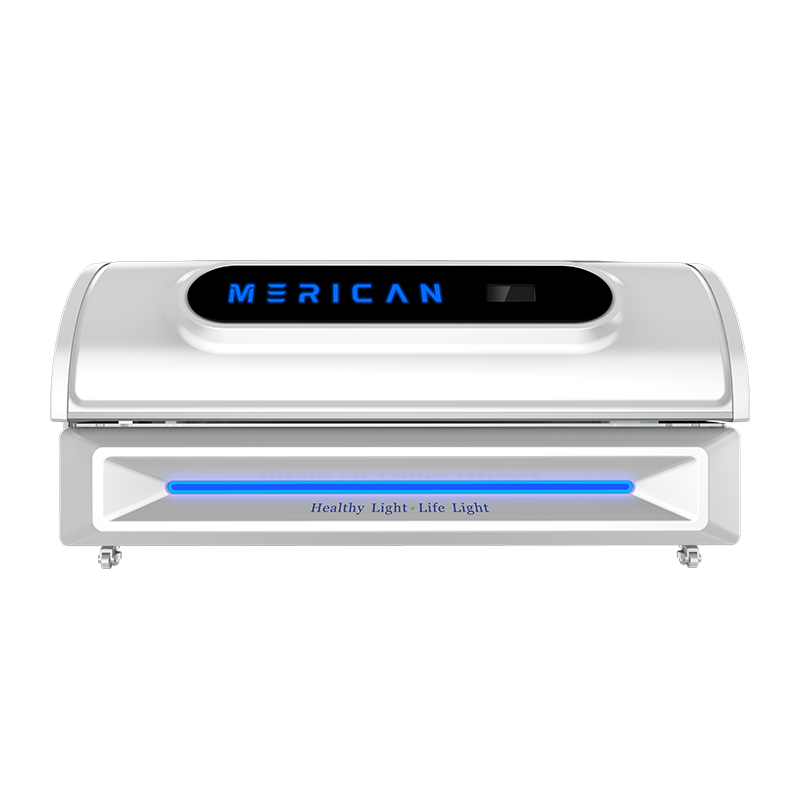
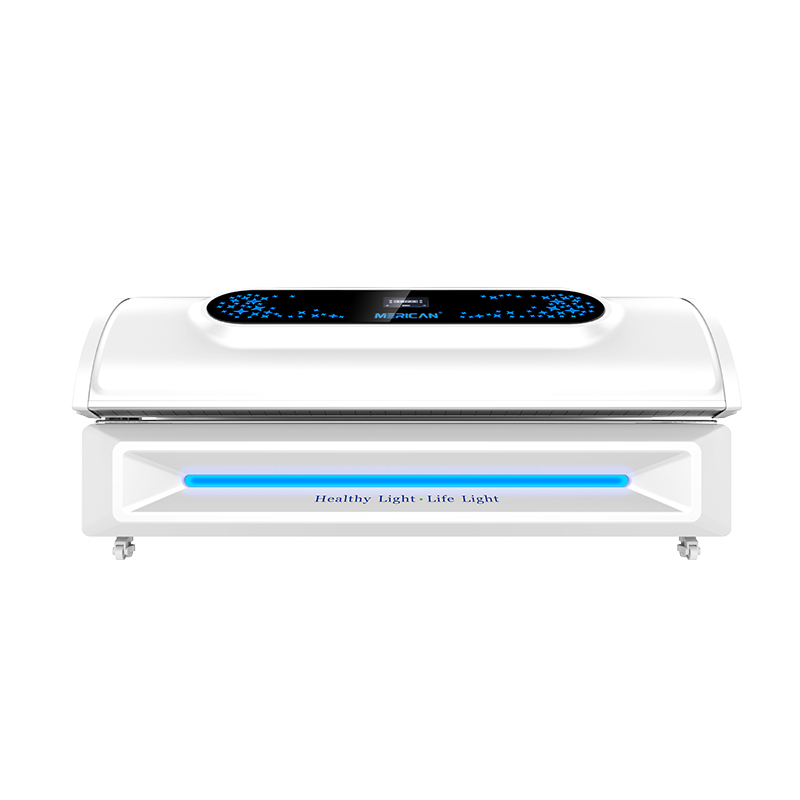
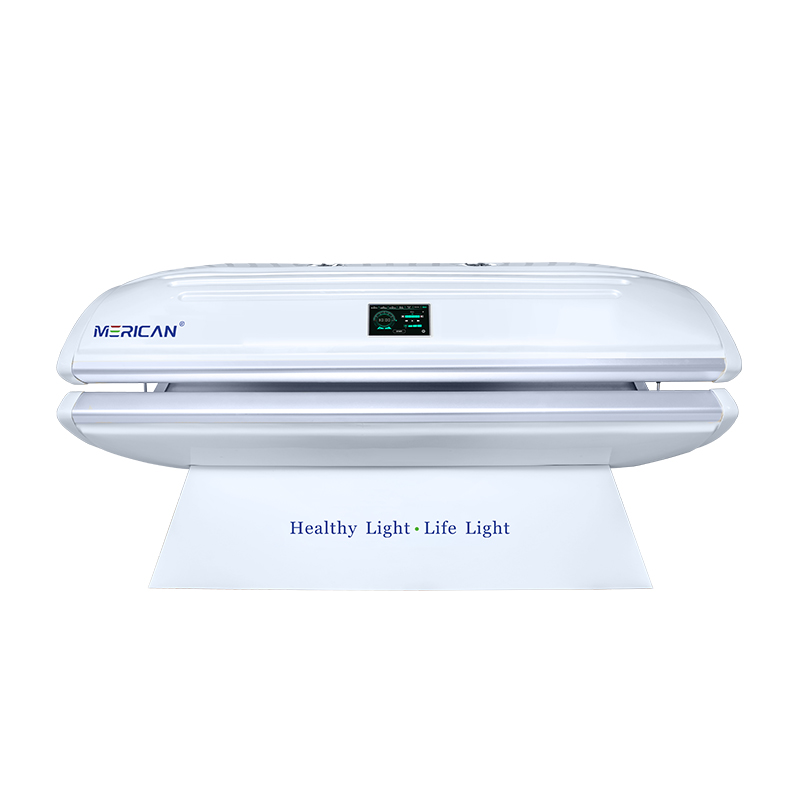
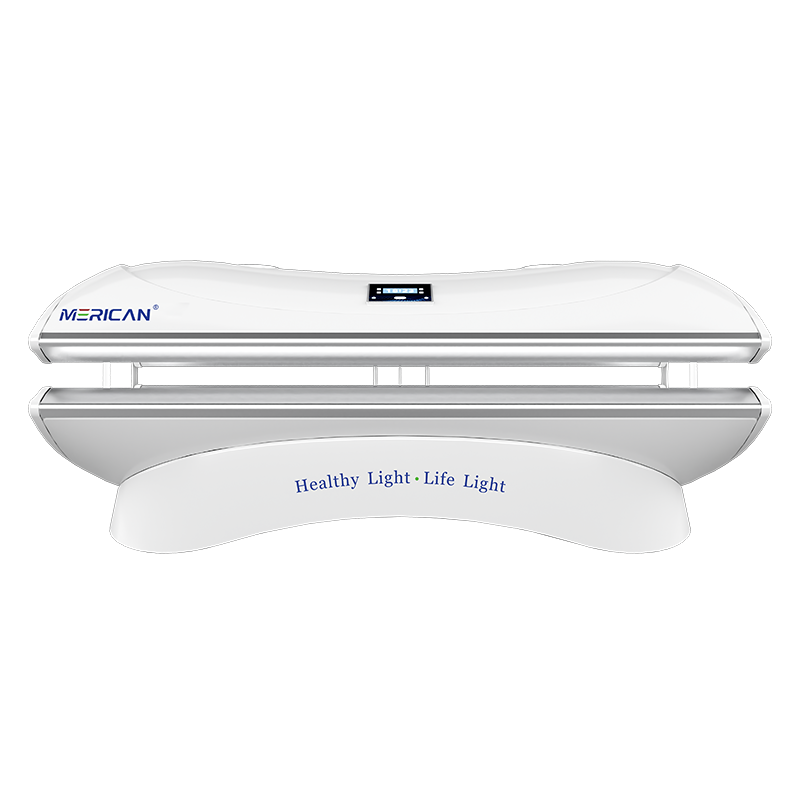
- Full-body red light therapy beds for even exposure and convenience
Benefits for Gyms, クリニック, and Sports Centers
Red light therapy is increasingly adopted by:
- Fitness centers and gyms
- Physical therapy clinics
- Sports performance facilities
- Wellness and recovery studios
It enhances service offerings while delivering measurable recovery benefits to clients.
Red Light Therapy vs Traditional Recovery Methods
| Recovery Method | Key Limitations |
|---|---|
| Ice baths | Discomfort, limited frequency |
| Massage | Time-consuming, 料金 |
| Pain medication | Side effects |
| 赤色光療法 | 非侵襲的, repeatable, 麻薬なし |
Who Can Benefit Most?
- Athletes with intensive training schedules
- Fitness enthusiasts experiencing muscle soreness
- Individuals recovering from muscle strain or overuse
- Wellness businesses expanding recovery solutions
最終的な考え
Red light therapy is not a replacement for proper training or nutrition, but it is a powerful complementary tool for muscle recovery. 継続的に使用することで, it can help users recover faster, train harder, and reduce the risk of injury.