빨간불 치료가 건염에 도움이 될 수 있습니까??
Tendonitis is a common overuse injury caused by inflammation or irritation of a tendon—the thick connective tissue that attaches muscle to bone. It often affects the shoulders, 팔꿈치, 무릎, 손목, and ankles, leading to pain, 단단함, 부종, and reduced mobility.
Because tendonitis can be slow to heal, many people look for non-invasive ways to support recovery. One increasingly popular option is red light therapy. But can red light therapy help tendonitis? Let’s explore how it works and what the science suggests.
레드라이트 테라피란??
빨간불 치료, 광생체변조라고도 알려져 있음 (PBM), 낮은 수준의 빨간색과 근적외선을 사용합니다. 630 nm과 880 nm—세포 활동을 자극합니다..
Unlike medications or injections, red light therapy is non-invasive and works by supporting the body’s natural healing mechanisms rather than masking symptoms.
How Red Light Therapy May Help Tendonitis
Red light therapy does not replace rest or rehabilitation, but it may provide meaningful support for tendon recovery through several mechanisms:
1. Helps Reduce Inflammation
Inflammation is a primary driver of tendon pain. Red light therapy has been shown to help regulate inflammatory markers and reduce oxidative stress, which may ease swelling and discomfort.
2. Supports Tendon Tissue Repair
By stimulating mitochondrial ATP production, red light therapy may support collagen synthesis and cellular repair—both critical for tendon healing.
3. 혈액 순환 개선
Tendons have limited blood supply, which can slow healing. Red light therapy may help improve local circulation, delivering oxygen and nutrients to the injured area.
4. Provides Natural Pain Relief
Photobiomodulation has been studied for its effects on musculoskeletal pain. Many users report reduced pain and stiffness with consistent use, making rehabilitation exercises more tolerable.
연구 결과는 무엇을 말합니까??
Studies on photobiomodulation suggest beneficial effects for tendinopathies, soft tissue injuries, and chronic pain conditions. Research indicates that red and near-infrared light may help reduce pain and improve function in tendon-related conditions when combined with rest and physical therapy.
하지만, severe or long-standing tendon damage still requires professional medical evaluation. Red light therapy should be viewed as a complementary recovery tool, not a standalone treatment.
How to Use Red Light Therapy for Tendonitis
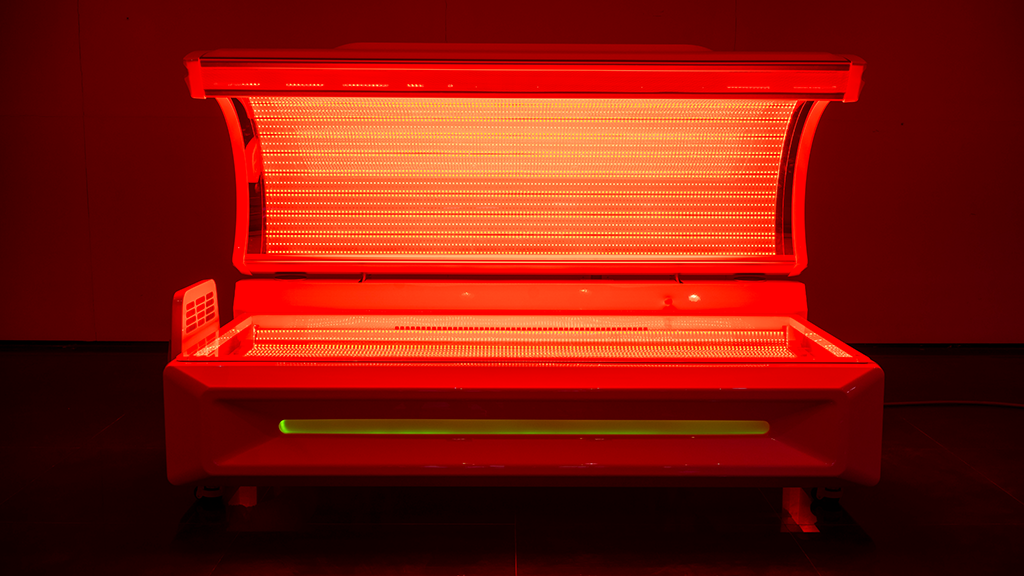
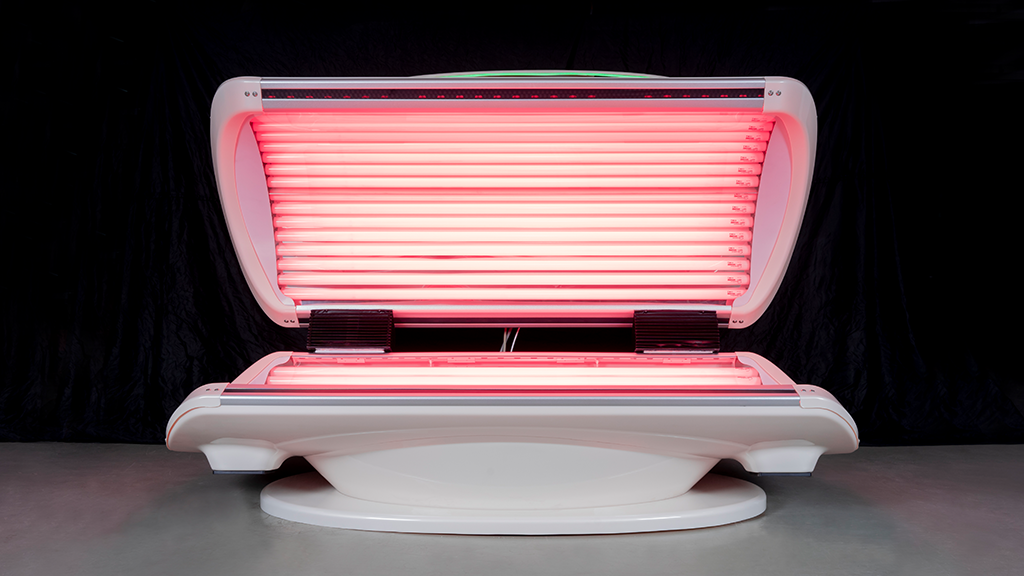
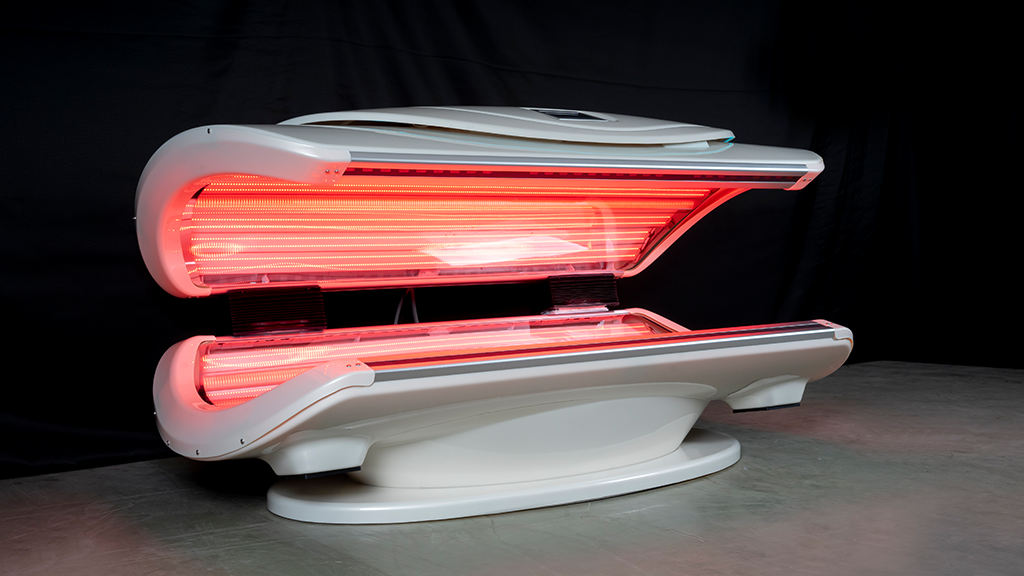
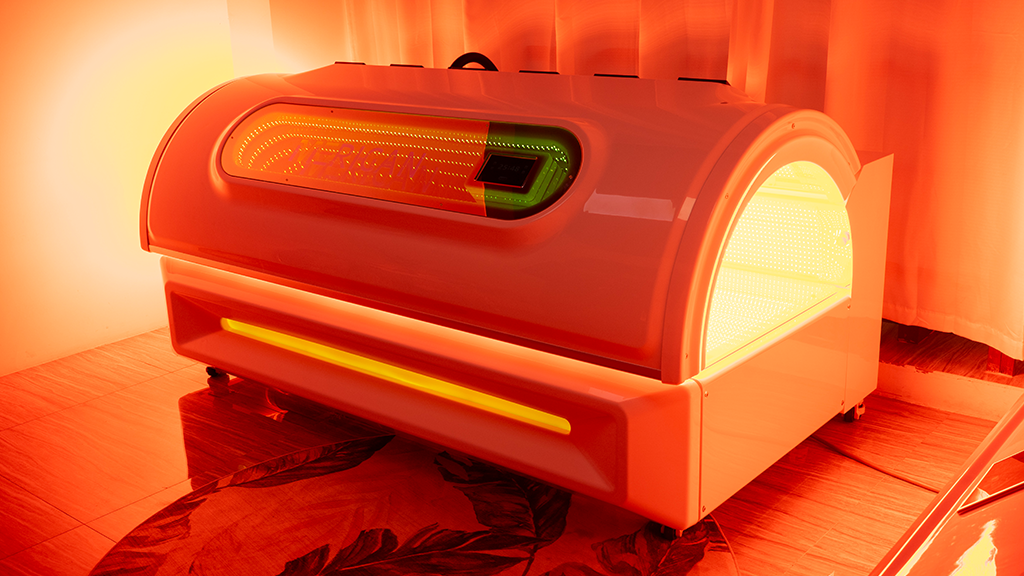
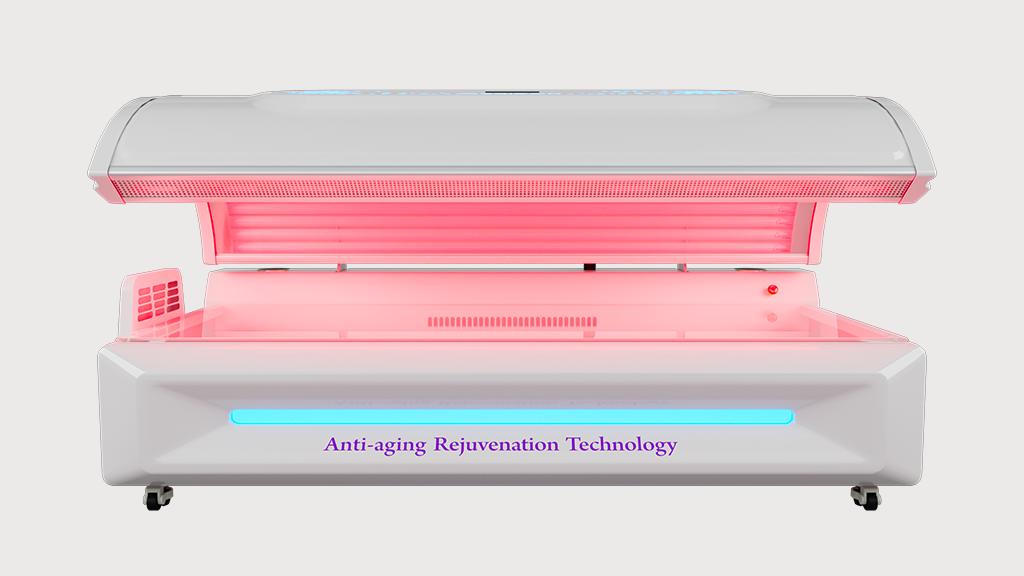
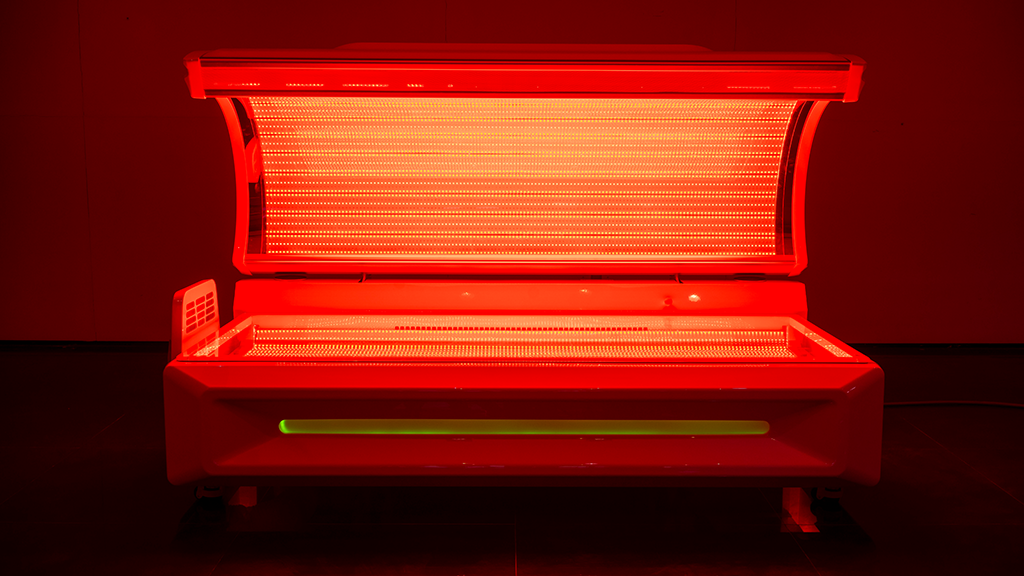
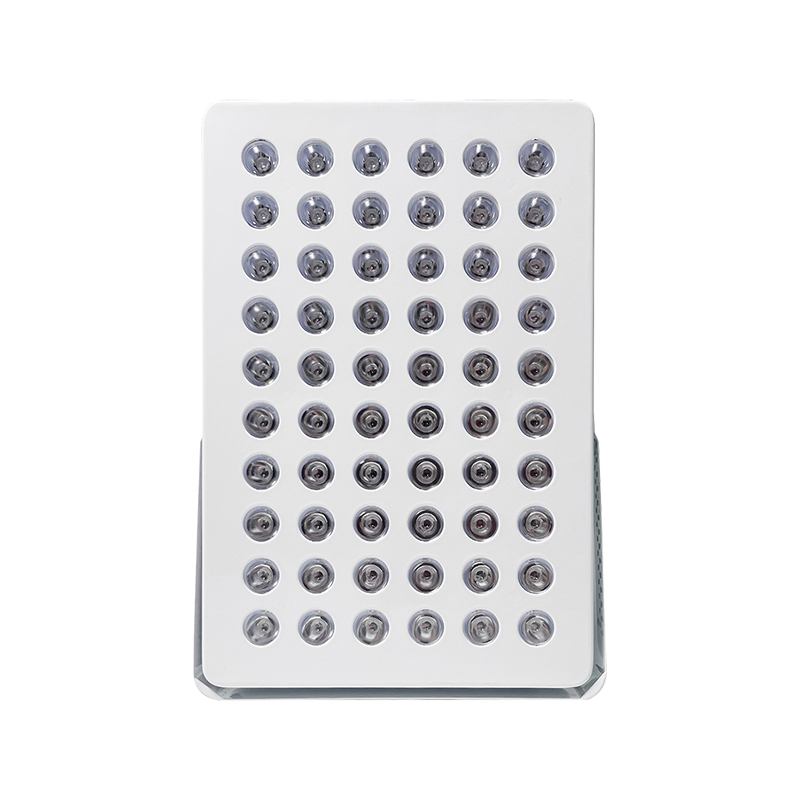
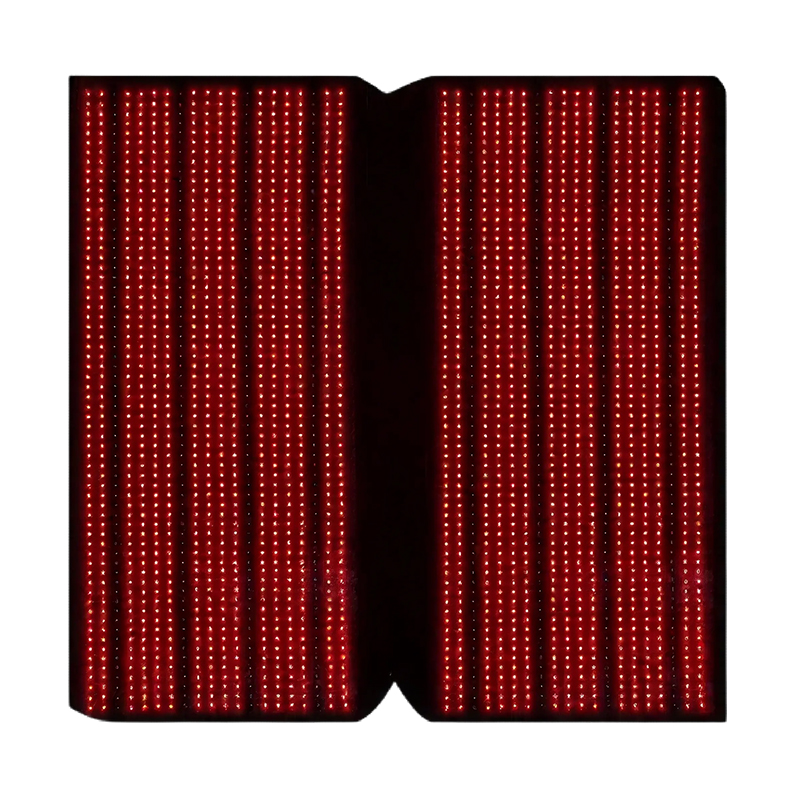
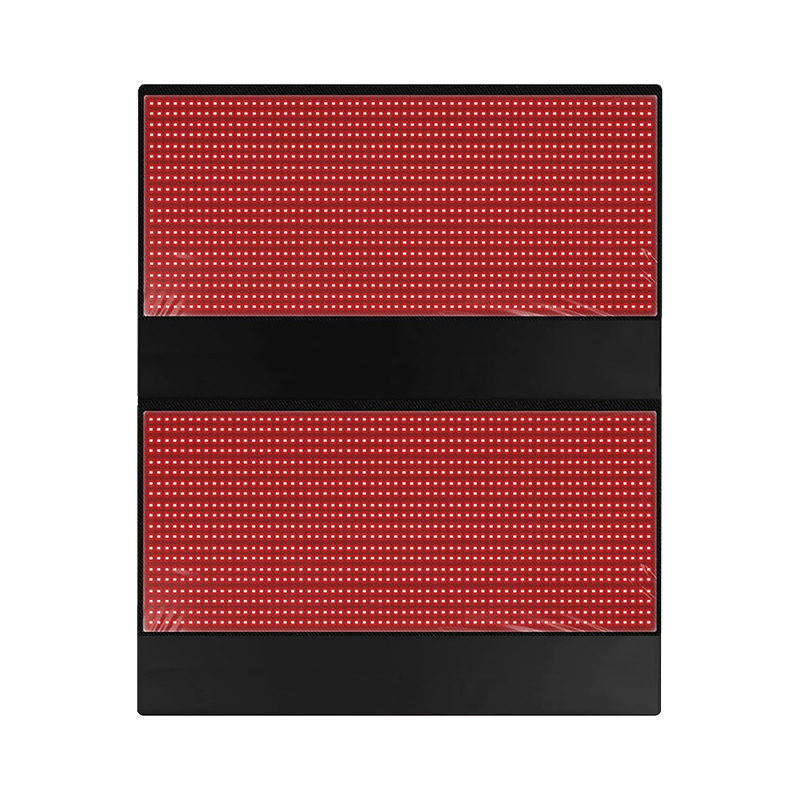
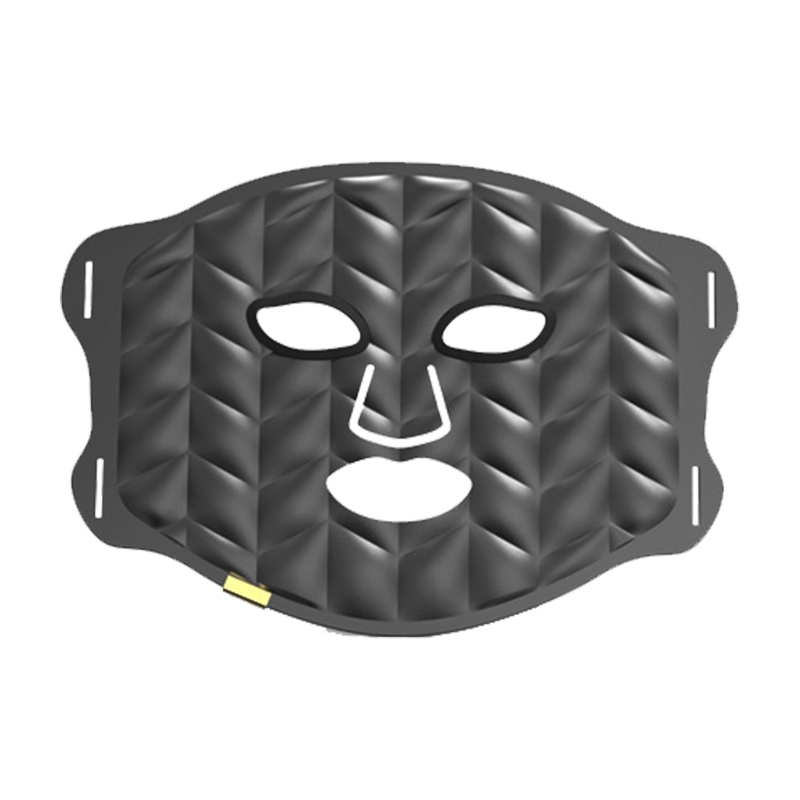
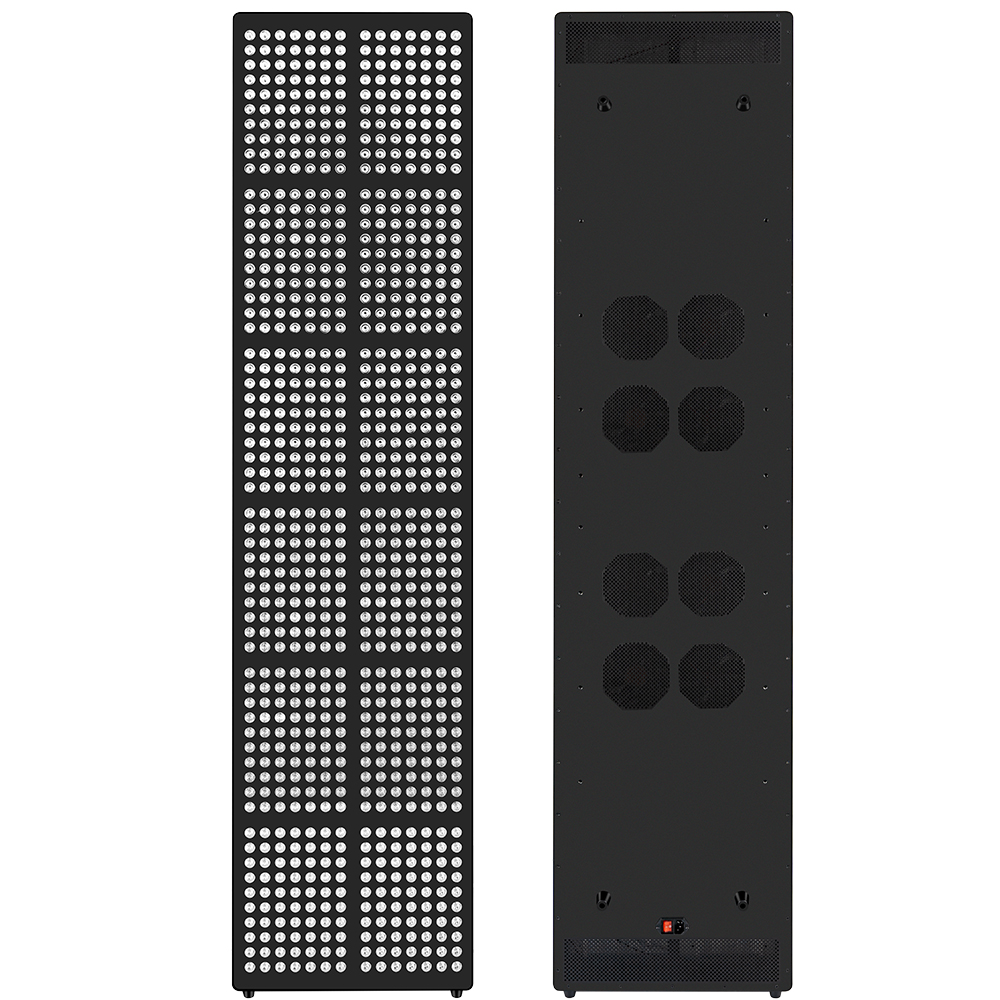
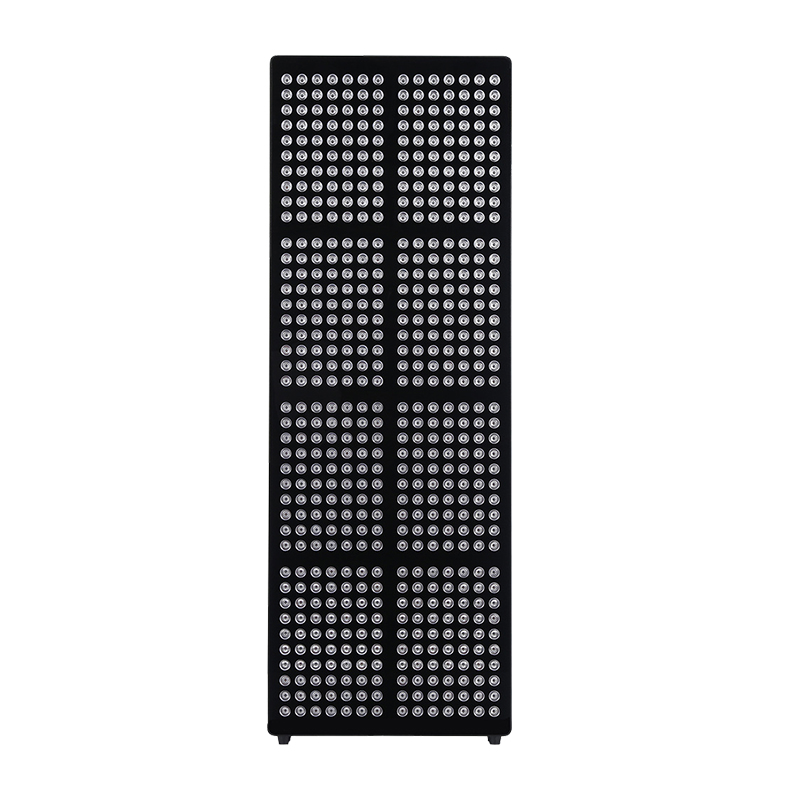
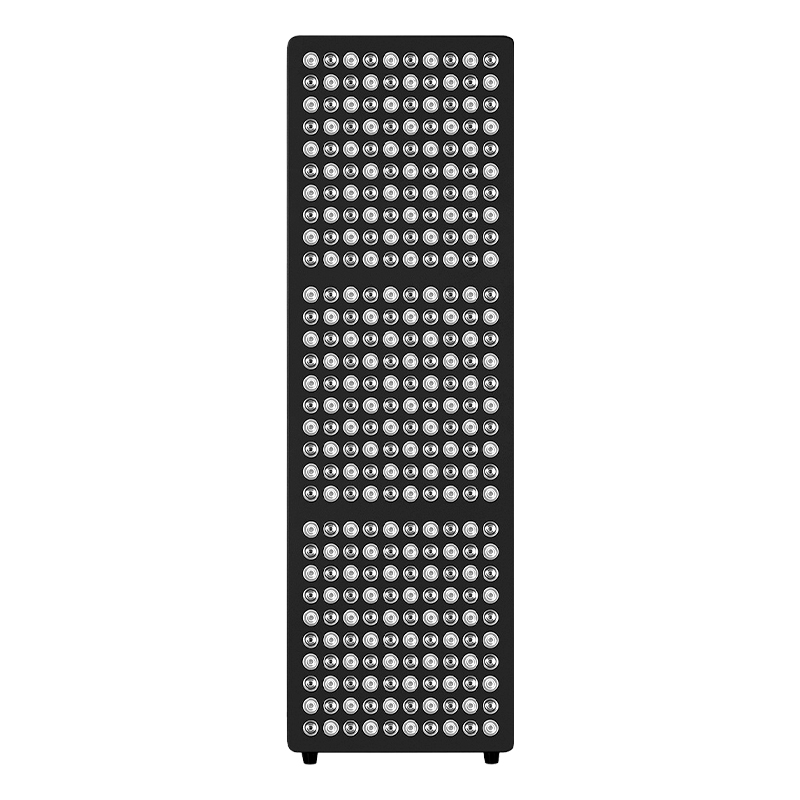
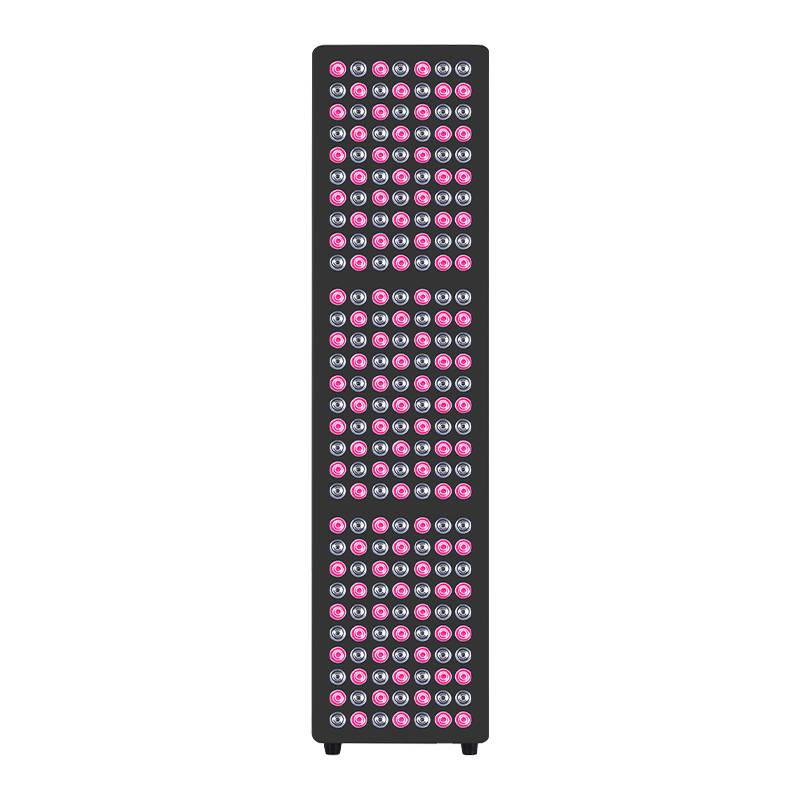
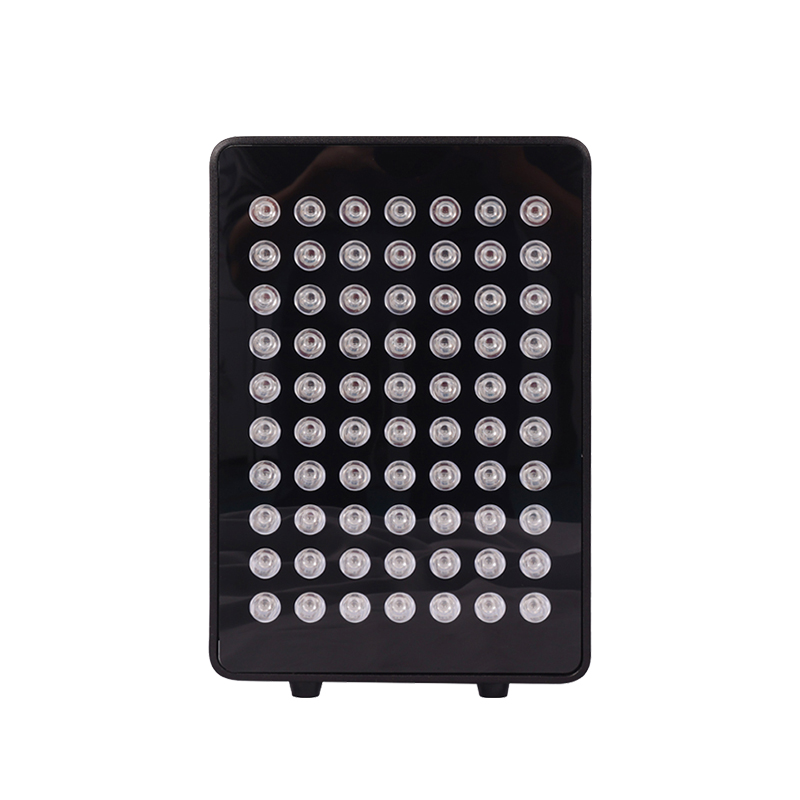
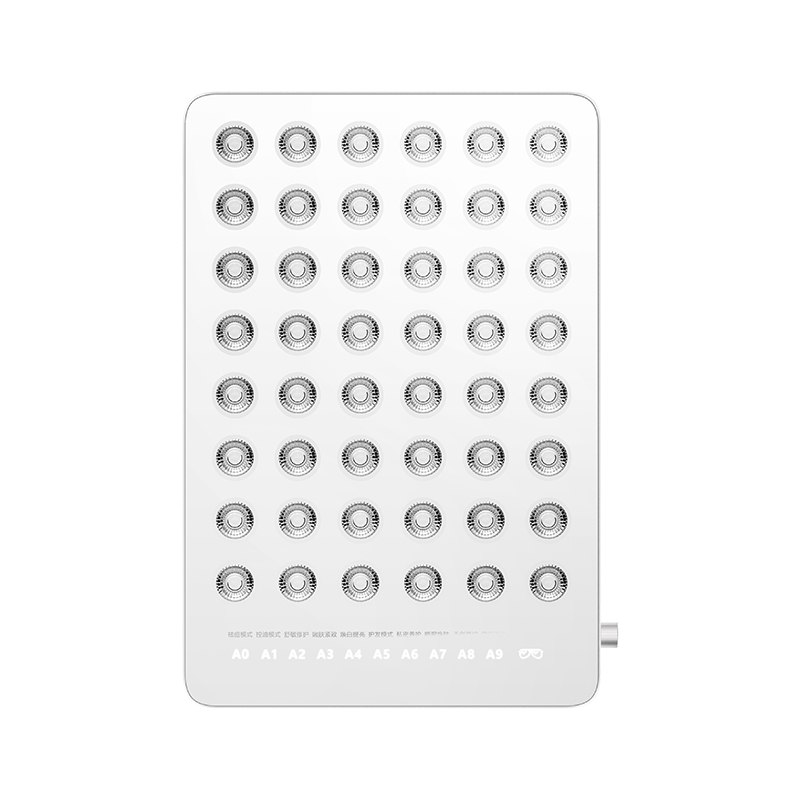
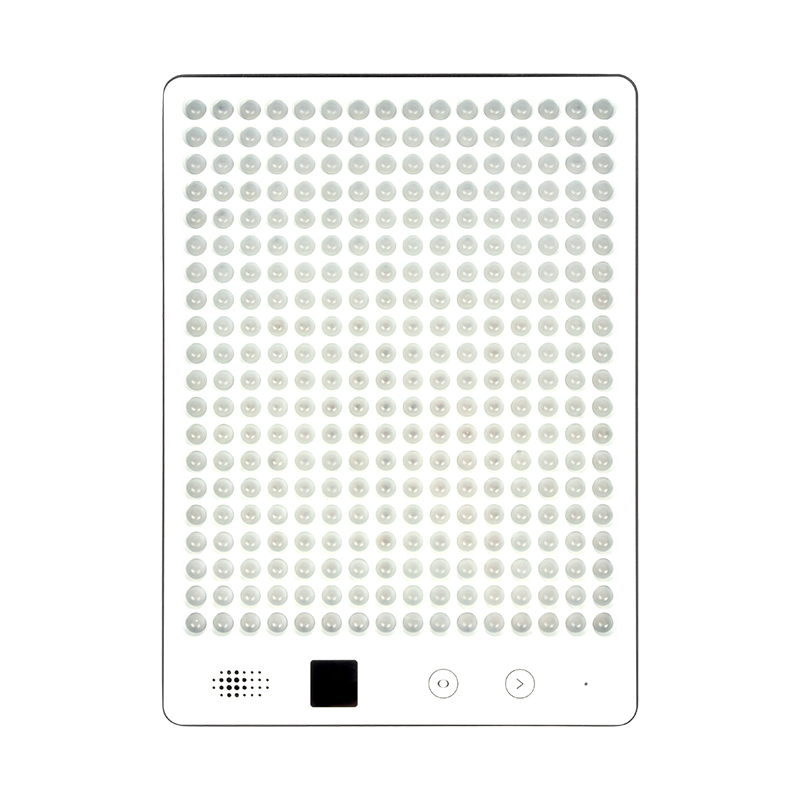
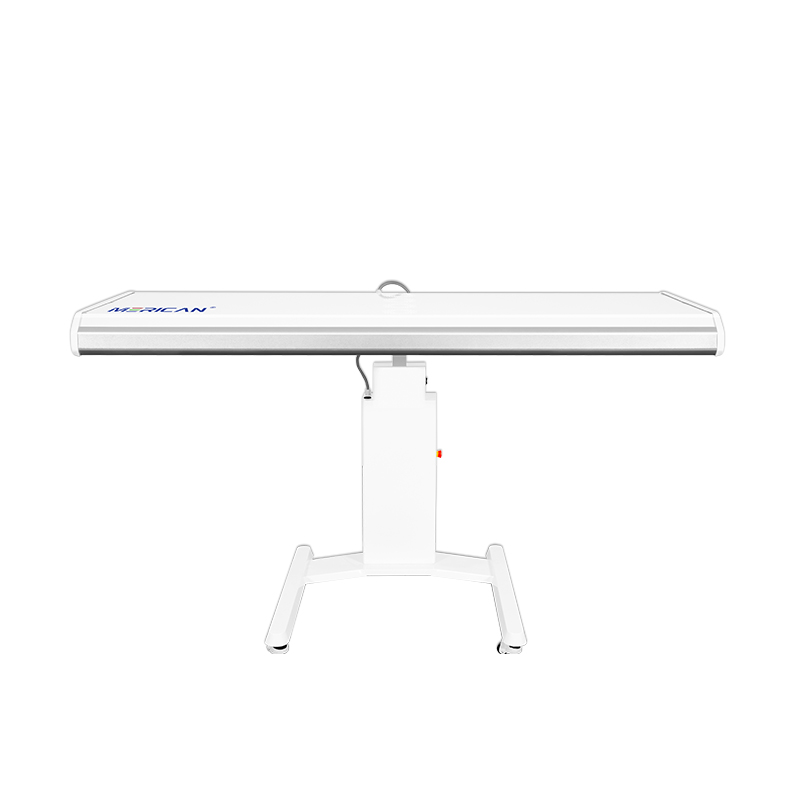
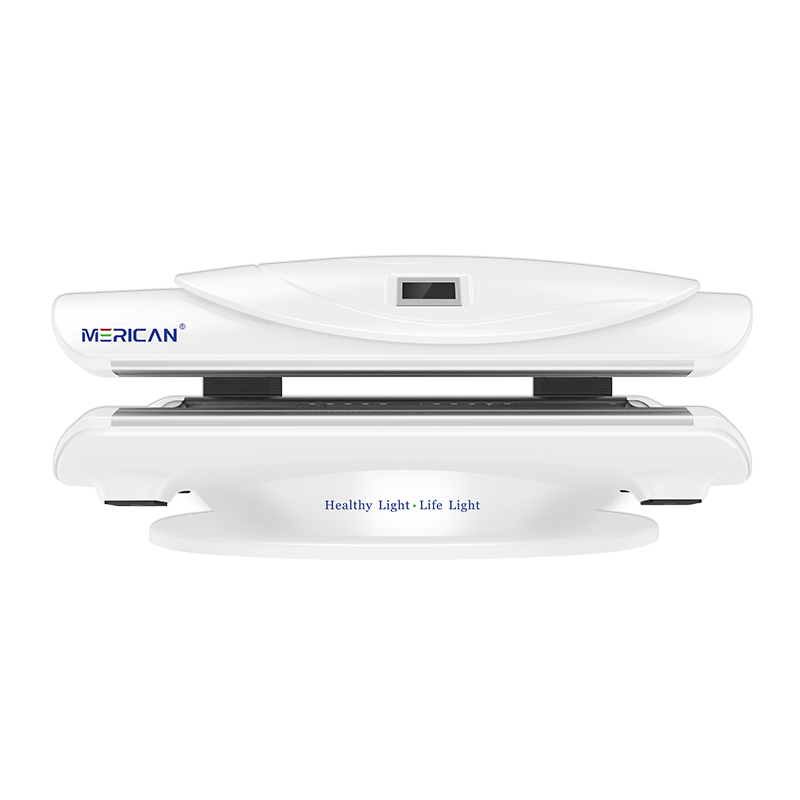
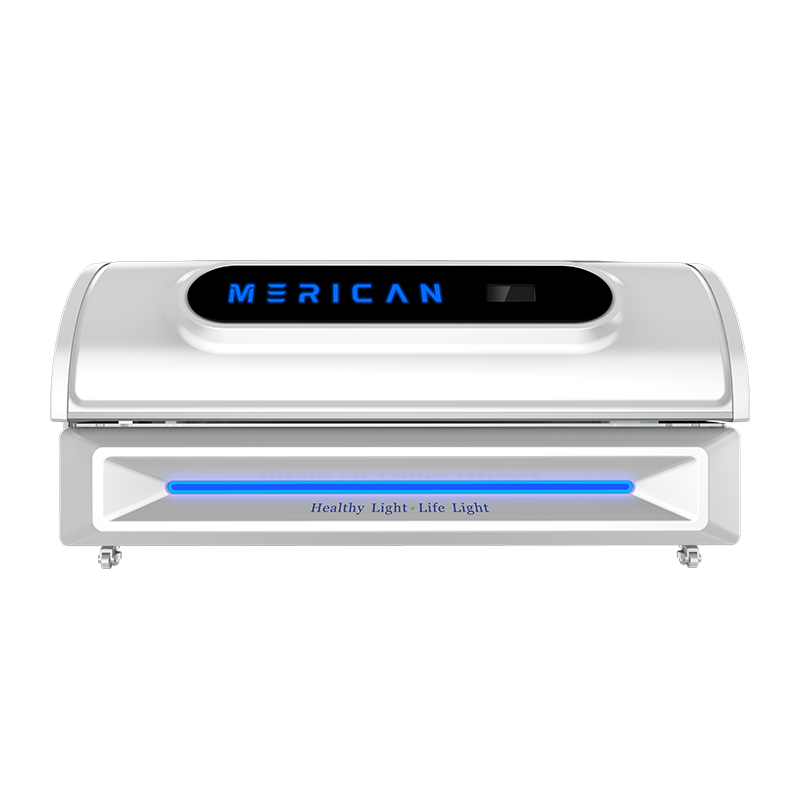
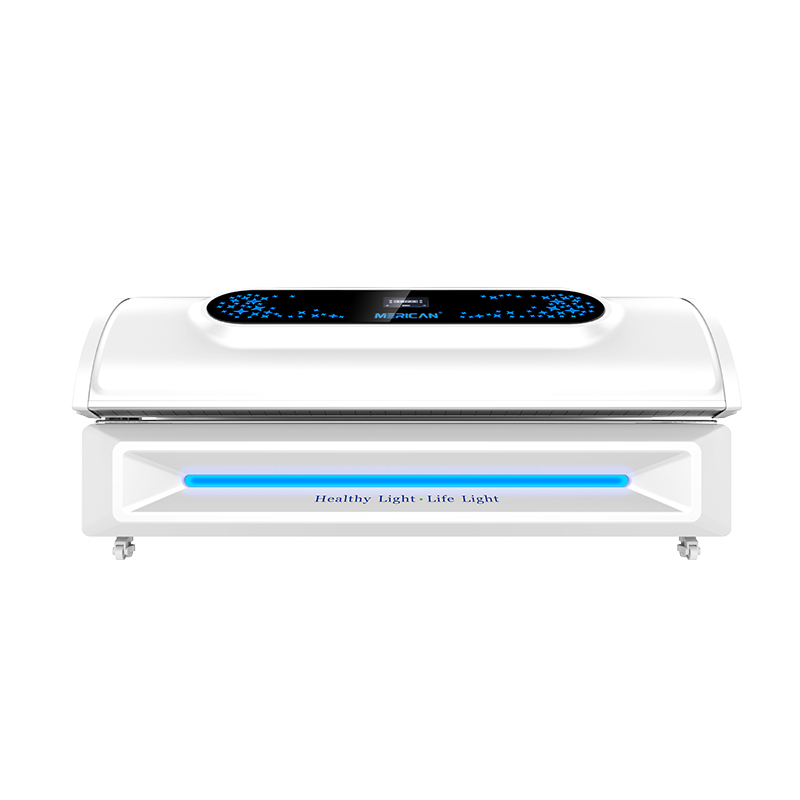
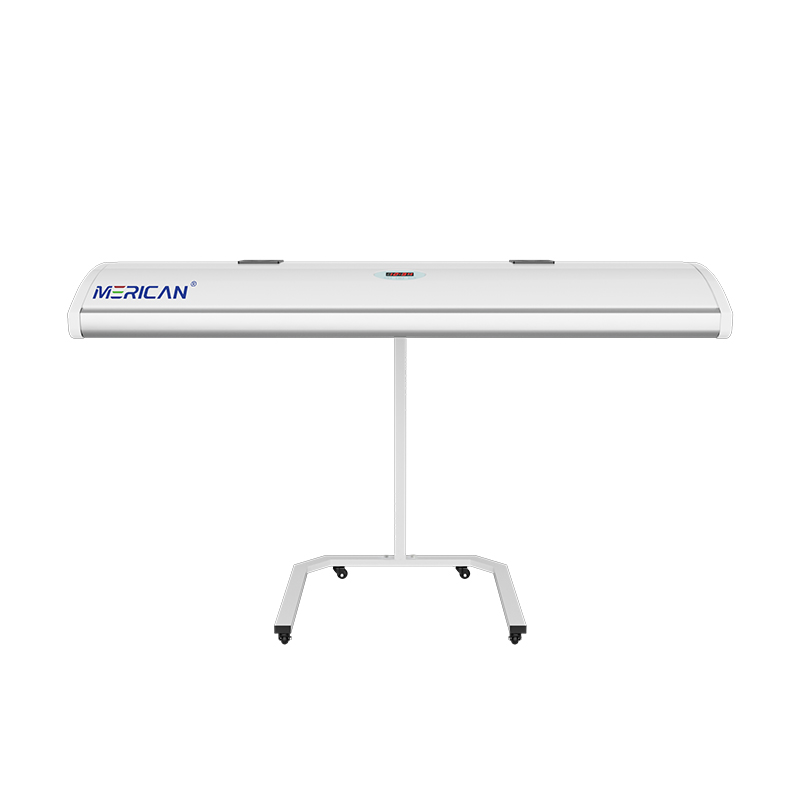
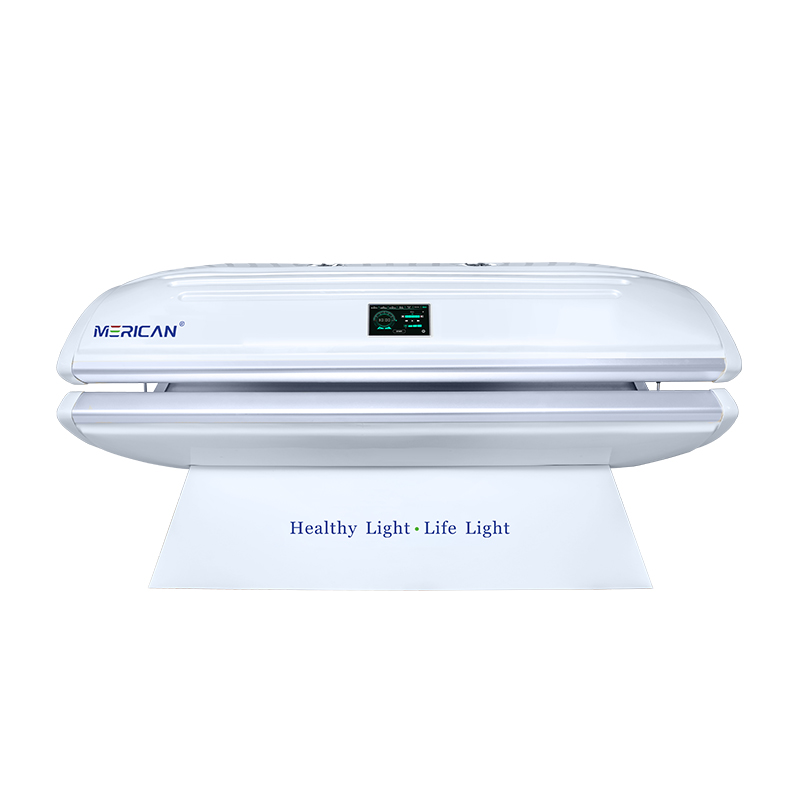
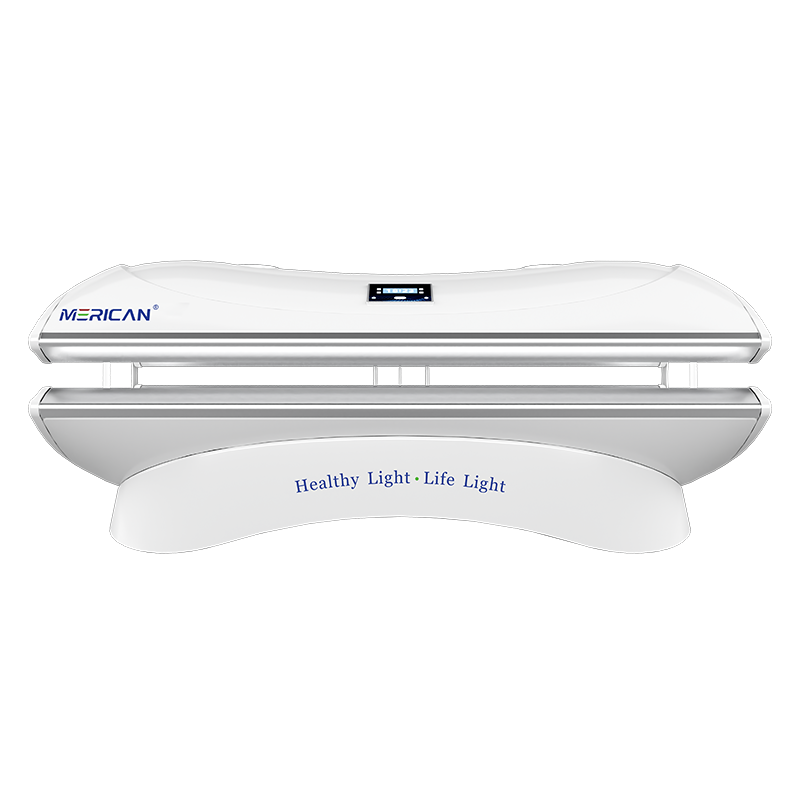
Red light therapy may be applied directly to the affected tendon using targeted devices, 패널, or professional-grade red light therapy beds.
일반적인 웰빙 지향 지침에는 다음이 포함됩니다.:
- 파장: 660 nm (빨간색) 그리고 850 nm (근적외선)
- 세션 기간: 10지역 당 –20 분
- 빈도: 3–5 주당 세션
- 대상지역: Directly over the affected tendon
Consistency over several weeks is often necessary to notice improvements.
안전 및 중요 고려사항
- Red light therapy does not repair tendon tears or ruptures
- Acute pain, severe swelling, or loss of function requires medical evaluation
- Best results occur when combined with rest, 물리치료, and proper load management
- Discontinue use if pain worsens or irritation develops
Always consult a healthcare professional for persistent or severe tendon pain.
최종 생각
그래서, can red light therapy help tendonitis? While it cannot replace medical treatment or physical therapy, 적색 광선 요법이 도움이 될 수 있습니다 염증을 감소, 조직 복구 지원, 순환을 개선하다, and ease pain—making it a valuable complementary option in tendonitis recovery.
For individuals seeking a non-invasive, drug-free approach to support tendon health, red light therapy may be a helpful addition to a comprehensive tendonitis management plan.
FAQ
큐: Can red light therapy cure tendonitis?
에이: 아니요. Tendonitis requires rest and rehabilitation. Red light therapy may support recovery but does not cure the condition.
큐: Is red light therapy better for chronic tendonitis?
에이: Many people find it especially helpful for chronic or recurring tendon pain when used consistently.
큐: How soon can I expect results?
에이: Some users report improvement within 2–4 weeks, while chronic cases may take longer.