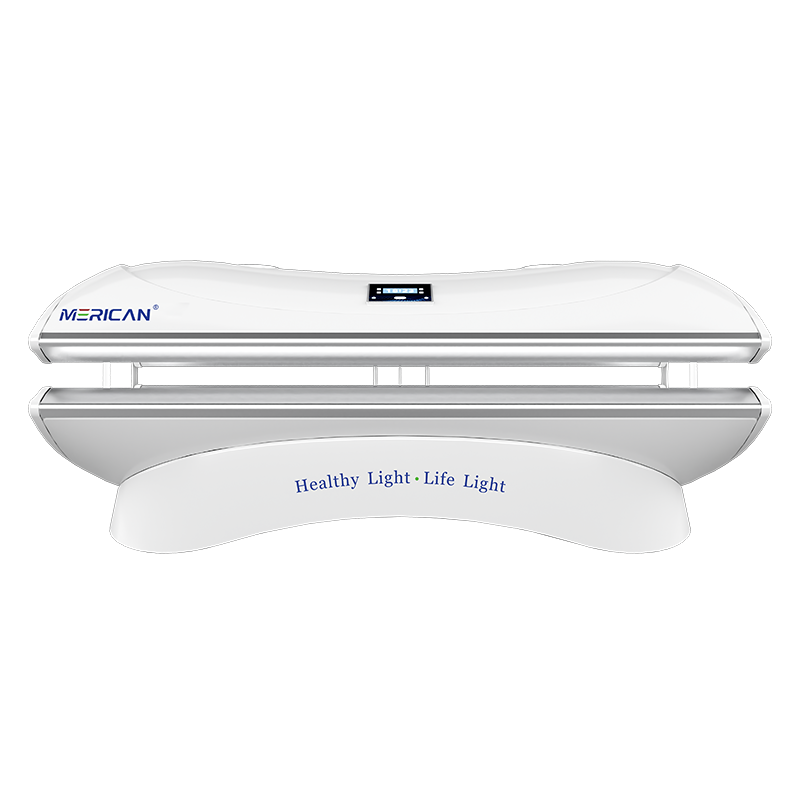
Safe and effective usage guidelines and precautions
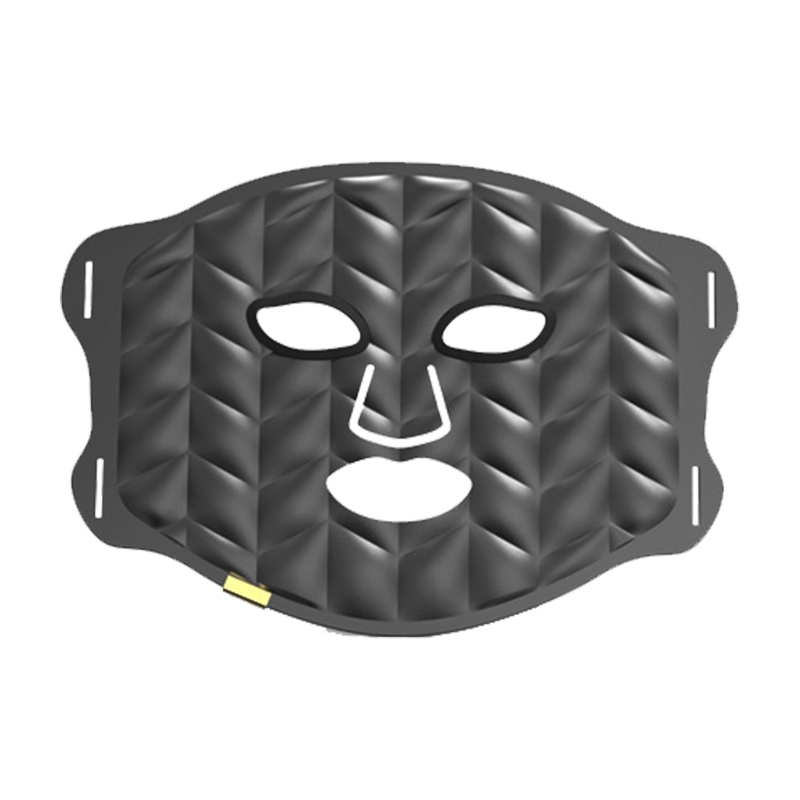
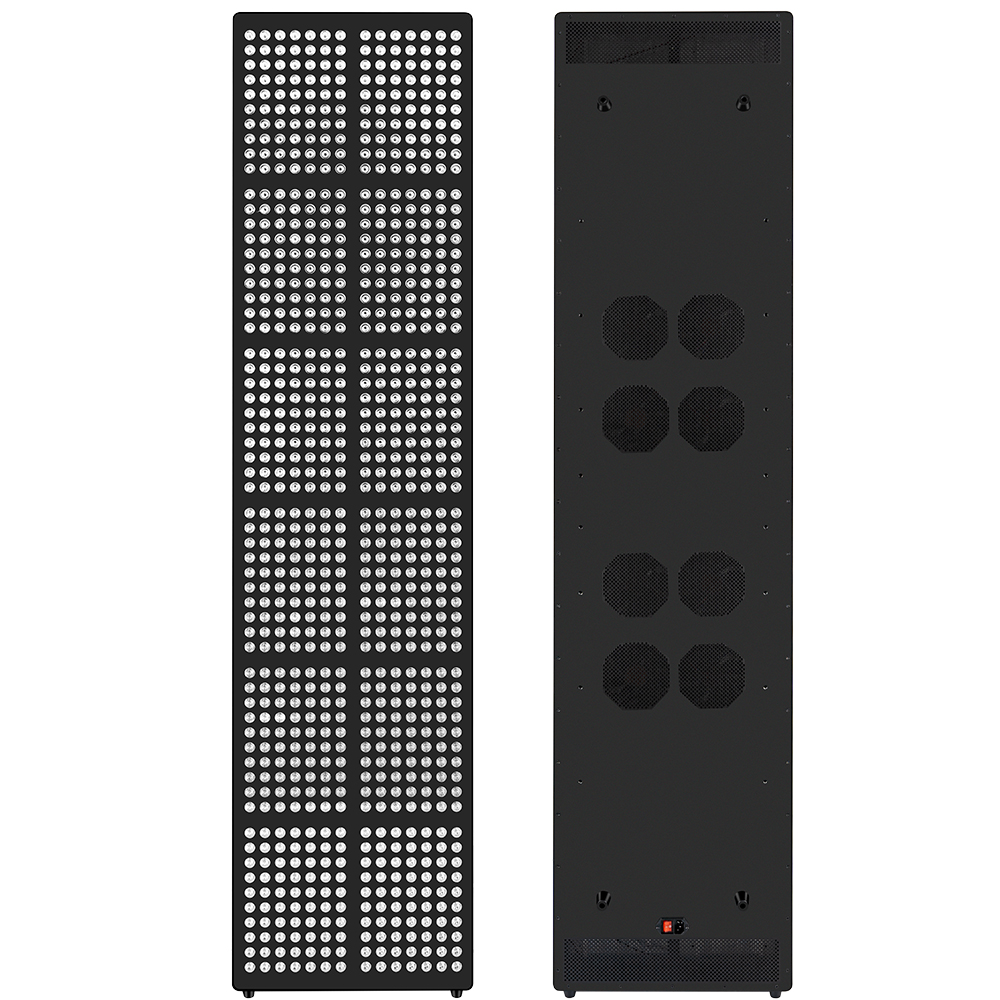
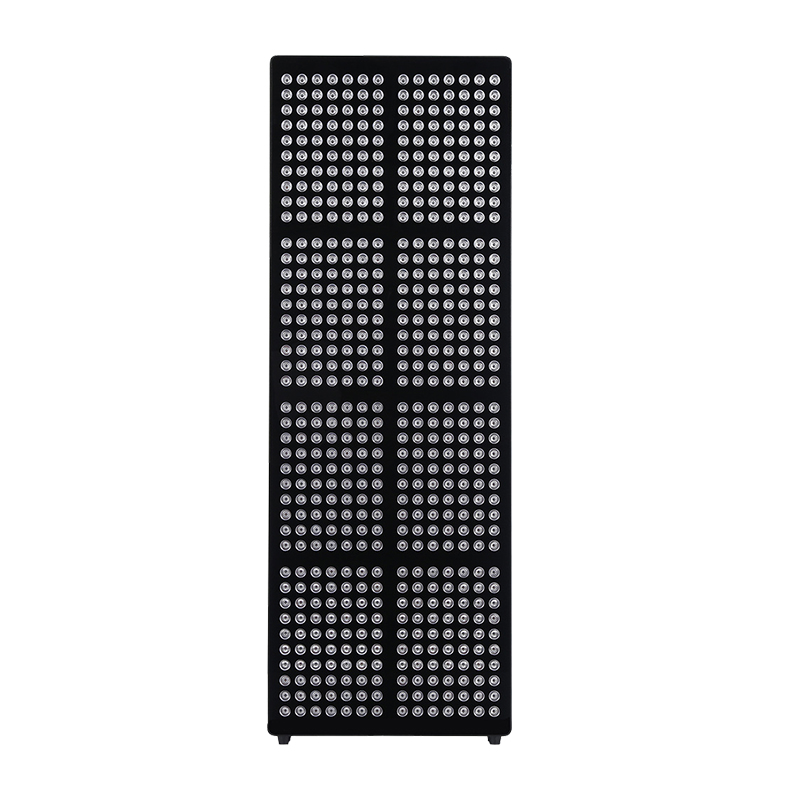
With the increasing popularity of home-use red and blue light therapy devices, 많은 사람들이 집에서 가벼운 상처를 치료하는 데 도움을 주기 위해 이 제품을 사용하기를 희망합니다.. 올바른 사용법이 중요합니다.
적용 가능한 상처 유형 (가정용):
작은 찰과상 및 상처 (출혈이 멈춘 후)
1도 또는 표재성 2도 화상
Late recovery period for healed wounds with scarring
Pimples with broken skin (pay attention to device cleanliness)
Operating Steps and Suggestions:
Cleanliness First: Always clean and disinfect the wound according to standard wound care procedures.
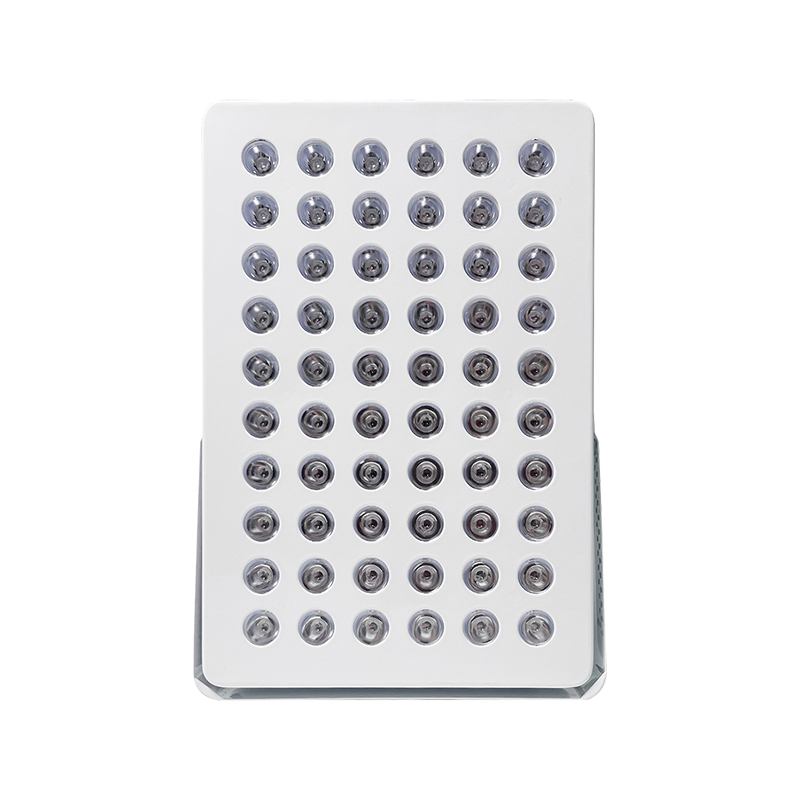
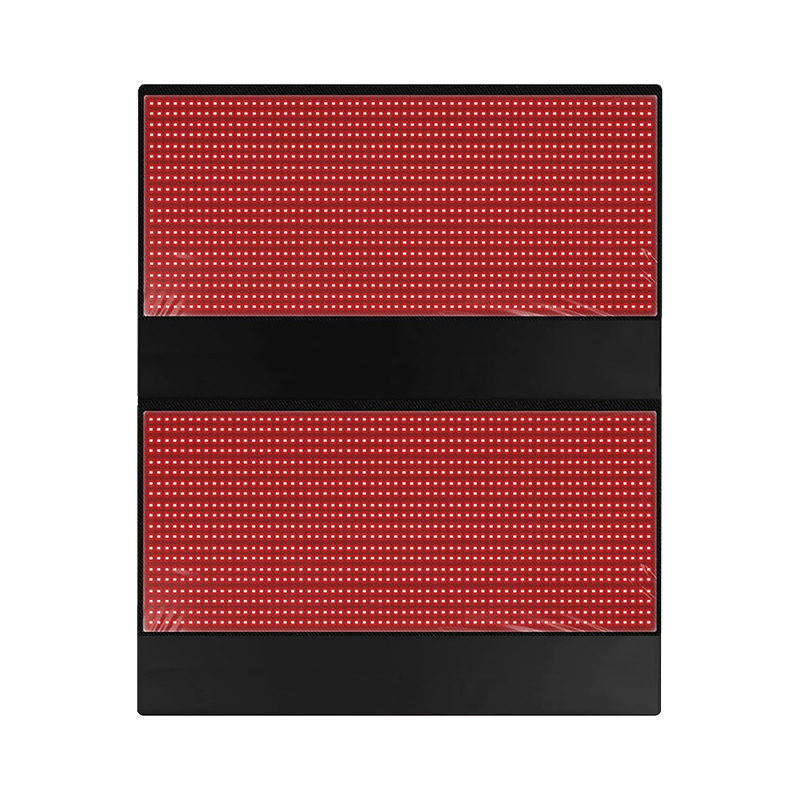
Device Selection: Choose a device with a wavelength of 630-660nm (빨간불) or 800-850nm (근적외선), and ensure the output power is within a safe range (usually low for home-use devices).
Irradiation Method: Maintain an appropriate distance between the device and the skin (대개 5-15 cm according to the instructions), directly irradiating the wound area.
Time and Frequency: It is recommended to irradiate for 5-10 매번 분, 1-2 times a day. More is not necessarily better; follow the principle of “low dose, high frequency.”
Observe the response: The wound should feel comfortable after treatment. Discontinue use immediately if increased redness, 부종, or discomfort occurs.
Important Warning: Do not use on undiagnosed infected wounds, malignant tumor wounds, active bleeding wounds, or severe third-degree burns. Chronic, complex wounds (such as severe diabetic ulcers) must be used under the guidance of a physician.
Appendix: FAQ (자주 묻는 질문)
1분기: Is red and blue light therapy really effective for treating wounds? Is there scientific evidence?
에이: 예, it is effective. Numerous clinical studies published in authoritative journals such as Wound Repair and Regeneration 그리고 수술 및 의학에서의 레이저 support its positive effects on various acute and chronic wounds. It has been approved by the FDA for the treatment of muscle and joint pain and some wound care.
2분기: 적색광과 근적외선의 차이점은 무엇입니까? Which is better for wounds?
에이: 빨간불 (630-700nm) penetrates shallower, effectively targeting the skin’s surface and collagen synthesis; 근적외선 (800-900nm) 더 깊게 침투, reaching subcutaneous tissue and muscles, providing better relief for deep inflammation and pain. Many devices combine both wavelengths for a more comprehensive effect.
3분기: What are the risks or side effects of using red and blue light therapy to treat wounds?
에이: Side effects are minimal when used correctly. Possible risks include: overuse leading to dry or red skin; direct eye contact with the light source may cause discomfort or damage (wearing protective goggles is recommended); use on unsuitable wounds (such as malignant wounds) may delay treatment.
4분기: At what stage can red and blue light therapy be started on a wound?
에이: It is recommended to start using it during the inflammatory and proliferative phases after the acute bleeding phase for the most significant results. This can begin once the wound is clean and there is no active bleeding. Use during the later remodeling phase of healing also helps improve scarring.
Q5: Are home-use and medical-use devices equally effective?
에이: Medical devices typically have higher power, more precise parameters, and clinically validated protocols, resulting in more significant effects. Home-use devices, as daily care and auxiliary methods, are convenient and easy to use, and effective for superficial and minor wounds. 하지만, they cannot replace professional medical treatment for severe or chronic wounds.
Q6: How long does one irradiation session take? 결과를 보는 데 시간이 얼마나 걸립니까??
에이: A single irradiation session usually lasts 5-15 분, 1-2 times daily. Results vary depending on the type and severity of the wound. Chronic wounds may require several weeks to observe significant improvement, while minor abrasions may show accelerated healing within days.