소개
두피 건선은 특히 실망스러울 수 있습니다.. 가려움증, 벗겨짐, 홍반, 눈에 보이는 플라크는 종종 자신감과 편안함에 영향을 미칩니다.. 사람들이 비스테로이드성 해결책을 찾으면서, 공통적인 질문이 생긴다: 두피 건선에 적색 광선 요법이 좋은가요??
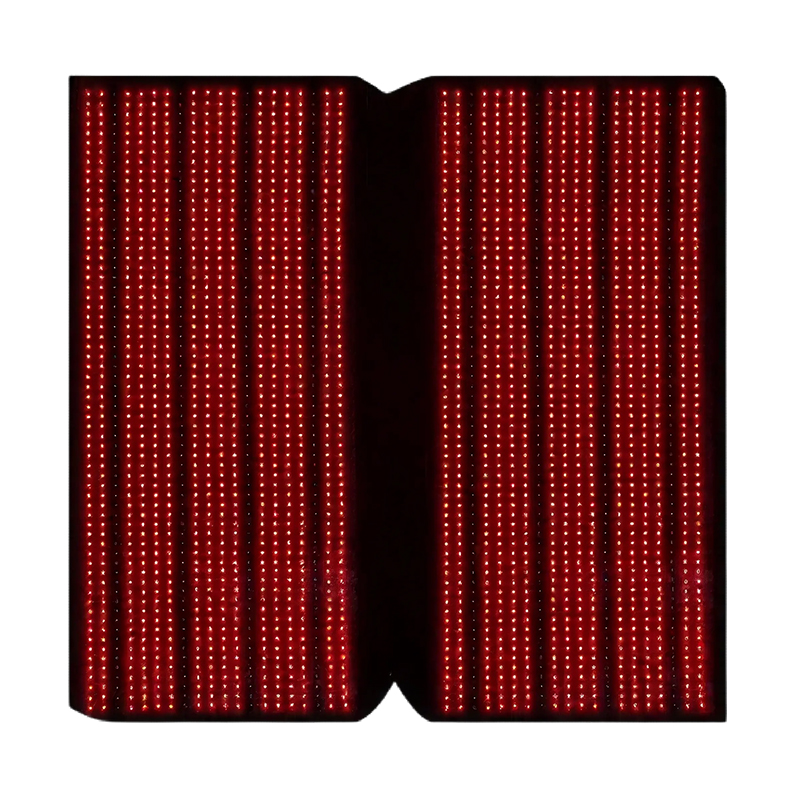
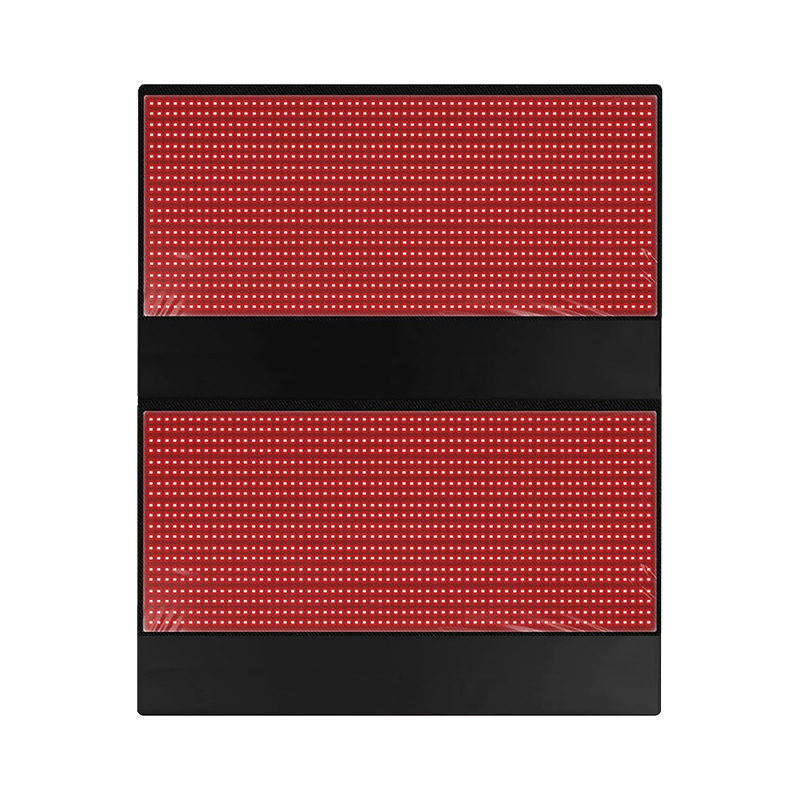
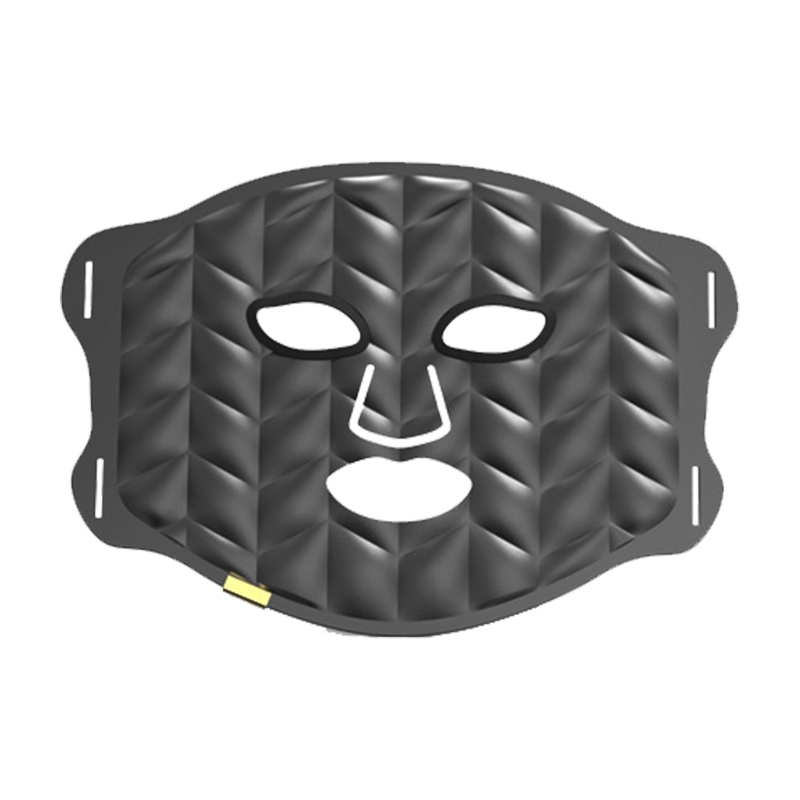
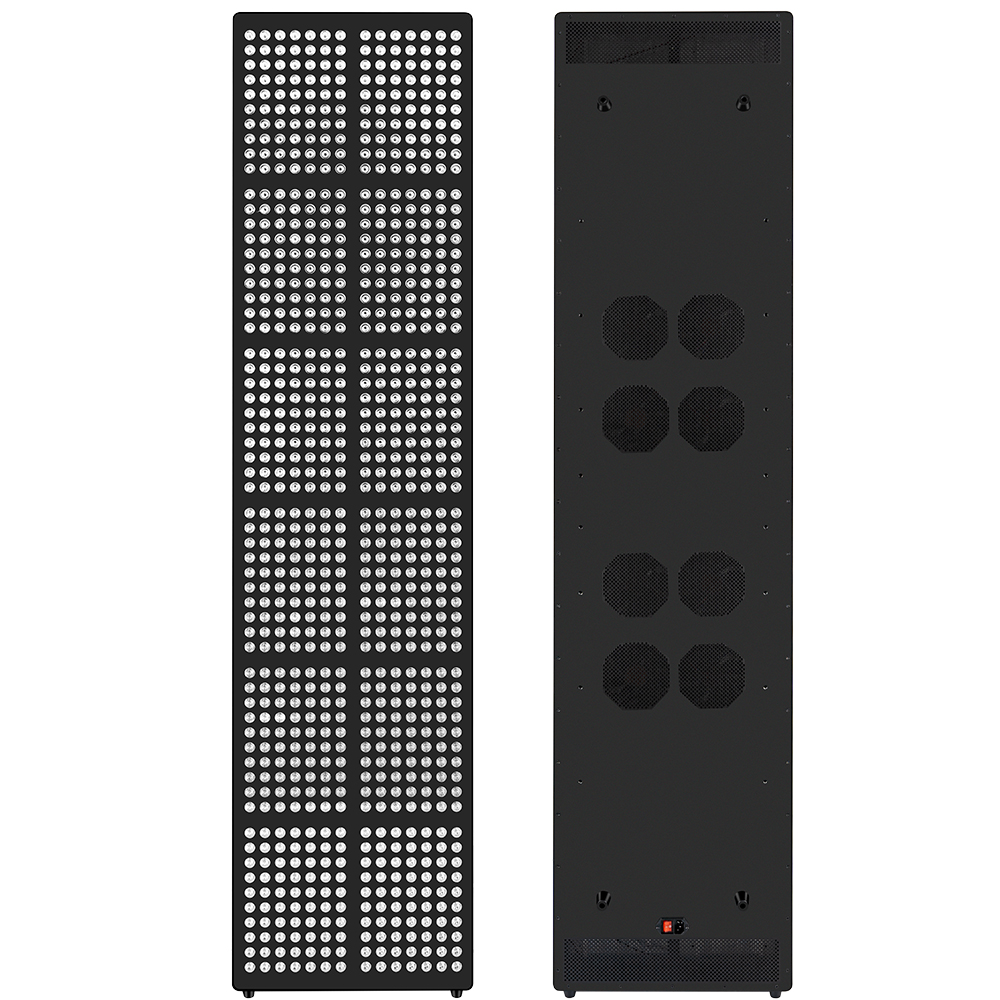
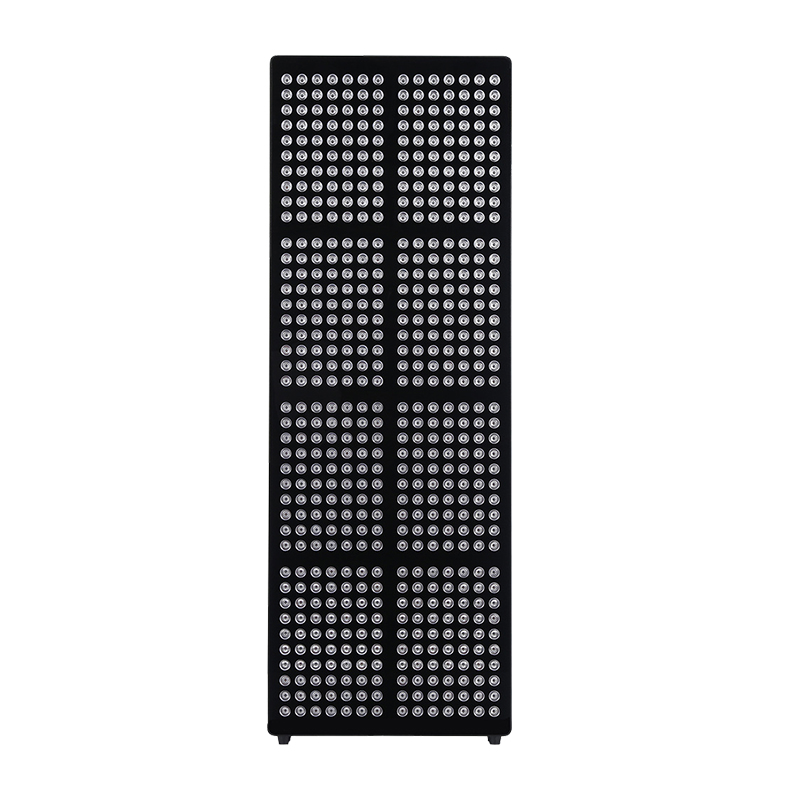
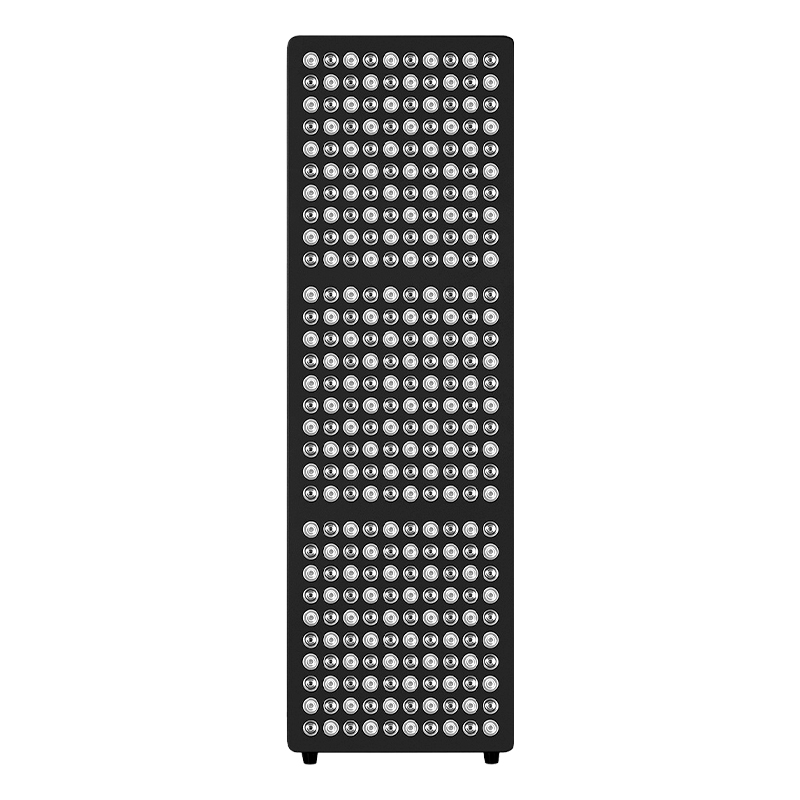
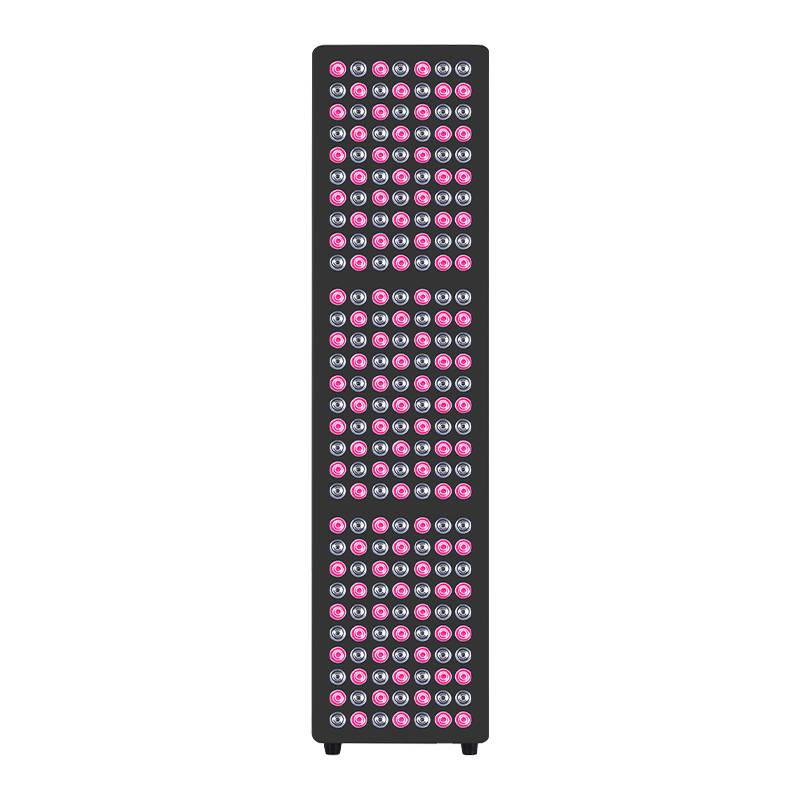
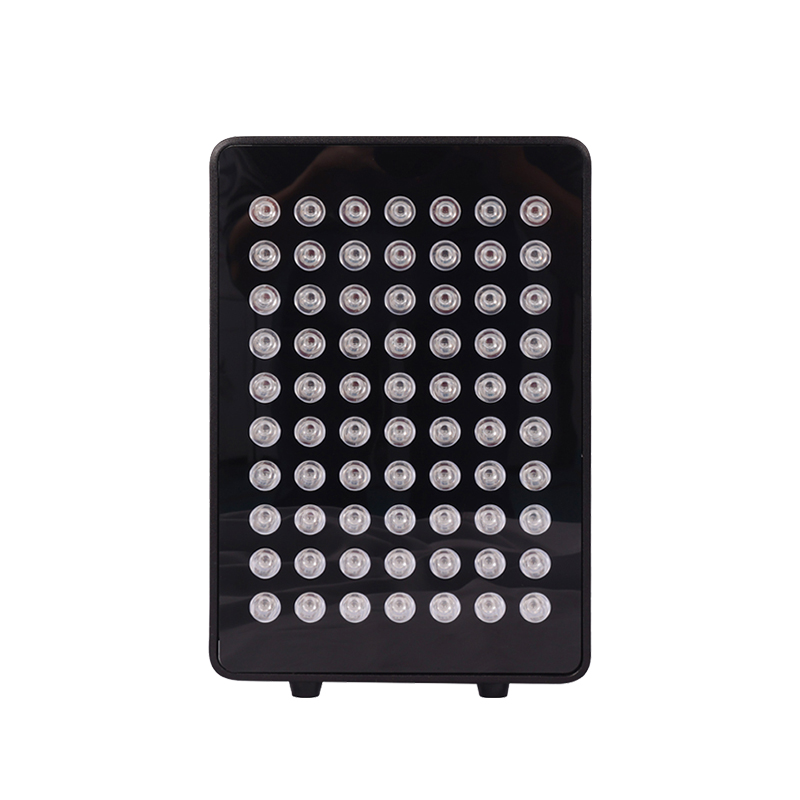
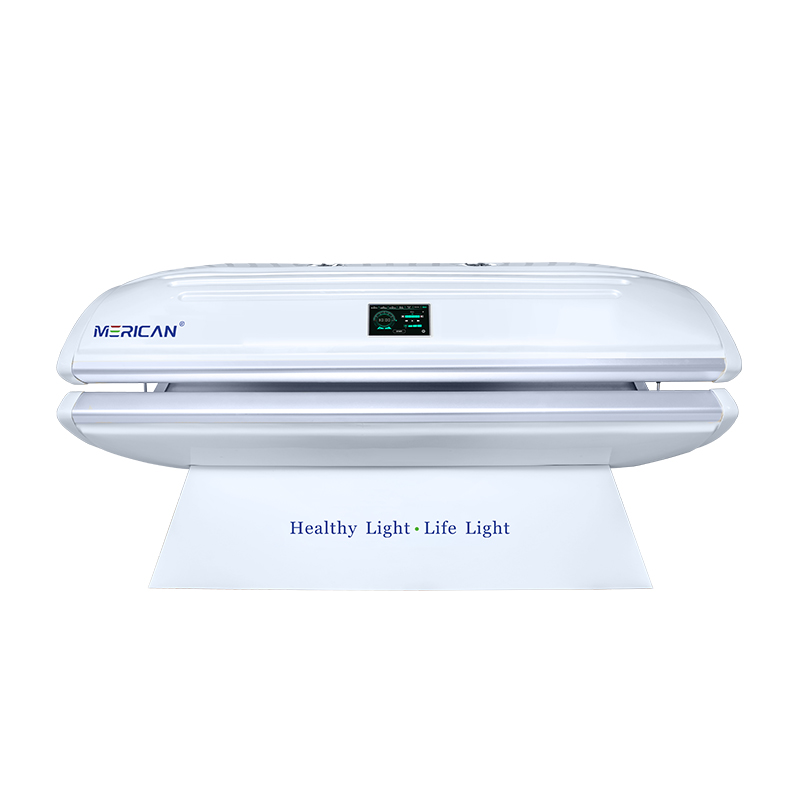
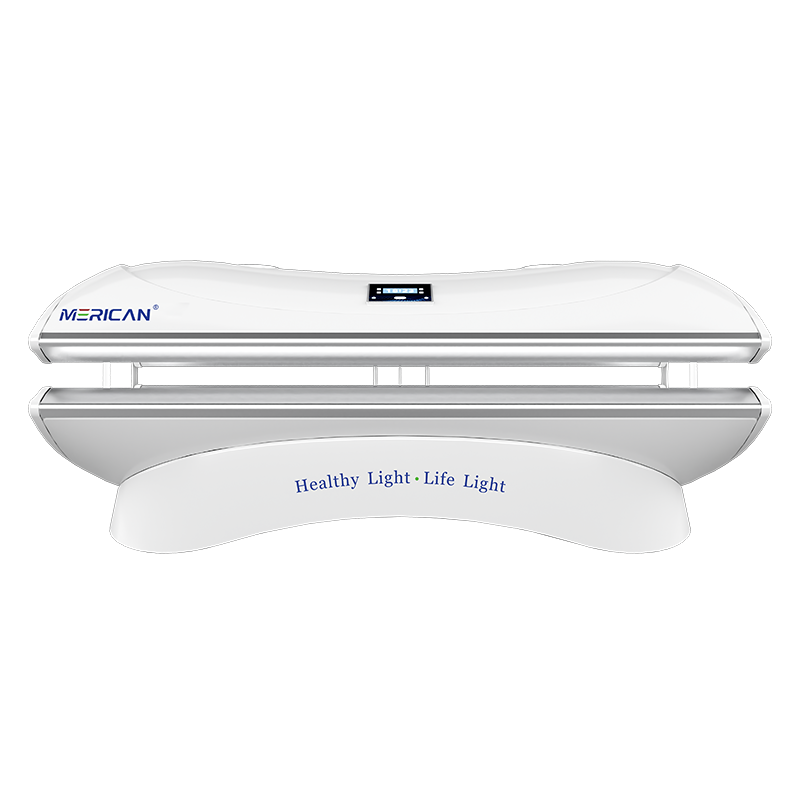
빨간불 치료 (RLT), 광생체변조라고도 알려져 있음, 염증을 줄이고 피부 회복을 지원하기 위해 피부과 및 웰빙 환경에서 점점 더 많이 사용되고 있습니다.. 그러나 두피의 건선에는 얼마나 효과적입니까??
두피 건선 이해
건선은 피부 세포 교체를 가속화하는 만성 자가면역 질환입니다.. 두피에, 그것은 발생할 수 있습니다:
- 두꺼운, 은빛 비늘
- 빨간색, 염증이 있는 반점
- 지속적인 가려움증
- 건조함과 자극
- 일시적인 탈모 (염증이나 긁힘으로 인해)
건선은 면역매개성 질환이기 때문에, 치료는 일반적으로 염증을 줄이고 피부 세포 활동을 조절하는 것을 목표로 합니다..
How Red Light Therapy May Help
빨간불 (일반적으로 630~660nm) 그리고 근적외선 (810–850nm) penetrate skin tissue and stimulate mitochondrial function. This may lead to:
- Reduced inflammatory cytokines
- Improved blood circulation
- 세포 수리 향상
- Calmer immune response in skin tissue
By supporting normal skin regeneration cycles, red light therapy may help reduce plaque thickness and redness over time.
What Does Research Suggest?
Photobiomodulation has been studied in inflammatory skin conditions, including psoriasis. Findings indicate it may:
- Reduce lesion severity
- Improve skin texture
- Decrease redness and scaling
- Enhance overall skin comfort
While it does not cure psoriasis, it may serve as a complementary therapy alongside dermatologist-recommended treatments.
Safety and Usage Considerations
For scalp application:
- Sessions typically last 10–20 minutes
- Used 3–5 times per week
- Requires consistent use for visible improvement
Red light therapy is non-UV, meaning it does not carry the same risks as UV-based phototherapy. 하지만, individuals with moderate to severe psoriasis should consult a healthcare provider before starting new treatments.
최종 평결
두피 건선에 적색 광선 요법이 좋은가요??
It may help reduce inflammation, calm irritation, and improve skin appearance when used consistently. While not a cure, it can be a gentle, non-invasive support option for managing flare-ups.