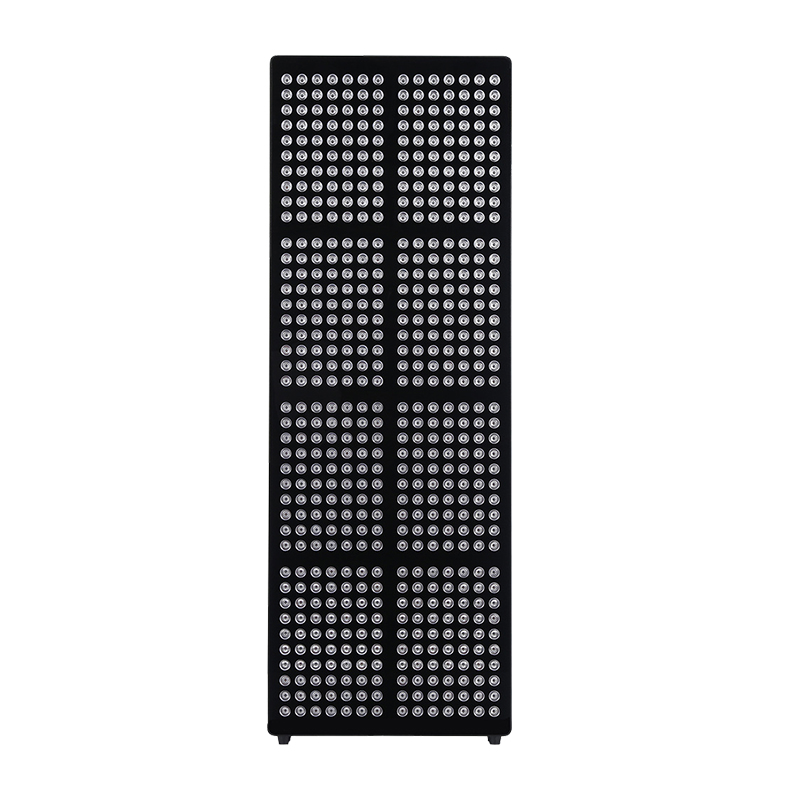
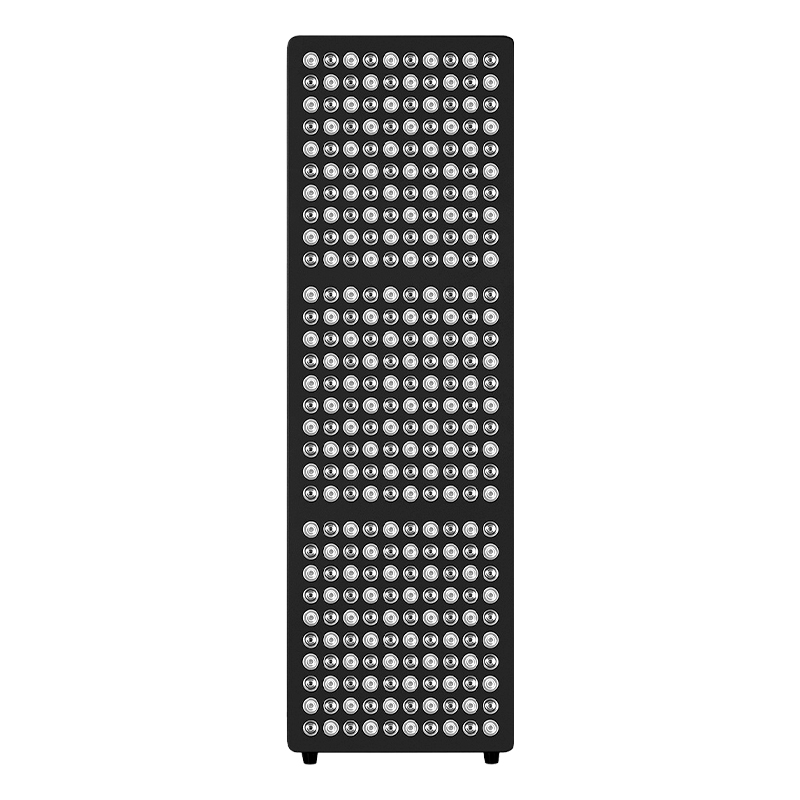
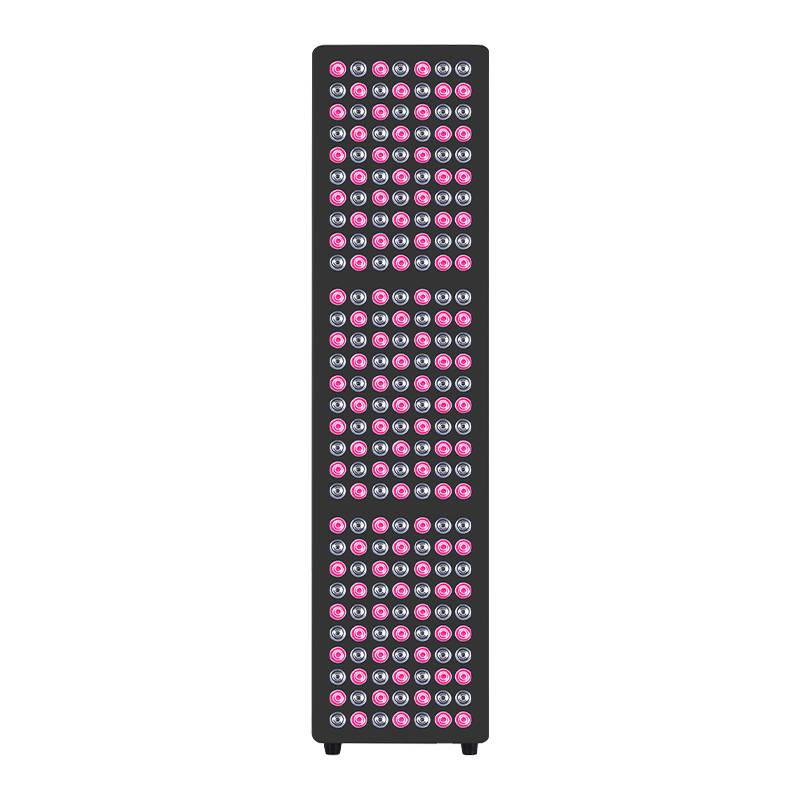
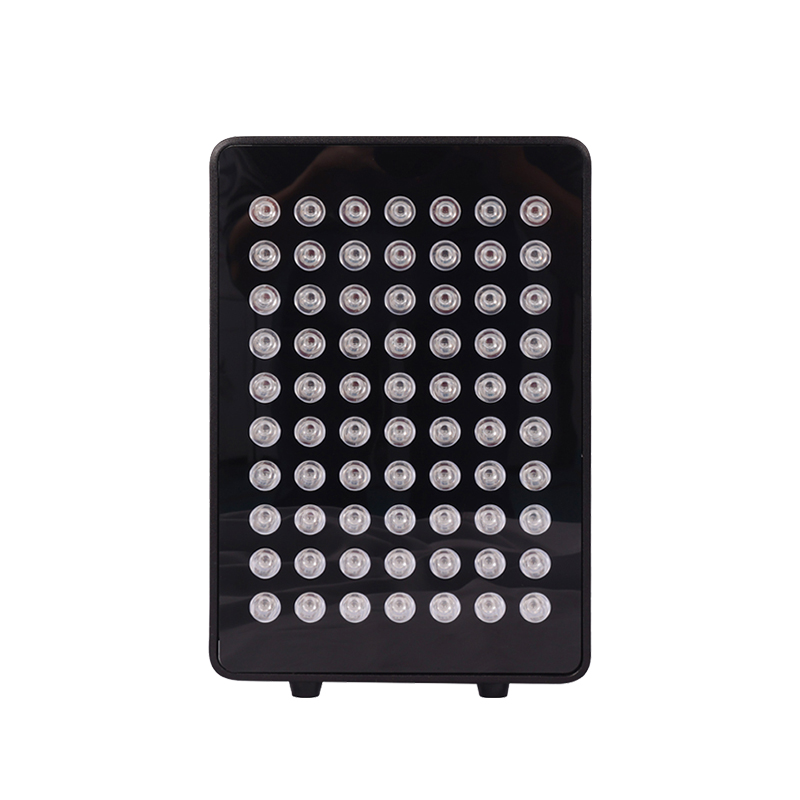
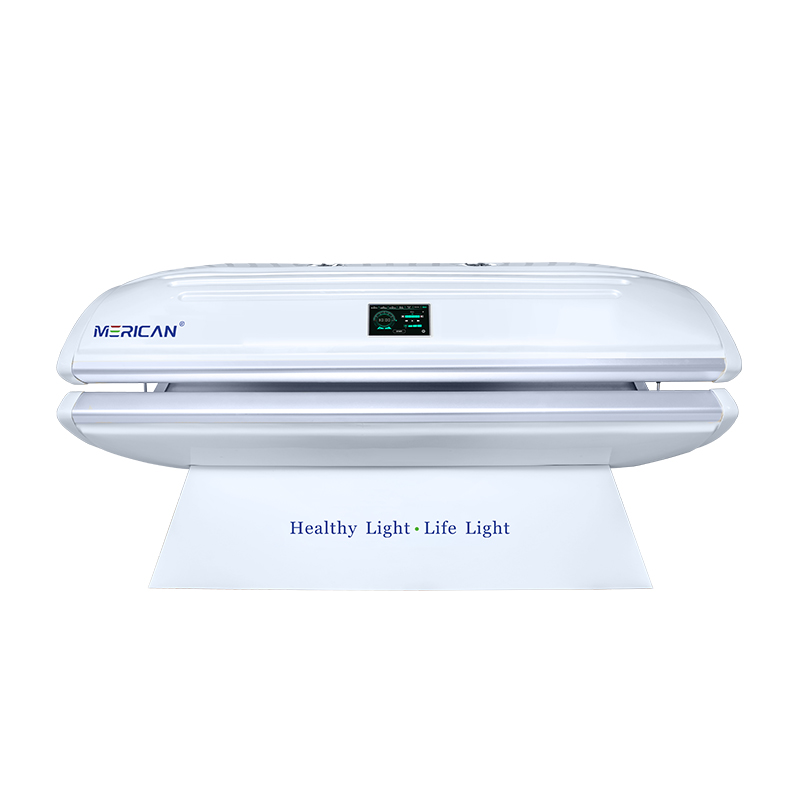
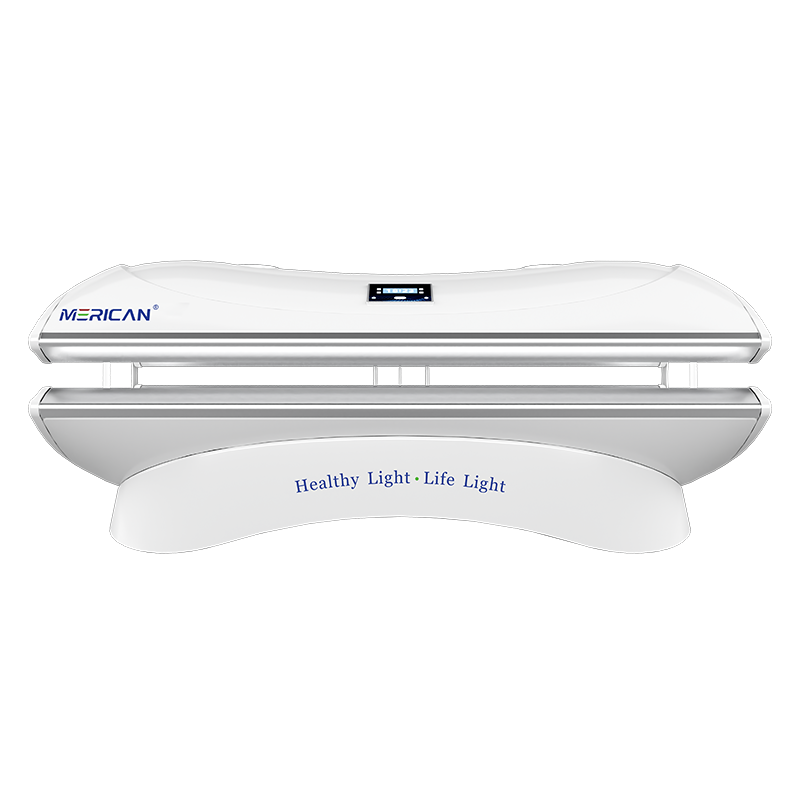
Ko te rongoa rama whero kua waiho hei maimoatanga rongonui mo te whakahou kiri, anti-pakeke, me te oranga katoa. Engari mena kua waia koe ki te whakamahi i nga hua tiaki kiri i ia ra, ka miharo pea koe: Ka taea e koe te mau whakamarumaru ra i te wa e rongoa ana te rama whero, ka pokanoa ranei ki nga hua?
Ko te whakautu poto: ka taea e koe te mau whakamarumaru ra, but it may reduce the effectiveness of red light therapy—so it’s usually not recommended during treatment sessions.
How Red Light Therapy Works on the Skin
Red light therapy uses wavelengths typically between 630–660nm (and sometimes near-infrared up to 850nm) ki te kuhu ki roto i te kiri me te whakaihiihi i nga mahi a te pūtau. It helps boost collagen production, whakapai te tohanga, me te tautoko i te whakatikatika kiri.
For these benefits to occur, the light must penetrate the skin effectively.
What Does Sunscreen Do?
Sunscreen is designed to protect the skin from harmful ultraviolet (UV) irirangi. Ka mahi na:
- Absorbing UV rays (chemical sunscreens)
- Reflecting or scattering light (mineral sunscreens like zinc oxide or titanium dioxide)
Although red light is not UV, sunscreen can still act as a physical or chemical barrier on the skin, which may affect light penetration.
Does Sunscreen Block Red Light Therapy?
1. Reduced Light Penetration
Sunscreen—especially mineral formulas—can partially block or reflect light, including some red and near-infrared wavelengths. Ko te tikanga tenei:
- Less light reaches deeper skin layers
- Treatment effectiveness may be reduced
2. Uneven Absorption
If sunscreen is applied unevenly, it can lead to inconsistent exposure across the skin, resulting in uneven treatment outcomes.
3. Product Layer Interference
Thick layers of skincare products (including sunscreen) may create a barrier that limits how much light energy your skin absorbs.
Should You Use Sunscreen During a Session?
I te nuinga o nga wa, it’s best to avoid wearing sunscreen during red light therapy sessions, rawa mo nga maimoatanga kanohi.
Engari:
- Apply red light therapy on ma, kiri noa
- Use sunscreen after your session, particularly if you’ll be exposed to sunlight
When Might It Be Okay?
In certain situations, wearing sunscreen may be acceptable:
- If you are using low-intensity devices
- If the treatment is not focused on deep penetration (e.g., mild skin maintenance)
- If advised by a professional for specific skin conditions
Even then, results may not be optimal.
Best Practices for Skincare and Red Light Therapy
To get the most out of your treatment:
- Cleanse your skin before the session
- Avoid heavy creams, hinuhinu, or SPF products beforehand
- Tonoa hydrating or antioxidant products after treatment
- Use sunscreen during the day to protect your results
Common Mistake to Avoid
Some people think sunscreen is needed because light is involved—but remember:
- Ma te whakamaarama rama whero not contain UV rays
- You do not need sun protection during the session itself
Heoi ano, protecting your skin afterward is still essential.
Nga Whakaaro Whakamutunga
While you technically can wear sunscreen during red light therapy, it’s not recommended if you want the best results. Sunscreen can act as a barrier, reducing light absorption and limiting the benefits of the treatment.
For optimal outcomes, use red light therapy on clean skin—and save your sunscreen for after the session.