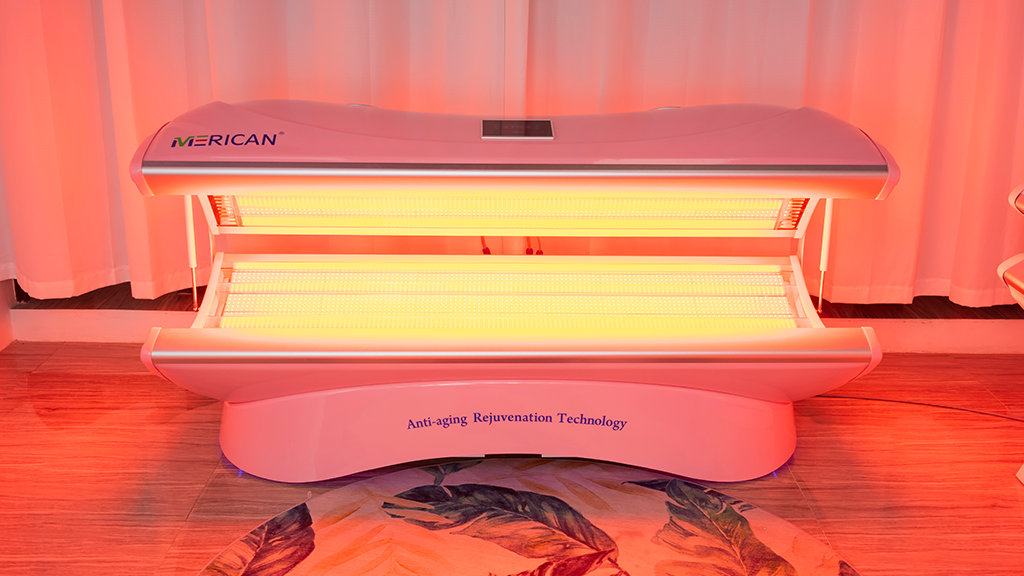
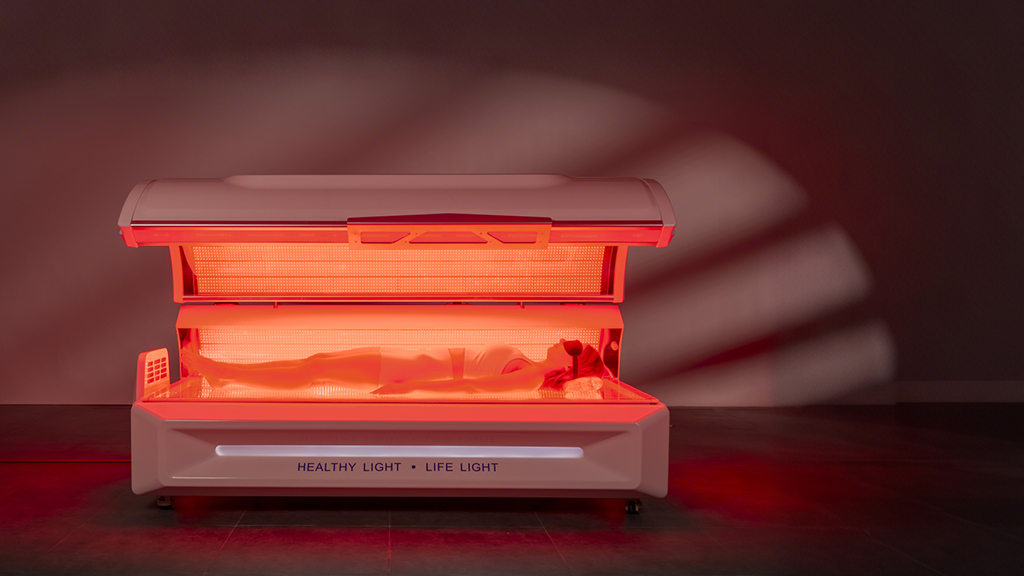
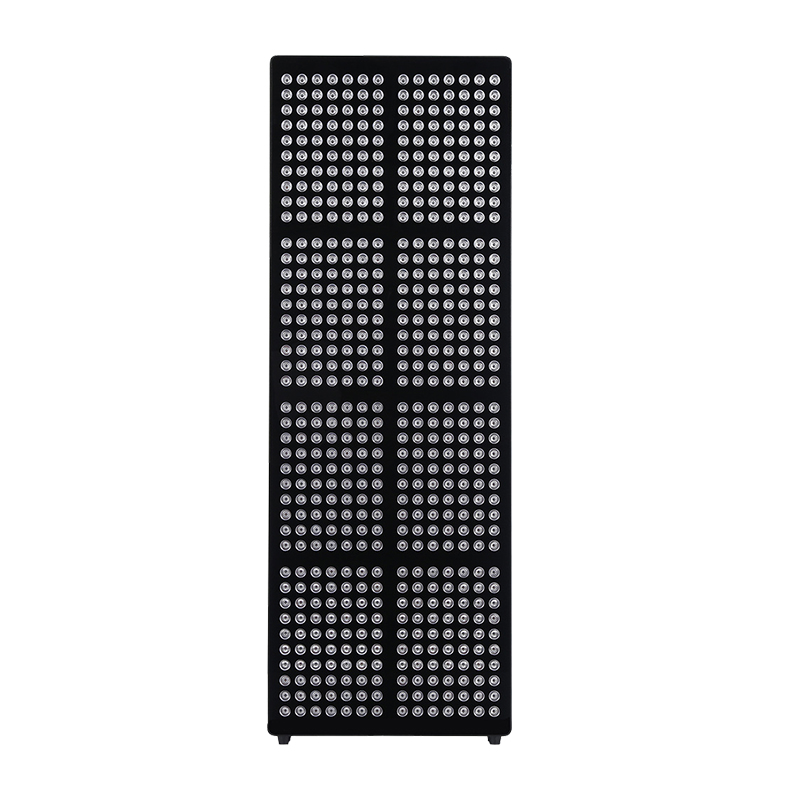
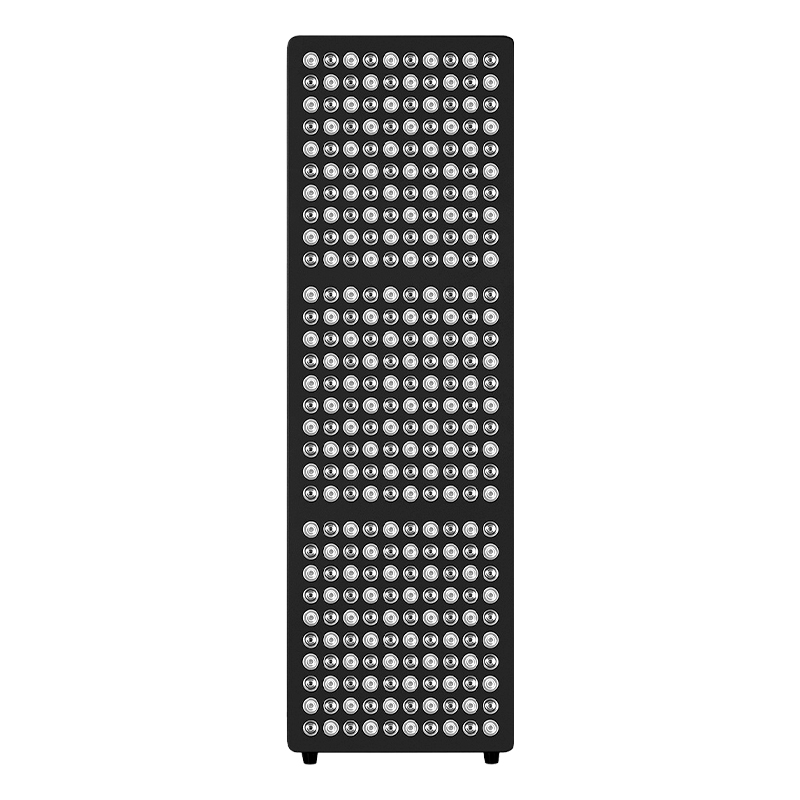
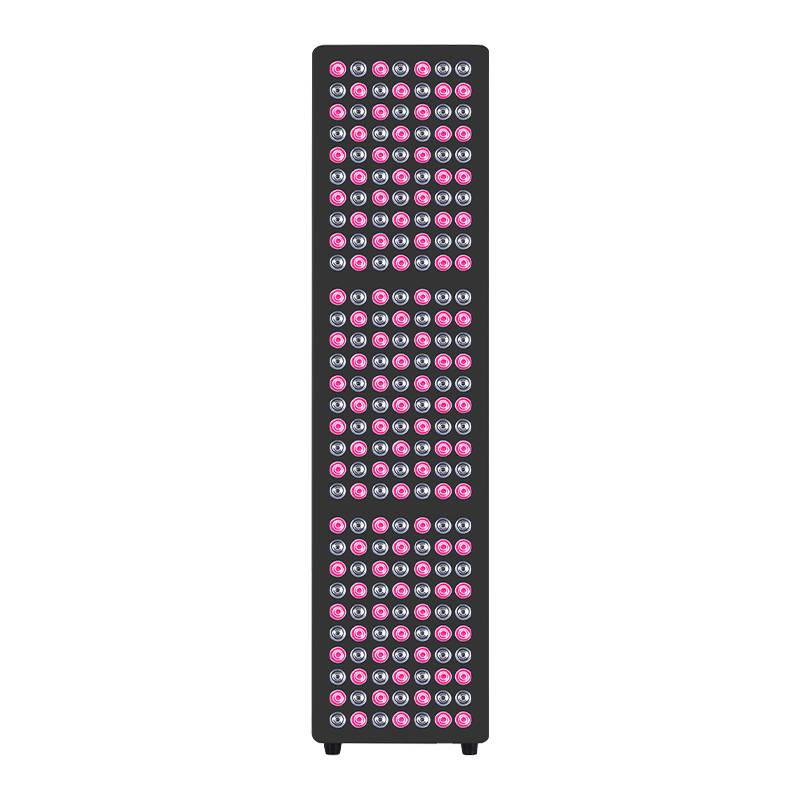
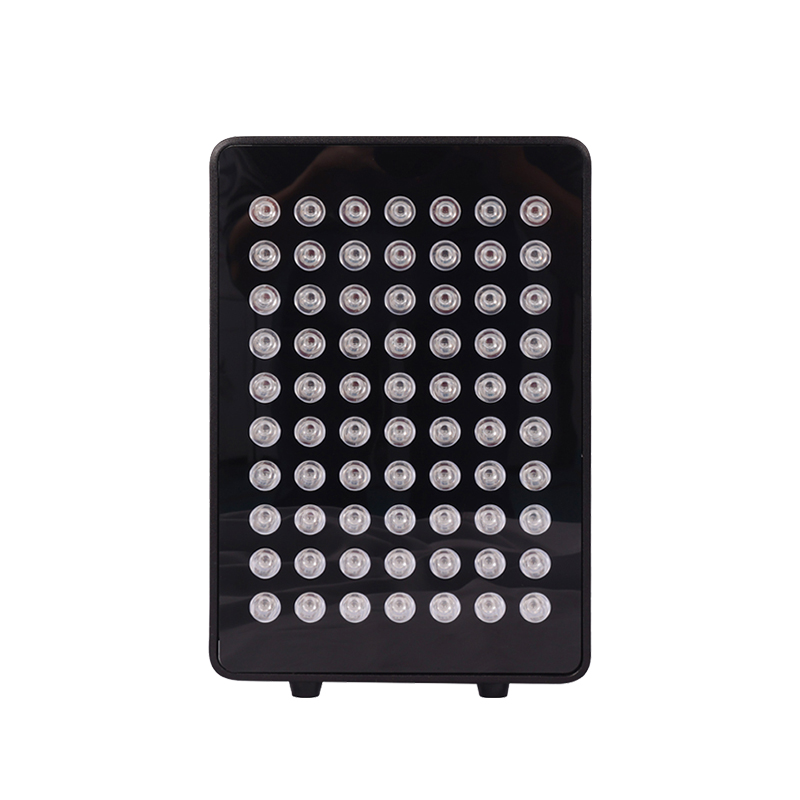
Ko nga rongoa-a-maama kua rangahaua whanuitia mo o raatau mahi ki te whakatere i te whakaora patunga. I roto ia ratou, Ko te whakamaarama rama whero kua aro mai mo tona kaha ki te whakaohooho i te whakatikatika o nga waea. Engari he pehea te whai hua, a ka tino awhina i nga patunga kia tere ake te whakaora?
Ma te mohio ki te taunekeneke o te rongoa rama whero me te kiko kua pakaru, ka whakamarama he aha i kaha ake ai te whakamahi i roto i nga waahi hauora me te oranga..
Te Mahi Whakaora Whara
Ka whakaora te tinana i nga patunga i roto i nga waahanga maha:
- Te wahanga mumura – ka urupare te punaha mate ki te whara
- Wāhanga whakatipuranga – ka puta mai he kiko hou me nga oko toto
- Wāhanga whakahou – ko te collagen te whakapakari i te kiri kua whakatika
Ko te whakaroa i tetahi o enei waahanga ka puhoi te whakaora. Ko nga ahuatanga penei i te ngoikore o te tohanga, mumura mau tonu, he maha nga wa ka uru te mate ki te whakaora roa.
He pehea te Maama Whero e tautoko ana i te whakaora
Ka mahi tahi te whakamaarama rama whero me nga pūtau kei te taumata mitochondrial. I te wa e uru ana nga roangaru whero me te tata-infrared ki roto i te kiri, he whakaihiihi i te whakaputanga o te hiko me te whakahohe i nga huarahi koiora hei tautoko i te whakatikatika.
He maha nga tikanga ka whai waahi ki te whakapai ake i te whakaora patunga:
1. Te Whakanuia o te Pūkoro Pūkoro
Ko te rama whero e whakaihiihi ana i te mitochondria kia nui ake te ATP, whakarato pūtau ki te pūngao e hiahiatia ana ki te whakatika i te kiko pakaru.
2. Whakapai ake te Rere Toto
Ko te tohanga pai ake ka tuku i te hāora me te matūkai ki te wāhi whara, te tautoko i te whakaora tere.
3. Whakangao Collagen
He mea nui te Collagen mo te hanga i te hanganga kiri. Ko te whakamaarama rama whero e akiaki ana i te mahi fibroblast, e whai wāhi nui ana ki te hanga kiko.
4. Whakaitihia te mumura
Excessive inflammation can delay healing. Red light therapy may help regulate inflammatory responses.
Clinical Research on Light Therapy and Wounds
Research in photobiomodulation has explored its effects on several types of wounds, tae atu ki:
- Surgical incisions
- Nga mate huka
- Pressure sores
- Minor cuts and abrasions
Some studies suggest that controlled light therapy treatments may reduce healing time and improve tissue quality.
Heoi ano, outcomes vary depending on the wavelength, inenga, and treatment frequency.
Limitations and Considerations
Despite promising results, red light therapy should not be viewed as a replacement for proper wound care.
Important limitations include:
- It cannot treat infections on its own
- Deep or severe wounds require medical attention
- Results depend on consistent and controlled use
Who Might Benefit Most
Red light therapy may be helpful for individuals with:
- Slow-healing minor wounds
- Skin injuries during recovery phases
- Post-procedure skin repair
Heoi ano, treatments should always be combined with appropriate medical care and hygiene practices.
Nga Whakaaro Whakamutunga
Scientific research suggests that red light therapy can support the body’s natural wound-healing processes by improving cellular energy, tohanga, me te hanga collagen. While it shows promise as a supportive therapy, it should always be used responsibly and alongside proper wound care.