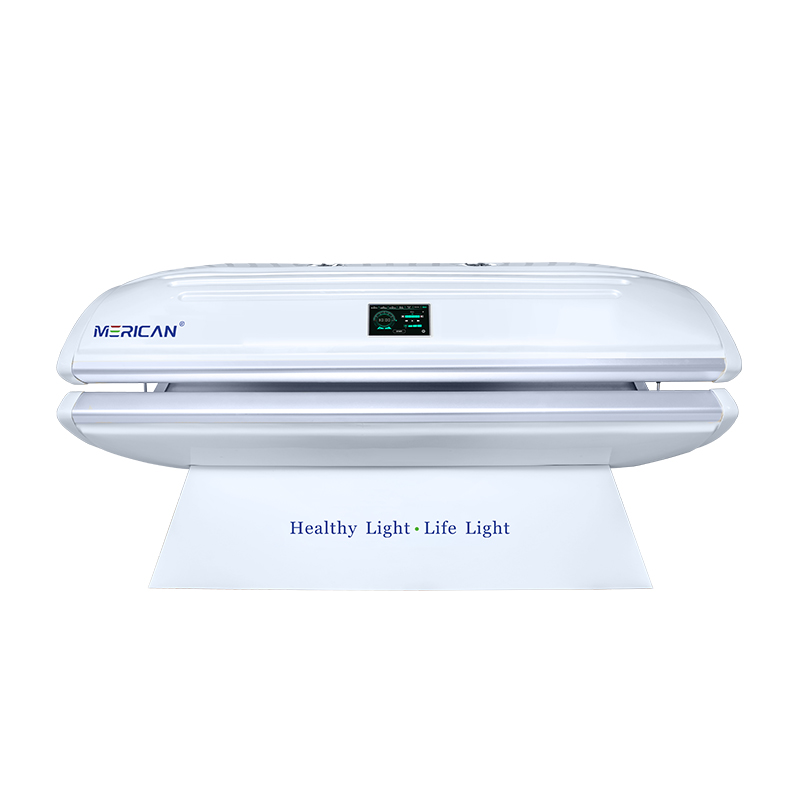
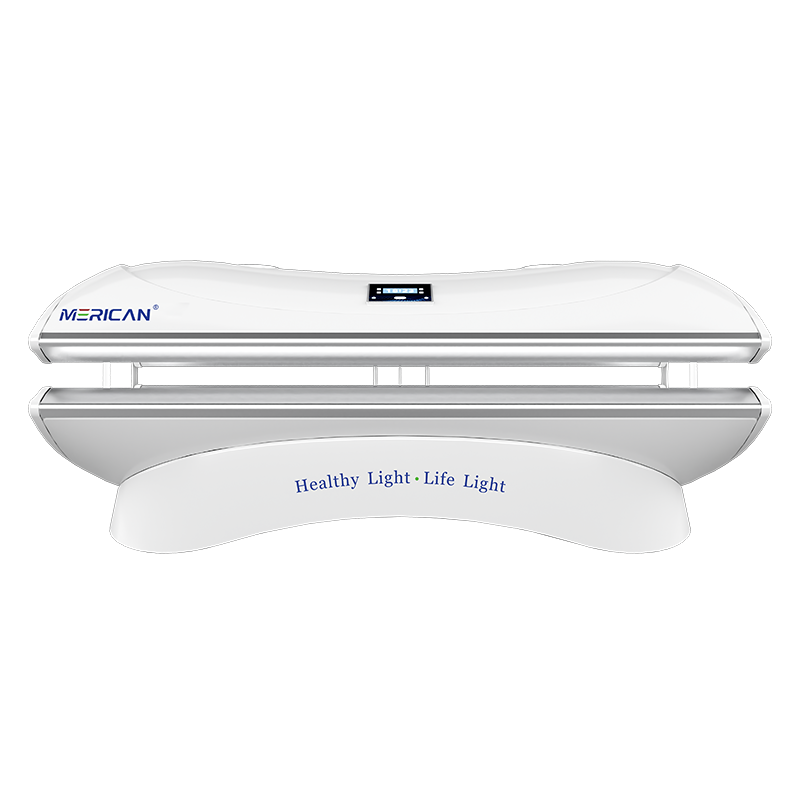
Op licht gebaseerde therapieën zijn uitgebreid bestudeerd vanwege hun potentiële rol bij het versnellen van wondgenezing. Onder hen, roodlichttherapie heeft de aandacht getrokken vanwege zijn vermogen om cellulair herstel te stimuleren. Maar hoe effectief is het, en kan het echt helpen wonden sneller te laten genezen??
Inzicht in de interactie van roodlichttherapie met beschadigd weefsel verklaart waarom deze therapie steeds vaker wordt gebruikt in zowel medische als welzijnsomgevingen.
Hoe wondgenezing werkt
Het lichaam geneest wonden in verschillende fasen:
- Ontstekingsfase – het immuunsysteem reageert op letsel
- Proliferatie fase – Er vormen zich nieuw weefsel en bloedvaten
- Fase van verbouwing – collageen versterkt de herstelde huid
Vertragingen in een van deze fasen kunnen de genezing vertragen. Factoren zoals een slechte bloedsomloop, chronische ontsteking, of infectie dragen vaak bij aan langdurig herstel.
Hoe roodlichttherapie genezing ondersteunt
Roodlichttherapie werkt samen met cellen op mitochondriaal niveau. Wanneer rode en nabij-infrarode golflengten de huid binnendringen, ze stimuleren de energieproductie en activeren biologische routes die herstel ondersteunen.
Verschillende mechanismen kunnen bijdragen aan een betere wondgenezing:
1. Verhoogde cellulaire energie
Rood licht stimuleert de mitochondriën om meer ATP te produceren, cellen voorzien van de energie die nodig is om beschadigd weefsel te herstellen.
2. Verbeterde bloedstroom
Verbeterde circulatie levert zuurstof en voedingsstoffen aan het gewonde gebied, sneller herstel ondersteunen.
3. Collageenproductie
Collageen is essentieel voor het herstel van de huidstructuur. Roodlichttherapie stimuleert de fibroblastactiviteit, die een sleutelrol speelt bij de weefselvorming.
4. Verminderde ontstekingen
Overmatige ontstekingen kunnen de genezing vertragen. Roodlichttherapie kan ontstekingsreacties helpen reguleren.
Klinisch onderzoek naar lichttherapie en wonden
Onderzoek naar fotobiomodulatie heeft de effecten ervan op verschillende soorten wonden onderzocht, inbegrepen:
- Chirurgische incisies
- Diabetische zweren
- Drukzweren
- Kleine snij- en schaafwonden
Sommige onderzoeken suggereren dat gecontroleerde lichttherapiebehandelingen de genezingstijd kunnen verkorten en de weefselkwaliteit kunnen verbeteren.
Echter, outcomes vary depending on the wavelength, dosering, and treatment frequency.
Limitations and Considerations
Despite promising results, red light therapy should not be viewed as a replacement for proper wound care.
Important limitations include:
- It cannot treat infections on its own
- Deep or severe wounds require medical attention
- Results depend on consistent and controlled use
Who Might Benefit Most
Red light therapy may be helpful for individuals with:
- Slow-healing minor wounds
- Skin injuries during recovery phases
- Post-procedure skin repair
Echter, treatments should always be combined with appropriate medical care and hygiene practices.
Laatste gedachten
Scientific research suggests that red light therapy can support the body’s natural wound-healing processes by improving cellular energy, circulatie, en collageenproductie. While it shows promise as a supportive therapy, it should always be used responsibly and alongside proper wound care.