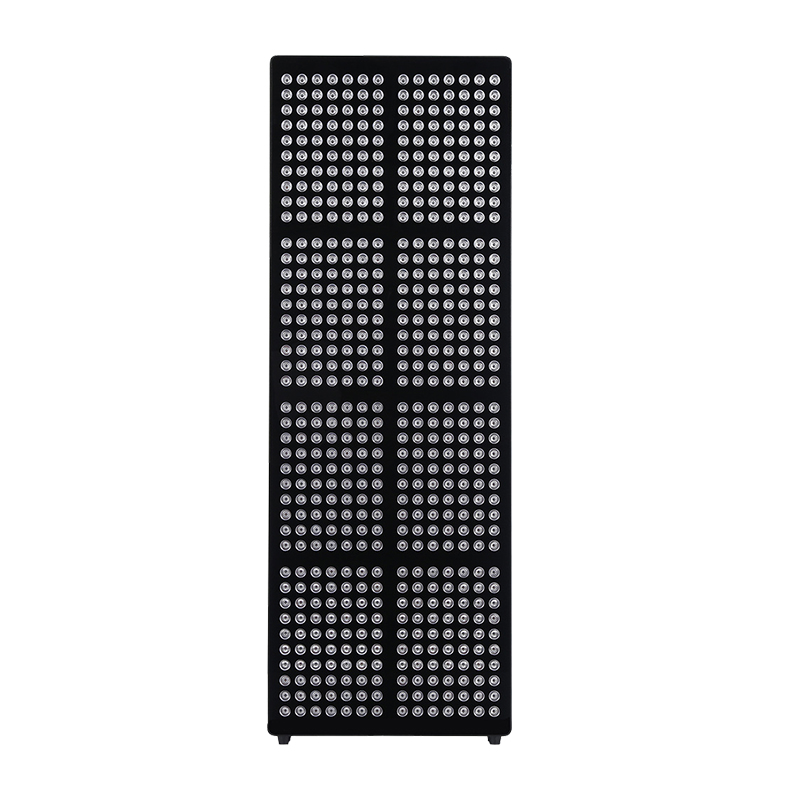
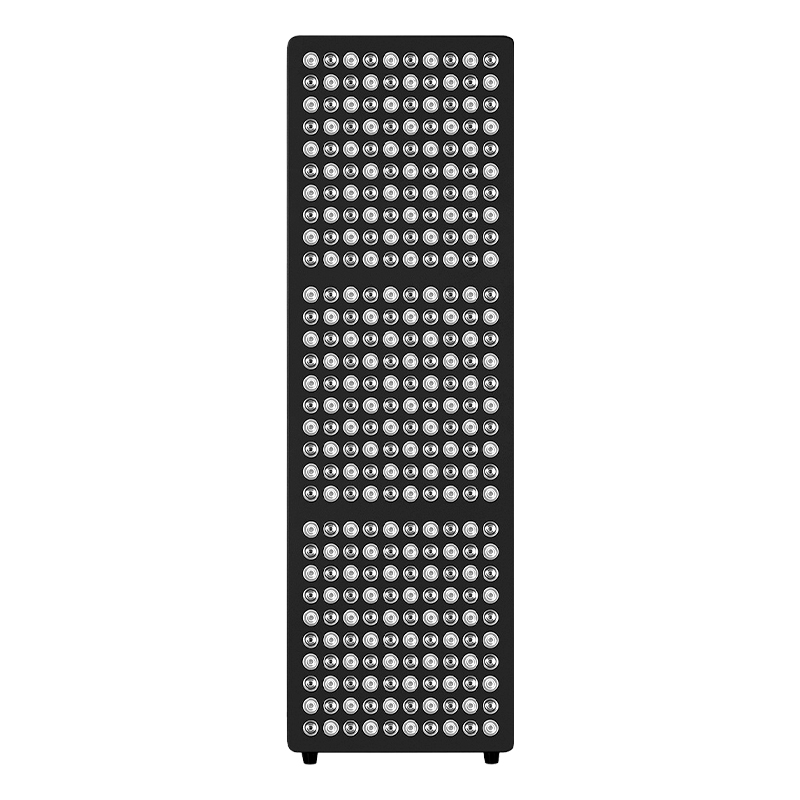
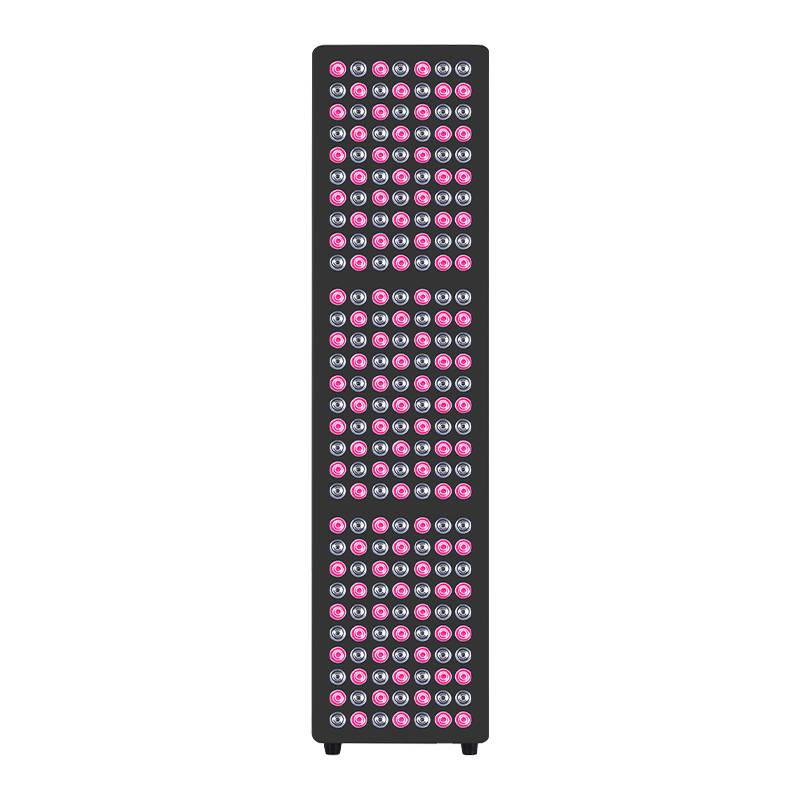
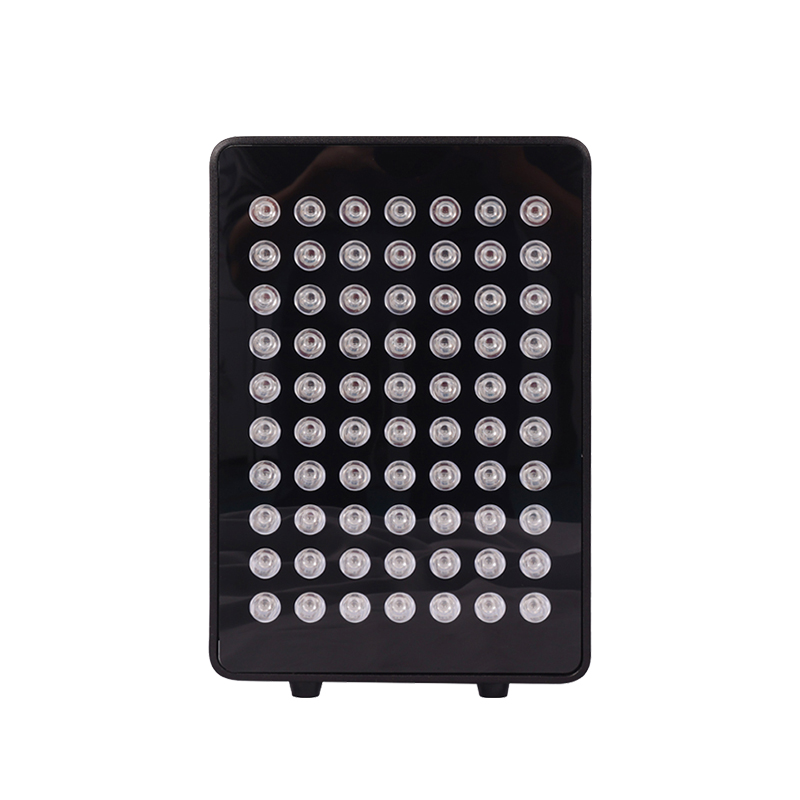
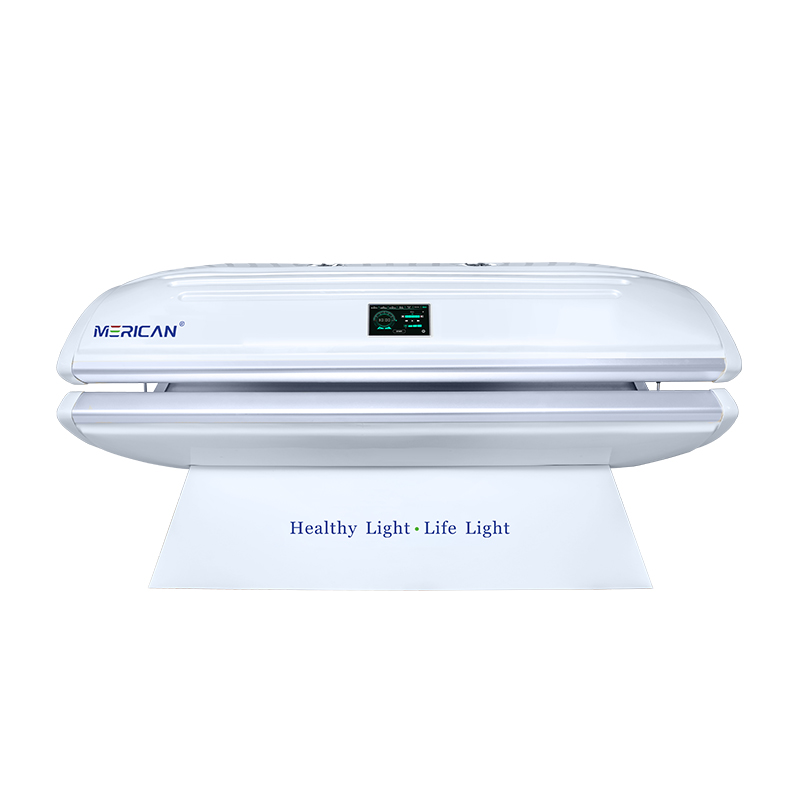
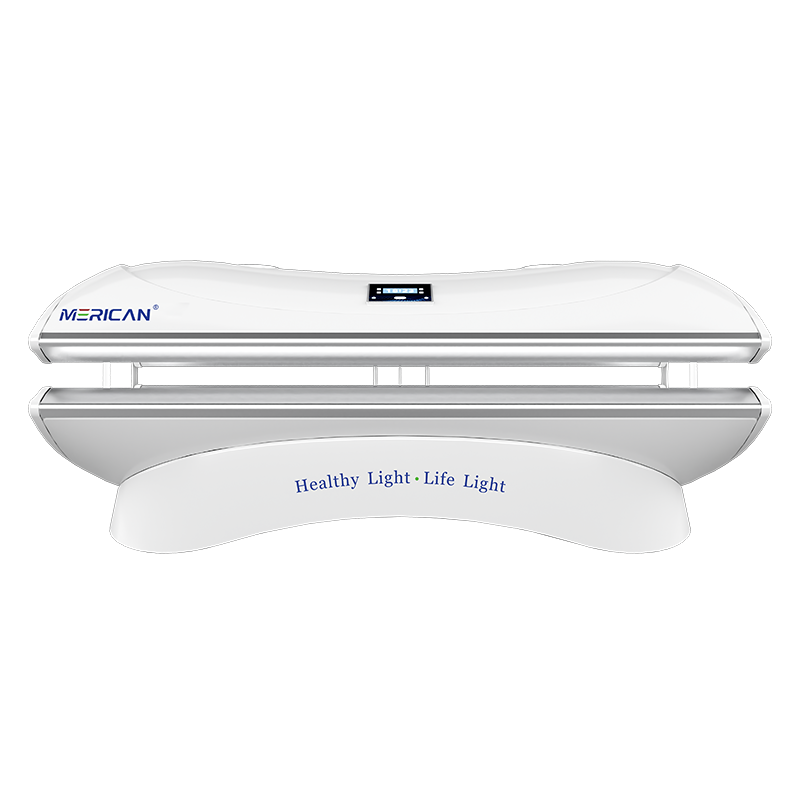
Οι θεραπείες που βασίζονται στο φως έχουν μελετηθεί ευρέως για τον πιθανό ρόλο τους στην επιτάχυνση της επούλωσης των πληγών. Ανάμεσά τους, Η θεραπεία με κόκκινο φως έχει προσελκύσει την προσοχή για την ικανότητά της να διεγείρει την κυτταρική επισκευή. Πόσο αποτελεσματικό είναι όμως, και μπορεί πραγματικά να βοηθήσει τις πληγές να επουλωθούν γρηγορότερα?
Η κατανόηση του τρόπου με τον οποίο η θεραπεία με κόκκινο φως αλληλεπιδρά με τον κατεστραμμένο ιστό βοηθά να εξηγηθεί γιατί χρησιμοποιείται όλο και περισσότερο τόσο σε ιατρικά περιβάλλοντα όσο και σε περιβάλλοντα ευεξίας.
Πώς λειτουργεί η επούλωση τραυμάτων
Το σώμα επουλώνει τις πληγές σε διάφορα στάδια:
- Φάση φλεγμονής – το ανοσοποιητικό σύστημα ανταποκρίνεται σε τραυματισμό
- Φάση πολλαπλασιασμού – σχηματίζονται νέοι ιστοί και αιμοφόρα αγγεία
- Φάση αναδιαμόρφωσης – Το κολλαγόνο ενισχύει το επιδιορθωμένο δέρμα
Οι καθυστερήσεις σε οποιοδήποτε από αυτά τα στάδια μπορεί να επιβραδύνουν την επούλωση. Παράγοντες όπως η κακή κυκλοφορία, χρόνια φλεγμονή, ή μόλυνση συχνά συμβάλλουν στην παρατεταμένη ανάρρωση.
Πώς η θεραπεία με κόκκινο φως υποστηρίζει τη θεραπεία
Η θεραπεία με κόκκινο φως αλληλεπιδρά με τα κύτταρα στο μιτοχονδριακό επίπεδο. Όταν μήκη κύματος κόκκινου και σχεδόν υπέρυθρου διαπερνούν το δέρμα, διεγείρουν την παραγωγή ενέργειας και ενεργοποιούν βιολογικές οδούς που υποστηρίζουν την επισκευή.
Διάφοροι μηχανισμοί μπορεί να συμβάλλουν στη βελτίωση της επούλωσης των πληγών:
1. Αυξημένη κυτταρική ενέργεια
Το κόκκινο φως διεγείρει τα μιτοχόνδρια να παράγουν περισσότερο ATP, παρέχοντας στα κύτταρα την ενέργεια που απαιτείται για την αποκατάσταση του κατεστραμμένου ιστού.
2. Βελτιωμένη ροή αίματος
Η ενισχυμένη κυκλοφορία παρέχει οξυγόνο και θρεπτικά συστατικά στην τραυματισμένη περιοχή, υποστηρίζοντας ταχύτερη ανάρρωση.
3. Παραγωγή Κολλαγόνου
Το κολλαγόνο είναι απαραίτητο για την αναδόμηση της δομής του δέρματος. Η θεραπεία με κόκκινο φως ενθαρρύνει τη δραστηριότητα των ινοβλαστών, που παίζει βασικό ρόλο στο σχηματισμό ιστών.
4. Μειωμένη Φλεγμονή
Η υπερβολική φλεγμονή μπορεί να καθυστερήσει την επούλωση. Η θεραπεία με κόκκινο φως μπορεί να βοηθήσει στη ρύθμιση των φλεγμονωδών αποκρίσεων.
Κλινική Έρευνα για τη Φωτοθεραπεία και τις Πληγές
Η έρευνα στη φωτοβιοτροποποίηση έχει διερευνήσει τα αποτελέσματά της σε διάφορους τύπους τραυμάτων, συμπεριλαμβανομένου:
- Χειρουργικές τομές
- Διαβητικά έλκη
- Πληγές πίεσης
- Μικρά κοψίματα και εκδορές
Some studies suggest that controlled light therapy treatments may reduce healing time and improve tissue quality.
Ωστόσο, outcomes vary depending on the wavelength, dosage, and treatment frequency.
Limitations and Considerations
Despite promising results, red light therapy should not be viewed as a replacement for proper wound care.
Important limitations include:
- It cannot treat infections on its own
- Deep or severe wounds require medical attention
- Results depend on consistent and controlled use
Who Might Benefit Most
Red light therapy may be helpful for individuals with:
- Slow-healing minor wounds
- Skin injuries during recovery phases
- Post-procedure skin repair
Ωστόσο, treatments should always be combined with appropriate medical care and hygiene practices.
Τελικές Σκέψεις
Scientific research suggests that red light therapy can support the body’s natural wound-healing processes by improving cellular energy, κυκλοφορία, και παραγωγή κολλαγόνου. While it shows promise as a supportive therapy, it should always be used responsibly and alongside proper wound care.