Kupu Whakataki
Tinnitus can be a frustrating and challenging condition to live with, and finding an effective treatment can be a daunting task. Na te pikinga o nga rongoa rereke, red light therapy has gained attention as a potential solution for tinnitus sufferers. Heoi ano, before you rush to try this treatment, it’s crucial to understand the facts and considerations associated with it. Is red light therapy truly safe and effective for tinnitus, or are there potential risks and limitations? This blog post will provide you with essential information to help you make an informed decision about whether red light therapy is right for you.
The Appeal of Red Light Therapy for Tinnitus
Ko te ahua o te whakamaarama rama whero-kore, lack of significant side effects (ina whakamahia tika), and potential to improve cellular function make it an attractive option for individuals with tinnitus. The therapy’s ability to target the underlying causes of tinnitus, such as inflammation and poor blood flow, has sparked interest among researchers and health enthusiasts alike.
Nga herenga me nga whakaaro pea
- Limited Research and Inconsistent Results: While some studies have shown promising results, the overall body of research on red light therapy for tinnitus is still relatively small and inconsistent. Different studies have used varying treatment parameters, such as wavelength, kaha, and duration, making it difficult to compare results and determine the most effective approach. Aano nui ake, well-designed studies are needed to establish the safety and efficacy of red light therapy for tinnitus.
- Individual Variability in Response: Ka rite ki tetahi maimoatanga, individual responses to red light therapy may vary widely. Factors such as the underlying cause of tinnitus, the severity and duration of symptoms, and individual physiology can influence the therapy’s effectiveness. Some individuals may experience significant relief, ko etahi ka kite he iti noa te whakapai ake. It’s important to approach red light therapy with realistic expectations and understand that it may not work for everyone.
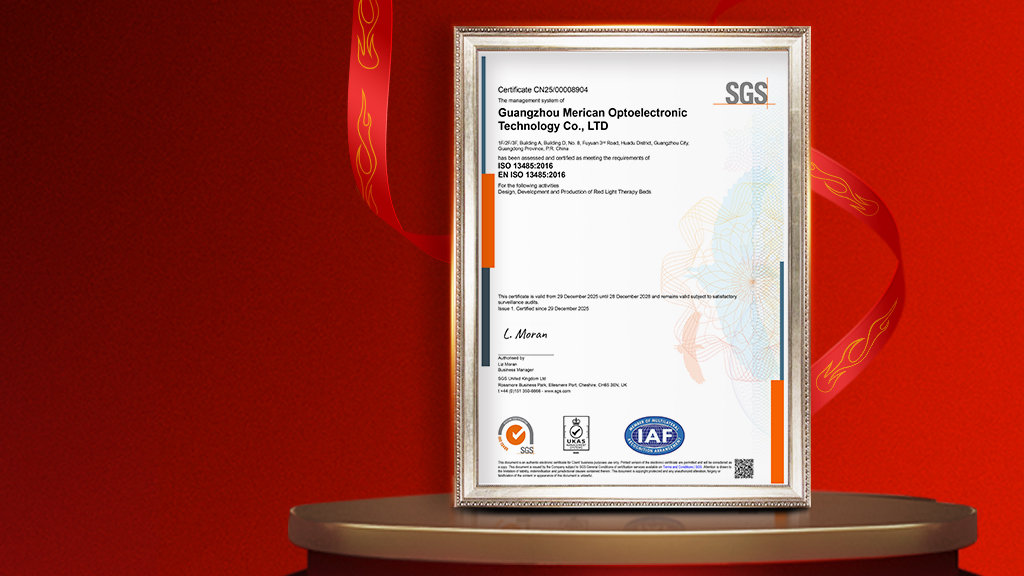
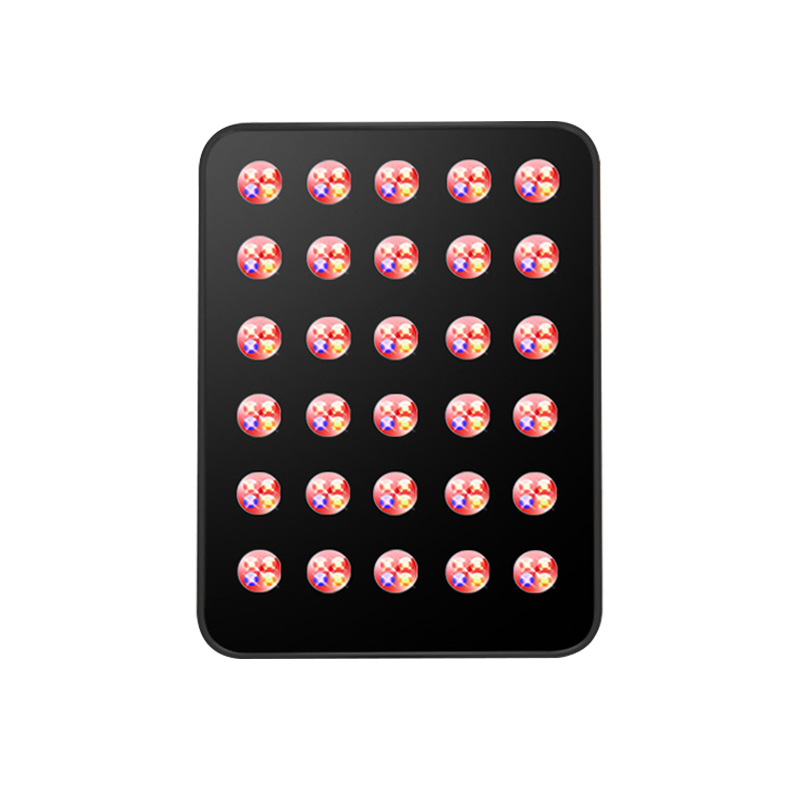
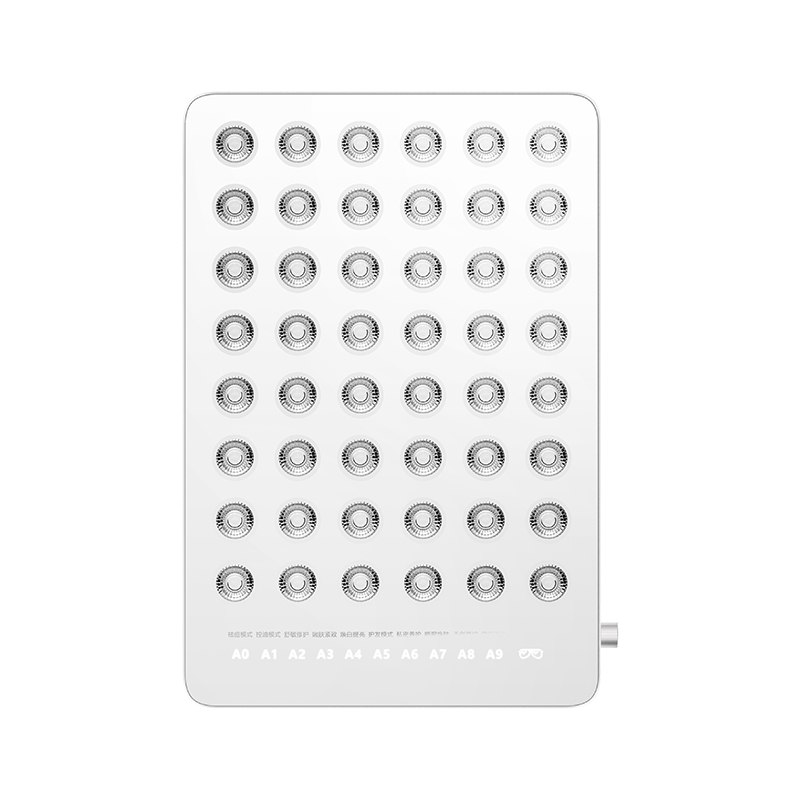
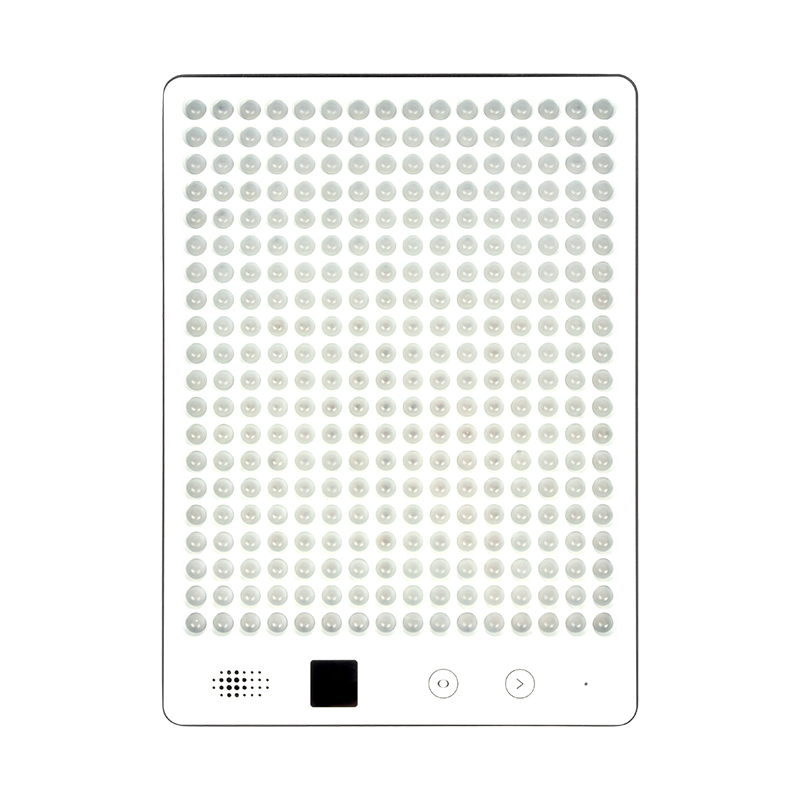
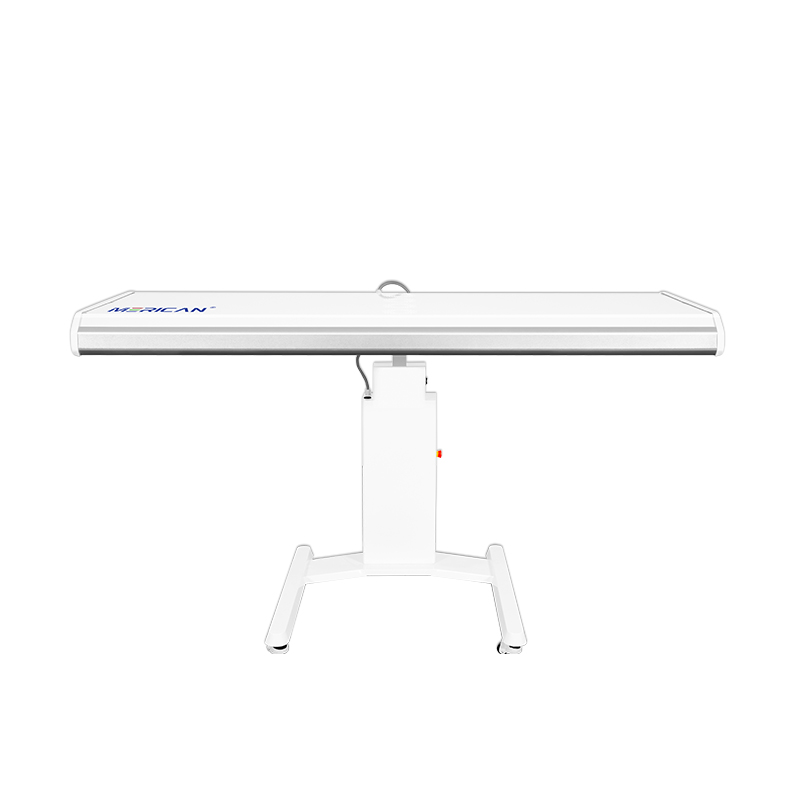
- Device Quality and Safety Concerns: The market is flooded with red light therapy devices of varying quality and safety standards. Using a low-quality or improperly calibrated device can lead to ineffective treatment or even potential harm, such as skin burns or eye damage. It’s crucial to choose a device that has been tested and certified by reputable organizations and to follow the manufacturer’s instructions carefully. Mena ka taea, seek professional guidance when using red light therapy for tinnitus.
- Potential Interactions with Other Treatments: If you’re already undergoing other treatments for tinnitus, such as medication, rongoa tangi, or counseling, Ka taea e te rongoa rama whero te taunekeneke ki a raatau i nga huarahi ohorere. Hei tauira, it could affect the absorption or metabolism of certain medications or interfere with the effectiveness of sound therapy. It’s essential to consult with your healthcare provider before starting red light therapy to ensure it’s safe and won’t interfere with your current treatment plan.
- Cost and Accessibility Issues: He nui te utu o nga maimoatanga whakamaarama rama whero ngaio i nga whare haumanu me nga mokowhiti, me nga taputapu o te kaainga ka hiahia pea he moni nui. I tua atu, Ko te whai waahi ki nga taputapu kounga teitei me nga kaiarahi ngaio ka iti pea i runga i to waahi, making it difficult for some individuals to try this therapy.
Tips for Safe and Effective Red Light Therapy for Tinnitus
If you decide to try red light therapy for tinnitus, Anei etahi tohutohu hei awhina i a koe ki te whakarite i te haumaru me te whai hua:
- Kōwhirihia he taputapu rongonui mai i tetahi kaihanga pono ka whai i nga tohutohu.
- Tīmatahia me nga waahi maimoatanga poto me te whakanui ake i te wa e pai ana.
- Me korero ki tetahi tohunga hauora i mua i te tiimata i te maimoatanga, ina koa he mate hauora kei raro koe, kei te tango rongoa ranei koe.
- Aroturuki i to whakautu ki te rongoa me te whakatika i te kawa maimoatanga ina hiahiatia. Mena ka pa ki a koe etahi paanga kino, stop treatment immediately and consult your doctor.
- Whakakotahitia te whakamaarama rama whero me etahi atu tikanga noho ora, such as stress management techniques, he kai taurite, and regular exercise, for optimal tinnitus management.
Whakamutunga
Red light therapy offers an intriguing potential for tinnitus relief, engari he mea nui ki te whakatata ki a ia ma te tupato me te mohio ki ona here. By considering factors such as limited research, rerekētanga takitahi, te kounga me te haumaru o te taputapu, potential interactions with other treatments, and cost and accessibility issues, Ka taea e koe te whakatau whakatau mo te mea he pai te rongoa rama whero mo koe. Mena ka whakatau koe ki te whakamatau, kia kaha ki te whai i te kawa maimoatanga kua tohua, korero ki tetahi tohunga hauora, me te aroturuki i to whakautu ki te whakarite i te haumaru me te whai hua. Remember, red light therapy should not replace traditional medical treatments for tinnitus but can be used as a complementary approach under professional guidance.