Réamhrá
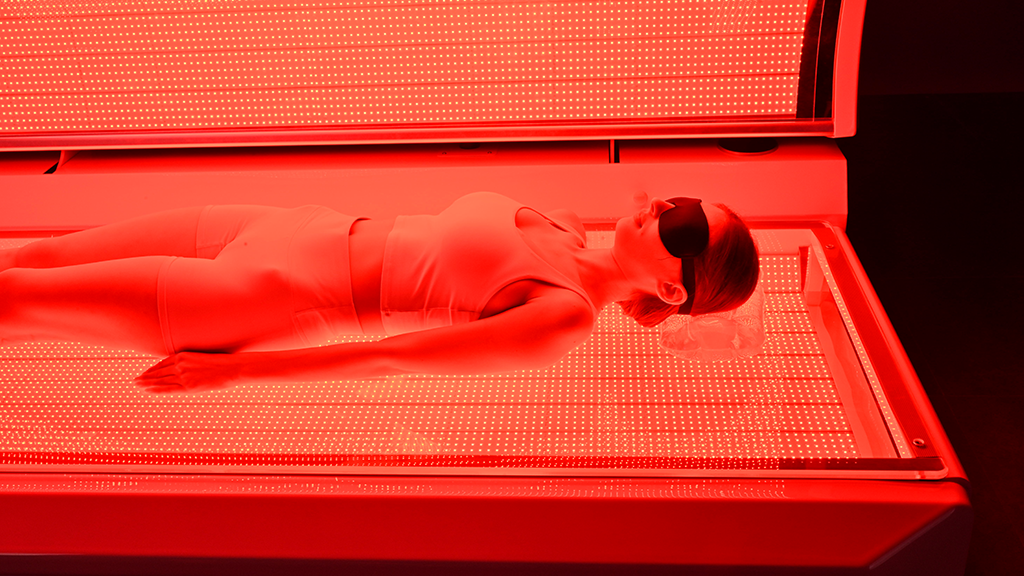
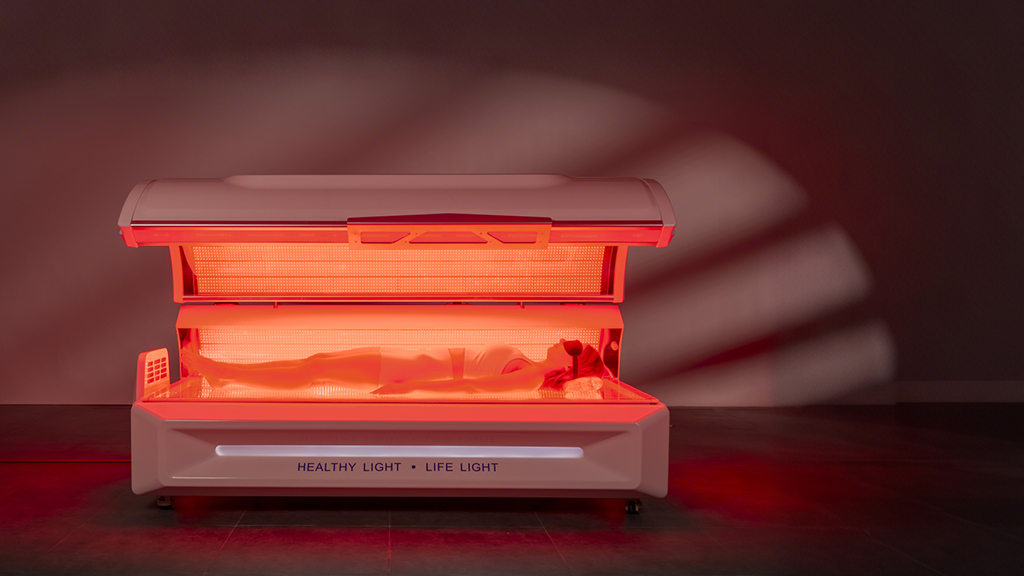
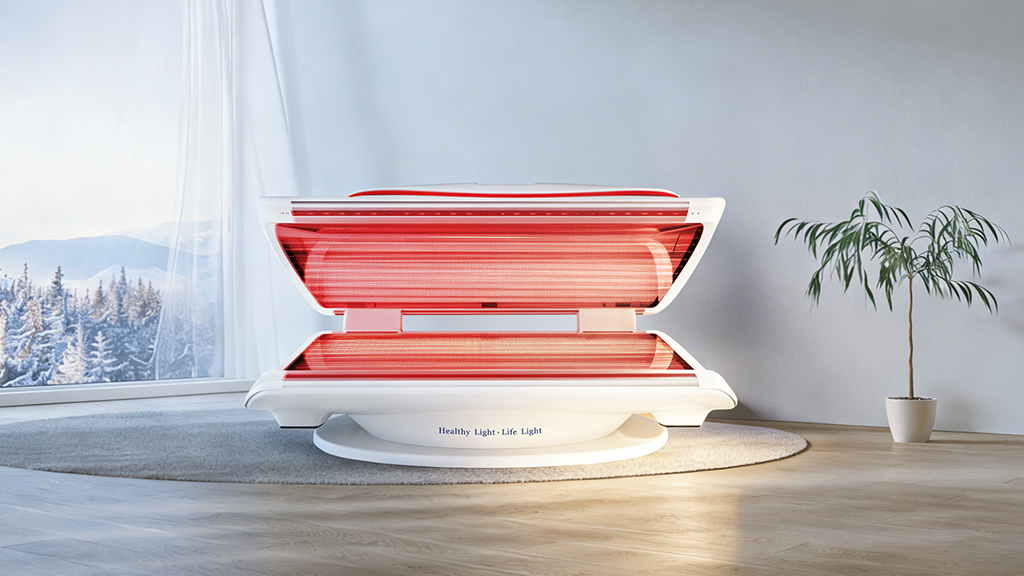
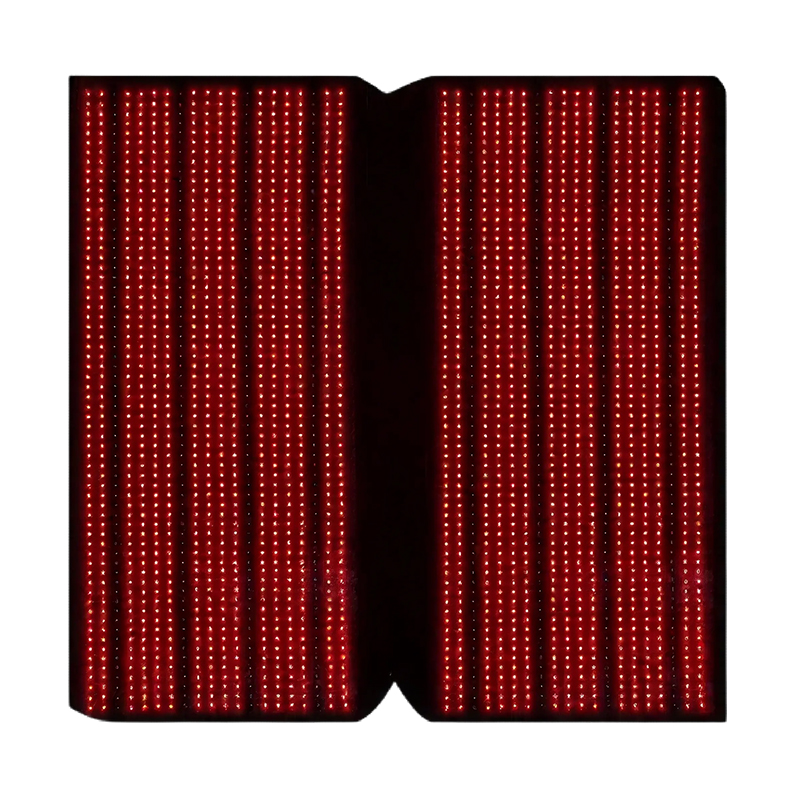
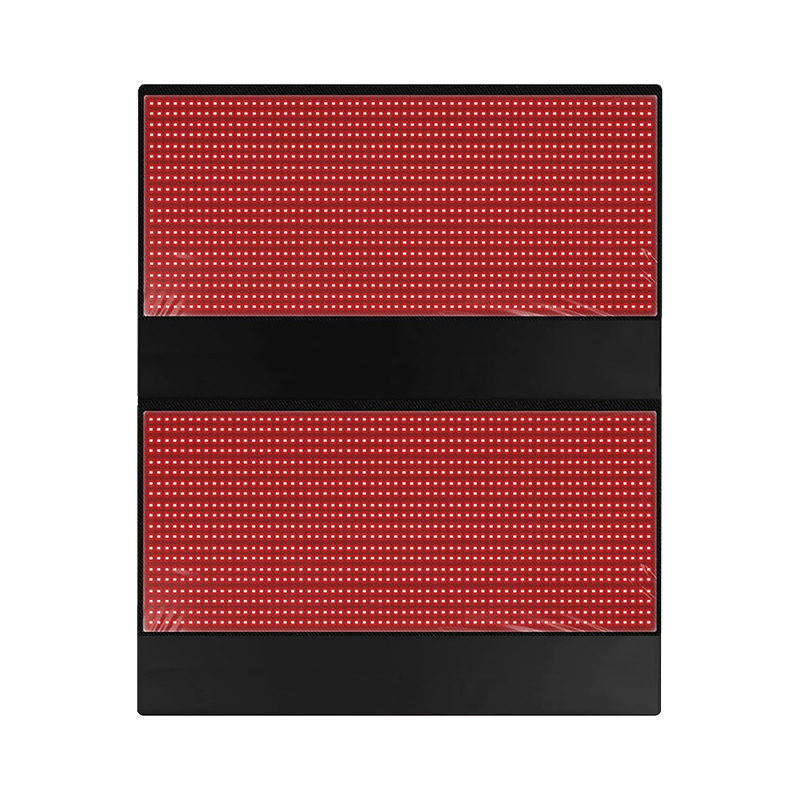
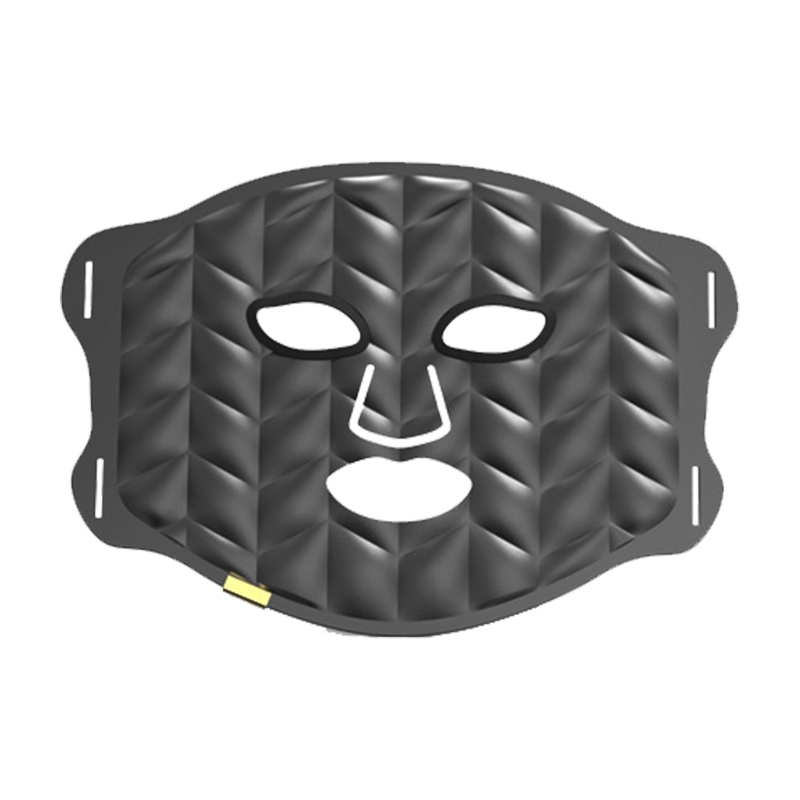
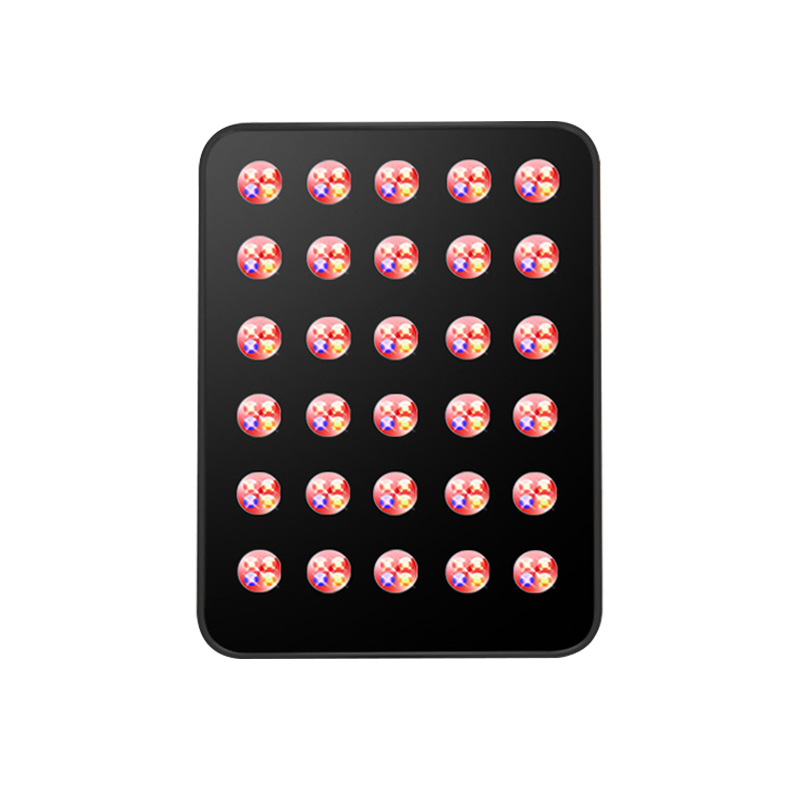
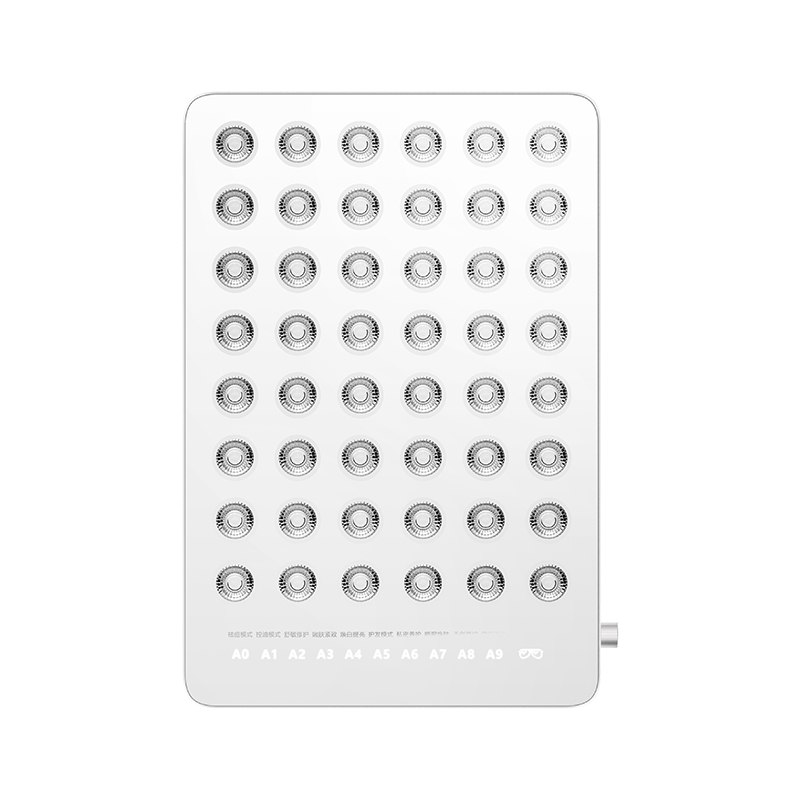
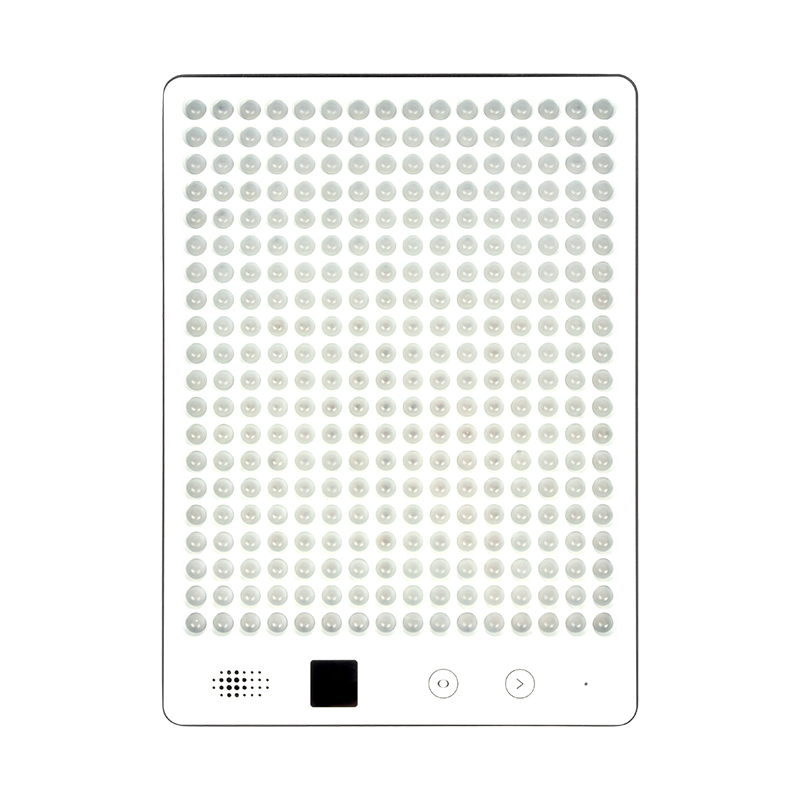
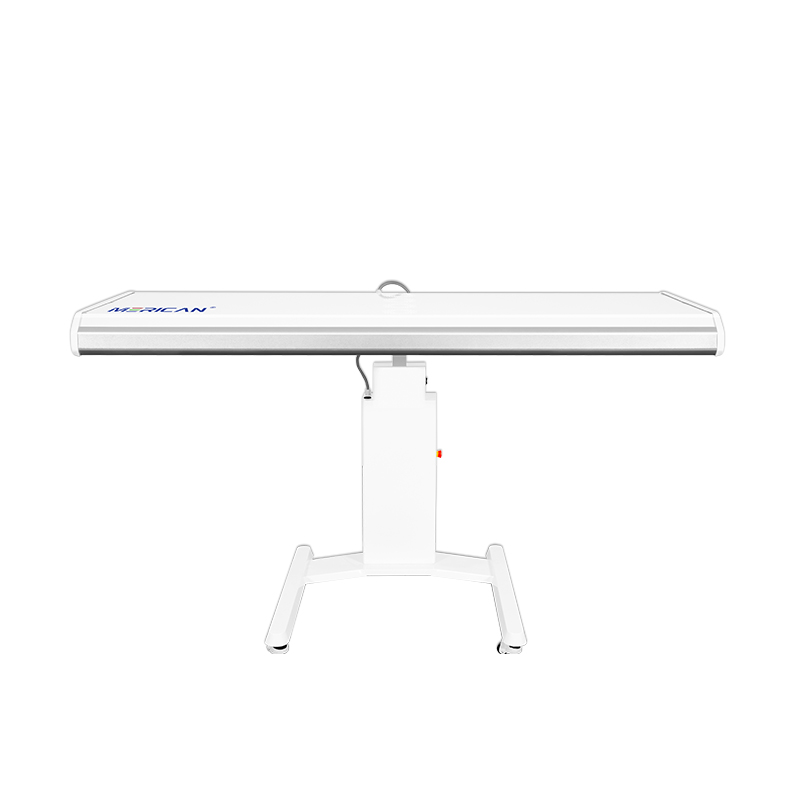
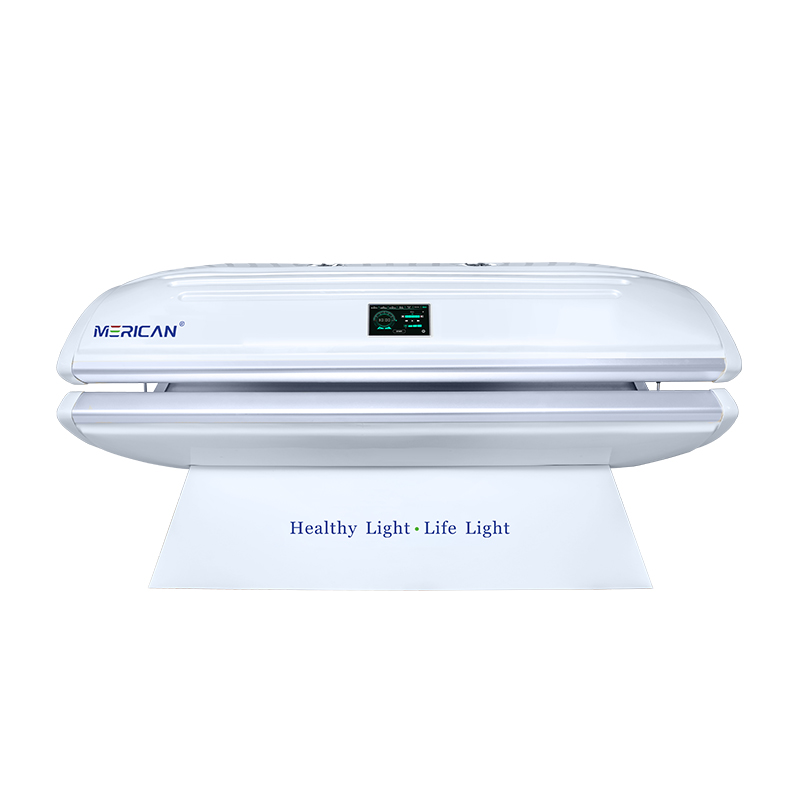
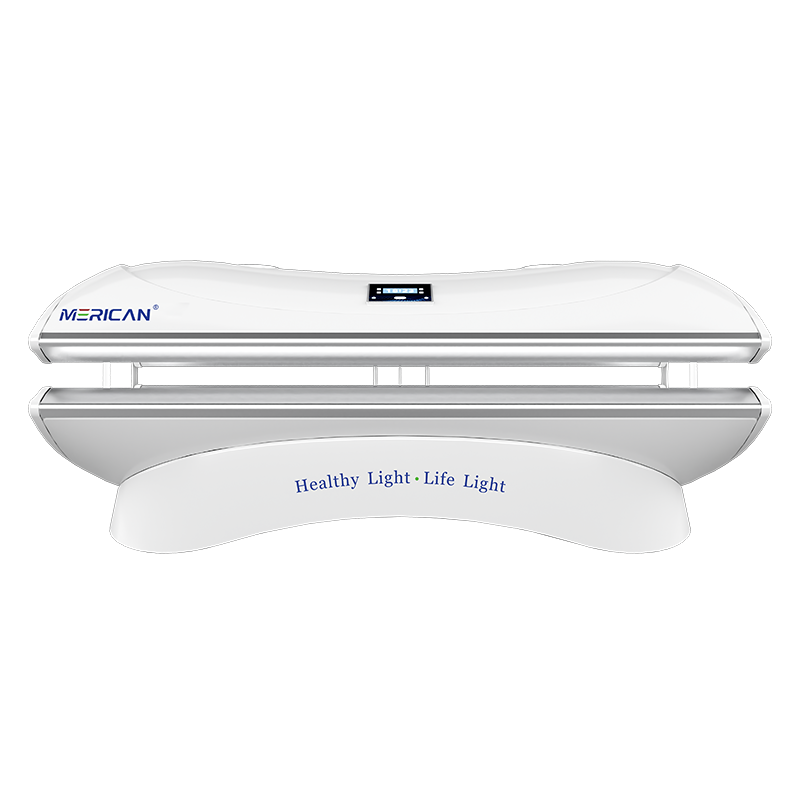
Is féidir le tinnitus a bheith ina riocht frustrachais agus dúshlánach le maireachtáil leis, agus féadann sé bheith ina thasc scanrúil cóireáil éifeachtach a aimsiú. Leis an méadú ar teiripí malartacha, Tá aird bainte amach ag teiripe solais dhearg mar réiteach féideartha do dhaoine atá ag fulaingt tinnitus. Mar sin féin, sula ndéanann tú Rush chun an chóireáil seo a thriail, tá sé ríthábhachtach na fíricí agus na breithnithe a bhaineann leis a thuiscint. An bhfuil teiripe solas dearg fíor-sábháilte agus éifeachtach le haghaidh tinnitus, nó an bhfuil rioscaí agus teorainneacha féideartha ann? Tabharfaidh an blagphost seo faisnéis riachtanach duit chun cabhrú leat cinneadh eolasach a dhéanamh maidir le cibé an bhfuil teiripe solais dhearg oiriúnach duit.
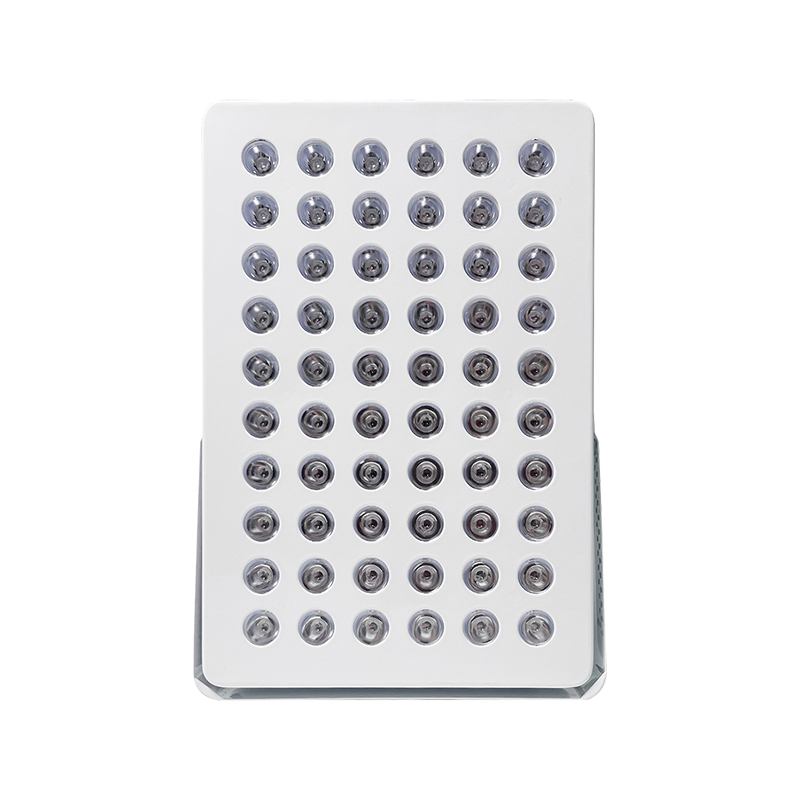
Achomharc Teiripe Solais Dheirg le haghaidh Tinnitus
Nádúr neamh-ionrach teiripe solais dhearg, easpa fo-iarsmaí suntasacha (nuair a úsáidtear i gceart), agus d'fhéadfadh feabhas a chur ar fheidhm cheallacha gur rogha tharraingteach é do dhaoine aonair a bhfuil tinnitus orthu. Cumas na teiripe díriú ar bhunchúiseanna tinnitus, mar athlasadh agus sreabhadh fola bocht, spreag sé spéis i measc taighdeoirí agus díograiseoirí sláinte araon.
Teorainneacha agus Breithnithe Féideartha
- Taighde Teoranta agus Torthaí Neamh-chomhsheasmhacha: Cé go bhfuil roinnt staidéir léirithe torthaí a bhfuil tuar dóchais inti, tá an comhlacht iomlán taighde ar theiripe solas dearg le haghaidh tinnitus fós sách beag agus neamhréireach. Bhain staidéir éagsúla úsáid as paraiméadair cóireála éagsúla, cosúil le tonnfhad, déine, agus ré, rud a fhágann go bhfuil sé deacair torthaí a chur i gcomparáid agus an cur chuige is éifeachtaí a chinneadh. Níos mó ar scála mór, tá gá le staidéir dhea-dheartha chun sábháilteacht agus éifeachtúlacht teiripe an tsolais dhearg le haghaidh tinnitus a shuíomh.
- Athraitheacht Aonair sa Fhreagairt: Mar is amhlaidh le haon chóireáil, d’fhéadfadh éagsúlachtaí móra a bheith i gceist le freagairtí aonair ar theiripe solais dhearg. Fachtóirí mar bhunchúis tinnitus, déine agus fad na hairíonna, agus is féidir le fiseolaíocht aonair tionchar a imirt ar éifeachtacht na teiripe. D’fhéadfadh faoiseamh suntasach a bheith ag daoine áirithe, agus b'fhéidir nach bhfeiceann daoine eile ach beagán feabhsúcháin. Tá sé tábhachtach dul i ngleic le teiripe solais dhearg le hionchais réalaíocha agus a thuiscint go bhféadfadh sé nach n-oibreoidh sé do gach duine.
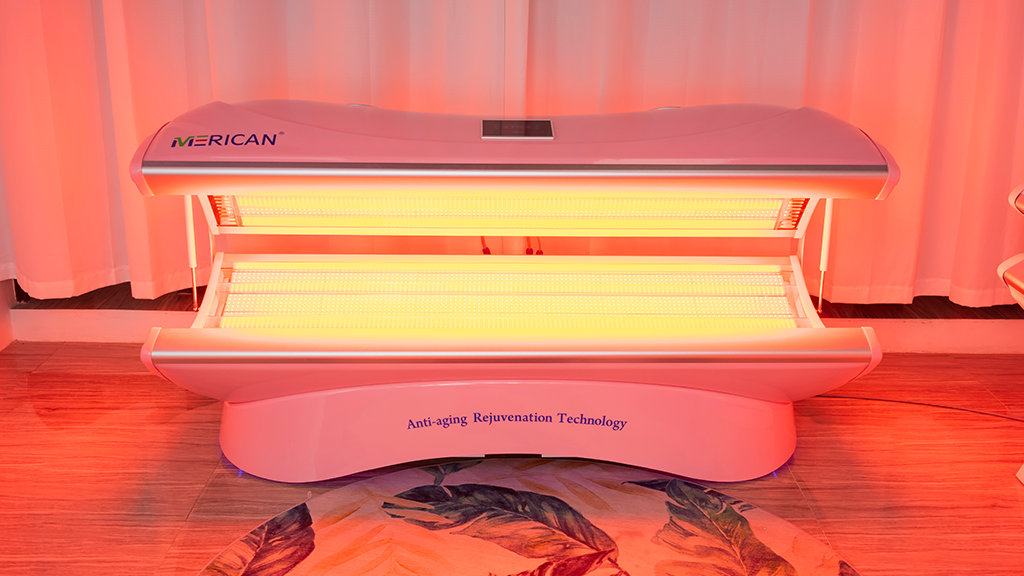
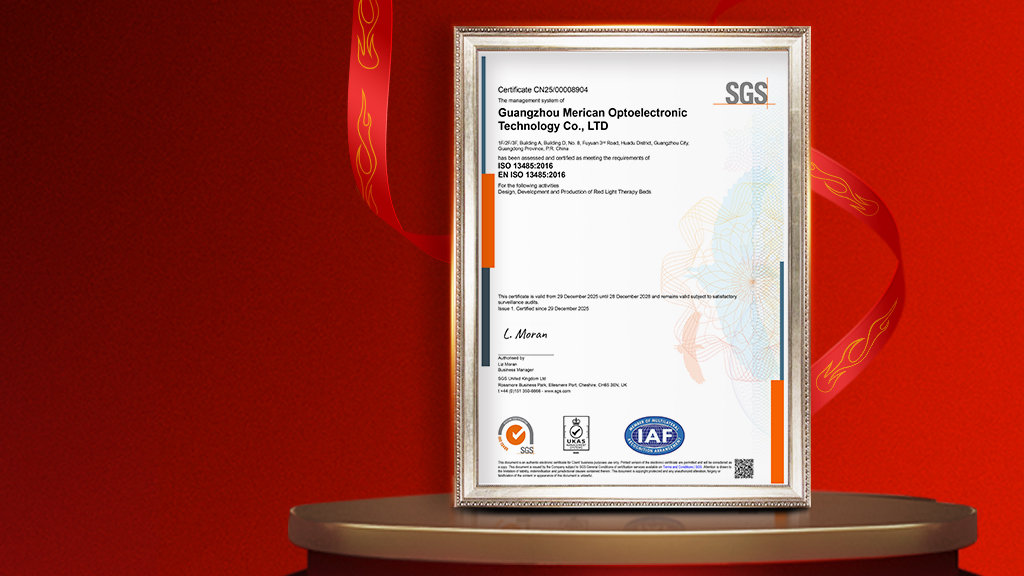
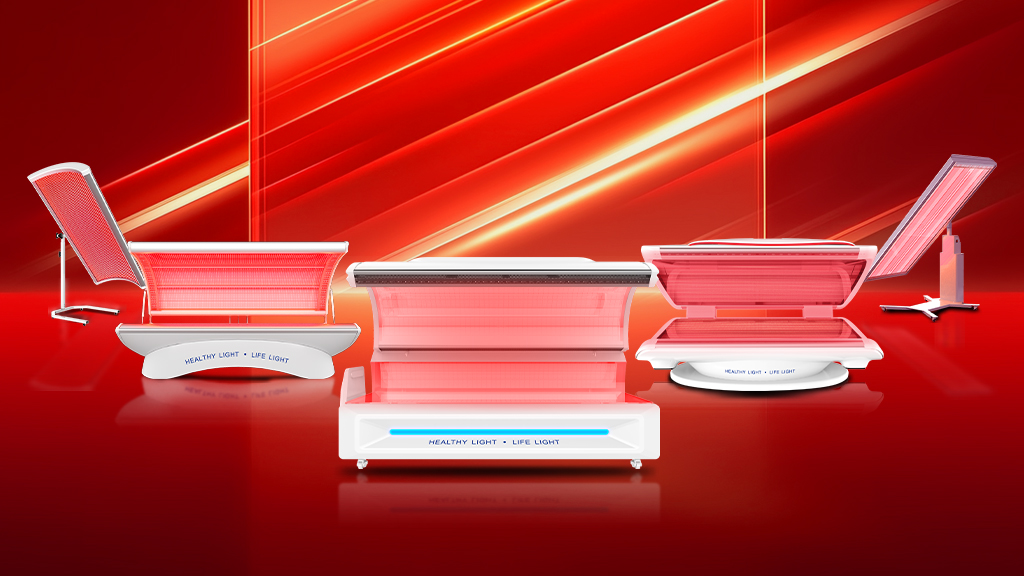
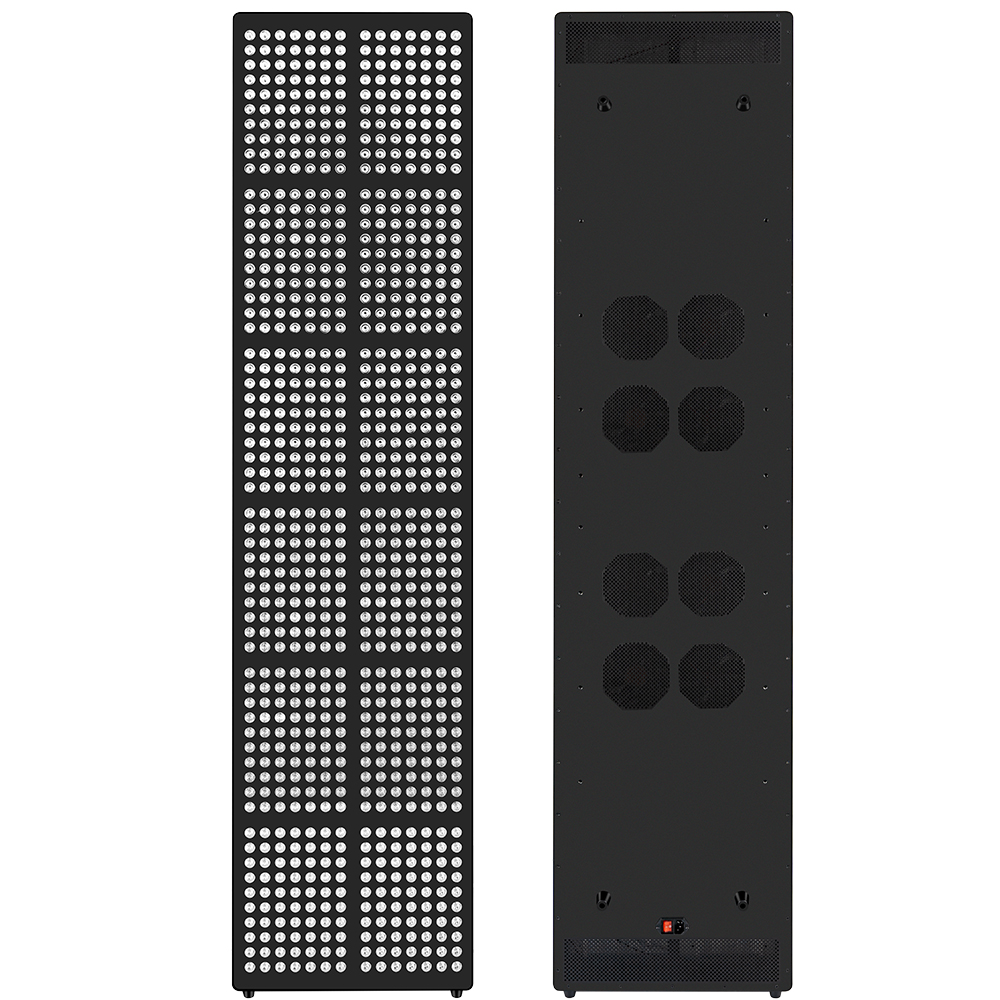
- Buarthaí maidir le Cáilíocht agus Sábháilteacht Feiste: Tá an margadh tuilte le feistí teiripe solais dearga a bhfuil caighdeáin cháilíochta agus sábháilteachta éagsúla acu. Má úsáidtear feiste ar chaighdeán íseal nó ar chalabrú míchuí, d'fhéadfadh cóireáil neamhéifeachtach nó fiú dochar a bheith mar thoradh air, cosúil le dónna craicinn nó damáiste súl. Tá sé ríthábhachtach feiste a roghnú atá tástáilte agus deimhnithe ag eagraíochtaí creidiúnacha agus treoracha an mhonaróra a leanúint go cúramach.. Más féidir, treoir ghairmiúil a lorg agus tú ag úsáid teiripe solas dearg le haghaidh tinnitus.
- Idirghníomhaíochtaí Féideartha le Cóireálacha Eile: If you’re already undergoing other treatments for tinnitus, such as medication, sound therapy, or counseling, red light therapy may interact with them in unexpected ways. Mar shampla, it could affect the absorption or metabolism of certain medications or interfere with the effectiveness of sound therapy. It’s essential to consult with your healthcare provider before starting red light therapy to ensure it’s safe and won’t interfere with your current treatment plan.
- Cost and Accessibility Issues: Professional red light therapy treatments at clinics or spas can be expensive, and at-home devices may also require a significant investment. Ina theannta sin, access to high-quality devices and professional guidance may be limited depending on your location, making it difficult for some individuals to try this therapy.
Tips for Safe and Effective Red Light Therapy for Tinnitus
If you decide to try red light therapy for tinnitus, here are some tips to help you ensure safety and effectiveness:
- Choose a reputable device from a trusted manufacturer and follow the instructions carefully.
- Start with short treatment sessions and gradually increase the duration as tolerated.
- Téigh i gcomhairle le gairmí cúram sláinte sula dtosaíonn tú ar chóireáil, go háirithe má tá riochtaí sláinte bunúsacha ort nó má tá tú ag glacadh cógais.
- Déan monatóireacht ar do fhreagra ar an teiripe agus coigeartaigh an prótacal cóireála de réir mar is gá. If you experience any adverse effects, stop treatment immediately and consult your doctor.
- Comhcheangail teiripe solas dearg le nósanna sláintiúla stíl mhaireachtála eile, such as stress management techniques, a balanced diet, and regular exercise, for optimal tinnitus management.
Conclúid
Red light therapy offers an intriguing potential for tinnitus relief, ach tá sé ríthábhachtach dul i ngleic leis go cúramach agus tuiscint a fháil ar na teorainneacha atá leis. By considering factors such as limited research, inathraitheacht aonair, cáilíocht agus sábháilteacht gléas, potential interactions with other treatments, and cost and accessibility issues, féadfaidh tú cinneadh eolasach a dhéanamh maidir le cibé an bhfuil teiripe solais dhearg ceart duitse. Má shocraíonn tú triail a bhaint as, a bheith cinnte a leanúint ar an prótacal cóireála molta, dul i gcomhairle le gairmí cúram sláinte, agus monatóireacht a dhéanamh ar do fhreagra chun sábháilteacht agus éifeachtacht a chinntiú. Cuimhnigh, red light therapy should not replace traditional medical treatments for tinnitus but can be used as a complementary approach under professional guidance.