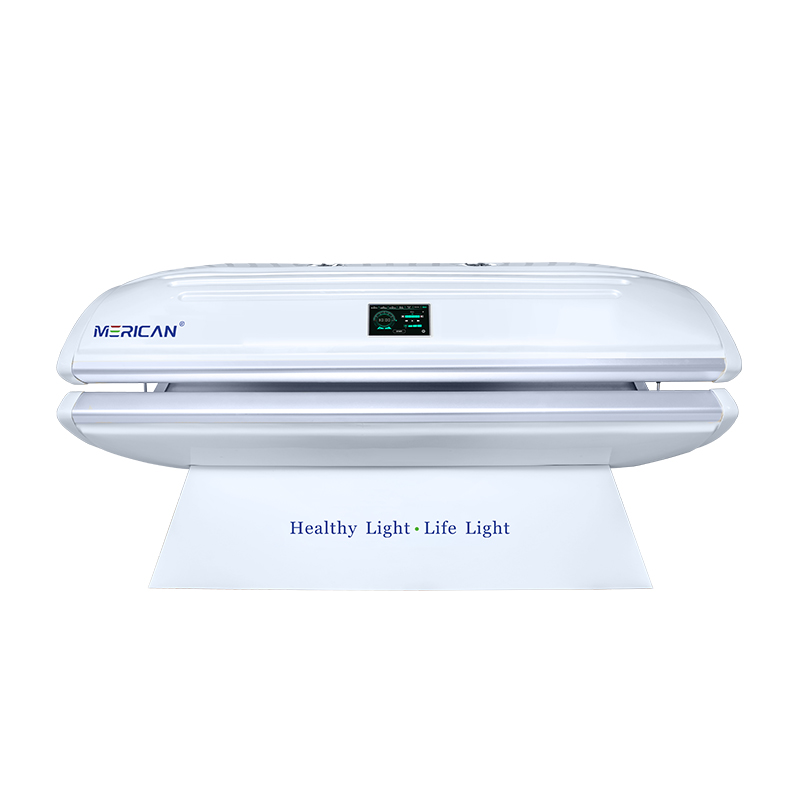
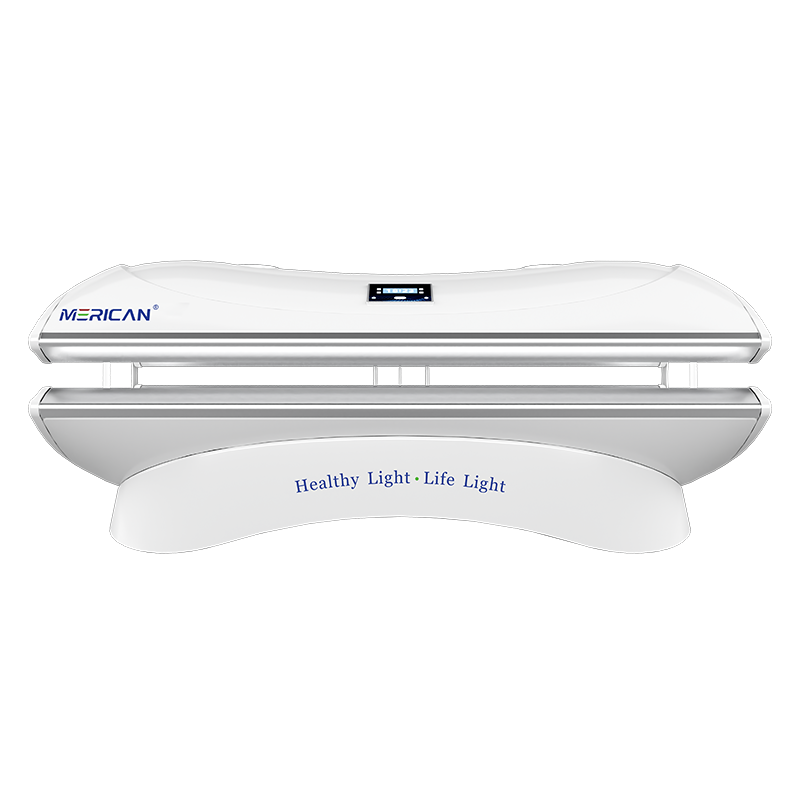
Kupu Whakataki
Ka taea e te makariri te whakararuraru i o tatou oranga o ia ra, ka waiho matou i te pouri me te kore e kaha ki te mahi i to maatau pai. I te wa e rapu ana nga tangata i nga huarahi taiao me te kore-kino ki te whakaora i nga tohu makariri me te whakatairanga i te whakaora tere, Ko te rongoa rama whero kua arohia hei otinga pea. Heoi ano, i mua i te peke i runga i te karaehe rongoa rama whero mo te makariri, he mea nui kia mohio ki nga ahuatanga mahi, painga pea, me nga whakaaro e pa ana. I roto i tenei pou rangitaki, Ka hoatu e matou ki a koe nga tohutohu whaihua me nga whakaaro nui hei awhina i a koe ki te whakatau mena he pai te rongoa rama whero mo koe ina pa ana ki te makariri..
Ko nga painga pea o te rongoa rama whero mo te makariri
- Tohu Tohu: Ko tetahi o nga tino take ka huri te tangata ki te rongoa rama whero mo te maremare ko tona kaha ki te whakaora i nga tohu. Ka rite ki te korero i mua, Ka taea e nga taonga anti-inflammatory a red light therapy te whakaiti i te mamae o te korokoro, te pupuhi ihu, me te mamae o te tinana. Ma te aro ki te mumura ki te taumata pūkoro, ka taea e ia te whakaora tere me te taiao mai i enei tohu whakararu, kia pai ake ai to ahua i te wa e whawhai ana to tinana ki te huaketo makariri.
- Whakaora Tere: Ma te whakanui i te punaha mate me te whakapai ake i te tohanga, Ka taea e te rongoa rama whero te tere ake te whakaora mai i te makariri. I te wa e tino pai ana te mahi a te punaha raupatu, a ka pai ake te toro atu o nga pūtau mate ki te waahi o te mate, ka taea e te tinana te whakakore tere atu i te huaketo makariri, te whakaiti i te roanga katoa o te mate. Ko te tikanga ka taea e koe te hoki wawe ki to mahi kawa me te karo i te mamae roa.
- Kore-whakamoana me te Taru-kore: Kaore i rite ki te maha o nga rongoa matao i runga i te kaute ka pa mai me nga paanga o te taha penei i te momoe, te mamae puku ranei., Ko te whakamaarama rama whero he whiringa maimoatanga kore-ahuru me te raau taero. Kaore e whakauruhia he matū ke ki roto i te tinana, ka waiho hei whiringa haumaru mo te hunga e pai ana ki nga rongoa taiao, e awangawanga ana ranei mo nga paanga taha o nga rongoa.
Te whiriwhiri i te Pūrere Whakaora Marama Whero Matau
- Te roangaru: I te wa e whiriwhiri ana i tetahi taputapu whakamaarama rama whero mo te makariri, kia aro ki te roangaru o te marama ka puta. Nga roangaru i te awhe o 630-670 nm (rama whero) a 800-850 nm (maramara-a-ira) e whakamahia nuitia ana mo nga kaupapa rongoa. He pai ake te rama whero mo nga kopa taumata-mata, penei i te korokoro me te sinuses, i te mea ka taea te kuhu hohonu te rama-a-pokarere ki roto i te tinana, ka tae pea ki te rohe o te uma kei reira nga ngongo. Rapua he taputapu e tuku huinga o enei roangaru mo te maimoatanga matawhānui.
- Putanga Mana: Ko te putanga mana o te taputapu, ine i roto i te miliwatts (mW), ka whakatau i te kaha o te marama. Ko te kaha ake o te whakaputanga hiko ka nui ake te kaha ka tukuna ki nga kopa, ka whai hua mo nga hua tere ake. Heoi ano, it’s important to choose a device with an appropriate power output for at-home use to avoid potential skin damage. Consult the manufacturer’s recommendations or seek advice from a healthcare professional to ensure you select a safe and effective device.
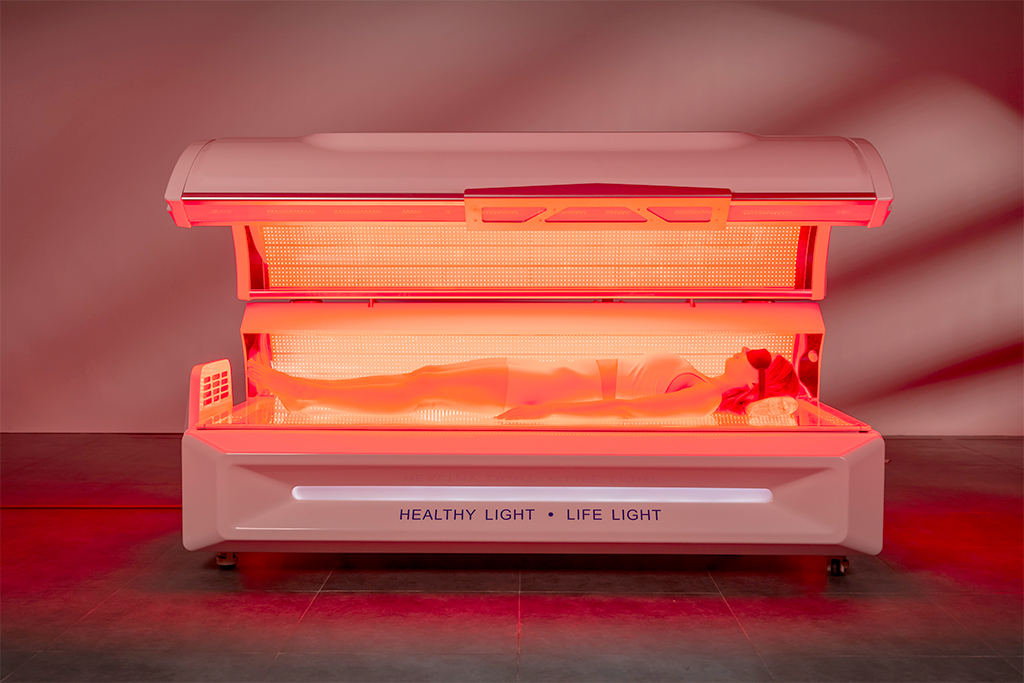
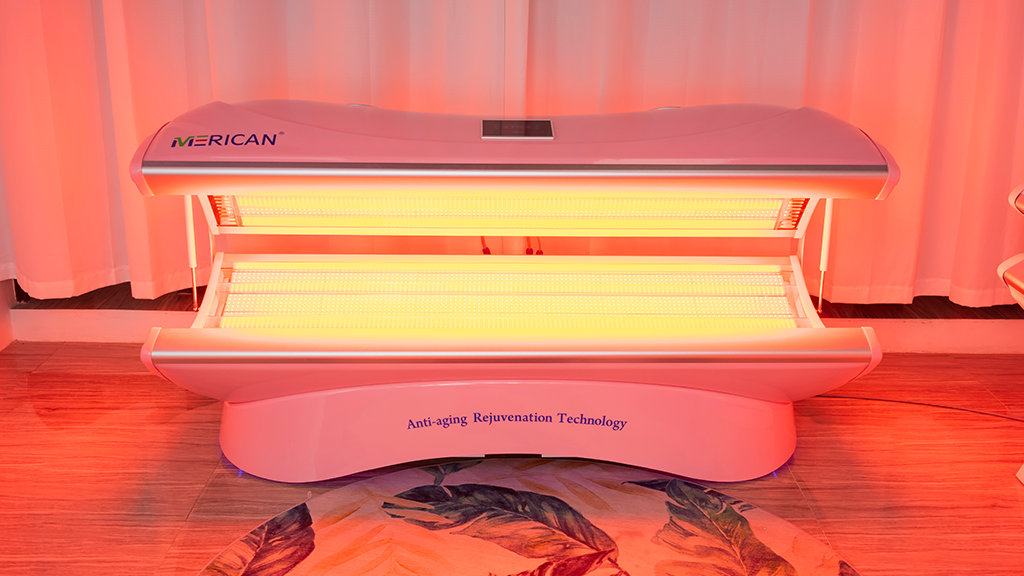
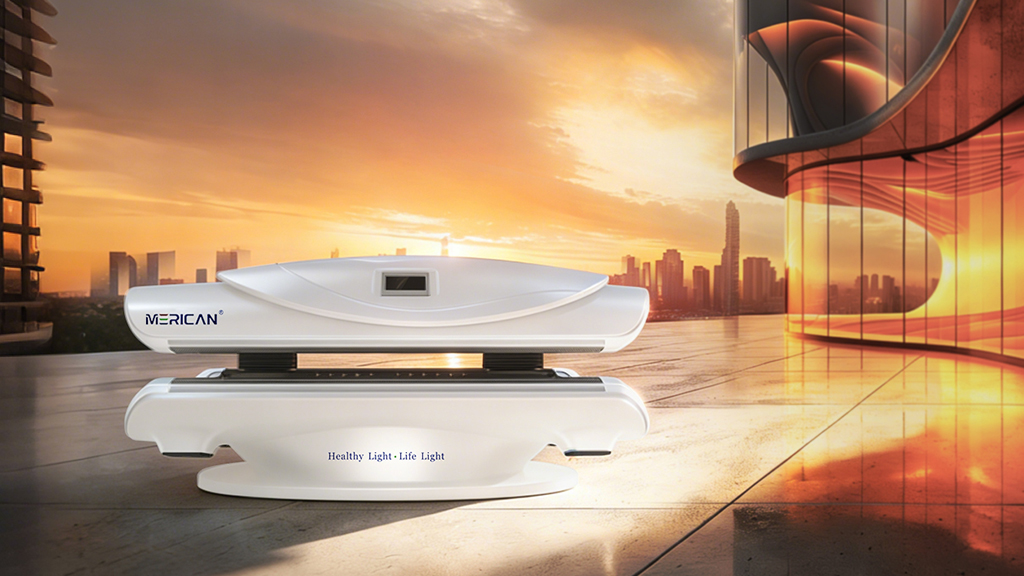
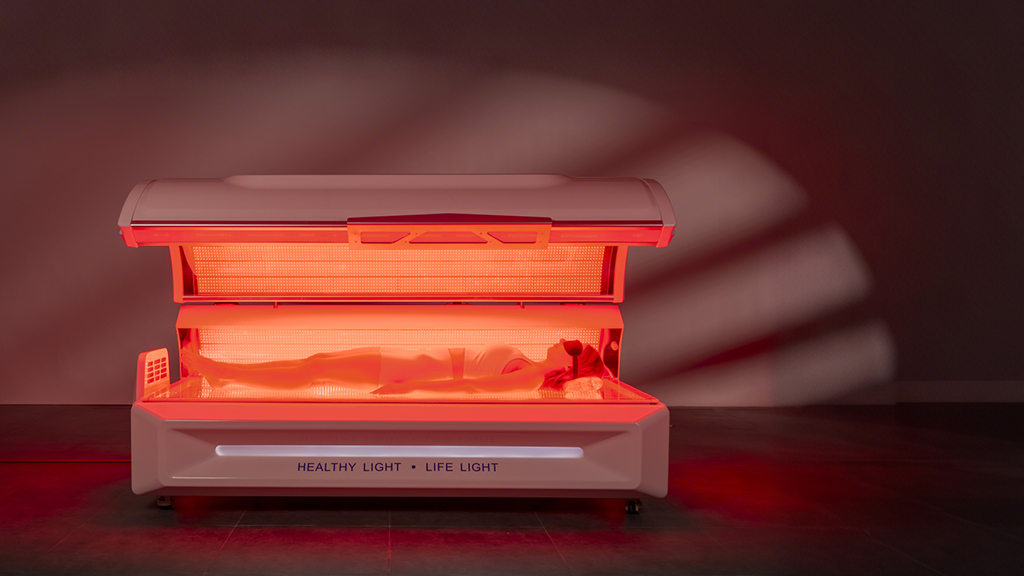
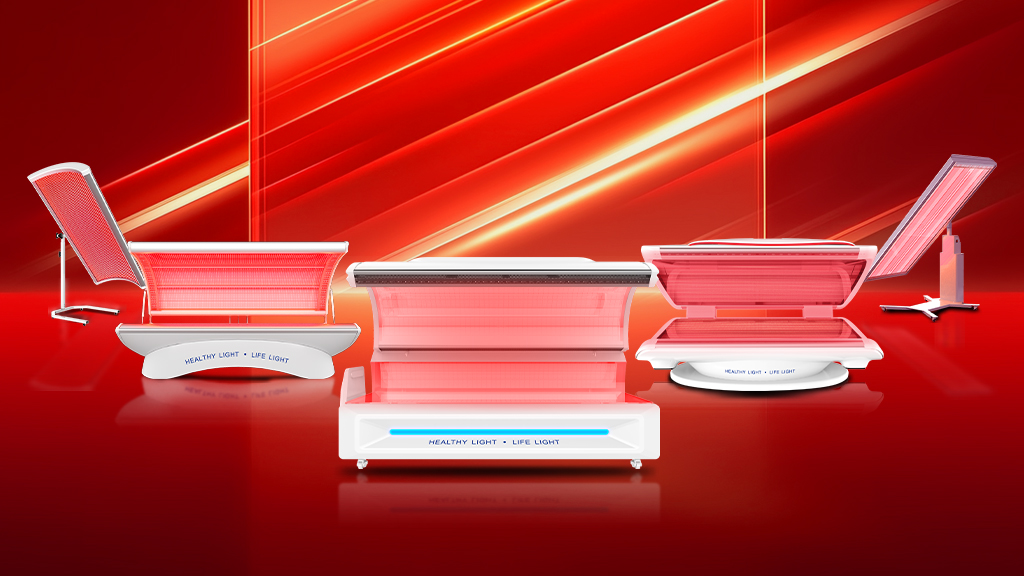
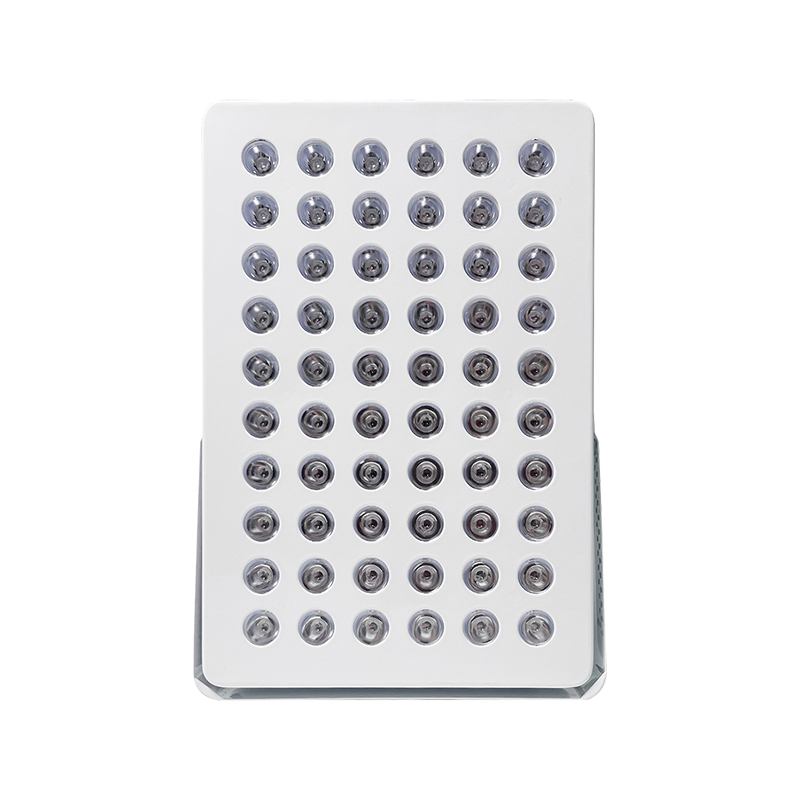
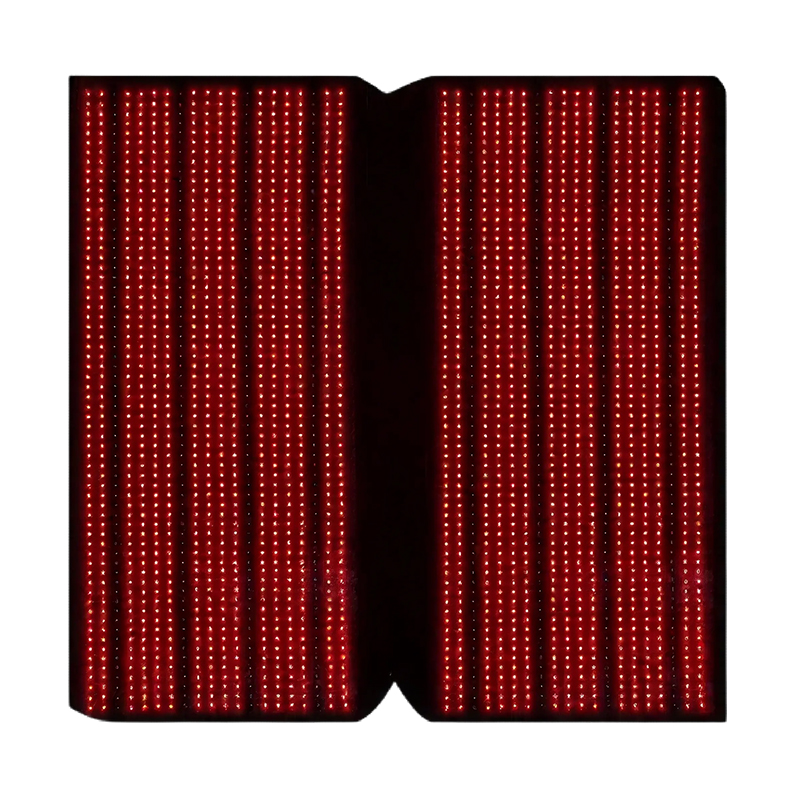
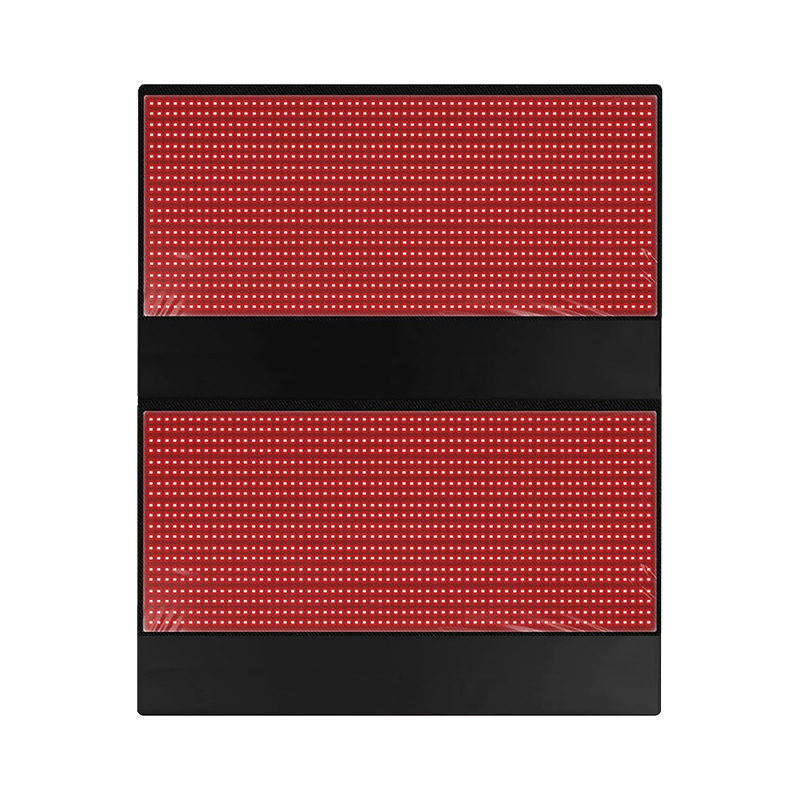
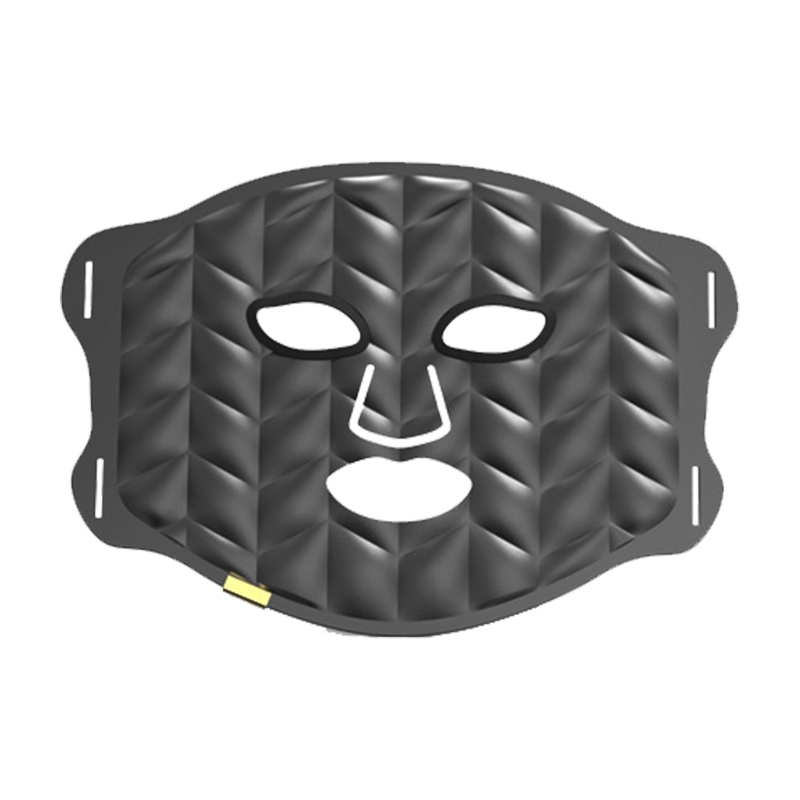
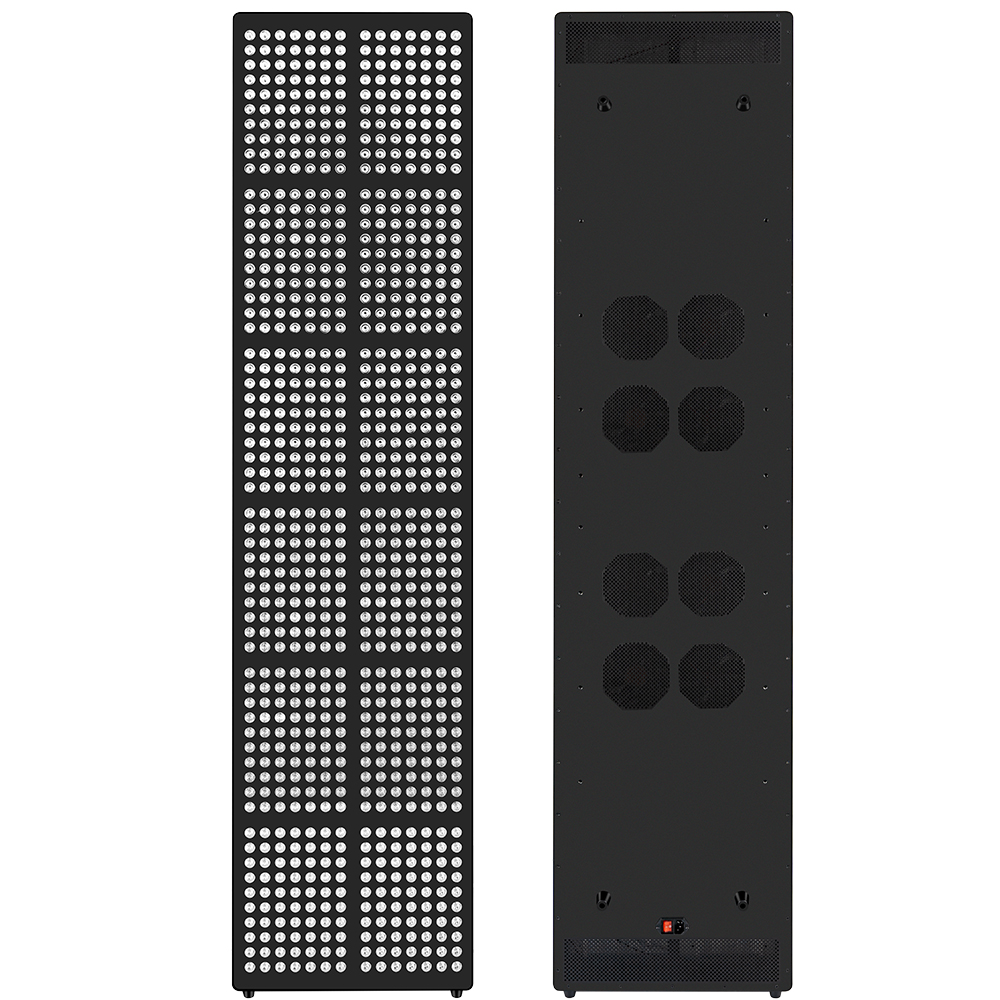
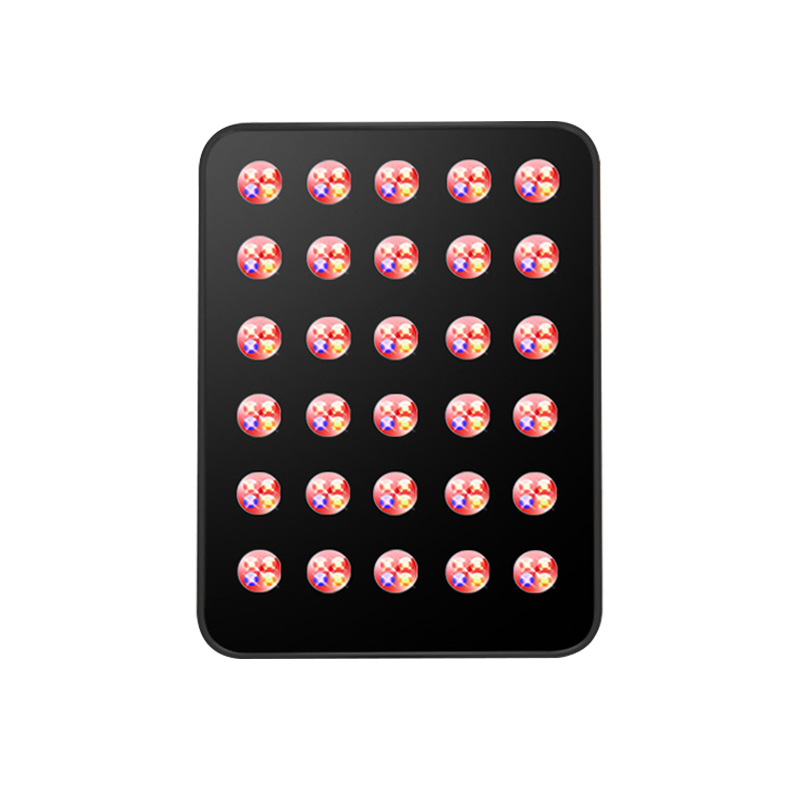
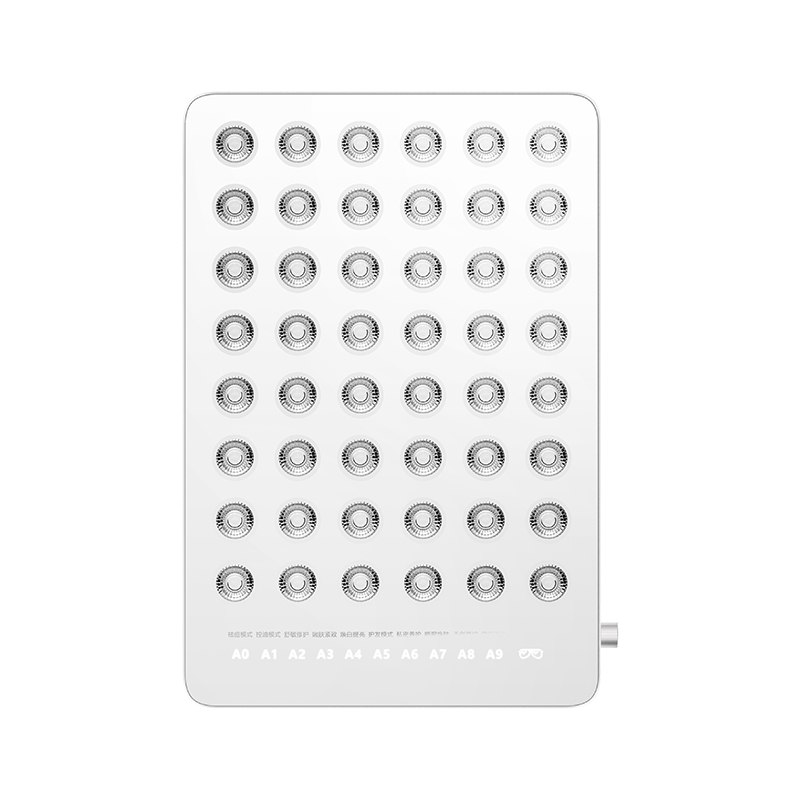
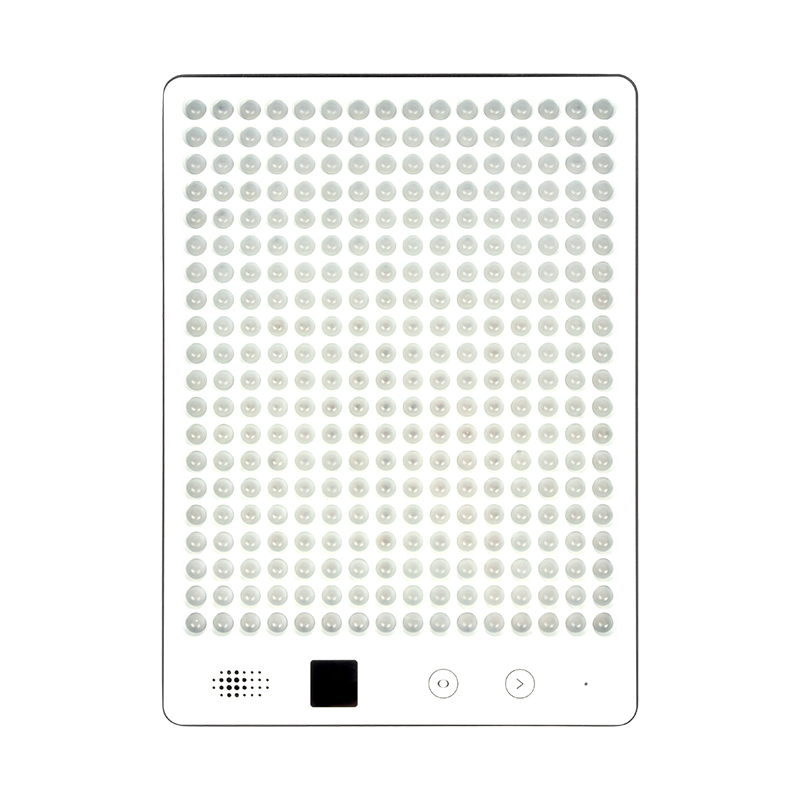
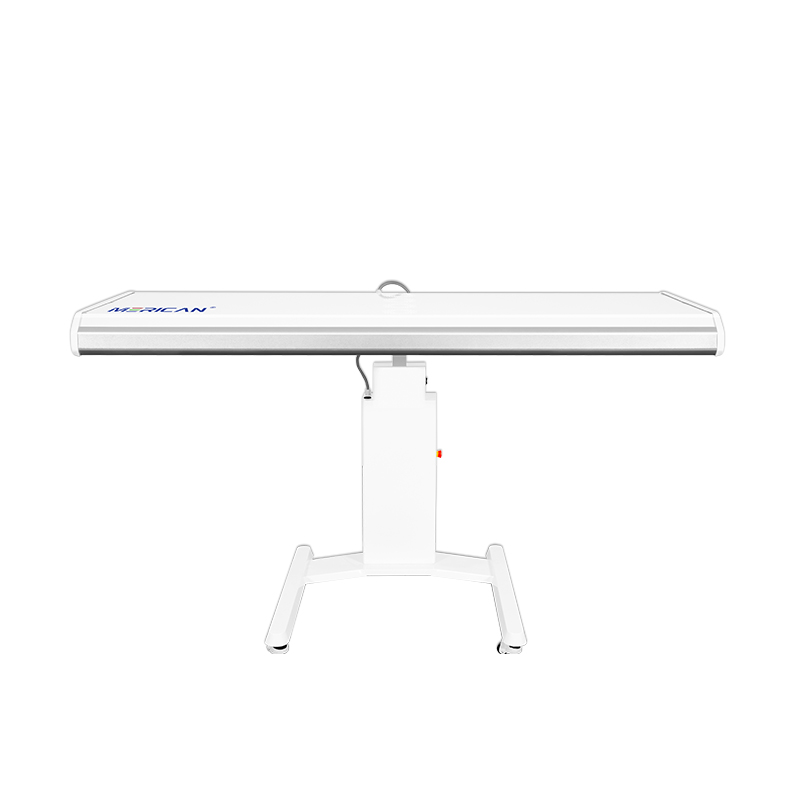
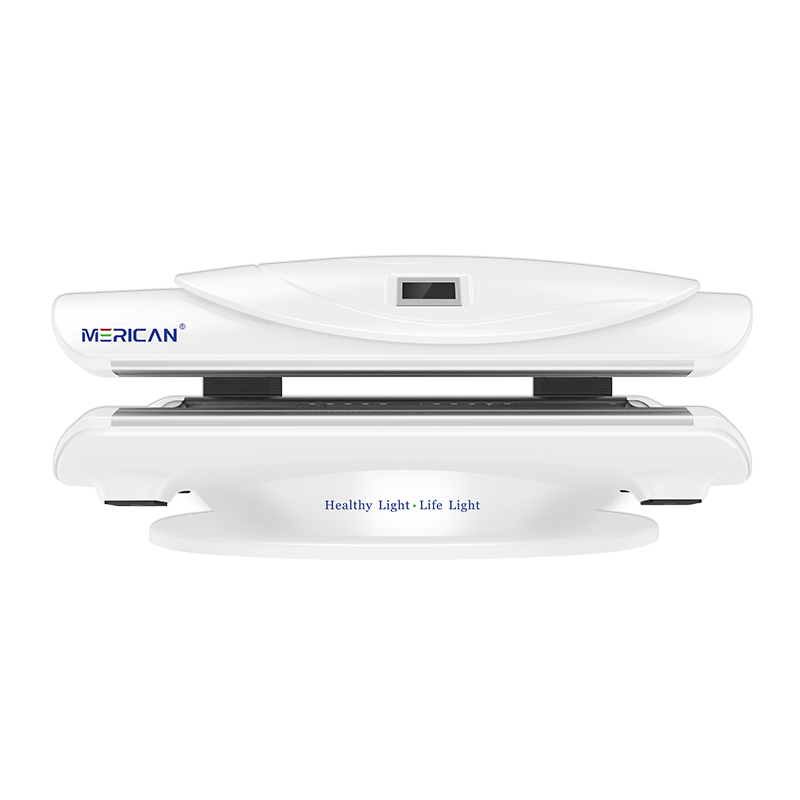
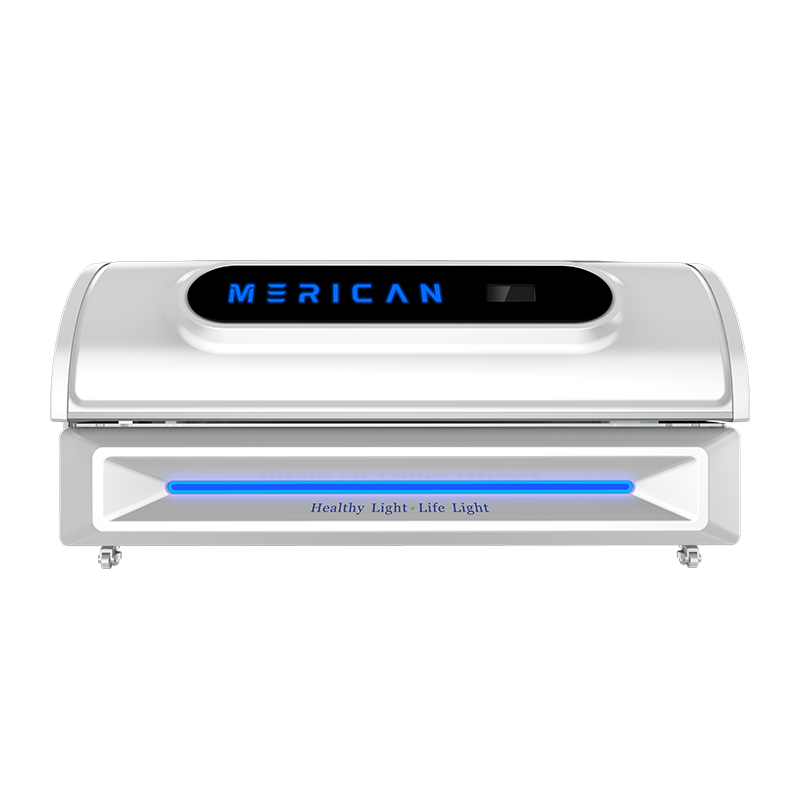
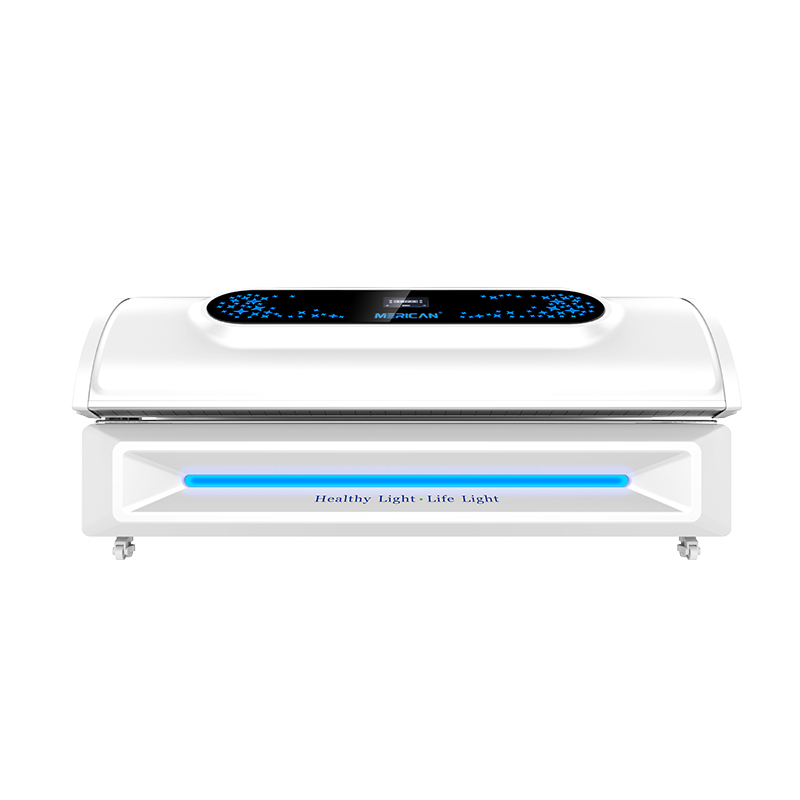
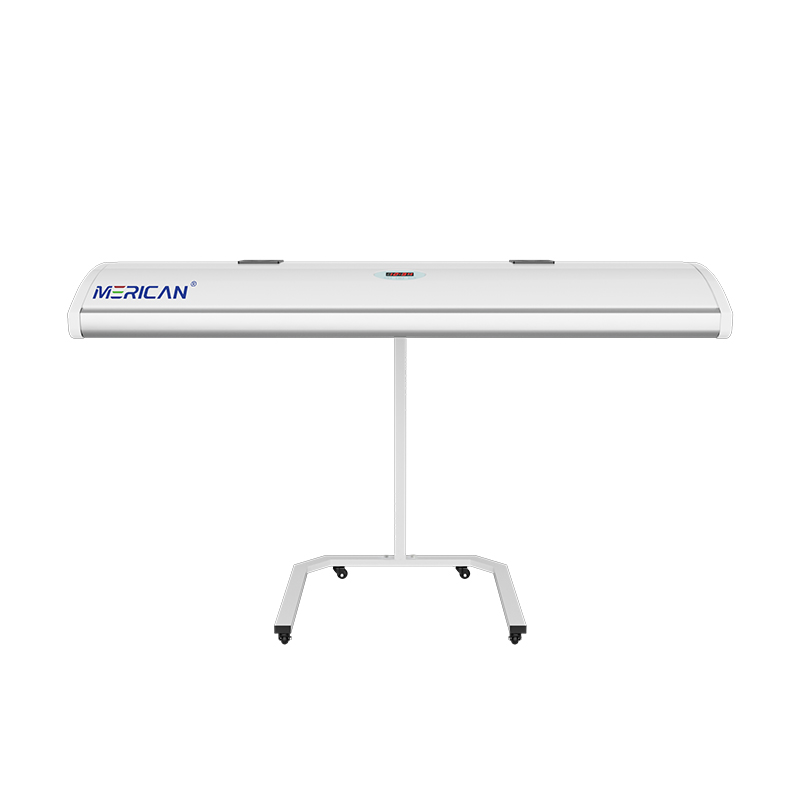
- Momo Pūrere: There are various types of red light therapy devices available, tae atu ki nga toka ringaringa, panui, and helmets. Handheld wands are convenient for targeting specific areas like the throat and sinuses, while panels can cover larger areas such as the chest. Helmets are more suitable for whole-head treatment, which may be beneficial if you’re experiencing headaches or sinus pressure along with your cold. Consider your specific needs and preferences when choosing a device type.
Treatment Frequency and Duration
The optimal treatment frequency and duration for red light therapy for colds can vary depending on the device and individual factors. As a general guideline, start with short treatment sessions of around 5-10 meneti mo ia rohe, 2-3 wa ia ra. I te wa e waia ana to tinana ki te maimoatanga kaore koe e pa ki nga paanga kino, ka taea e koe te whakanui i te roanga ki 15-20 meneti mo ia wahanga. Heoi ano, it’s important not to overdo it, as excessive exposure to red light may not provide additional benefits and could potentially cause skin irritation.
Precautions and Considerations
- Tiaki kanohi: Ko nga taputapu whakamaarama rama whero e tuku ana i te rama kanapa ka kino ki nga kanohi. Mau tonu te tiaki kanohi tika, përä i te mohiti i hangaia mo te whakamaarama rama whero, i te wa e whakamahi ana i te taputapu. He mea tino nui tenei mena kei te whakamahi koe i tetahi taputapu e tuku ana i te rama tata-infrared, i te mea kaore e kitea e te kanohi tahanga engari ka taea tonu te kino o te kanohi.
- Te kiri kiri: Ko etahi o nga tangata ka nui ake te kiri tairongo i era atu. Mena kei a koe he hitori o nga mate kiri, he ngawari ranei ki te mamae kiri, Me timata me nga waahi maimoatanga poto ake me te iti o nga tautuhinga hiko kia kitea ai te ahua o to kiri. Mena ka wheako koe i te whero, te patito, te mamae ranei, mutu te whakamahi me te korero ki tetahi tohunga hauora.
- Nga Tikanga Hauora o raro: Mena kei a koe etahi tikanga hauora, penei i nga mate autoimmune, mate pukupuku, epilepsy ranei, He mea nui ki te korero ki to taakuta i mua i te whakamahi i te rongoa rama whero. Ko etahi ahuatanga hauora ka kaha ake koe ki te marama, ki te taunekeneke ranei me te maimoatanga i nga huarahi ohorere, no reira he mea nui te arahi ngaio hei whakarite i to haumaru.
Whakamutunga
Ko te whakamaarama rama whero e whakaatu ana i te kupu whakaari hei whiringa maaori me te kore-ahuru mo te whakakore i nga tohu makariri me te whakatairanga tere ake te whakaora. Ma te mohio ki nga painga ka taea, te whiriwhiri i te taputapu tika, te whai i nga tikanga maimoatanga tika, me te tango i nga whakaritenga e tika ana, Ka taea e koe te whakauru haumaru i te whakamaarama rama whero ki roto i to mahinga whakahaere makariri. Heoi ano, he mea nui kia mahara ko te whakamaarama rama whero ehara i te whakakapi mo te tiaki rongoa tuku iho. Mena he kino o tohu makariri, noho tonu mo te wa roa, kei te haere tahi ranei me etahi atu tohu e pa ana, rapu wawe i nga mahi hauora. Ma te huarahi tika, Ka taea e te rongoa rama whero te taapiri nui ki o kaha ki te noho hauora i te wa makariri.