Introdução
The common cold can disrupt our daily lives, deixando-nos sentindo-nos miseráveis e incapazes de dar o nosso melhor. À medida que as pessoas procuram formas naturais e não invasivas de aliviar os sintomas do resfriado e promover uma recuperação mais rápida, a terapia da luz vermelha ganhou atenção como uma solução potencial. No entanto, before jumping on the red light therapy bandwagon for colds, it’s important to understand the practical aspects, benefícios potenciais, and considerations involved. Nesta postagem do blog, we’ll provide you with practical tips and important considerations to help you decide if red light therapy is right for you when dealing with a cold.
Potential Benefits of Red Light Therapy for Colds
- Symptom Relief: One of the main reasons people turn to red light therapy for colds is its potential to relieve symptoms. Como mencionado anteriormente, red light therapy’s anti-inflammatory properties can help reduce a sore throat, nasal congestion, and body aches. By targeting the inflammation at the cellular level, it may provide quick and natural relief from these discomforting symptoms, allowing you to feel more comfortable while your body fights off the cold virus.
- Recuperação mais rápida: By boosting the immune system and improving circulation, red light therapy may help speed up the recovery process from a cold. When the immune system is functioning optimally and immune cells can reach the site of infection more efficiently, the body can eliminate the cold virus more quickly, reducing the overall duration of the illness. This means you can get back to your normal routine sooner and avoid prolonged discomfort.
- Não invasivo e livre de drogas: Unlike many over-the-counter cold medications that may come with side effects such as drowsiness or stomach upset, red light therapy is a non-invasive and drug-free treatment option. It doesn’t introduce any foreign substances into the body, making it a safe choice for those who prefer natural remedies or have concerns about the potential side effects of medications.
Escolhendo o dispositivo certo para terapia de luz vermelha
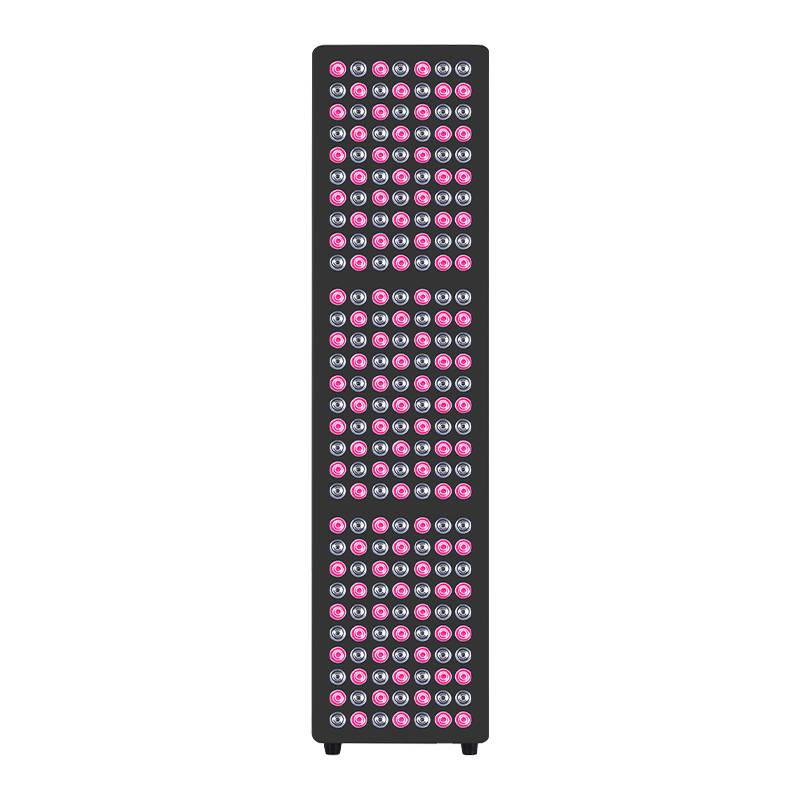
- Comprimento de onda: When selecting a red light therapy device for colds, pay attention to the wavelength of light it emits. Wavelengths in the range of 630-670 nm (luz vermelha) e 800-850 nm (luz do infravermelho próximo) are commonly used for therapeutic purposes. Red light is more effective for surface-level tissues, such as the throat and sinuses, while near-infrared light can penetrate deeper into the body, potentially reaching the chest area where the lungs are located. Look for a device that offers a combination of these wavelengths for comprehensive treatment.
- Saída de potência: The power output of the device, medido em miliwatts (mW), determina a intensidade da luz. Maior produção de energia geralmente significa que mais energia é entregue aos tecidos, o que pode ser benéfico para resultados mais rápidos. No entanto, it’s important to choose a device with an appropriate power output for at-home use to avoid potential skin damage. Consult the manufacturer’s recommendations or seek advice from a healthcare professional to ensure you select a safe and effective device.
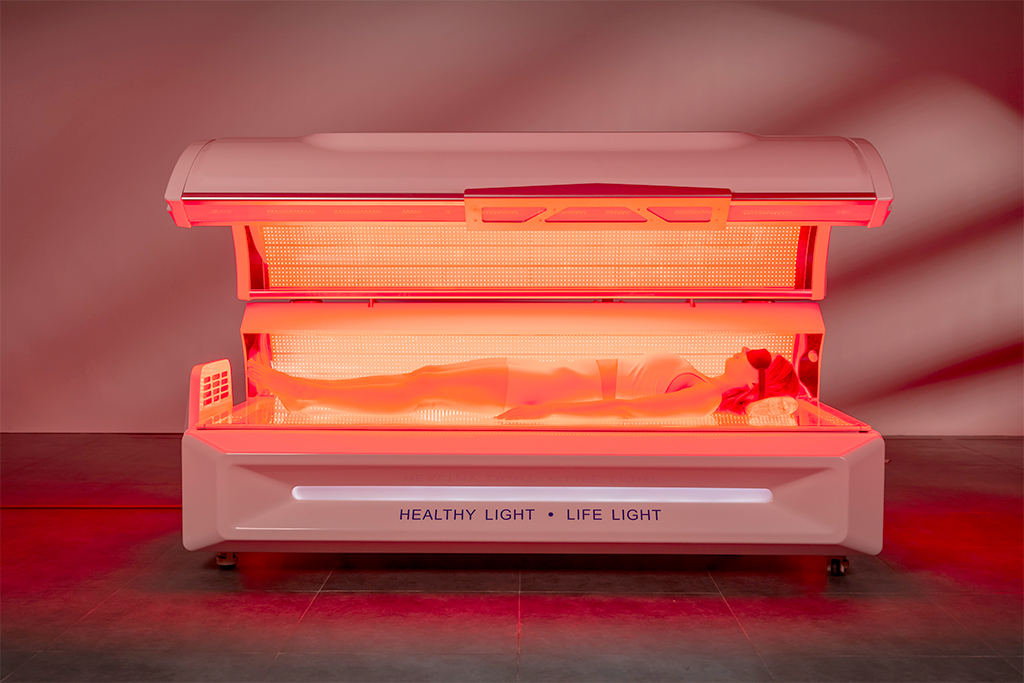
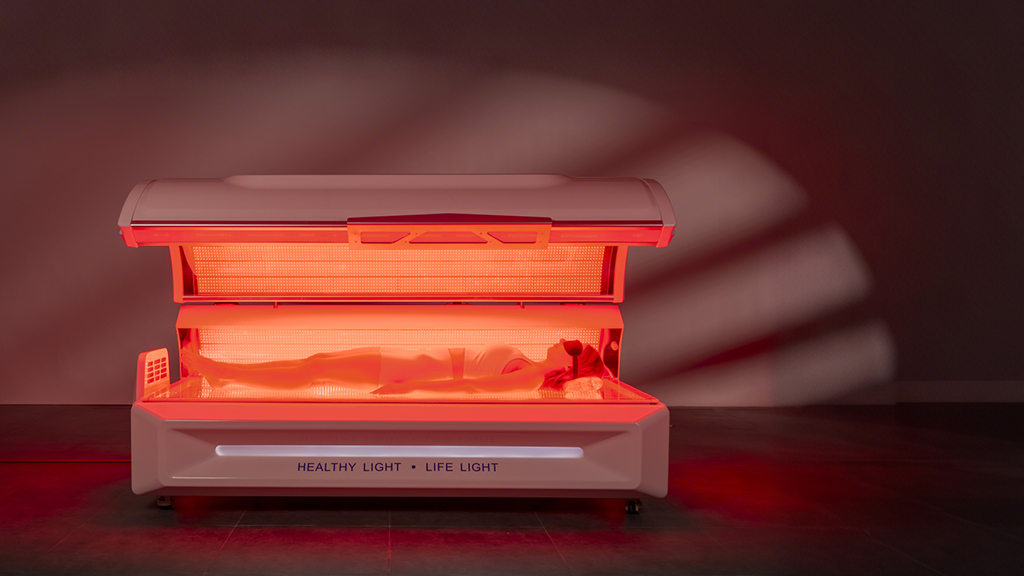
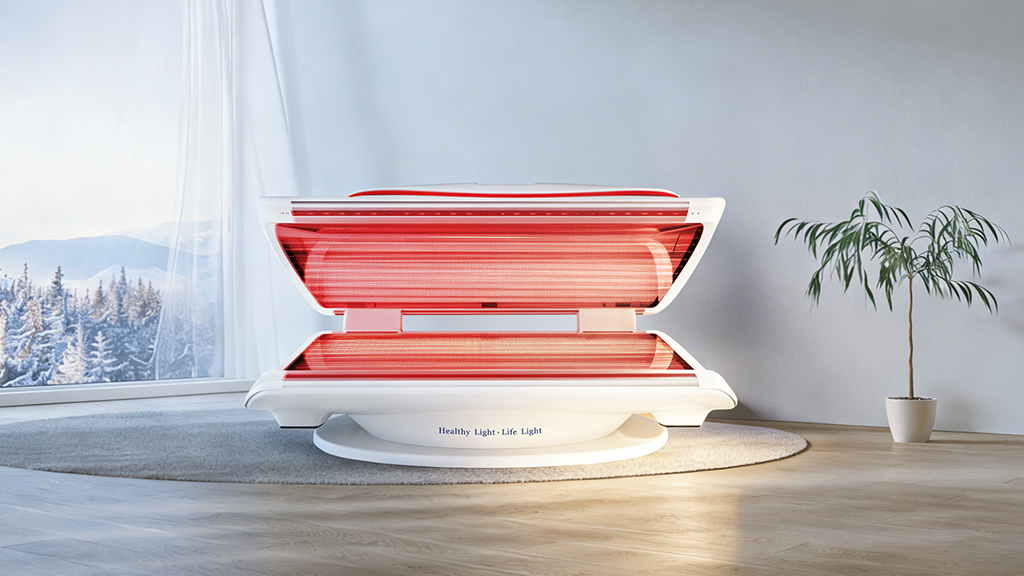
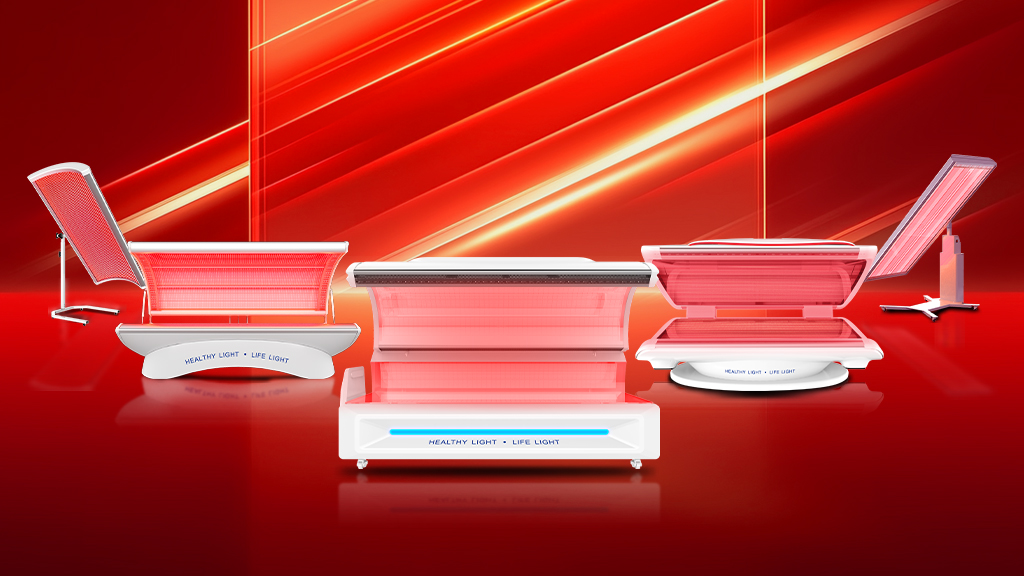
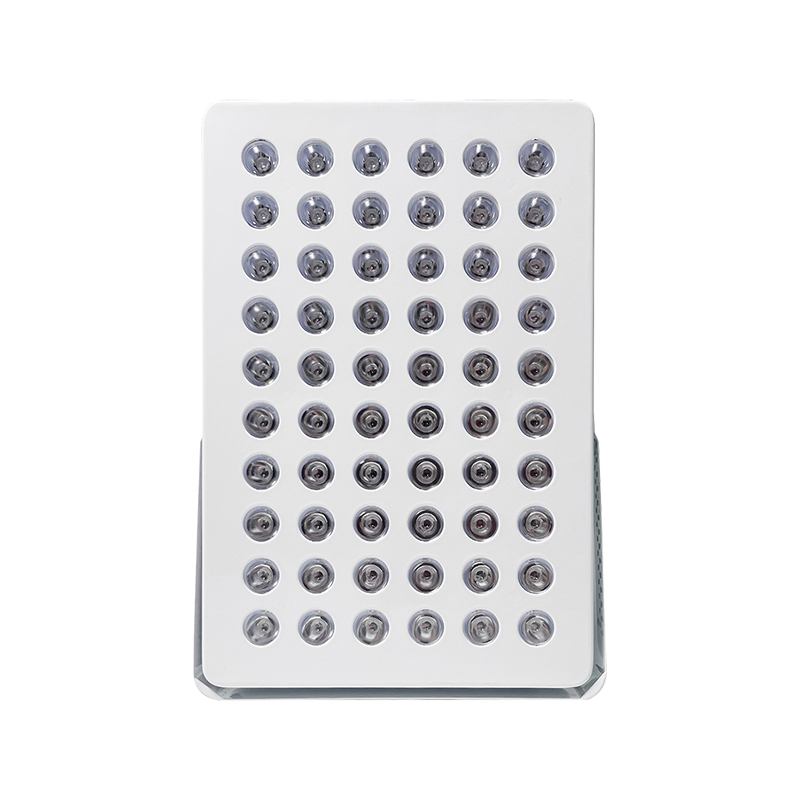
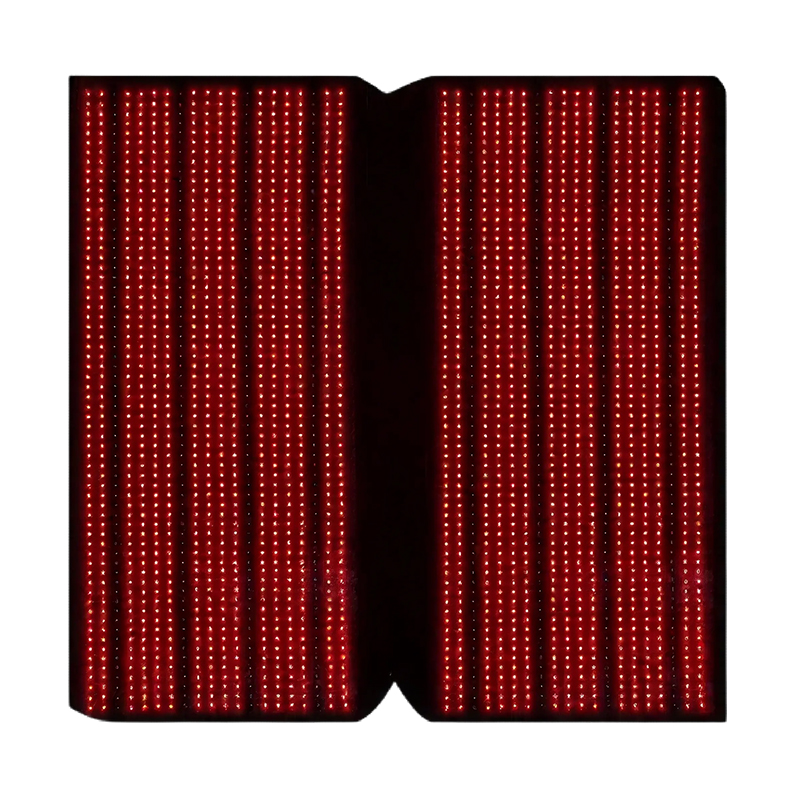
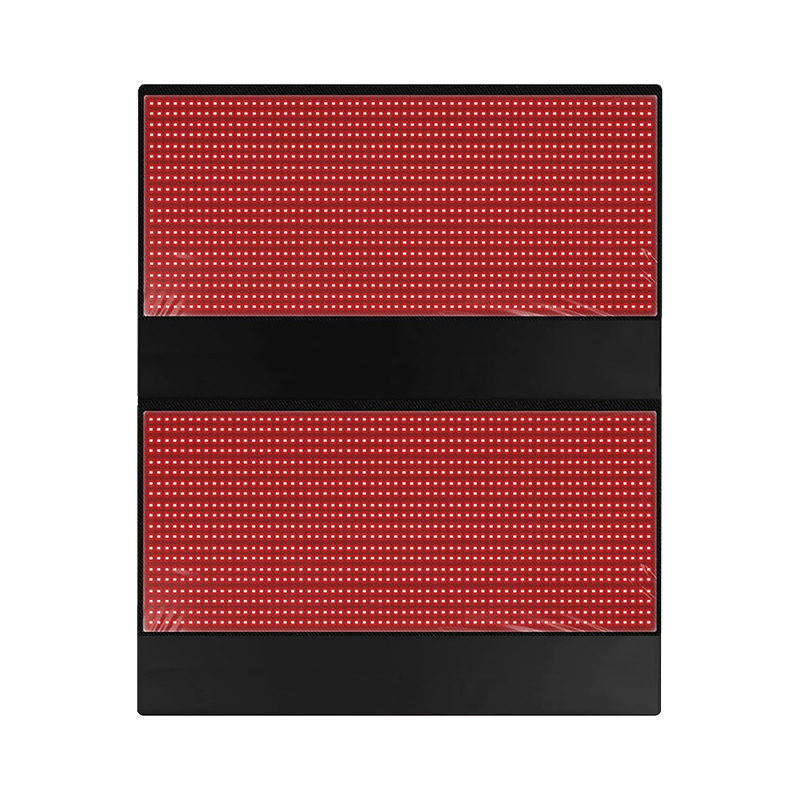
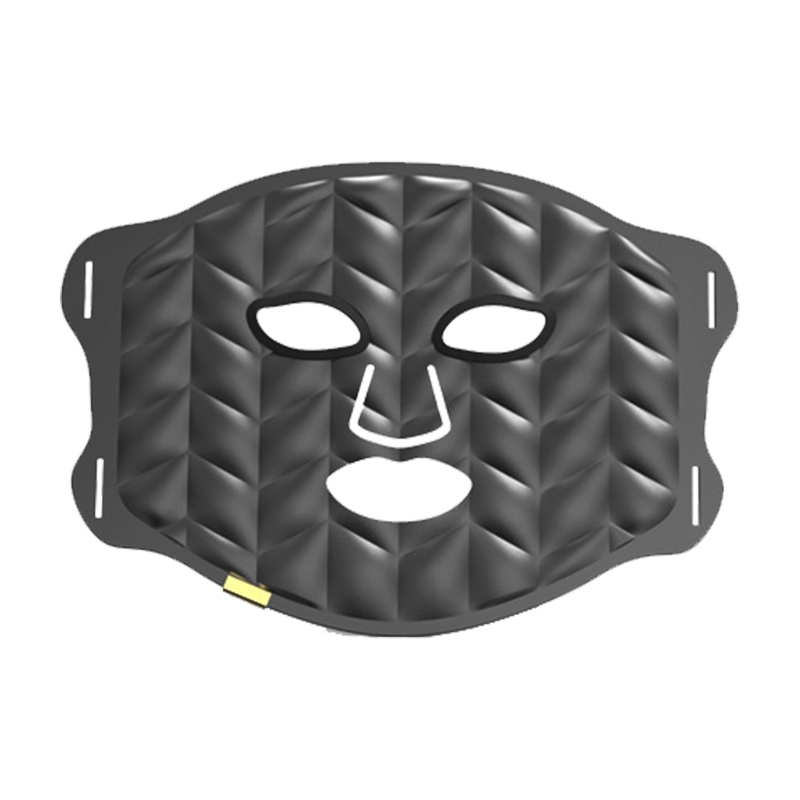
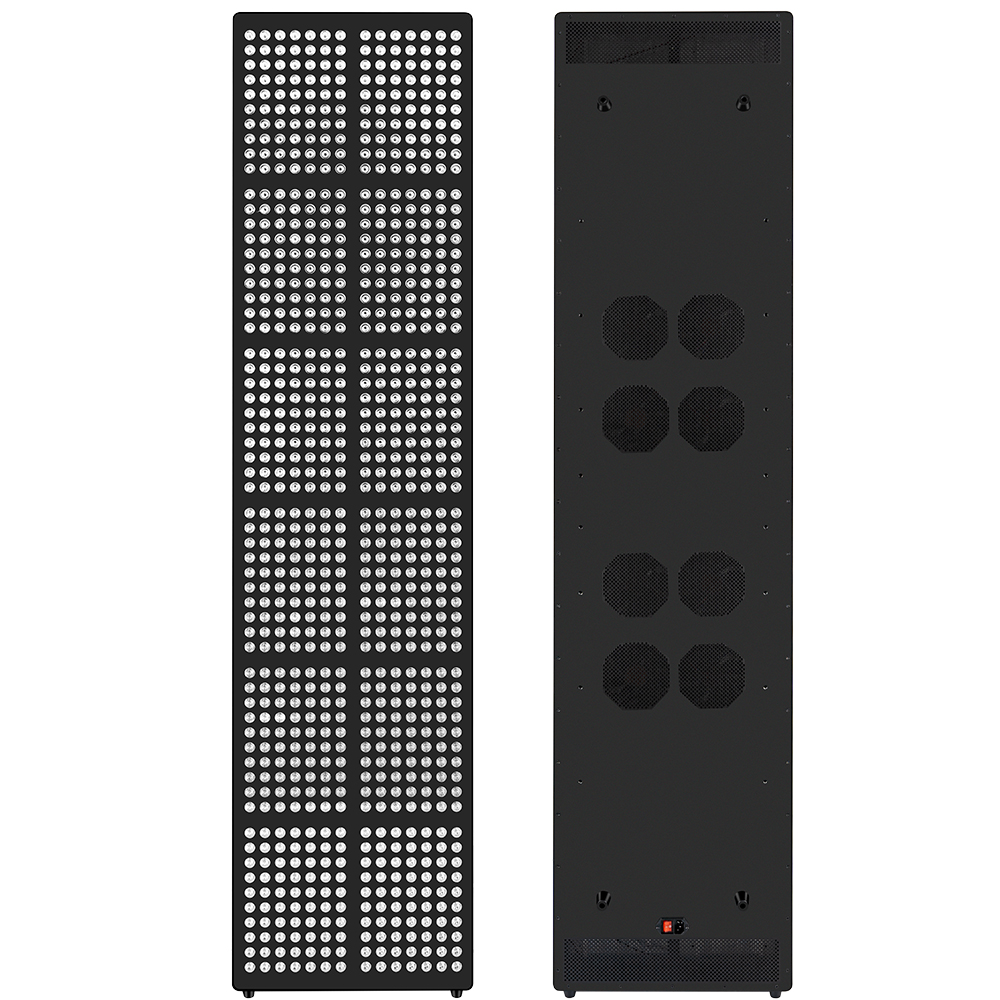
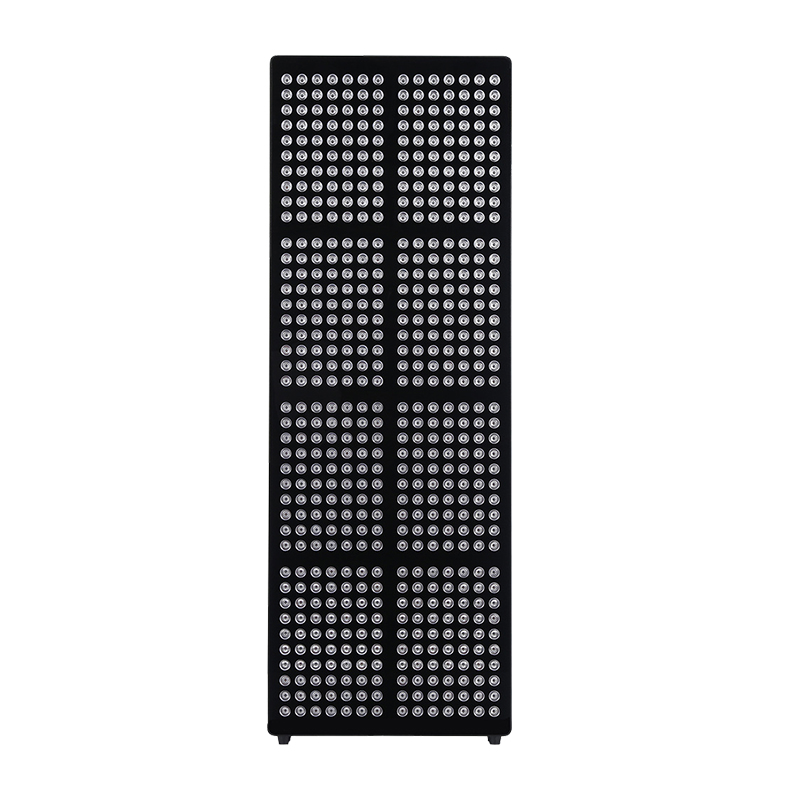
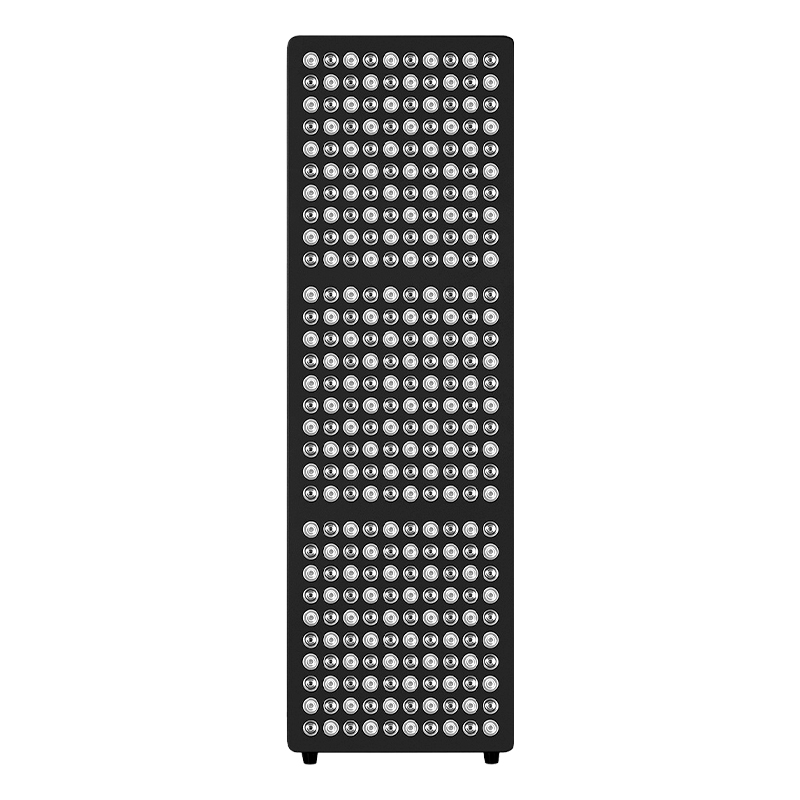
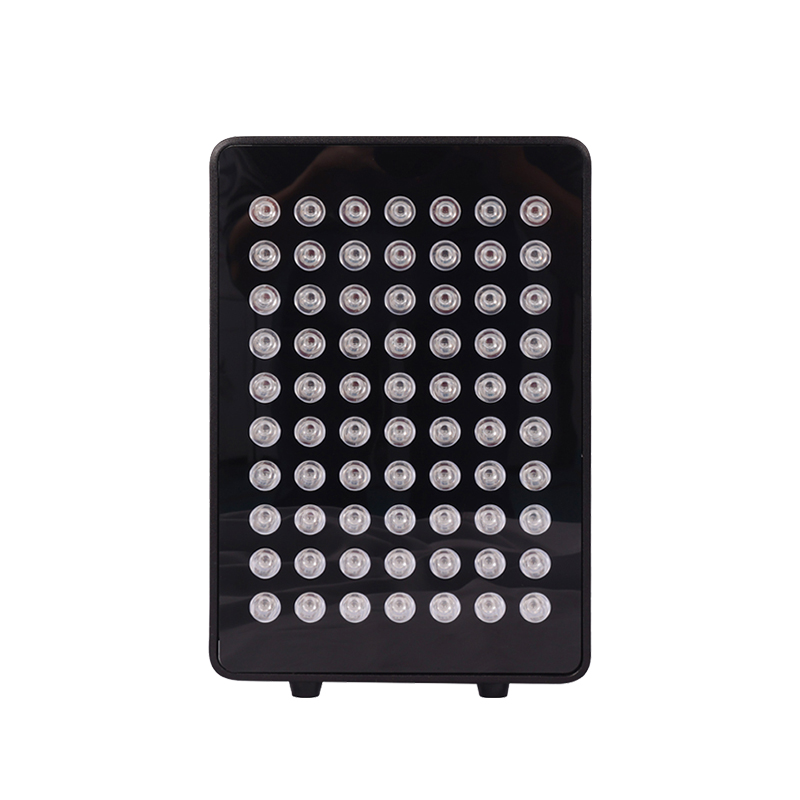
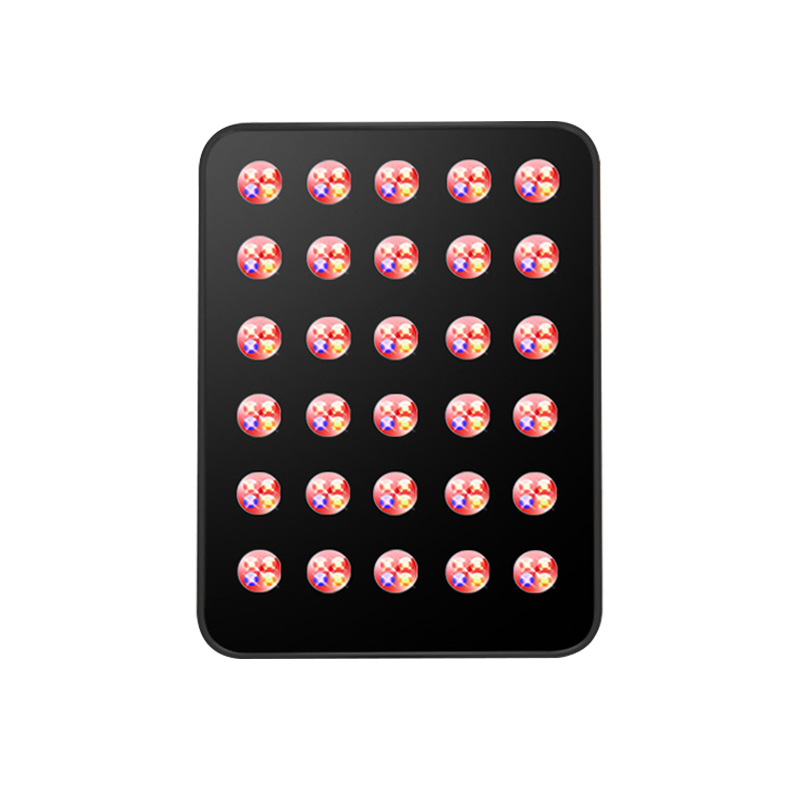
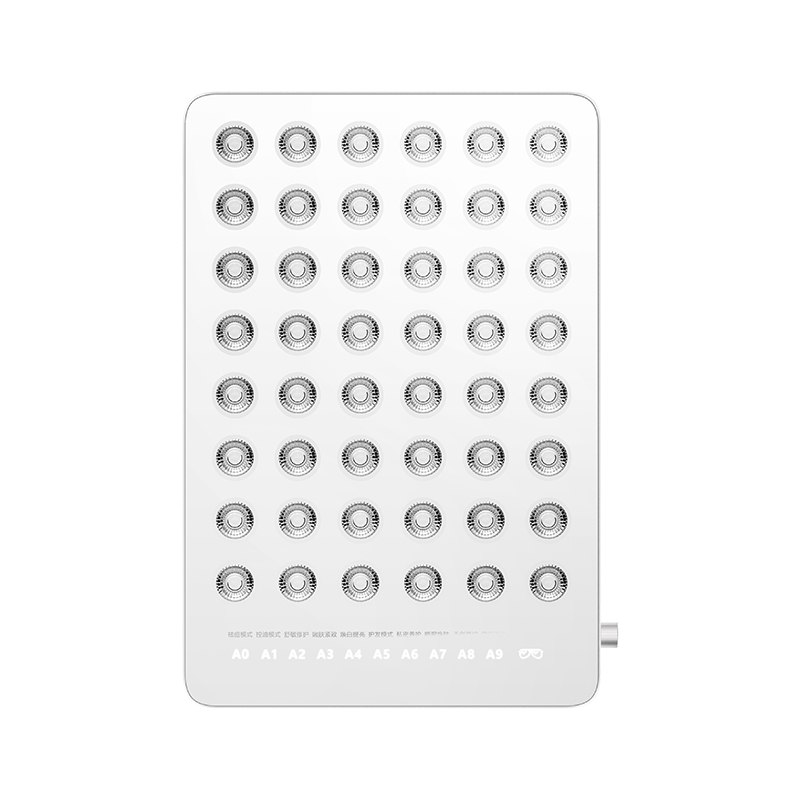
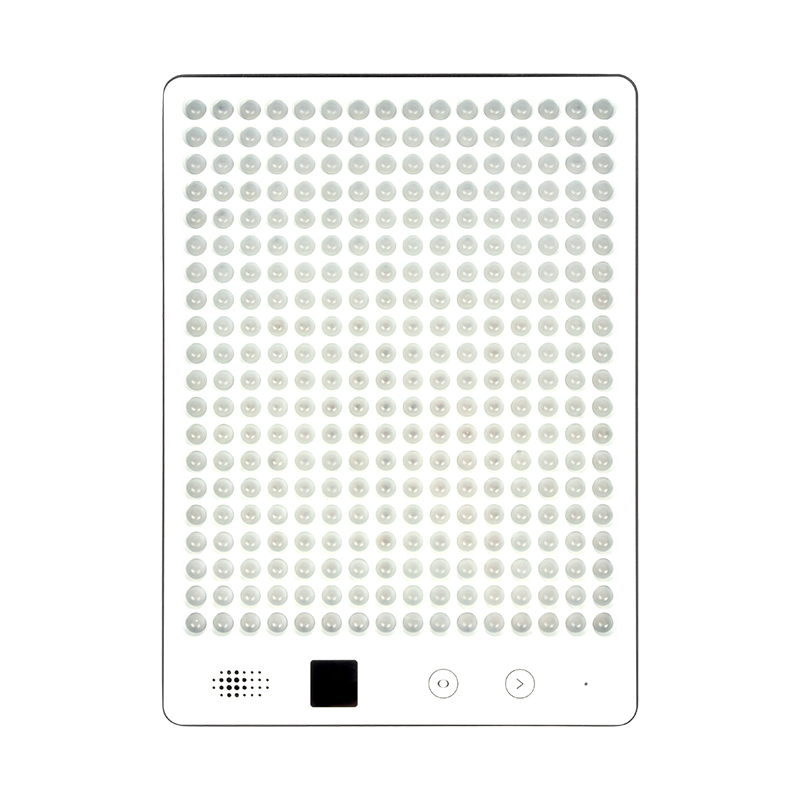
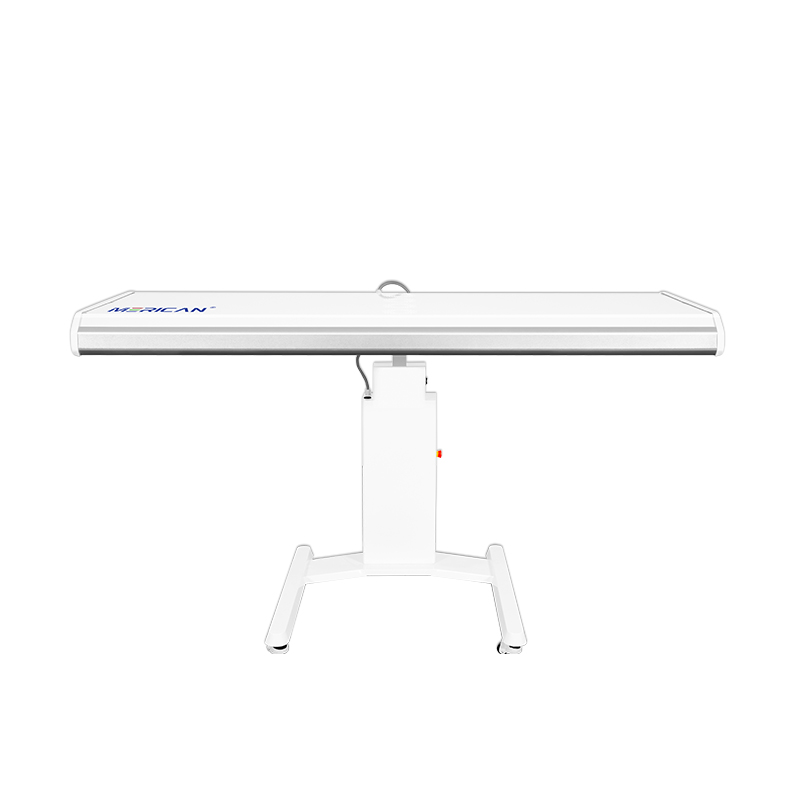
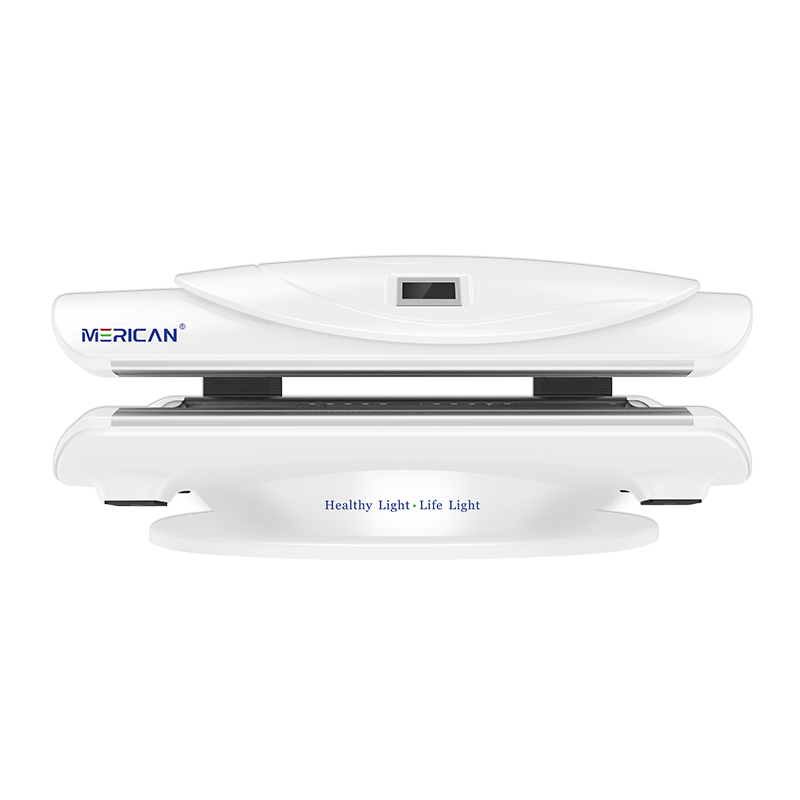
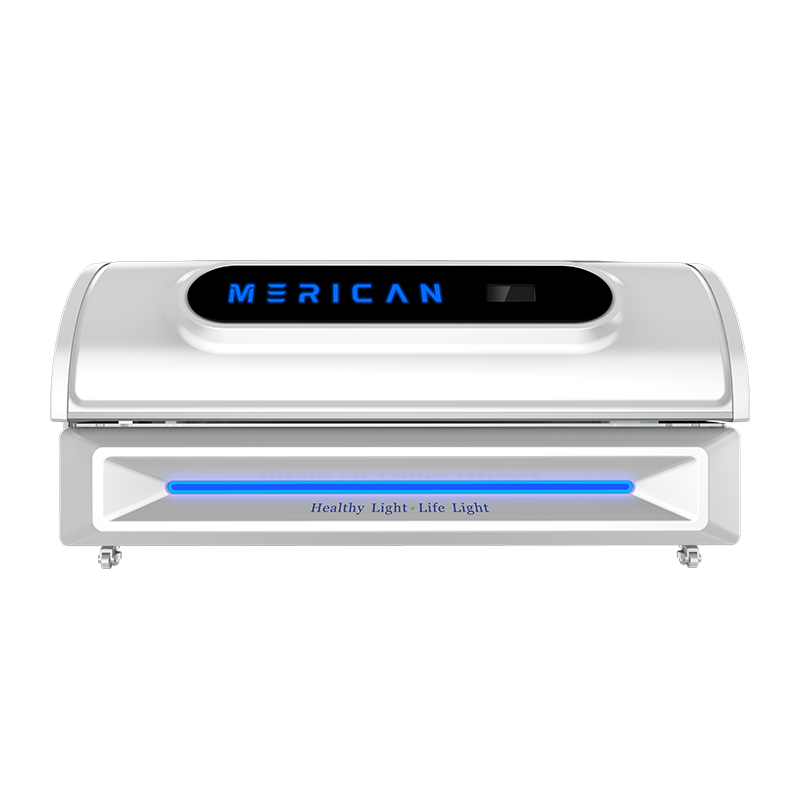
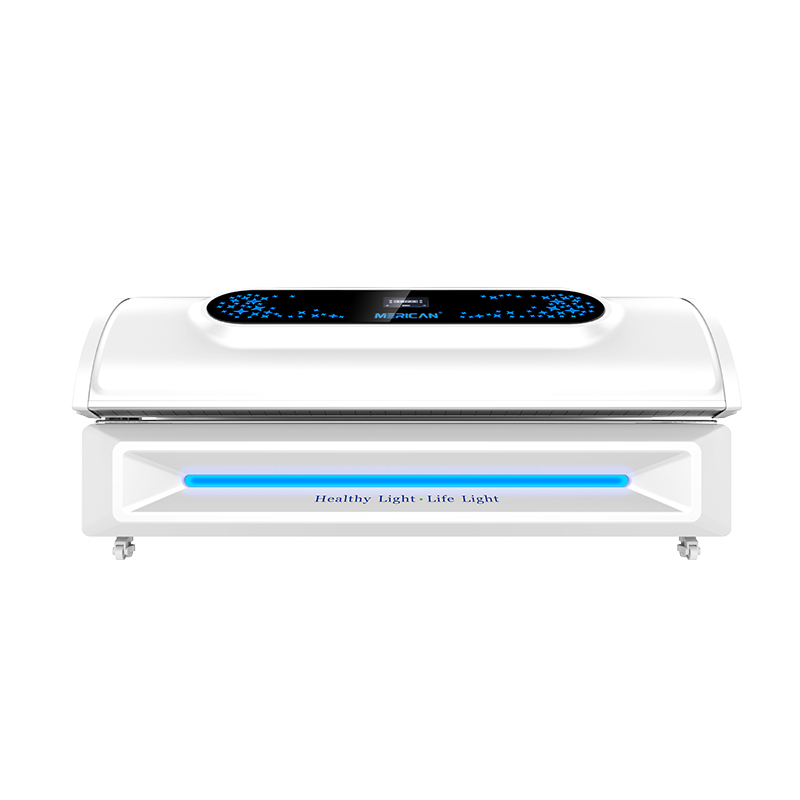
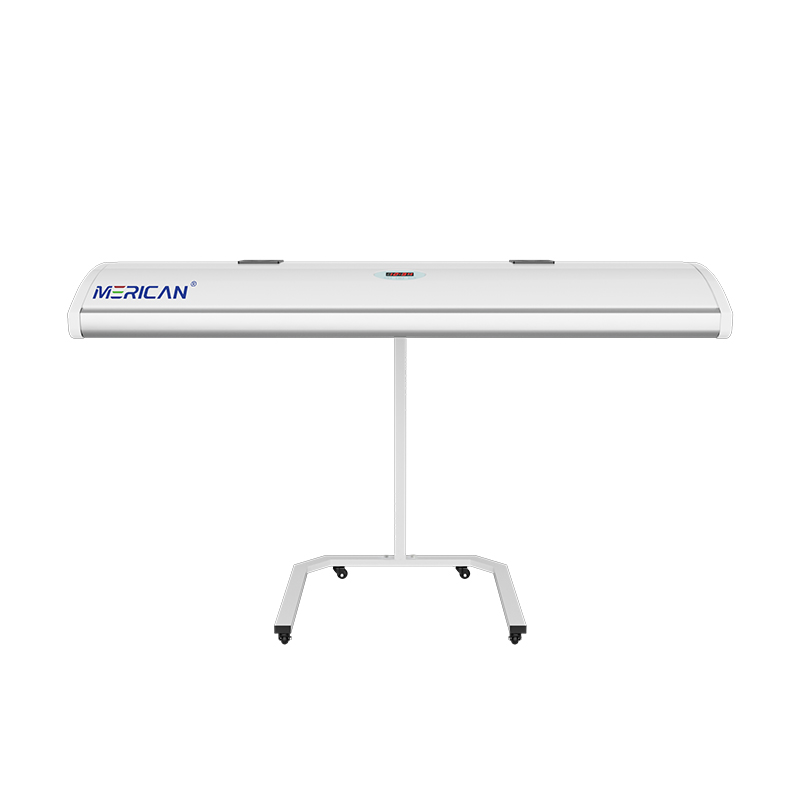
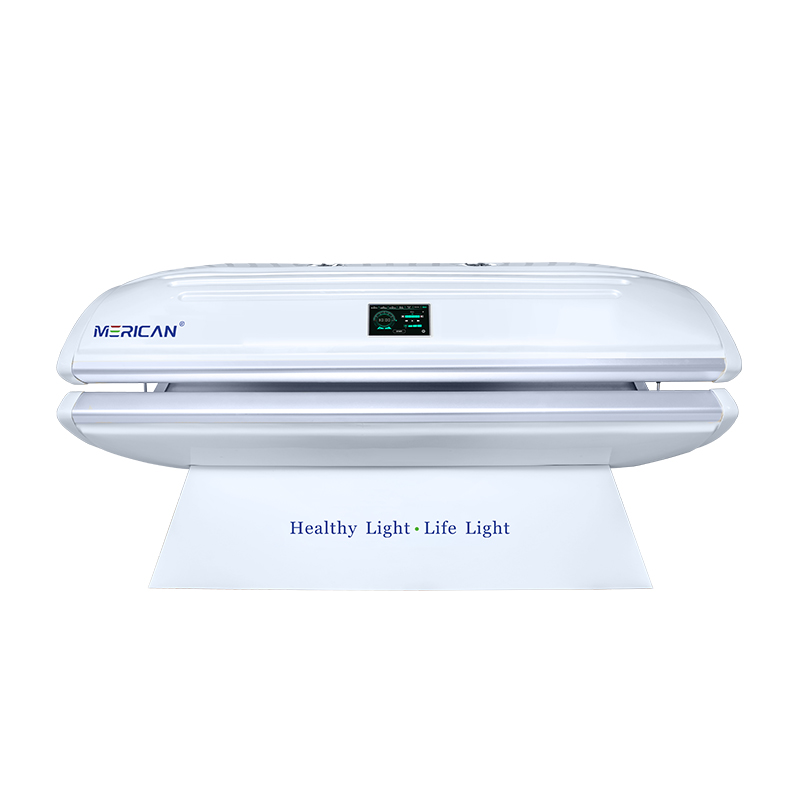
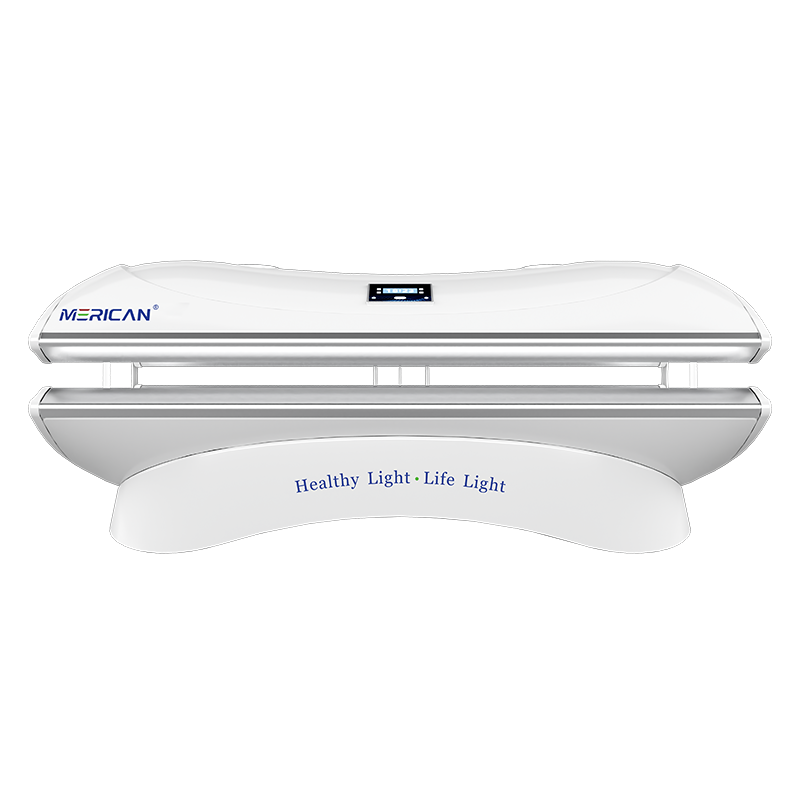
- Tipo de dispositivo: There are various types of red light therapy devices available, incluindo varinhas de mão, painéis, and helmets. Handheld wands are convenient for targeting specific areas like the throat and sinuses, while panels can cover larger areas such as the chest. Helmets are more suitable for whole-head treatment, which may be beneficial if you’re experiencing headaches or sinus pressure along with your cold. Consider your specific needs and preferences when choosing a device type.
Treatment Frequency and Duration
The optimal treatment frequency and duration for red light therapy for colds can vary depending on the device and individual factors. As a general guideline, start with short treatment sessions of around 5-10 minutos por área, 2-3 vezes por dia. À medida que seu corpo se acostuma com o tratamento e você não sente nenhum efeito adverso, você pode aumentar gradualmente a duração para 15-20 minutos por sessão. No entanto, it’s important not to overdo it, as excessive exposure to red light may not provide additional benefits and could potentially cause skin irritation.
Precautions and Considerations
- Proteção para os olhos: Dispositivos de terapia de luz vermelha emitem luz brilhante que pode ser prejudicial aos olhos. Use sempre proteção ocular adequada, como óculos projetados especificamente para terapia de luz vermelha, ao usar o dispositivo. This is especially important if you’re using a device that emits near-infrared light, pois é invisível a olho nu, mas ainda pode causar danos aos olhos.
- Sensibilidade da pele: Alguns indivíduos podem ter pele mais sensível do que outros. Se você tem histórico de problemas de pele ou é propenso a irritações na pele, comece com sessões de tratamento mais curtas e configurações de energia mais baixas para ver como sua pele reage. Se você sentir alguma vermelhidão, coceira, ou desconforto, interrompa o uso e consulte um profissional de saúde.
- Underlying Health Conditions: If you have any underlying health conditions, such as autoimmune disorders, Câncer, or epilepsy, it’s crucial to consult with your doctor before using red light therapy. Certain health conditions may make you more sensitive to light or interact with the treatment in unexpected ways, so professional guidance is essential to ensure your safety.
Conclusão
Red light therapy shows promise as a natural and non-invasive option for relieving cold symptoms and promoting faster recovery. By understanding the potential benefits, choosing the right device, following proper treatment protocols, e tomando as precauções necessárias, you can safely incorporate red light therapy into your cold management routine. No entanto, it’s important to remember that red light therapy is not a substitute for traditional medical care. If your cold symptoms are severe, persist for an extended period, or are accompanied by other concerning symptoms, seek medical attention promptly. With the right approach, red light therapy can be a valuable addition to your efforts to stay healthy during cold season.