導入
風邪は日常生活に支障をきたす可能性があります, 私たちは惨めな気分になり、最高のパフォーマンスを発揮できなくなります. 人々は風邪の症状を緩和し、より早く回復するための自然で非侵襲的な方法を模索しています。, 赤色光療法は潜在的な解決策として注目を集めています. しかし, 風邪に対する赤色光療法の流行に飛びつく前に, 実践的な側面を理解することが重要です, 潜在的な利点, および関連する考慮事項. このブログ投稿では, 風邪に対処するときに赤色光療法が適しているかどうかを判断するのに役立つ実用的なヒントと重要な考慮事項を提供します。.
風邪に対する赤色光療法の潜在的な利点
- 症状の緩和: 人々が風邪の治療に赤光療法を利用する主な理由の 1 つは、症状を緩和する可能性があることです。. 前述したように, 赤色光療法の抗炎症特性は喉の痛みを軽減するのに役立ちます, 鼻づまり, そして体の痛み. 細胞レベルで炎症をターゲットにすることで, これらの不快な症状を迅速かつ自然に軽減してくれる可能性があります, 体が風邪ウイルスと戦う間、より快適に感じることができます.
- より迅速な回復: 免疫力を高めて血行を良くすることで、, 赤色光療法は風邪からの回復を早める可能性がある. 免疫システムが最適に機能し、免疫細胞がより効率的に感染部位に到達できるとき, 体は風邪ウイルスをより早く排除できる, 病気の全体的な期間を短縮する. これは、より早く通常の日常生活に戻り、長期にわたる不快感を回避できることを意味します。.
- 非侵襲的かつ薬剤を使用しない: 眠気や胃のむかつきなどの副作用を伴う可能性のある多くの市販の風邪薬とは異なります。, 赤色光療法は非侵襲的で薬剤を使用しない治療オプションです. 体内に異物を持ち込まない, 自然療法を好む人、または薬の副作用の可能性を懸念している人にとって、安全な選択となります。.
適切な赤色光治療装置の選択
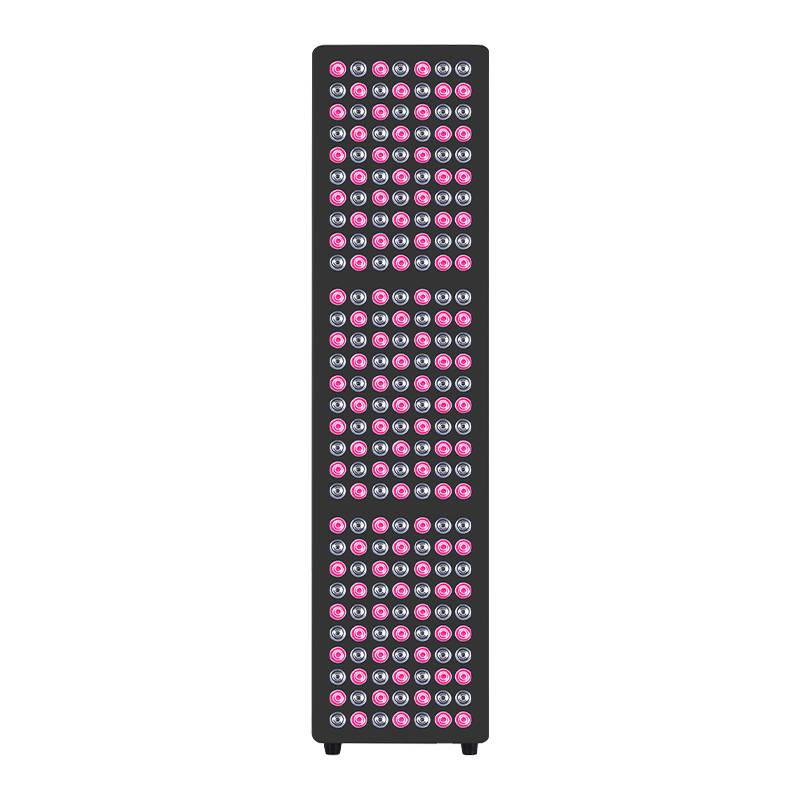
- 波長: 風邪用の赤色光治療器を選択する場合, 発する光の波長に注意してください. の範囲の波長 630-670 nm (赤信号) そして 800-850 nm (近赤外線) 治療目的でよく使用されます. 赤色光は表面レベルの組織に対してより効果的です, 喉や副鼻腔など, 一方、近赤外線は体の奥まで浸透します。, 肺のある胸部に到達する可能性がある. 包括的な治療のためにこれらの波長を組み合わせて提供するデバイスを探してください。.
- 電力出力: デバイスの電力出力, ミリワット単位で測定 (mW), 光の強さを決定します. 一般に、出力が高いほど、より多くのエネルギーが組織に供給されることを意味します, これは結果を迅速に得るために有益です. しかし, 潜在的な皮膚損傷を避けるために、家庭での使用に適切な出力を持つデバイスを選択することが重要です. 安全で効果的なデバイスを確実に選択するには、メーカーの推奨事項を参照するか、医療専門家にアドバイスを求めてください。.
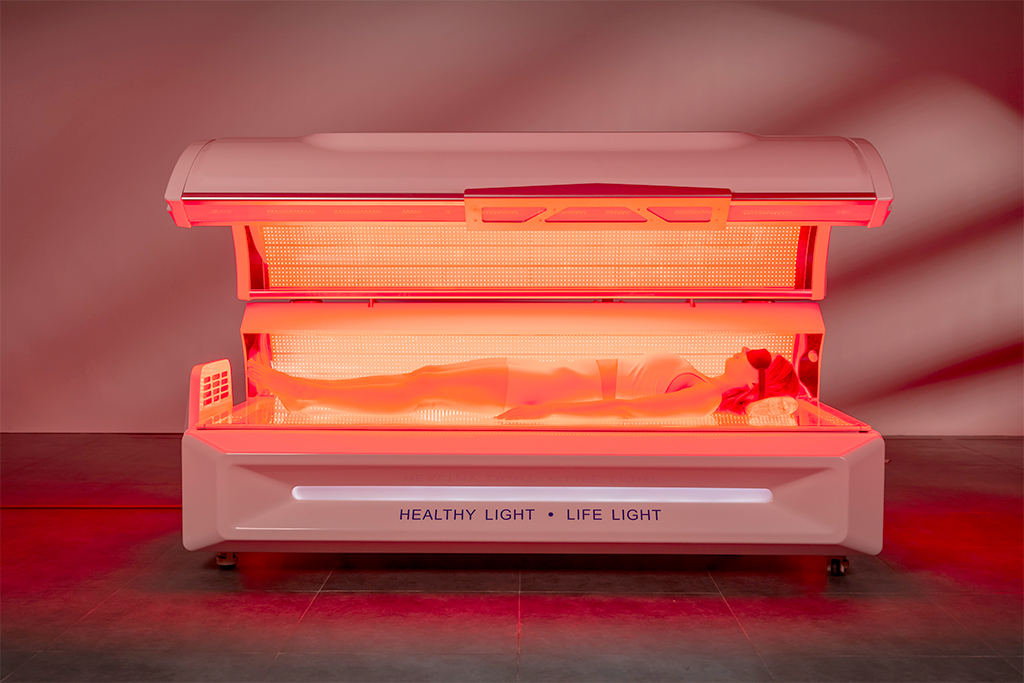
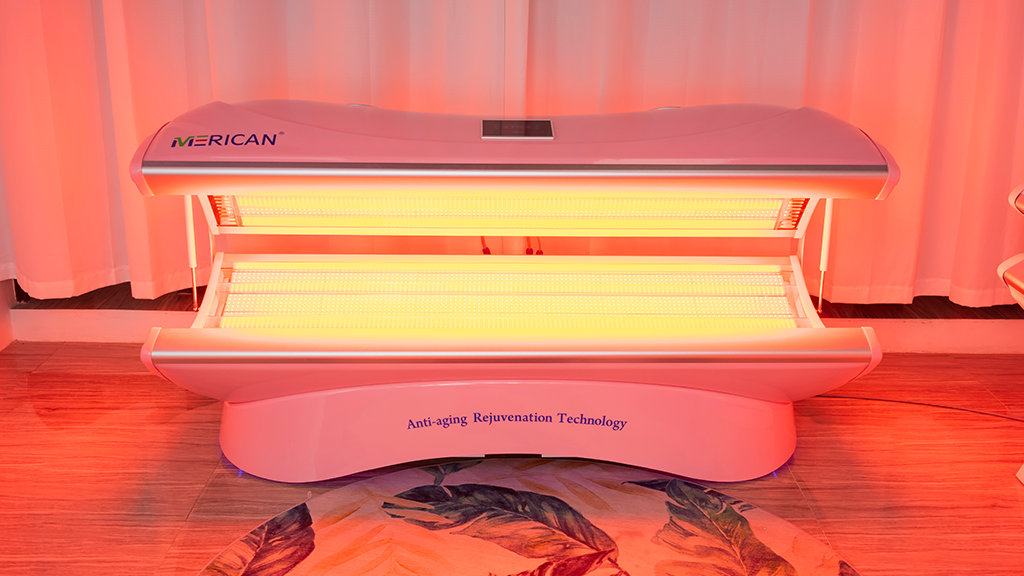
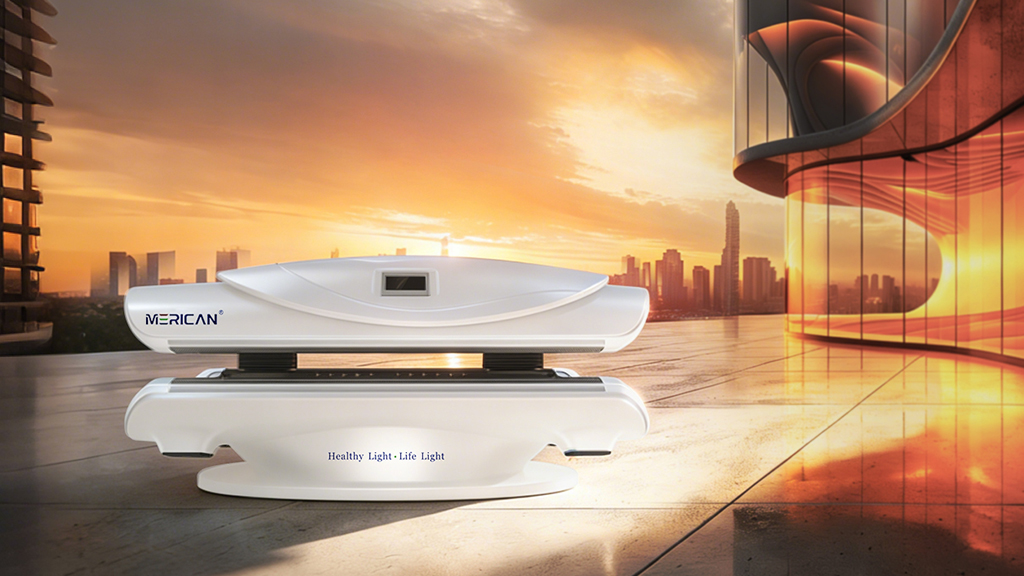
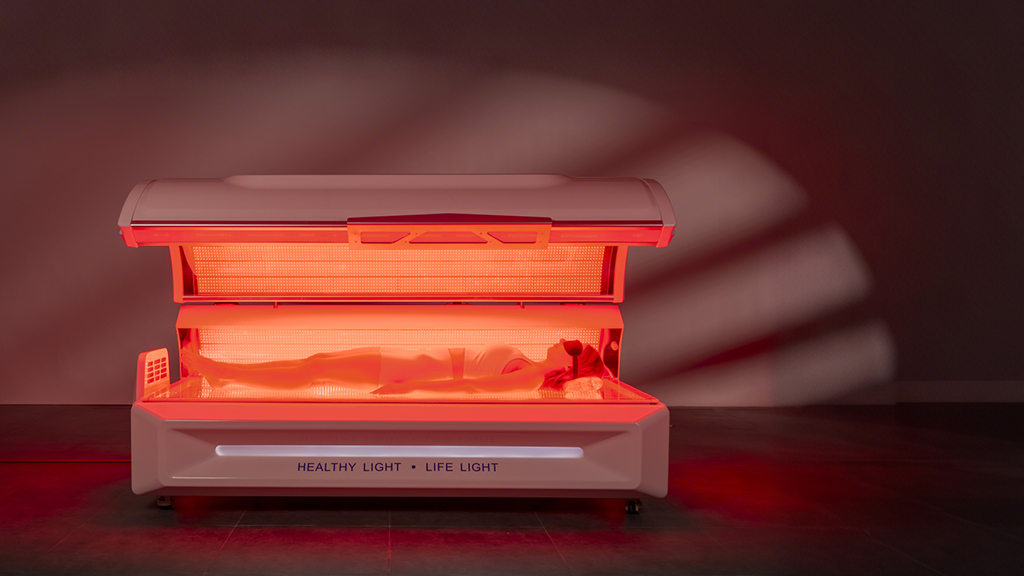
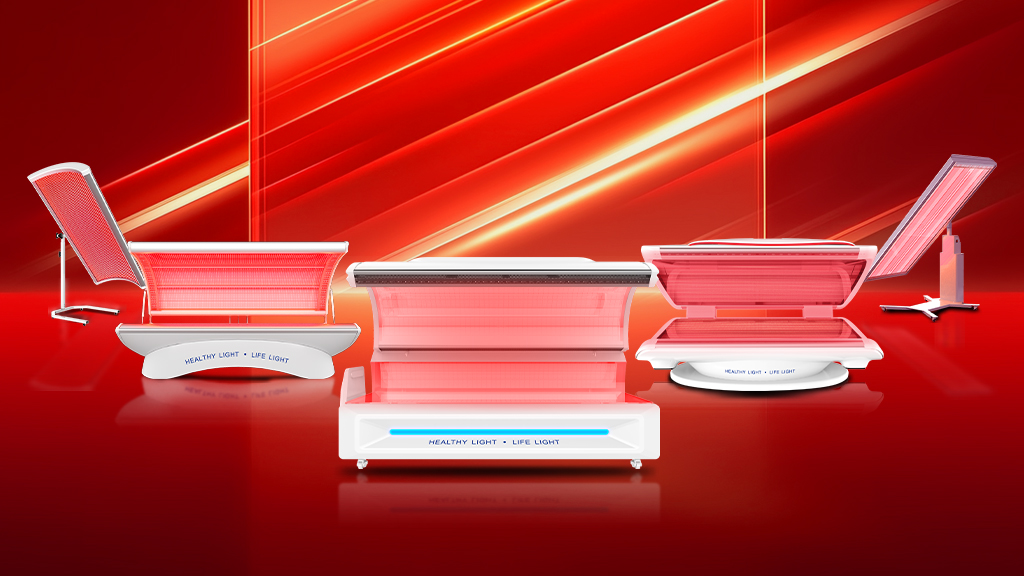
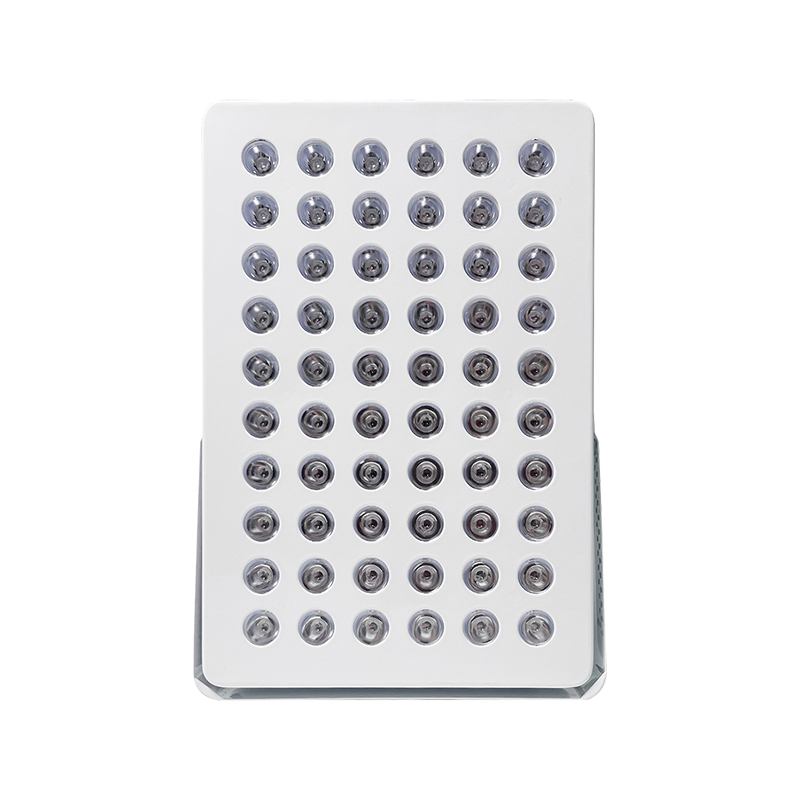
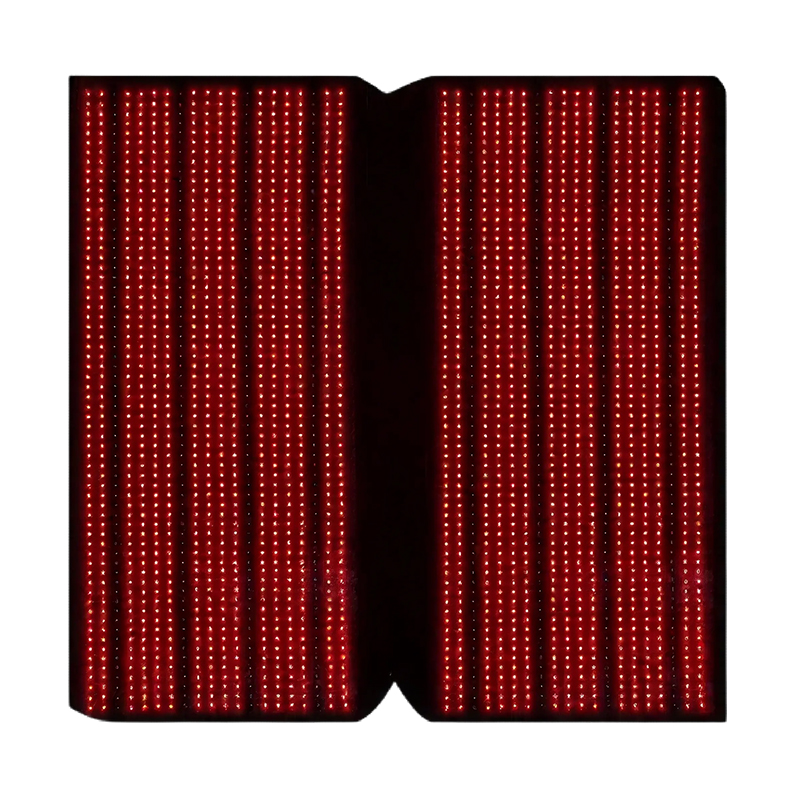
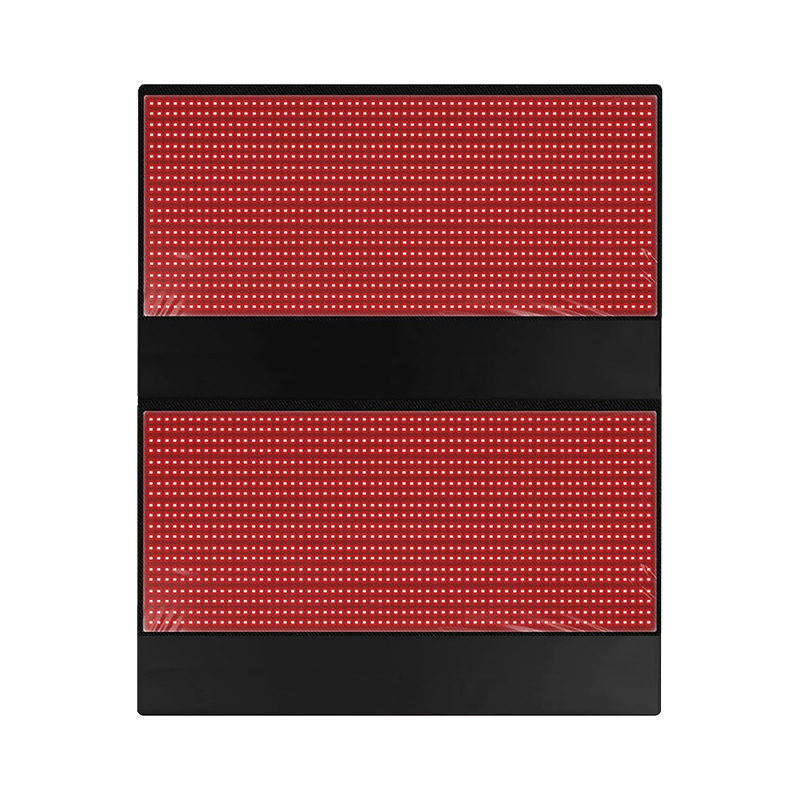
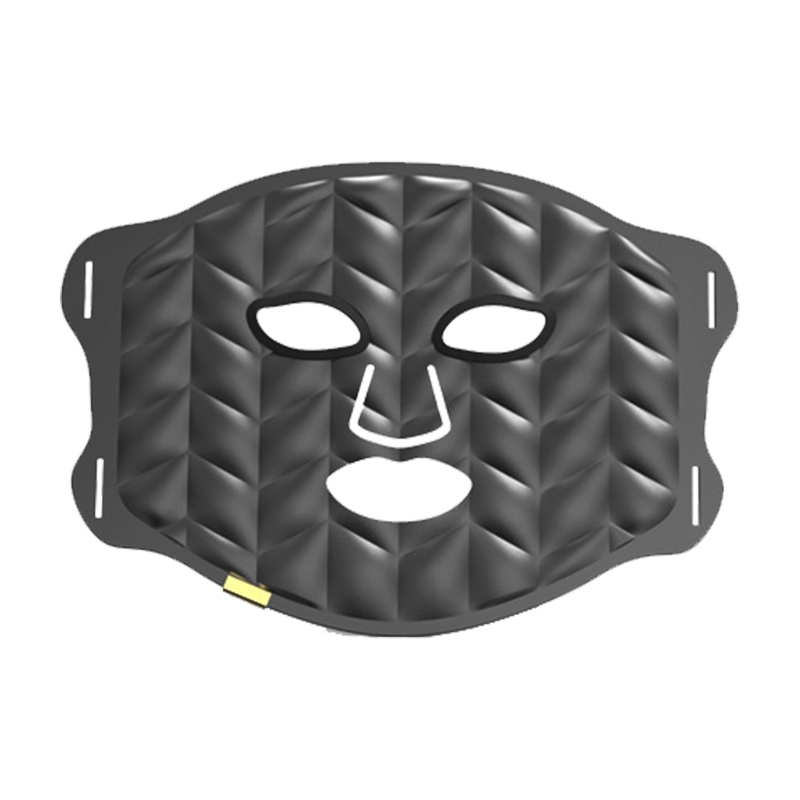
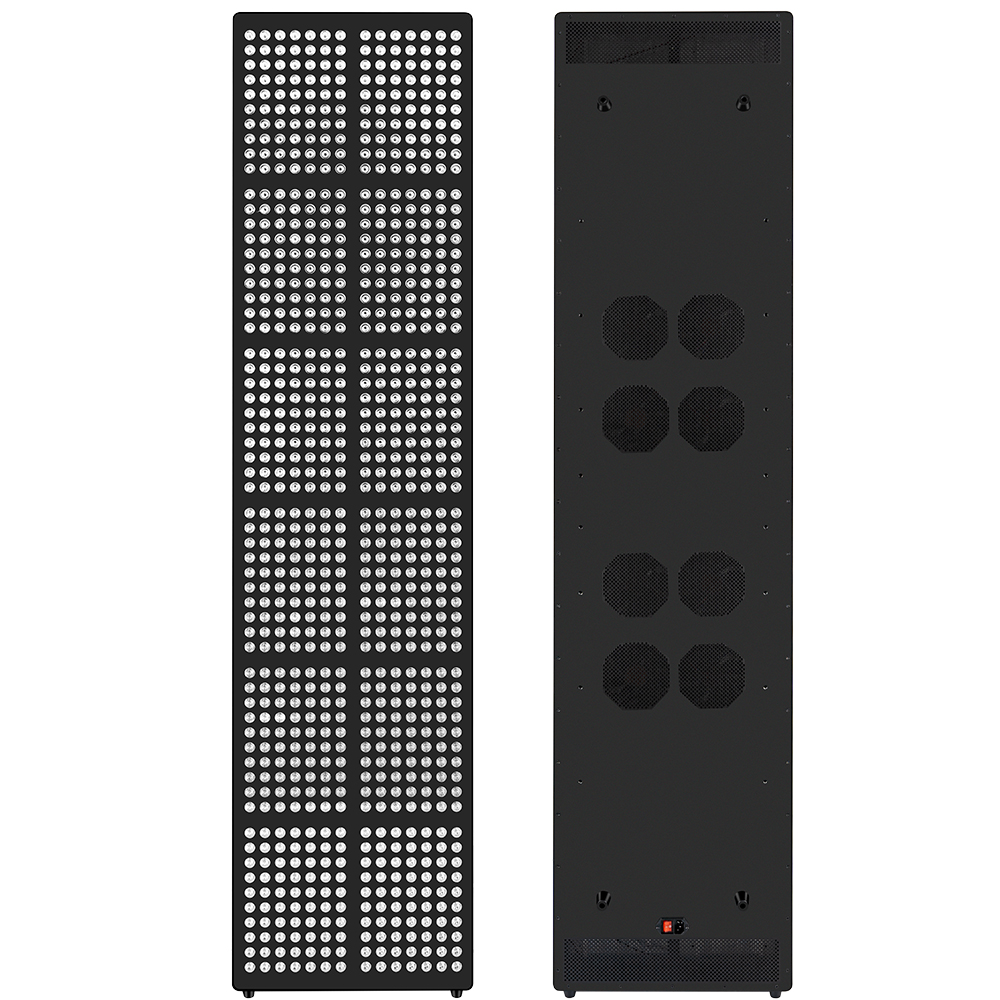
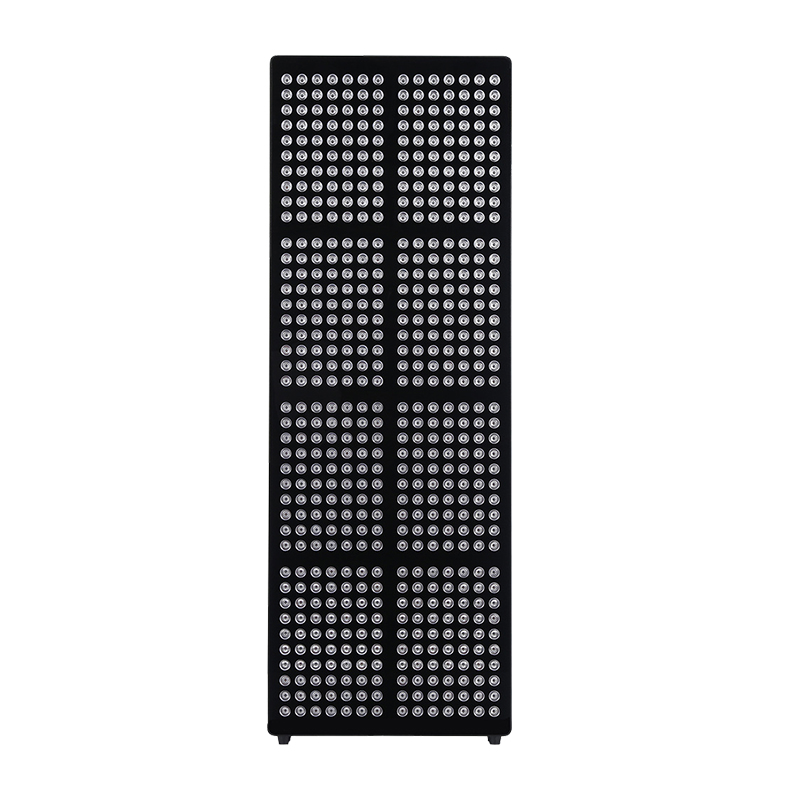
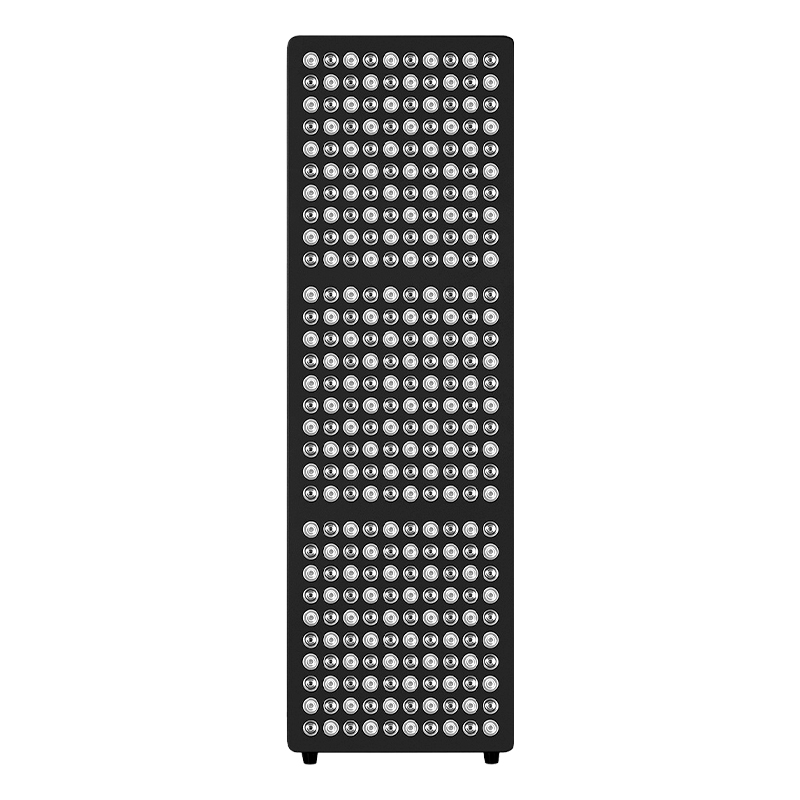
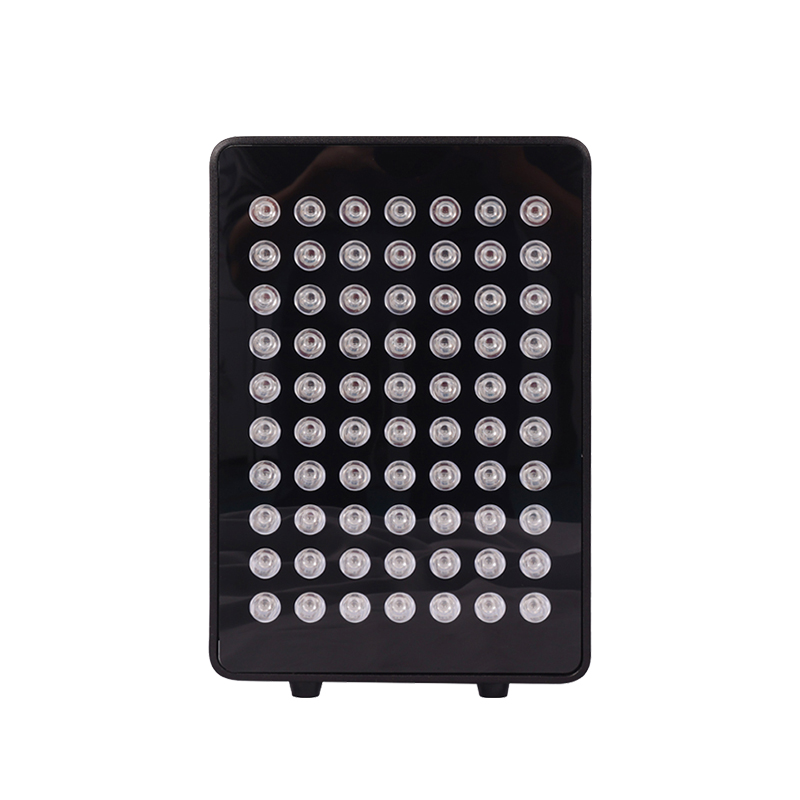
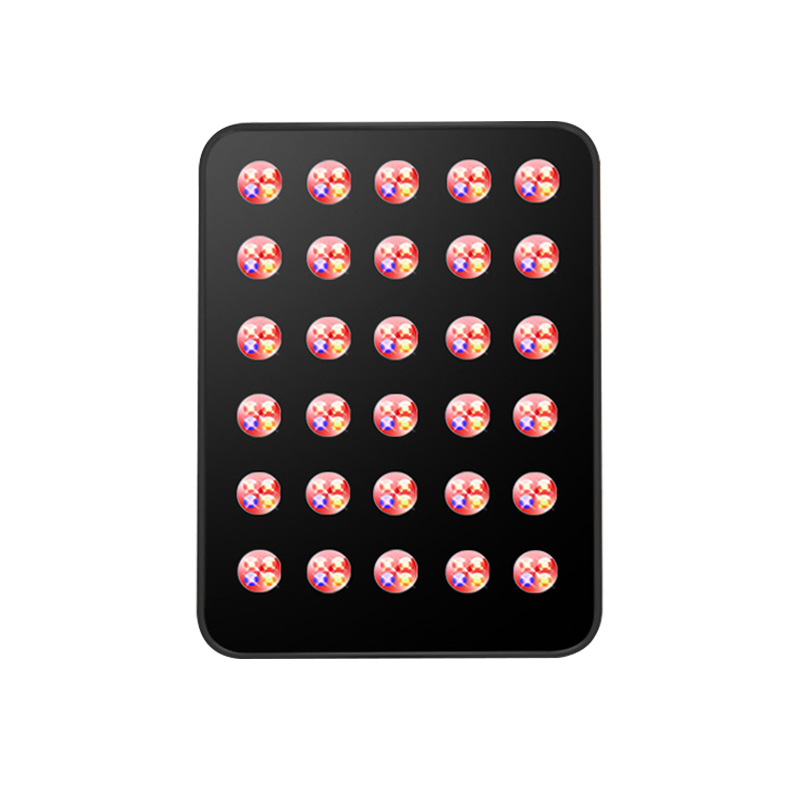
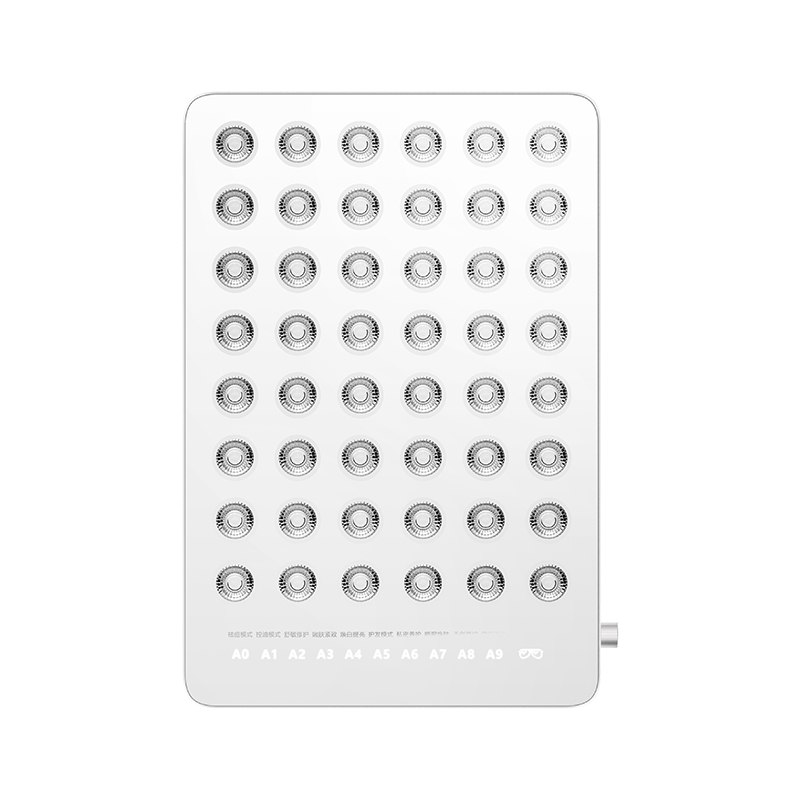
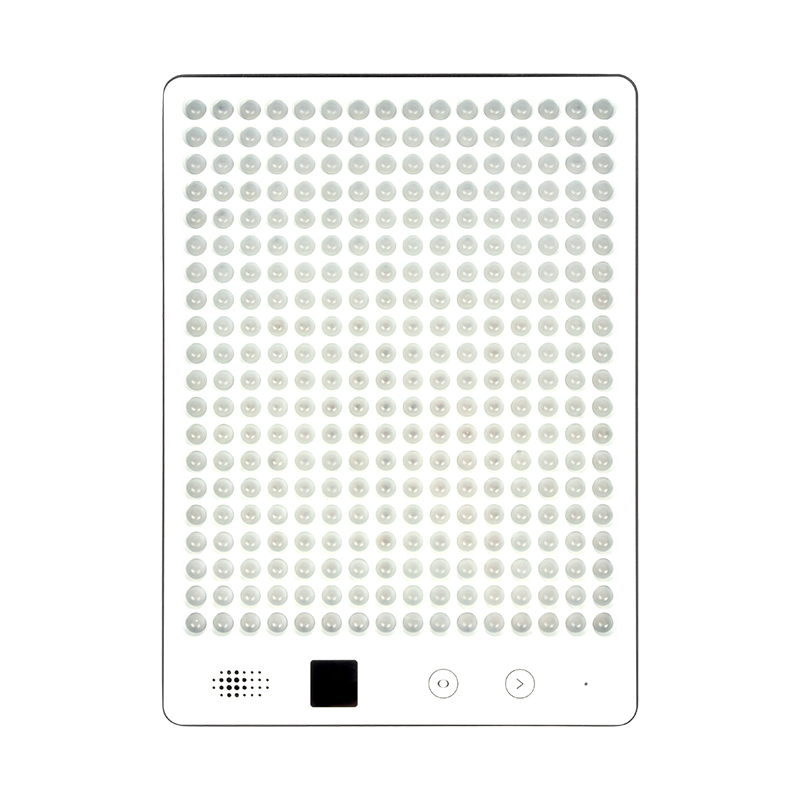
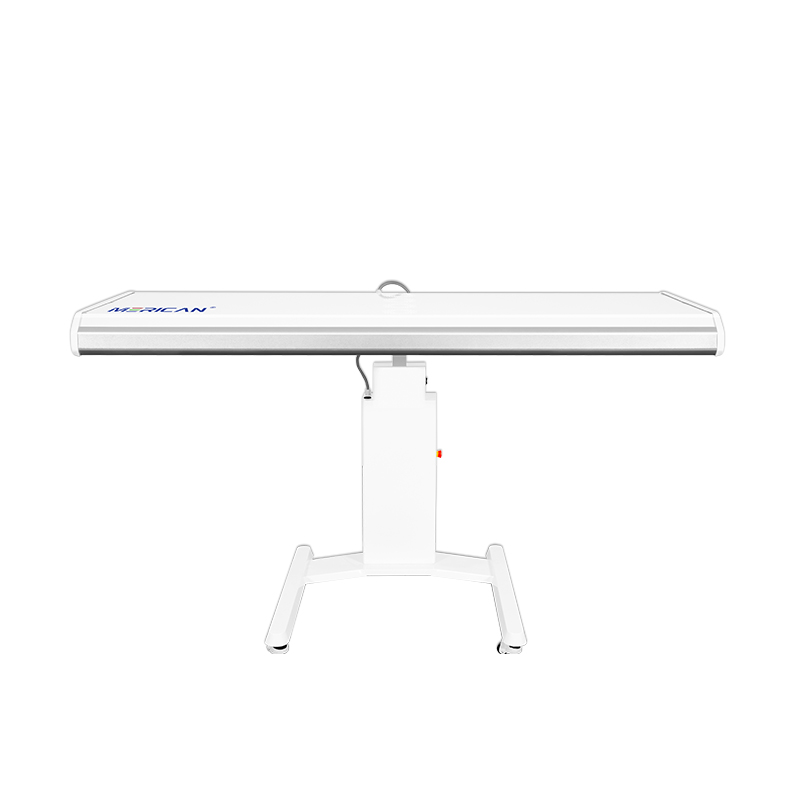
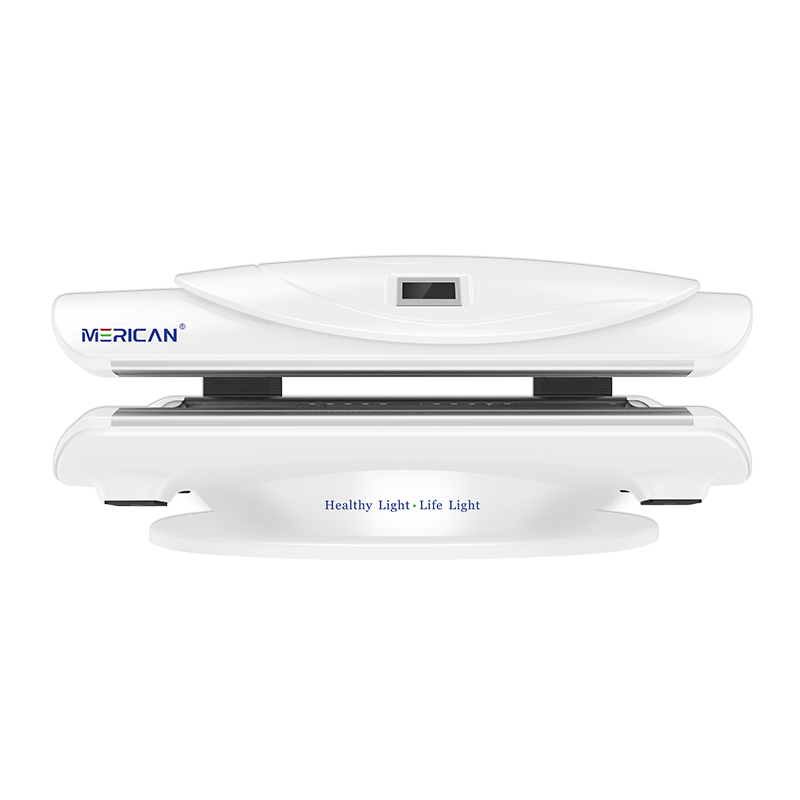
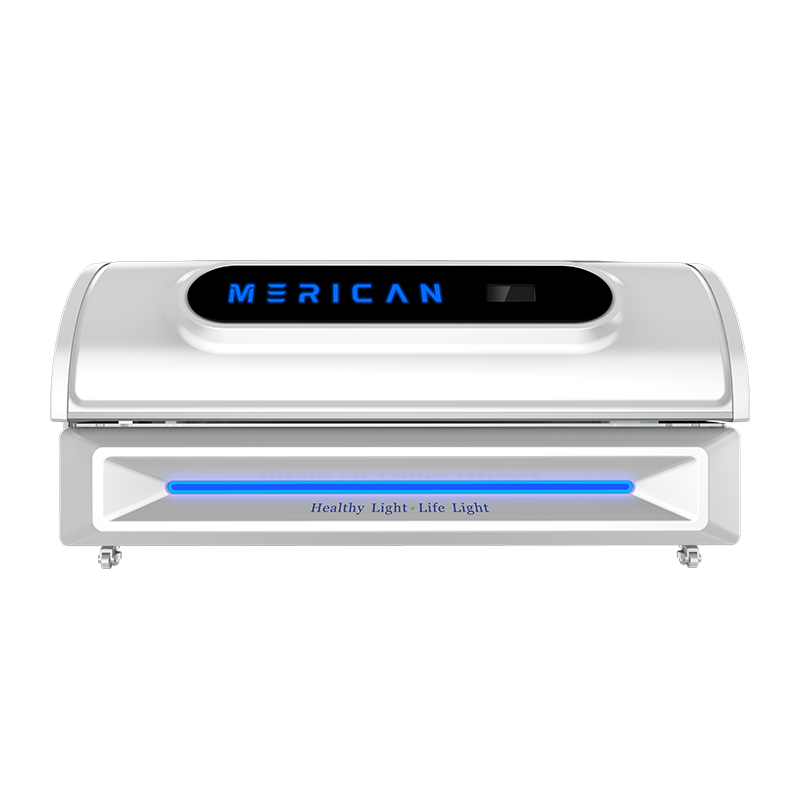
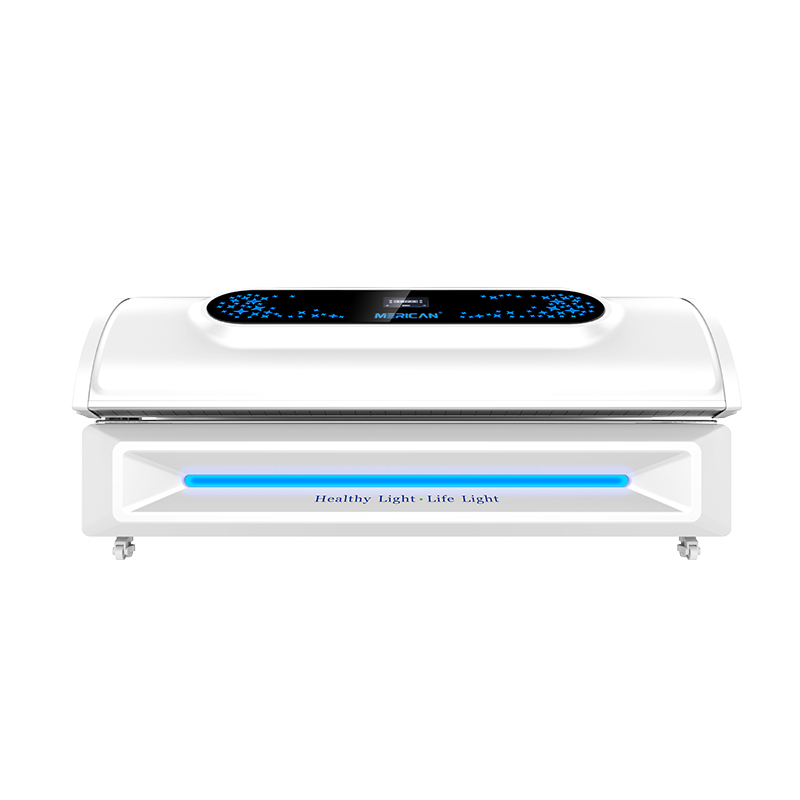
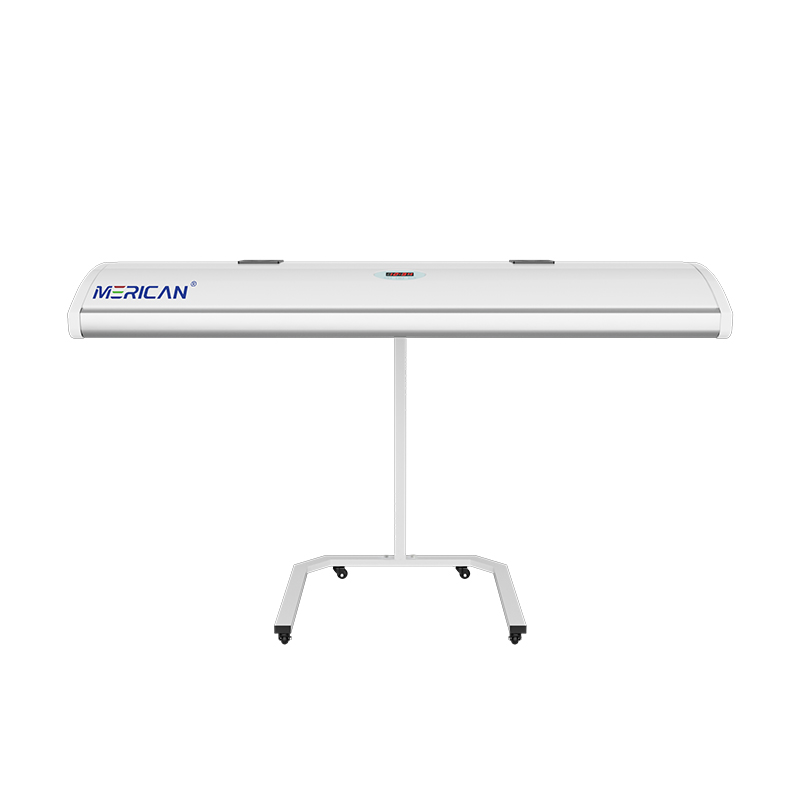
- デバイスの種類: さまざまなタイプの赤色光治療器が利用可能です, 手持ちの杖を含む, パネル, そしてヘルメット. 手持ち式の杖は、喉や副鼻腔などの特定の領域をターゲットにするのに便利です, 一方、パネルは胸などの広い領域をカバーできます。. ヘルメットは頭全体の治療に適しています, 風邪とともに頭痛や副鼻腔の圧迫感を感じている場合には効果があるかもしれません. デバイスの種類を選択するときは、特定のニーズと好みを考慮してください。.
治療の頻度と期間
風邪に対する赤色光療法の最適な治療頻度と期間は、デバイスと個々の要因によって異なります。. 一般的なガイドラインとして, およその短い治療セッションから始めてください 5-10 エリアあたりの分数, 2-3 一日に何回も. 体が治療に慣れ、副作用がなくなる, 徐々に期間を長くすることができます 15-20 セッションごとの分. しかし, やりすぎないことが重要です, 赤色光に過度にさらされると追加の効果が得られず、皮膚炎を引き起こす可能性があるため.
注意事項と考慮事項
- 目の保護: 赤色光治療装置は目に有害な可能性のある明るい光を発します。. 常に適切な保護メガネを着用してください, 赤色光療法用に特別に設計されたゴーグルなど, デバイスを使用するとき. これは、近赤外線を発するデバイスを使用している場合に特に重要です。, 肉眼では見えませんが、目に損傷を引き起こす可能性があるため.
- 皮膚の過敏症: 一部の人は他の人よりも敏感肌を持っている可能性があります. 皮膚疾患の既往歴がある方、または皮膚の炎症を起こしやすい方, 治療セッションを短くし、出力設定を低めにして、肌の反応を確認してください。. 赤みを感じた場合, かゆみ, または不快感, 使用を中止し、医療専門家に相談してください.
- 基礎的な健康状態: 基礎疾患がある場合, 自己免疫疾患など, 癌, またはてんかん, 赤色光療法を使用する前に医師に相談することが重要です. 特定の健康状態によっては、光に対してより敏感になったり、治療と予期せぬ形で相互作用したりする場合があります。, したがって、安全を確保するには専門家の指導が不可欠です.
結論
赤色光療法は、風邪の症状を緩和し、より早い回復を促進するための自然で非侵襲的な選択肢として有望です. 潜在的なメリットを理解することで, 適切なデバイスの選択, 適切な治療プロトコルに従う, そして必要な予防措置を講じること, 赤色光療法を風邪管理ルーチンに安全に組み込むことができます. しかし, 赤色光療法は従来の医療に代わるものではないことを覚えておくことが重要です. 風邪の症状がひどい場合, 長期間持続する, または他の懸念される症状を伴う, 直ちに医師の診察を受けてください. 正しいアプローチで, 赤色光療法は、寒い季節に健康を維持するための貴重な追加効果となります。.