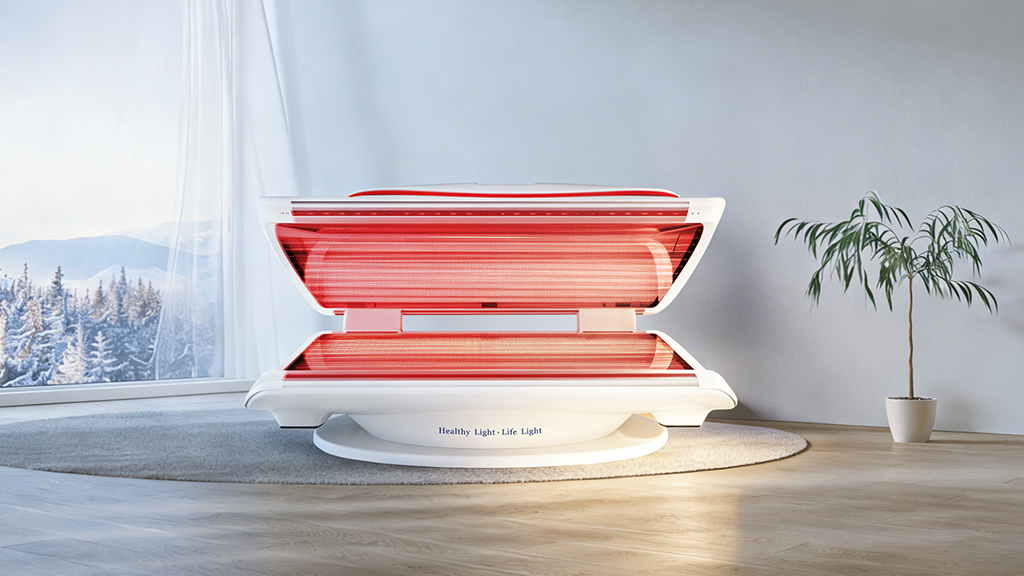
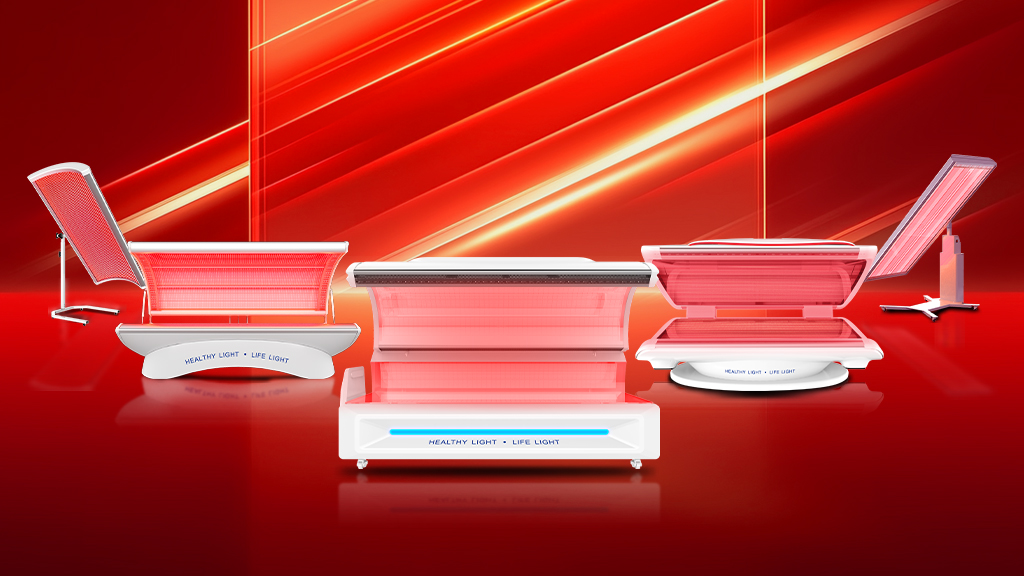
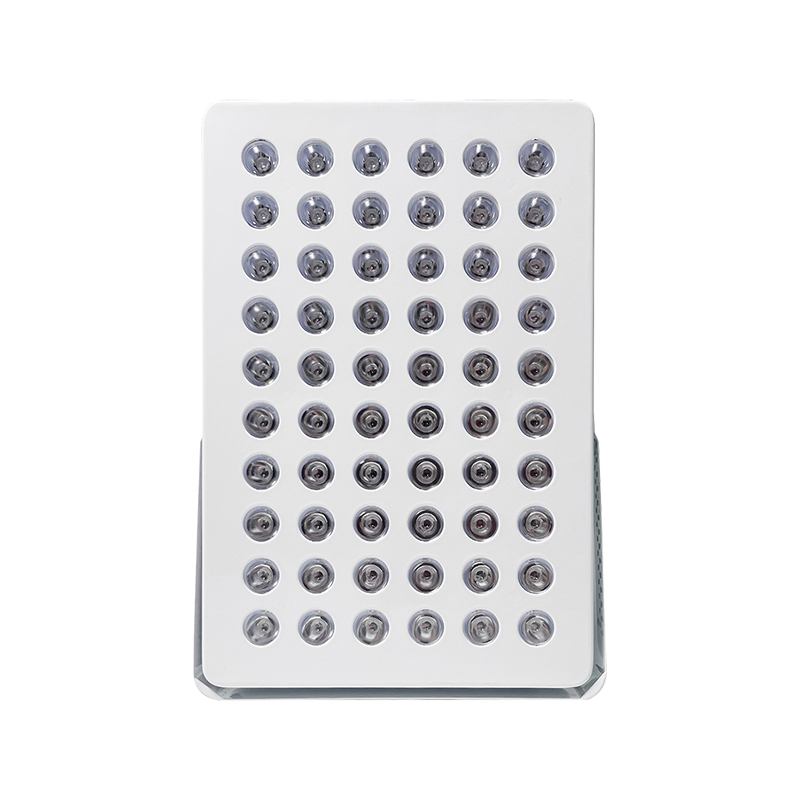
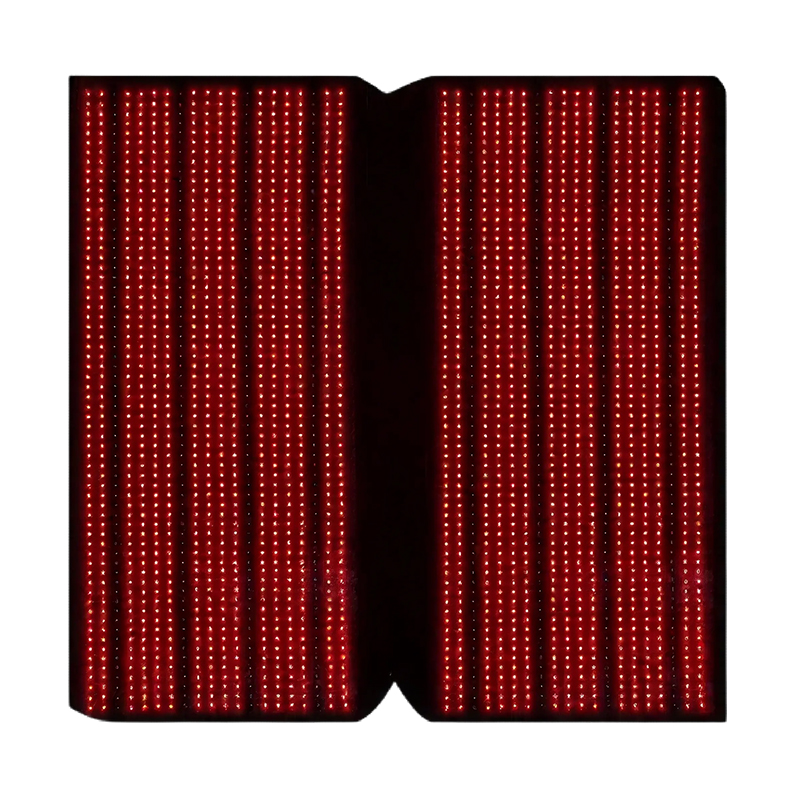
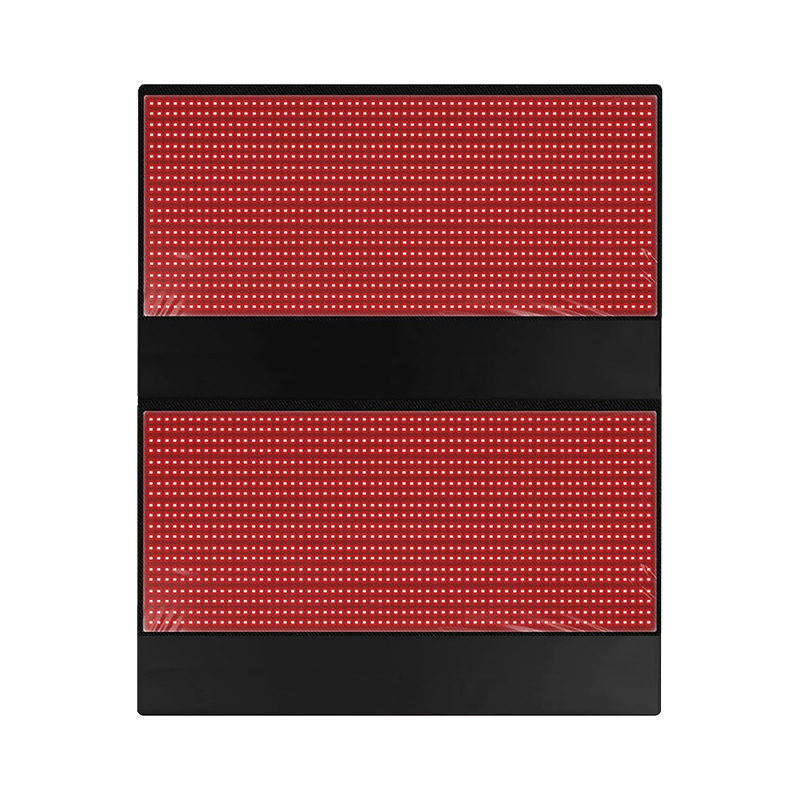
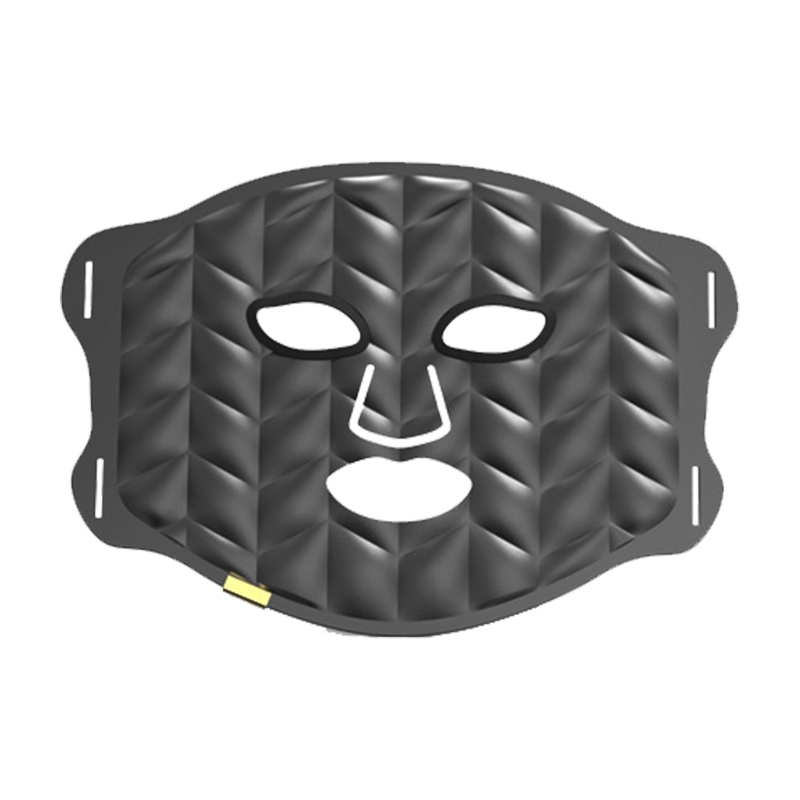
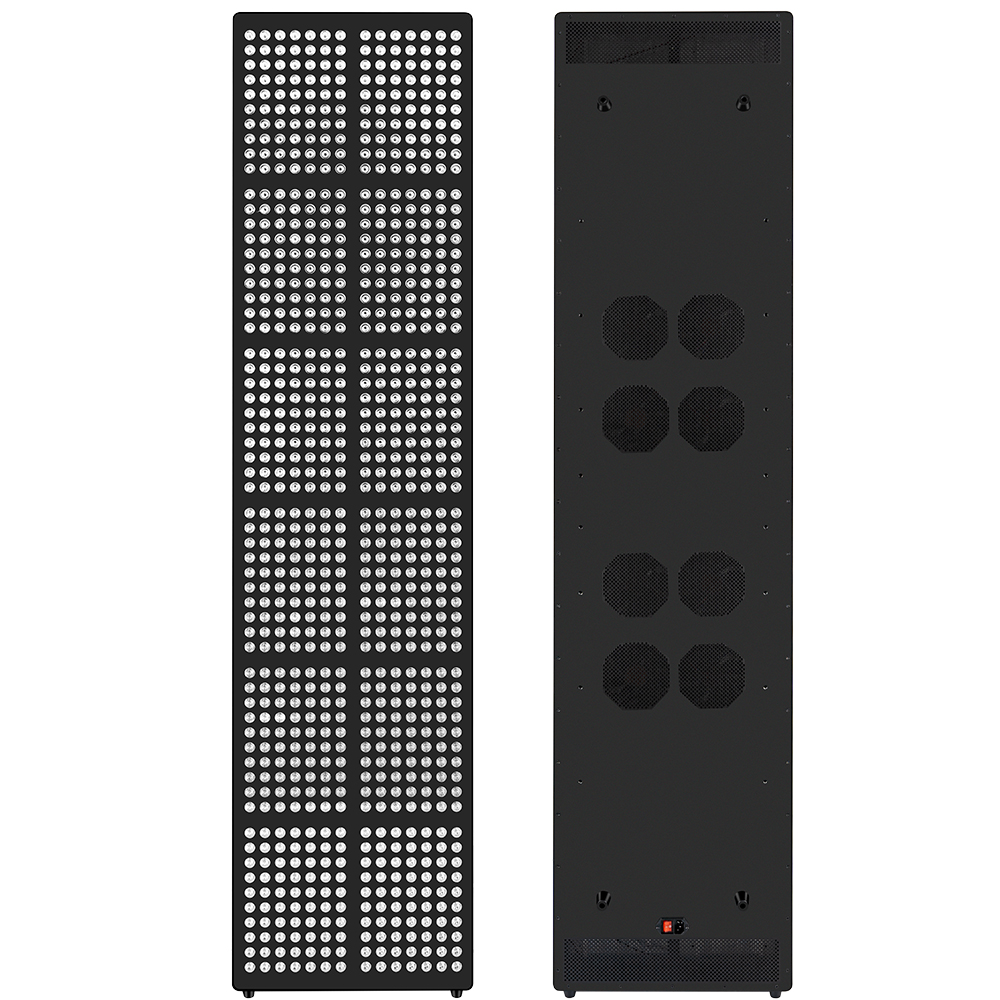
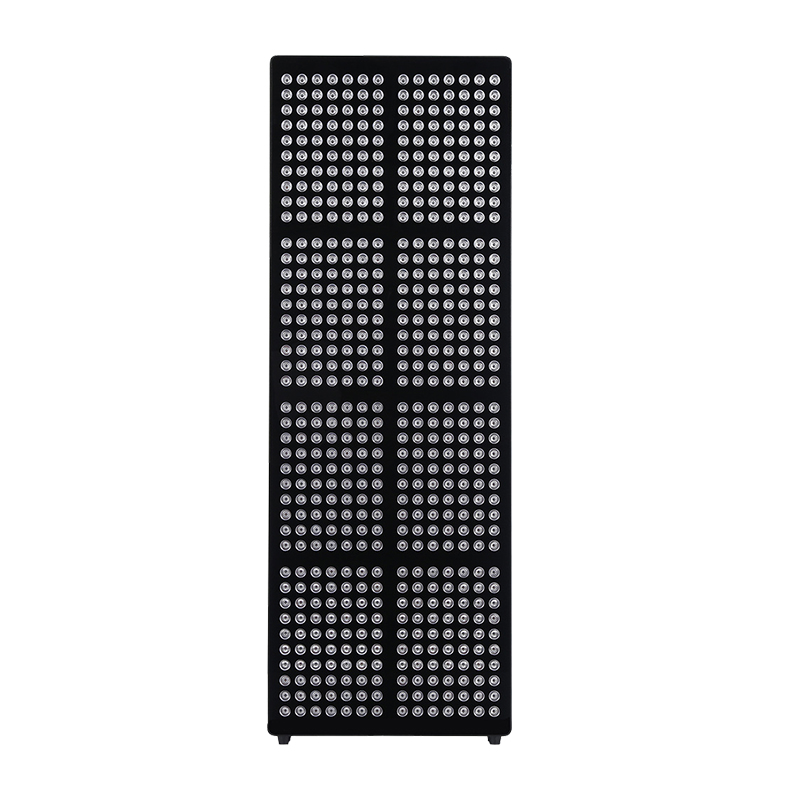
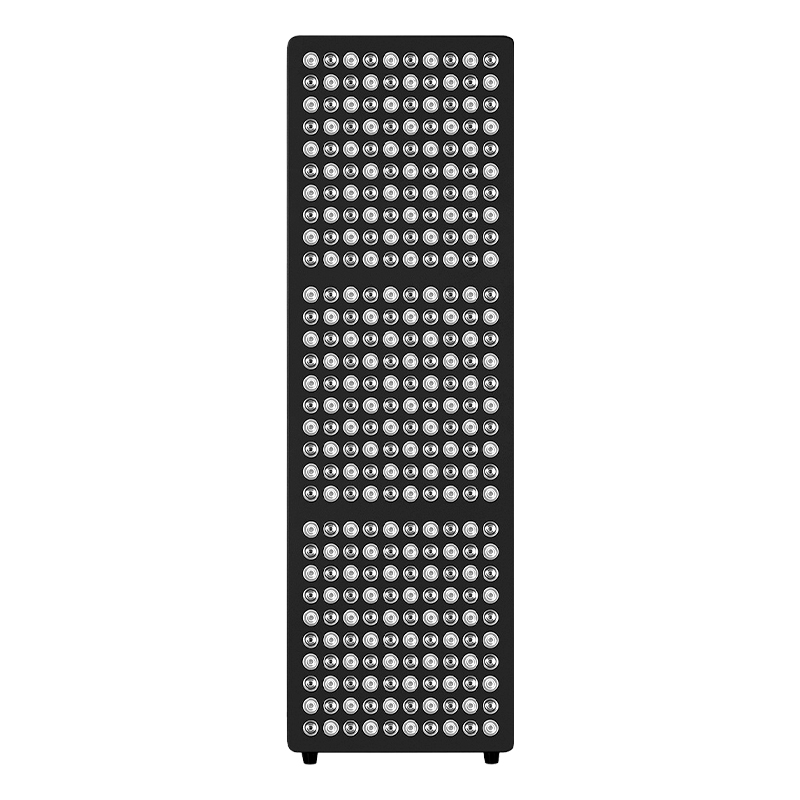
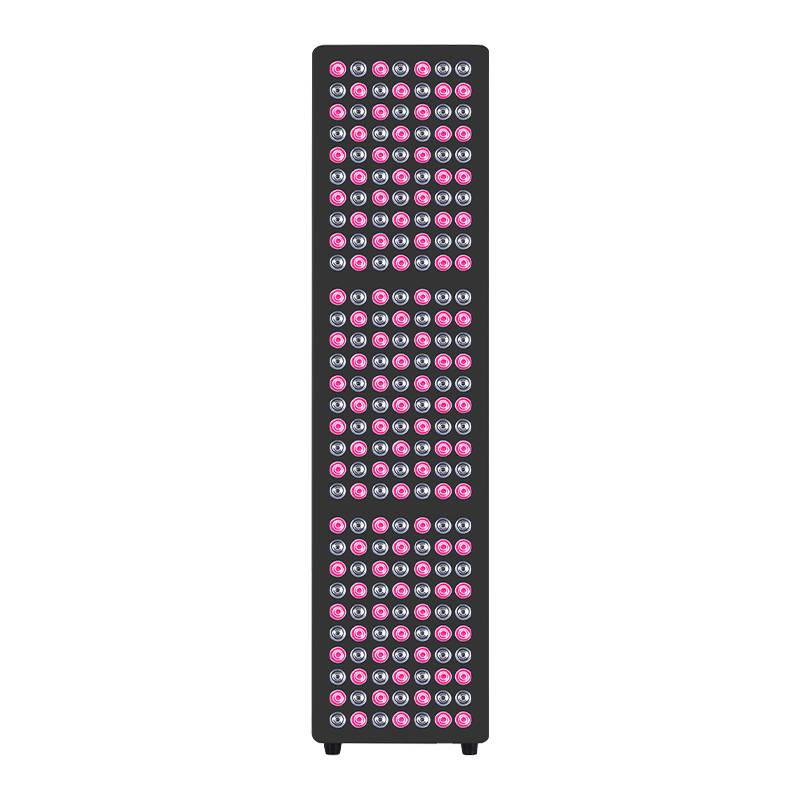
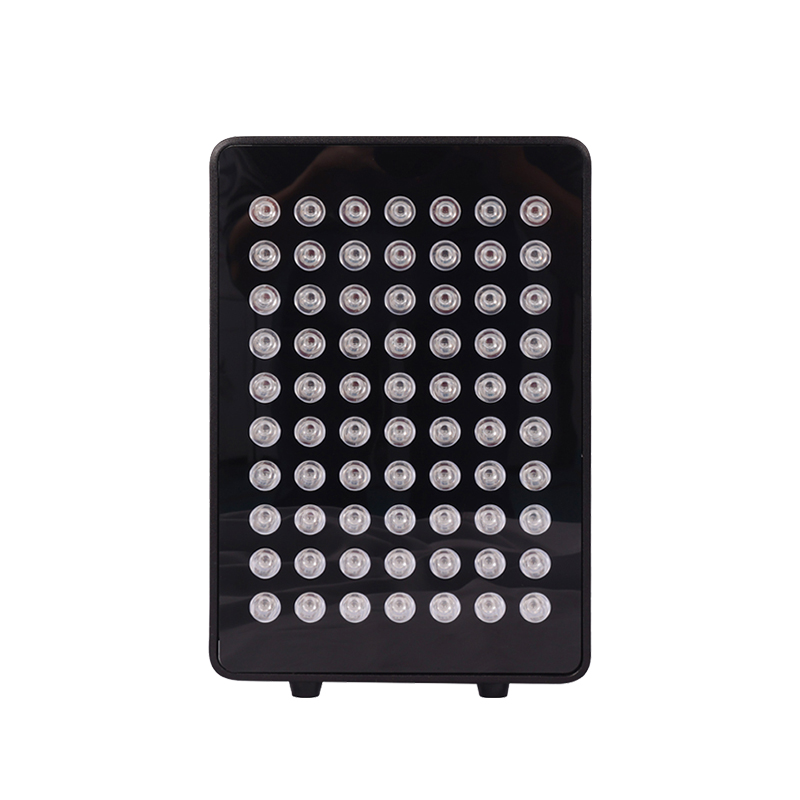
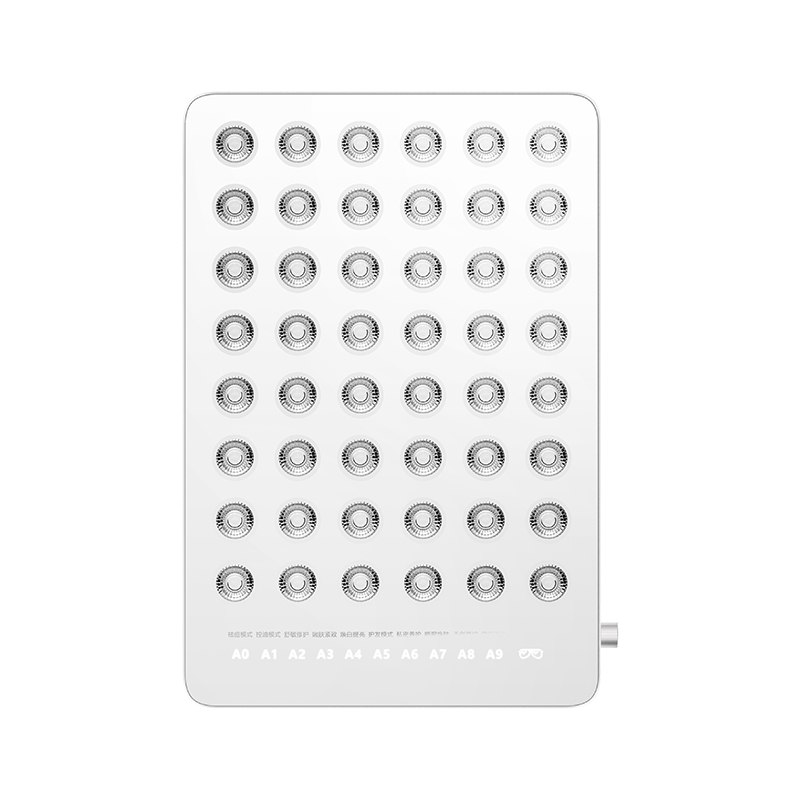
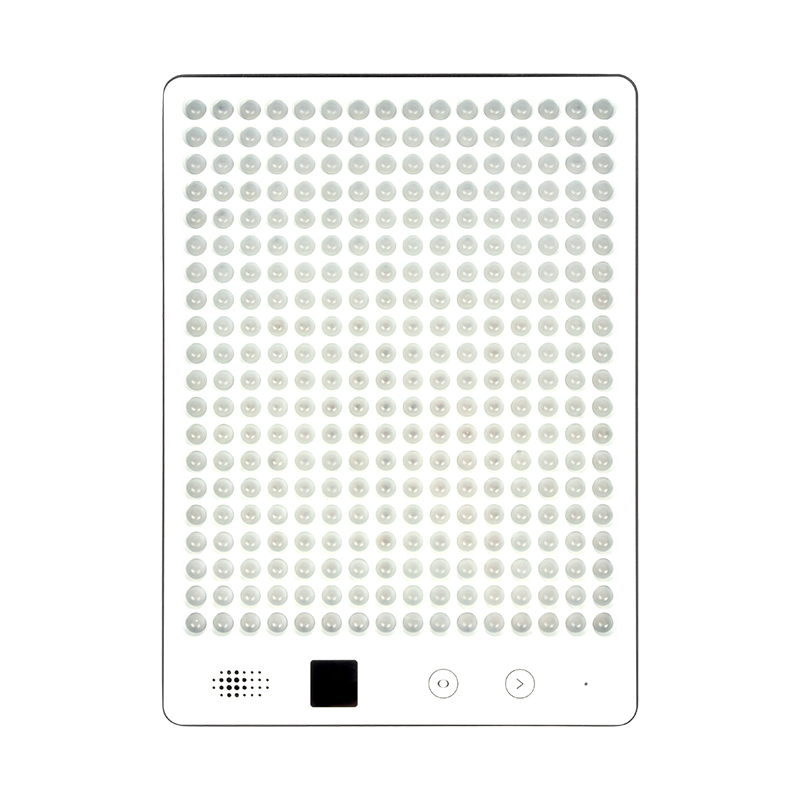
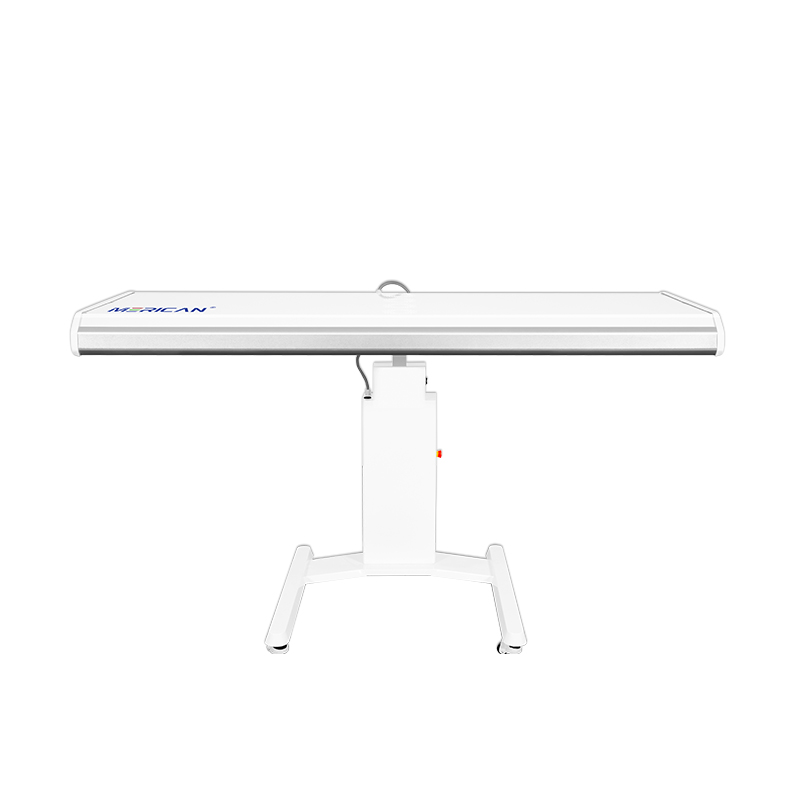
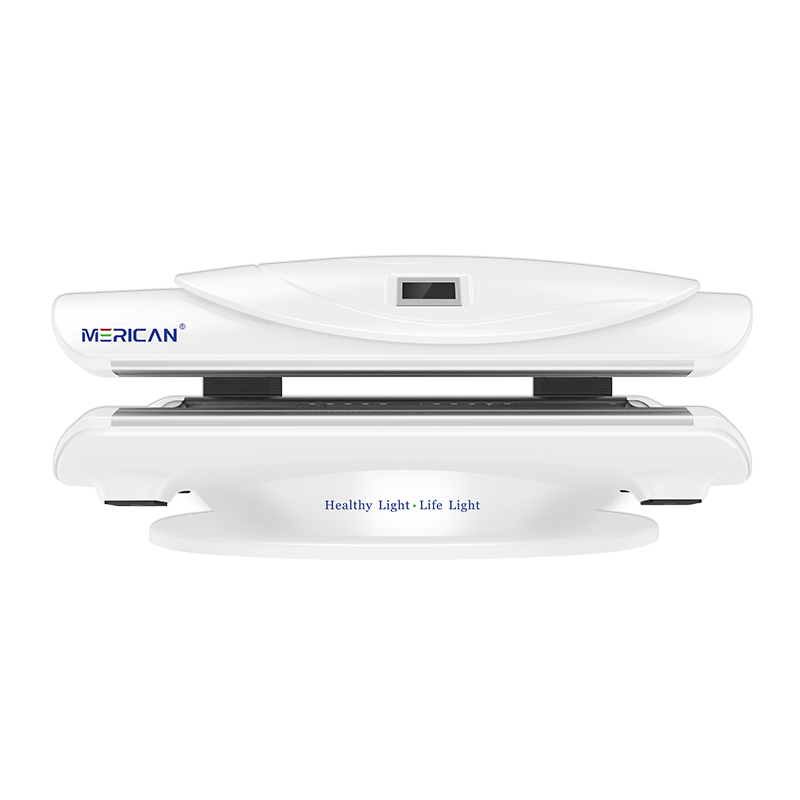
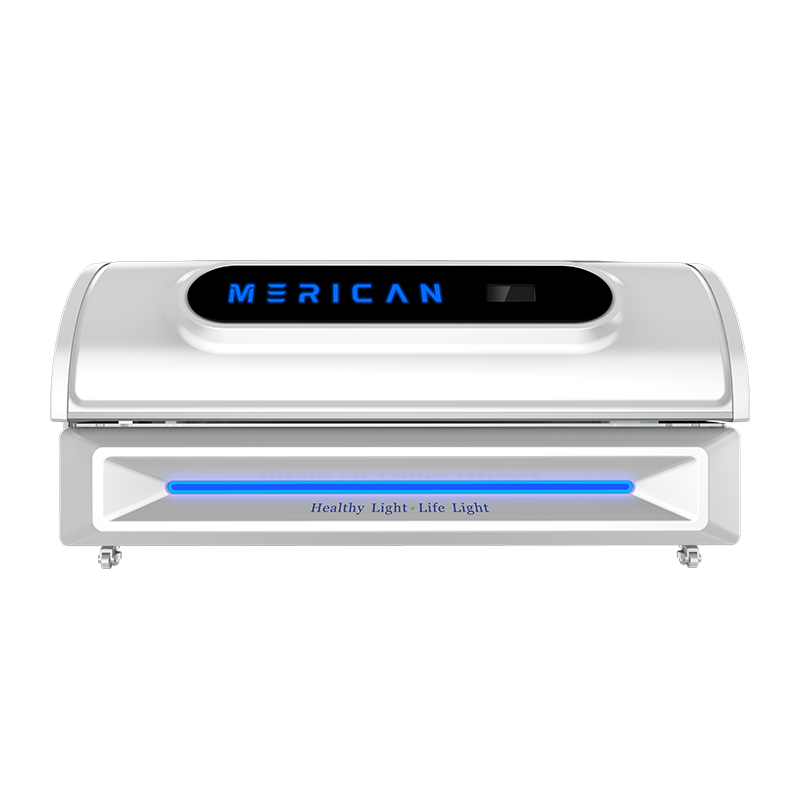
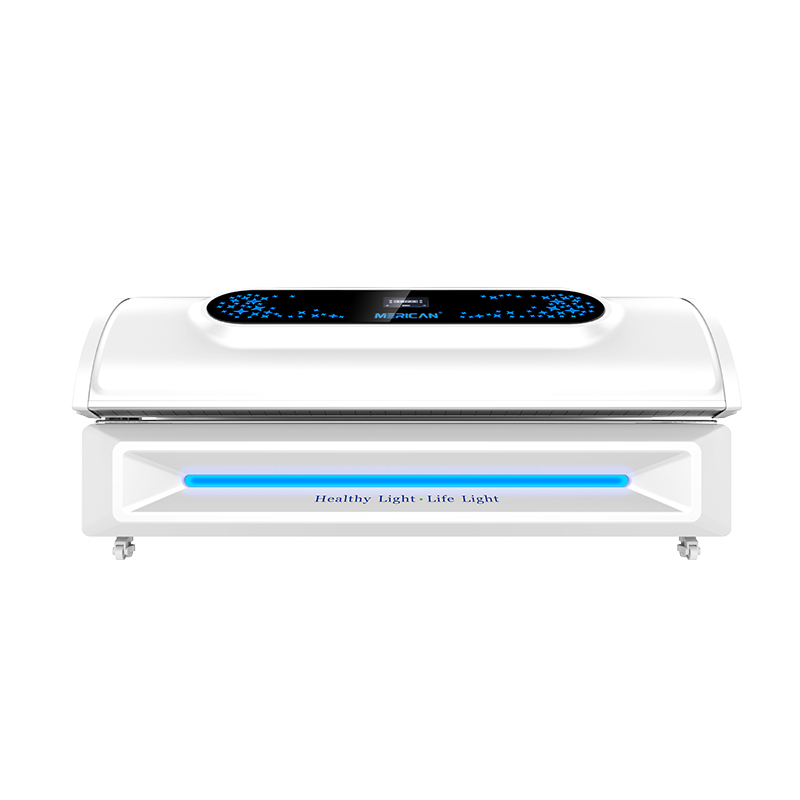
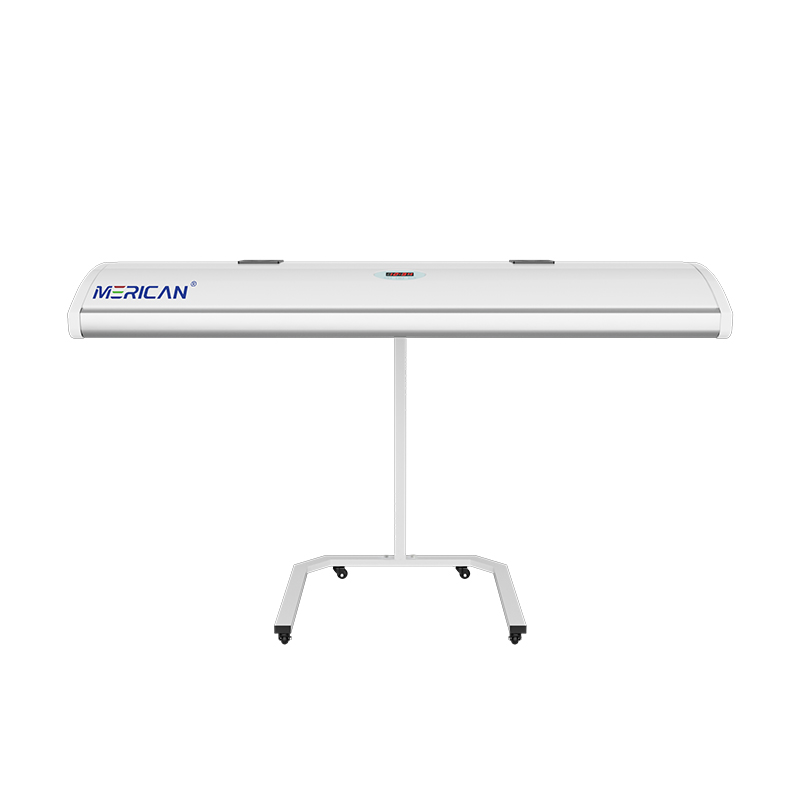
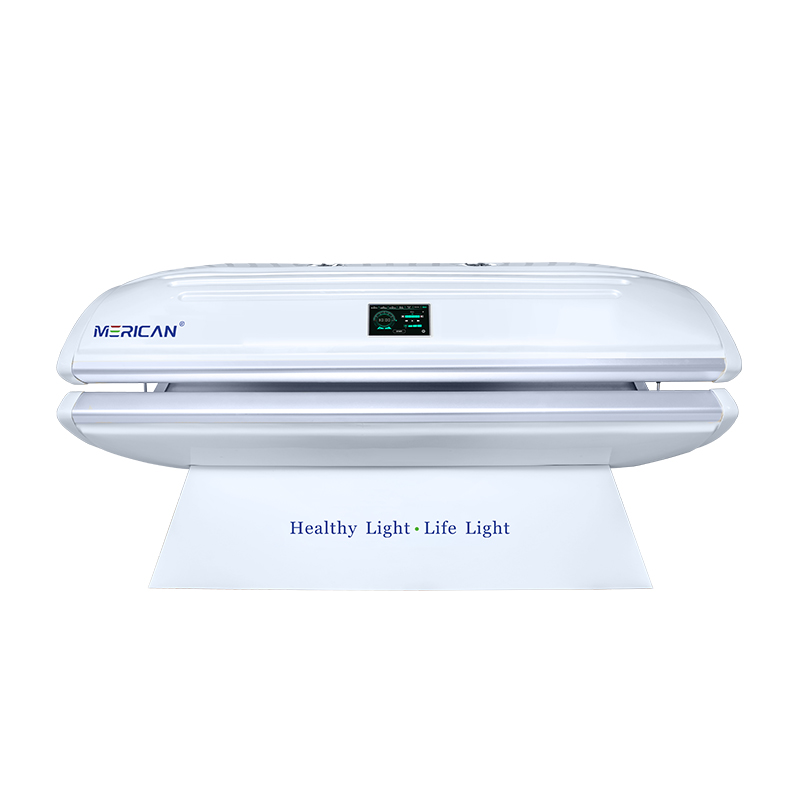
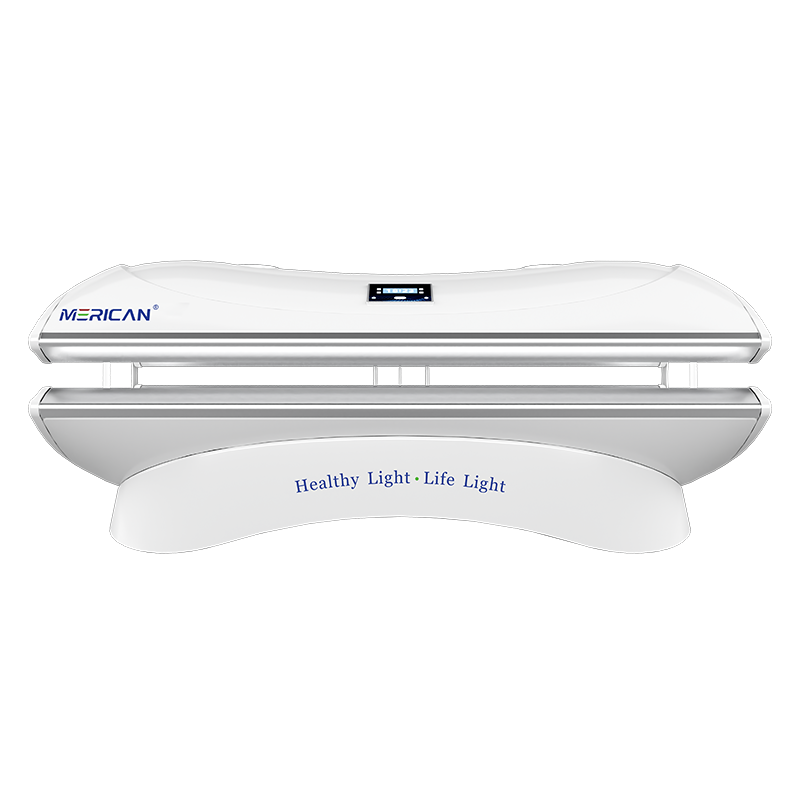
Ko te rongoa rama whero tetahi o nga hangarau hauora rongonui i nga tau tata nei, me nga tono mo te tiaki kiri, whakaora hākinakina, nga maimoatanga ataahua, me te oranga katoa. I te mea he maha nga tangata e hoko ana, e whakamahi ana ranei i nga moenga whakamaarama rama whero-tinana, ka puta tonu tetahi patai noa:
Kei kona ano etahi paanga o te moenga mo te whakamaarama rama whero?
He maha nga kaiwhakamahi e hiahia ana ki te mohio mehemea he tino haumaru te whakamaarama rama whero, he aha nga raru ka puta pea, me pehea te whakamahi tika i te moenga whakamaarama rama whero.
Ko te rongo pai ko te rongoa rama whero, mohiotia hoki ko rongoā photobiomodulation (PBMT), i te nuinga o te wa ka kiia he hangarau hauora haumaru me te kore urutomo ina whakamahia tika. Kaore i rite ki nga moenga tanning, Ko nga taputapu whakamaarama rama whero kaore e whakamahi i te ultraviolet (UV) irirangi, e pa ana ki te wera o te ra me te whakaahua.
Heoi ano, rite ki tetahi hangarau hauora, whakamahi hē, te whakakitenga nui, ko nga tikanga kore e tika ana ka puta he paanga kino.
Understanding possible side effects can help users enjoy a safer and more effective red light therapy experience.
He aha te Maama Whero me pehea te mahi?
Before discussing side effects, he mea nui kia mohio ki te mahi o nga moenga whakamaarama rama whero.
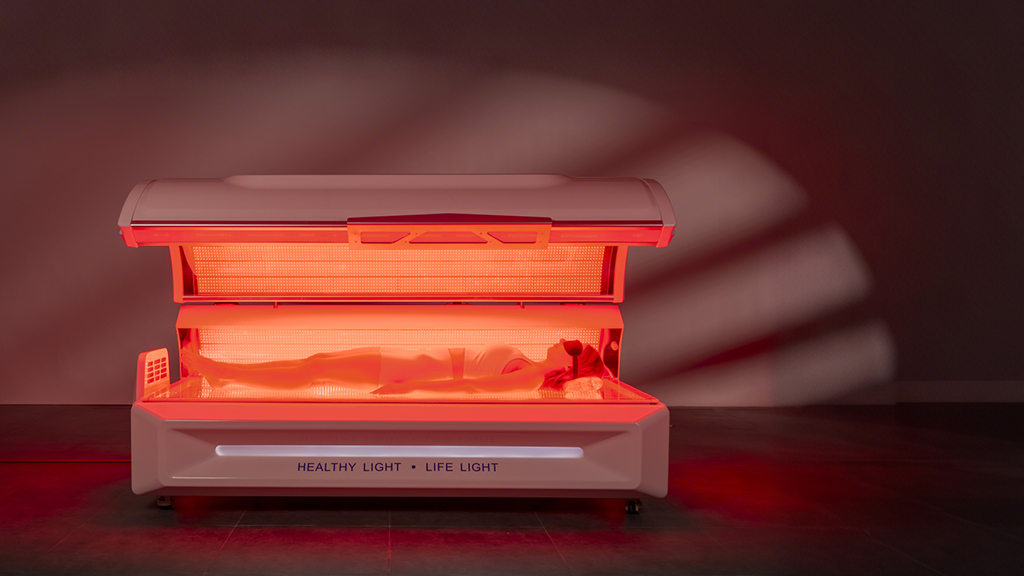
A red light therapy bed uses LED technology to deliver specific wavelengths of light, tae noa ki roto:
- Maama whero: 630nm–660nm
- Maama-a-ira-a-ira: 810nm–850nm
These wavelengths interact with cells through a process called photobiomodulation.
During treatment, light energy is absorbed by cells, rawa mitochondria, which play an important role in cellular energy production.
This process may support:
- Mahi pūtau
- Te hauora kiri
- Nga tukanga whakaora
- Overall wellness routines
Kaore i rite ki nga moenga tanning, red light therapy beds do not rely on UV exposure to create results.
He Haumaru Nga Moenga Whakaora Marama Whero?
For most healthy adults, red light therapy beds are considered a low-risk wellness technology when used according to manufacturer instructions.
Current research and expert reviews suggest that short-term use of red and near-infrared light therapy appears generally safe.
Heoi ano, safety depends on several factors:
- Te kounga o te taputapu
- Treatment intensity
- Te roanga o te huihuinga
- User health conditions
- Correct operating procedures
Using a professional-quality red light therapy bed and following recommended treatment guidelines can help reduce unnecessary risks.
Common Red Light Therapy Bed Side Effects
Although serious side effects are uncommon, some users may experience temporary reactions.
1. Temporary Skin Redness
One of the most common reactions is mild skin redness.
This may happen because:
- Blood circulation increases
- Skin responds to light exposure
- The session intensity is too high
Ko te tikanga, mild redness disappears shortly after treatment.
To reduce this possibility:
- Me timata ki nga waahi poto ake
- Follow recommended distances
- Avoid excessive exposure
2. Skin Sensitivity or Warm Feeling
Some users report a warm sensation during or after treatment.
Although red light therapy is not designed to heat the skin like infrared saunas, higher-powered devices may create a comfortable warming effect.
Users who are sensitive to heat should:
- Choose appropriate session settings
- Use cooling functions if available
- A ape i nga huihuinga roa rawa
3. Eye Discomfort
Because professional red light therapy beds contain many powerful LEDs, some users may find the brightness uncomfortable.
Possible experiences include:
- Temporary eye discomfort
- Light sensitivity
- Difficulty relaxing with eyes open
Recommended approaches include:
- Keeping eyes closed
- Using protective eyewear when recommended
- Avoiding staring directly into LED panels
Eye protection recommendations may vary depending on device design and treatment parameters.
4. Headache or Fatigue
A small number of users may experience temporary discomfort such as:
- Mild headache
- Tired feeling
- Light sensitivity
Possible reasons include:
- Sensitivity to bright light
- Long first-time sessions
- Excessive exposure
New users should begin gradually rather than immediately using maximum intensity settings.
5. Temporary Skin Dryness or Irritation
Some people may notice temporary skin changes after treatment.
This can occur when:
- Skin is already sensitive
- Sessions are too frequent
- Additional skincare products react with treatment
Maintaining a good skincare routine and avoiding excessive use can improve comfort.
Who Should Be Careful When Using a Red Light Therapy Bed?
Ahakoa he haumaru te whakamaarama rama whero, certain individuals should seek professional advice before use.
Ko nga tangata e tango ana i nga rongoa whakamaarama whakaahua
Some medications can increase sensitivity to light.
Examples may include certain:
- Paturopi
- Skin medications
- Other photosensitizing drugs
Users should consult healthcare professionals if they are unsure.
Nga Tangata Ki Nga Tikanga-Maama
Individuals with conditions involving light sensitivity should use caution.
Professional guidance is recommended before beginning treatment.
Nga Tangata Hapu
There is limited research regarding full-body red light therapy during pregnancy.
Pregnant individuals should consult their healthcare provider before using a red light therapy bed.
People With Serious Medical Conditions
Anyone with significant health concerns should discuss red light therapy with a qualified healthcare professional before use.
How to Reduce Red Light Therapy Bed Side Effects
Following proper usage guidelines can significantly improve safety.
1. Start With Short Sessions
Beginners should avoid immediately using long sessions.
A gradual approach allows the body to adjust.
2. Follow Manufacturer Recommendations
Every red light therapy bed has different specifications.
Important factors include:
- Recommended session time
- Te kaha marama
- Te auau maimoatanga
3. Choose a Professional Device
Low-quality devices may have:
- Inconsistent wavelength output
- Poor temperature control
- Uneven light distribution
Professional equipment generally provides better reliability.
4. Maintain Proper Hydration and Skincare
A healthy routine can support a better experience.
Ko nga kaiwhakamahi me:
- Noho wai
- Maintain skin moisture
- Avoid excessive treatments
Red Light Therapy Bed vs Tanning Bed: Safety Difference
Many people compare red light therapy beds with tanning beds.
The main difference is the type of light used.
Moenga Taning
Use UV radiation to stimulate tanning.
Potential concerns include:
- Te koroheketanga o te kiri
- UV-related damage
Nga Moenga Whakaora Marama Whero
Use red and near-infrared wavelengths.
Advantages include:
- Kaore he hihi UV
- Non-invasive approach
- Suitable for wellness applications
How to Choose a Safe Red Light Therapy Bed?
When purchasing a red light therapy bed, whakaaro:
Quality Manufacturing
Choose manufacturers with:
- Industry experience
- Quality control systems
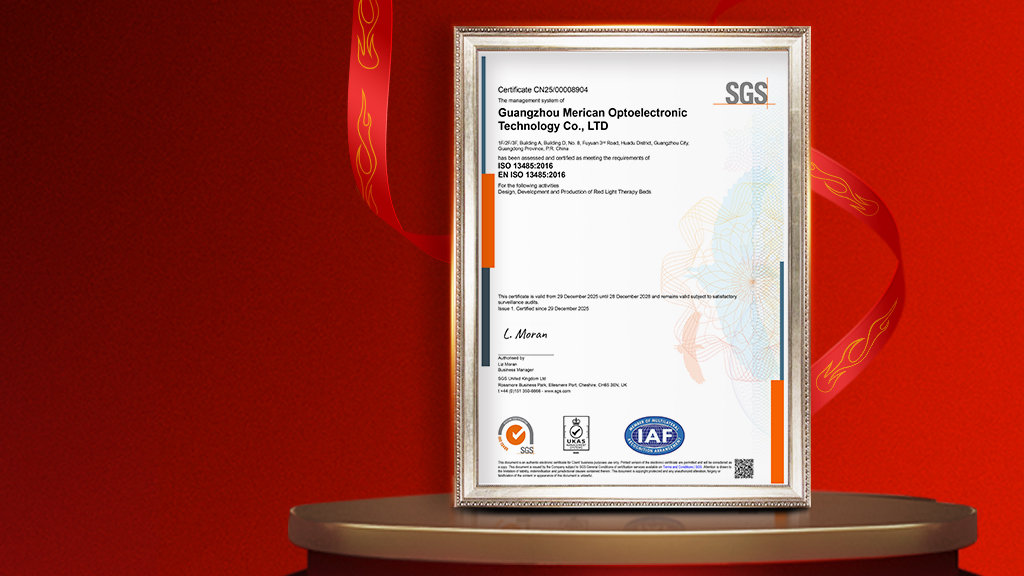
- Safety certifications
Correct Wavelength Technology
Professional systems should provide stable:
- Red light output
- Near-infrared output
User Safety Features
Ko nga ahuatanga nui kei roto:
- Temperature management
- Emergency controls
- Smart operation systems
He aha te take i whiriwhiri ai i te Moenga Whakaora Marama Whero Merican M6N?
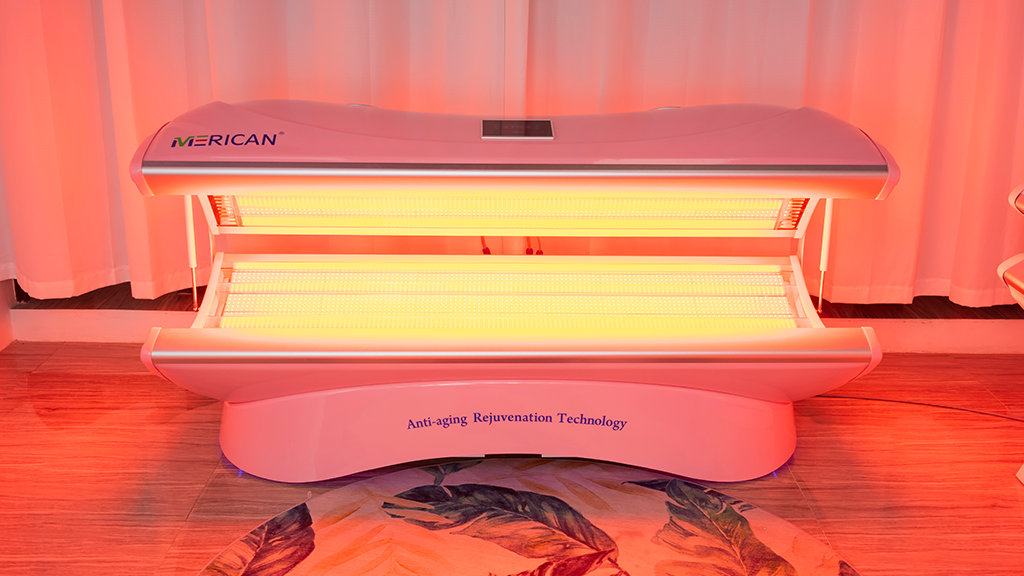
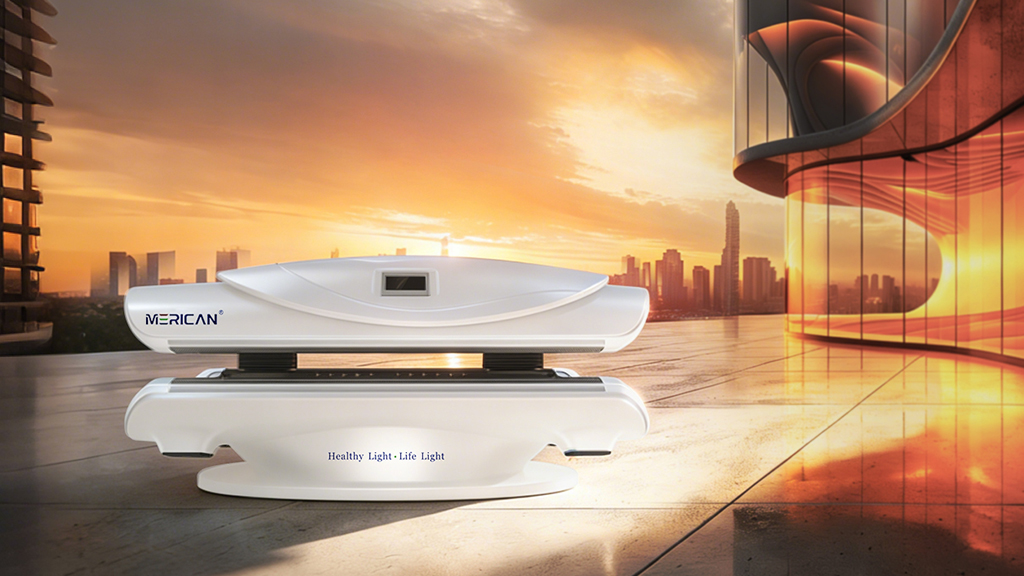
For users and businesses looking for a professional and reliable red light therapy solution, Merican Whero Whero Therapy Moenga M6N provides an advanced full-body photobiomodulation experience.
The M6N combines professional LED technology with optimized red and near-infrared wavelengths, designed for applications including:
- Nga whare hauora
- Nga whare hauora ataahua
- Nga whare whakapakari tinana
- Whare Whakaora
- Nga waahi oranga whare pai
He nui ake i a Merican 18 nga tau o te wheako ki te hanga taputapu rongoa rama whero, supported by professional R&D kaha, advanced production facilities, me te wheako maakete o te ao.
Ka whakaratohia e te kamupene OEM & ratonga whakaritenga ODM, helping international partners develop customized red light therapy solutions, tae atu ki te hoahoa hua, waitohu, me te tautoko hangahanga.
With reliable technology, professional manufacturing expertise, and worldwide cooperation opportunities, Merican welcomes distributors, āpiha, and wellness partners to expand the growing photobiomodulation market together.