Rödljusterapi har blivit en av de mest populära friskvårdsteknikerna de senaste åren, med applikationer inom hudvård, sportåterhämtning, skönhetsbehandlingar, och allmän välbefinnande. Allt eftersom fler människor köper eller använder sängar för rödljusterapi för hela kroppen, en vanlig fråga fortsätter att dyka upp:
Finns det några biverkningar för rött ljusterapisäng?
Many users want to understand whether red light therapy is completely safe, what potential risks may exist, and how to use a red light therapy bed properly.
The good news is that red light therapy, även känd som fotobiomodulationsterapi (PBMT), is generally considered a safe and non-invasive wellness technology when used correctly. Till skillnad från solarier, apparater för rött ljus använder inte ultraviolett ljus (UV) strålning, which is associated with sunburn and photoaging.
Dock, like any wellness technology, improper use, excessive exposure, or unsuitable conditions may lead to unwanted effects.
Understanding possible side effects can help users enjoy a safer and more effective red light therapy experience.
What Is Red Light Therapy and How Does It Work?
Before discussing side effects, it is important to understand how red light therapy beds work.
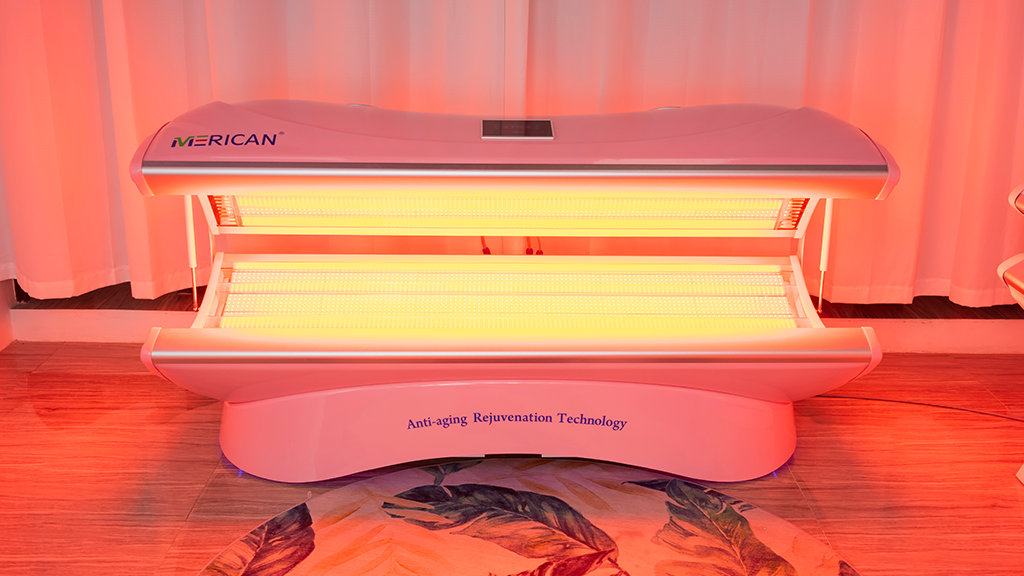
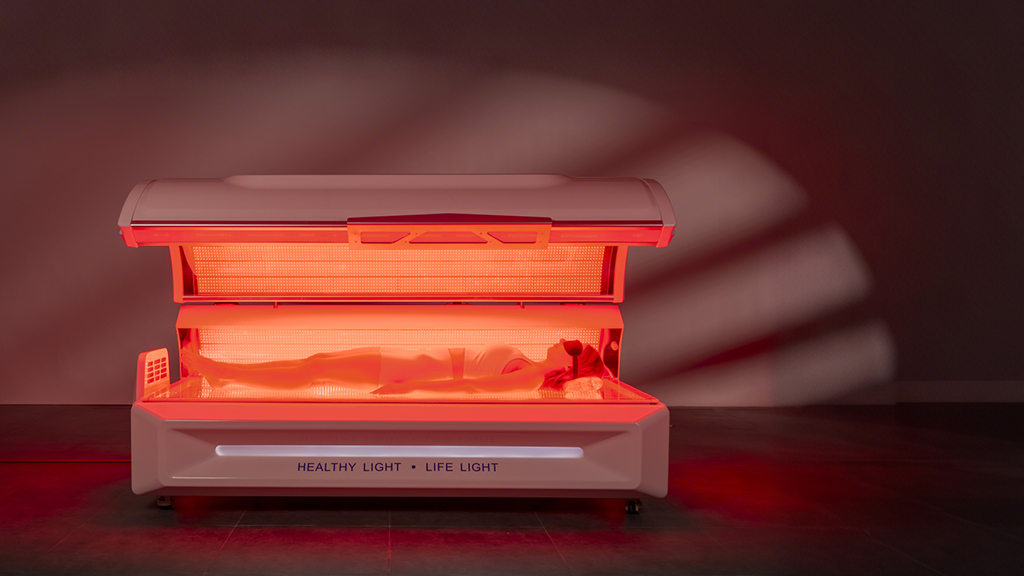
A red light therapy bed uses LED technology to deliver specific wavelengths of light, commonly including:
- Rött ljus: 630nm–660nm
- Nära-infrarött ljus: 810nm–850 nm
These wavelengths interact with cells through a process called fotobiomodulering.
During treatment, light energy is absorbed by cells, speciellt mitokondrier, which play an important role in cellular energy production.
This process may support:
- Cellular activity
- Hudens hälsa
- Återställningsprocesser
- Overall wellness routines
Till skillnad från solarier, red light therapy beds do not rely on UV exposure to create results.
Är rödljusterapisängar säkra?
For most healthy adults, red light therapy beds are considered a low-risk wellness technology when used according to manufacturer instructions.
Current research and expert reviews suggest that short-term use of red and near-infrared light therapy appears generally safe.
Dock, safety depends on several factors:
- Enhetskvalitet
- Treatment intensity
- Sessionens längd
- User health conditions
- Correct operating procedures
Using a professional-quality red light therapy bed and following recommended treatment guidelines can help reduce unnecessary risks.
Common Red Light Therapy Bed Side Effects
Although serious side effects are uncommon, some users may experience temporary reactions.
1. Temporary Skin Redness
One of the most common reactions is mild skin redness.
This may happen because:
- Blood circulation increases
- Skin responds to light exposure
- The session intensity is too high
Usually, mild redness disappears shortly after treatment.
To reduce this possibility:
- Börja med kortare pass
- Follow recommended distances
- Avoid excessive exposure
2. Skin Sensitivity or Warm Feeling
Some users report a warm sensation during or after treatment.
Although red light therapy is not designed to heat the skin like infrared saunas, higher-powered devices may create a comfortable warming effect.
Users who are sensitive to heat should:
- Choose appropriate session settings
- Use cooling functions if available
- Undvik alltför långa pass
3. Eye Discomfort
Because professional red light therapy beds contain many powerful LEDs, some users may find the brightness uncomfortable.
Possible experiences include:
- Temporary eye discomfort
- Light sensitivity
- Difficulty relaxing with eyes open
Recommended approaches include:
- Keeping eyes closed
- Using protective eyewear when recommended
- Avoiding staring directly into LED panels
Eye protection recommendations may vary depending on device design and treatment parameters.
4. Headache or Fatigue
A small number of users may experience temporary discomfort such as:
- Mild headache
- Tired feeling
- Light sensitivity
Possible reasons include:
- Sensitivity to bright light
- Long first-time sessions
- Excessive exposure
New users should begin gradually rather than immediately using maximum intensity settings.
5. Temporary Skin Dryness or Irritation
Some people may notice temporary skin changes after treatment.
This can occur when:
- Skin is already sensitive
- Sessions are too frequent
- Additional skincare products react with treatment
Maintaining a good skincare routine and avoiding excessive use can improve comfort.
Who Should Be Careful When Using a Red Light Therapy Bed?
Although red light therapy is generally safe, certain individuals should seek professional advice before use.
Människor som tar fotosensibiliserande medicin
Some medications can increase sensitivity to light.
Examples may include certain:
- Antibiotika
- Skin medications
- Other photosensitizing drugs
Users should consult healthcare professionals if they are unsure.
Människor med ljuskänsliga tillstånd
Individuals with conditions involving light sensitivity should use caution.
Professional guidance is recommended before beginning treatment.
Gravida individer
There is limited research regarding full-body red light therapy during pregnancy.
Pregnant individuals should consult their healthcare provider before using a red light therapy bed.
People With Serious Medical Conditions
Anyone with significant health concerns should discuss red light therapy with a qualified healthcare professional before use.
How to Reduce Red Light Therapy Bed Side Effects
Following proper usage guidelines can significantly improve safety.
1. Start With Short Sessions
Beginners should avoid immediately using long sessions.
A gradual approach allows the body to adjust.
2. Follow Manufacturer Recommendations
Every red light therapy bed has different specifications.
Viktiga faktorer inkluderar:
- Recommended session time
- Ljusintensitet
- Behandlingsfrekvens
3. Choose a Professional Device
Low-quality devices may have:
- Inconsistent wavelength output
- Poor temperature control
- Uneven light distribution
Professional equipment generally provides better reliability.
4. Maintain Proper Hydration and Skincare
A healthy routine can support a better experience.
Användare bör:
- Håll dig hydrerad
- Maintain skin moisture
- Avoid excessive treatments
Red Light Therapy Bed vs Tanning Bed: Safety Difference
Many people compare red light therapy beds with tanning beds.
The main difference is the type of light used.
Solarium
Use UV radiation to stimulate tanning.
Potential concerns include:
- Hudens åldrande
- UV-related damage
Rödljusterapisängar
Use red and near-infrared wavelengths.
Fördelar inkluderar:
- Ingen UV-strålning
- Non-invasive approach
- Suitable for wellness applications
How to Choose a Safe Red Light Therapy Bed?
When purchasing a red light therapy bed, överväga:
Quality Manufacturing
Choose manufacturers with:
- Industry experience
- Quality control systems
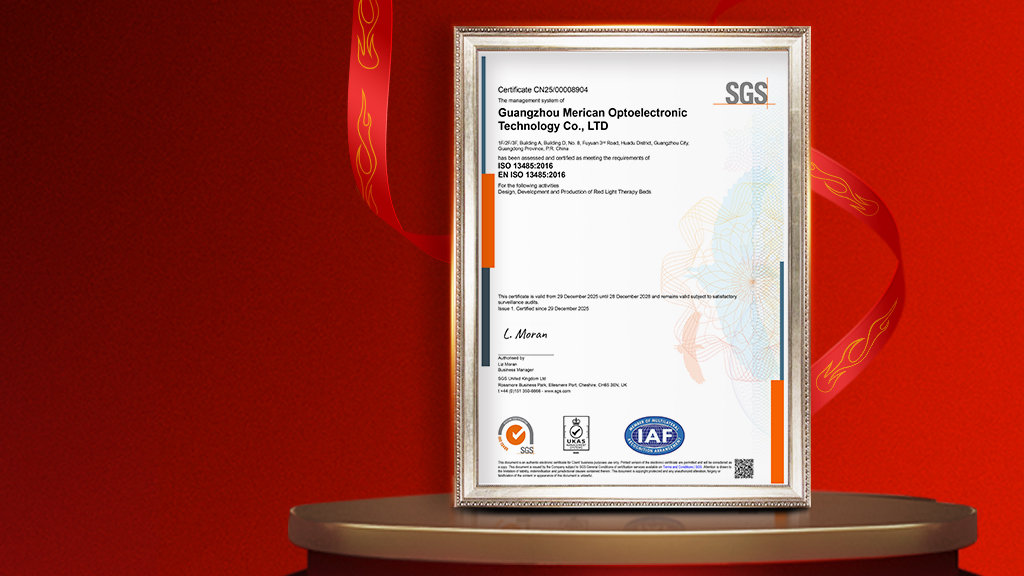
- Säkerhetscertifieringar
Correct Wavelength Technology
Professional systems should provide stable:
- Red light output
- Near-infrared output
User Safety Features
Viktiga funktioner inkluderar:
- Temperature management
- Emergency controls
- Smart operation systems
Varför välja Merican Red Light Therapy Bed M6N?
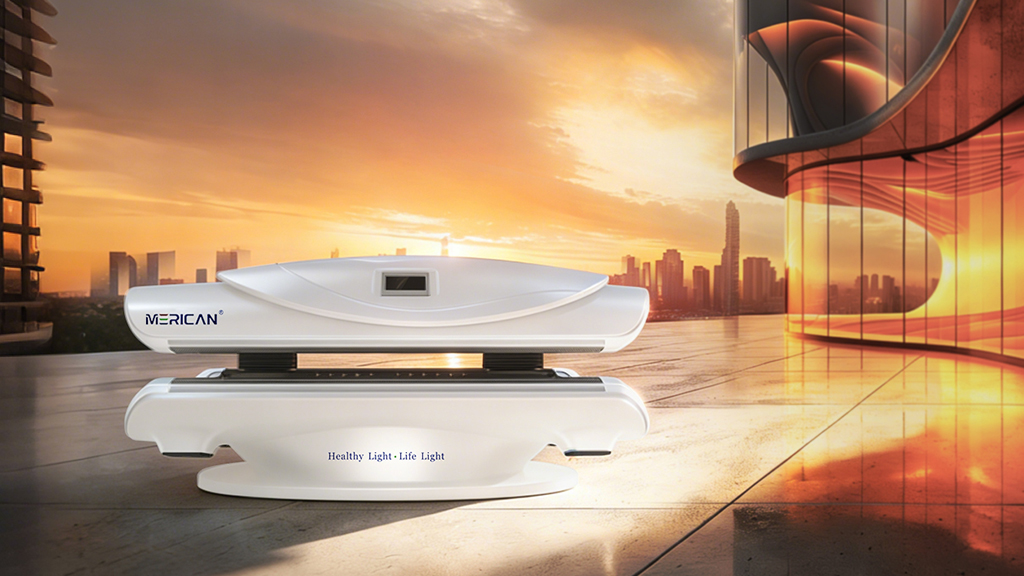
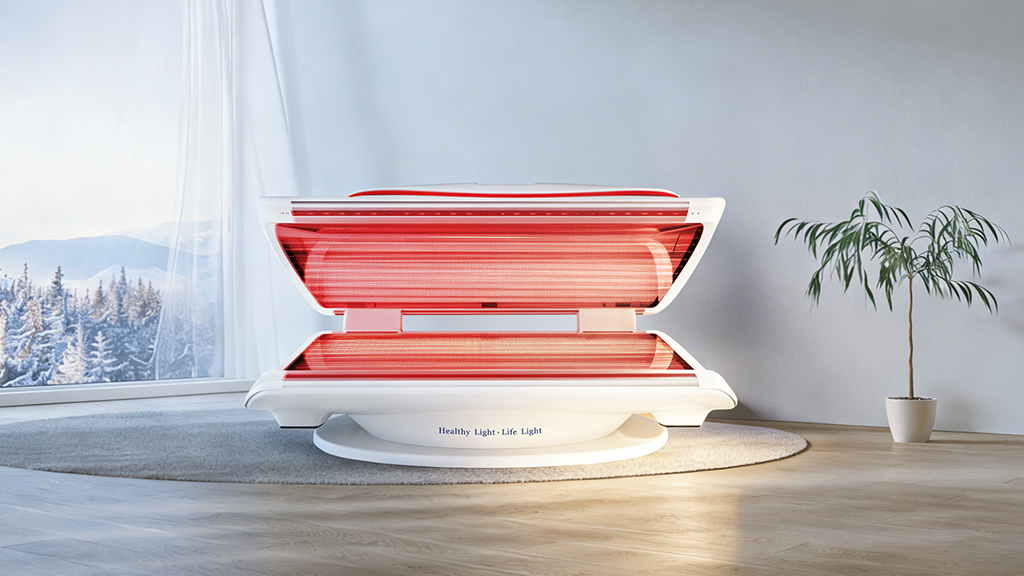
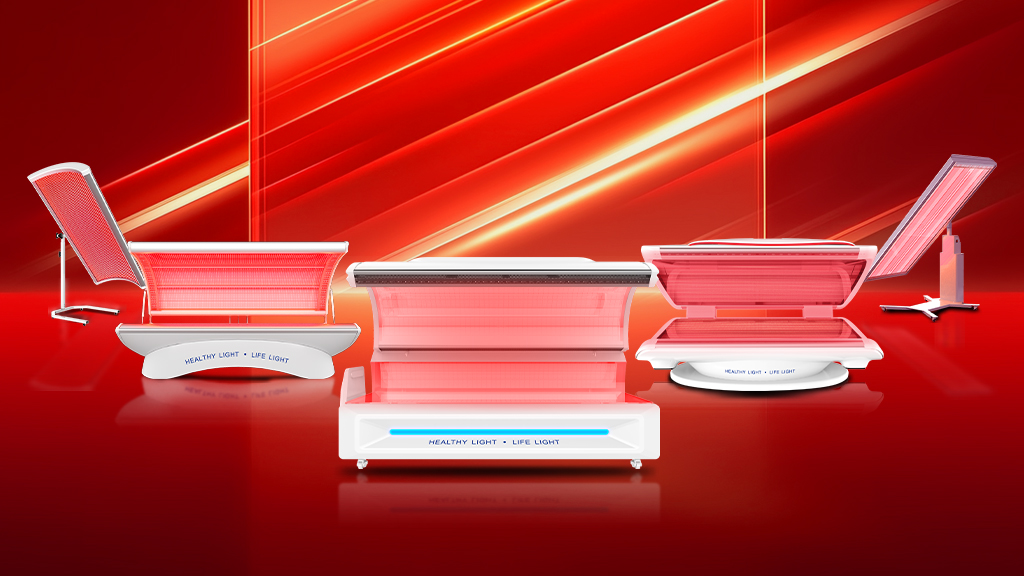
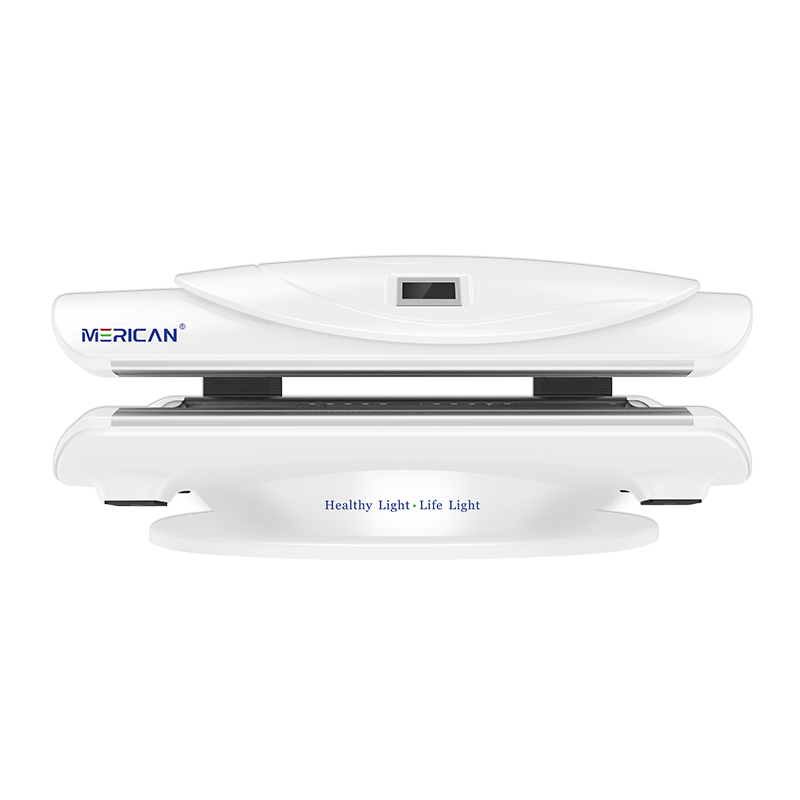
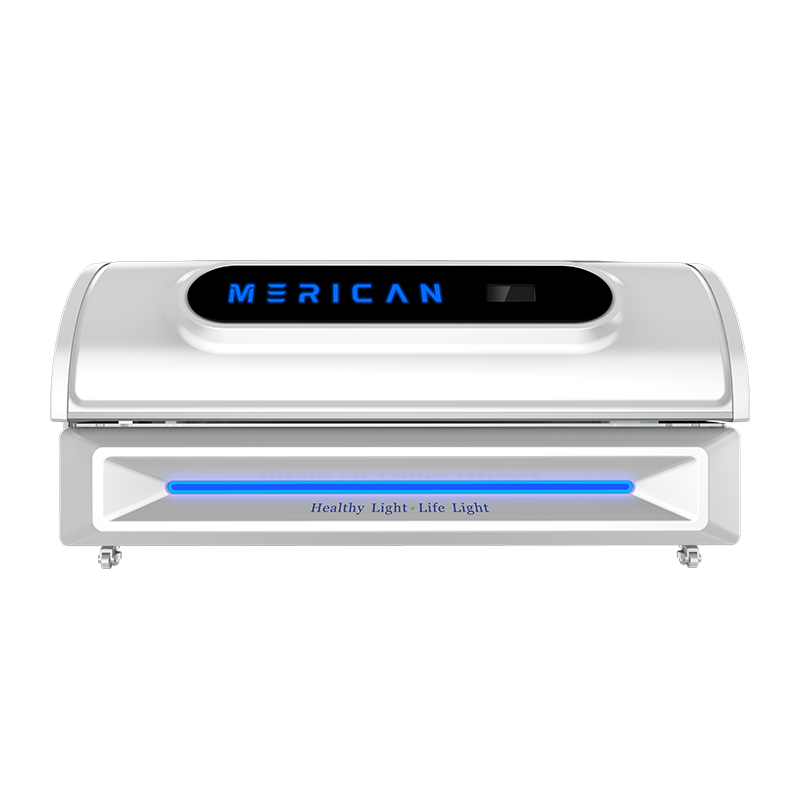
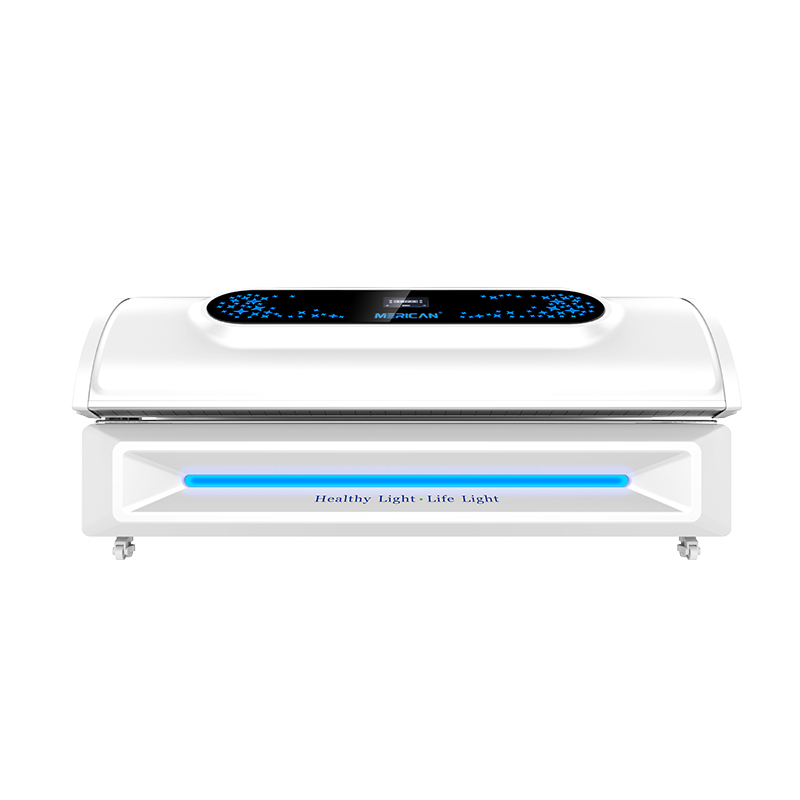
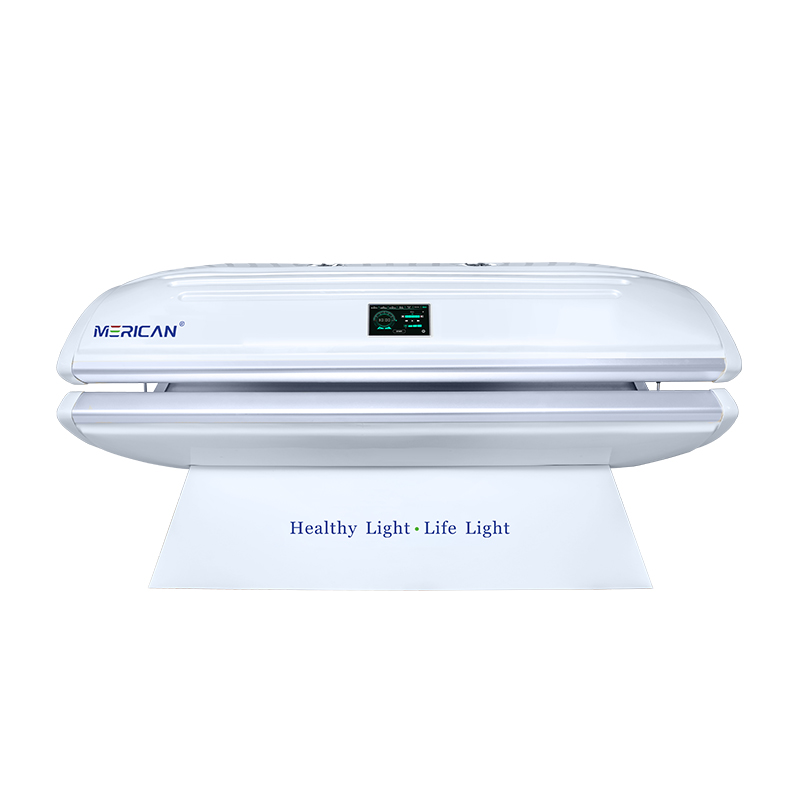
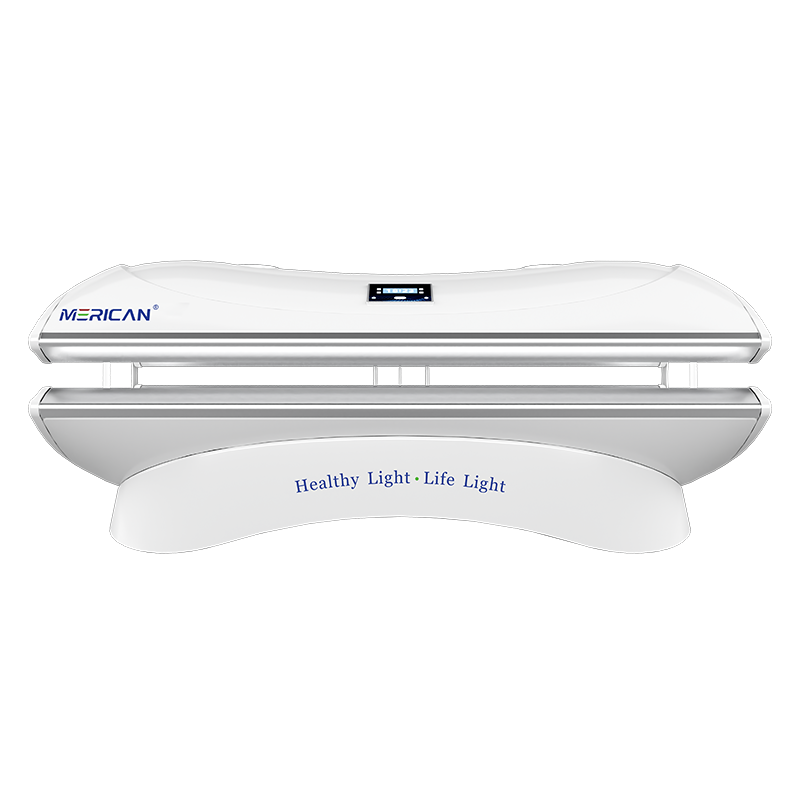
For users and businesses looking for a professional and reliable red light therapy solution, Merican Red Light Therapy Bed M6N provides an advanced full-body photobiomodulation experience.
The M6N combines professional LED technology with optimized red and near-infrared wavelengths, designed for applications including:
- Friskvårdscenter
- Skönhetskliniker
- Fitnessfaciliteter
- Recovery studios
- Premium-hälsoutrymmen i hemmet
Merican har mer än 18 års erfarenhet av tillverkning av utrustning för rödljusterapi, supported by professional R&D-kapacitet, advanced production facilities, och global marknadserfarenhet.
Företaget tillhandahåller OEM & ODM-anpassningstjänster, helping international partners develop customized red light therapy solutions, inklusive produktdesign, varumärke, och tillverkningsstöd.
With reliable technology, professional manufacturing expertise, and worldwide cooperation opportunities, Merican welcomes distributors, agenter, and wellness partners to expand the growing photobiomodulation market together.