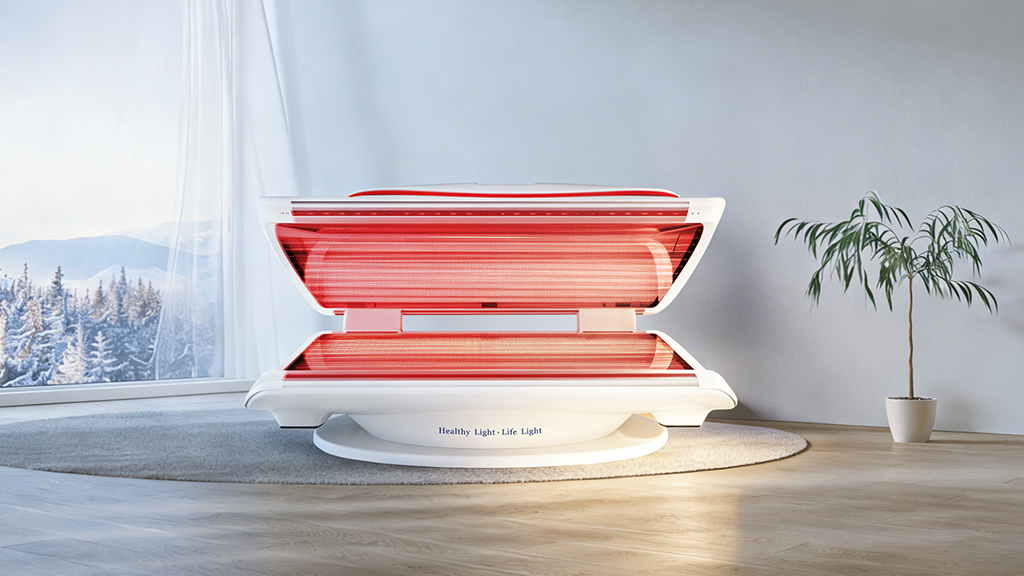
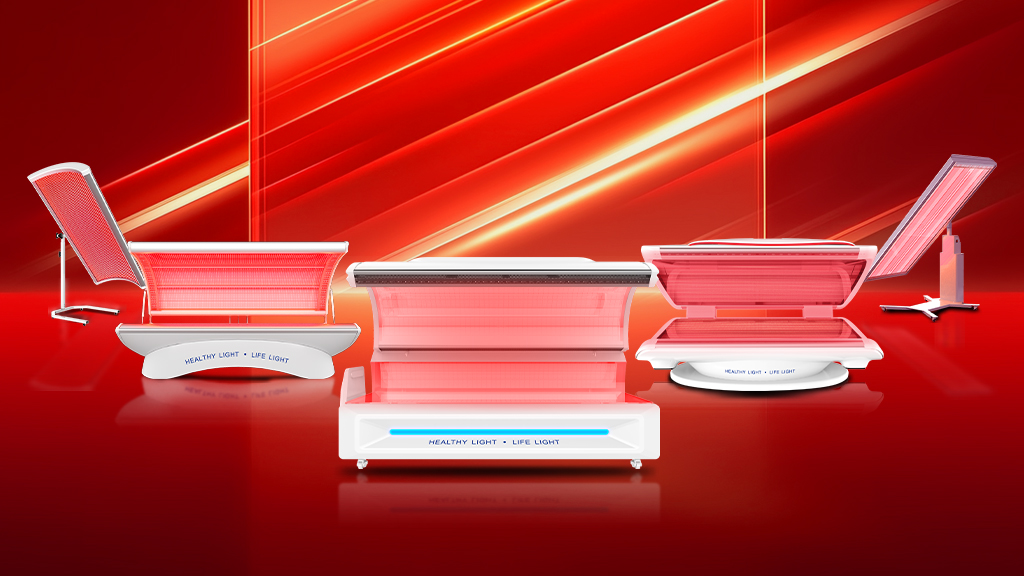
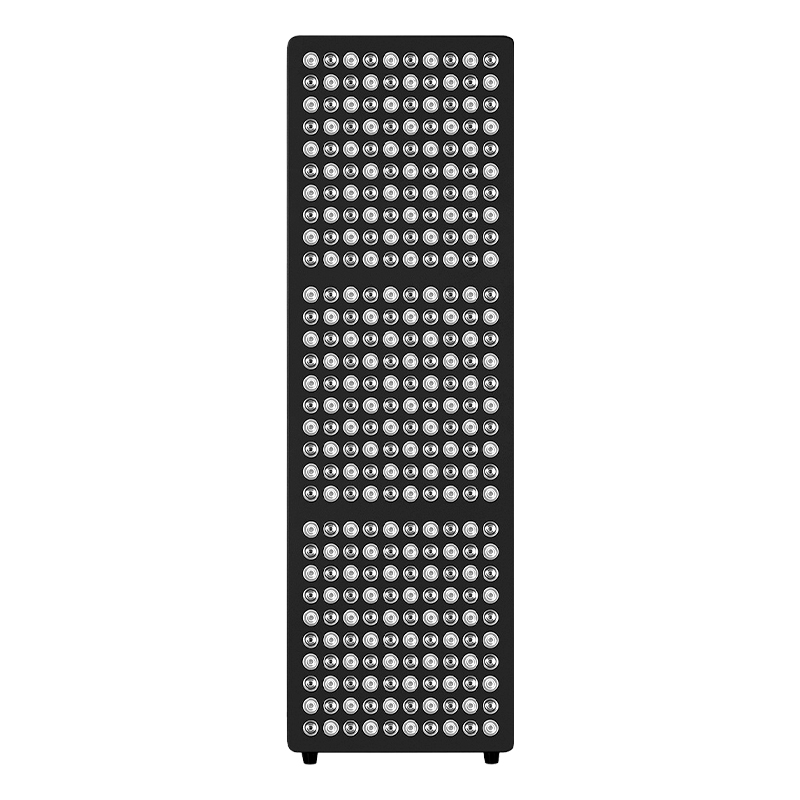
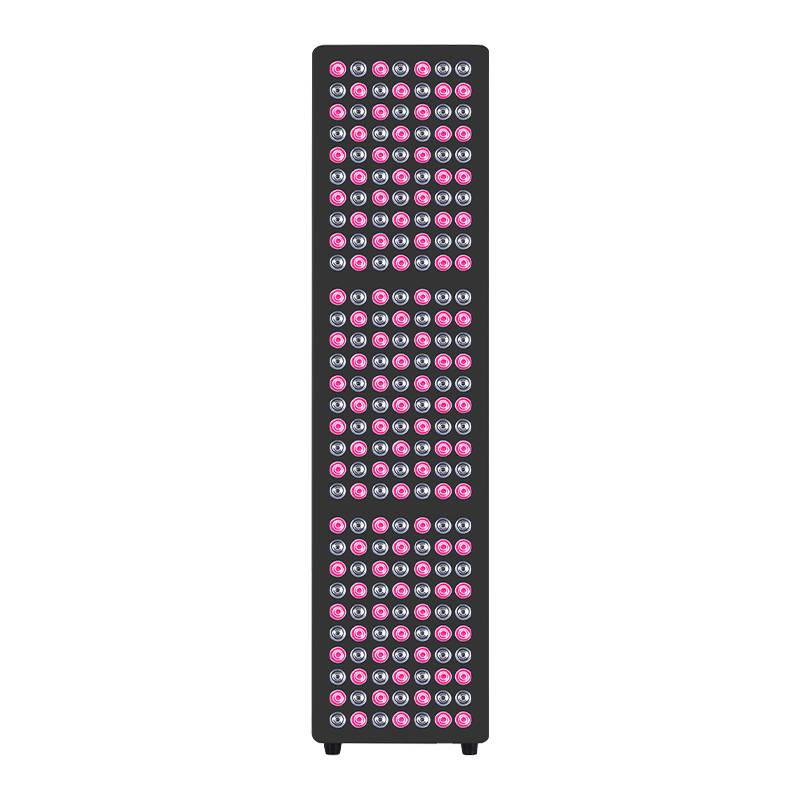
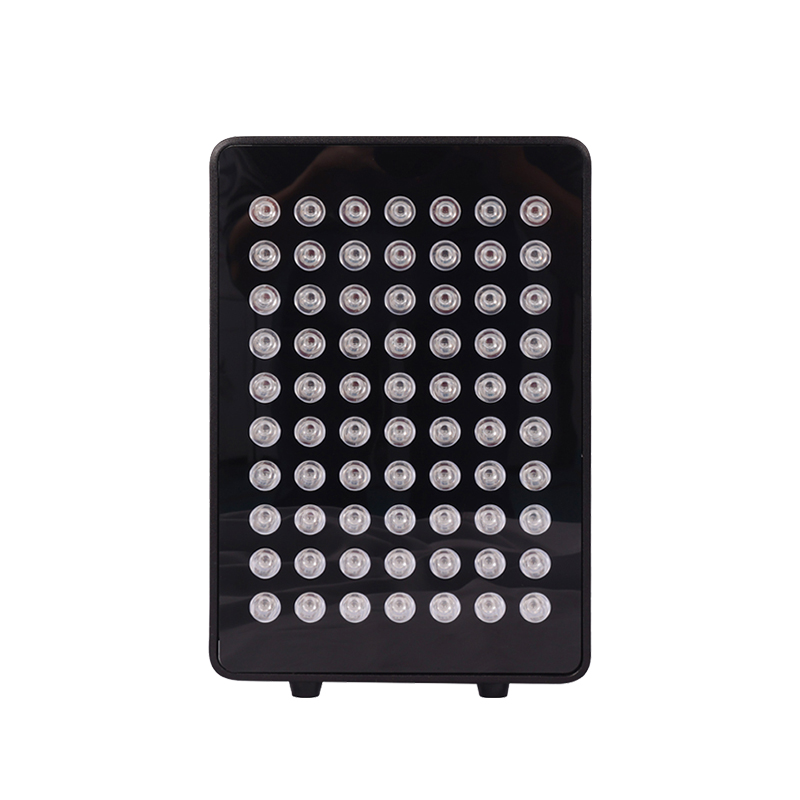
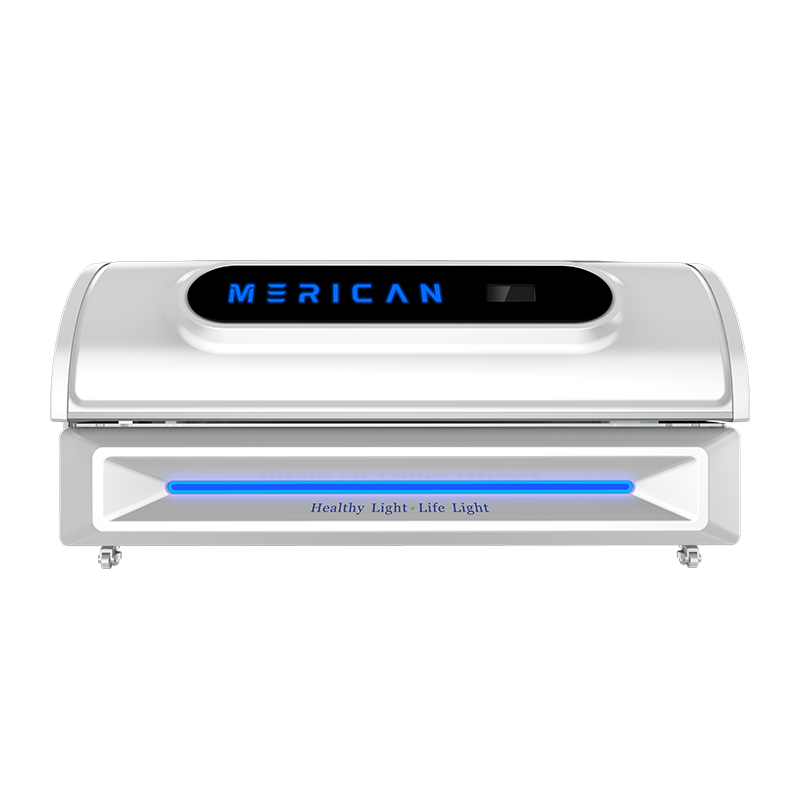
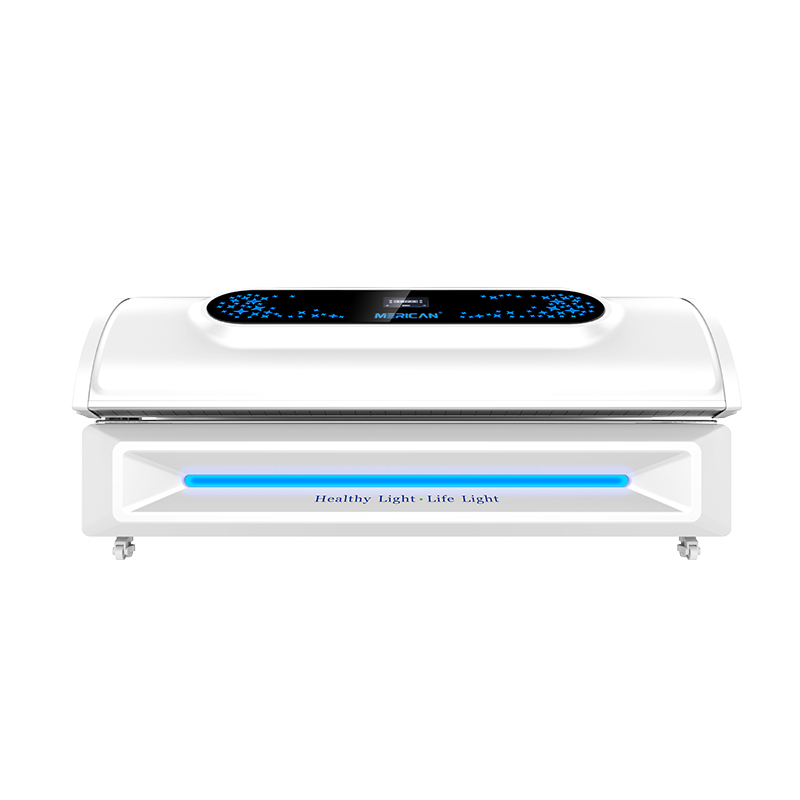
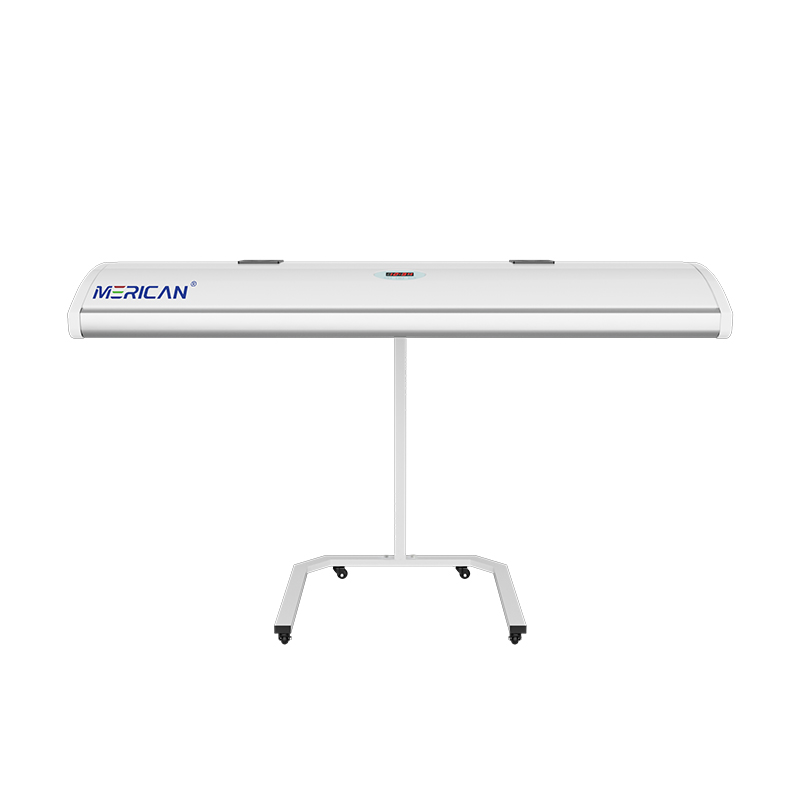
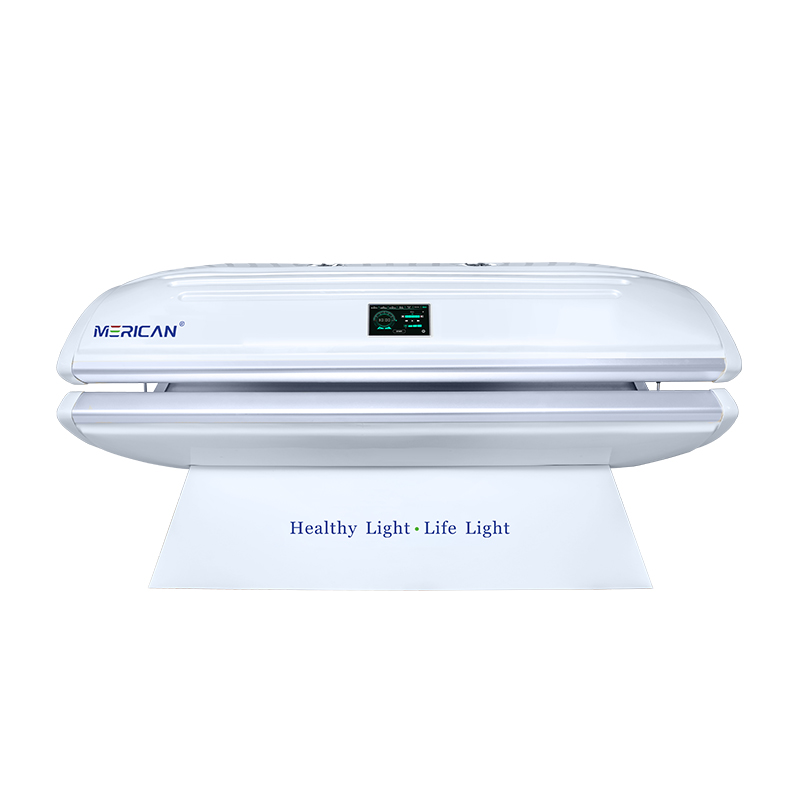
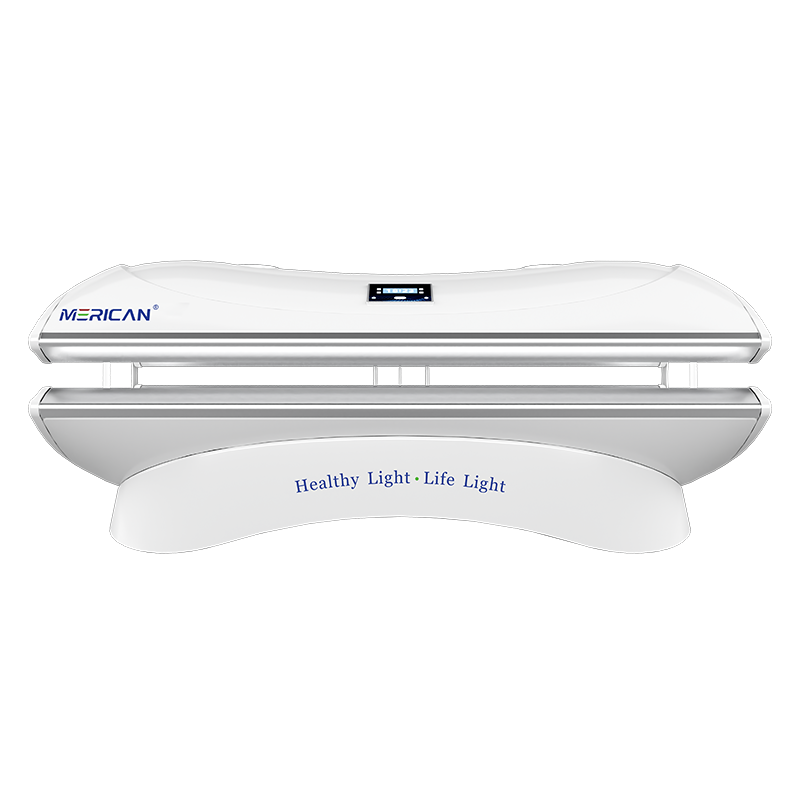
A vörös fényterápia az elmúlt években az egyik legnépszerűbb wellness technológiává vált, bőrápolási alkalmazásokkal, sportszerű felépülés, szépségápolási kezelések, és általános jólét. Egyre többen vásárolnak vagy használnak teljes testet fedő vörös fényterápiás ágyakat, továbbra is megjelenik egy gyakori kérdés:
Vannak-e a vörös fényterápiás ágy mellékhatásai??
Sok felhasználó szeretné megérteni, hogy a vörös fényterápia teljesen biztonságos-e, milyen lehetséges kockázatok merülhetnek fel, és hogyan kell megfelelően használni a vörös fényterápiás ágyat.
A jó hír az, hogy a vörös fényterápia, más néven fotobiomodulációs terápia (PBMT), Általában biztonságos és nem invazív wellness-technológiának tekintik, ha helyesen használják. A szoláriumokkal ellentétben, vörös fényterápiás eszközök nem használnak ultraibolya fényt (UV) sugárzás, ami a leégéssel és a fotoöregedéssel jár.
Viszont, mint minden wellness technológia, nem megfelelő használat, túlzott expozíció, vagy a nem megfelelő körülmények nem kívánt hatásokhoz vezethetnek.
A lehetséges mellékhatások megértése segíthet a felhasználóknak abban, hogy biztonságosabb és hatékonyabb vörös fényterápiás élményben részesüljenek.
Mi a vörös fényterápia és hogyan működik?
Mielőtt a mellékhatásokról beszélnénk, fontos megérteni, hogyan működnek a vörös fényterápiás ágyak.
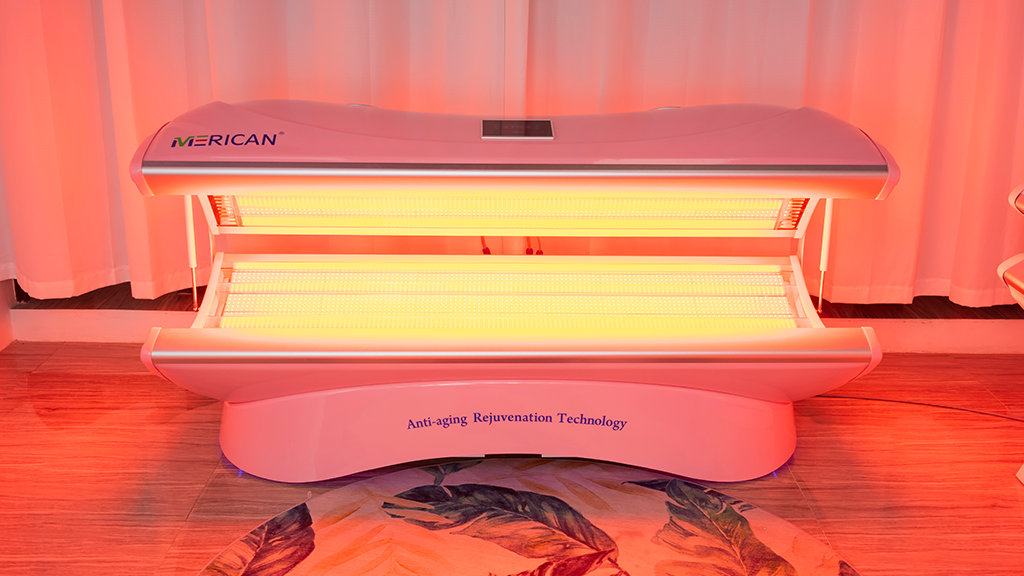
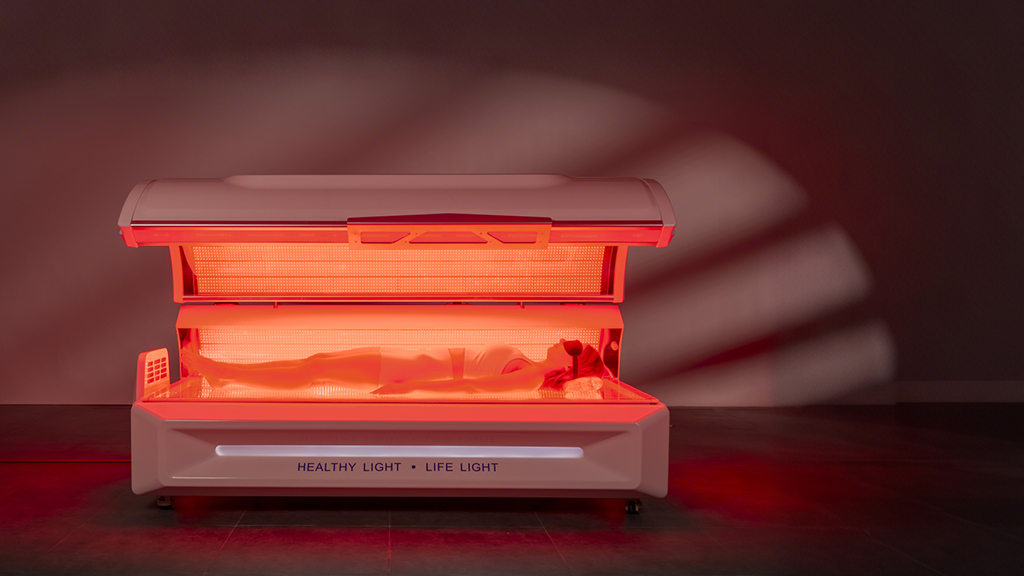
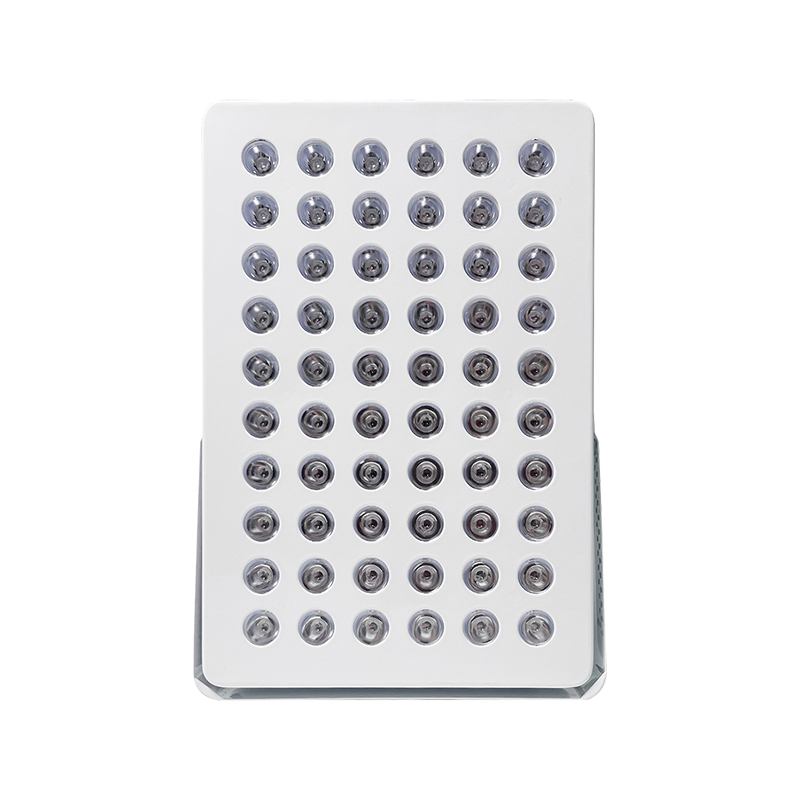
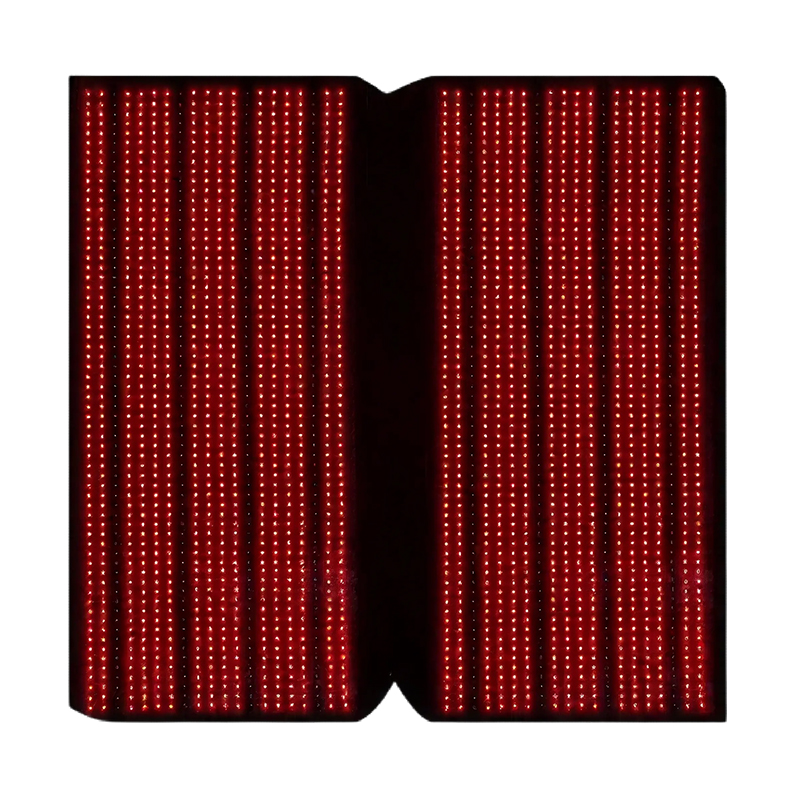
A vörös fényterápiás ágy LED technológiát használ meghatározott hullámhosszú fény továbbítására, általában beleértve:
- Piros fény: 630nm-660 nm
- Közeli infravörös fény: 810nm-850 nm
Ezek a hullámhosszak kölcsönhatásba lépnek a sejtekkel az ún fotobiomoduláció.
A kezelés során, a fényenergiát a sejtek elnyelik, különösen a mitokondriumok, amelyek fontos szerepet játszanak a sejtek energiatermelésében.
Ez a folyamat támogathatja:
- Sejtaktivitás
- A bőr egészsége
- Helyreállítási folyamatok
- Általános wellness rutinok
A szoláriumokkal ellentétben, A vörös fényterápiás ágyak nem függenek az UV-sugárzástól az eredmények eléréséhez.
Biztonságosak-e a vörös fényterápiás ágyak??
A legtöbb egészséges felnőtt számára, A vörös fényterápiás ágyak alacsony kockázatú wellness-technológiának minősülnek, ha a gyártó utasításainak megfelelően használják őket.
A jelenlegi kutatások és szakértői vélemények arra utalnak, hogy a vörös és közeli infravörös fényterápia rövid távú alkalmazása általában biztonságosnak tűnik.
Viszont, a biztonság több tényezőtől is függ:
- A készülék minősége
- A kezelés intenzitása
- A munkamenet időtartama
- A felhasználó egészségi állapota
- Helyes működési eljárások
A professzionális minőségű vörös fényterápiás ágy használata és az ajánlott kezelési irányelvek betartása csökkentheti a szükségtelen kockázatokat.
Gyakori vörösfényterápiás ágymellékhatások
Bár a súlyos mellékhatások nem gyakoriak, egyes felhasználók átmeneti reakciókat tapasztalhatnak.
1. Ideiglenes bőrpír
Az egyik leggyakoribb reakció az enyhe bőrpír.
Ez azért történhet meg, mert:
- A vérkeringés fokozódik
- A bőr reagál a fényre
- A munkamenet intenzitása túl magas
Általában, az enyhe bőrpír röviddel a kezelés után eltűnik.
Ennek a lehetőségnek a csökkentése érdekében:
- Kezdje rövidebb ülésekkel
- Tartsa be az ajánlott távolságokat
- Kerülje a túlzott expozíciót
2. Bőrérzékenység vagy melegségérzet
Egyes felhasználók meleg érzésről számolnak be a kezelés alatt vagy után.
Bár a vörös fényterápia nem arra szolgál, hogy felmelegítse a bőrt, mint az infraszauna, A nagyobb teljesítményű készülékek kellemes melegítő hatást keltehetnek.
A hőre érzékeny felhasználóknak kell:
- Válassza ki a megfelelő munkamenet-beállításokat
- Használjon hűtési funkciókat, ha elérhető
- Kerülje a túl hosszú üléseket
3. Szembántalom
Mivel a professzionális vörös fényterápiás ágyak sok erős LED-et tartalmaznak, egyes felhasználók kényelmetlennek találhatják a fényerőt.
A lehetséges tapasztalatok közé tartozik:
- Ideiglenes szem kellemetlen érzés
- Fényérzékenység
- Nehéz ellazulni nyitott szemmel
Az ajánlott megközelítések közé tartozik:
- Csukott szemmel
- Ha javasolt, használjon védőszemüveget
- Kerülje a közvetlenül a LED-panelekbe való nézést
A szemvédelemre vonatkozó ajánlások az eszköz kialakításától és a kezelési paraméterektől függően változhatnak.
4. Fejfájás vagy fáradtság
Néhány felhasználó átmeneti kényelmetlenséget tapasztalhat, mint pl:
- Enyhe fejfájás
- Fáradt érzés
- Fényérzékenység
A lehetséges okok közé tartozik:
- Erős fényre való érzékenység
- Hosszú első ülések
- Túlzott expozíció
Az új felhasználóknak fokozatosan kell elkezdeniük a használatot, nem pedig azonnal a maximális intenzitás beállításait.
5. Átmeneti bőrszárazság vagy irritáció
Néhány ember átmeneti bőrelváltozásokat észlelhet a kezelés után.
Ez akkor fordulhat elő, ha:
- A bőr már érzékeny
- Az ülések túl gyakoriak
- További bőrápoló termékek reagálnak a kezelésre
A megfelelő bőrápolási rutin betartása és a túlzott használat elkerülése javíthatja a kényelemérzetet.
Kinek kell óvatosnak lennie, ha vörös fényterápiás ágyat használ??
Bár a vörös fényterápia általában biztonságos, bizonyos személyeknek szakember tanácsát kell kérniük használat előtt.
Fényérzékenyítő gyógyszert szedők
Egyes gyógyszerek növelhetik a fényérzékenységet.
Példák lehetnek bizonyos:
- Antibiotikumok
- Bőrgyógyszerek
- Egyéb fényérzékenyítő szerek
A felhasználóknak konzultálniuk kell egészségügyi szakemberekkel, ha bizonytalanok.
Fényérzékeny emberek
A fényérzékenységgel járó állapotú egyéneknek óvatosnak kell lenniük.
A kezelés megkezdése előtt szakmai tanácsadás javasolt.
Terhes egyének
Korlátozott kutatások állnak rendelkezésre a terhesség alatti teljes test vörös fényterápiájával kapcsolatban.
A terhes egyéneknek konzultálniuk kell egészségügyi szolgáltatójukkal, mielőtt vörös fényterápiás ágyat használnának.
Súlyos egészségügyi állapotú emberek
Bárki, akinek jelentős egészségügyi problémái vannak, használat előtt beszélje meg a vörös fény terápiát egy képzett egészségügyi szakemberrel.
Hogyan csökkenthető a vörös fényterápia ágy mellékhatásai
A megfelelő használati irányelvek betartása jelentősen növelheti a biztonságot.
1. Kezdje rövid ülésekkel
A kezdőknek azonnal kerülniük kell a hosszú edzések használatát.
A fokozatos megközelítés lehetővé teszi a test alkalmazkodását.
2. Kövesse a gyártó ajánlásait
Minden vörös fényterápiás ágynak más-más specifikációja van.
A fontos tényezők közé tartozik:
- Javasolt ülésidő
- Fény intenzitása
- A kezelés gyakorisága
3. Válasszon professzionális eszközt
Gyenge minőségű eszközök lehetnek:
- Inkonzisztens hullámhosszú kimenet
- Rossz hőmérséklet szabályozás
- Egyenetlen fényeloszlás
A professzionális berendezések általában nagyobb megbízhatóságot biztosítanak.
4. Fenntartja a megfelelő hidratálást és bőrápolást
Az egészséges rutin elősegítheti a jobb élményt.
A felhasználóknak kell:
- Maradjon hidratált
- Fenntartja a bőr nedvességtartalmát
- Kerülje a túlzott kezeléseket
Piros fényterápiás ágy kontra szolárium: Biztonsági különbség
Sokan összehasonlítják a vörös fényterápiás ágyakat a szoláriumokkal.
A fő különbség a használt lámpa típusa.
Szoláriumok
Használjon UV-sugárzást a barnulás serkentésére.
A lehetséges aggályok közé tartozik:
- A bőr öregedése
- UV-sugárzás okozta károsodás
Piros fényterápiás ágyak
Használjon vörös és közeli infravörös hullámhosszokat.
Az előnyök közé tartozik:
- Nincs UV sugárzás
- Nem invazív megközelítés
- Wellness alkalmazásokhoz alkalmas
Hogyan válasszunk biztonságos vörös fényterápiás ágyat?
Piros fényterápiás ágy vásárlásakor, fontolja meg:
Minőségi gyártás
Válasszon gyártókat:
- Iparági tapasztalat
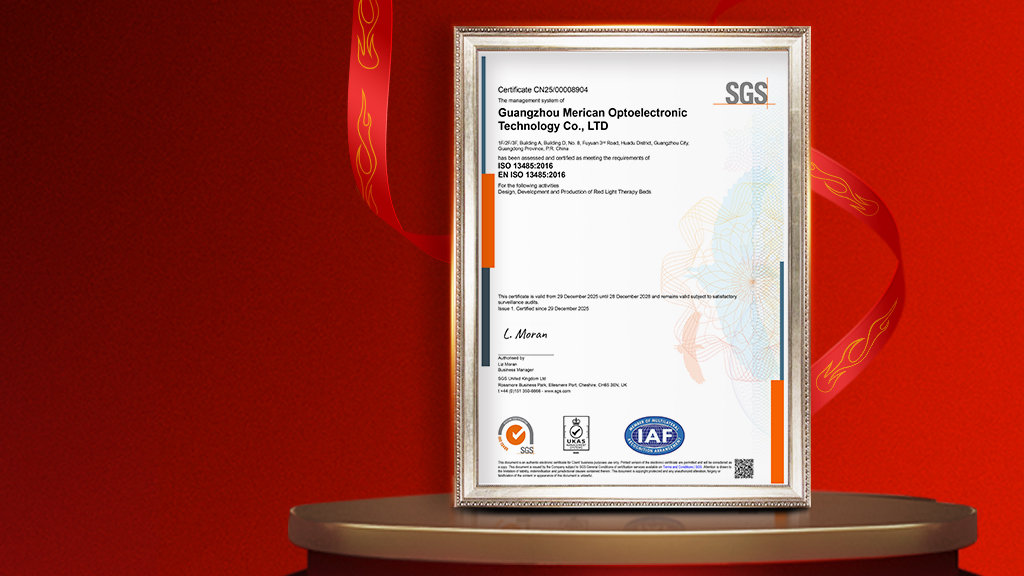
- Minőségellenőrző rendszerek
- Biztonsági tanúsítványok
Megfelelő hullámhosszú technológia
A professzionális rendszereknek stabilitást kell biztosítaniuk:
- Piros fénykibocsátás
- Közeli infravörös kimenet
Felhasználói biztonsági funkciók
A fontos funkciók közé tartozik:
- Hőmérséklet szabályozás
- Vészhelyzeti vezérlők
- Intelligens operációs rendszerek
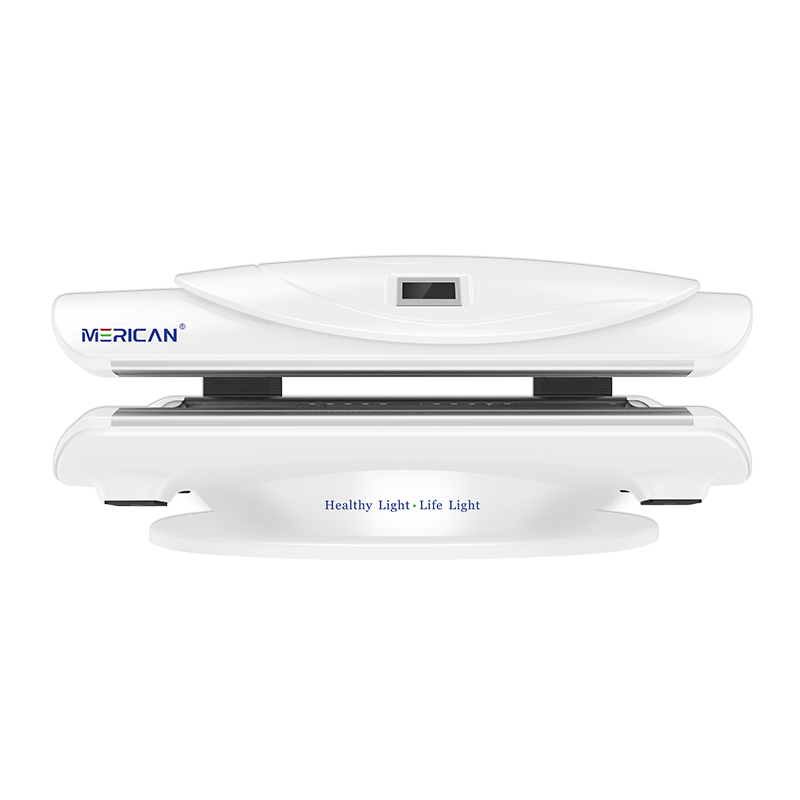
Miért válassza a Merican Red Light Therapy Bed M6N ágyat??
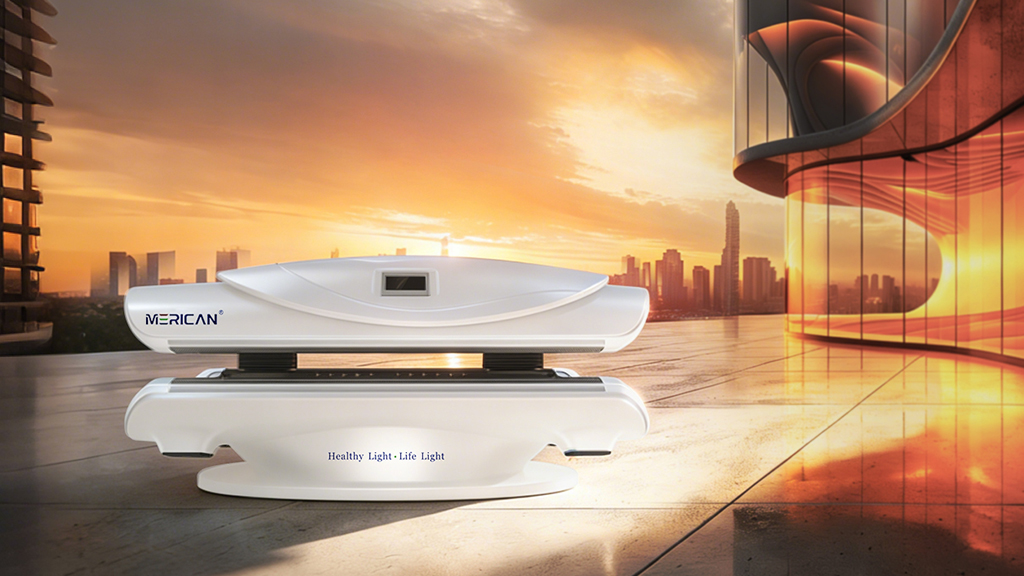
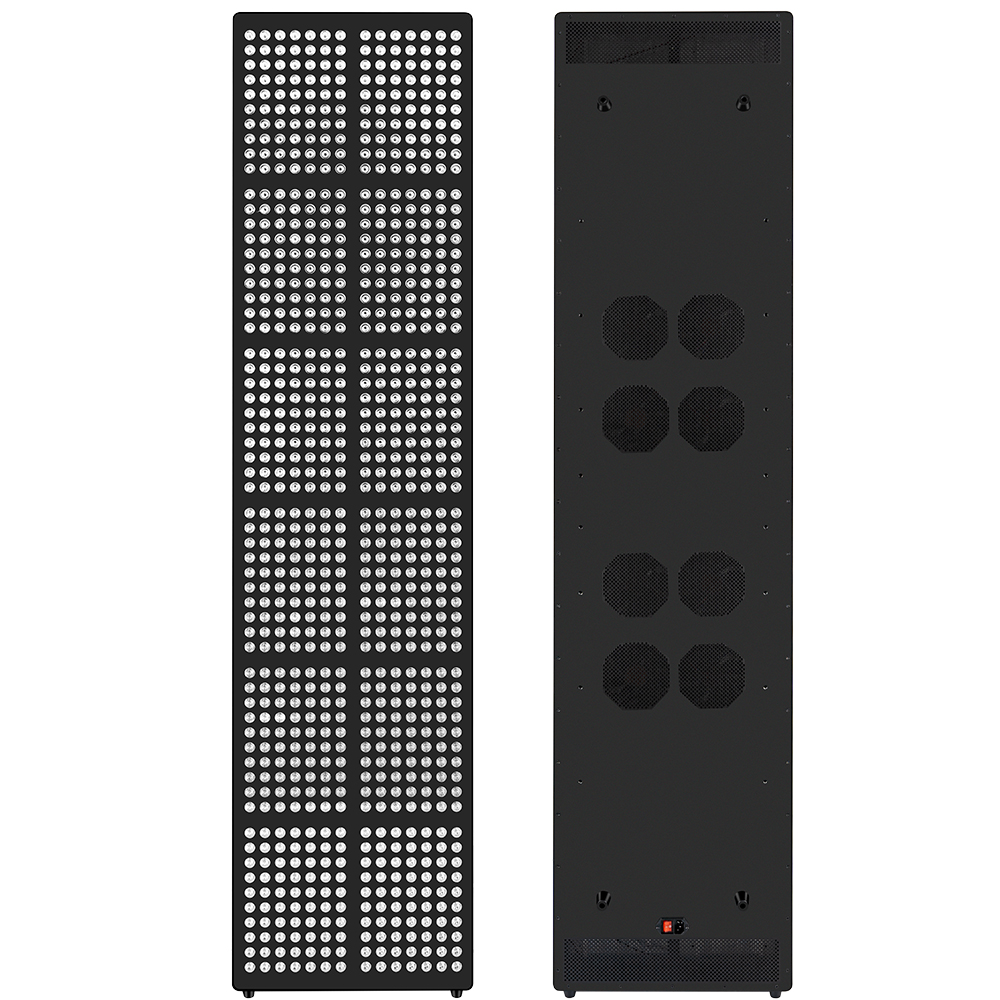
Professzionális és megbízható vörösfény-terápiás megoldást kereső felhasználóknak és vállalkozásoknak, Merican Red Light terápiás ágy M6N fejlett, teljes testre kiterjedő fotobiomodulációs élményt nyújt.
Az M6N egyesíti a professzionális LED-technológiát az optimalizált vörös és közeli infravörös hullámhosszokkal, olyan alkalmazásokhoz tervezték, mint pl:
- Wellness központok
- Szépségklinikák
- Fitness létesítmények
- Helyreállító stúdiók
- Prémium otthoni wellness terek
Merican több mint 18 több éves tapasztalat a vörös fényterápiás berendezések gyártásában, profi R támogatásával&D képességek, fejlett termelési létesítmények, és globális piaci tapasztalattal.
A cég biztosítja OEM & ODM testreszabási szolgáltatások, nemzetközi partnerek segítése testreszabott vörös fényterápiás megoldások kidolgozásában, beleértve a terméktervezést is, márkajelzés, és gyártási támogatás.
Megbízható technológiával, professzionális gyártási szakértelem, és a világméretű együttműködési lehetőségek, A Merican üdvözli a forgalmazókat, ügynökök, és wellness partnerei, hogy együtt bővítsék a növekvő fotobiomodulációs piacot.