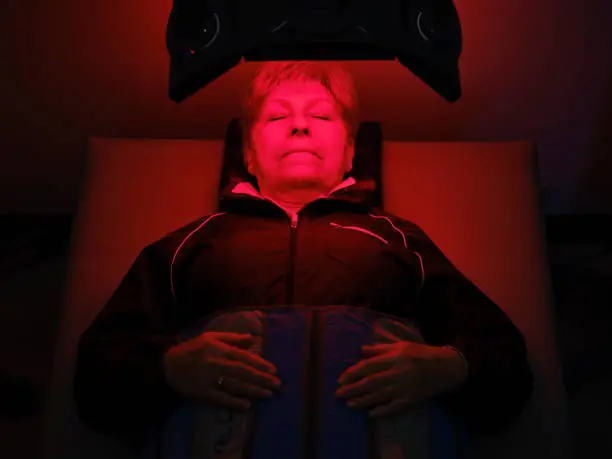
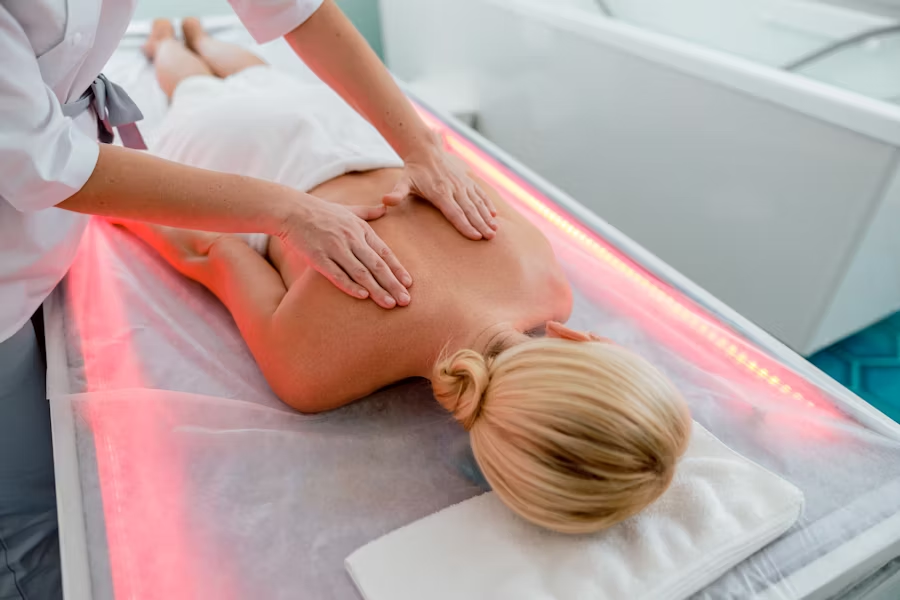
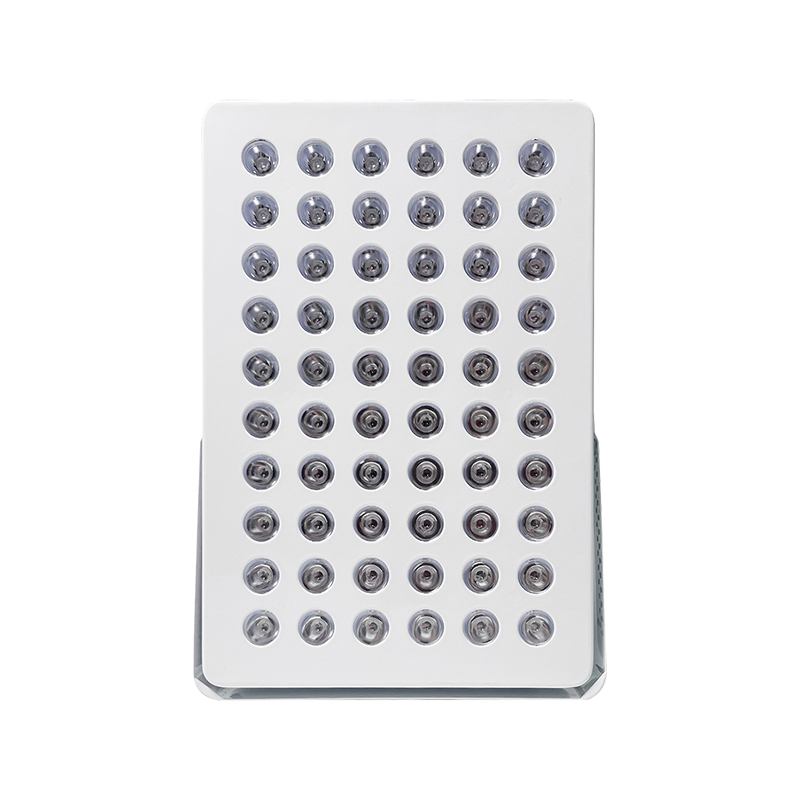
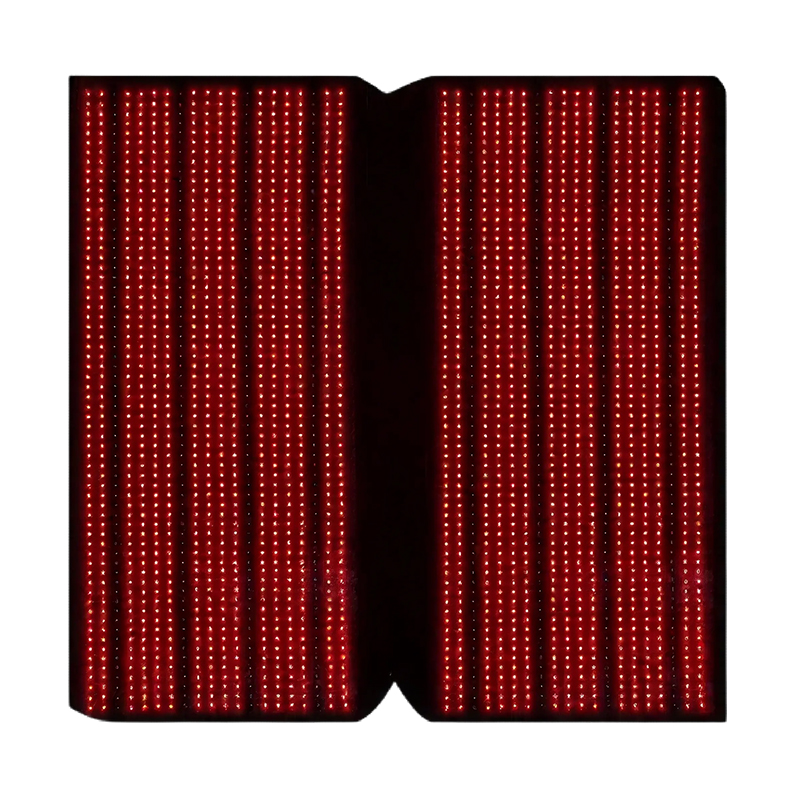
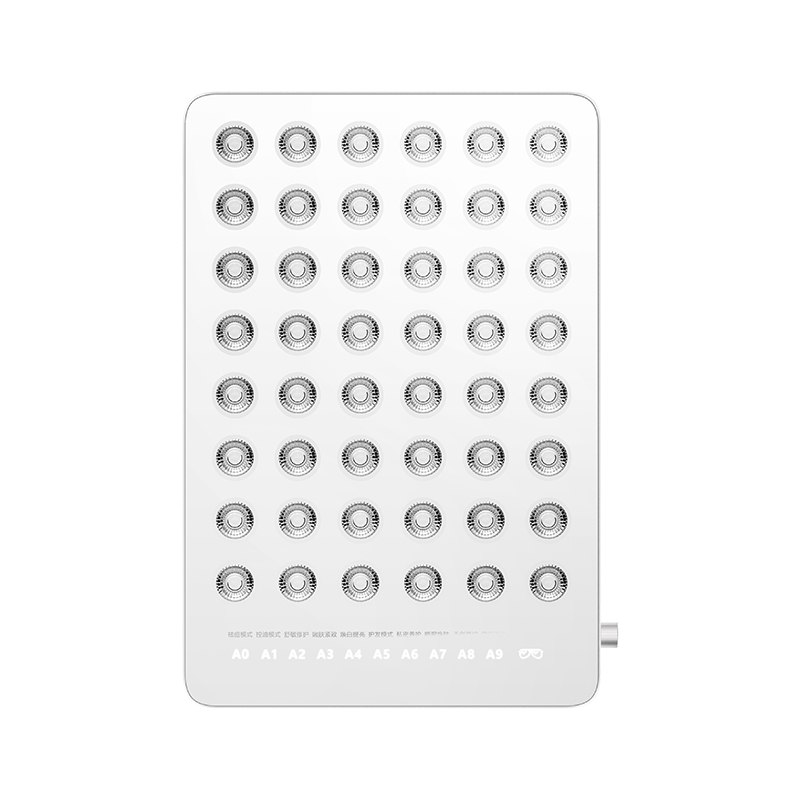
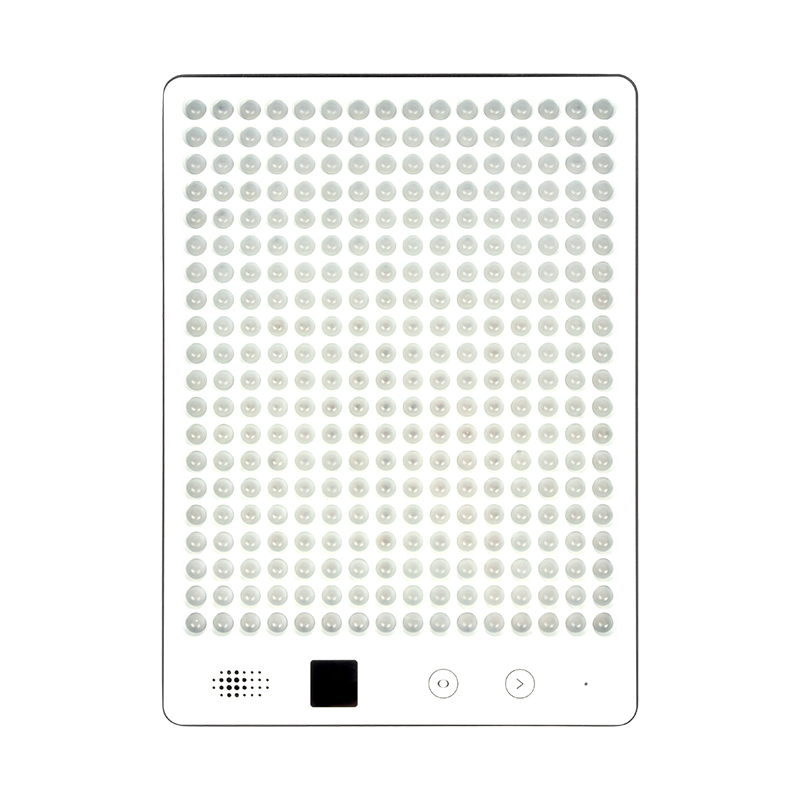
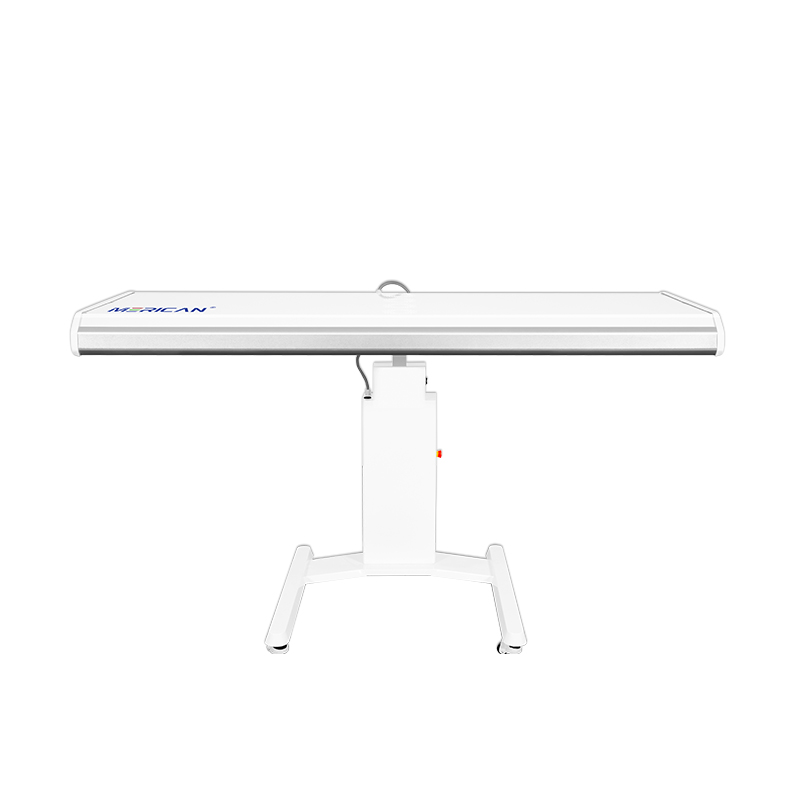
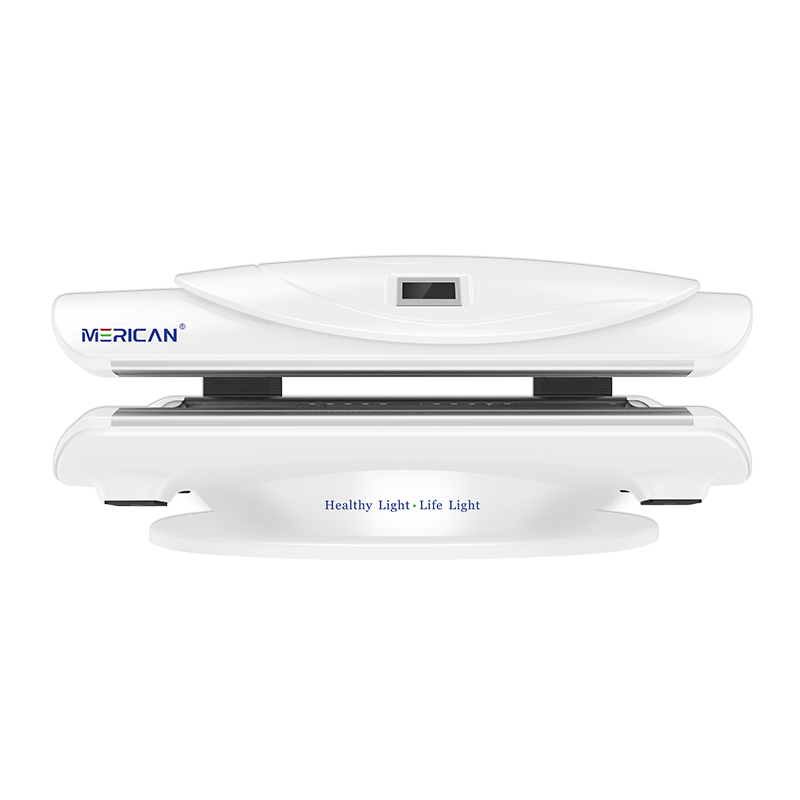
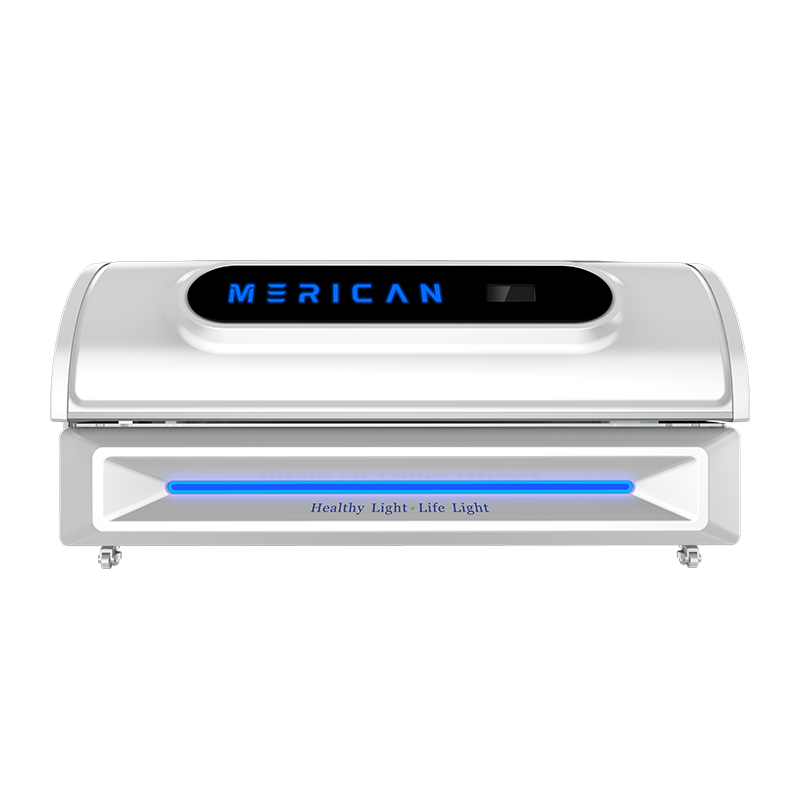
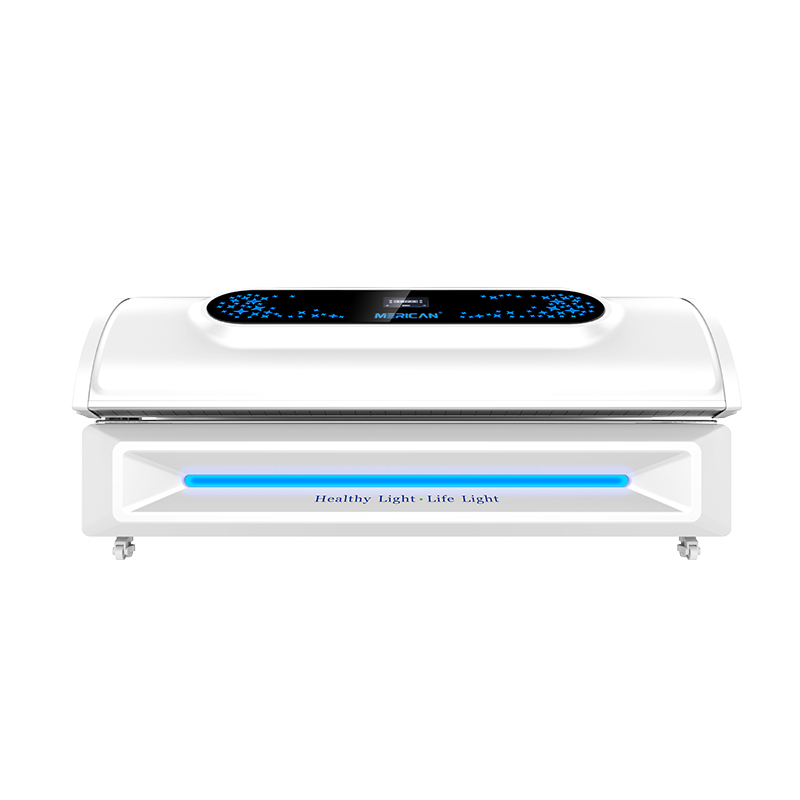
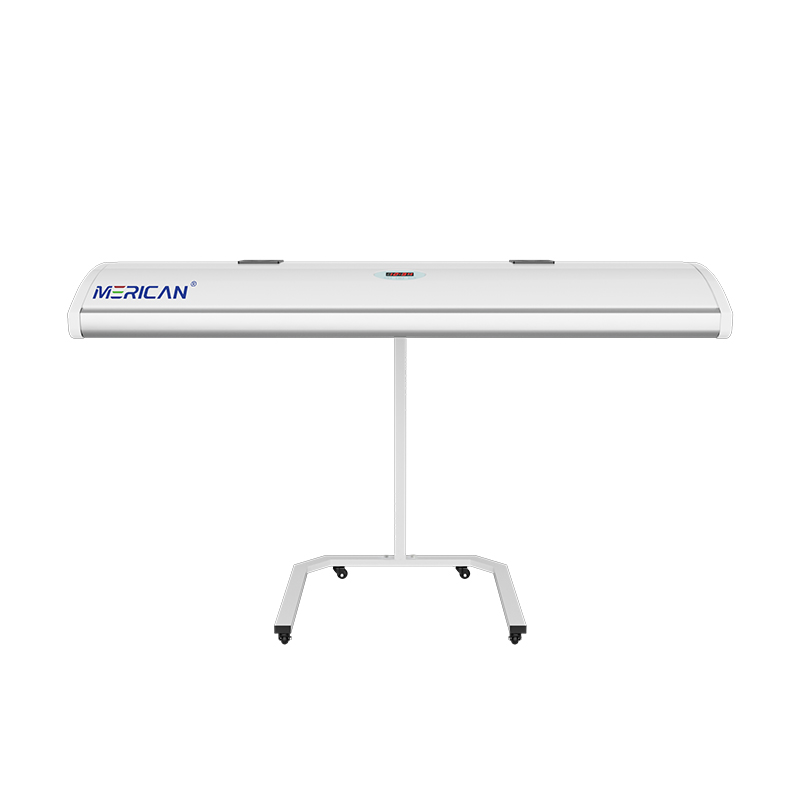
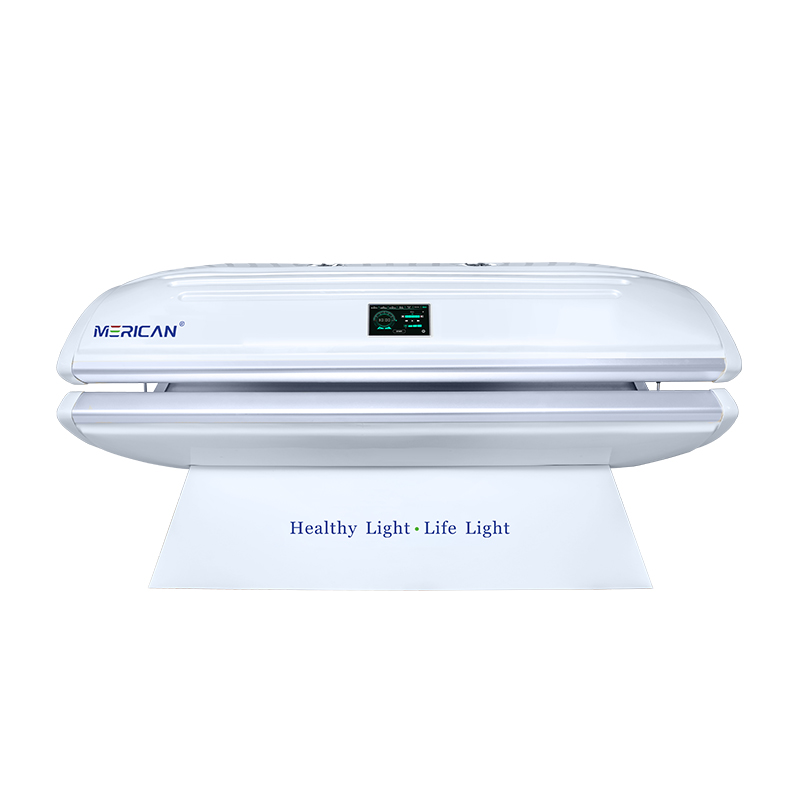
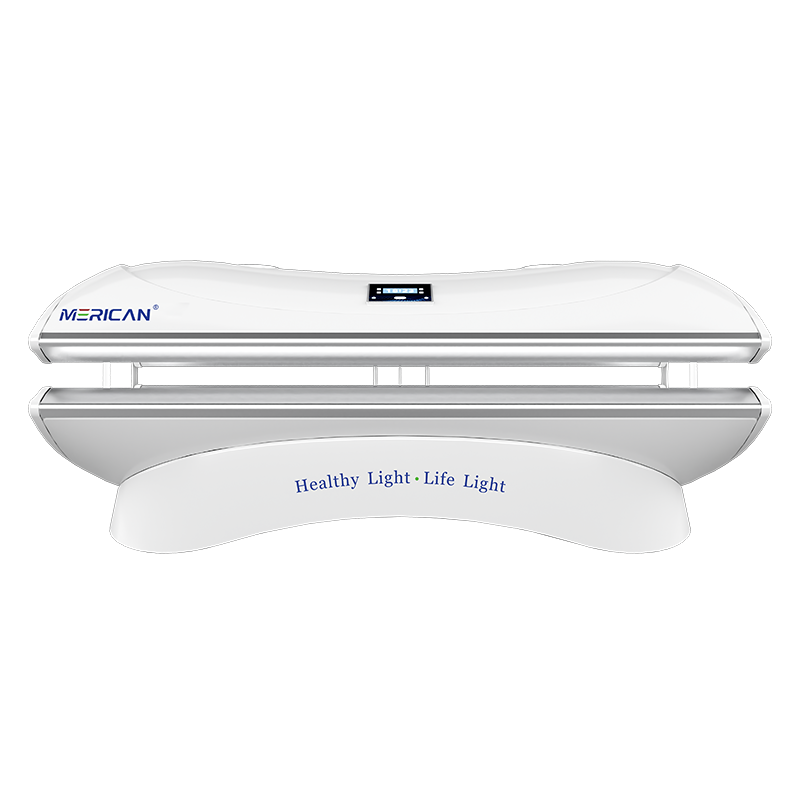
Whakamarama Whero Whero (RLT) e whakaatu ana i etahi kaha me te oati mo te maimoatanga pouri.
Ko nga korero e whai ake nei mo te Maama Whero Whero mo te maimoatanga pouri:
I. Nga Maapono Taketake o te Whakaora Marama Whero
Ko te Maama Whero he tikanga maimoatanga ma te whakamahi i nga taumata iti o te rama whero, ko te roangaru kei waenga i te 630nm me te 700nm. Ka mahi tenei rongoa i roto i te huarahi kore-ahuru ma te whakamaarama i te rama ki roto i te tinana ki te whakahohe i te mitochondria i roto i nga ruma., e whakatairanga ana i te kaha pūtau (ATP) whakangao me etahi atu paanga koiora.
II. Te tono o te Maama Whero Whero i roto i te maimoatanga o te pouri
1、Te whakapai ake i te mahi mitochondrial: Ko te ngoikoretanga o te mitochondrial tetahi waahanga nui i roto i te pathogenesis o te pouri. Ka taea e te rama whero te whakahohe i te mitochondria, te whakanui ake i a raatau mahi catalase, me te whakatairanga i te mate huka me te hanga ATP, na te whakapai ake i te mahi pūtau, ina koa te mahi a nga pūtau nerve.
2、Pānga anti-inflammatory: Ko te pathogenesis o te pouri e tino hono ana ki te urupare inflammatory. Ka taea e te irarangi whero whero te whakatika i nga ahuatanga anti-inflammatory ki te karo i nga tauhohenga neuroinflammatory, na reira ka whakaiti i nga tohu pouri.
3、Te whakarereketanga o nga neurotransmitters: Te whakaheke i nga mahi mahi o nga neurotransmitters monoaminergic (e.g., dopamine me te 5-hydroxytryptamine) ka kiia ko tetahi o nga tikanga pathogenic nui o te pouri. Kua panuitia te whakamaarama rama whero hei whakarei ake i te tuku dopaminergic i nga rohe roro, na reira ka pai ake nga tohu pouri.
4、Te whakaritenga o te biorhythms: He maha nga wa ka pangia e nga turoro te pouri i nga mate biorhythmic, ina koa te pouri o te tau. Ko te rama whero he aukati i te whakaputanga o te melatonin me te whakahaere i nga riipene circadian, na reira ka pai ake te moe me te ahua.
He aha te Paheketanga? Nga Tohu me te Maimoatanga
E ai ki te American Psychiatric Association, pouri, e mohiotia ana ano he mate pouri nui, MDD ranei, “He mate hauora noa, tino kino e pa ana ki o ahua, te ahua o to whakaaro me o mahi”. Ahakoa he tokomaha e hono ana i te ahua ki te pouri, he maha atu ano nga tohu ka tino whakararu i te oranga me te oranga o te tangata. Ko etahi o enei ko:
*Te kore o te hihiko, te ngaro ranei o te hiahia ki nga mahi i paingia e koe
*Nga raruraru moe (ohoroa, moe nui ranei)
*Te riri, te riri ranei
*Te kore o te kaha, te tino ngenge ranei
*Te kore o te hiahia, te piki haere ranei o te kai
*Te awangawanga, te korekore ranei
*Te mau mana'o faufaa ore
*He uaua ki te whakaaro, ki te aro ranei
*Nga whakaaro mo te mate, mo te whakamomori ranei
*Nga tohu-a-tinana kaore i whakamaramatia (te mamae o nga uaua me nga hononga, te mahunga ranei)
Ko te maha me te kaha o nga tohu ka rereke mai i tetahi tangata ki tera. Ko te maimoatanga angamaheni mo te pouri he rongoa (he rau nga rongoa ka whakamahia hei rongoa i te mate, a he maha nga whakamatautau me te he kia kitea tetahi e pai ana mo te tangata takitahi), rongoā (hinengaro-whanonga ranei psychodynamic therapy, hei tauira), he huinga ranei o nga mea e rua.
Mahalo kei te titiro koe ki te rarangi i runga ake nei me te whakaaro, “He rite tenei ki ahau”. Akene pea kei a koe he tātaritanga me te rapu huarahi whai hua hei taapiri i to maimoatanga o naianei. Ahakoa to ahuatanga, he mea nui ki te timata i tenei haerenga me to taakuta, i te mea he kino nga hua ka puta mai i te taatai-whaiaro me te maimoatanga kaore i te tirotirohia.
III. Akoranga Haumanu me nga Whakaaturanga
I nga tau tata nei, kua nui ake nga rangahau haumanu i tautoko i te whakamahinga o te Red Light Therapy i roto i te maimoatanga o te pouri. Hei tauira, a research team from the City University of Hong Kong found that red light irradiation can activate mitochondria and promote cell synthesis, he pai ki te whakatikatika me te whakahou i nga kopa kua pakaru, and then stimulate neural tissues to achieve therapeutic purposes. I tua atu, a study conducted by a team from Wenzhou Medical University and Zhejiang Key Laboratory of Neurology Research also showed that red light irradiation can improve depression-like behavior in mice.
IV. Why use red light therapy?
When we don’t get adequate natural light, it affects every cell and process within our body. Humans were made to use sunlight for optimal health. Healthy light is essential to every cell’s function, and a lack of light can lead to chronic disease and illness.
Lack of sunlight has been known to cause anxiety and depression because not enough sunshine depletes brain serotonin and dopamine levels, and those low levels can lead to disabling mood conditions. Staying indoors for extended periods affects mental well-being. In addition to clinical depression and anxiety, low levels of Serotonin are also associated with depressive disorders like seasonal affective disorder (POuri), a type of mood disorder influenced by the changing daylight hours.
Ka taea e te whakamaarama rama whero motuhake:
- Whakanuia nga taumata kaha puhoi
- Tautokohia te ahua taurite
- Whakapai ake i te marama o te hinengaro me te maia
- Whakapai ake i te pai whanui, me te marino, me te whakaiti i te awangawanga
- Whakaitihia te pouri o te tau (POuri)
While red light therapy devices can have these benefits, they should never replace working with a mental health professional or other treatments for anxiety, pouri, or the like.
Hei whakatau, Whakamarama Whero Whero, as an emerging non-invasive treatment method, shows some potential and promise in the treatment of depression. With the deepening of research and the continuous development of technology, it is believed that it will bring benefits to more depressed patients in the future.