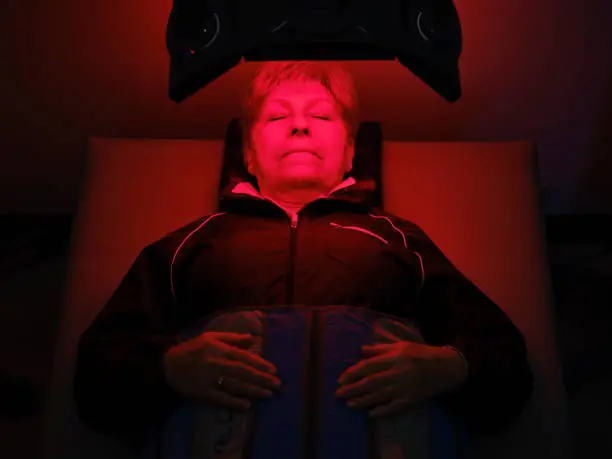
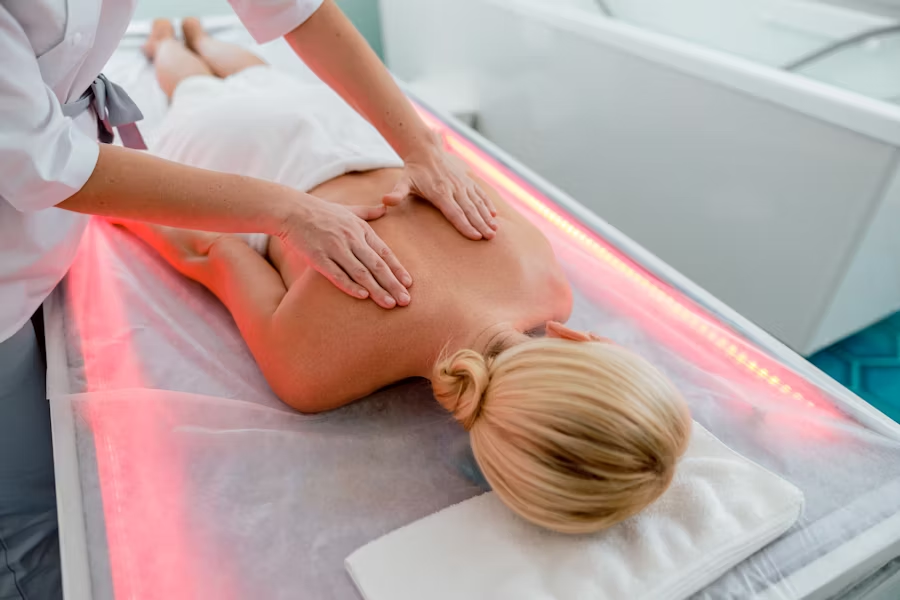
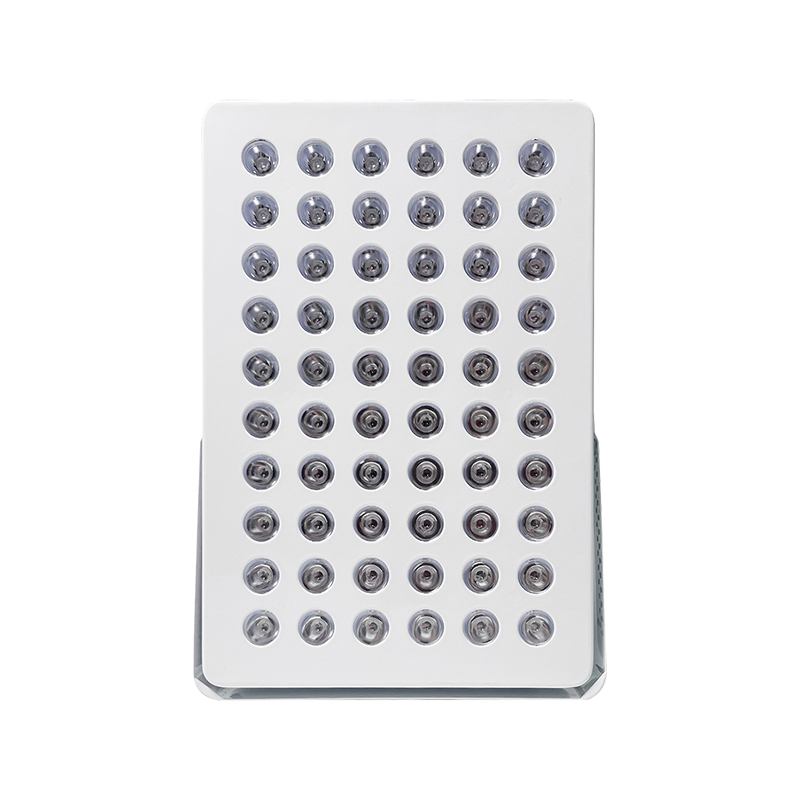
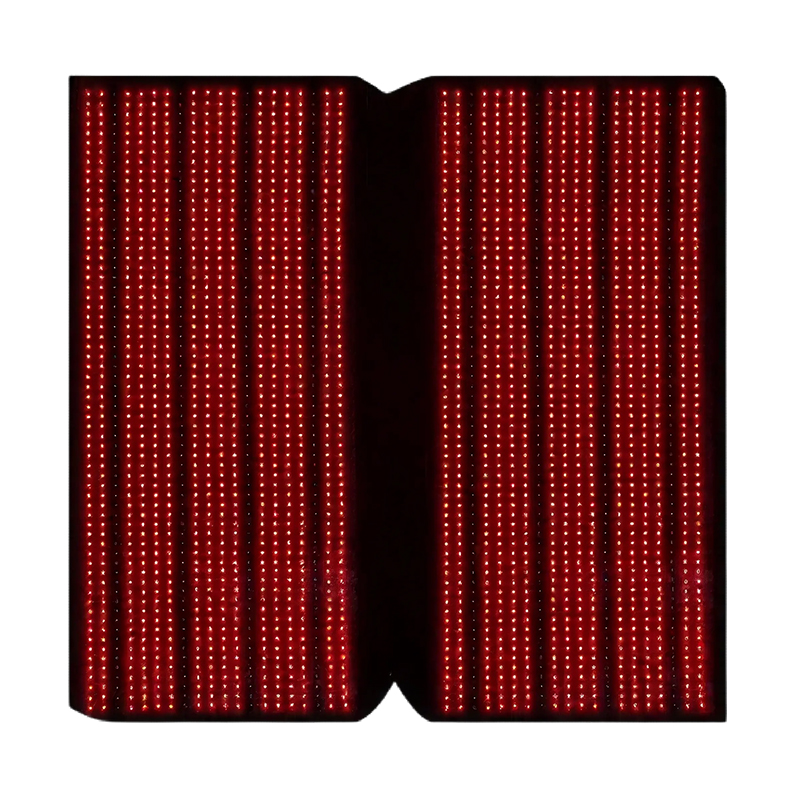
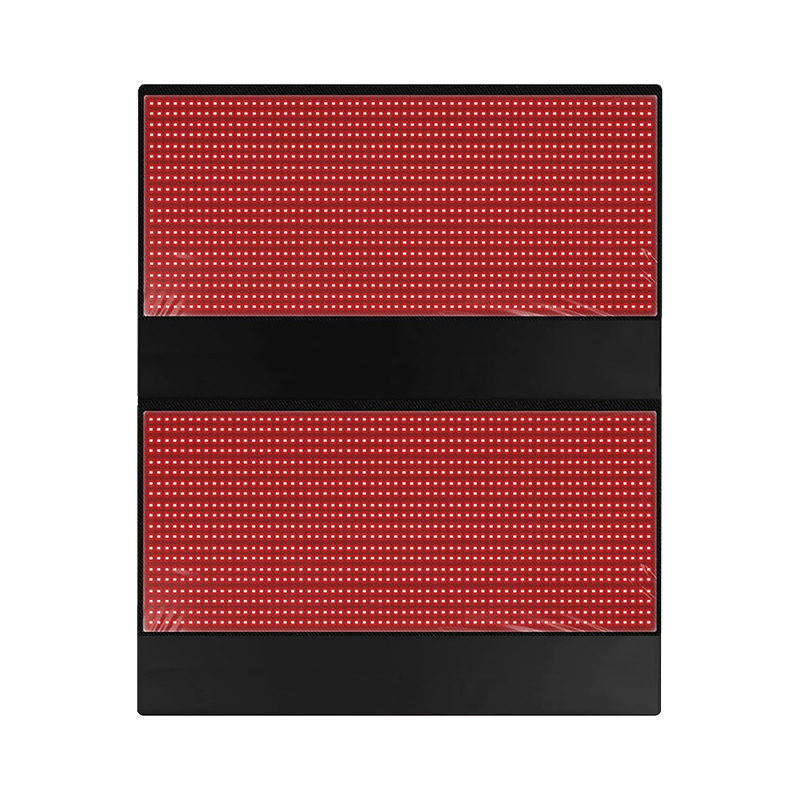
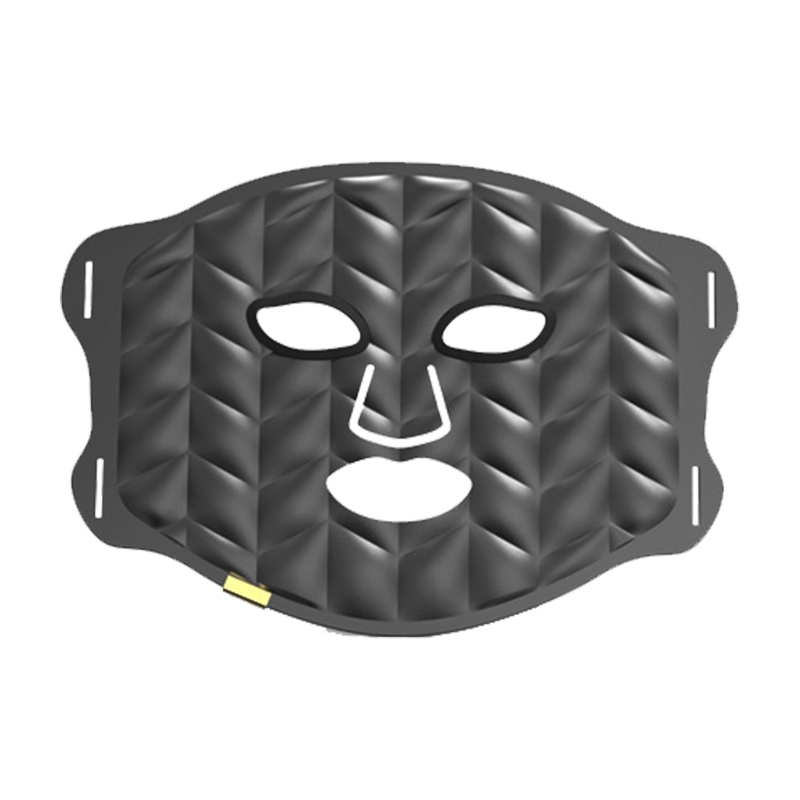
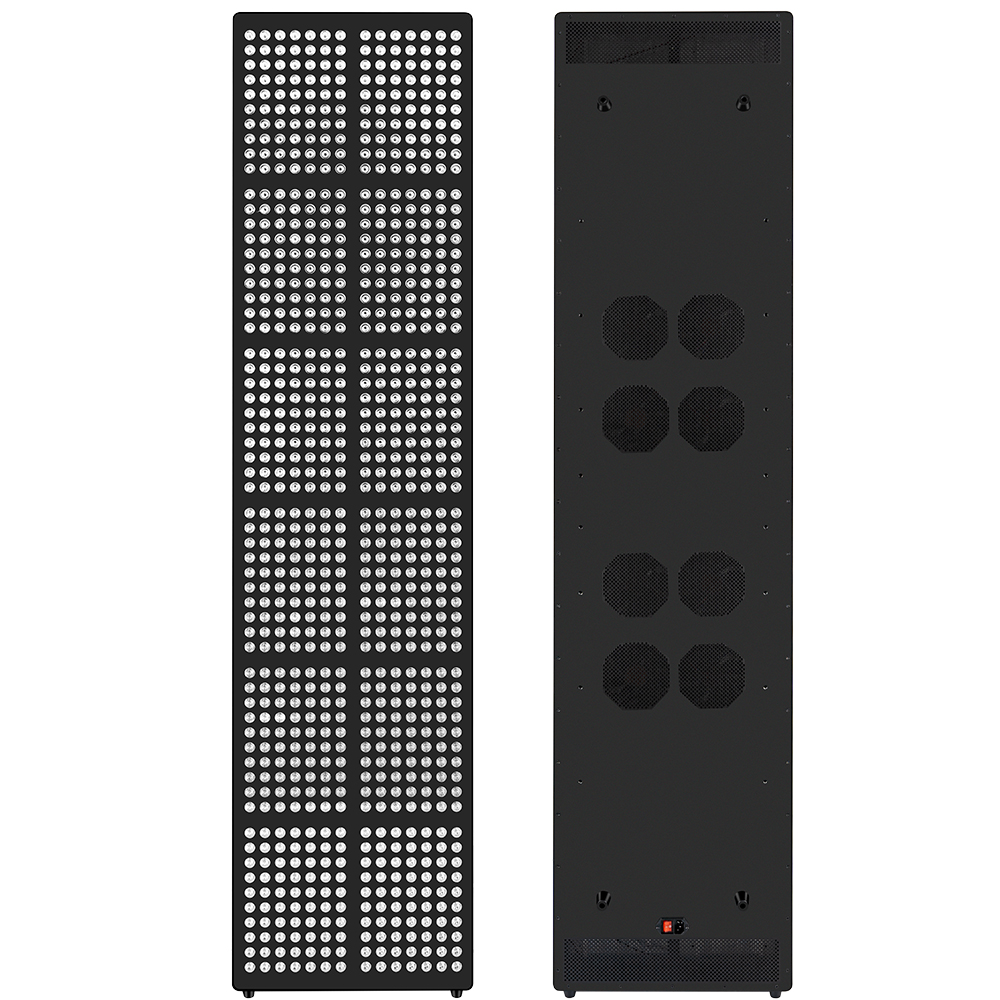
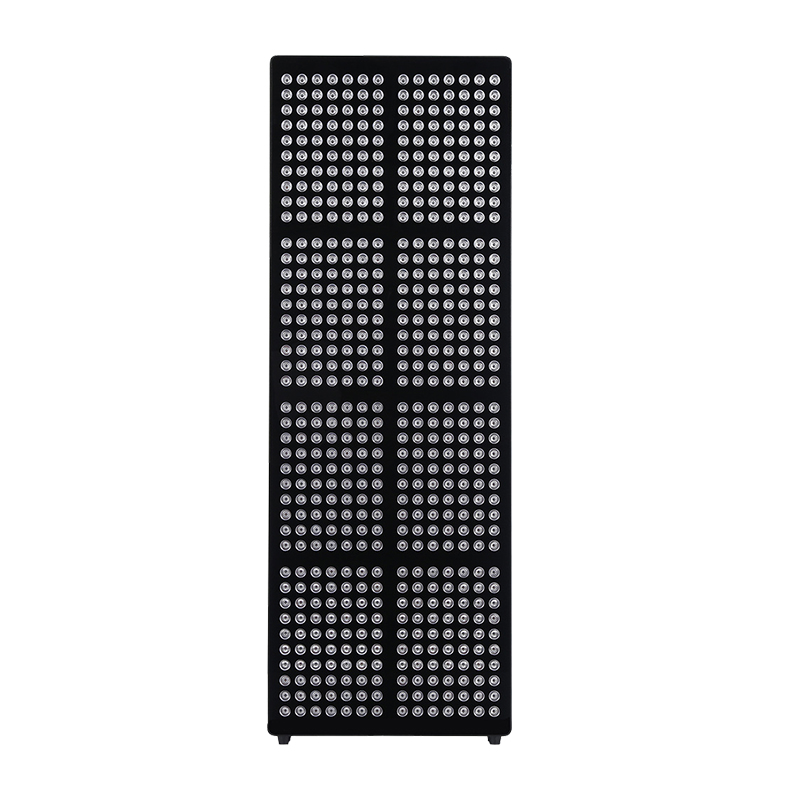
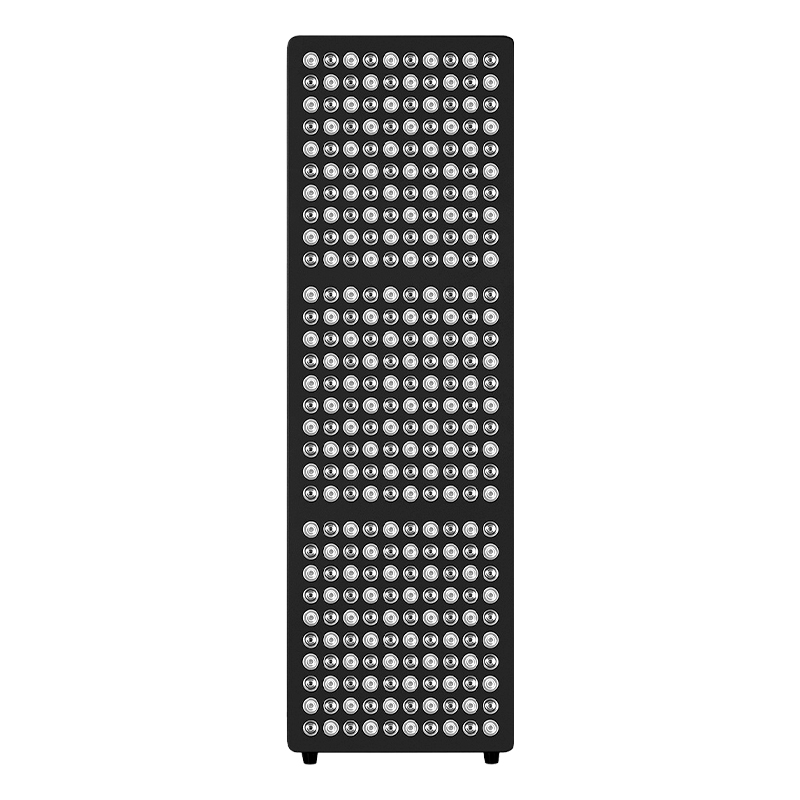
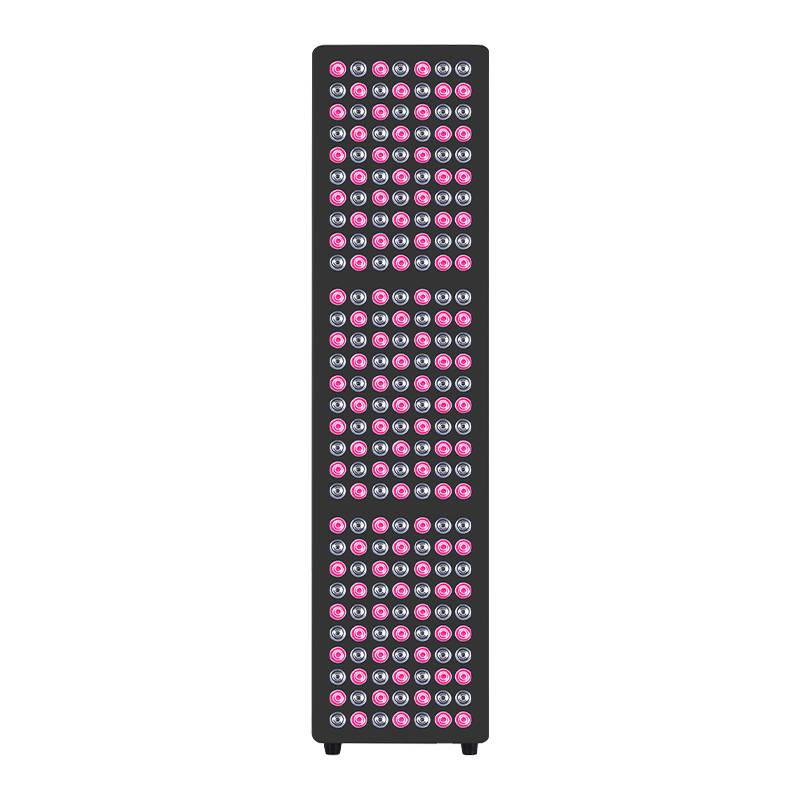
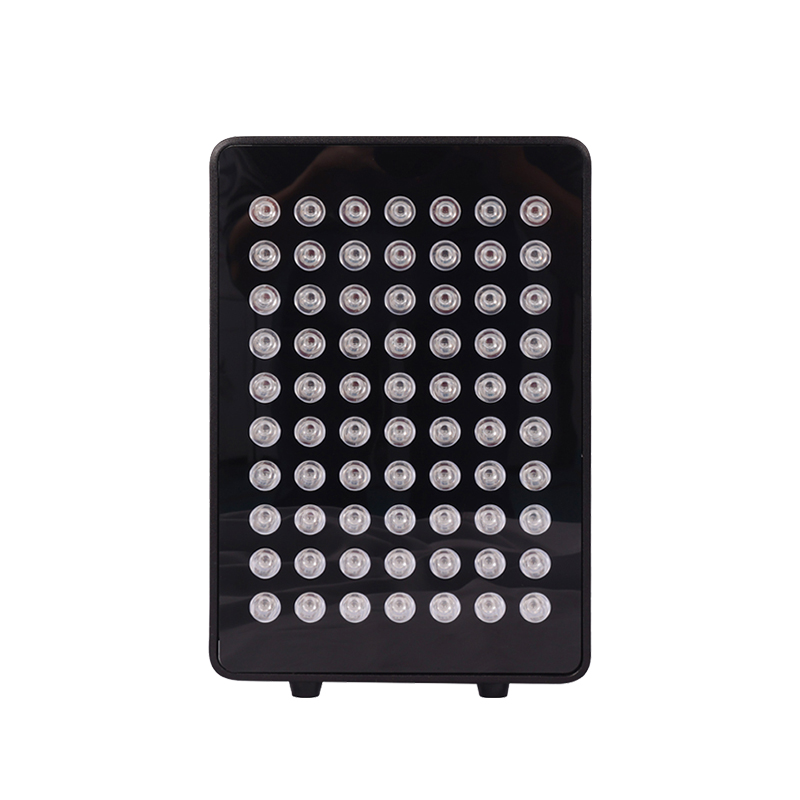
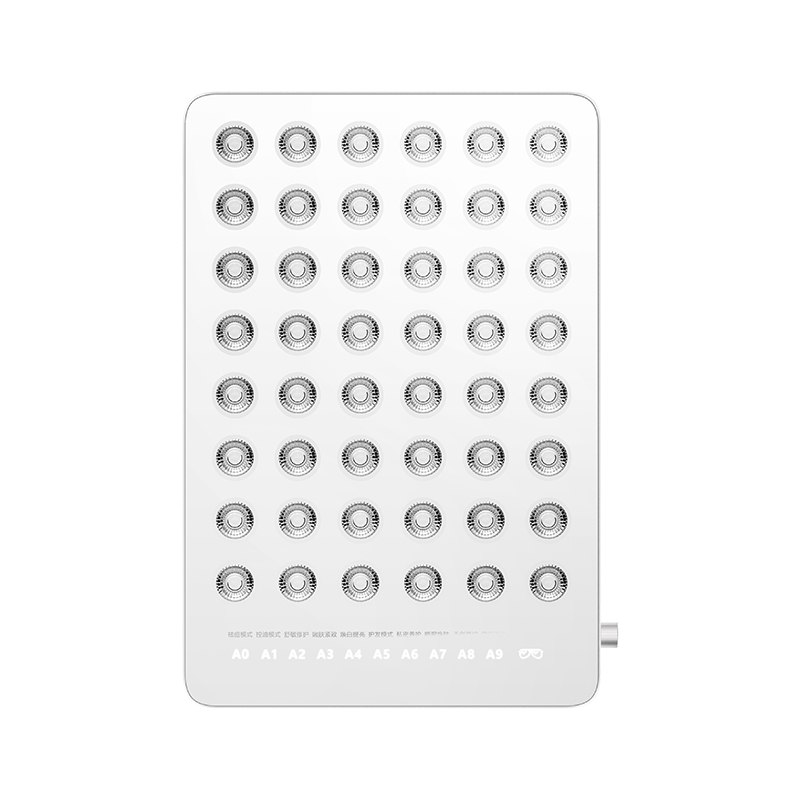
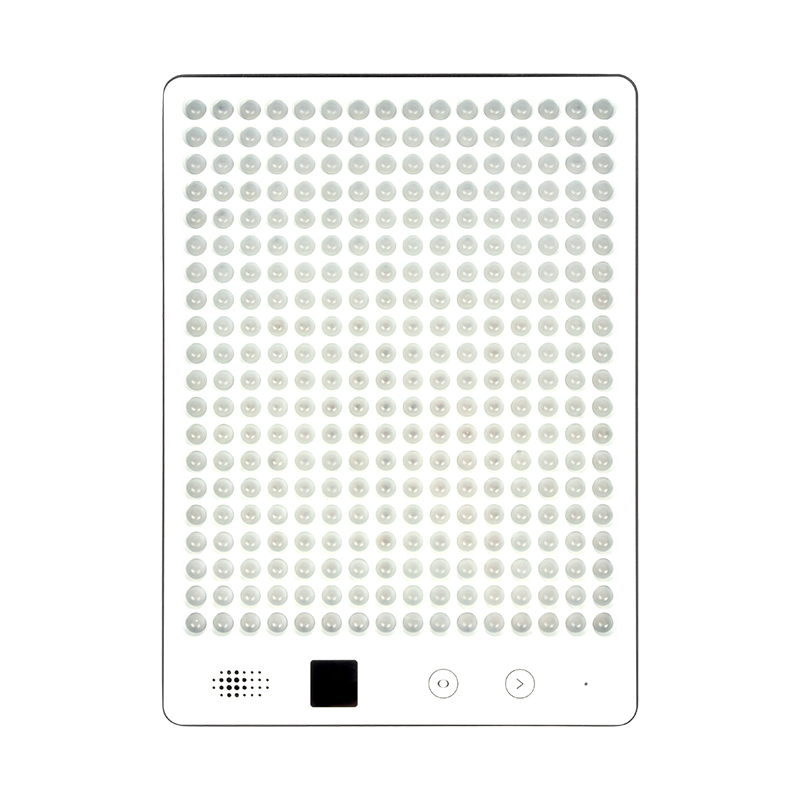
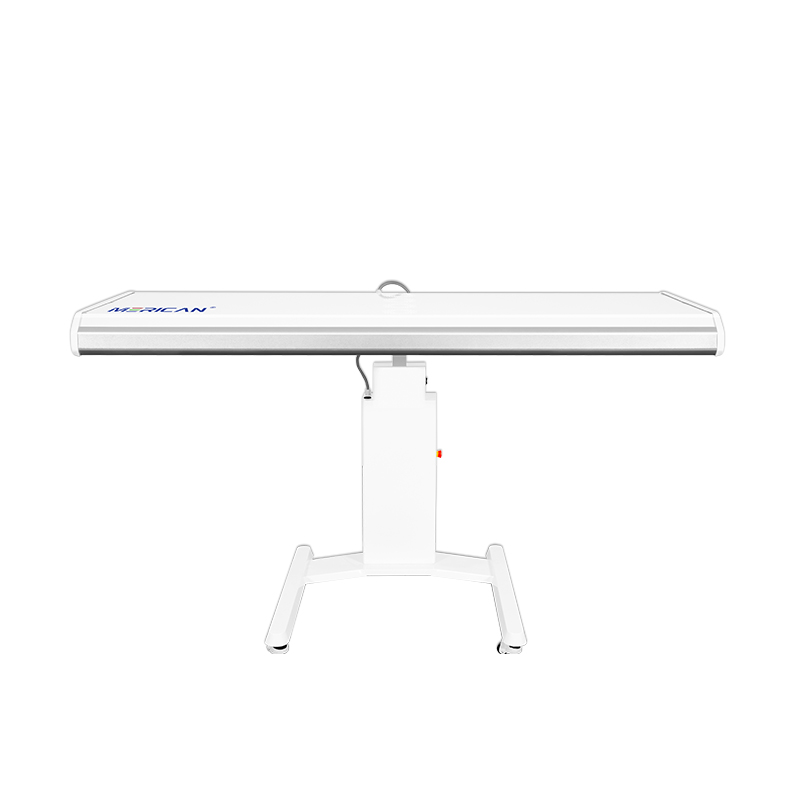
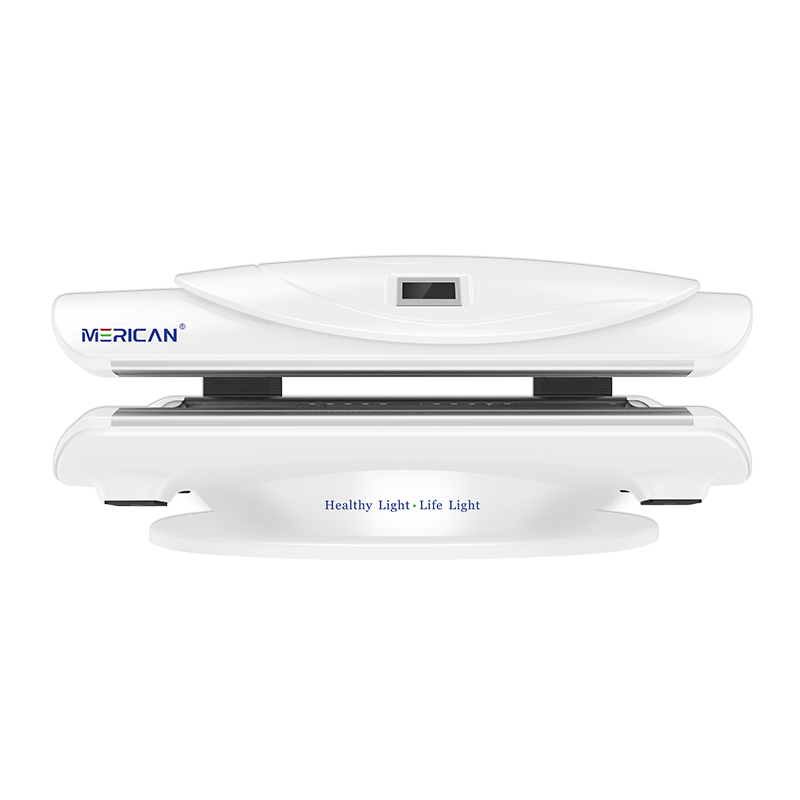
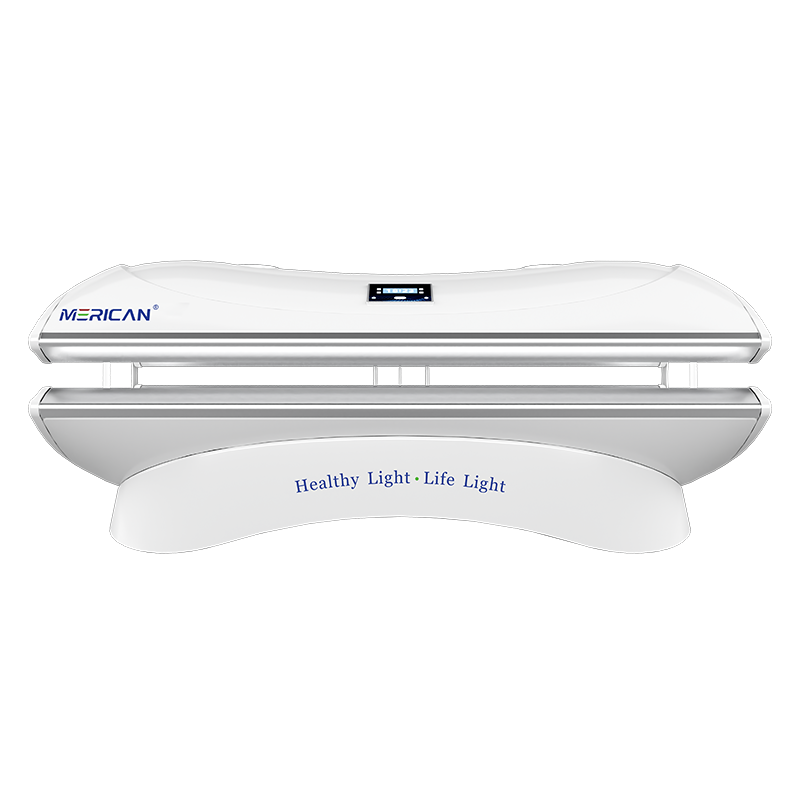
Teiripe Solas Dearg (RLT) léiríonn roinnt acmhainneacht agus gealltanas i gcóireáil dúlagar.
Seo a leanas anailís mhionsonraithe ar Theiripe Solas Dearg i gcóireáil dúlagar:
mé. Bunphrionsabail Teiripe Solais Dheirg
Is modh cóireála é Teiripe Solais Dheirg a úsáideann leibhéil ísle solas dearg, a bhfuil a tonnfhad idir 630nm agus 700nm de ghnáth. Oibríonn an teiripe seo ar bhealach neamh-ionrach trí solas a ionradaíocht isteach sa chorp chun na mitochondria laistigh de na cealla a ghníomhachtú., rud a chuireann fuinneamh cheallacha chun cinn (ATP) táirgeadh agus éifeachtaí bitheolaíocha eile.
II. Feidhm Teiripe Solais Dheirg i gcóireáil an dúlagar
1、Feabhas ar fheidhm mitochondrial: Is gné thábhachtach é dysfunction mitochondrial i pathogenesis an dúlagar. Is féidir le ionradaíocht solas dearg mitochondria a ghníomhachtú, a ngníomhaíocht catalase a mhéadú, agus meitibileacht siúcra agus táirgeadh ATP a chur chun cinn, dá bhrí sin feabhas a chur ar fheidhm na cille, go háirithe feidhm na gcealla nerve.
2、Éifeacht frith-athlastach: Tá dlúthbhaint ag pathogenesis an dúlagar leis an bhfreagra athlastach. Red light irradiation can up-regulate anti-inflammatory factors to avoid neuroinflammatory reactions, thus reducing depressive symptoms.
3、Modulation of neurotransmitters: Reduced functional activity of monoaminergic neurotransmitters (e.g., dopamine and 5-hydroxytryptamine) is considered to be one of the important pathogenic mechanisms of depression. Red light therapy has been reported to enhance dopaminergic transmission in brain regions, thereby improving depressive symptoms.
4、Regulation of biorhythms: Depressed patients often suffer from biorhythmic disorders, especially seasonal depression. Red light inhibits melatonin secretion and regulates circadian rhythms, thereby improving sleep and mood.
What is Depression? Symptoms and Treatment
According to the American Psychiatric Association, dúlagar, also known as major depressive disorder or MDD, “is a common and serious medical condition that affects how you feel, the way you think and how you act”. While many associate the condition with sadness, it has a host of other symptoms that can significantly impair a person’s life and well-being. Some of these include:
*Lack of motivation or loss of interest in activities once enjoyed
*Suaitheadh codlata (insomnia or sleeping too much)
*Irritability or angry outbursts
*Lack of energy or extreme fatigue
*Lack of appetite or increased food intake
*Anxiety or restlessness
*Feelings of worthlessness
*Difficulty thinking or concentrating
*Thoughts of death or suicide
*Unexplained physical symptoms (aching muscles and joints or headache)
The number and severity of symptoms can vary from one individual to the next. Typical treatment for depression involves medication (there are hundreds of medications used to treat the condition, and it can take a lot of trial and error to find one that works for the individual), teiripe (cognitive-behavioral or psychodynamic therapy, for instance), nó meascán den dá rud.
Perhaps you’re looking at the list above and thinking, “This sounds like me”. Or maybe you have a diagnosis and you’re looking for an effective way to supplement your current treatment. Whatever your situation, it’s crucial to embark on this journey with your doctor, as self-diagnosis and unsupervised treatment can have dire consequences.
III. Clinical Studies and Evidence
Le blianta beaga anuas, more and more clinical studies have supported the application of Red Light Therapy in the treatment of depression. Mar shampla, a research team from the City University of Hong Kong found that red light irradiation can activate mitochondria and promote cell synthesis, which is conducive to the repair and regeneration of damaged tissues, and then stimulate neural tissues to achieve therapeutic purposes. Ina theannta sin, a study conducted by a team from Wenzhou Medical University and Zhejiang Key Laboratory of Neurology Research also showed that red light irradiation can improve depression-like behavior in mice.
IV. Why use red light therapy?
When we don’t get adequate natural light, it affects every cell and process within our body. Humans were made to use sunlight for optimal health. Healthy light is essential to every cell’s function, and a lack of light can lead to chronic disease and illness.
Tá a fhios go bhfuil easpa solas na gréine ina chúis imní agus dúlagar mar nach ídíonn dóthain solas na gréine leibhéil serotonin inchinn agus dopamine, agus is féidir coinníollacha giúmar díchumasaithe a bheith mar thoradh ar na leibhéil ísle sin. Cuireann fanacht taobh istigh ar feadh tréimhsí fada isteach ar fholláine mheabhrach. Chomh maith le dúlagar cliniciúil agus imní, tá baint ag leibhéil ísle Serotonin freisin le neamhoird dúlagair cosúil le neamhord affective séasúrach (Brónach), cineál neamhord giúmar a mbíonn tionchar ag uaireanta solas an lae atá ag athrú.
Is féidir teiripe solas dearg go sonrach:
- Méadú ar leibhéil fuinnimh sluggish
- Tacaigh le giúmar cothrom
- Feabhas a chur ar soiléireacht mheabhrach agus muinín
- Feabhas a chur ar dearfacht ghinearálta, agus socair, agus imní a laghdú
- Laghdaigh dúlagar séasúrach (Brónach)
Cé gur féidir na buntáistí seo a bheith ag feistí teiripe solais dearga, níor cheart dóibh choíche ionad oibre a dhéanamh le gairmí meabhairshláinte nó cóireálacha eile le haghaidh imní, dúlagar, nó a leithéid.
Mar fhocal scoir, Teiripe Solas Dearg, mar mhodh cóireála neamh-ionrach atá ag teacht chun cinn, léiríonn roinnt acmhainneacht agus gealltanas i gcóireáil an dúlagar. Le doimhniú taighde agus forbairt leanúnach na teicneolaíochta, creidtear go dtabharfaidh sé tairbhí d’othair níos dúlagar sa todhchaí.