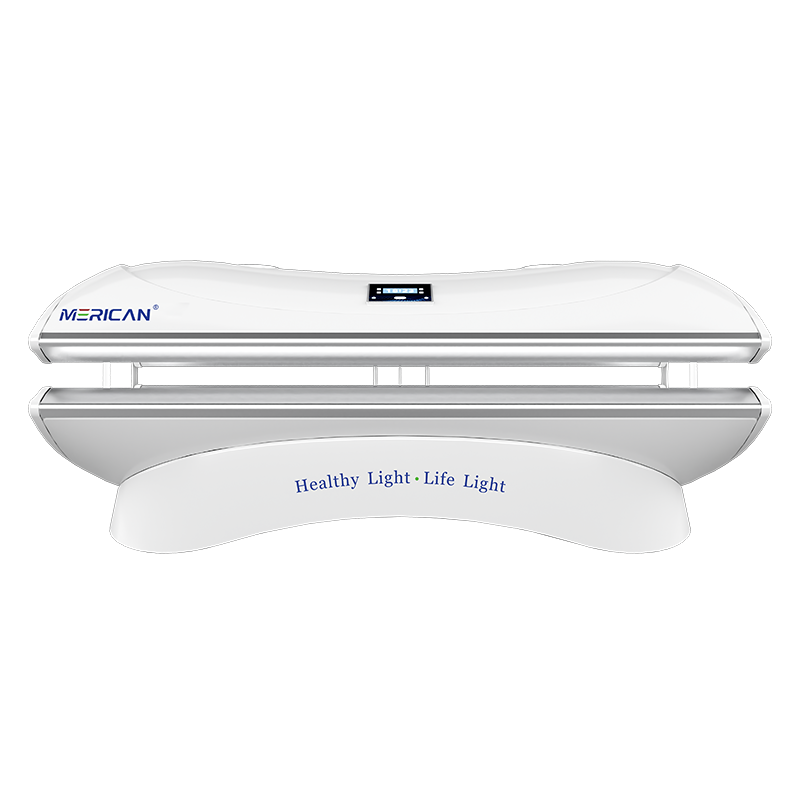
How Red Light Therapy Can Help Fibromyalgia
Fibromyalgia is a chronic condition characterized by widespread pain, ngenge, me te aro ki te pehanga. Te rongoa rama whero (RLT) kua puta mai he maimoatanga taapiri pai hei awhina i te whakahaere i nga tohu tohu fibromyalgia. Anei te mahi:
1. Ka whakaiti i te mamae mau tonu
- RLT penetrates deep into tissues, whakaongaonga pūngao pūtau (ATP) production and reducing inflammation.
- By calming overactive pain signals in the nervous system, it helps alleviate muscle and joint discomfort commonly experienced in fibromyalgia.
2. Ka whakapai ake i te Kounga Moe
- Fibromyalgia often disrupts sleep patterns, exacerbating fatigue and pain.
- RLT can help regulate melatonin production, improving sleep quality and supporting the body’s recovery process.
3. Whakangāwari i te uaua uaua
- Red and near-infrared light relax tight muscles, enhancing flexibility and reducing the stiffness that fibromyalgia patients frequently experience.
- This can lead to better mobility and overall comfort.
4. Whakanuia te Tohanga
- RLT boosts blood flow, delivering oxygen and nutrients to affected areas while removing waste products.
- Improved circulation aids in reducing localized pain and promoting healing in tender points.
5. Ka whakaiti i te ngenge
- By stimulating mitochondria, RLT enhances cellular energy levels, helping combat the chronic fatigue associated with fibromyalgia.
- This energy boost can improve overall quality of life and increase daily activity levels.
6. Minimizes Inflammation
- Chronic inflammation is a significant contributor to fibromyalgia symptoms.
- RLT reduces inflammation at a cellular level, easing pain and promoting long-term symptom relief.
7. Supports Mental Health
- RLT may alleviate symptoms of depression and anxiety often associated with fibromyalgia by boosting serotonin levels and promoting relaxation.
- This dual benefit addresses both physical and emotional aspects of the condition.
Using Red Light Therapy for Fibromyalgia
- Te riterite: Nga huihuinga auau (10–20 meneti) are needed to see noticeable improvements.
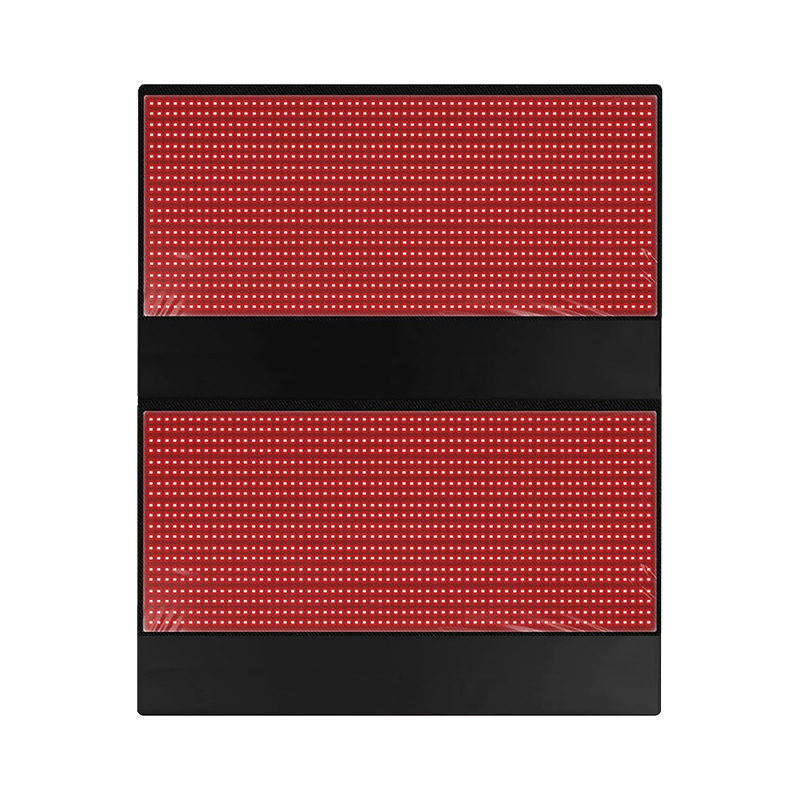
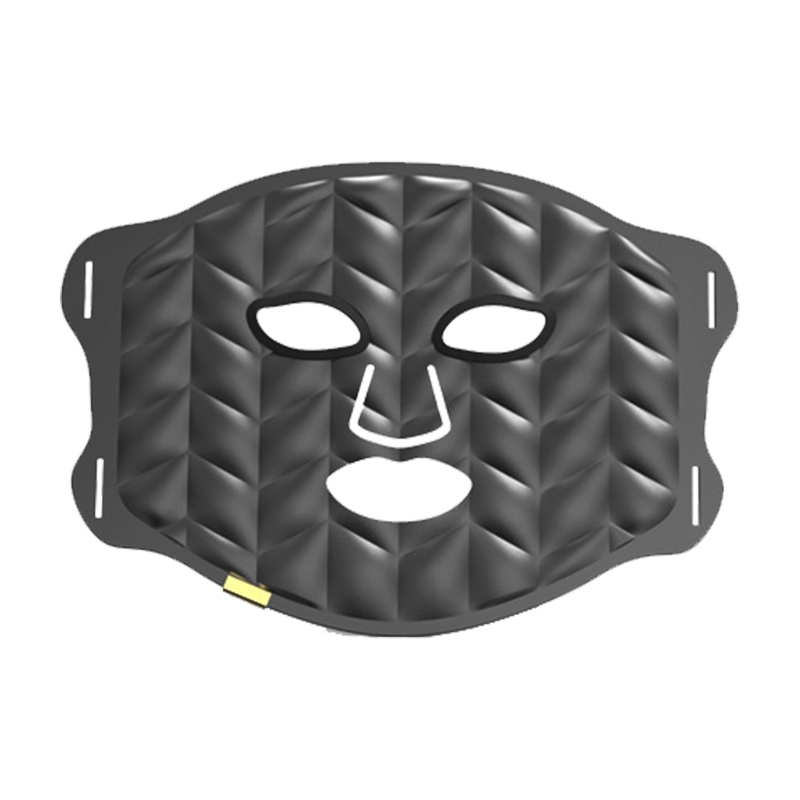
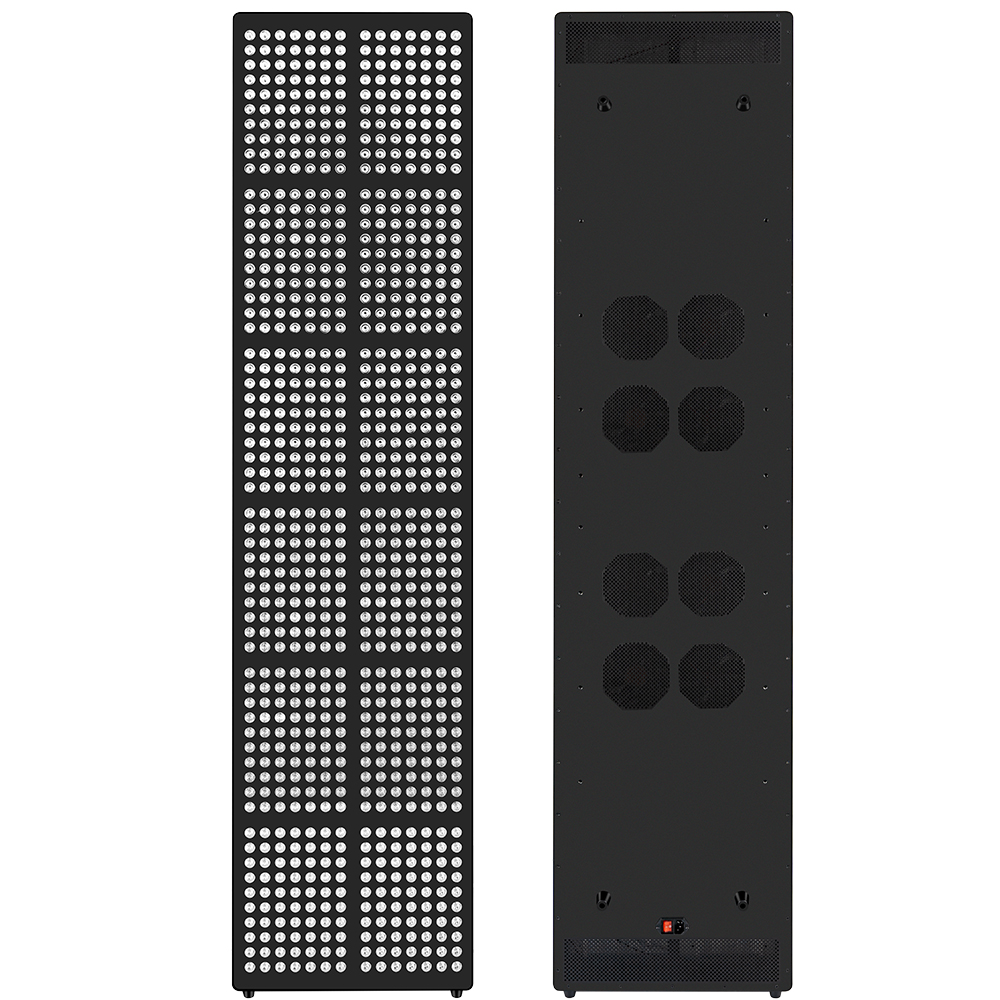
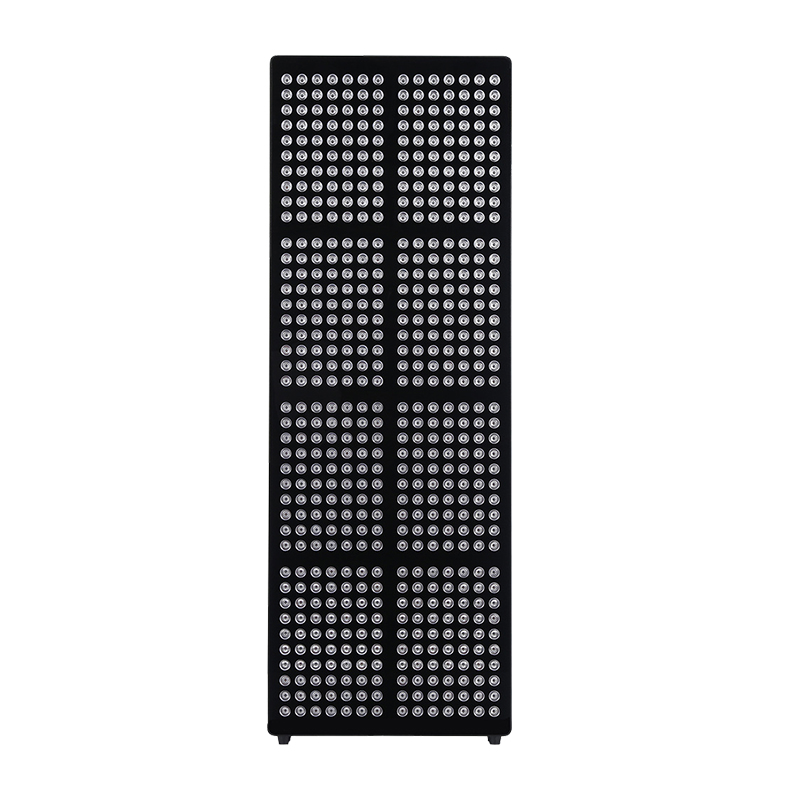
- Kōwhiringa Pūrere: Use FDA-cleared devices with both red (630–660 nm) me te tata-infrared (810–850 nm) wavelengths for optimal results.
- Whakawhitiwhitinga: Always consult a healthcare provider before starting therapy, especially if you have other medical conditions.
Whakamutunga
Ahakoa ehara i te rongoa, red light therapy offers a safe, non-invasive way to manage fibromyalgia symptoms. By addressing pain, ngenge, me te mumura, it can improve quality of life and complement other treatments effectively.