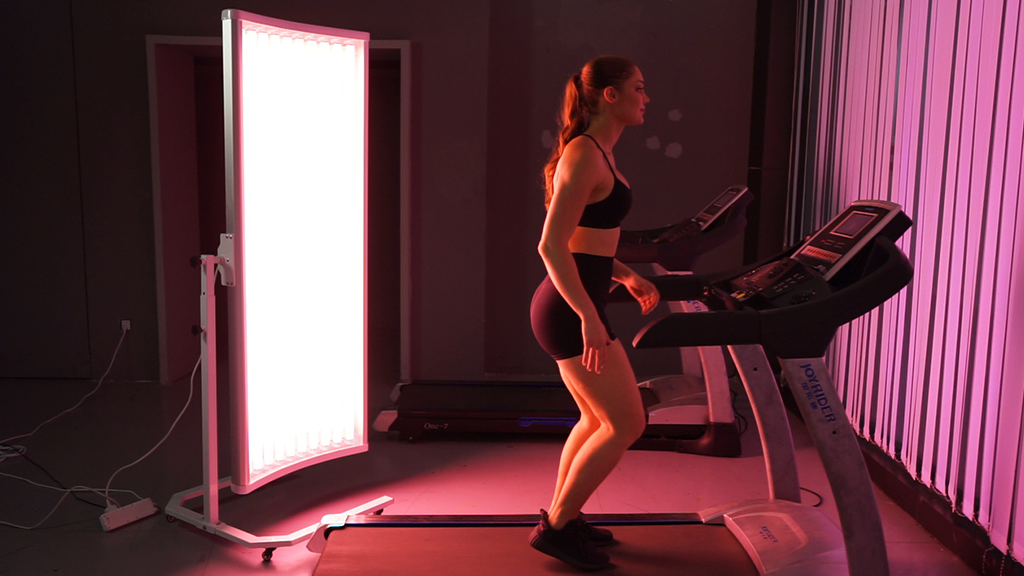
Van topsporters tot weekendgymbezoekers, spierherstel is de sleutel tot consistente prestaties. Traditionele herstelmethoden: stretchen, ijsbaden, and massage—are now being complemented by therapie met rood licht.
Why Red Light Therapy Is Popular in Sports Recovery
Athletes choose red light therapy because it:
- Works at the cellular level
- Requires no downtime
- Can be used before or after workouts
- Fits easily into training routines
In tegenstelling tot ijstherapie, Roodlichttherapie beperkt de bloedstroom niet, making it suitable for frequent use.
How to Use Red Light Therapy for Muscle Recovery
Best Times to Use
- Immediately after workouts
- On rest days
- During injury rehabilitation
Doelgebieden
- Legs (quads, hamstrings, kalveren)
- Back and shoulders
- Arms and core muscles
Typical Protocol
- 10–15 minuten per sessie
- 3–5 sessies per week
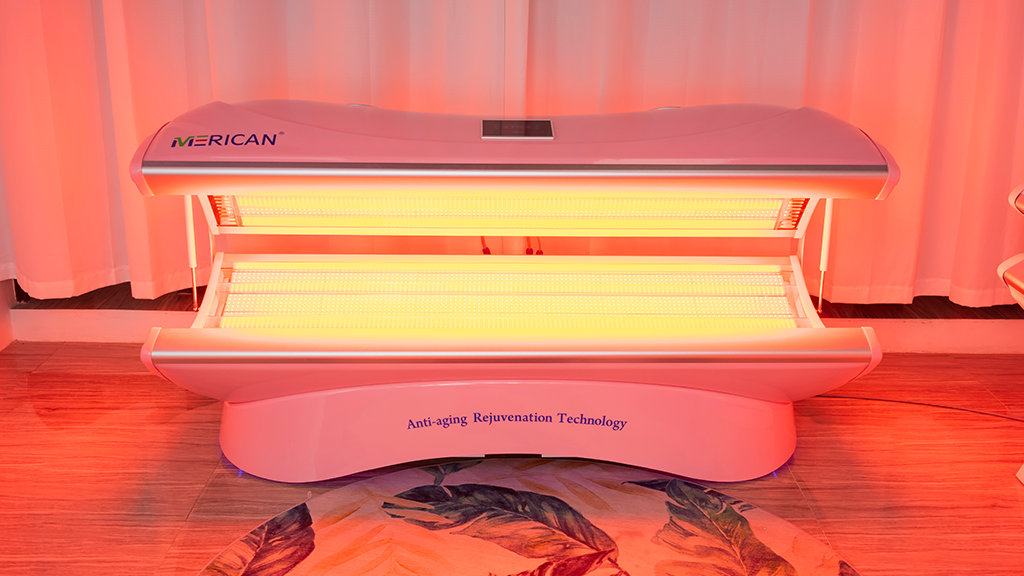
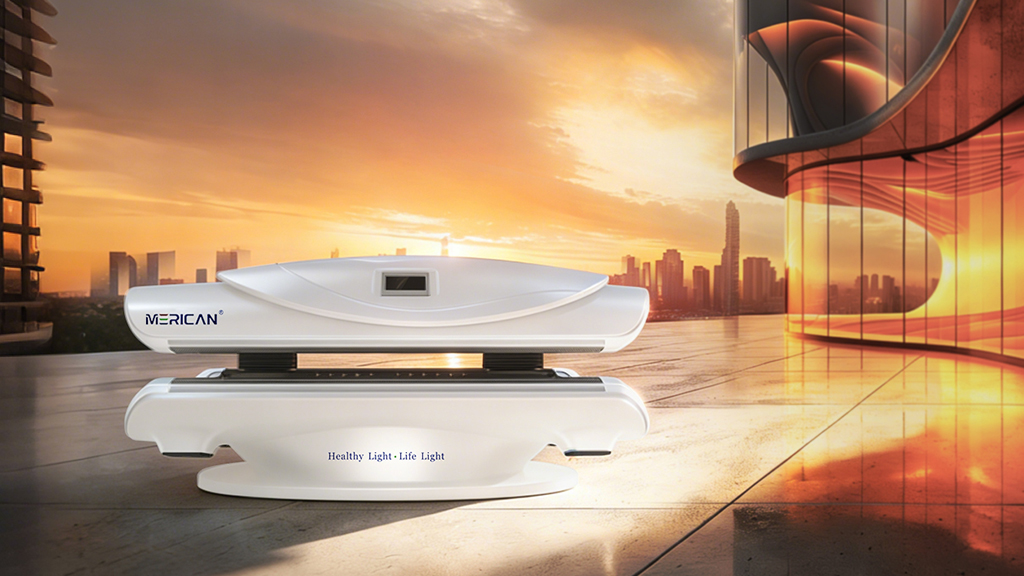
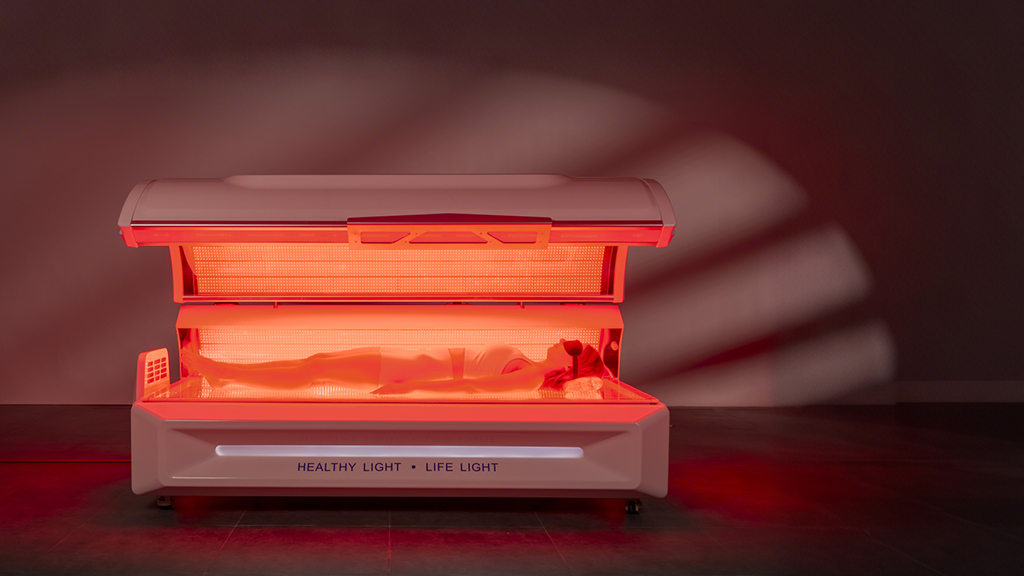
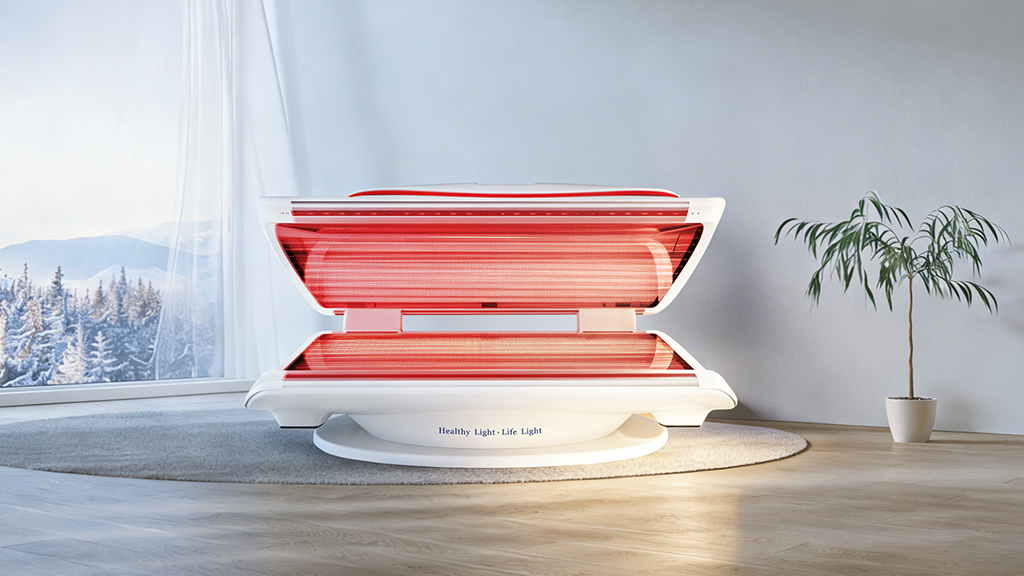
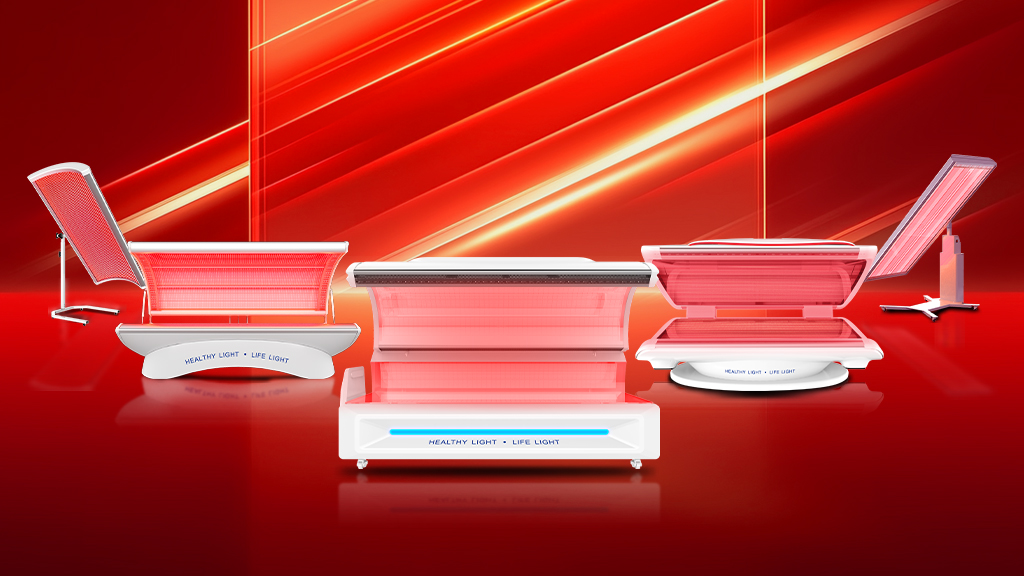
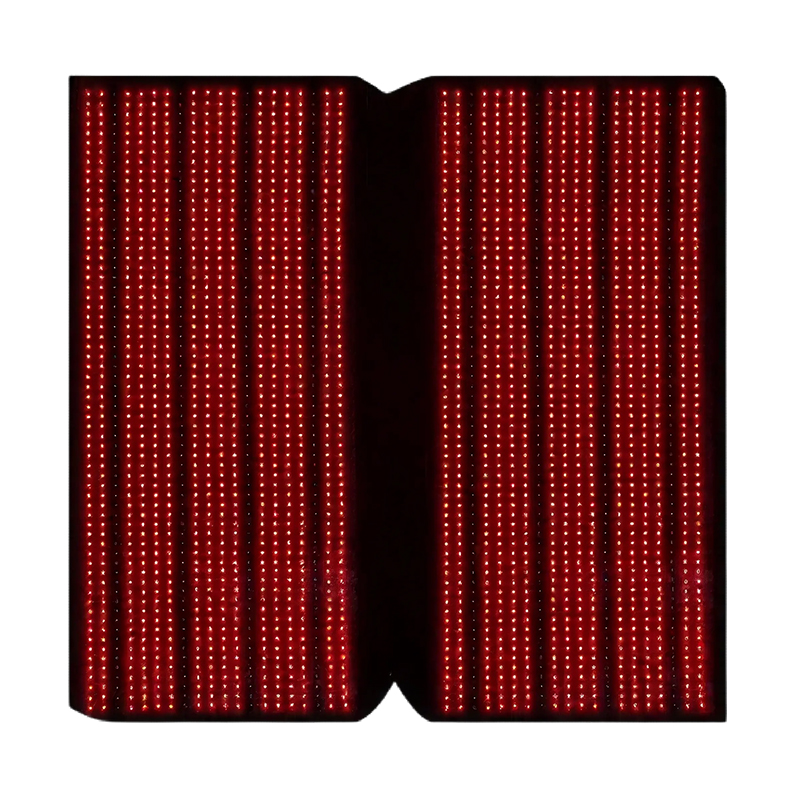
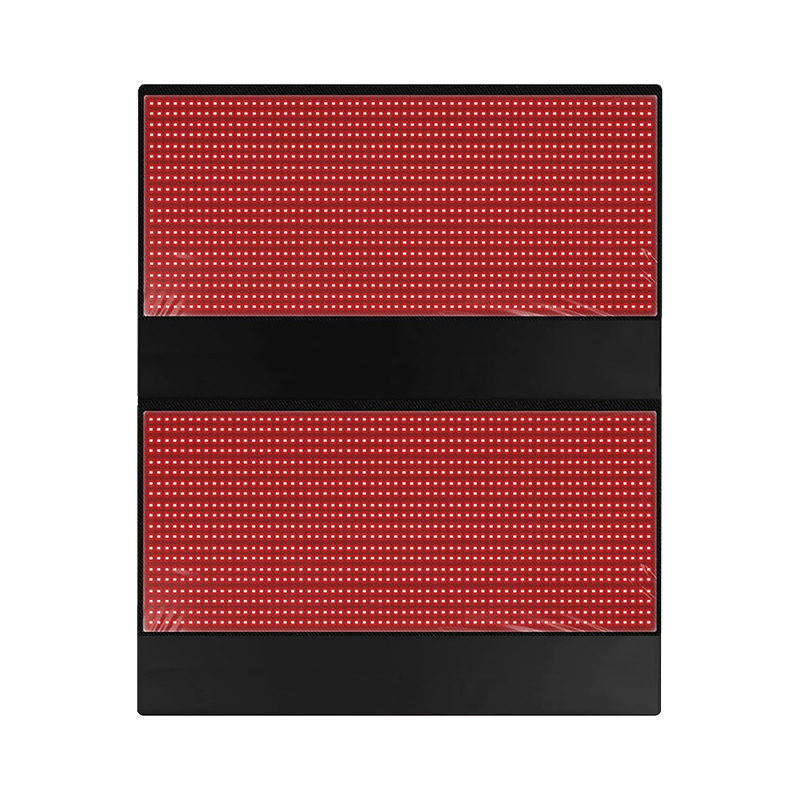
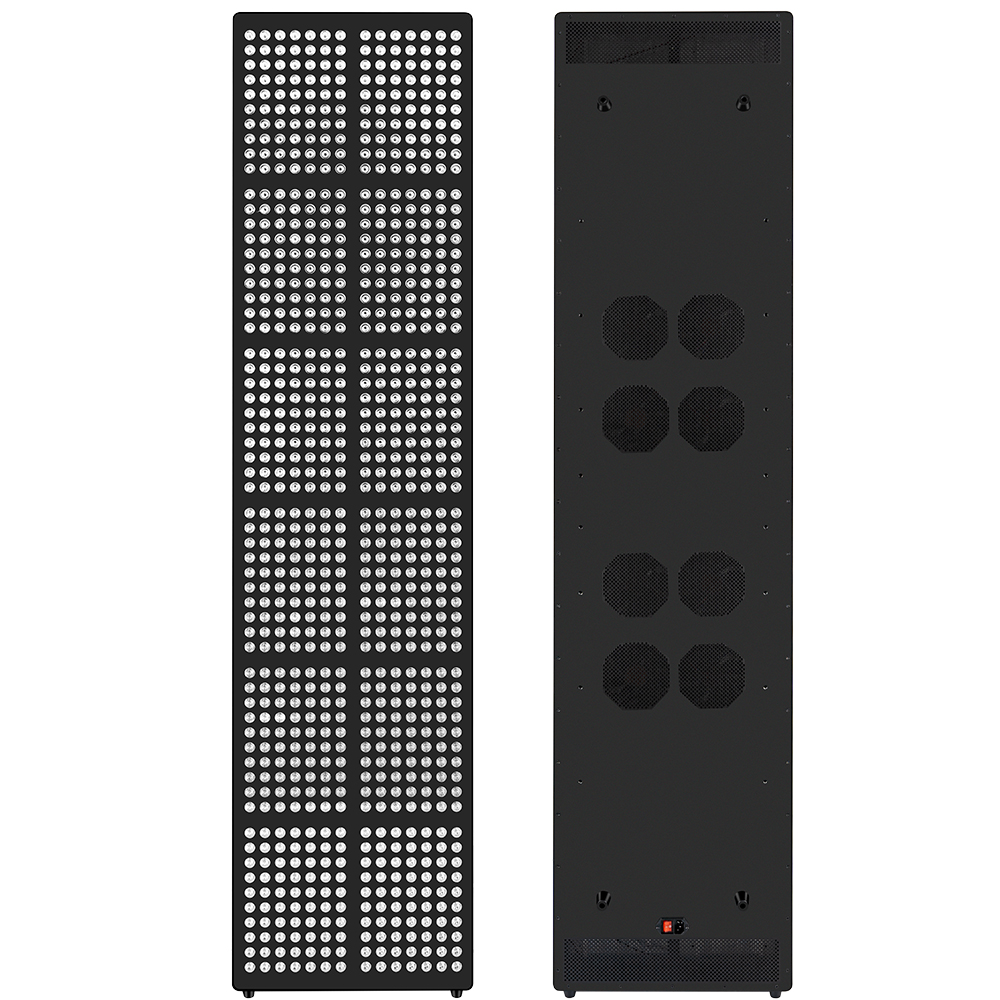
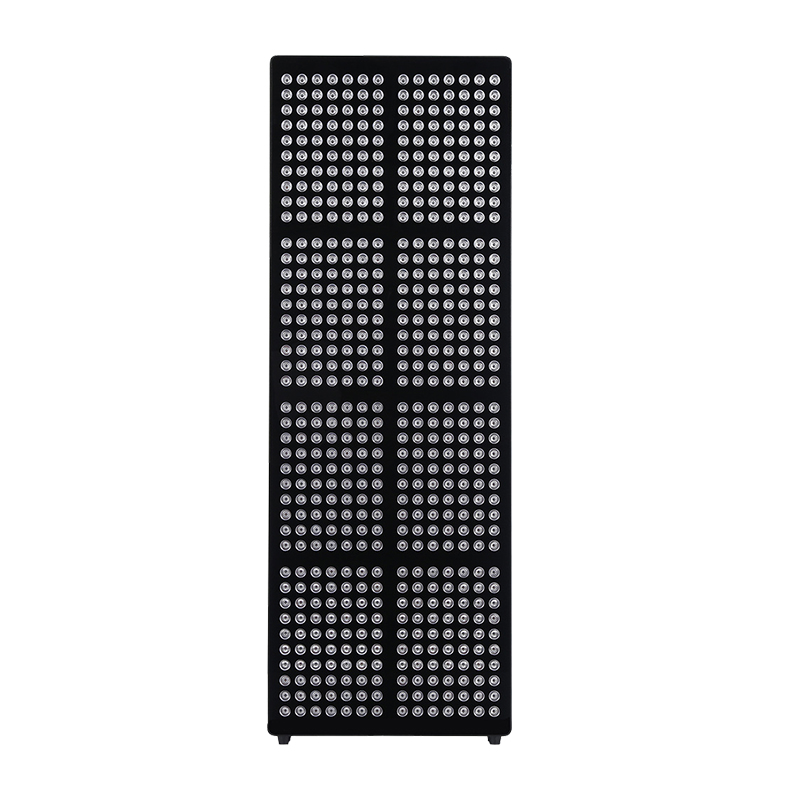
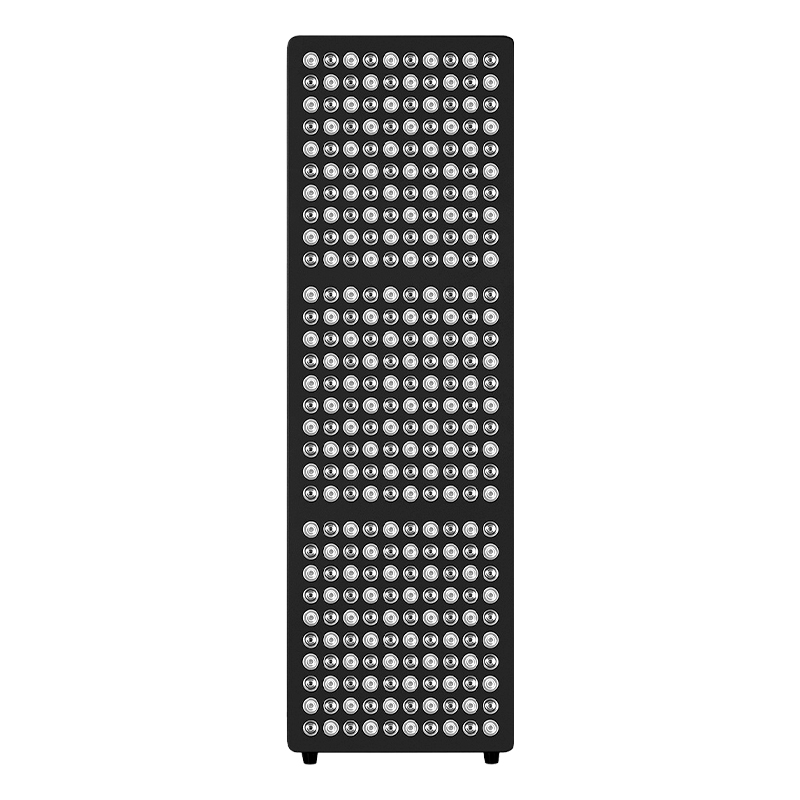
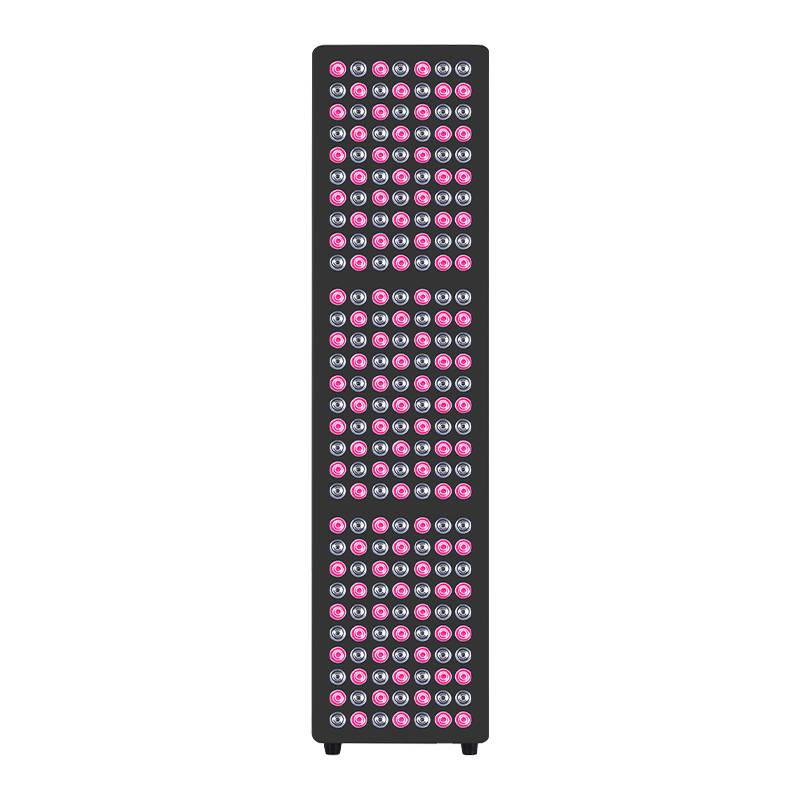
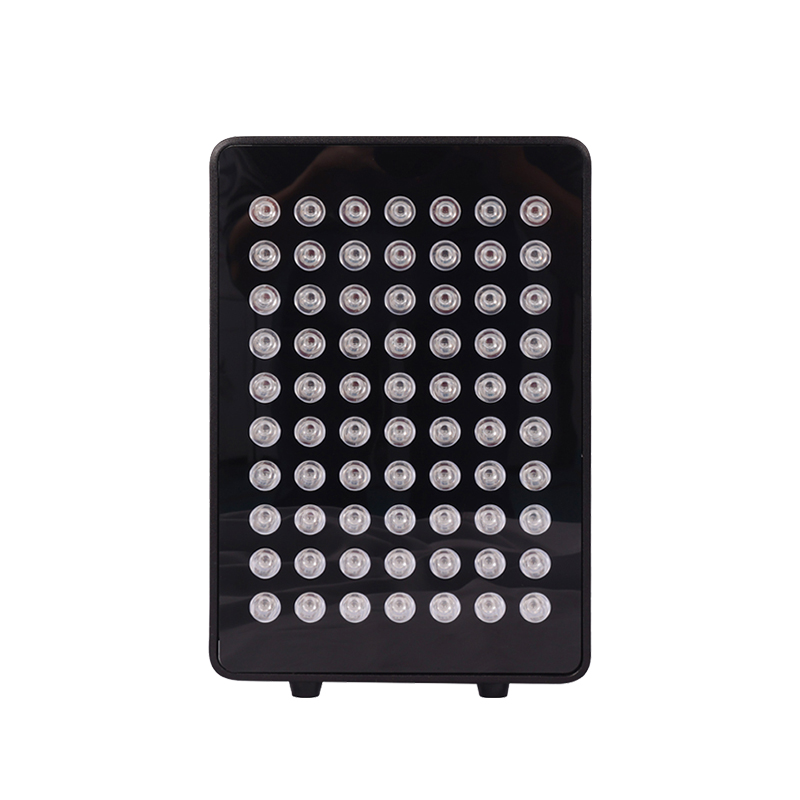
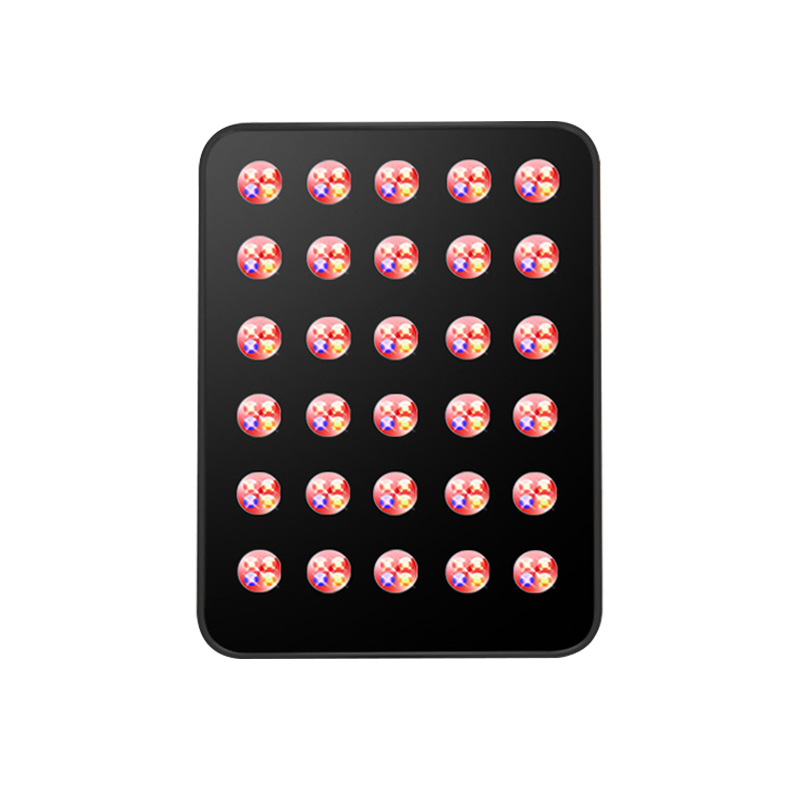
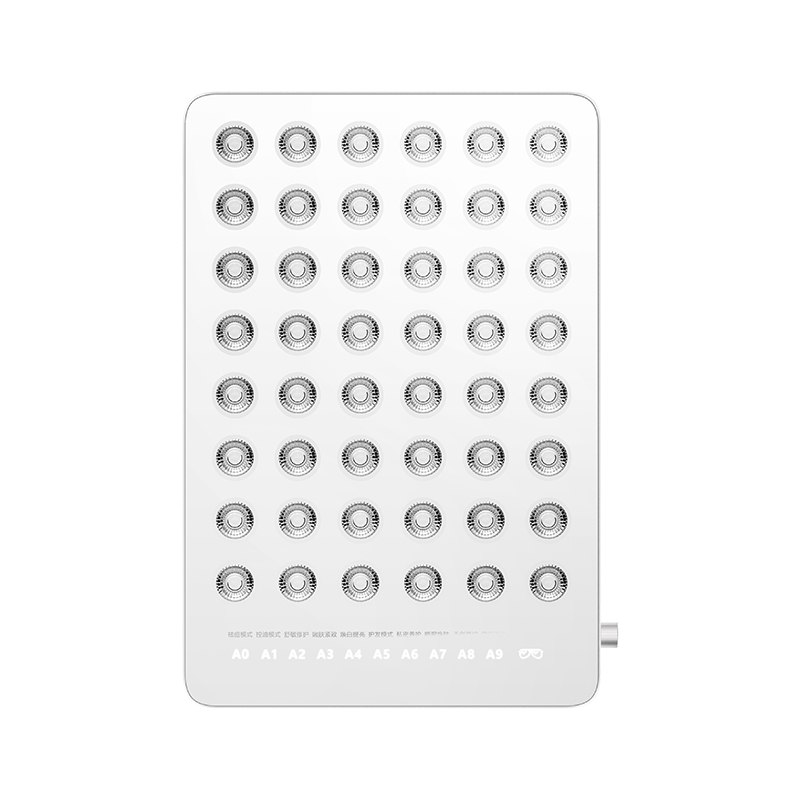
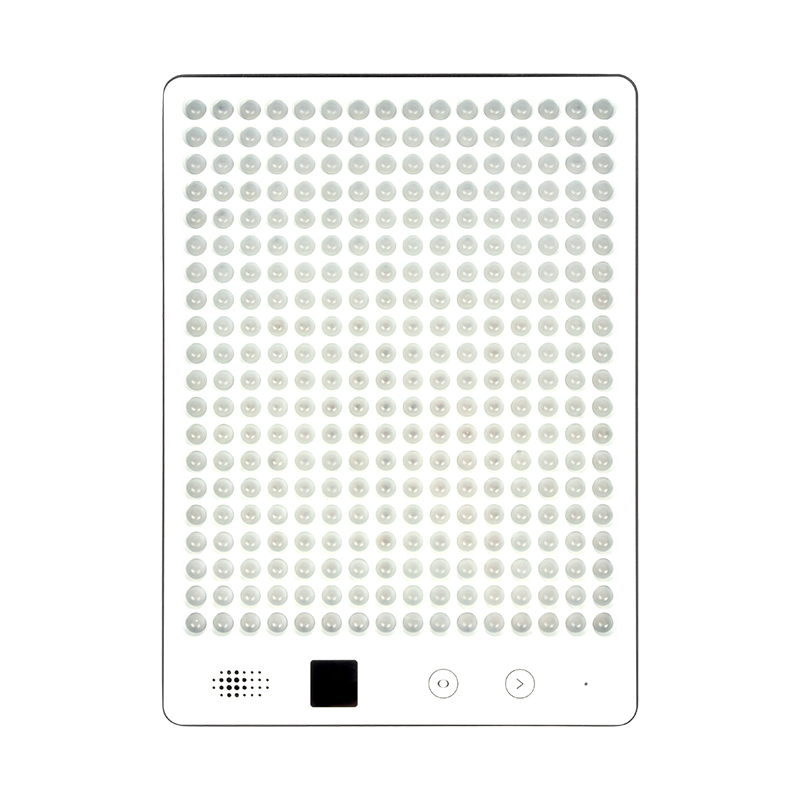
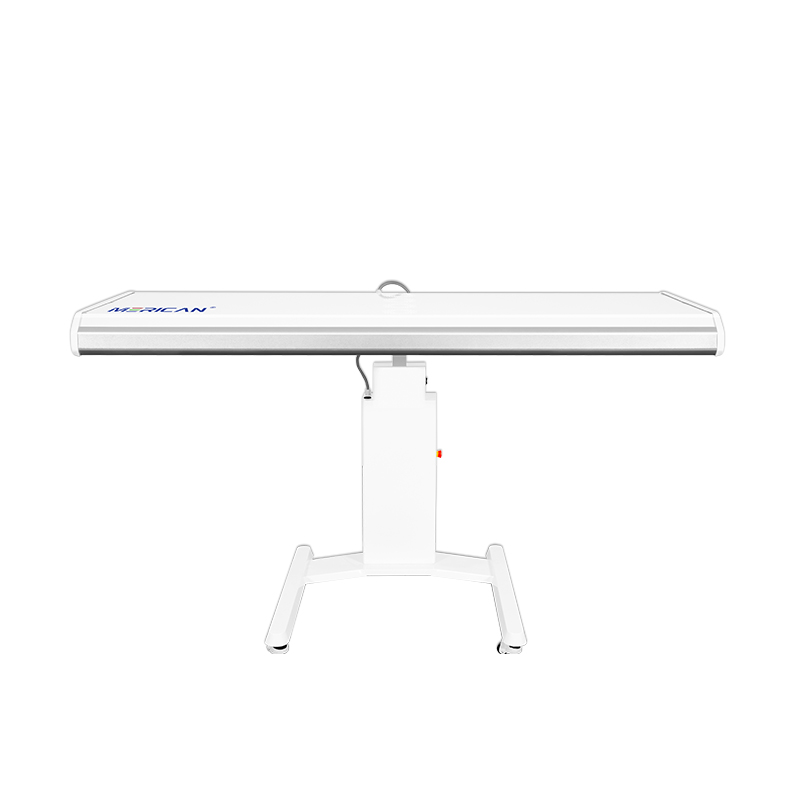
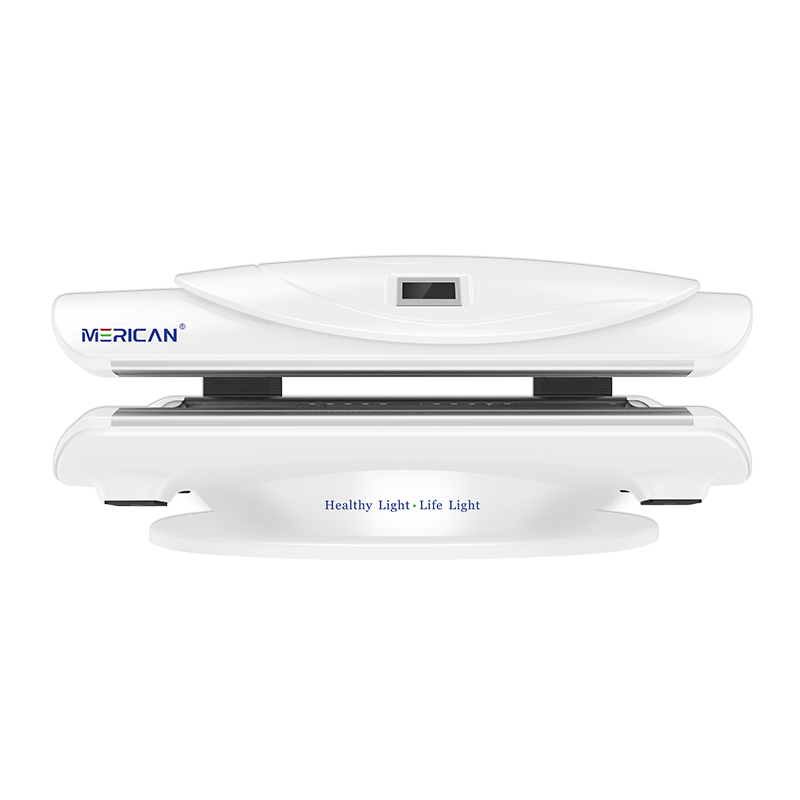
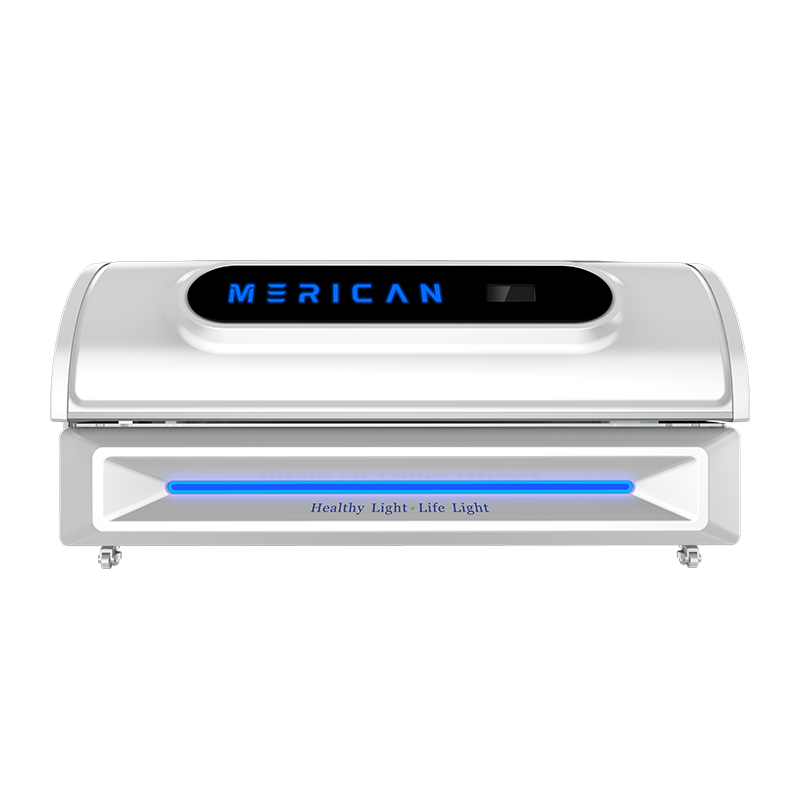
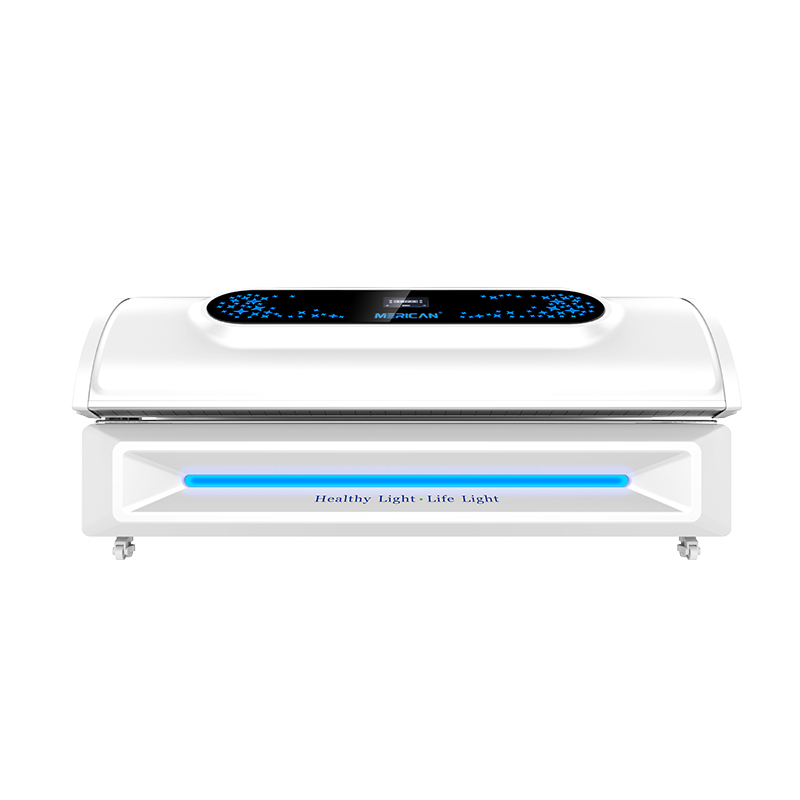
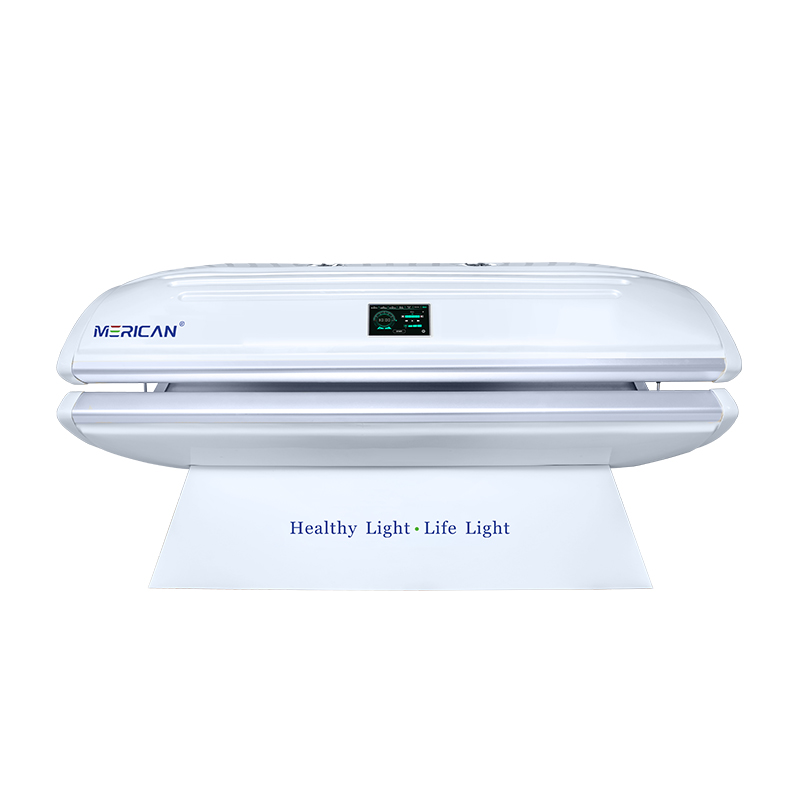
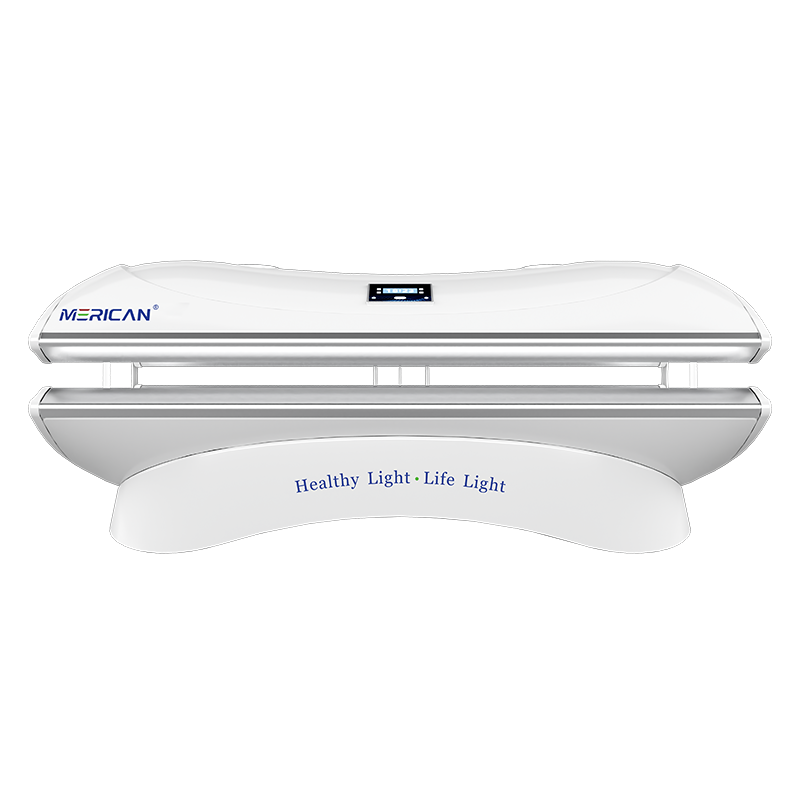
- Full-body red light therapy beds for even exposure and convenience
Benefits for Gyms, Klinieken, and Sports Centers
Red light therapy is increasingly adopted by:
- Fitness centers and gyms
- Physical therapy clinics
- Sports performance facilities
- Wellness- en herstelstudio's
It enhances service offerings while delivering measurable recovery benefits to clients.
Roodlichttherapie versus traditionele herstelmethoden
| Recovery Method | Key Limitations |
|---|---|
| Ice baths | Discomfort, limited frequency |
| Massage | Time-consuming, cost |
| Pijn medicatie | Side effects |
| Roodlichttherapie | Niet-invasief, repeatable, drugsvrij |
Wie kan er het meeste baat bij hebben?
- Athletes with intensive training schedules
- Fitness enthusiasts experiencing muscle soreness
- Individuals recovering from muscle strain or overuse
- Wellness businesses expanding recovery solutions
Laatste gedachten
Red light therapy is not a replacement for proper training or nutrition, but it is a krachtig aanvullend instrument for muscle recovery. Bij consistent gebruik, it can help users recover faster, train harder, and reduce the risk of injury.