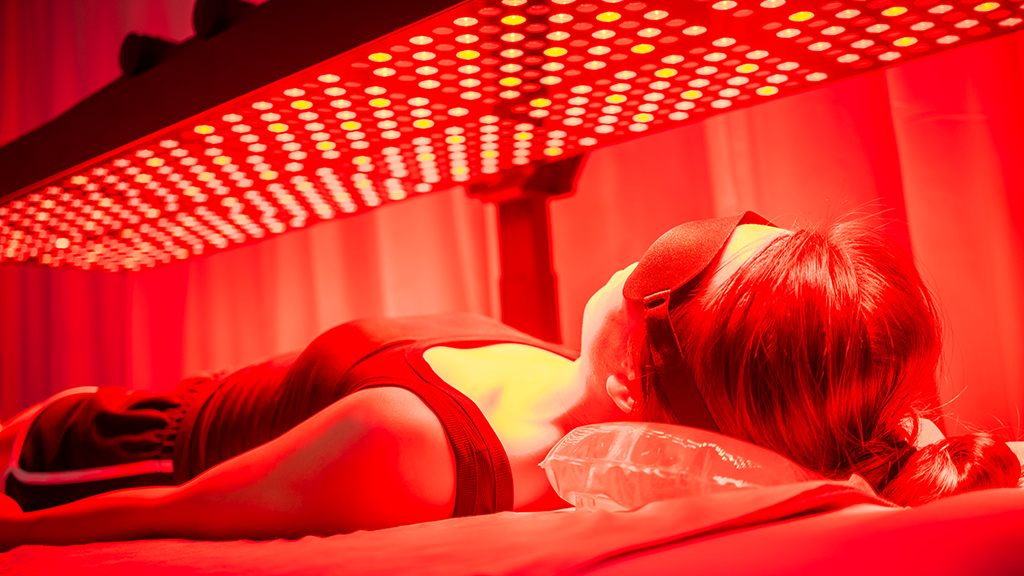
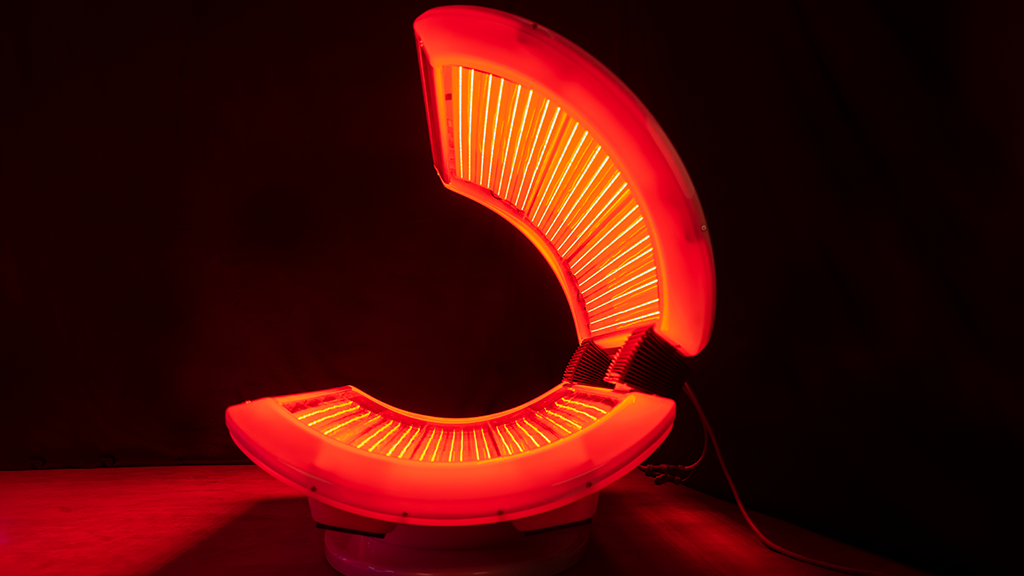
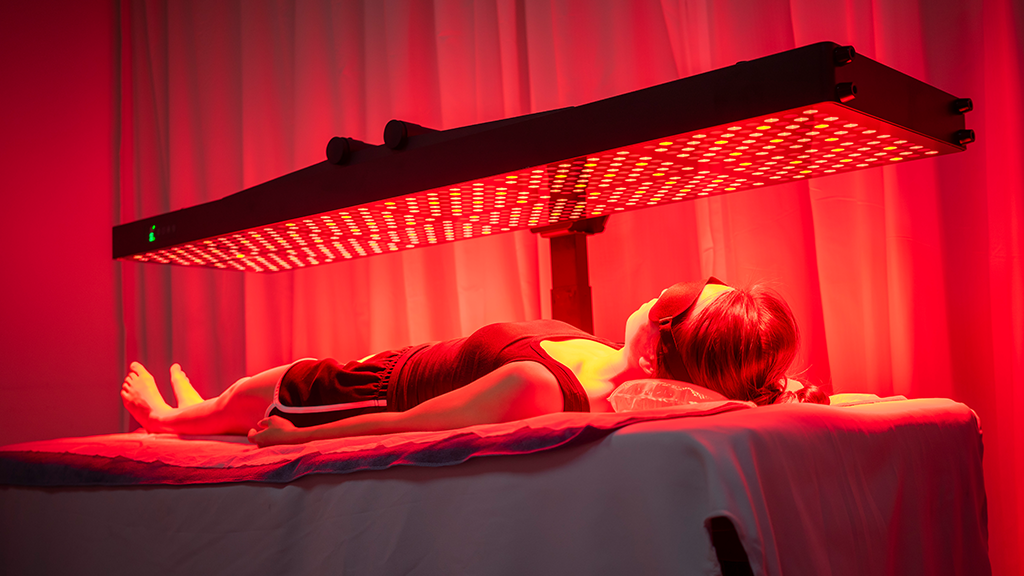
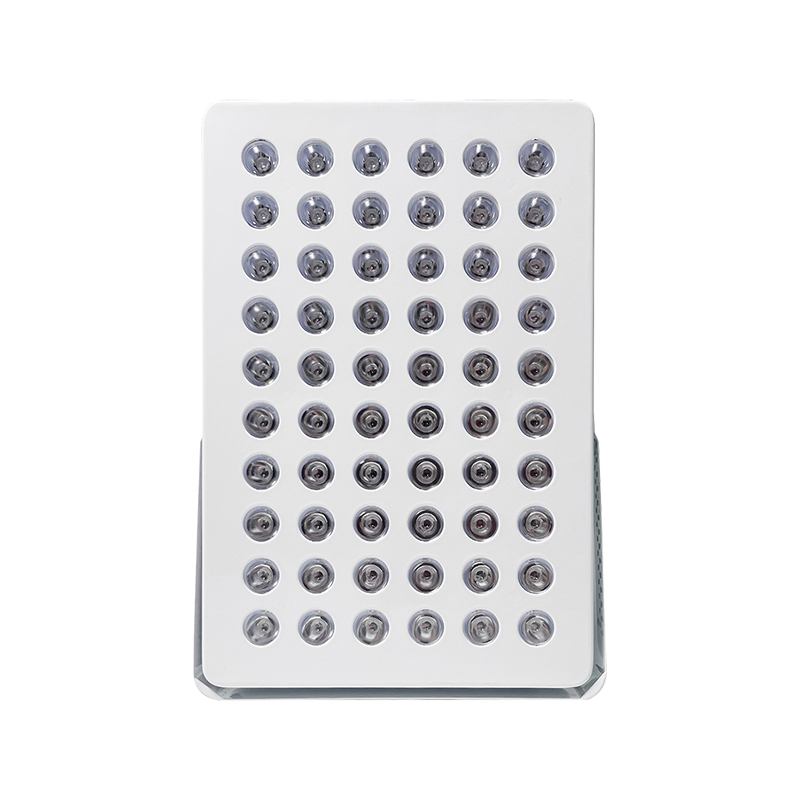
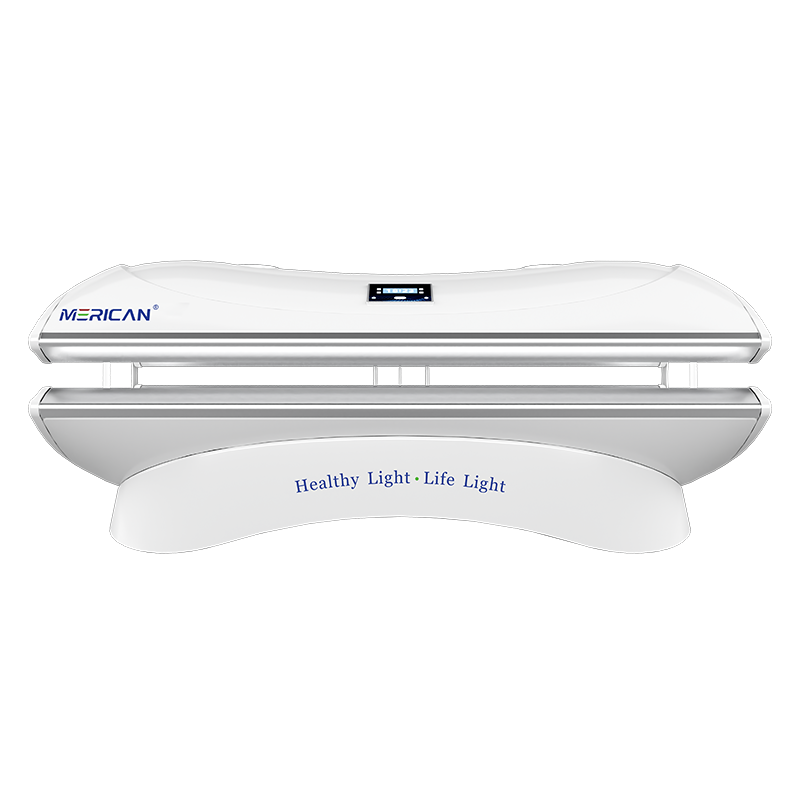
A saúde mental é influenciada por uma interação complexa da função cerebral, qualidade do sono, níveis de estresse, e bem-estar físico geral. Nos últimos anos, Terapia com luz vermelha (Rlt)—também conhecida como fotobiomodulação—tem sido explorada como uma abordagem não invasiva que pode apoiar o bem-estar mental.
É importante esclarecer que a terapia da luz vermelha é não é um tratamento médico para transtornos mentais, mas uma tecnologia emergente de bem-estar apoiada por pesquisas em estágio inicial.
Como funciona a terapia da luz vermelha
A terapia da luz vermelha usa comprimentos de onda vermelhos e infravermelhos próximos, normalmente entre 630–880nm, que pode penetrar nos tecidos e influenciar a atividade celular. Estudos sugerem que esses comprimentos de onda podem:
- Apoie a energia mitocondrial (ATP) produção
- Melhorar o fluxo sanguíneo e o fornecimento de oxigênio
- Reduzir a inflamação e o estresse oxidativo
Porque as células cerebrais têm altas demandas de energia, esses efeitos podem apoiar indiretamente a função mental e a resiliência.
Potenciais benefícios relacionados à saúde mental
Pesquisas e observações clínicas exploraram a terapia da luz vermelha em relação a:
- Regulação do estresse e relaxamento
- Equilíbrio de humor e estabilidade emocional
- Clareza cognitiva e foco
- Qualidade do sono, que está intimamente ligado à saúde mental
Melhor sono e redução do estresse físico podem influenciar positivamente o bem-estar mental geral.
O que a pesquisa diz?
Estudos preliminares sobre fotobiomodulação investigaram seu papel no bem-estar neurológico e psicológico. Embora os resultados sejam encorajadores, especialistas enfatizam:
- As evidências ainda estão evoluindo
- São necessários mais ensaios clínicos em grande escala
- A terapia da luz vermelha deve ser vista como complementar, não cuidados primários
Considerações de segurança
A terapia da luz vermelha é geralmente considerada segura:
- Sem exposição UV
- Não invasivo e indolor
- Adequado para uso regular de bem-estar
Indivíduos com problemas de saúde mental devem consultar profissionais de saúde antes de iniciar qualquer nova rotina de bem-estar.
Resumo
A terapia da luz vermelha mostra potencial como ferramenta de apoio ao bem-estar mental, abordando fatores subjacentes, como o metabolismo energético, inflamação, e dormir. Seu papel é melhor compreendido dentro de uma abordagem holística da saúde mental.