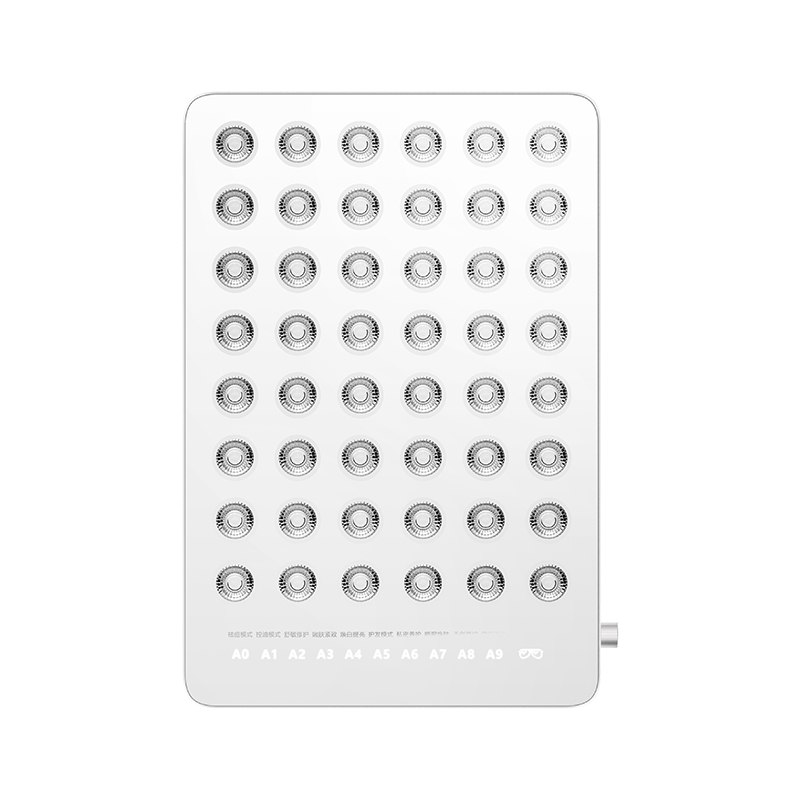
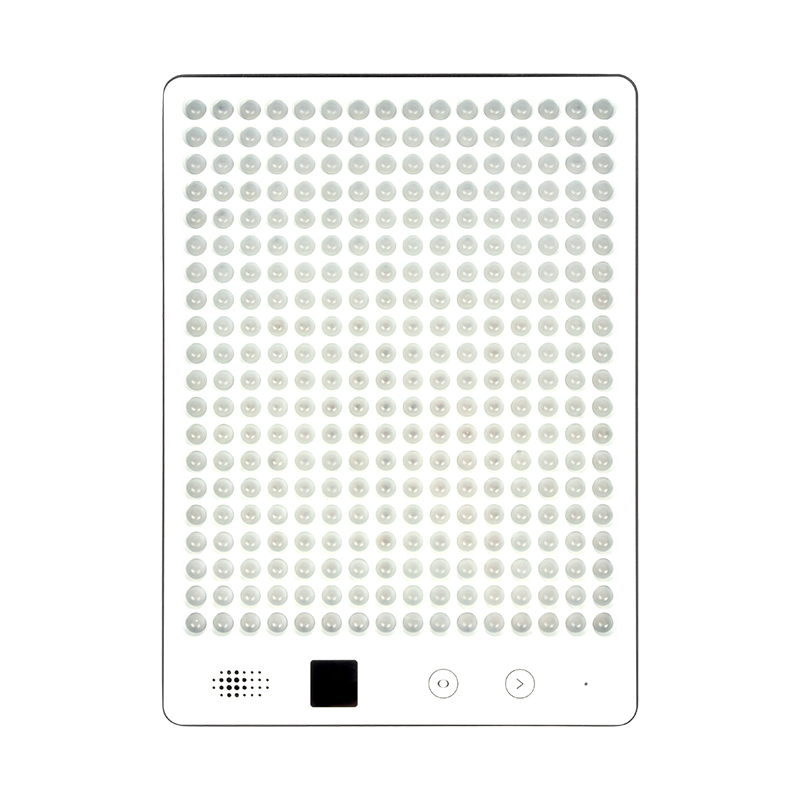
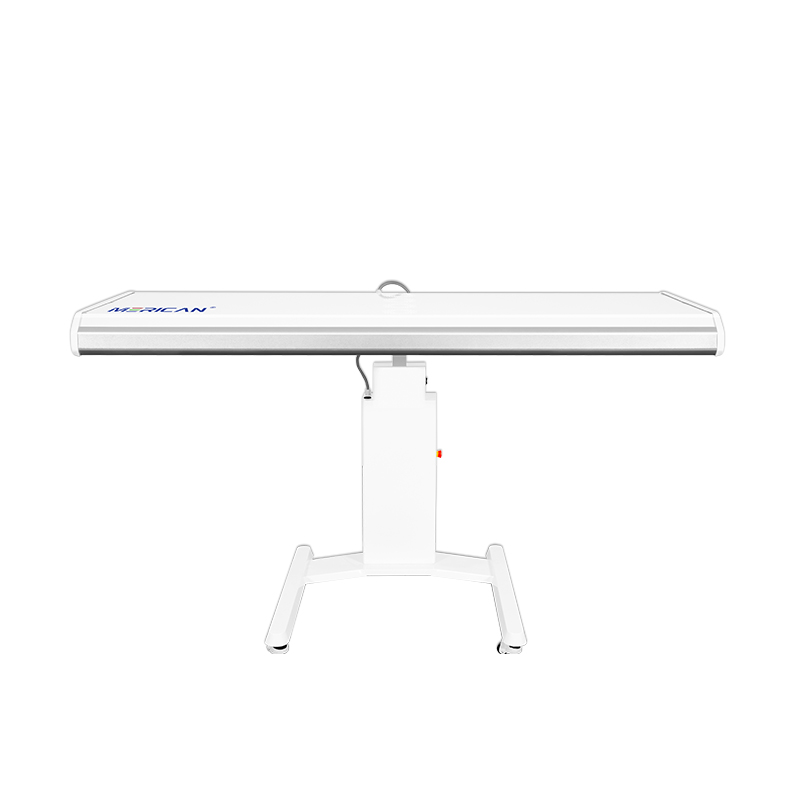
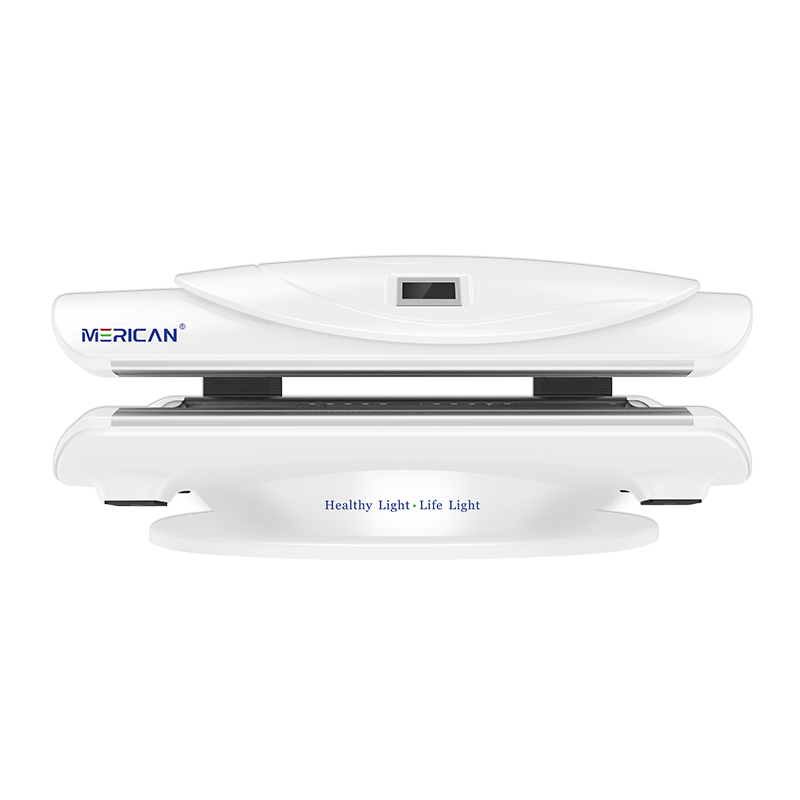
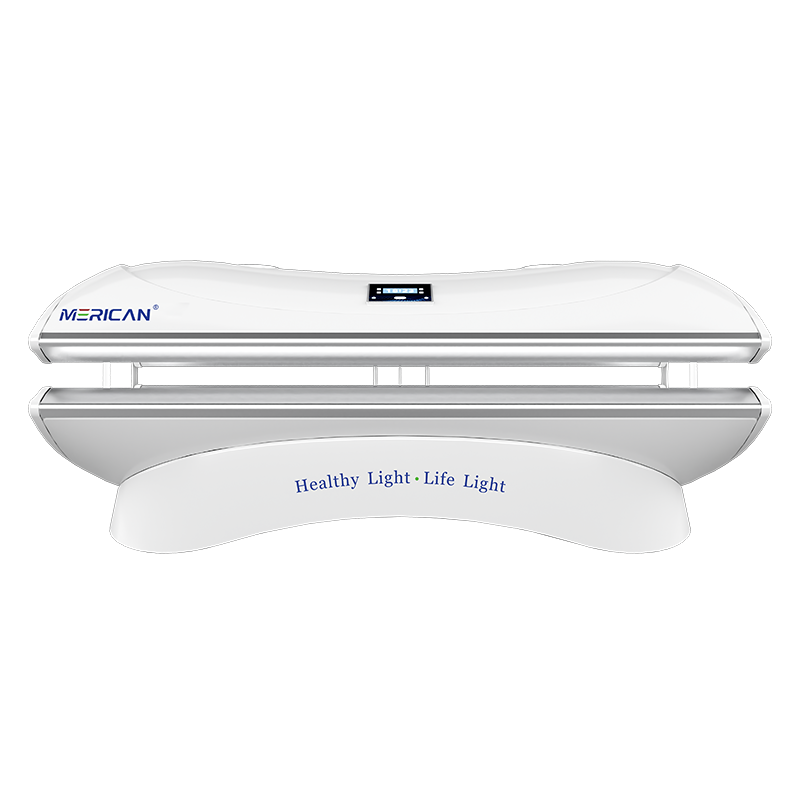
Na última década, a pesquisa aumentou a compreensão de como funciona a luz vermelha e suas aplicações potenciais no tratamento de doenças e na melhoria da qualidade de vida. Imagine uma modalidade de tratamento que não seja invasiva, como cirurgia, pode ser usado para múltiplas aplicações médicas, e não precisa ser tomado em forma de comprimido ou injeção. Esta promessa potencial tornou a terapia da luz vermelha cada vez mais popular nos últimos anos.
O que é terapia de luz vermelha?
A descoberta da terapia da luz vermelha (Rlt) foi acidental. Dr. Alterar mestre, um médico húngaro, estava tentando testar uma luz laser de baixo nível no tratamento de tumores em ratos e observou melhora na cicatrização de feridas e no crescimento de pelos na região onde usou o laser.
Terapia com luz vermelha, historicamente conhecida como terapia a laser de baixa intensidade ou terapia com luz de baixa intensidade (Lllt), é um tipo de fotobiomodulação (PBM) terapia. Fotobiomodulação é o conceito de usar a energia da luz para mudar o funcionamento de uma célula.
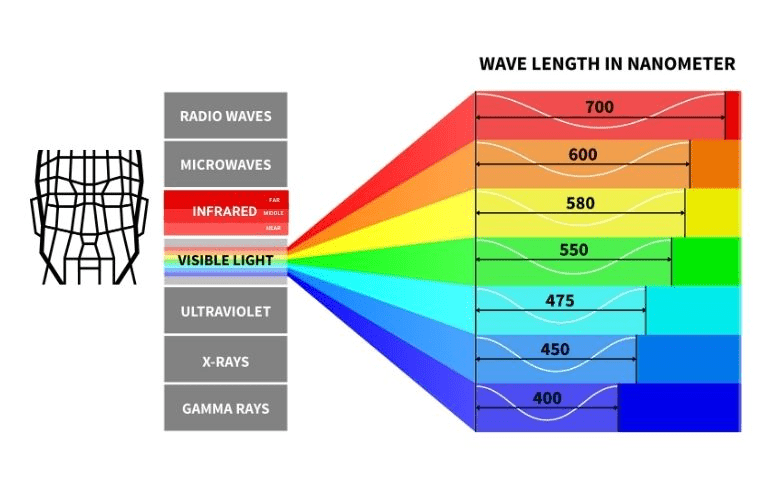
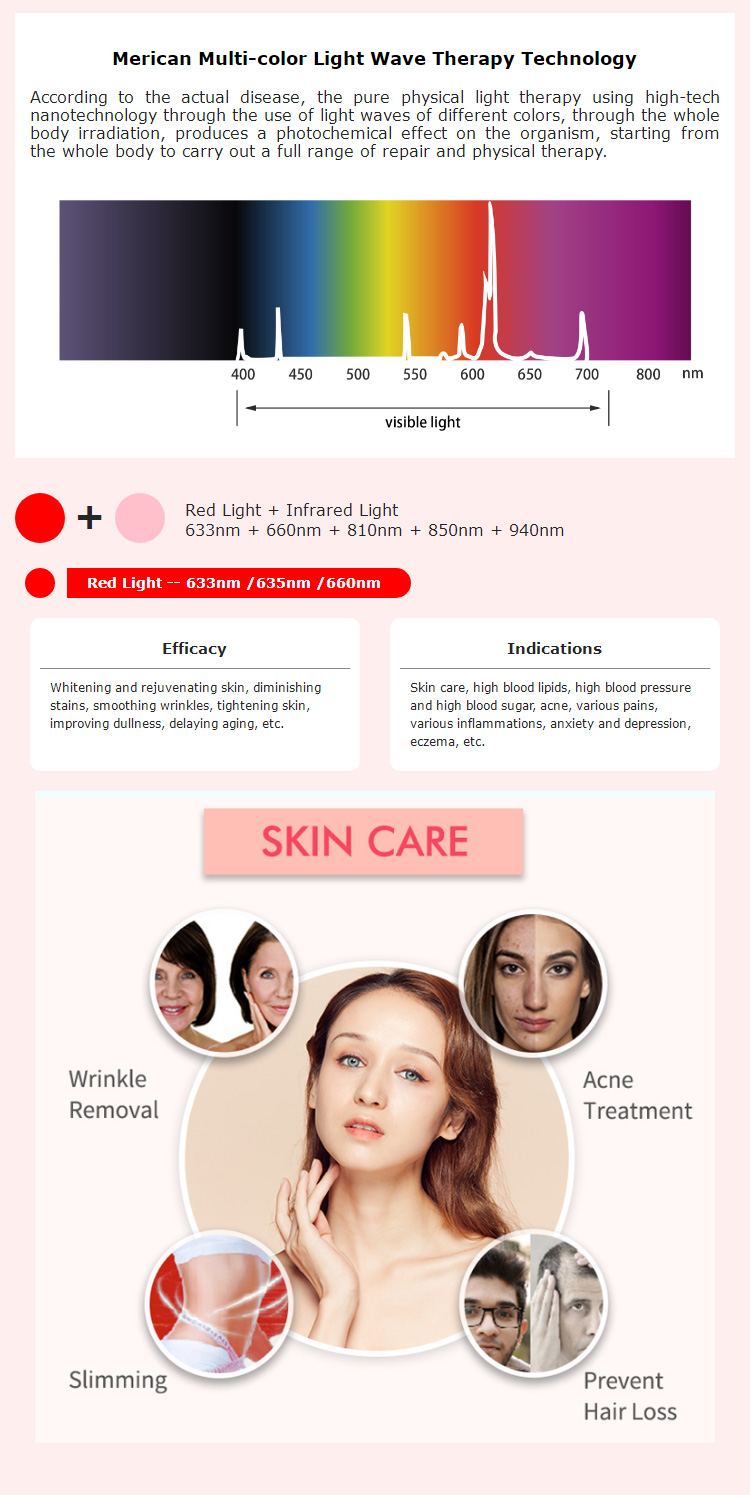
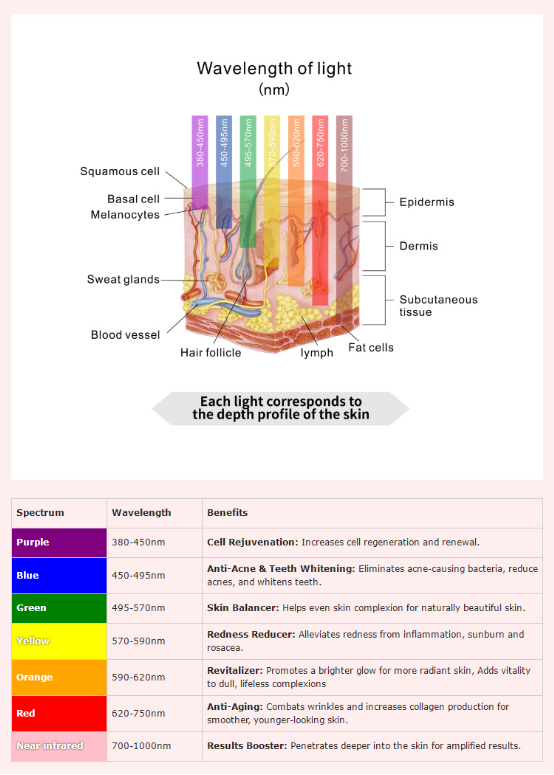
Partículas leves (fótons) viajam em ondas e são descritos com base no comprimento de onda, frequência das ondas, e a energia que eles carregam. À medida que a frequência diminui, o comprimento das ondas aumenta, e a energia diminui. A luz vermelha tem o nível de energia mais baixo e o comprimento de onda mais longo da luz visível no espectro eletromagnético. Mais abaixo no espectro está a radiação infravermelha, que não é visível ao olho humano. O espectro infravermelho pode ser dividido em quase, meio, e luz infravermelha distante. Estudos demonstraram que a penetração da luz na pele aumenta com o aumento do comprimento de onda. Devido a isso, a terapia da luz vermelha geralmente inclui uma mistura de luz vermelha (620–750nm) e luz infravermelha próxima (760–1.400 nm) comprimentos de onda.
Embora a terapia da luz vermelha tenha começado como um laser, o desenvolvimento e posterior uso de diodos emissores de luz (LEDs) tornou-o mais barato e acessível.
“A luz solar é responsável pela vida, envelhecimento, doença, e morte de todos os seres vivos na Terra; todos os seres vivos dependem da luz para sua sobrevivência, e a luz pode ser considerada a própria vida. Há milhares de anos, Hipócrates, o pai da medicina grega antiga, já utilizava a luz solar como meio de prevenção de doenças e tonificação.
A luz solar foi usada por Hipócrates, o pai da medicina grega antiga, como meio de prevenção e condicionamento de doenças.
A pesquisa científica mostra que diferentes comprimentos de onda de luz podem ativar a atividade celular, promover a circulação sanguínea, acelerar o metabolismo, para que o corpo, a pele para produzir efeitos biológicos importantes e alcançar efeitos de reparação terapêutica, de modo que o rejuvenescimento muscular danificado da saúde, vitalidade.
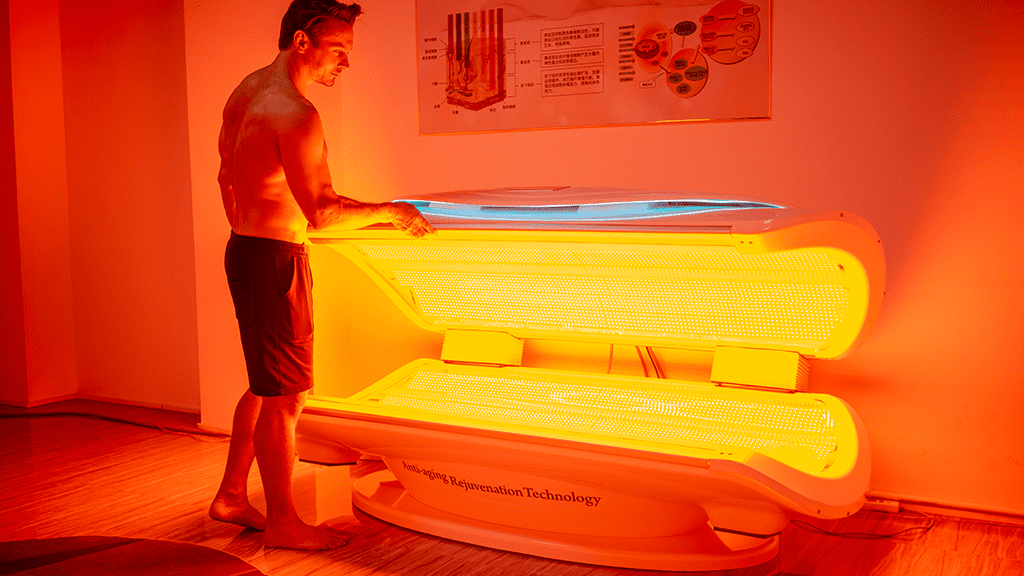
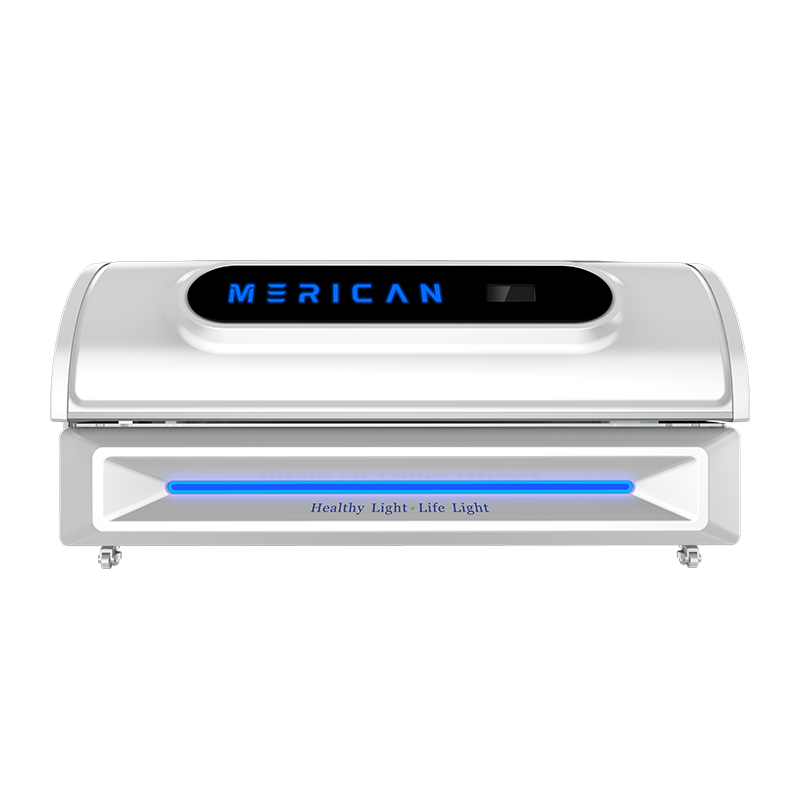
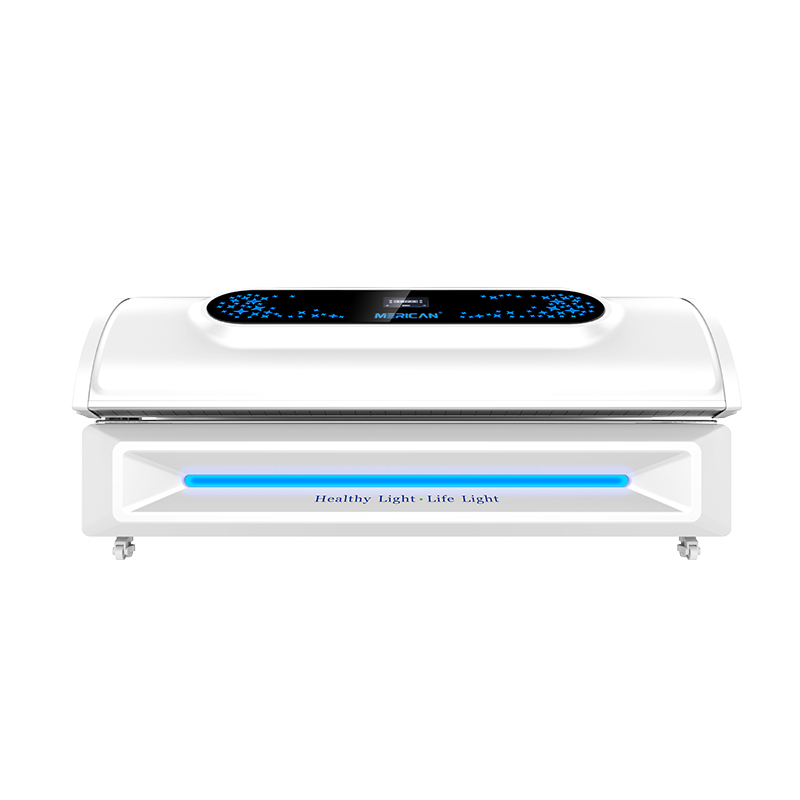
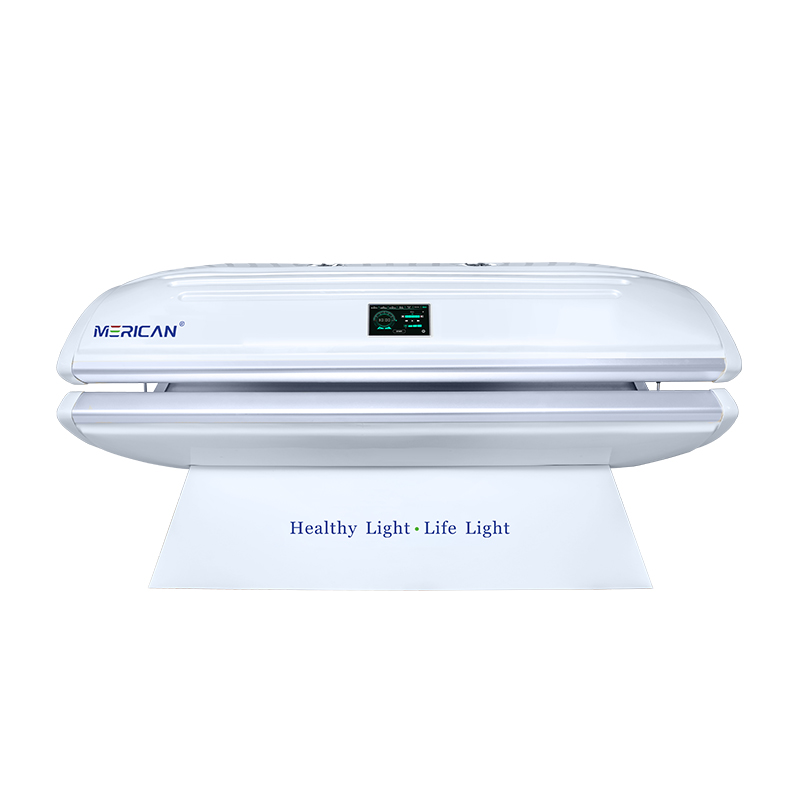
Mericano Cabine de Saúde Light Power, usando tecnologia de fonte de luz composta LED desenvolvida porMericano Centro de Pesquisa em Energia Leve em cooperação com equipe alemã, através de um filtro especial para obter múltiplas bandas de ondas precisas, que tem as vantagens de grande energia, forte penetração e pode proteger órgãos vitais contra danos, etc., e tem um melhor efeito terapêutico no corpo humano.
Sob a irradiação de luz composta de múltiplos comprimentos de onda precisos que foi pesquisada e aplicada por muitos anos pela Merican, pode atingir rapidamente os tecidos profundos do corpo (vasos sanguíneos, vasos linfáticos, terminações nervosas e tecidos subcutâneos), produzir efeito fototérmico e reação fotoquímica, estimular a atividade de fibroblastos e células musculares, e aumentar a capacidade dos macrófagos, para que os fatores de crescimento sejam secretados rapidamente, acelerando assim o reparo de peças danificadas, promovendo a cicatrização de feridas e crostas ósseas, e a regeneração de danos nos nervos, e fornecendo anti-inflamatório, antiestresse, e tratamento anti-inflamatório. regeneração, desempenhar o papel de anti-inflamatório, analgésico, melhorar a função imunológica do corpo e assim por diante. Ao mesmo tempo, pode estimular a atividade das células endoteliais vasculares, promover o reparo vascular e melhorar a capacidade de transporte de oxigênio do sangue, melhorando assim a circulação sanguínea e regulando o equilíbrio metabólico, e melhorando a capacidade e resistência anti-fadiga do corpo.
O uso a longo prazo não apenas repara e protege o metabolismo contra a regulação imunológica e vários processos celulares., mas também promove a recuperação de diversas funções corporais, reduz a incidência de doenças, alivia a dor dos pacientes, e mantém o estado estável das funções do corpo.”
Para que é usada a terapia da luz vermelha?
A terapia da luz vermelha tem um benefício demonstrado para vários usos médicos e cosméticos que discutiremos abaixo.
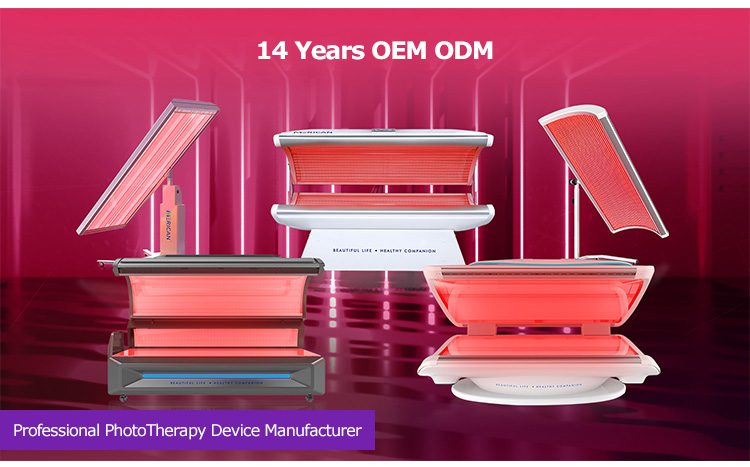
Terapia de luz vermelha para problemas de pele
O efeito da terapia da luz vermelha foi estudado para vários problemas de pele, pois é possível a penetração em diferentes comprimentos de onda.. Além de melhorar a função celular, Acredita-se que a terapia da luz vermelha melhora a saúde da pele, influenciando o crescimento e o desenvolvimento celular.
Onde posso obter terapia de luz vermelha?
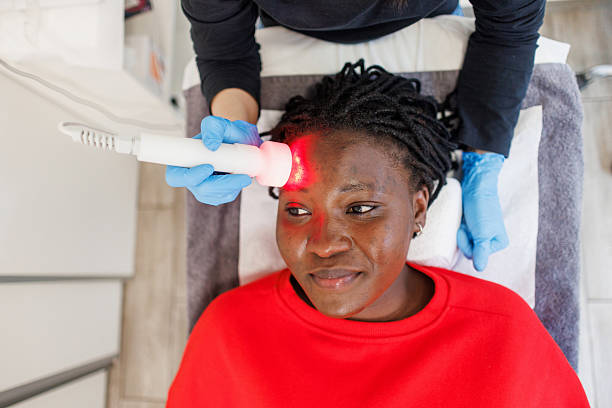
A terapia da luz vermelha está se tornando mais popular em ambientes profissionais, e você pode notar que ele está sendo oferecido como um tratamento adjuvante em:
Ginásios para recuperação muscular
Clínicas dermatológicas para saúde e envelhecimento da pele
Spas para rejuvenescimento e relaxamento da pele
Fisioterapia, quiropraxia, e consultórios ortopédicos para dor
A vantagem dos serviços de consultório é que geralmente são combinados com outros tratamentos, e os dispositivos usados são de nível profissional e geralmente mais caros.
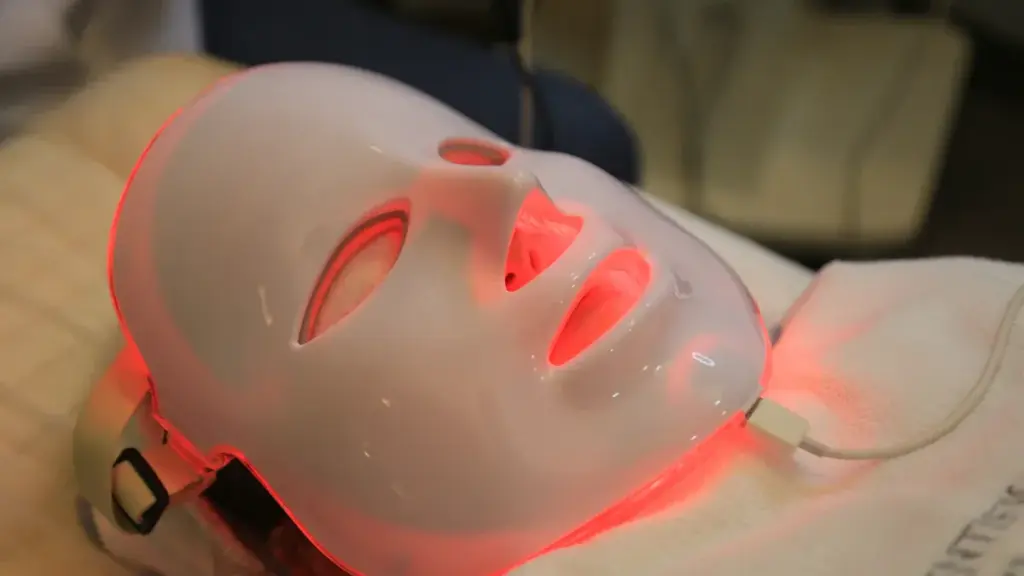
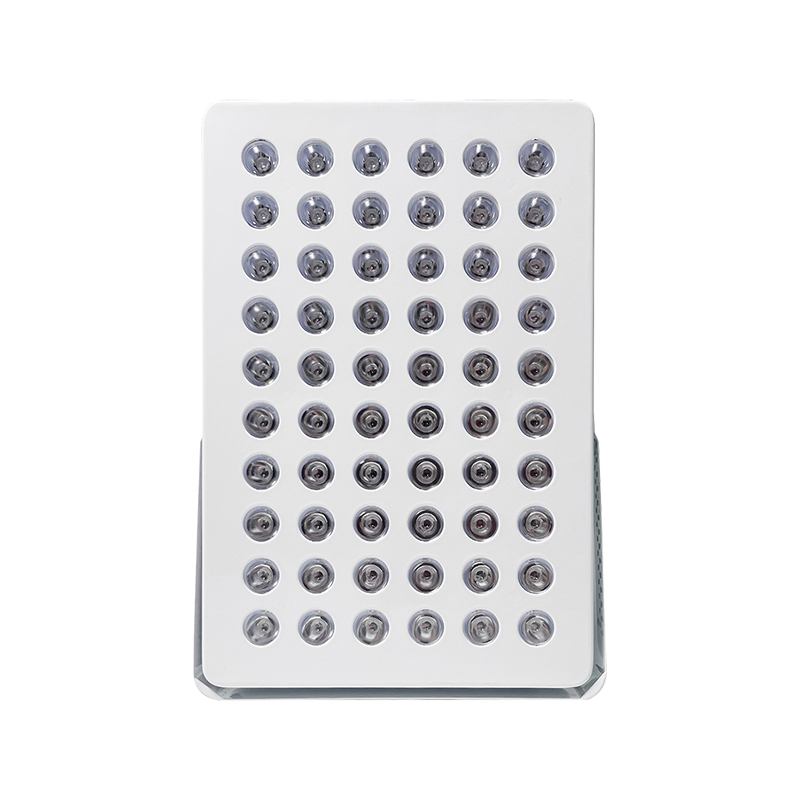
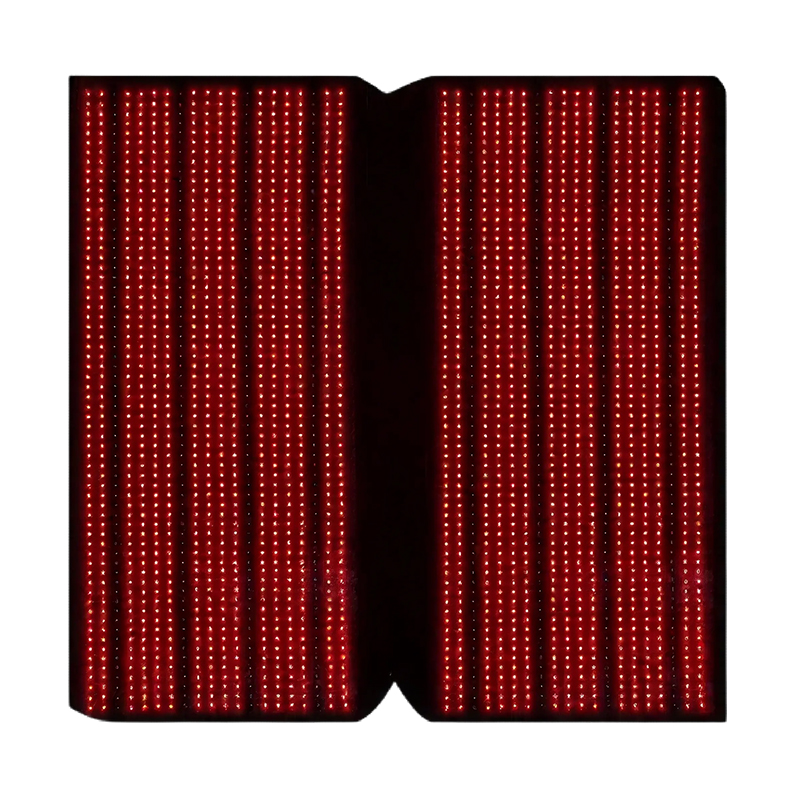
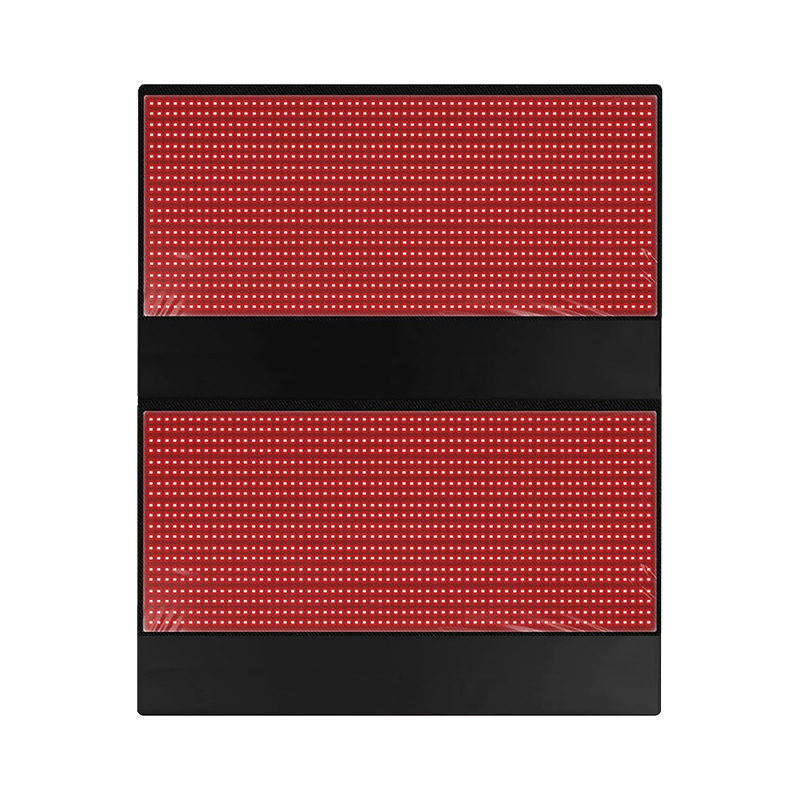
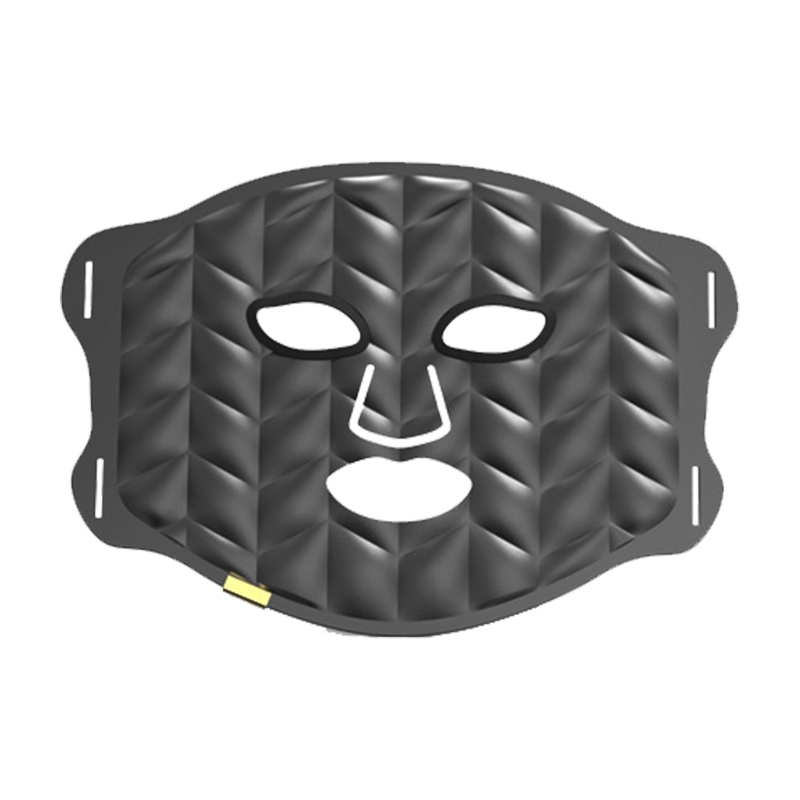
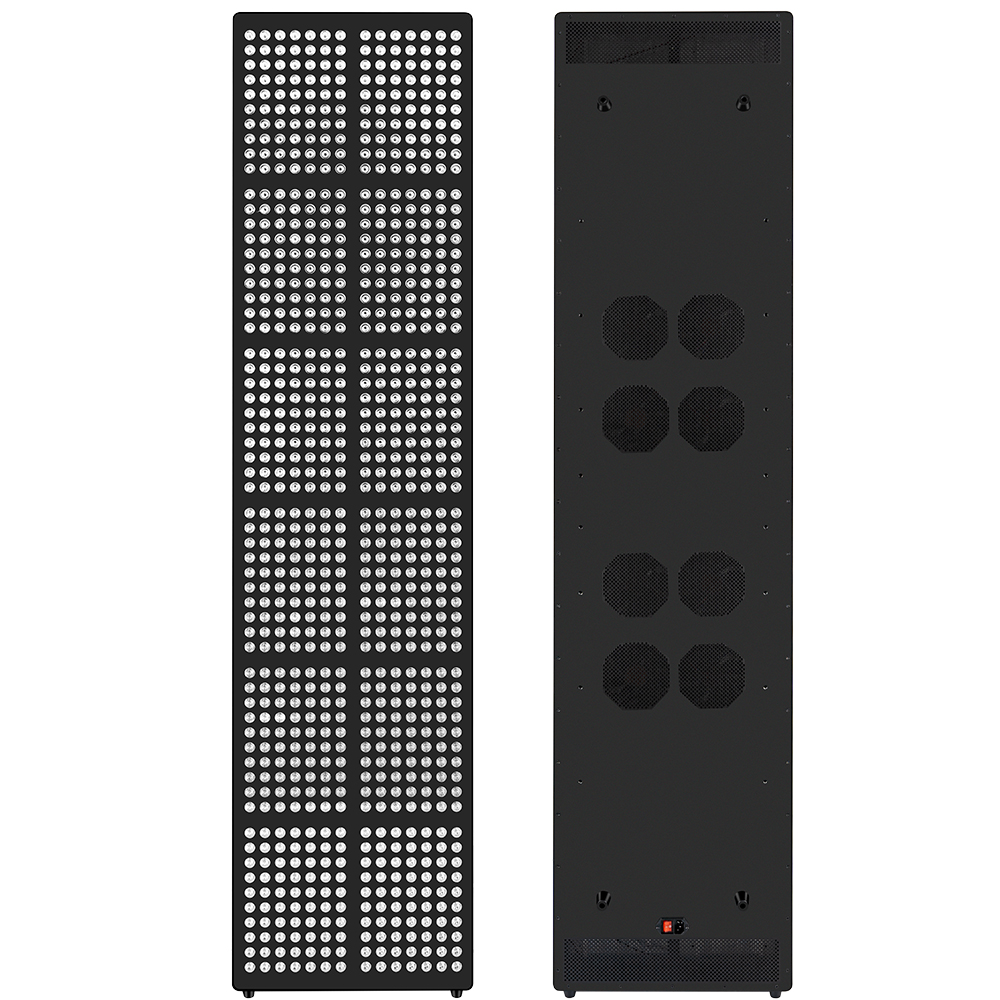
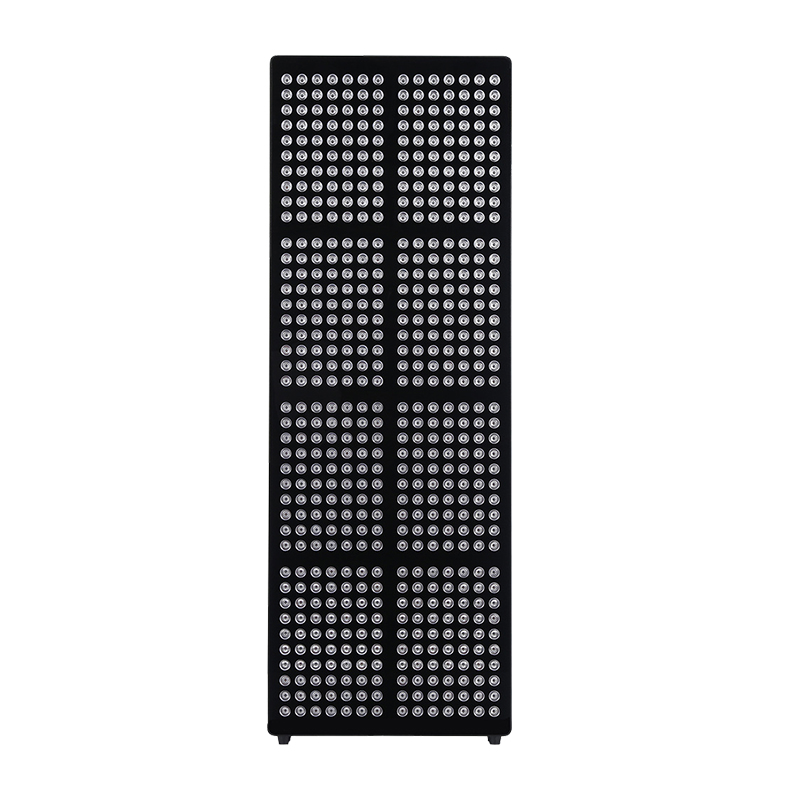
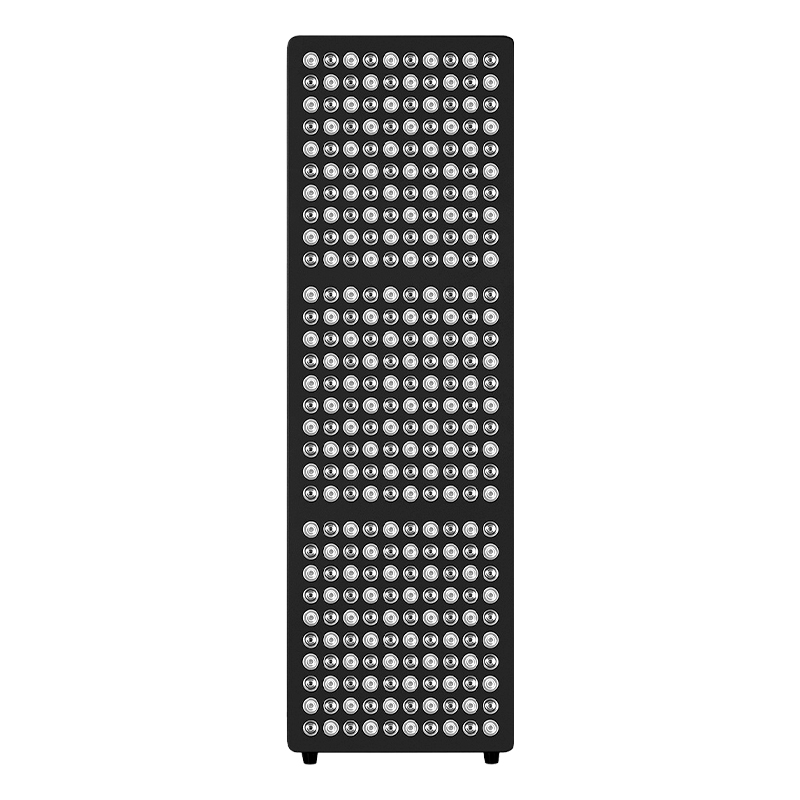
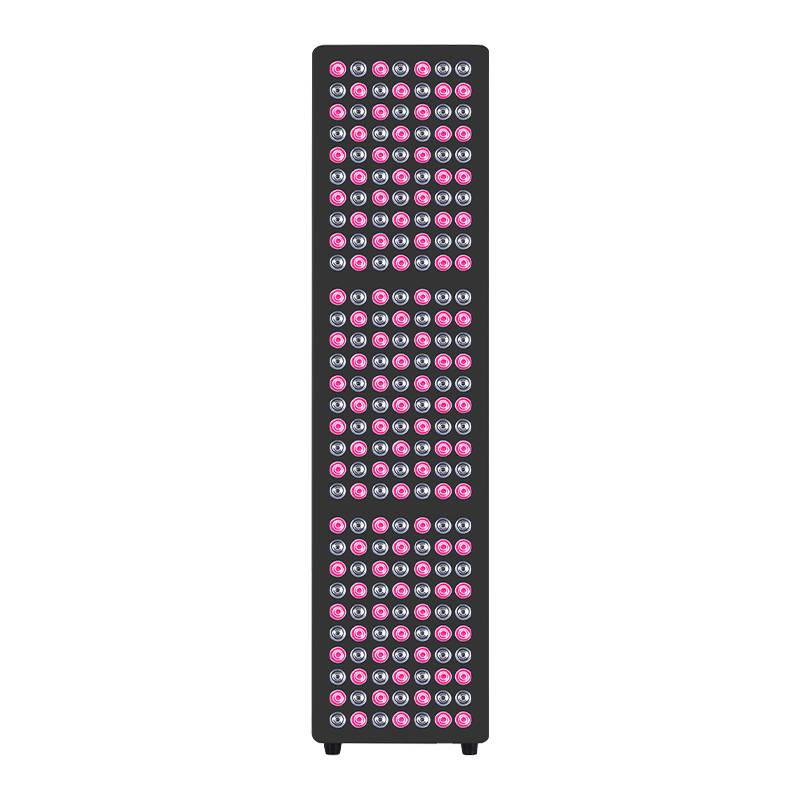
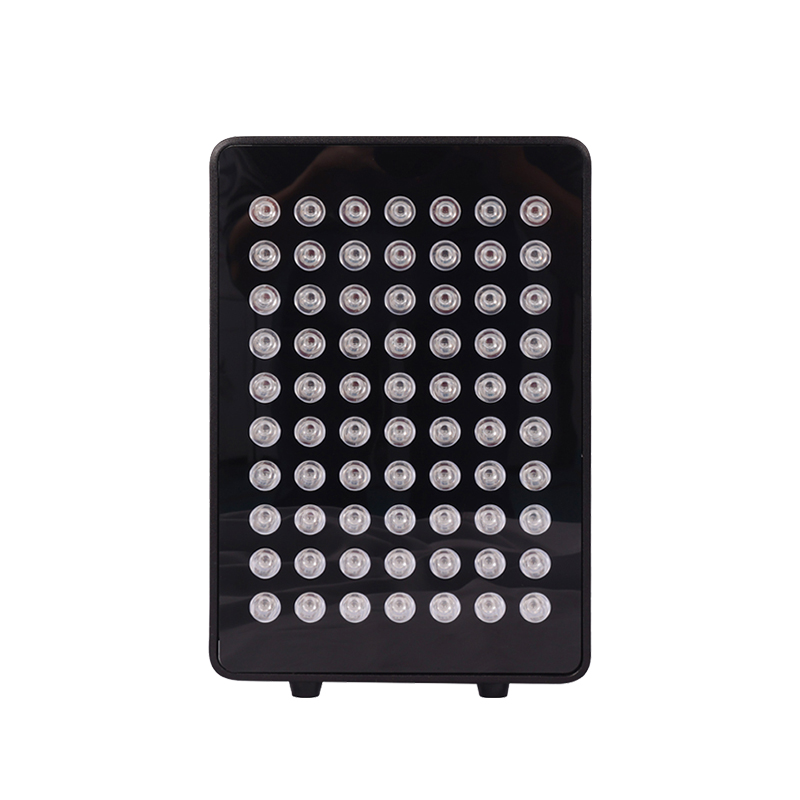
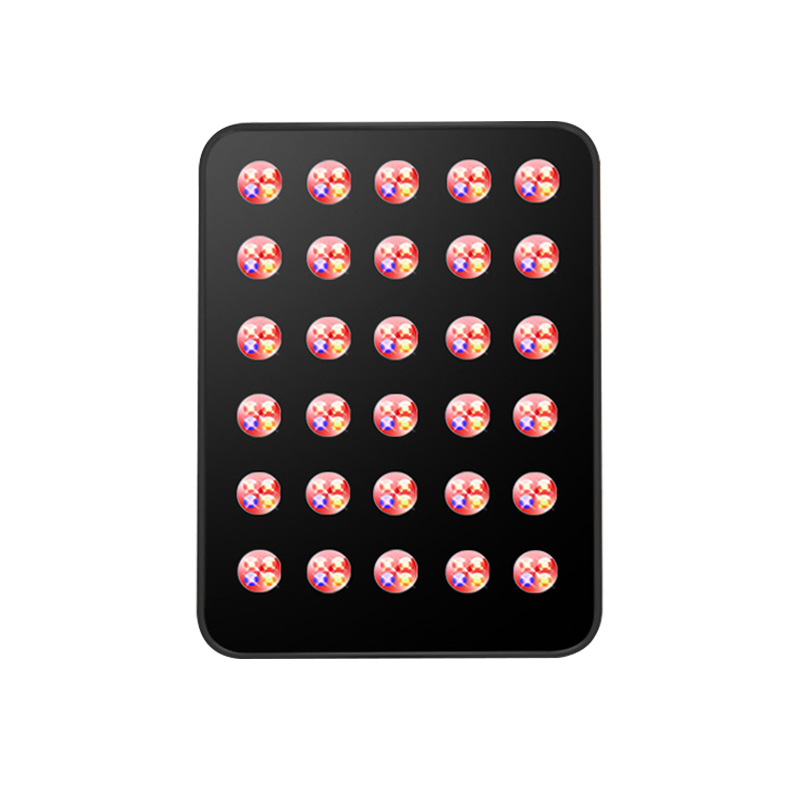
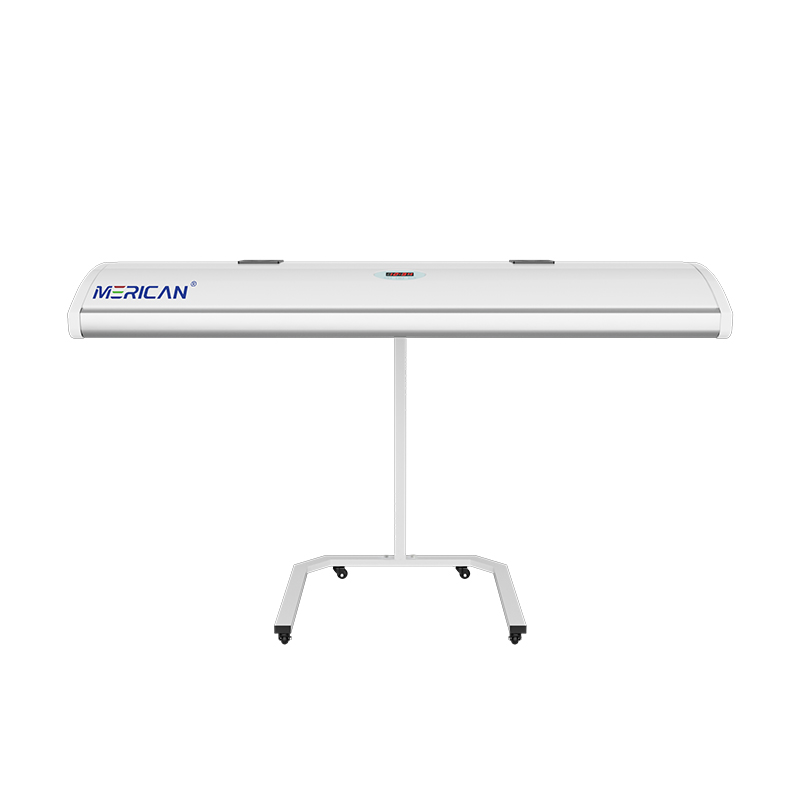
No entanto, dispositivos domésticos de terapia de luz vermelha também estão amplamente disponíveis. A terapia da luz vermelha requer consistência para ver benefícios reais, e ter um dispositivo em casa pode ser muito mais conveniente.Painéis de luz vermelha em casa pode ser usado para tratamento de corpo inteiro e geralmente fornece apenas luz vermelha e infravermelha próxima. Para maisterapia direcionada, dispositivos portáteis, máscaras, bonés, e wraps também estão disponíveis.
Efeitos colaterais da terapia da luz vermelha
A terapia da luz vermelha foi considerada segura para a maioria. No entanto, o uso prolongado e impróprio da terapia da luz vermelha causou reações adversas em algumas pessoas, como exacerbação de enxaquecas e queimaduras.
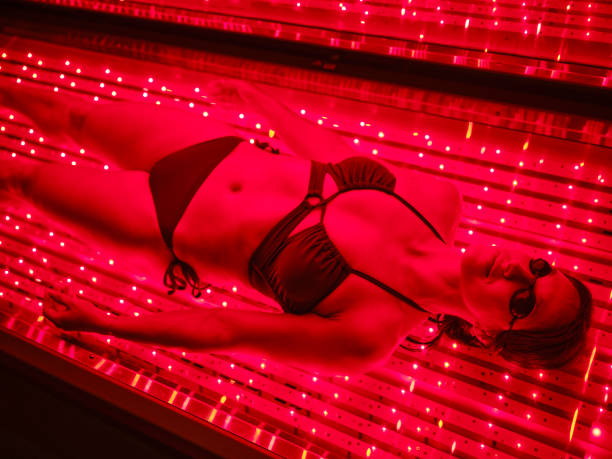
Embora existam pesquisas em andamento sobre RLT para certas doenças oculares, existe o risco de danos permanentes ao tecido da retina com luz forte e exposição prolongada à luz vermelha. Óculos de proteção devem ser usados ao usar RLT.
A terapia da luz vermelha mostra-se promissora como uma opção de tratamento multifacetada e não invasiva para a saúde da pele, alívio da dor, aumentando a energia, melhorando o sono, e apoiando a saúde do cérebro. Embora sejam necessárias mais pesquisas para elucidar completamente seus mecanismos, também é necessário criar maior padronização nos testes para otimizar as potenciais indicações de uso. Esse, junto com mais pesquisas clínicas, ajudará a melhorar as evidências disponíveis e a aumentar a acessibilidade para mais pessoas.
Perguntas frequentes
Quem não deve usar terapia de luz vermelha?
A terapia da luz vermelha é segura para a maioria das pessoas usar. Mas se você tem câncer, epilepsia, ou qualquer condição que aumente a sensibilidade à luz, você não deve usar terapia de luz vermelha. O uso direto da luz vermelha sobre o abdômen durante a gravidez e qualquer região afetada por queimadura ou infecção ativa também deve ser evitado..
Você pode exagerar na terapia da luz vermelha?
O uso prolongado de terapia de luz vermelha pode causar danos à pele. Pode apenas causar algum aumento de sensibilidade, mas em casos graves pode causar queimaduras. A terapia da luz vermelha também pode desencadear enxaquecas em pessoas propensas a elas com uso prolongado. Recomenda-se que o RLT seja usado apenas por alguns minutos na primeira utilização, aumentando gradualmente o tempo de exposição. Consulte as instruções do dispositivo para saber o tempo de uso recomendado.
Qual é o melhor momento para fazer terapia de luz vermelha?
O melhor momento para fazer a terapia da luz vermelha depende de você e da sua finalidade de uso. Algumas pessoas acham que ajuda a melhorar o humor e preferem usá-lo pela manhã; outros usam-no para relaxar à noite antes de dormir, como a luz vermelha não interfere na produção de melatonina. A terapia da luz vermelha foi considerada eficaz antes e depois do exercício para recuperação. O mais importante é a consistência, então o melhor momento para usar o RLT é quando você pode encaixá-lo em sua programação.
A terapia da luz vermelha pode causar câncer?
A terapia da luz vermelha não é forte o suficiente para causar danos aos tecidos da maioria das pessoas, e é muito improvável que cause câncer. No entanto, se alguém já tem câncer, terapia de luz vermelha não é recomendada.