Ένα σπασμένο κόκκαλο θέλει χρόνο, σταθερότητα, παροχή αίματος, και κατάλληλη ιατρική φροντίδα για να θεραπεύσει. Ανάλογα με τη θέση και τη σοβαρότητα του κατάγματος, η θεραπεία μπορεί να περιλαμβάνει ακινητοποίηση, χύσιμο, στηρίζων, φυσικοθεραπεία, ή χειρουργική επέμβαση. Καθώς το ενδιαφέρον για τις μη επεμβατικές τεχνολογίες ανάκτησης συνεχίζει να αυξάνεται, red light therapy for healing broken bones has also become an area of scientific research.
Θεραπεία με κόκκινο φως, επίσης γνωστό ως φωτοβιοτροποποίηση (PBM) ή φωτοθεραπεία χαμηλού επιπέδου, uses specific wavelengths of red or near-infrared light to interact with biological tissues. Researchers have investigated whether this type of light exposure could influence cellular activity, φλεγμονή, κυκλοφορία, και επισκευή ιστών.
Ετσι, can red light therapy actually help a broken bone heal faster?
The answer is promising but not straightforward. Laboratory and animal research suggests that photobiomodulation may influence several biological processes involved in bone repair. Ωστόσο, the evidence is not yet strong enough to say that a commercial red light therapy device can heal a broken bone or replace standard orthopedic treatment.
Understanding what researchers know—and what remains uncertain—is important before considering red light therapy as part of a fracture recovery plan.
What Happens When a Bone Breaks?
Bone healing is a complex biological process. A fracture does not simply “close” like a cut on the skin. The body coordinates inflammation, tissue formation, blood vessel development, and bone remodeling over time.
Bone healing is generally described in several overlapping stages.
1. Inflammatory Stage
Immediately after a fracture, blood vessels around the injury can become damaged, creating a hematoma around the broken bone.
The body then activates an inflammatory response. Immune cells and signaling molecules help remove damaged tissue and initiate the repair process.
Inflammation is therefore not necessarily a bad thing. It is an important part of normal healing.
2. Soft Callus Formation
The body begins creating temporary connective and cartilage-like tissue around the fracture.
This structure helps stabilize the injured area while new bone formation gets underway.
3. Hard Callus Formation
Με την πάροδο του χρόνου, mineralized tissue replaces the soft callus, creating a stronger bridge between the fractured bone ends.
4. Bone Remodeling
The newly formed bone is gradually reorganized and strengthened. This remodeling process can continue long after the person feels better and returns to normal daily activities.
Because bone healing involves multiple stages, researchers are interested in whether photobiomodulation could influence one or more of these biological processes.
Τι είναι η θεραπεία με κόκκινο φως?
Red light therapy uses specific wavelengths of visible red light, while near-infrared therapy uses longer wavelengths that can penetrate deeper into tissue.
The scientific term φωτοβιοτροποποίηση is often used to describe these light-based approaches.
PBM does not work like ultraviolet tanning. It is not intended to damage the skin or create a tan.
Αντί, researchers have proposed that certain wavelengths of light can interact with cellular components and influence processes related to energy production and cellular signaling.
Οι πιθανοί τομείς ενδιαφέροντος περιλαμβάνουν:
- Mitochondrial activity
- Παραγωγή κυτταρικής ενέργειας
- Οξειδωτικό στρες
- Inflammatory signaling
- Blood vessel formation
- Επισκευή ιστού
- Bone-forming cell activity
Ωστόσο, biological plausibility is only the beginning.
A mechanism that looks promising in a laboratory does not automatically mean that the treatment will produce the same result in people with actual fractures.
Can Red Light Therapy Help Broken Bones Heal?
Research suggests that photobiomodulation may influence bone repair, but the strength of evidence varies considerably depending on the type of study.
Researchers have investigated PBM using cell cultures, animal models, and some human studies.
Laboratory research has suggested that specific light exposures may affect osteoblasts—the cells responsible for forming new bone—and other cellular pathways involved in bone regeneration.
Animal studies have also explored whether PBM could influence bone formation, callus development, and fracture repair.
These findings are scientifically interesting because they provide potential explanations for how light therapy might affect the bone-healing environment.
Ωστόσο, animal and cell studies cannot establish that a red light therapy bed will heal a human fracture faster.
Human clinical evidence remains an important piece of the puzzle.
How Might Red Light Therapy Affect Bone Healing?
Researchers have proposed several possible mechanisms.
Υποστήριξη Κυτταρικής Ενέργειας
One of the most discussed theories behind photobiomodulation involves mitochondria.
Mitochondria are responsible for producing much of the energy required by cells.
Bone repair requires substantial cellular activity. Osteoblasts and other cells involved in tissue regeneration need energy to multiply, produce extracellular materials, and participate in remodeling.
PBM research suggests that certain wavelengths may influence mitochondrial function and cellular energy metabolism.
This has led researchers to investigate whether light exposure could create conditions that support tissue repair.
Influencing Osteoblast Activity
Osteoblasts are specialized cells involved in new bone formation.
Some laboratory studies have investigated whether photobiomodulation can influence osteoblast proliferation, διάκριση, and activity.
If these findings are confirmed in well-designed human studies, this could help explain why PBM is being explored as a potential supportive technology for bone regeneration.
But laboratory findings should not be confused with proven clinical outcomes.
Supporting Blood Vessel Formation
A healing fracture requires an adequate blood supply.
New blood vessels help deliver oxygen and nutrients to developing tissue and support the biological processes involved in repair.
Photobiomodulation has been investigated for its potential effects on vascular signaling and circulation.
Researchers are therefore interested in whether PBM could indirectly support the environment surrounding a healing fracture.
Modulating Inflammation
Inflammation plays a necessary role in early bone repair.
The goal is not necessarily to eliminate inflammation but to maintain an appropriate inflammatory response.
PBM has been studied for its potential effects on inflammatory signaling and oxidative stress.
This is one reason photobiomodulation continues to attract interest in musculoskeletal research.
What Does the Research Say About Bone Regeneration?
A growing body of preclinical research has examined photobiomodulation and bone repair.
Studies have explored different light sources, including lasers and LEDs, as well as various red and near-infrared wavelengths.
Researchers have reported potentially beneficial effects in areas such as:
- Bone cell activity
- New bone formation
- Bone mineralization
- Fracture repair
- Implant integration
- Bone regeneration
Ωστόσο, one of the biggest challenges is the lack of standardization.
Different studies may use different:
- Μήκη κύματος
- Irradiance levels
- Energy doses
- Exposure durations
- Treatment frequencies
- Treatment locations
- Light sources
Ως αποτέλεσμα, it is difficult to compare studies directly.
A positive result from one PBM protocol does not automatically prove that another device using a different wavelength or dosage will produce the same effect.
Red Light Therapy vs. Near-Infrared Light for Bone Healing
When discussing bone healing, it is useful to distinguish between visible red light and near-infrared light.
Red wavelengths generally have less tissue penetration than longer near-infrared wavelengths.
Because bones are located beneath skin and other tissues, researchers have investigated near-infrared wavelengths as a potentially useful option for deeper targets.
Ωστόσο, the ideal wavelength depends on the specific application and treatment parameters.
It is not accurate to say that one wavelength is universally “best” for every fracture.
Other factors matter too, συμπεριλαμβανομένου:
- Ένταση φωτός
- Dose
- Διάρκεια θεραπείας
- Distance from the tissue
- Frequency of exposure
- Περιοχή θεραπείας
This is why consumers should be cautious about marketing claims based solely on a wavelength number.
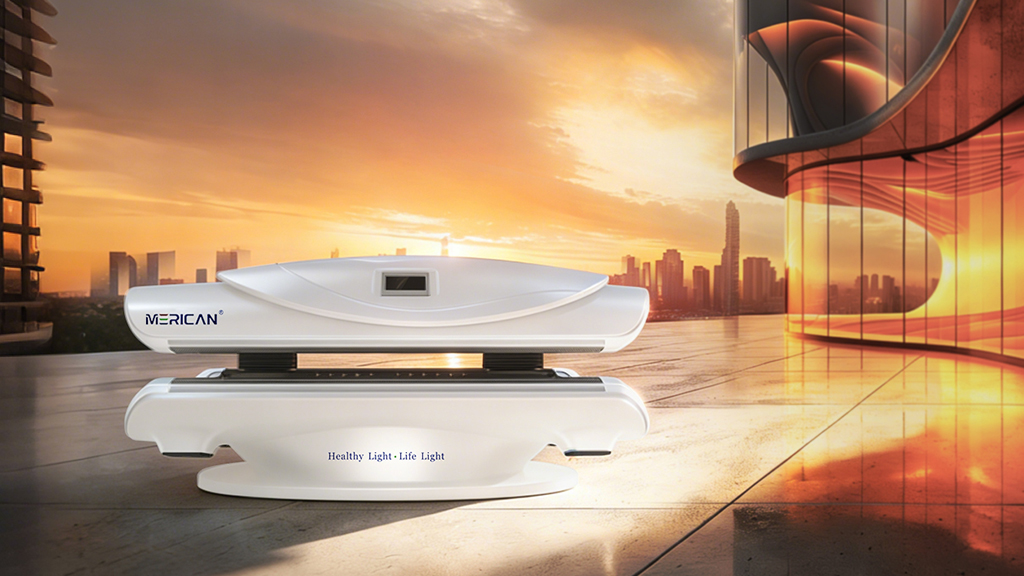
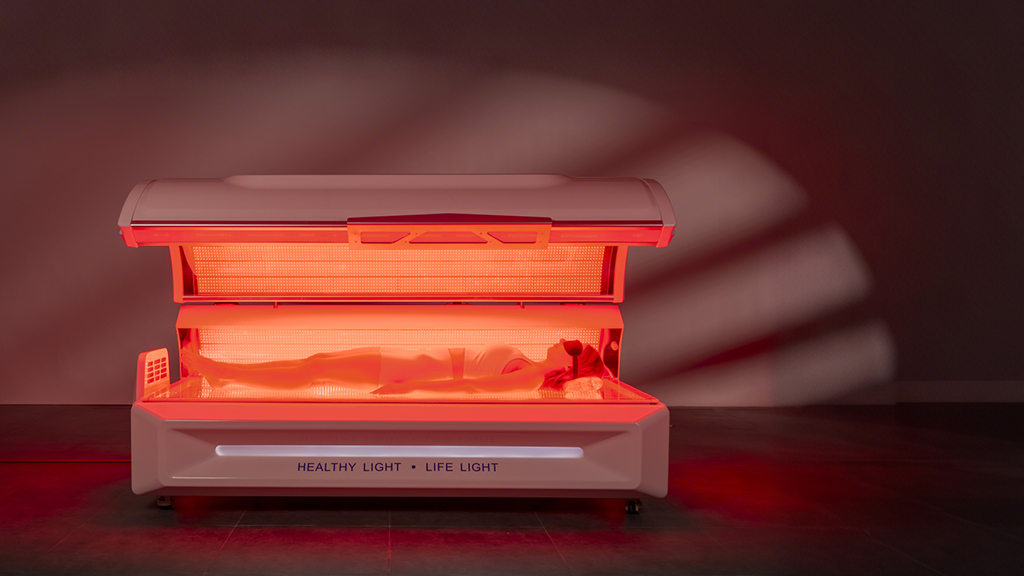
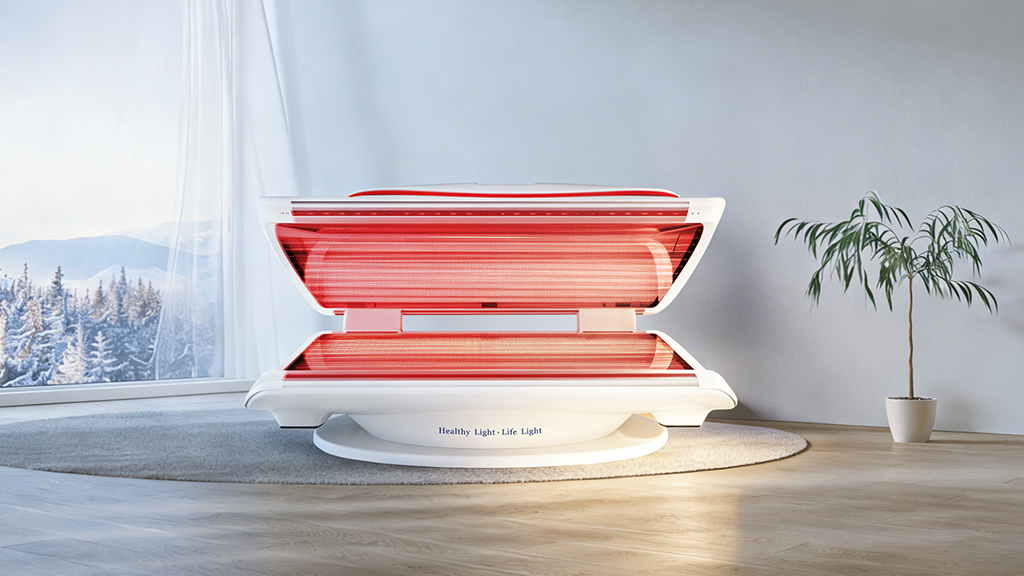
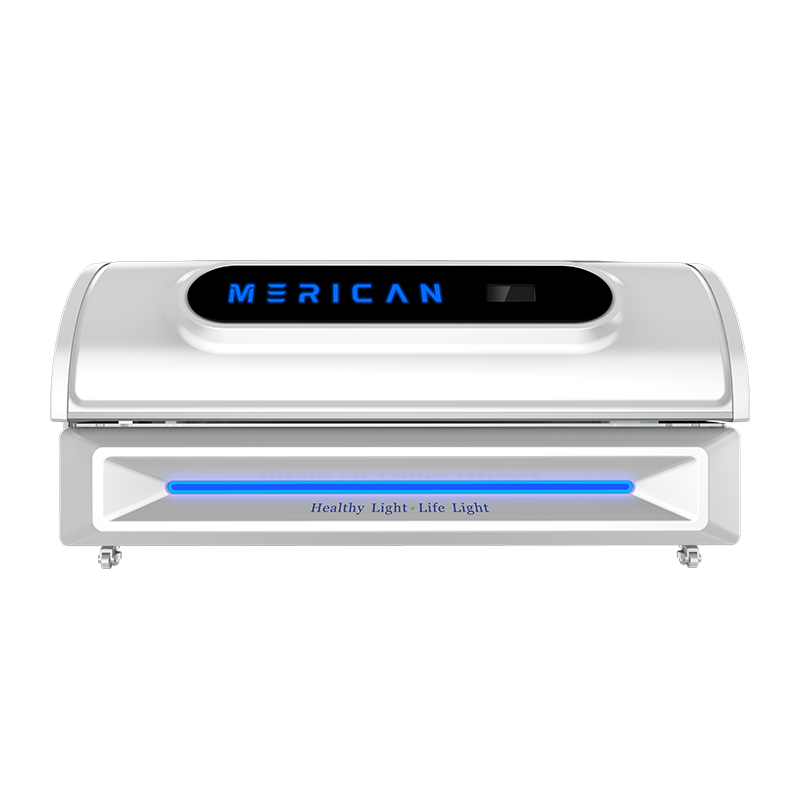
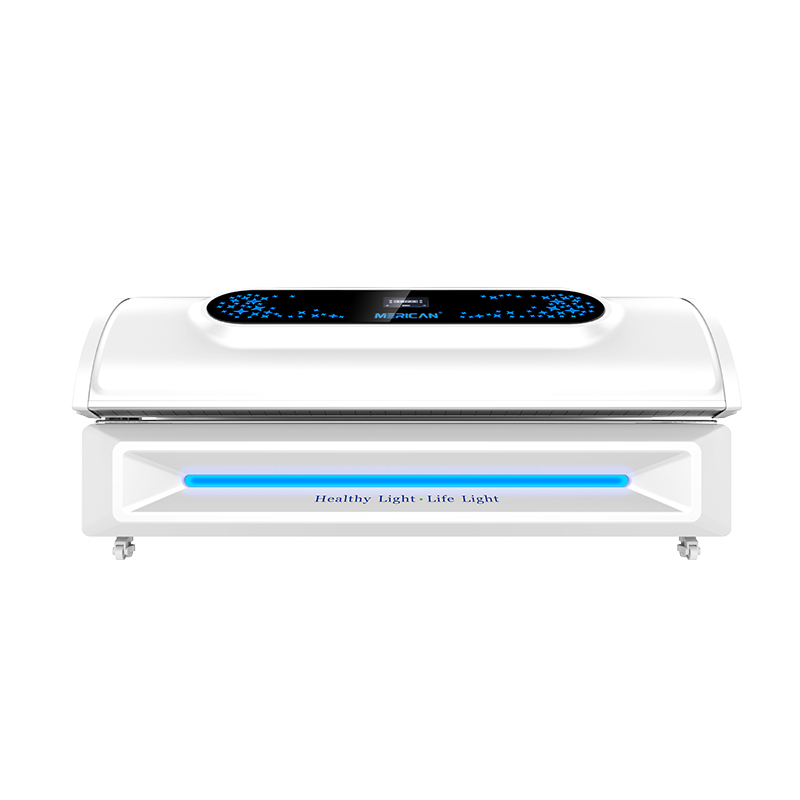
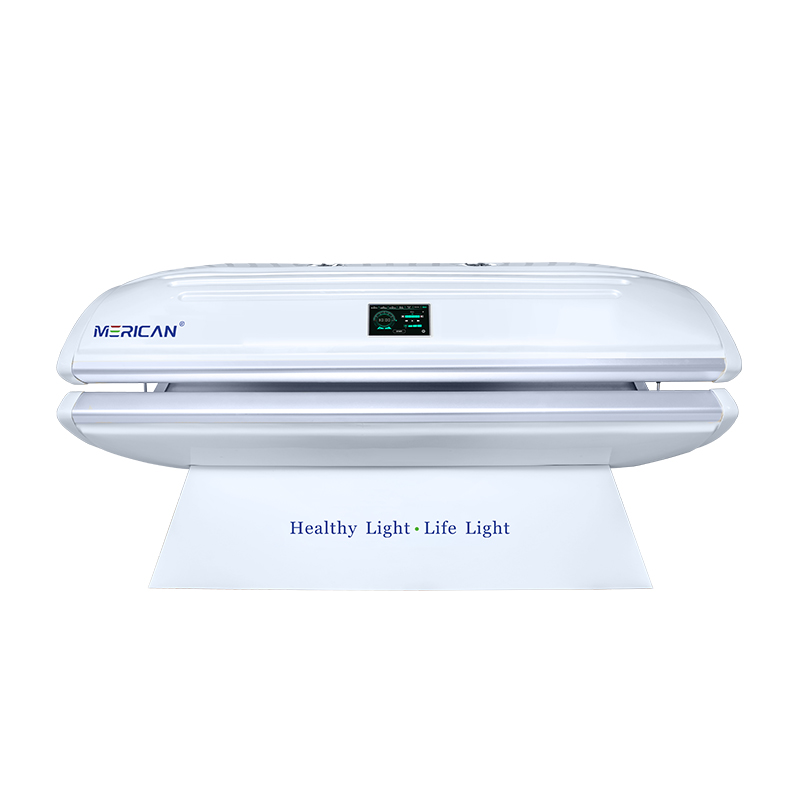
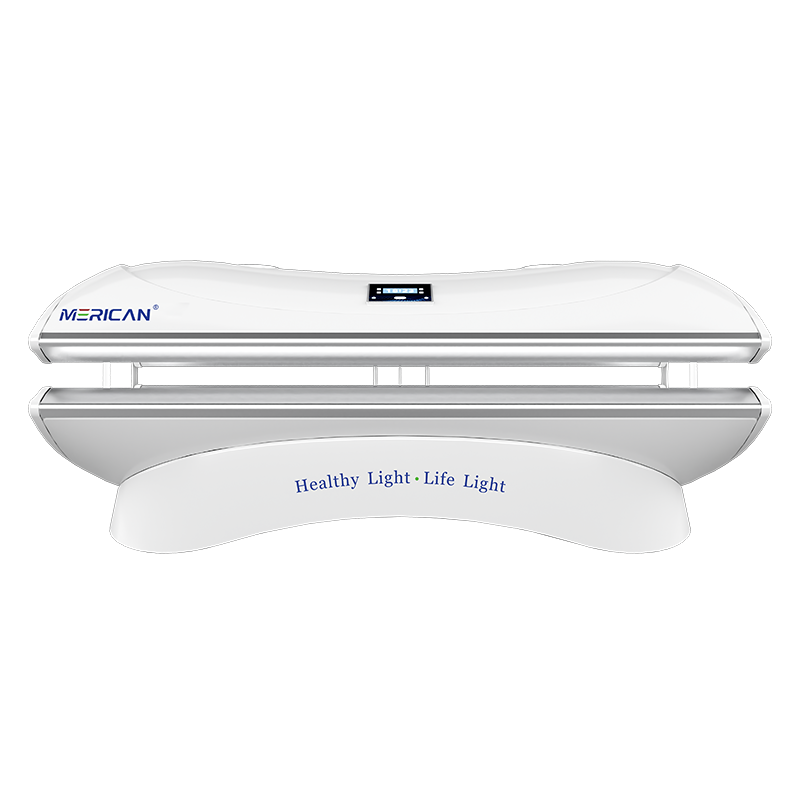
Can a Red Light Therapy Bed Heal a Broken Bone?
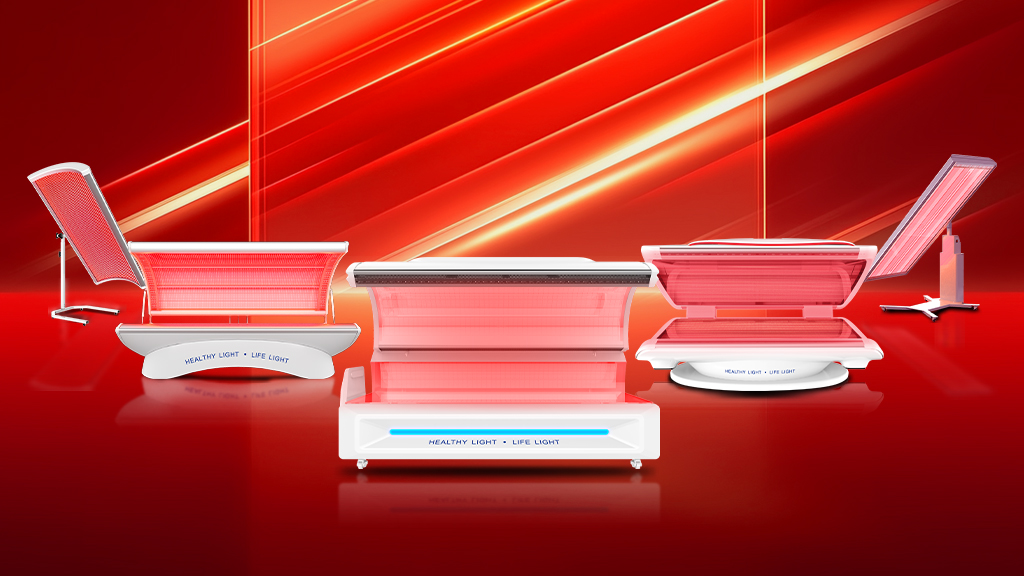
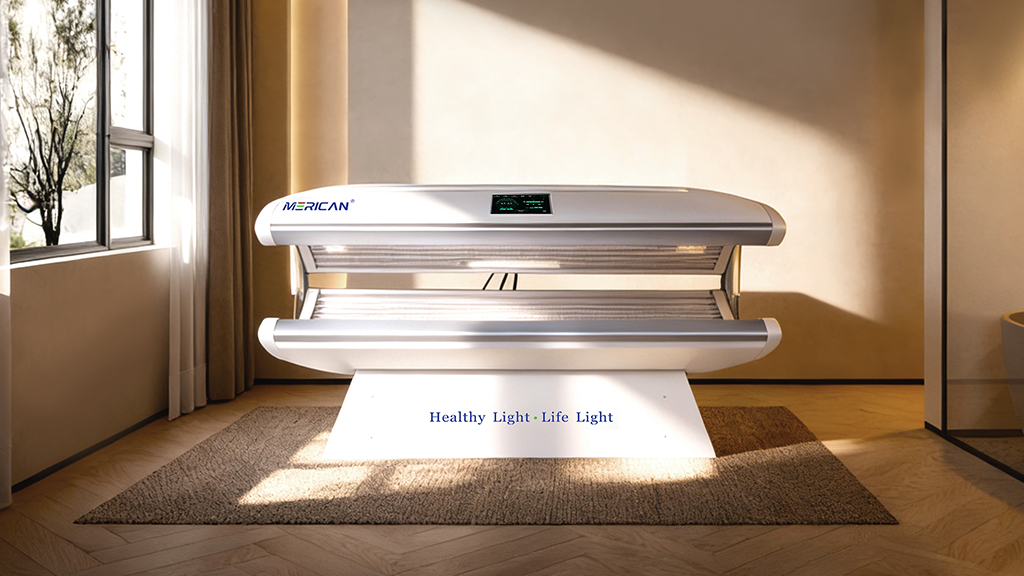
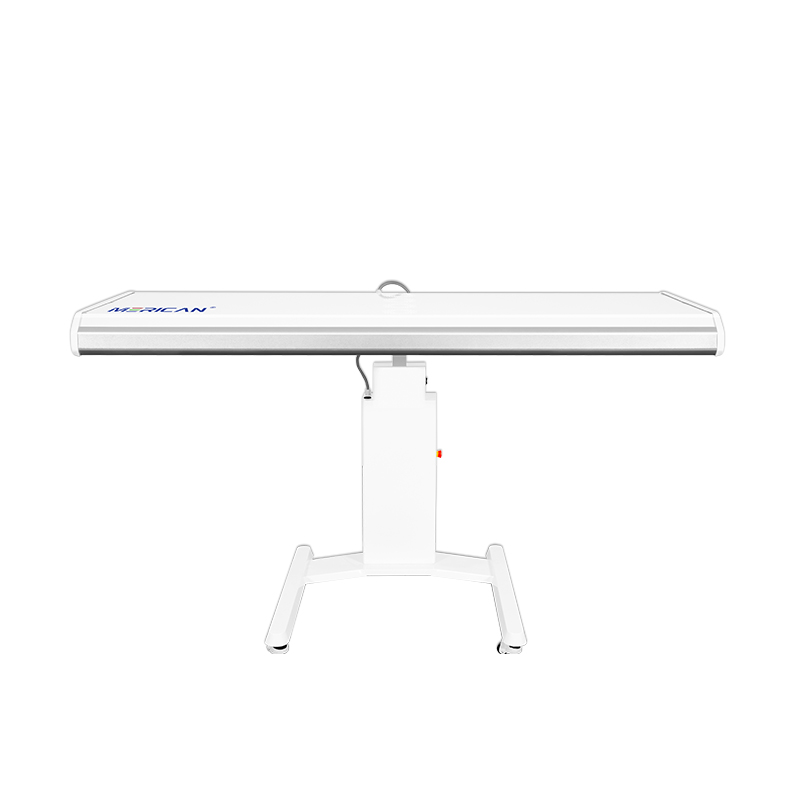
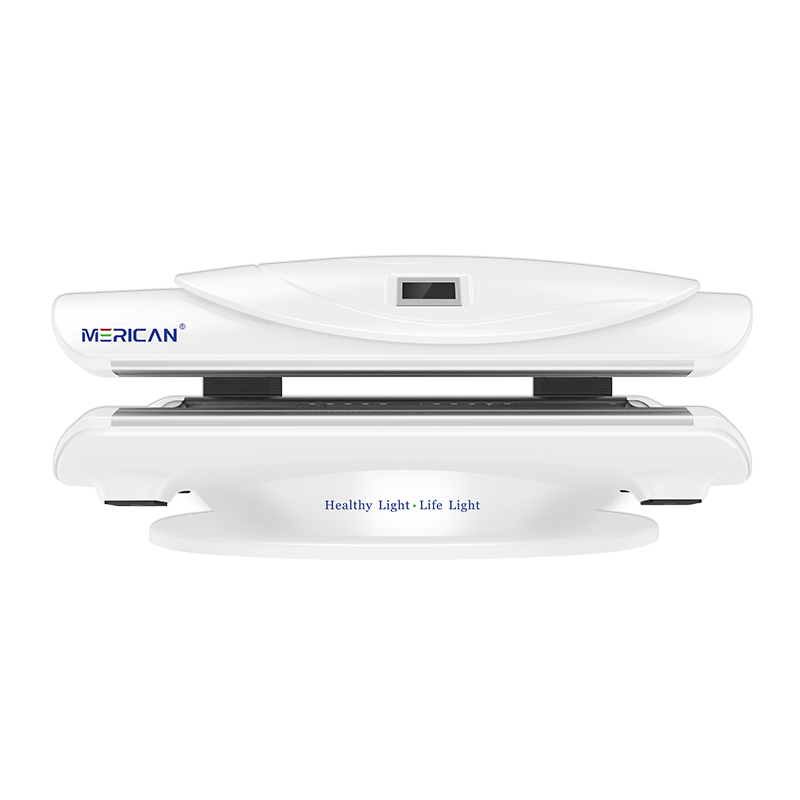
This question is particularly relevant as full-body red light therapy beds become more popular.
Η σύντομη απάντηση είναι:
There is currently insufficient evidence to claim that a commercial full-body red light therapy bed can heal a broken bone.
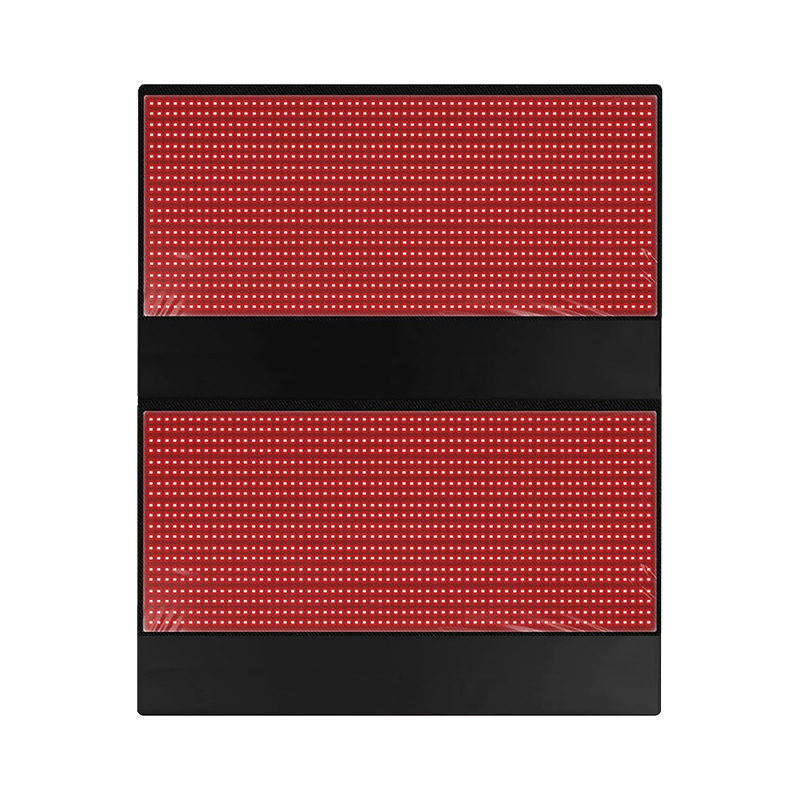
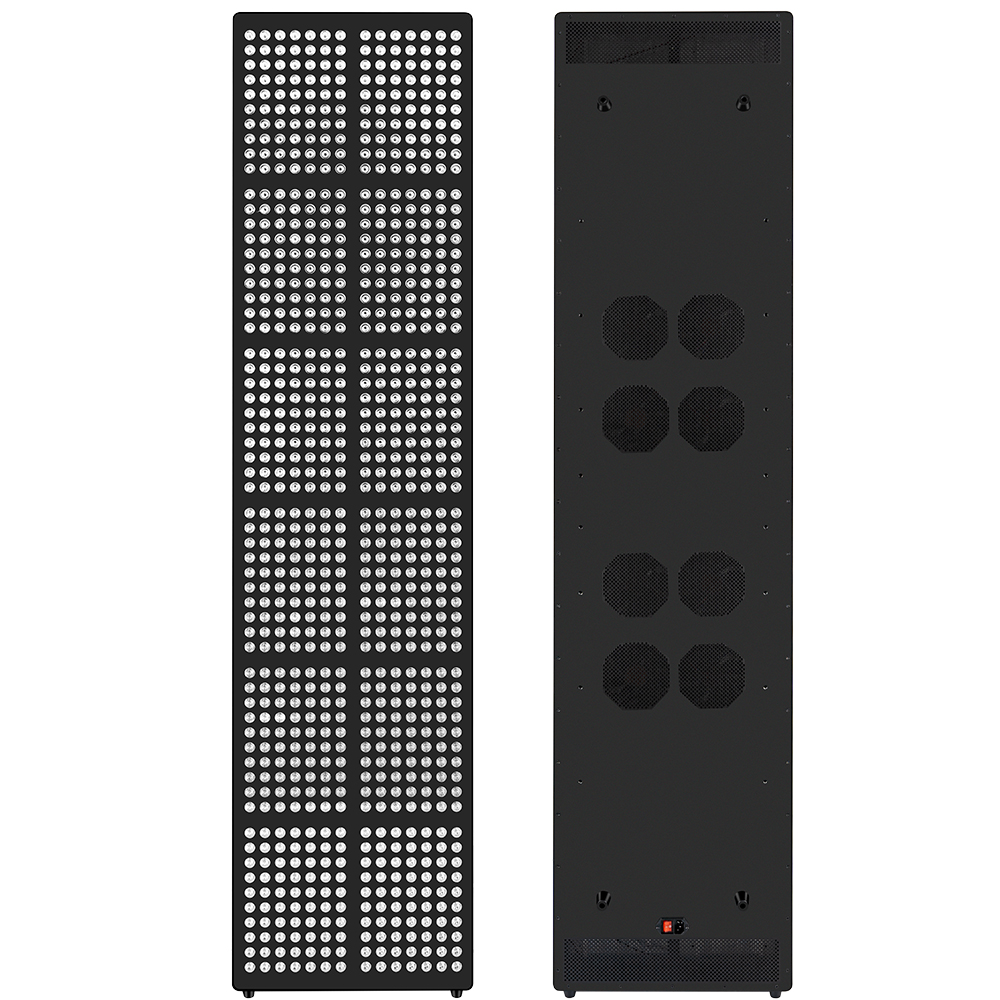
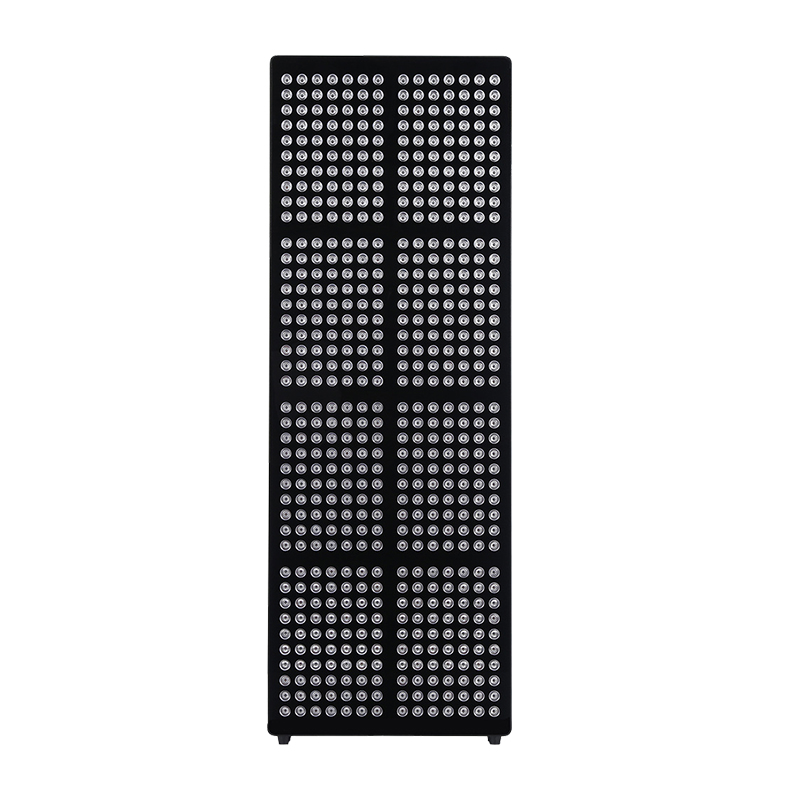
A red light therapy bed can expose large areas of the body to red and/or near-infrared light, making it potentially useful for general wellness and photobiomodulation applications.
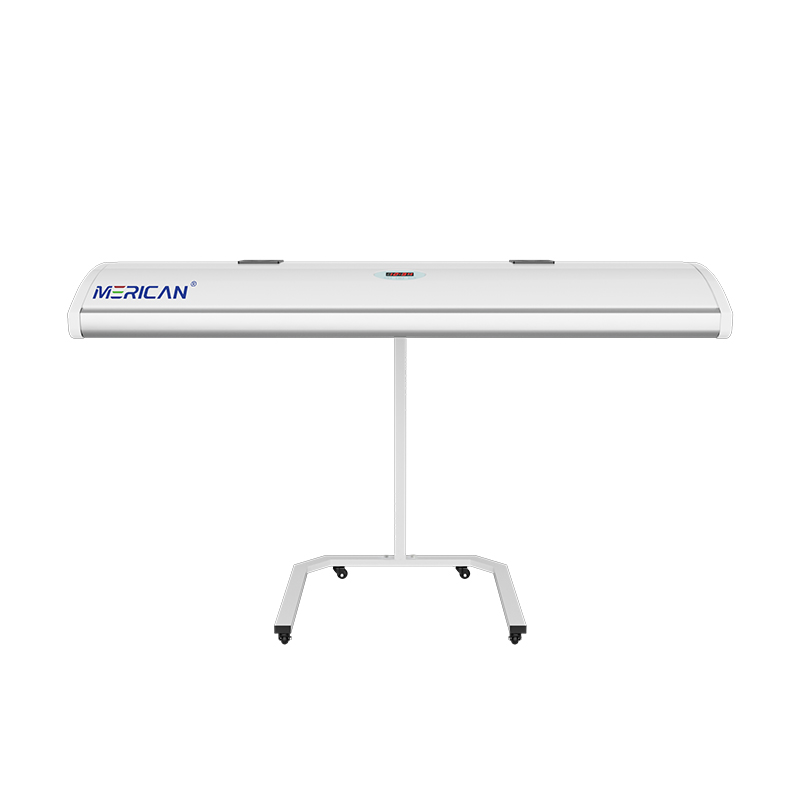
Ωστόσο, research involving targeted light therapy for bone repair may use specific treatment parameters and focus directly on the injured region.
A full-body bed is not necessarily equivalent to a targeted clinical PBM protocol.
Επομένως, businesses should avoid advertising a commercial red light therapy bed as a proven treatment for fractures unless the specific product and intended claim are supported by appropriate clinical evidence and applicable regulations.
Can Red Light Therapy Replace a Cast or Surgery?
Οχι.
This is one of the most important points for anyone researching red light therapy healing broken bones.
If you have a suspected or confirmed fracture, proper medical assessment is essential.
Depending on the fracture, treatment may require:
- Immobilization
- A cast
- A brace
- Reduction of displaced bone
- Surgical fixation
- Φυσικοθεραπεία
- Follow-up imaging
Red light therapy should not be used as a replacement for these interventions.
A fracture that is improperly aligned or unstable may heal incorrectly, resulting in long-term pain, αδυναμία, μειωμένη κινητικότητα, or other complications.
No light therapy device should be used as a substitute for orthopedic evaluation.
Could Red Light Therapy Be a Complementary Recovery Tool?
This is a more reasonable question.
Rather than asking whether red light therapy can “cure” a fracture, researchers are exploring whether photobiomodulation could eventually become a complementary technology alongside standard orthopedic care.
Potential areas of investigation include:
- Supporting tissue recovery
- Influencing local cellular activity
- Supporting circulation around healing tissue
- Modulating inflammatory responses
- Supporting rehabilitation
Ωστόσο, more clinical research is needed before specific recommendations can be made.
The most important distinction is:
Complementary does not mean replacement.
If a healthcare professional recommends immobilization, χειρουργική, φάρμακο, or physical therapy, those treatments should remain the foundation of fracture management.
How Long Does a Broken Bone Take to Heal?
Bone healing time varies substantially.
Factors that can influence recovery include:
- Type of fracture
- Location of the fracture
- Severity
- Ηλικία
- Overall health
- Blood supply
- Κάπνισμα
- Θρέψη
- Διαβήτης
- Bone density
- Stability of the fracture
- Treatment approach
Some fractures may become substantially stronger within several weeks, while more complicated injuries can take considerably longer.
Σημαντικό, pain reduction does not necessarily mean that the bone is fully healed.
A person may feel better before the bone has regained its original strength.
That is why follow-up appointments and imaging may be necessary.
Can Red Light Therapy Reduce Fracture Recovery Time?
This is one of the most appealing claims associated with PBM, but it is also one of the claims that requires the most caution.
Some preclinical research suggests that photobiomodulation may influence biological pathways associated with bone repair.
Ωστόσο, there is not enough high-quality clinical evidence to guarantee that red light therapy will shorten healing time for every broken bone.
The outcome may depend on the type of fracture, the treatment protocol, and individual health factors.
More randomized controlled human trials are needed to determine whether PBM produces meaningful improvements in healing time and functional recovery.
What Factors Matter More Than Red Light Therapy?
If you are recovering from a fracture, several fundamentals are much more important than adding a light-based wellness treatment.
Follow Your Orthopedic Treatment Plan
Follow instructions regarding casts, braces, weight-bearing, κίνηση, and follow-up appointments.
Eat a Balanced Diet
Bone repair requires adequate nutrition.
Protein, ασβέστιο, βιταμίνη D, and other nutrients play important roles in bone health.
People with nutritional deficiencies should discuss appropriate testing and supplementation with their healthcare provider.
Avoid Smoking
Smoking can interfere with bone healing and is an important modifiable risk factor for delayed recovery.
Attend Follow-Up Appointments
Your healthcare provider may use imaging and physical examinations to determine whether the fracture is progressing appropriately.
Follow Rehabilitation Guidance
Once movement is medically appropriate, physical therapy and gradual rehabilitation can help restore strength and function.
Is Red Light Therapy Safe During Bone Recovery?
Photobiomodulation is generally considered a non-invasive approach, but “non-invasive” does not mean universally risk-free.
Safety depends on:
- Προδιαγραφές συσκευής
- Μήκος κύματος
- Ακτινοβολία
- Exposure duration
- Τοποθεσία θεραπείας
- Ατομικές συνθήκες υγείας
- Medication use
People should follow manufacturer instructions and avoid experimenting with excessive exposure.
Extra caution may be appropriate for individuals who:
- Πάρτε φωτοευαισθητοποιητικά φάρμακα
- Have a photosensitivity disorder
- Have cancer or a history of cancer at the treatment site
- Είστε έγκυος ή σχεδιάζετε εγκυμοσύνη
- Να έχετε εμφυτευτεί ιατρική συσκευή
- Have an active wound or infection
If you have recently undergone fracture surgery or have hardware implanted, discuss any light-based treatment with your healthcare professional before using it over the surgical or injured area.
What Should You Look for in a Red Light Therapy Device?
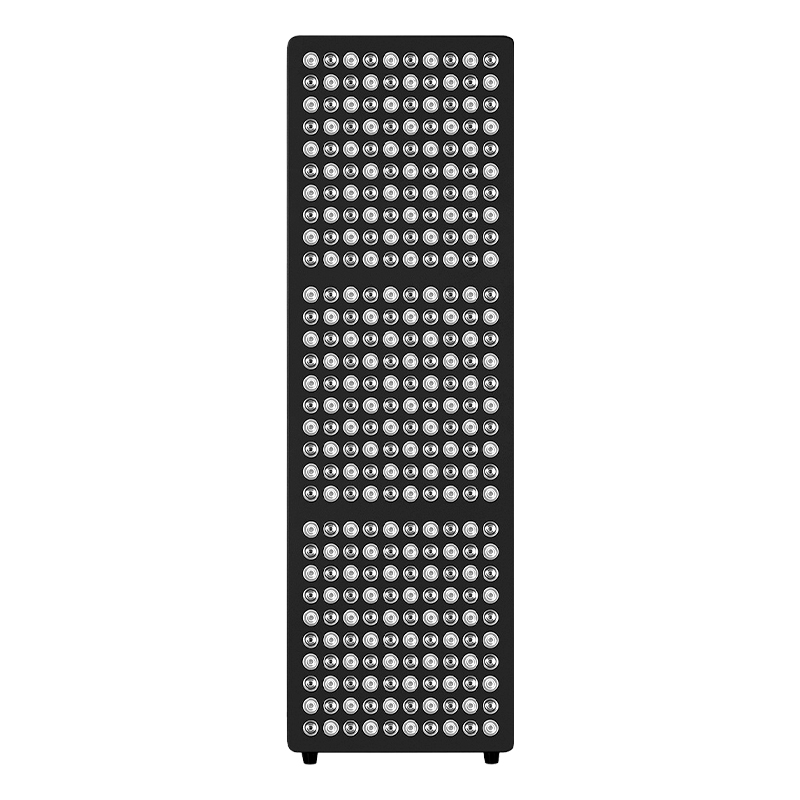
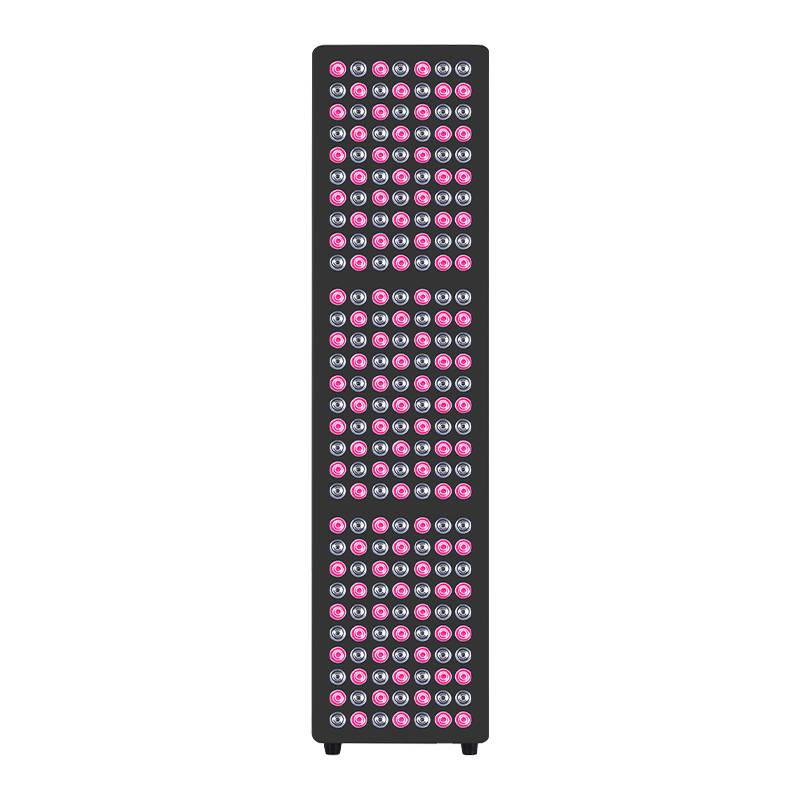
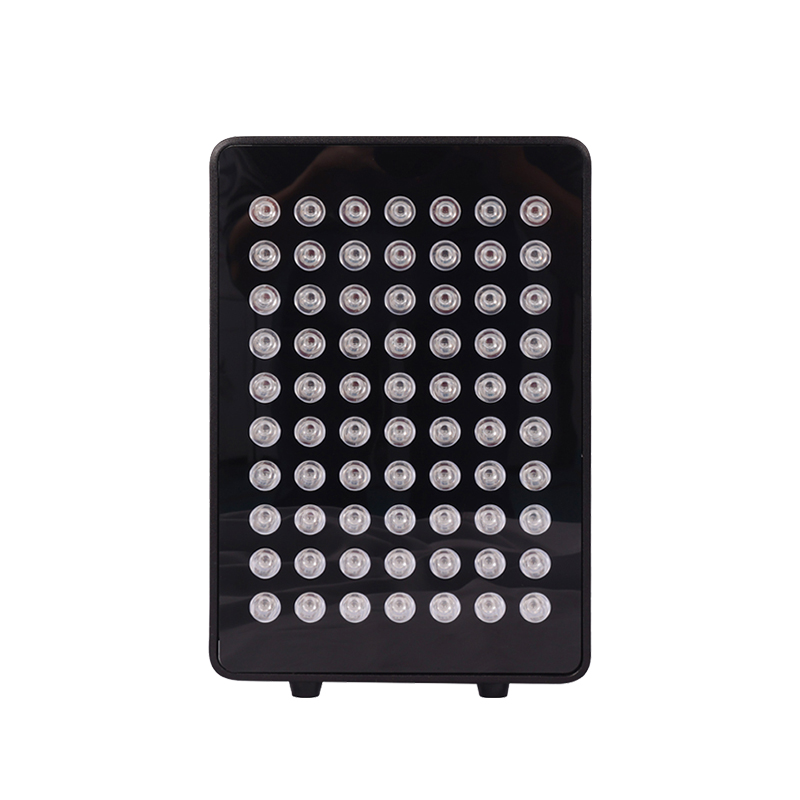
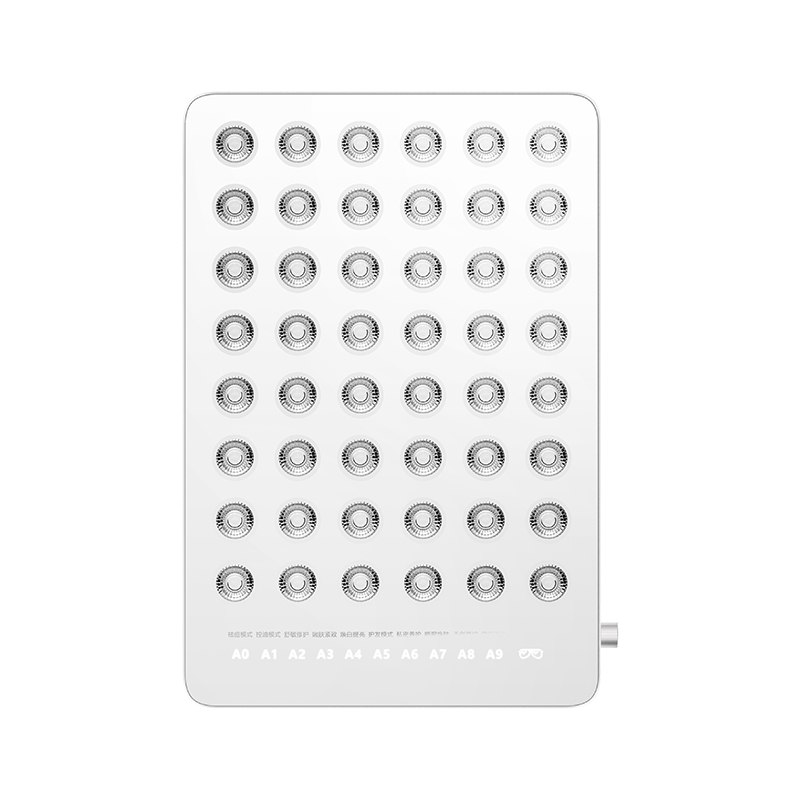
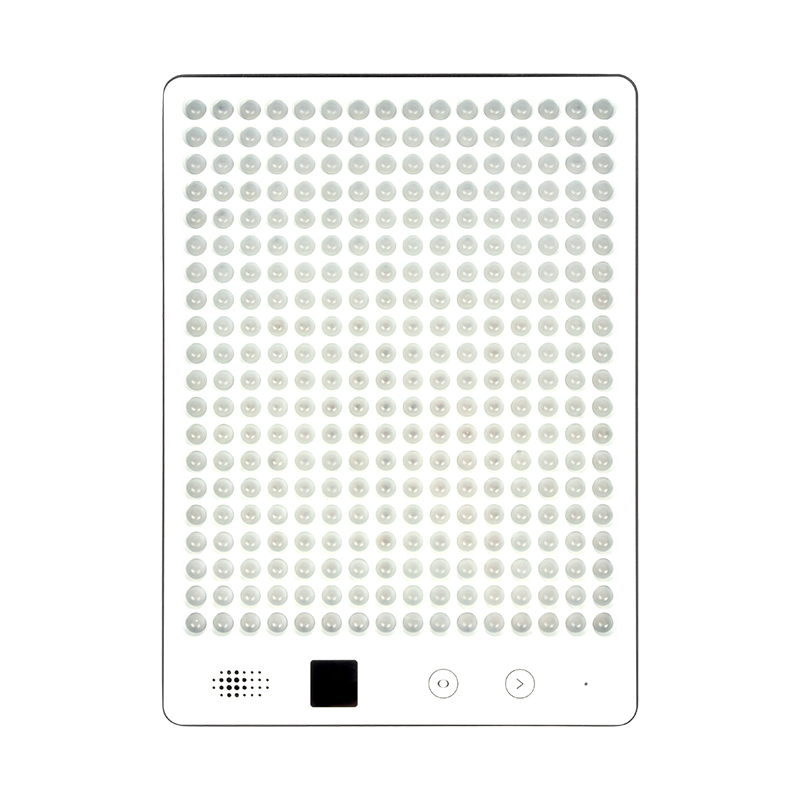
If you are researching professional red light therapy equipment, consider more than the number of LEDs.
Important specifications include:
Μήκος κύματος
The manufacturer should clearly identify the wavelengths used.
Ακτινοβολία
This helps indicate the optical power delivered to the treatment area.
Περιοχή θεραπείας
Consider whether the system is designed for targeted or full-body exposure.
Light Distribution
Uniformity matters when treating larger areas.
Treatment Controls
Professional systems may offer adjustable session times and other control features.
Σύστημα ψύξης
Commercial equipment should be designed for repeated use and appropriate thermal management.
Χαρακτηριστικά Ασφαλείας
Look for clear operating instructions and appropriate safety considerations.
Red Light Therapy for Bone Health vs. Bone Healing
Another important SEO distinction is between bone health και bone healing.
These terms should not be treated as synonyms.
“Bone health” can refer broadly to maintaining strong bones and supporting normal musculoskeletal function.
“Bone healing” refers to the biological repair process following an actual fracture.
A person interested in general wellness may use red light therapy as part of a broader recovery routine, but this does not mean the device has been clinically proven to heal fractures.
Keeping these concepts separate helps prevent misleading medical claims.
Συχνές Ερωτήσεις
Can red light therapy help heal broken bones?
Preclinical research suggests photobiomodulation may influence biological processes involved in bone repair. Ωστόσο, clinical evidence remains limited, and red light therapy has not been established as a replacement for standard fracture treatment.
What color light is best for bone healing?
Research has examined both red and near-infrared wavelengths. There is no universally established wavelength that can be recommended as the best treatment for every fracture.
Can red light therapy make a broken bone heal faster?
Some laboratory and animal studies have produced promising findings, but there is insufficient high-quality human evidence to guarantee faster fracture healing.
Can I use a red light therapy bed after breaking a bone?
Do not assume that a full-body red light therapy bed is equivalent to targeted clinical PBM used in research. If you have a fracture, especially one requiring surgery or immobilization, consult your healthcare provider before using light therapy.
Can red light therapy replace a cast?
Οχι. A cast, brace, χειρουργική, or other orthopedic treatment may be necessary depending on the fracture. Red light therapy should never be used as a substitute for medically indicated fracture stabilization.
Does near-infrared light penetrate deeper than red light?
Near-infrared wavelengths generally penetrate biological tissue differently and can reach deeper than visible red wavelengths. This is one reason near-infrared light is frequently investigated for deeper tissue applications.
Τελικό Takeaway
The science behind red light therapy and healing broken bones is promising enough to justify continued research, but it is not yet strong enough to support the claim that red light therapy can independently heal fractures.
Laboratory and animal studies suggest that photobiomodulation may influence cellular energy, osteoblast activity, blood vessel formation, φλεγμονή, and other processes involved in bone repair. Ωστόσο, human clinical evidence remains more limited, and treatment protocols vary substantially between studies.
For anyone with a broken bone, the priority should always be appropriate medical diagnosis, stabilization, follow-up care, θρέψη, and rehabilitation.
Red light therapy may eventually have a role as a complementary recovery technology, but more high-quality human research is needed to determine the ideal wavelength, dosage, συχνότητα θεραπείας, and clinical application.
For consumers and businesses considering red light therapy equipment, it is also important to distinguish between a targeted clinical PBM protocol και α commercial full-body red light therapy bed. Results from one cannot automatically be applied to the other.
Τελικά, the most responsible way to approach red light therapy for bone recovery is to view it as an emerging research area—not a replacement for proven orthopedic care.