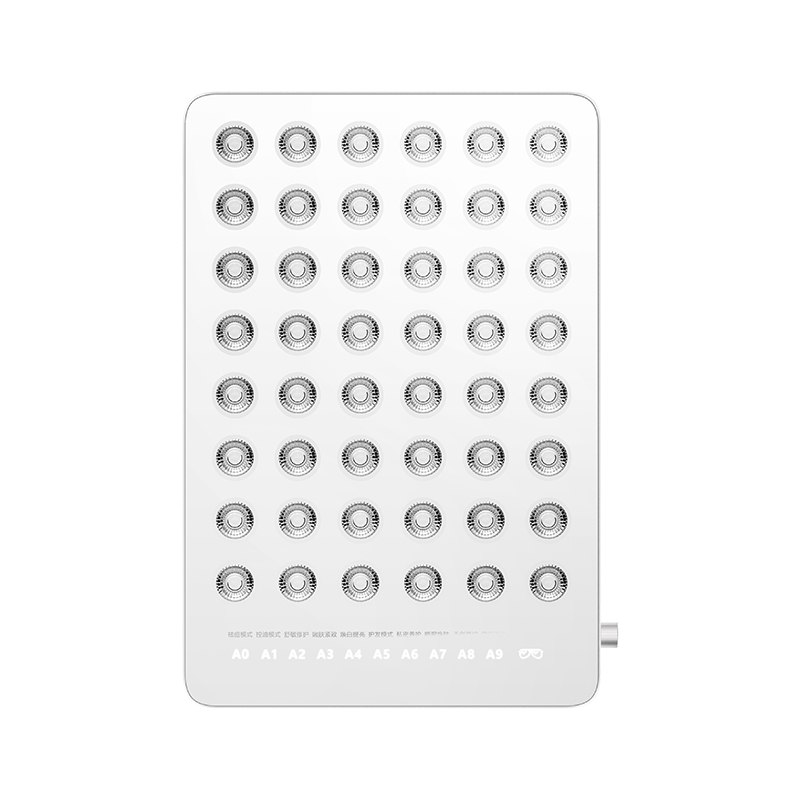
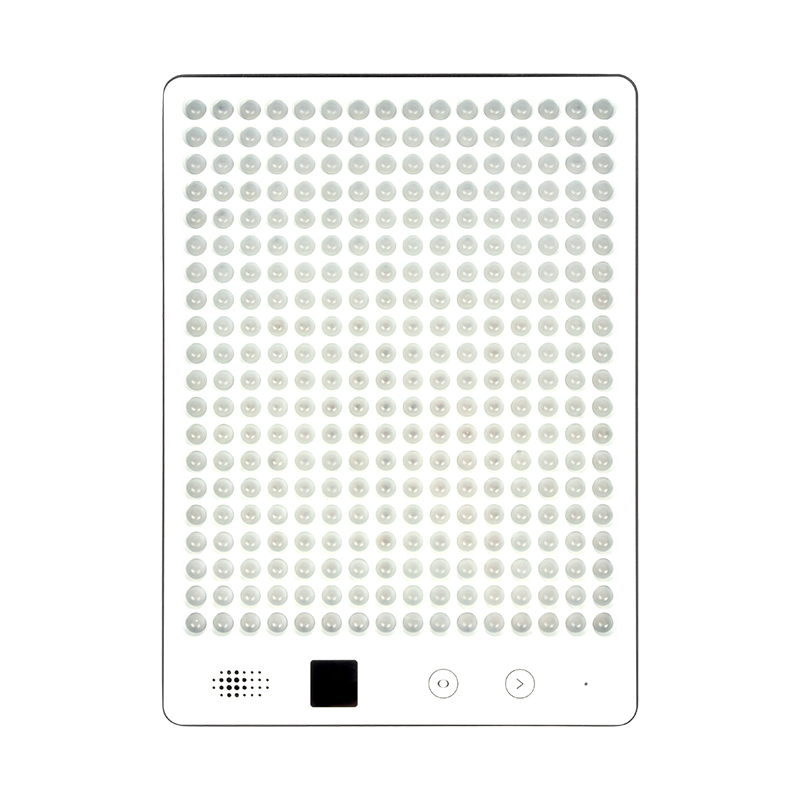
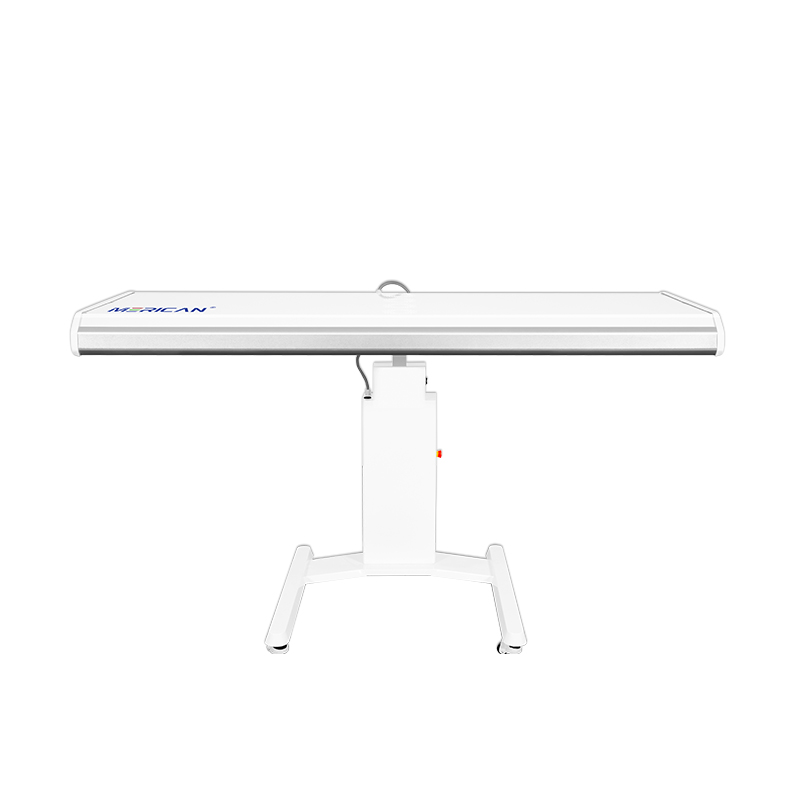
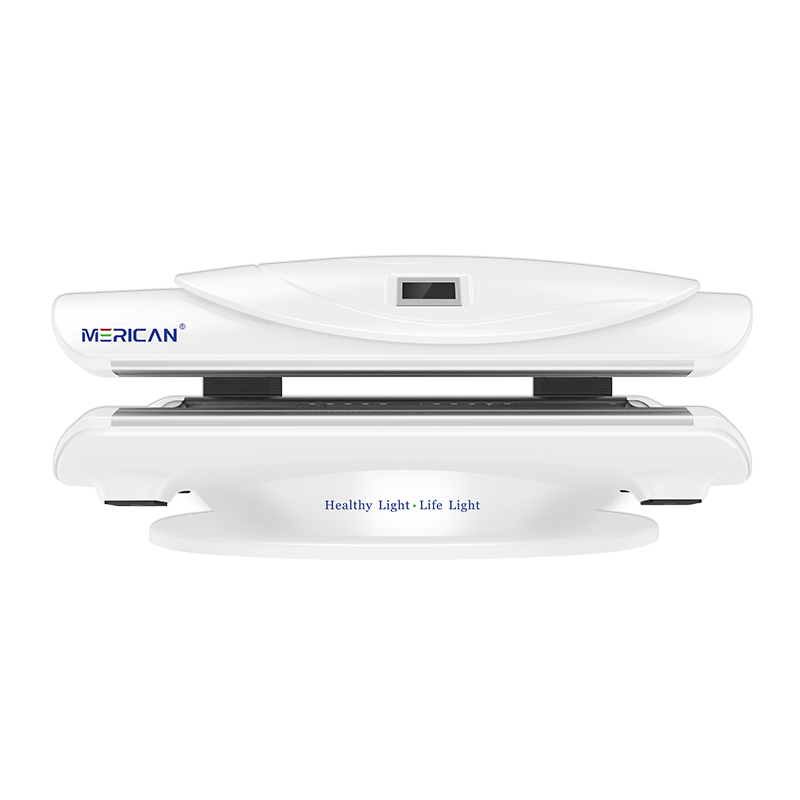
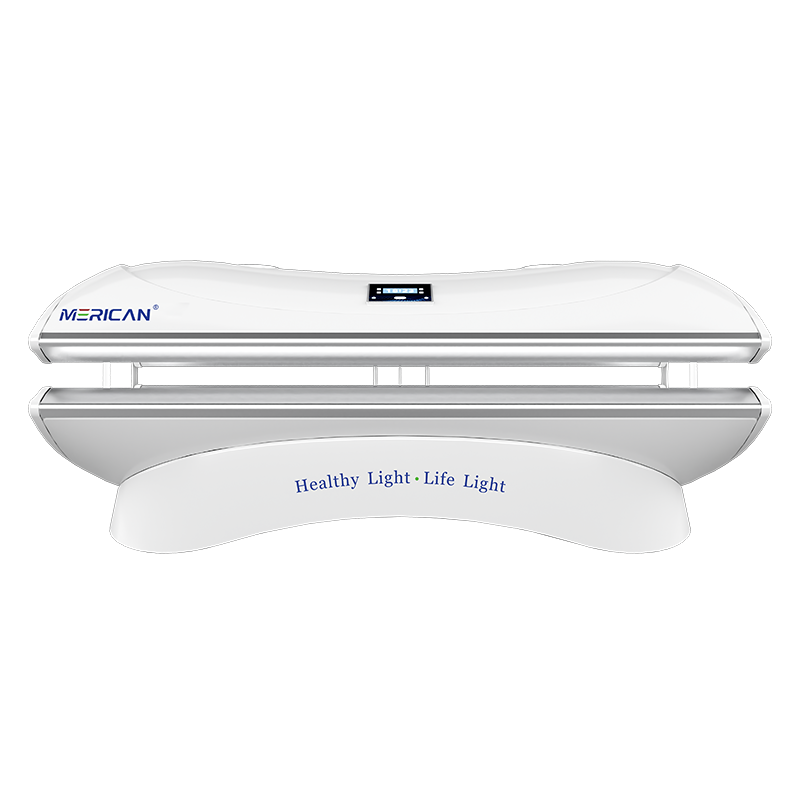
टूटी हुई हड्डी को समय की जरूरत होती है, स्थिरता, रक्त आपूर्ति, और ठीक होने के लिए उचित चिकित्सा देखभाल. फ्रैक्चर के स्थान और गंभीरता पर निर्भर करता है, उपचार में स्थिरीकरण शामिल हो सकता है, कास्टिंग, ताल्लुक़, शारीरिक चिकित्सा, या सर्जरी. जैसे-जैसे गैर-आक्रामक पुनर्प्राप्ति प्रौद्योगिकियों में रुचि बढ़ती जा रही है, टूटी हुई हड्डियों को ठीक करने के लिए लाल बत्ती चिकित्सा वैज्ञानिक अनुसंधान का एक क्षेत्र भी बन गया है.
लाल प्रकाश चिकित्सा, के रूप में भी जाना जाता है फोटोबायोमॉड्यूलेशन (पीबीएम) या निम्न-स्तरीय प्रकाश चिकित्सा, जैविक ऊतकों के साथ बातचीत करने के लिए लाल या निकट-अवरक्त प्रकाश की विशिष्ट तरंग दैर्ध्य का उपयोग करता है. शोधकर्ताओं ने जांच की है कि क्या इस प्रकार का प्रकाश संपर्क सेलुलर गतिविधि को प्रभावित कर सकता है, सूजन, प्रसार, और ऊतक की मरम्मत.
इसलिए, क्या रेड लाइट थेरेपी वास्तव में टूटी हुई हड्डी को तेजी से ठीक करने में मदद कर सकती है??
उत्तर आशाजनक है लेकिन सीधा नहीं है. प्रयोगशाला और पशु अनुसंधान से पता चलता है कि फोटोबायोमॉड्यूलेशन हड्डी की मरम्मत में शामिल कई जैविक प्रक्रियाओं को प्रभावित कर सकता है. तथापि, यह कहने के लिए सबूत अभी तक पर्याप्त मजबूत नहीं हैं कि एक व्यावसायिक रेड लाइट थेरेपी उपकरण टूटी हुई हड्डी को ठीक कर सकता है या मानक आर्थोपेडिक उपचार की जगह ले सकता है.
फ्रैक्चर रिकवरी योजना के हिस्से के रूप में रेड लाइट थेरेपी पर विचार करने से पहले यह समझना महत्वपूर्ण है कि शोधकर्ता क्या जानते हैं - और क्या अनिश्चित है - महत्वपूर्ण है.
क्या होता है जब एक हड्डी टूट जाती है?
अस्थि उपचार एक जटिल जैविक प्रक्रिया है. एक फ्रैक्चर केवल त्वचा पर कट की तरह "बंद" नहीं होता है. शरीर सूजन का समन्वय करता है, ऊतक निर्माण, रक्त वाहिका विकास, और समय के साथ हड्डी का पुनर्निर्माण.
अस्थि उपचार का वर्णन आम तौर पर कई अतिव्यापी चरणों में किया जाता है.
1. सूजन की अवस्था
फ्रैक्चर के तुरंत बाद, चोट के आसपास की रक्त वाहिकाएं क्षतिग्रस्त हो सकती हैं, टूटी हुई हड्डी के चारों ओर एक हेमेटोमा बनाना.
शरीर तब एक सूजन प्रतिक्रिया सक्रिय करता है. प्रतिरक्षा कोशिकाएं और सिग्नलिंग अणु क्षतिग्रस्त ऊतकों को हटाने और मरम्मत प्रक्रिया शुरू करने में मदद करते हैं.
इसलिए सूजन आवश्यक रूप से बुरी चीज़ नहीं है. यह सामान्य उपचार का एक महत्वपूर्ण हिस्सा है.
2. नरम कैलस गठन
शरीर फ्रैक्चर के चारों ओर अस्थायी संयोजी और उपास्थि जैसे ऊतक बनाना शुरू कर देता है.
यह संरचना घायल क्षेत्र को स्थिर करने में मदद करती है जबकि नई हड्डी का निर्माण चल रहा होता है.
3. कठोर कैलस गठन
अधिक समय तक, खनिजयुक्त ऊतक नरम कैलस का स्थान ले लेता है, टूटी हुई हड्डी के सिरों के बीच एक मजबूत पुल बनाना.
4. हड्डी का पुनर्निर्माण
नवगठित हड्डी को धीरे-धीरे पुनर्गठित और मजबूत किया जाता है. यह रीमॉडलिंग प्रक्रिया व्यक्ति के बेहतर महसूस करने और सामान्य दैनिक गतिविधियों में लौटने के बाद भी लंबे समय तक जारी रह सकती है.
क्योंकि हड्डी के उपचार में कई चरण शामिल होते हैं, शोधकर्ता इस बात में रुचि रखते हैं कि क्या फोटोबायोमॉड्यूलेशन इनमें से एक या अधिक जैविक प्रक्रियाओं को प्रभावित कर सकता है.
रेड लाइट थेरेपी क्या है??
लाल प्रकाश चिकित्सा दृश्यमान लाल प्रकाश की विशिष्ट तरंग दैर्ध्य का उपयोग करती है, जबकि निकट-अवरक्त चिकित्सा लंबी तरंग दैर्ध्य का उपयोग करती है जो ऊतक में गहराई तक प्रवेश कर सकती है.
वैज्ञानिक शब्द फोटोबायोमॉड्यूलेशन इन प्रकाश-आधारित दृष्टिकोणों का वर्णन करने के लिए अक्सर इसका उपयोग किया जाता है.
पीबीएम पराबैंगनी टैनिंग की तरह काम नहीं करता है. इसका उद्देश्य त्वचा को नुकसान पहुंचाना या टैन बनाना नहीं है.
बजाय, शोधकर्ताओं ने प्रस्तावित किया है कि प्रकाश की कुछ तरंग दैर्ध्य सेलुलर घटकों के साथ बातचीत कर सकती हैं और ऊर्जा उत्पादन और सेलुलर सिग्नलिंग से संबंधित प्रक्रियाओं को प्रभावित कर सकती हैं.
रुचि के संभावित क्षेत्रों में शामिल हैं:
- माइटोकॉन्ड्रियल गतिविधि
- सेलुलर ऊर्जा उत्पादन
- ऑक्सीडेटिव तनाव
- सूजन संबंधी संकेत
- रक्त वाहिका निर्माण
- ऊतक की मरम्मत
- हड्डी बनाने वाली कोशिका गतिविधि
तथापि, जैविक संभाव्यता केवल शुरुआत है.
एक तंत्र जो प्रयोगशाला में आशाजनक दिखता है उसका स्वचालित रूप से यह मतलब नहीं है कि उपचार वास्तविक फ्रैक्चर वाले लोगों में वही परिणाम देगा.
क्या रेड लाइट थेरेपी टूटी हड्डियों को ठीक करने में मदद कर सकती है??
शोध से पता चलता है कि फोटोबायोमॉड्यूलेशन हड्डी की मरम्मत को प्रभावित कर सकता है, लेकिन साक्ष्य की ताकत अध्ययन के प्रकार के आधार पर काफी भिन्न होती है.
शोधकर्ताओं ने सेल कल्चर का उपयोग करके पीबीएम की जांच की है, पशु मॉडल, और कुछ मानव अध्ययन.
प्रयोगशाला अनुसंधान ने सुझाव दिया है कि विशिष्ट प्रकाश एक्सपोज़र ऑस्टियोब्लास्ट्स - नई हड्डी बनाने के लिए जिम्मेदार कोशिकाएं - और हड्डी पुनर्जनन में शामिल अन्य सेलुलर मार्गों को प्रभावित कर सकता है।.
पशु अध्ययनों से यह भी पता चला है कि क्या पीबीएम हड्डी के निर्माण को प्रभावित कर सकता है, कैलस विकास, और फ्रैक्चर की मरम्मत.
ये निष्कर्ष वैज्ञानिक रूप से दिलचस्प हैं क्योंकि वे संभावित स्पष्टीकरण प्रदान करते हैं कि प्रकाश चिकित्सा हड्डी-उपचार वातावरण को कैसे प्रभावित कर सकती है.
तथापि, पशु और कोशिका अध्ययन यह स्थापित नहीं कर सकते कि लाल बत्ती चिकित्सा बिस्तर मानव फ्रैक्चर को तेजी से ठीक कर देगा.
मानव नैदानिक साक्ष्य पहेली का एक महत्वपूर्ण हिस्सा बना हुआ है.
रेड लाइट थेरेपी हड्डी के उपचार को कैसे प्रभावित कर सकती है??
शोधकर्ताओं ने कई संभावित तंत्र प्रस्तावित किए हैं.
सेलुलर ऊर्जा का समर्थन
फोटोबायोमॉड्यूलेशन के पीछे सबसे चर्चित सिद्धांतों में से एक में माइटोकॉन्ड्रिया शामिल है.
माइटोकॉन्ड्रिया कोशिकाओं के लिए आवश्यक अधिकांश ऊर्जा का उत्पादन करने के लिए जिम्मेदार हैं.
हड्डी की मरम्मत के लिए पर्याप्त सेलुलर गतिविधि की आवश्यकता होती है. ऑस्टियोब्लास्ट और ऊतक पुनर्जनन में शामिल अन्य कोशिकाओं को गुणा करने के लिए ऊर्जा की आवश्यकता होती है, बाह्यकोशिकीय सामग्री का उत्पादन करें, और रीमॉडलिंग में भाग लें.
पीबीएम शोध से पता चलता है कि कुछ तरंग दैर्ध्य माइटोकॉन्ड्रियल फ़ंक्शन और सेलुलर ऊर्जा चयापचय को प्रभावित कर सकते हैं.
इसने शोधकर्ताओं को यह जांचने के लिए प्रेरित किया है कि क्या प्रकाश के संपर्क में आने से ऐसी स्थितियां बन सकती हैं जो ऊतक की मरम्मत का समर्थन करती हैं.
ऑस्टियोब्लास्ट गतिविधि को प्रभावित करना
ऑस्टियोब्लास्ट नई हड्डियों के निर्माण में शामिल विशेष कोशिकाएं हैं.
कुछ प्रयोगशाला अध्ययनों ने जांच की है कि क्या फोटोबायोमॉड्यूलेशन ऑस्टियोब्लास्ट प्रसार को प्रभावित कर सकता है, भेदभाव, और गतिविधि.
यदि इन निष्कर्षों की पुष्टि अच्छी तरह से डिज़ाइन किए गए मानव अध्ययनों में की जाती है, इससे यह समझाने में मदद मिल सकती है कि पीबीएम को हड्डी पुनर्जनन के लिए संभावित सहायक तकनीक के रूप में क्यों खोजा जा रहा है.
लेकिन प्रयोगशाला के निष्कर्षों को सिद्ध नैदानिक परिणामों के साथ भ्रमित नहीं किया जाना चाहिए.
रक्त वाहिका निर्माण में सहायक
फ्रैक्चर को ठीक करने के लिए पर्याप्त रक्त आपूर्ति की आवश्यकता होती है.
नई रक्त वाहिकाएं विकासशील ऊतकों तक ऑक्सीजन और पोषक तत्व पहुंचाने में मदद करती हैं और मरम्मत में शामिल जैविक प्रक्रियाओं का समर्थन करती हैं.
संवहनी सिग्नलिंग और परिसंचरण पर इसके संभावित प्रभावों के लिए फोटोबायोमॉड्यूलेशन की जांच की गई है.
इसलिए शोधकर्ता इस बात में रुचि रखते हैं कि क्या पीबीएम अप्रत्यक्ष रूप से फ्रैक्चर के उपचार के आसपास के वातावरण का समर्थन कर सकता है.
सूजन को संशोधित करना
हड्डी की शीघ्र मरम्मत में सूजन एक आवश्यक भूमिका निभाती है.
लक्ष्य आवश्यक रूप से सूजन को खत्म करना नहीं है बल्कि उचित सूजन प्रतिक्रिया को बनाए रखना है.
पीबीएम का अध्ययन सूजन संकेतन और ऑक्सीडेटिव तनाव पर इसके संभावित प्रभावों के लिए किया गया है.
यह एक कारण है कि फोटोबायोमॉड्यूलेशन मस्कुलोस्केलेटल अनुसंधान में रुचि आकर्षित करना जारी रखता है.
अस्थि पुनर्जनन के बारे में शोध क्या कहता है??
प्रीक्लिनिकल अनुसंधान के बढ़ते समूह ने फोटोबायोमॉड्यूलेशन और हड्डी की मरम्मत की जांच की है.
अध्ययनों ने विभिन्न प्रकाश स्रोतों का पता लगाया है, लेजर और एलईडी सहित, साथ ही विभिन्न लाल और निकट-अवरक्त तरंग दैर्ध्य.
शोधकर्ताओं ने जैसे क्षेत्रों में संभावित लाभकारी प्रभावों की सूचना दी है:
- अस्थि कोशिका गतिविधि
- नई हड्डी का निर्माण
- अस्थि खनिजकरण
- फ्रैक्चर की मरम्मत
- प्रत्यारोपण एकीकरण
- अस्थि पुनर्जनन
तथापि, सबसे बड़ी चुनौतियों में से एक मानकीकरण की कमी है.
अलग-अलग अध्ययन अलग-अलग उपयोग कर सकते हैं:
- तरंग दैर्ध्य
- विकिरण स्तर
- ऊर्जा की खुराक
- एक्सपोज़र अवधि
- उपचार की आवृत्तियाँ
- उपचार के स्थान
- प्रकाश स्रोत
नतीजतन, अध्ययनों की सीधे तुलना करना कठिन है.
एक पीबीएम प्रोटोकॉल से एक सकारात्मक परिणाम स्वचालित रूप से यह साबित नहीं करता है कि एक अलग तरंग दैर्ध्य या खुराक का उपयोग करने वाला कोई अन्य उपकरण समान प्रभाव उत्पन्न करेगा.
रेड लाइट थेरेपी बनाम. हड्डी के उपचार के लिए नियर-इन्फ्रारेड लाइट
हड्डी के उपचार पर चर्चा करते समय, यह दृश्यमान लाल प्रकाश और निकट-अवरक्त प्रकाश के बीच अंतर करना उपयोगी है.
लाल तरंग दैर्ध्य में आमतौर पर निकट-अवरक्त तरंग दैर्ध्य की तुलना में कम ऊतक प्रवेश होता है.
क्योंकि हड्डियाँ त्वचा और अन्य ऊतकों के नीचे स्थित होती हैं, शोधकर्ताओं ने गहरे लक्ष्यों के लिए संभावित रूप से उपयोगी विकल्प के रूप में निकट-अवरक्त तरंग दैर्ध्य की जांच की है.
तथापि, आदर्श तरंग दैर्ध्य विशिष्ट अनुप्रयोग और उपचार मापदंडों पर निर्भर करता है.
यह कहना सही नहीं है कि प्रत्येक फ्रैक्चर के लिए एक तरंग दैर्ध्य सार्वभौमिक रूप से "सर्वश्रेष्ठ" है.
अन्य कारक भी मायने रखते हैं, शामिल:
- हल्की तीव्रता
- खुराक
- उपचार की अवधि
- ऊतक से दूरी
- एक्सपोज़र की आवृत्ति
- उपचार क्षेत्र
यही कारण है कि उपभोक्ताओं को केवल तरंग दैर्ध्य संख्या पर आधारित विपणन दावों के बारे में सतर्क रहना चाहिए.
क्या रेड लाइट थेरेपी बिस्तर टूटी हुई हड्डी को ठीक कर सकता है??
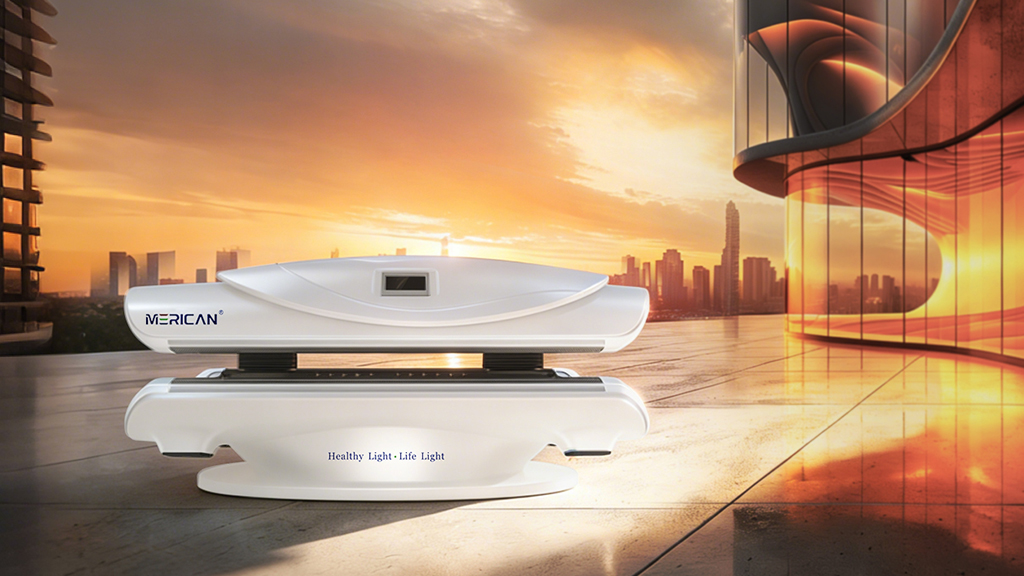
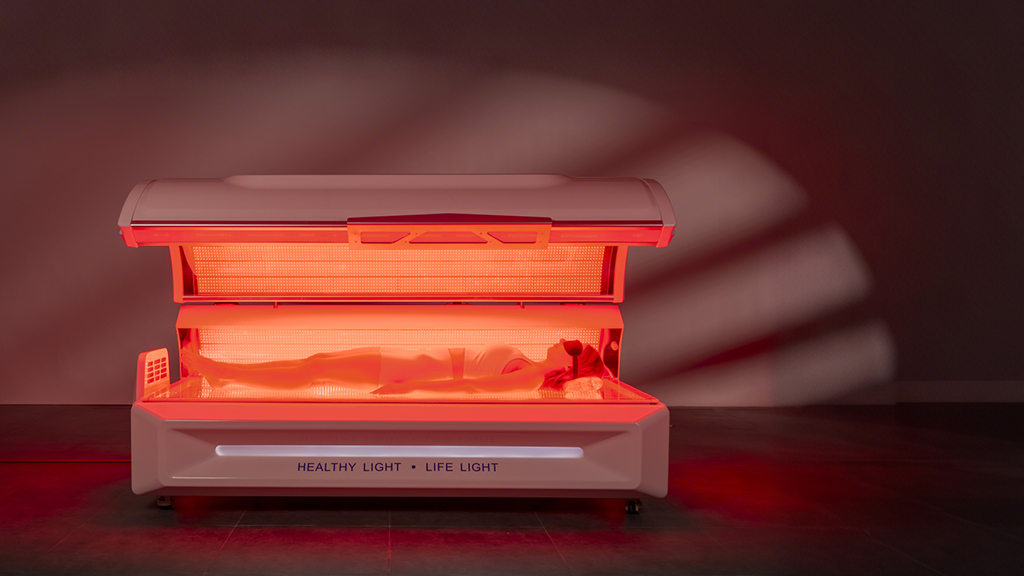
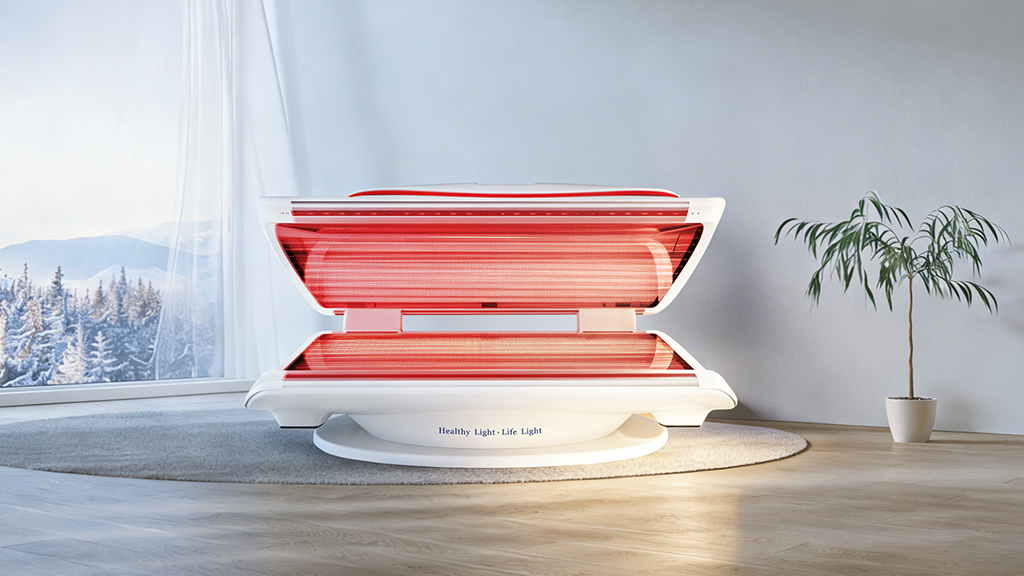
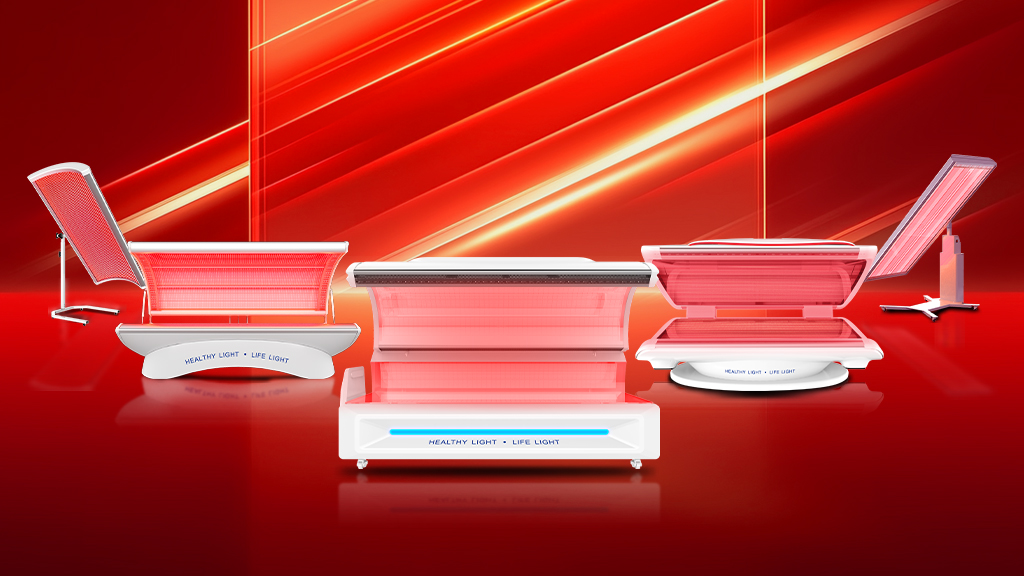
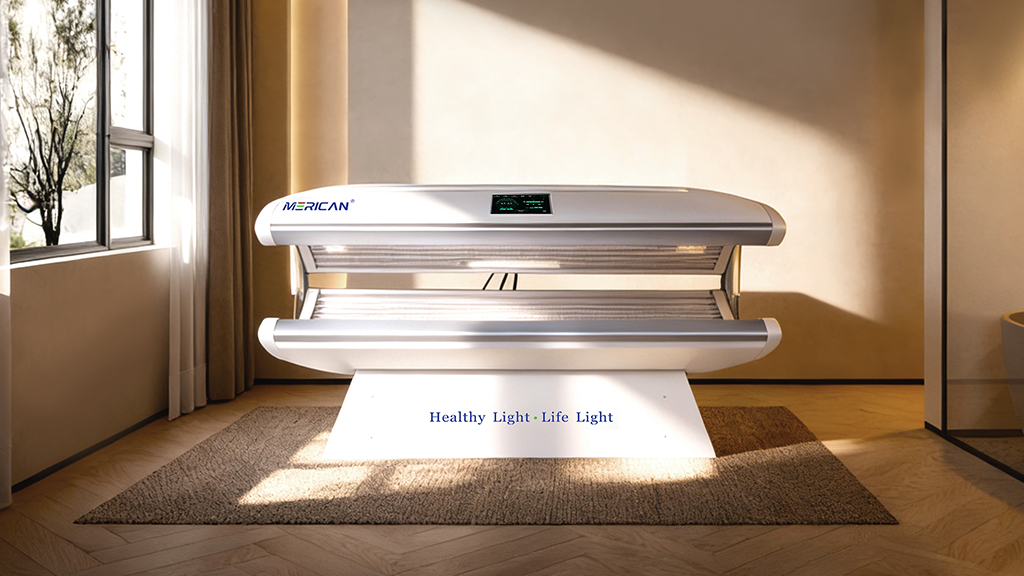
यह प्रश्न विशेष रूप से प्रासंगिक है क्योंकि फुल-बॉडी रेड लाइट थेरेपी बेड अधिक लोकप्रिय हो गए हैं.
संक्षिप्त उत्तर है:
वर्तमान में यह दावा करने के लिए अपर्याप्त सबूत हैं कि एक व्यावसायिक फुल-बॉडी रेड लाइट थेरेपी बिस्तर टूटी हुई हड्डी को ठीक कर सकता है.
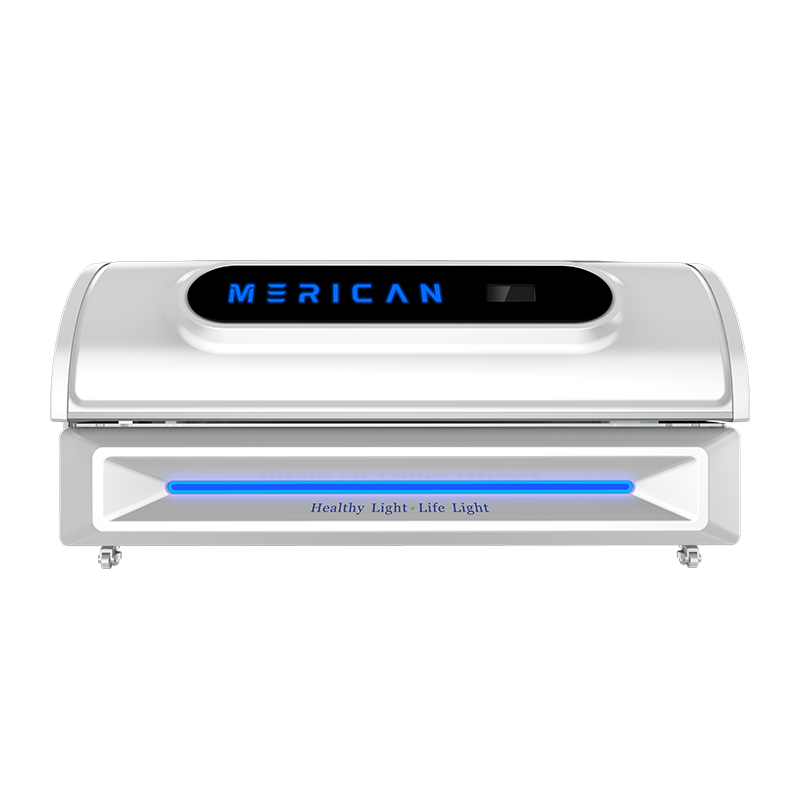
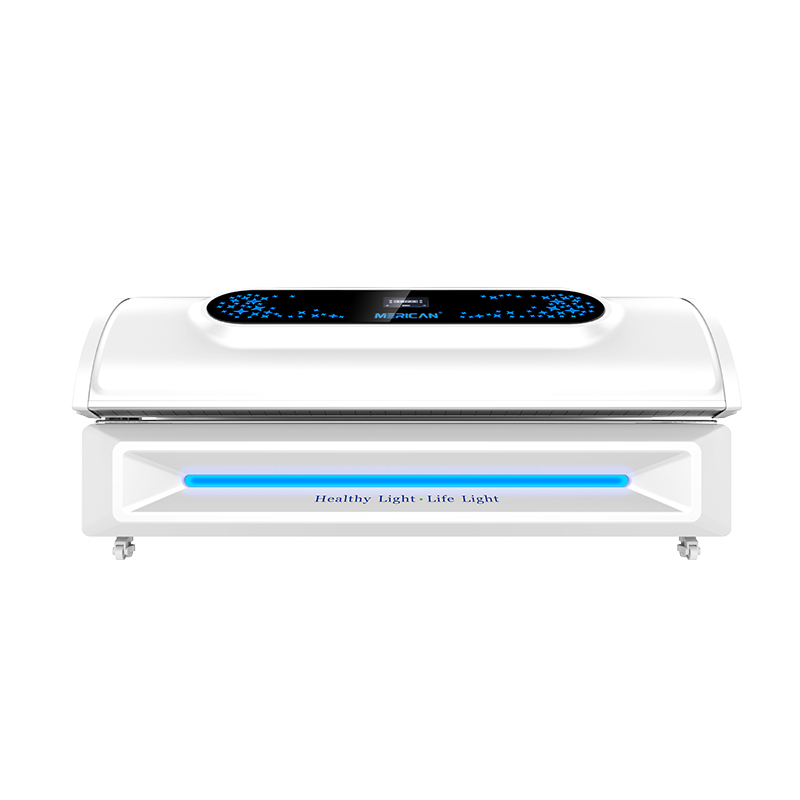
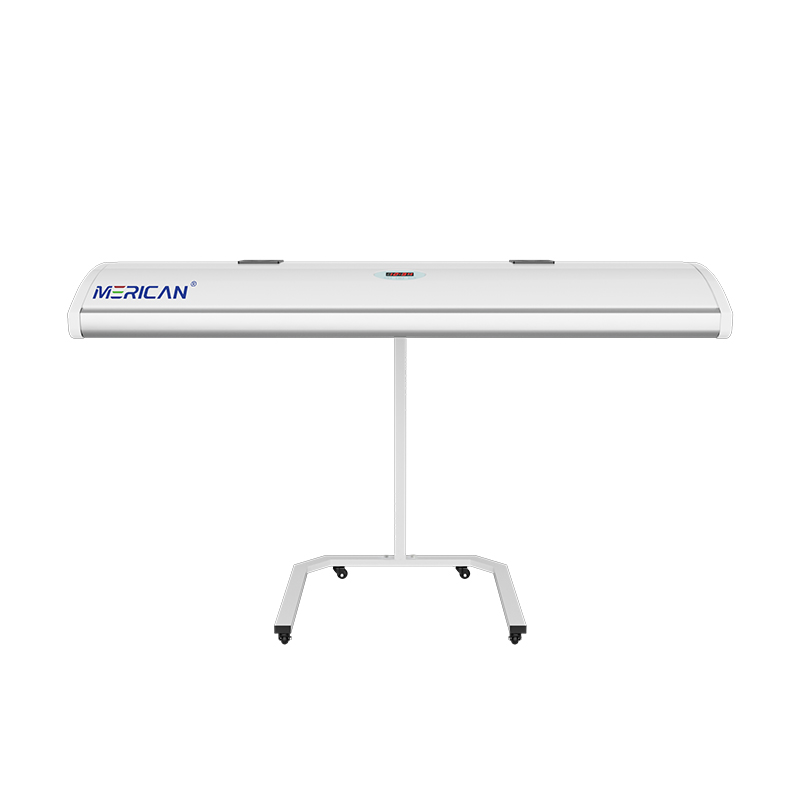
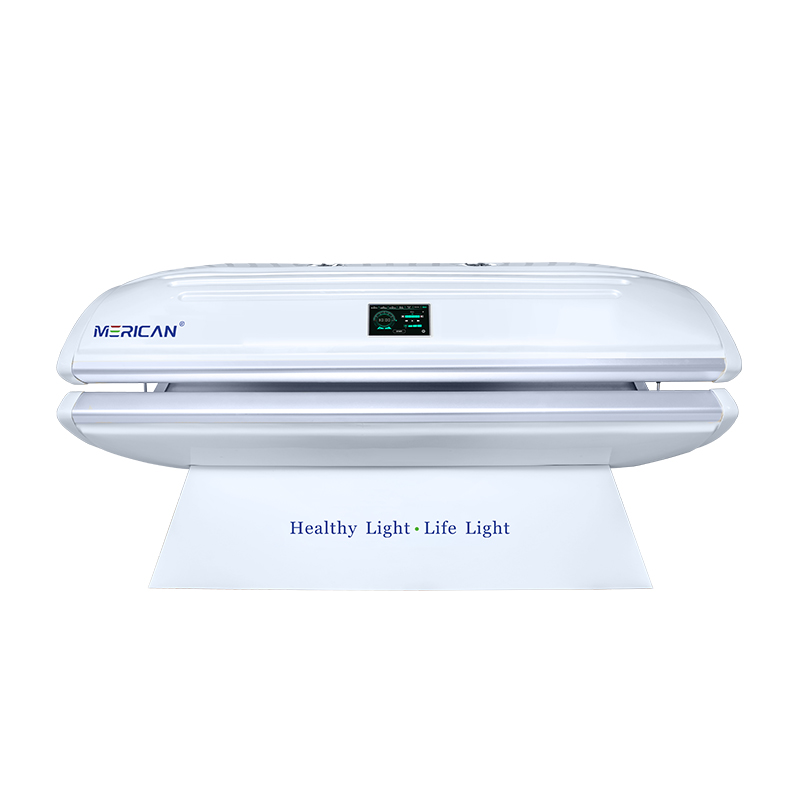
एक लाल प्रकाश चिकित्सा बिस्तर शरीर के बड़े क्षेत्रों को लाल और/या निकट-अवरक्त प्रकाश के संपर्क में ला सकता है, इसे सामान्य कल्याण और फोटोबायोमॉड्यूलेशन अनुप्रयोगों के लिए संभावित रूप से उपयोगी बनाना.
तथापि, हड्डी की मरम्मत के लिए लक्षित प्रकाश चिकित्सा से जुड़े अनुसंधान में विशिष्ट उपचार मापदंडों का उपयोग किया जा सकता है और सीधे घायल क्षेत्र पर ध्यान केंद्रित किया जा सकता है.
एक पूर्ण शरीर वाला बिस्तर आवश्यक रूप से लक्षित नैदानिक पीबीएम प्रोटोकॉल के बराबर नहीं है.
इसलिए, व्यवसायों को फ्रैक्चर के लिए एक सिद्ध उपचार के रूप में वाणिज्यिक रेड लाइट थेरेपी बिस्तर का विज्ञापन करने से बचना चाहिए जब तक कि विशिष्ट उत्पाद और इच्छित दावा उचित नैदानिक साक्ष्य और लागू नियमों द्वारा समर्थित न हो।.
क्या रेड लाइट थेरेपी कास्ट या सर्जरी की जगह ले सकती है??
नहीं.
यह शोध करने वाले किसी भी व्यक्ति के लिए सबसे महत्वपूर्ण बिंदुओं में से एक है लाल बत्ती थेरेपी टूटी हुई हड्डियों को ठीक करती है.
यदि आपको कोई संदिग्ध या पुष्ट फ्रैक्चर है, उचित चिकित्सा मूल्यांकन आवश्यक है.
फ्रैक्चर पर निर्भर करता है, उपचार की आवश्यकता हो सकती है:
- स्थिरीकरण
- एक निक्षेपण
- एक ब्रेस
- विस्थापित हड्डी का कम होना
- शल्य चिकित्सा निर्धारण
- शारीरिक चिकित्सा
- अनुवर्ती इमेजिंग
इन हस्तक्षेपों के प्रतिस्थापन के रूप में रेड लाइट थेरेपी का उपयोग नहीं किया जाना चाहिए.
एक फ्रैक्चर जो अनुचित तरीके से संरेखित या अस्थिर है, गलत तरीके से ठीक हो सकता है, जिसके परिणामस्वरूप दीर्घकालिक दर्द होता है, कमजोरी, गतिशीलता में कमी, या अन्य जटिलताएँ.
आर्थोपेडिक मूल्यांकन के विकल्प के रूप में किसी भी प्रकाश चिकित्सा उपकरण का उपयोग नहीं किया जाना चाहिए.
क्या रेड लाइट थेरेपी एक पूरक पुनर्प्राप्ति उपकरण हो सकती है??
यह अधिक उचित प्रश्न है.
यह पूछने के बजाय कि क्या लाल बत्ती थेरेपी फ्रैक्चर को "ठीक" कर सकती है, शोधकर्ता यह पता लगा रहे हैं कि क्या फोटोबायोमॉड्यूलेशन अंततः बन सकता है पूरक प्रौद्योगिकी मानक आर्थोपेडिक देखभाल के साथ-साथ.
जांच के संभावित क्षेत्रों में शामिल हैं:
- ऊतक पुनर्प्राप्ति में सहायता करना
- स्थानीय सेलुलर गतिविधि को प्रभावित करना
- उपचारित ऊतकों के चारों ओर परिसंचरण में सहायता करना
- भड़काऊ प्रतिक्रियाओं को संशोधित करना
- पुनर्वास का समर्थन करना
तथापि, विशिष्ट सिफ़ारिशें करने से पहले अधिक नैदानिक अनुसंधान की आवश्यकता है.
सबसे महत्वपूर्ण अंतर है:
पूरक का अर्थ प्रतिस्थापन नहीं है.
यदि कोई स्वास्थ्य देखभाल पेशेवर स्थिरीकरण की अनुशंसा करता है, शल्य चिकित्सा, दवाई, या भौतिक चिकित्सा, वे उपचार फ्रैक्चर प्रबंधन की नींव बने रहने चाहिए.
टूटी हुई हड्डी को ठीक होने में कितना समय लगता है??
हड्डी के ठीक होने का समय काफी भिन्न होता है.
पुनर्प्राप्ति को प्रभावित करने वाले कारकों में शामिल हैं:
- फ्रैक्चर का प्रकार
- फ्रैक्चर का स्थान
- गंभीरता
- आयु
- समग्र स्वास्थ्य
- रक्त आपूर्ति
- धूम्रपान
- पोषण
- मधुमेह
- अस्थि की सघनता
- फ्रैक्चर की स्थिरता
- उपचार दृष्टिकोण
कुछ फ्रैक्चर कई हफ्तों के भीतर काफी मजबूत हो सकते हैं, जबकि अधिक जटिल चोटों में काफी अधिक समय लग सकता है.
महत्वपूर्ण बात, दर्द कम होने का मतलब यह नहीं है कि हड्डी पूरी तरह ठीक हो गई है.
हड्डी के अपनी मूल ताकत हासिल करने से पहले एक व्यक्ति बेहतर महसूस कर सकता है.
इसीलिए अनुवर्ती नियुक्तियाँ और इमेजिंग आवश्यक हो सकती हैं.
क्या रेड लाइट थेरेपी फ्रैक्चर रिकवरी समय को कम कर सकती है?
यह पीबीएम से जुड़े सबसे आकर्षक दावों में से एक है, लेकिन यह उन दावों में से एक है जिसके लिए सबसे अधिक सावधानी की आवश्यकता है.
कुछ प्रीक्लिनिकल शोध से पता चलता है कि फोटोबायोमॉड्यूलेशन हड्डी की मरम्मत से जुड़े जैविक मार्गों को प्रभावित कर सकता है.
तथापि, इस बात की गारंटी देने के लिए पर्याप्त उच्च-गुणवत्ता वाले नैदानिक साक्ष्य नहीं हैं कि लाल बत्ती चिकित्सा प्रत्येक टूटी हुई हड्डी के उपचार के समय को कम कर देगी.
परिणाम फ्रैक्चर के प्रकार पर निर्भर हो सकता है, उपचार प्रोटोकॉल, और व्यक्तिगत स्वास्थ्य कारक.
यह निर्धारित करने के लिए अधिक यादृच्छिक नियंत्रित मानव परीक्षणों की आवश्यकता है कि क्या पीबीएम उपचार के समय और कार्यात्मक पुनर्प्राप्ति में सार्थक सुधार लाता है.
कौन से कारक रेड लाइट थेरेपी से अधिक मायने रखते हैं?
यदि आप फ्रैक्चर से उबर रहे हैं, प्रकाश-आधारित स्वास्थ्य उपचार को जोड़ने की तुलना में कई बुनियादी बातें कहीं अधिक महत्वपूर्ण हैं.
अपनी हड्डी रोग उपचार योजना का पालन करें
कास्ट के संबंध में निर्देशों का पालन करें, ब्रेसिज़, भार वहन, आंदोलन, और अनुवर्ती नियुक्तियाँ.
संतुलित आहार लें
हड्डी की मरम्मत के लिए पर्याप्त पोषण की आवश्यकता होती है.
प्रोटीन, कैल्शियम, विटामिन डी, और अन्य पोषक तत्व हड्डियों के स्वास्थ्य में महत्वपूर्ण भूमिका निभाते हैं.
पोषण संबंधी कमी वाले लोगों को अपने स्वास्थ्य सेवा प्रदाता के साथ उचित परीक्षण और पूरकता पर चर्चा करनी चाहिए.
धूम्रपान से बचें
धूम्रपान हड्डियों के उपचार में बाधा उत्पन्न कर सकता है और देरी से ठीक होने के लिए एक महत्वपूर्ण परिवर्तनीय जोखिम कारक है.
अनुवर्ती नियुक्तियों में भाग लें
आपका स्वास्थ्य सेवा प्रदाता यह निर्धारित करने के लिए इमेजिंग और शारीरिक परीक्षाओं का उपयोग कर सकता है कि फ्रैक्चर उचित रूप से बढ़ रहा है या नहीं.
पुनर्वास मार्गदर्शन का पालन करें
एक बार आंदोलन चिकित्सकीय रूप से उचित है, भौतिक चिकित्सा और क्रमिक पुनर्वास शक्ति और कार्य को बहाल करने में मदद कर सकते हैं.
क्या हड्डी की रिकवरी के दौरान रेड लाइट थेरेपी सुरक्षित है??
फोटोबायोमॉड्यूलेशन को आम तौर पर एक गैर-आक्रामक दृष्टिकोण माना जाता है, लेकिन "गैर-आक्रामक" का मतलब सार्वभौमिक रूप से जोखिम-मुक्त नहीं है.
सुरक्षा निर्भर करती है:
- डिवाइस विशिष्टताएँ
- वेवलेंथ
- विकिरण
- एक्सपोज़र अवधि
- उपचार का स्थान
- व्यक्तिगत स्वास्थ्य स्थितियाँ
- दवा का प्रयोग
लोगों को निर्माता के निर्देशों का पालन करना चाहिए और अत्यधिक जोखिम वाले प्रयोग से बचना चाहिए.
अतिरिक्त सावधानी उन व्यक्तियों के लिए उपयुक्त हो सकती है जो:
- फोटोसेंसिटाइज़िंग दवा लें
- प्रकाश संवेदनशीलता विकार है
- उपचार स्थल पर कैंसर या कैंसर का इतिहास रहा हो
- गर्भवती हैं या गर्भधारण की योजना बना रही हैं
- एक प्रत्यारोपित चिकित्सा उपकरण रखें
- कोई सक्रिय घाव या संक्रमण हो
यदि आपने हाल ही में फ्रैक्चर सर्जरी करवाई है या हार्डवेयर प्रत्यारोपित किया है, किसी भी प्रकाश-आधारित उपचार को शल्य चिकित्सा या घायल क्षेत्र पर उपयोग करने से पहले अपने स्वास्थ्य देखभाल पेशेवर के साथ चर्चा करें.
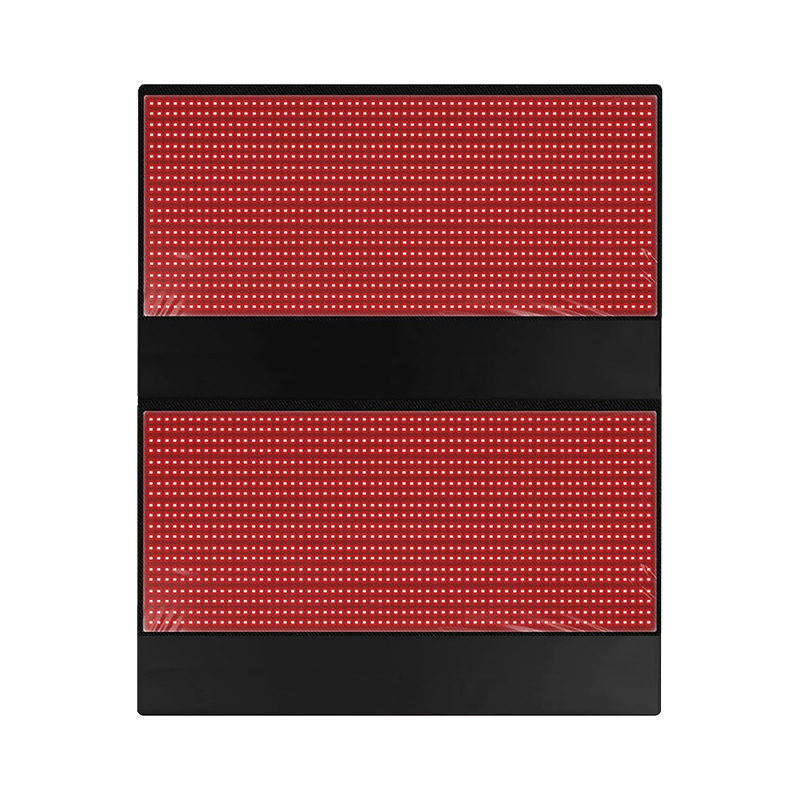
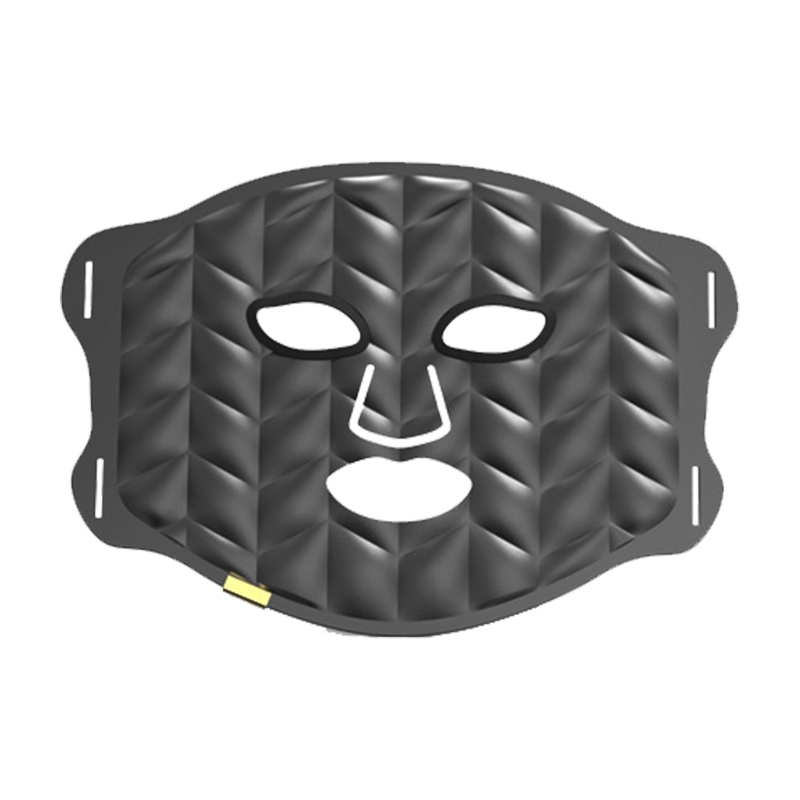
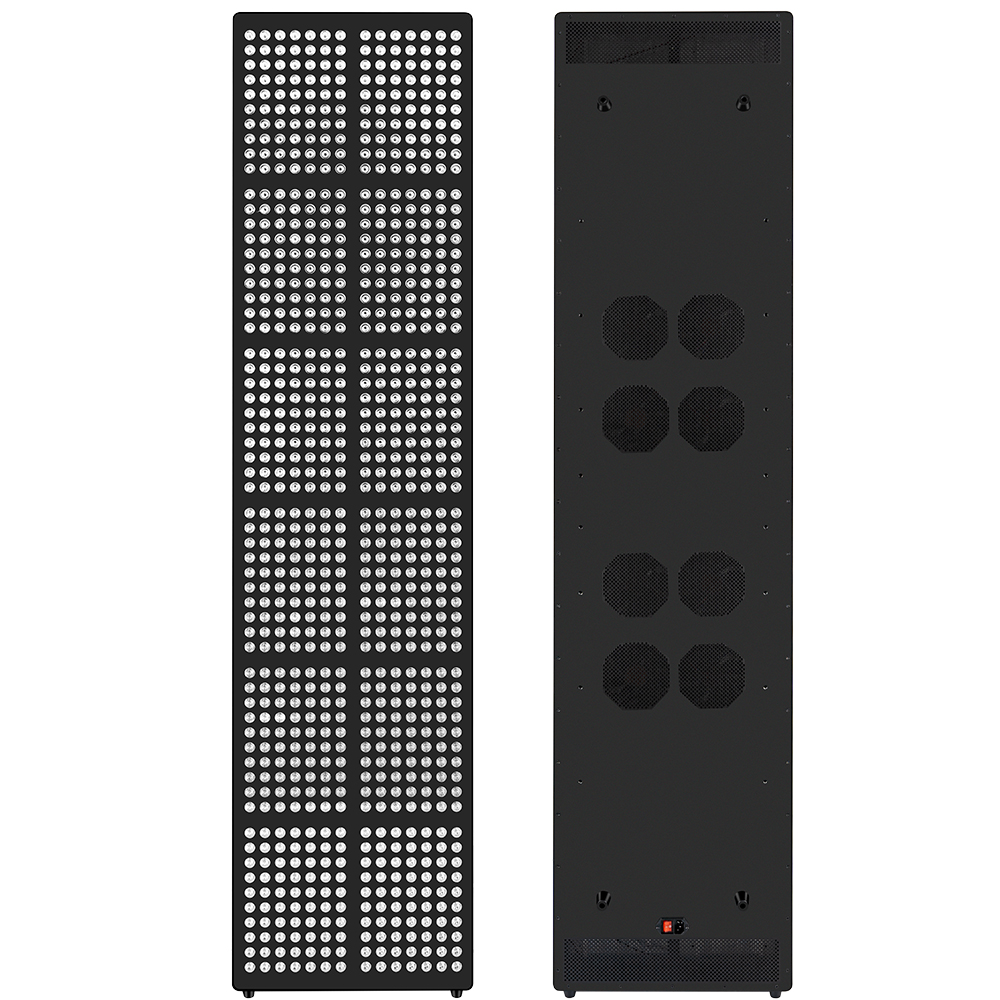
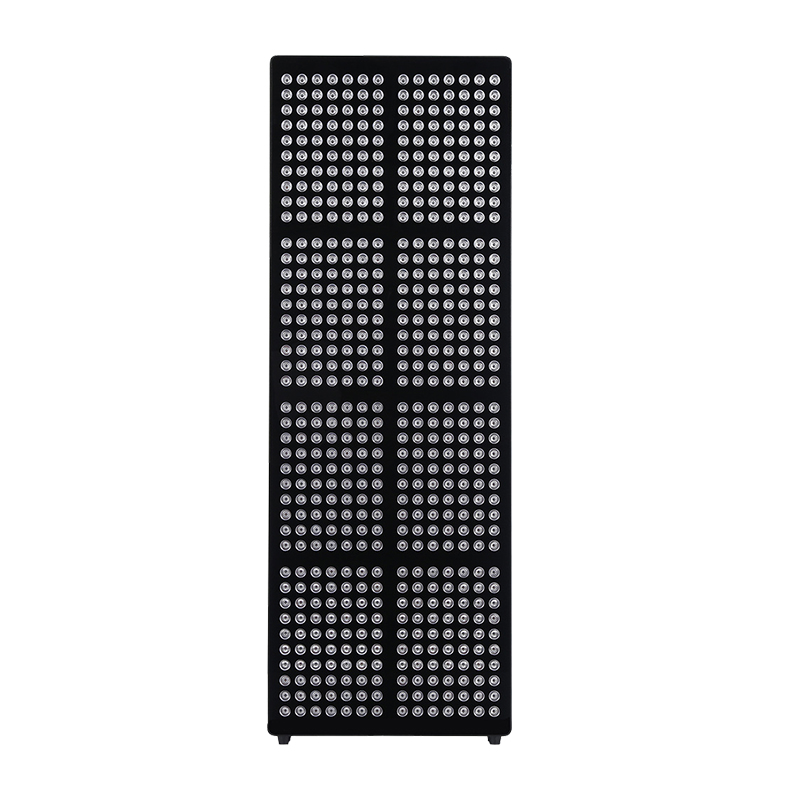
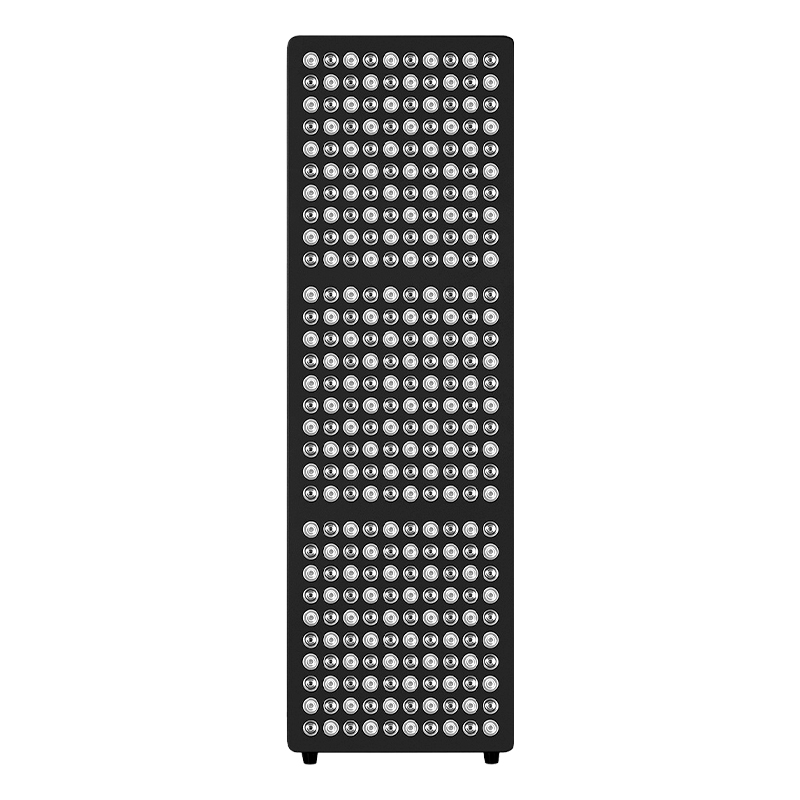
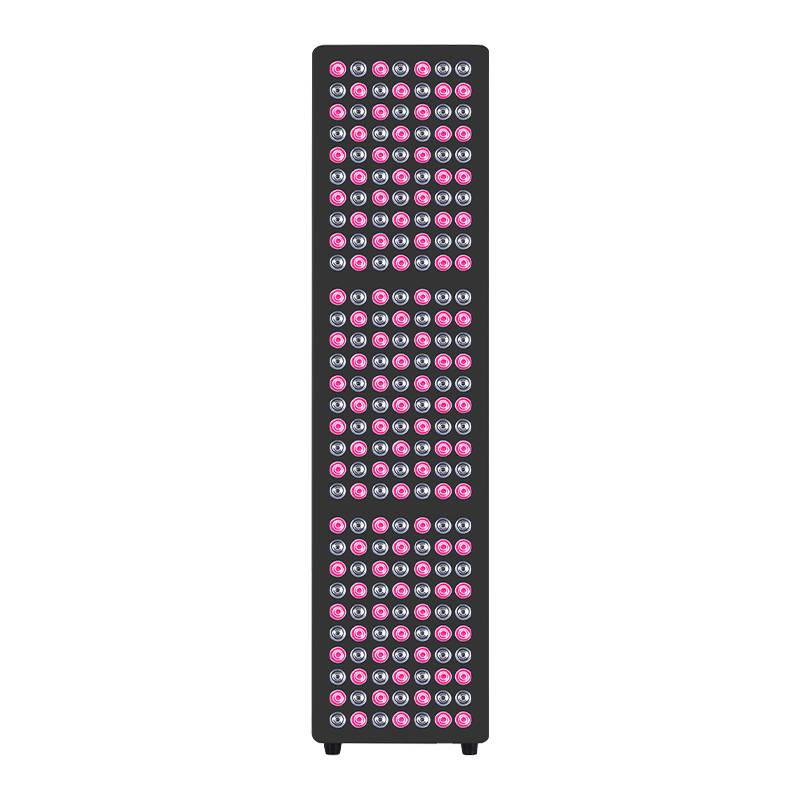
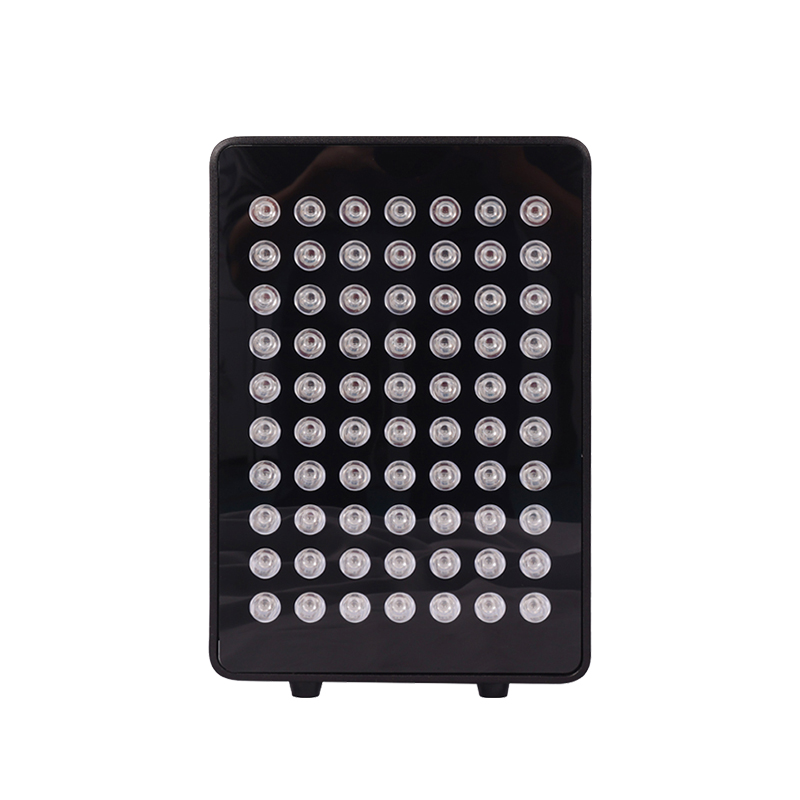
आपको रेड लाइट थेरेपी डिवाइस में क्या देखना चाहिए??
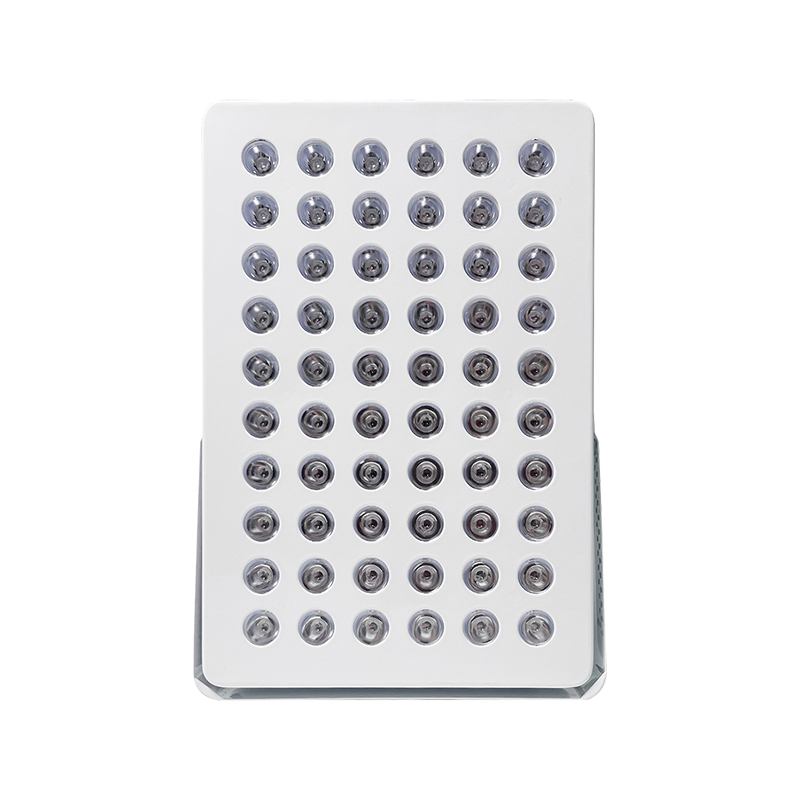
यदि आप पेशेवर रेड लाइट थेरेपी उपकरण पर शोध कर रहे हैं, एलईडी की संख्या से अधिक पर विचार करें.
महत्वपूर्ण विशिष्टताओं में शामिल हैं:
वेवलेंथ
निर्माता को उपयोग की गई तरंग दैर्ध्य की स्पष्ट रूप से पहचान करनी चाहिए.
विकिरण
यह उपचार क्षेत्र में वितरित ऑप्टिकल शक्ति को इंगित करने में मदद करता है.
उपचार क्षेत्र
इस बात पर विचार करें कि क्या सिस्टम लक्षित या पूर्ण-शरीर प्रदर्शन के लिए डिज़ाइन किया गया है.
प्रकाश वितरण
बड़े क्षेत्रों का उपचार करते समय एकरूपता मायने रखती है.
उपचार नियंत्रण
व्यावसायिक प्रणालियाँ समायोज्य सत्र समय और अन्य नियंत्रण सुविधाएँ प्रदान कर सकती हैं.
शीतलन प्रणाली
वाणिज्यिक उपकरण को बार-बार उपयोग और उचित थर्मल प्रबंधन के लिए डिज़ाइन किया जाना चाहिए.
संरक्षा विशेषताएं
स्पष्ट परिचालन निर्देश और उचित सुरक्षा संबंधी विचार देखें.
हड्डियों के स्वास्थ्य के लिए रेड लाइट थेरेपी बनाम. अस्थि उपचार
एक और महत्वपूर्ण एसईओ अंतर के बीच है हड्डी का स्वास्थ्य और हड्डी का उपचार.
इन शब्दों को पर्यायवाची नहीं माना जाना चाहिए.
"अस्थि स्वास्थ्य" का तात्पर्य मोटे तौर पर हड्डियों को मजबूत बनाए रखना और सामान्य मस्कुलोस्केलेटल कार्य का समर्थन करना है.
"हड्डी उपचार" वास्तविक फ्रैक्चर के बाद जैविक मरम्मत प्रक्रिया को संदर्भित करता है.
सामान्य स्वास्थ्य में रुचि रखने वाला व्यक्ति व्यापक पुनर्प्राप्ति दिनचर्या के हिस्से के रूप में रेड लाइट थेरेपी का उपयोग कर सकता है, लेकिन इसका मतलब यह नहीं है कि यह उपकरण फ्रैक्चर को ठीक करने के लिए चिकित्सकीय दृष्टि से सिद्ध है.
इन अवधारणाओं को अलग रखने से भ्रामक चिकित्सा दावों को रोकने में मदद मिलती है.
अक्सर पूछे जाने वाले प्रश्नों
क्या रेड लाइट थेरेपी टूटी हुई हड्डियों को ठीक करने में मदद कर सकती है??
प्रीक्लिनिकल शोध से पता चलता है कि फोटोबायोमॉड्यूलेशन हड्डी की मरम्मत में शामिल जैविक प्रक्रियाओं को प्रभावित कर सकता है. तथापि, नैदानिक साक्ष्य सीमित रहते हैं, और रेड लाइट थेरेपी को मानक फ्रैक्चर उपचार के प्रतिस्थापन के रूप में स्थापित नहीं किया गया है.
हड्डी के उपचार के लिए कौन सा रंग का प्रकाश सर्वोत्तम है??
अनुसंधान ने लाल और निकट-अवरक्त तरंग दैर्ध्य दोनों की जांच की है. ऐसी कोई सार्वभौमिक रूप से स्थापित तरंग दैर्ध्य नहीं है जिसे प्रत्येक फ्रैक्चर के लिए सर्वोत्तम उपचार के रूप में अनुशंसित किया जा सके.
क्या रेड लाइट थेरेपी से टूटी हुई हड्डी तेजी से ठीक हो सकती है??
कुछ प्रयोगशाला और पशु अध्ययनों ने आशाजनक निष्कर्ष निकाले हैं, लेकिन फ्रैक्चर के तेजी से ठीक होने की गारंटी देने के लिए पर्याप्त उच्च गुणवत्ता वाले मानवीय साक्ष्य उपलब्ध नहीं हैं.
क्या मैं हड्डी टूटने के बाद रेड लाइट थेरेपी बेड का उपयोग कर सकता हूं??
यह मत मानें कि एक पूर्ण-शरीर लाल बत्ती थेरेपी बिस्तर अनुसंधान में उपयोग किए जाने वाले लक्षित नैदानिक पीबीएम के बराबर है. अगर आपको फ्रैक्चर है, विशेष रूप से सर्जरी या स्थिरीकरण की आवश्यकता होती है, प्रकाश चिकित्सा का उपयोग करने से पहले अपने स्वास्थ्य सेवा प्रदाता से परामर्श लें.
क्या रेड लाइट थेरेपी कास्ट की जगह ले सकती है??
नहीं. एक निक्षेपण, ब्रेस, शल्य चिकित्सा, या फ्रैक्चर के आधार पर अन्य आर्थोपेडिक उपचार आवश्यक हो सकता है. चिकित्सकीय रूप से संकेतित फ्रैक्चर स्थिरीकरण के विकल्प के रूप में रेड लाइट थेरेपी का उपयोग कभी नहीं किया जाना चाहिए.
क्या निकट-अवरक्त प्रकाश लाल प्रकाश की तुलना में अधिक गहराई तक प्रवेश करता है??
निकट-अवरक्त तरंग दैर्ध्य आम तौर पर जैविक ऊतक में अलग तरह से प्रवेश करते हैं और दृश्यमान लाल तरंग दैर्ध्य की तुलना में अधिक गहराई तक पहुंच सकते हैं. यह एक कारण है कि गहरे ऊतक अनुप्रयोगों के लिए निकट-अवरक्त प्रकाश की अक्सर जांच की जाती है.
अंतिम टेकअवे
पीछे का विज्ञान लाल बत्ती चिकित्सा और टूटी हड्डियों को ठीक करना निरंतर अनुसंधान को उचित ठहराने के लिए पर्याप्त आशाजनक है, लेकिन यह अभी तक इस दावे का समर्थन करने के लिए पर्याप्त मजबूत नहीं है कि रेड लाइट थेरेपी स्वतंत्र रूप से फ्रैक्चर को ठीक कर सकती है.
प्रयोगशाला और पशु अध्ययनों से पता चलता है कि फोटोबायोमॉड्यूलेशन सेलुलर ऊर्जा को प्रभावित कर सकता है, ऑस्टियोब्लास्ट गतिविधि, रक्त वाहिका निर्माण, सूजन, और हड्डी की मरम्मत में शामिल अन्य प्रक्रियाएं. तथापि, मानव नैदानिक साक्ष्य अधिक सीमित हैं, और उपचार प्रोटोकॉल अध्ययनों के बीच काफी भिन्न होते हैं.
टूटी हड्डी वाले किसी भी व्यक्ति के लिए, प्राथमिकता हमेशा उचित चिकित्सीय निदान होनी चाहिए, स्थिरीकरण, अनुवर्ती देखभाल, पोषण, और पुनर्वास.
रेड लाइट थेरेपी अंततः एक पूरक पुनर्प्राप्ति तकनीक के रूप में भूमिका निभा सकती है, लेकिन आदर्श तरंग दैर्ध्य निर्धारित करने के लिए अधिक उच्च गुणवत्ता वाले मानव अनुसंधान की आवश्यकता है, मात्रा बनाने की विधि, उपचार की आवृत्ति, और नैदानिक अनुप्रयोग.
रेड लाइट थेरेपी उपकरण पर विचार करने वाले उपभोक्ताओं और व्यवसायों के लिए, ए के बीच अंतर करना भी महत्वपूर्ण है लक्षित नैदानिक पीबीएम प्रोटोकॉल और ए वाणिज्यिक फुल-बॉडी रेड लाइट थेरेपी बिस्तर. एक के परिणाम स्वचालित रूप से दूसरे पर लागू नहीं किए जा सकते.
अंत में, हड्डी की रिकवरी के लिए रेड लाइट थेरेपी से संपर्क करने का सबसे जिम्मेदार तरीका इसे एक उभरते अनुसंधान क्षेत्र के रूप में देखना है - सिद्ध आर्थोपेडिक देखभाल के प्रतिस्थापन के रूप में नहीं।.