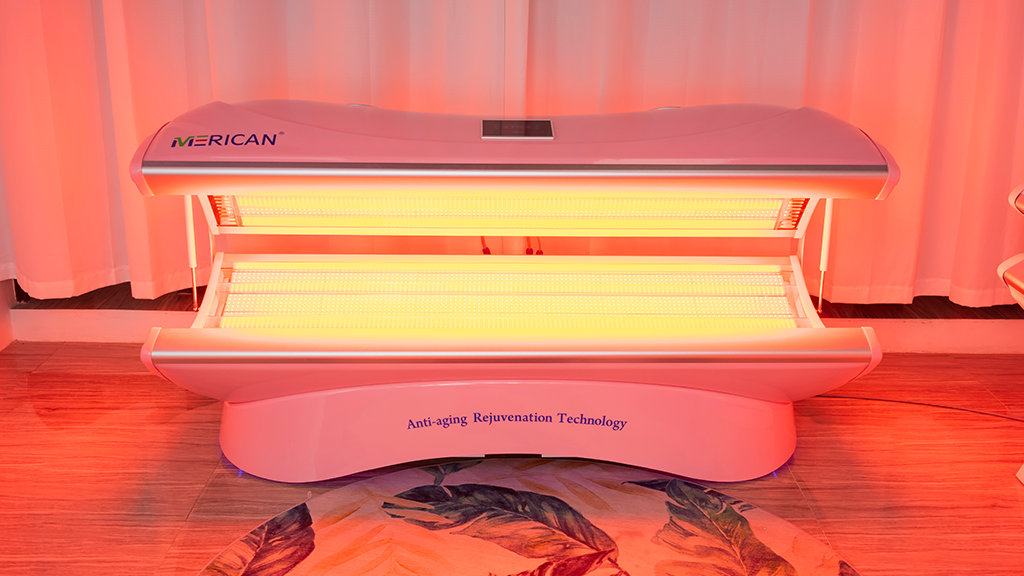
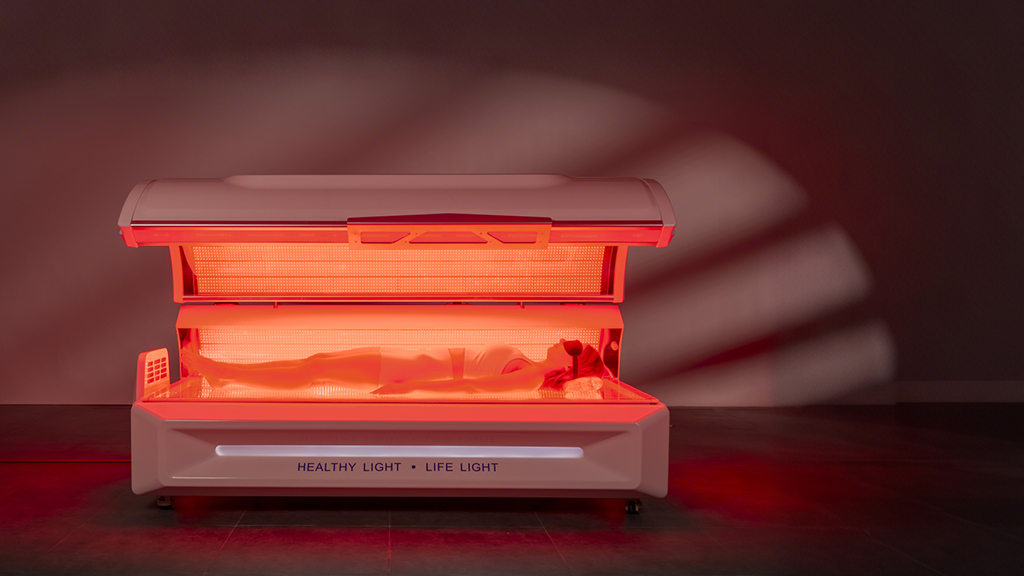
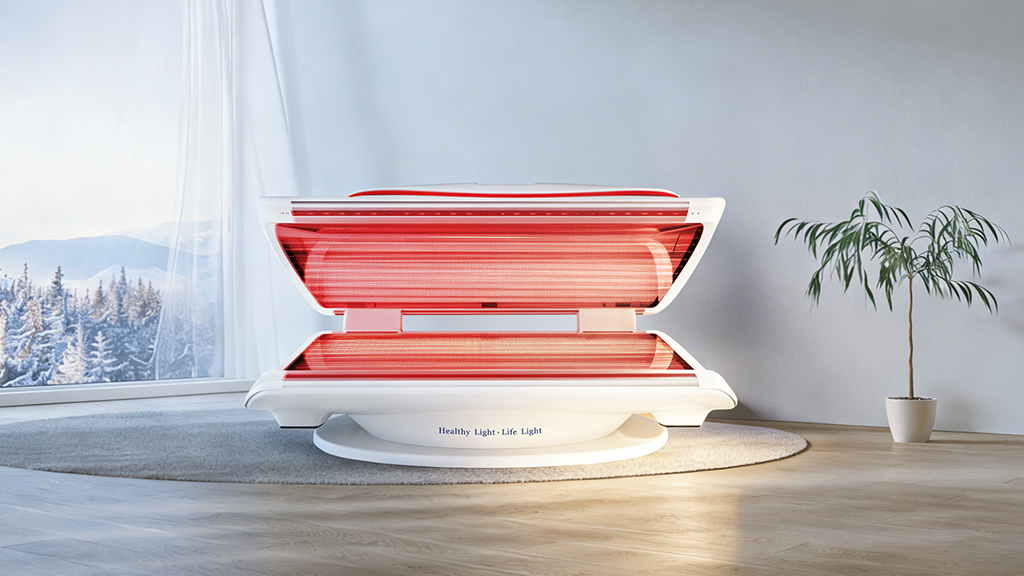
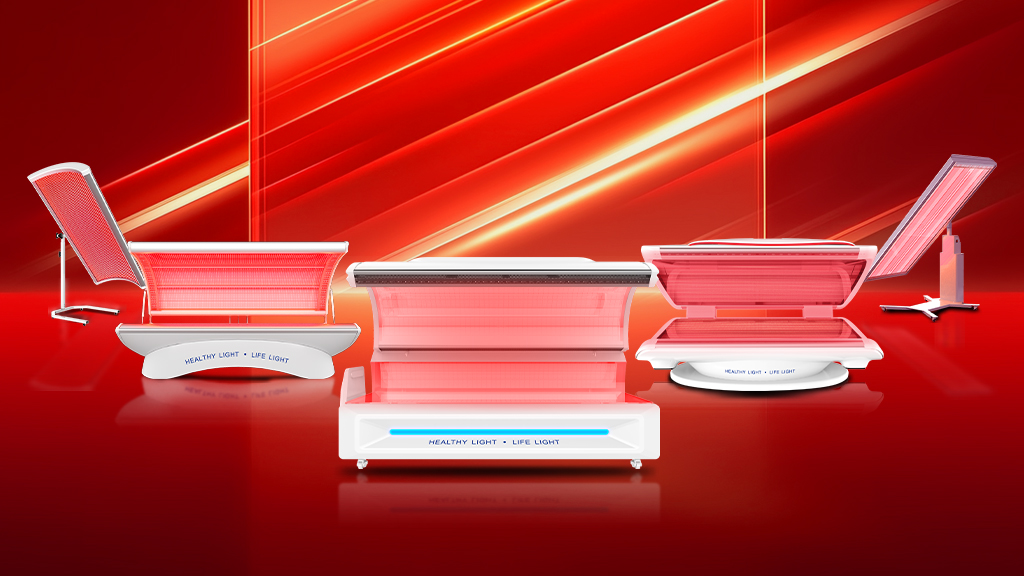
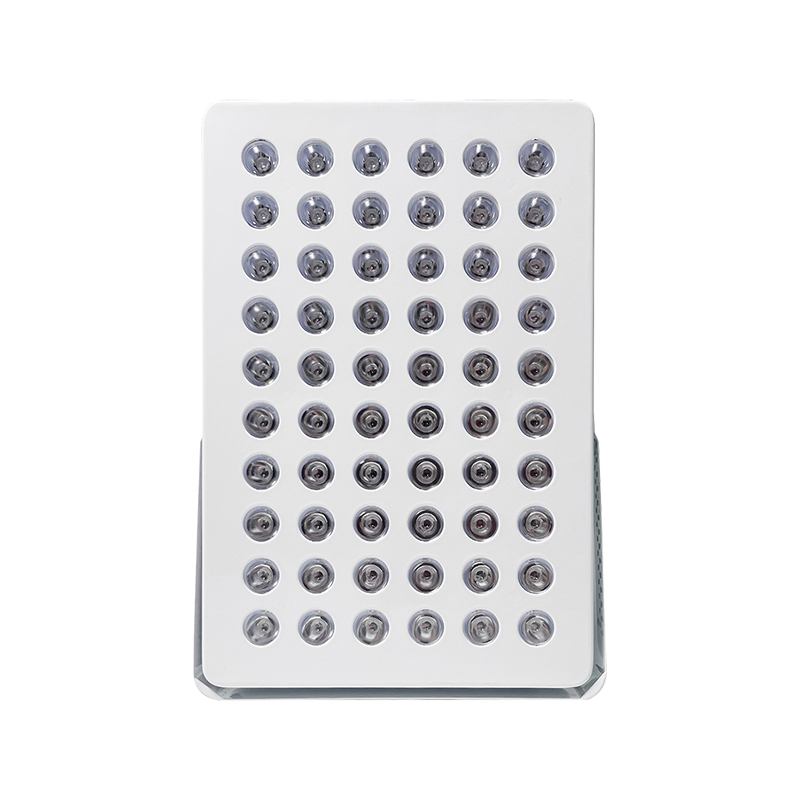
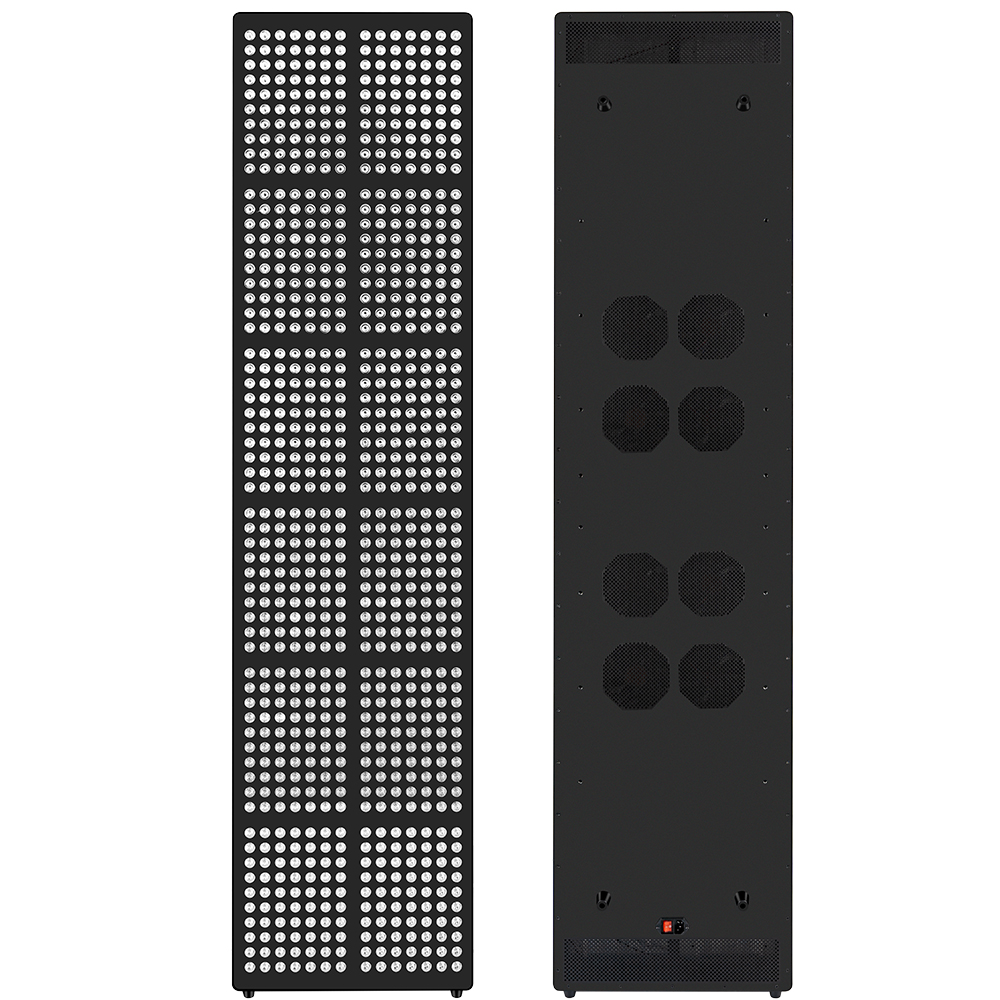
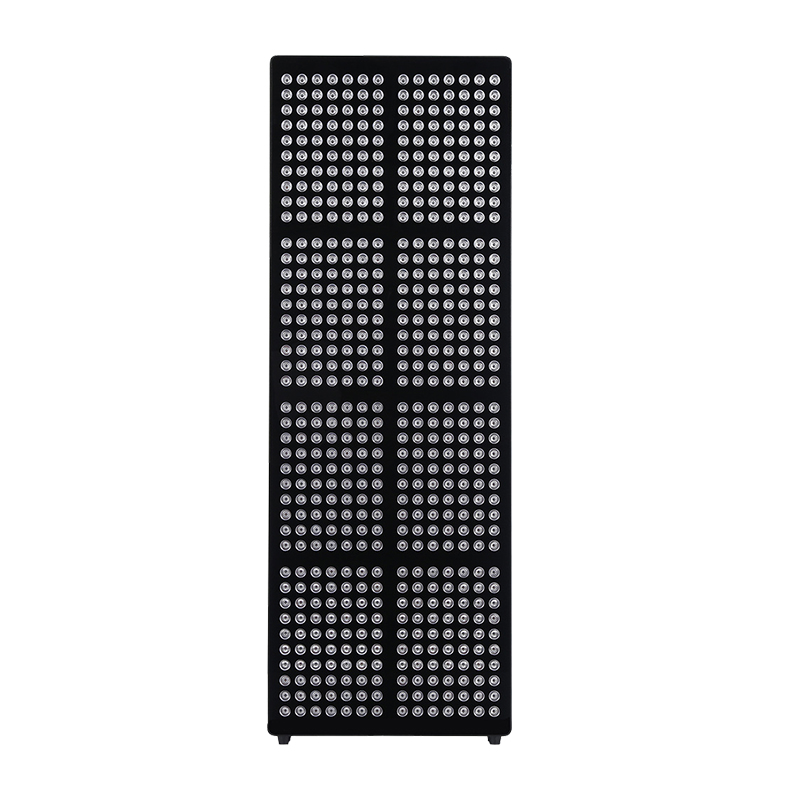
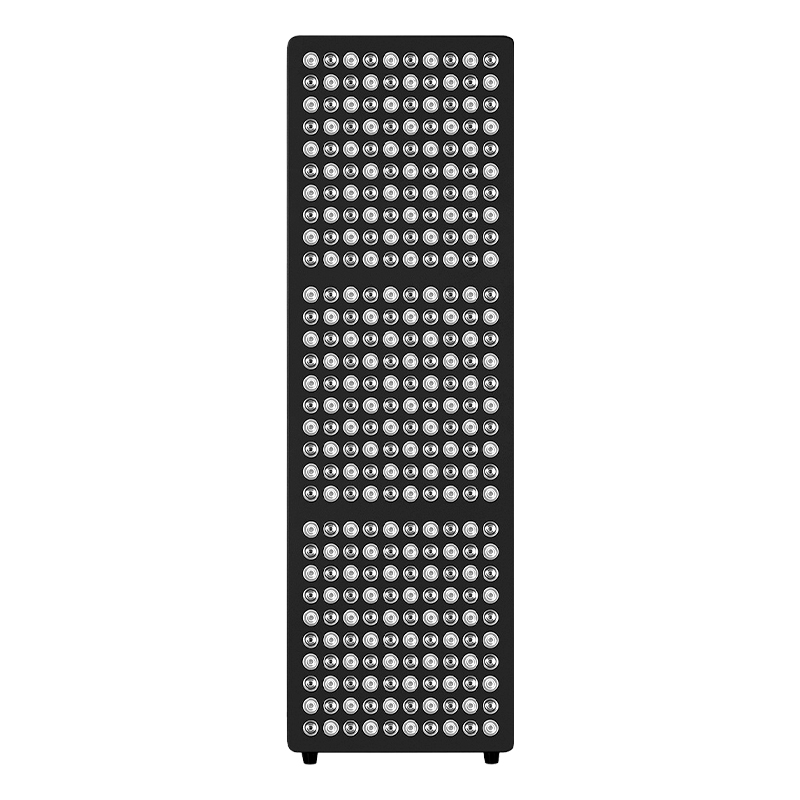
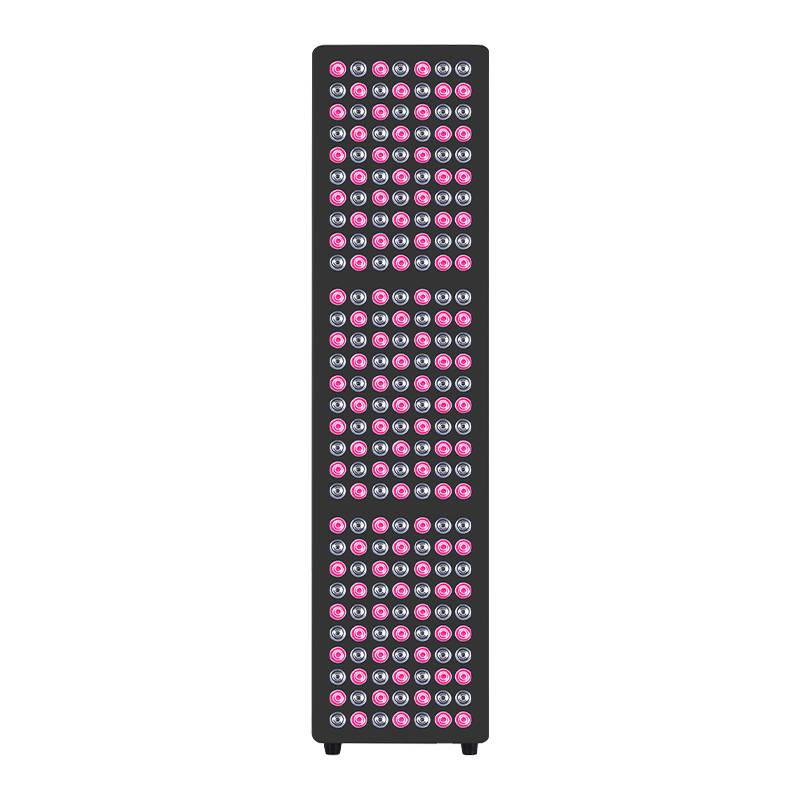
Ve světě, kde přírodní prostředky získávají uznání, Světelná terapie se ukazuje jako mocný spojenec při podpoře wellness. Mezi jeho mnoha výhodami, jeden výrazně vyčnívá – schopnost snížit zánět. Pojďme se ponořit do vědy, která stojí za tímto fascinujícím fenoménem, a prozkoumejte, jak světelná terapie, se svým spektrem vlnových délek, se stává majákem léčení zánětu.
Pochopení zánětu: Alarmový systém těla
Než se vydáme na cestu světelné terapie, je nezbytné pochopit roli zánětu v těle. Zánět je přirozenou reakcí na zranění nebo infekci, slouží jako varovný systém těla. Však, když se tato reakce stane chronickou, může přispět k různým zdravotním problémům, včetně bolesti, otok, a poškození tkání.
Spektrum léčivého světla: Vlnové délky odhaleny
Vstupte do světelné terapie, neinvazivní přístup k léčbě zánětu bez použití léků. Základem jeho účinnosti je rozmanité spektrum vlnových délek světla. Dvě primární kategorie, červené světlo a blízké infračervené světlo, hrají klíčovou roli v protizánětlivých účincích světelné terapie.
- Červené světlo (620nm-700 nm): Červené světlo, s vlnovými délkami kolem 620nm až 700nm, has been recognized for its ability to penetrate the skin’s surface. This penetration stimulates cellular activity, prompting the release of nitric oxide. Oxid dusnatý, v pořadí, enhances blood flow, snížení zánětu a podpora opravy tkání.
- Blízké infračervené světlo (700nm-1100nm): Deeper into the spectrum, blízké infračervené světlo, ranging from 700nm to 1100nm, proniká ještě dále do tkání. Tato penetrace pomáhá dosáhnout kloubů, svaly, and other deeper structures inflammation by modulating immune responses and promoting cellular repair mechanisms.
Jak světelná terapie zmírňuje zánět: A Cellular Symphony
Na buněčné úrovni, interakce mezi světlem a tělem je podobná harmonické symfonii. Here’s how light therapy orchestrates a reduction in inflammation:
1. Mitochondriální stimulace: Energie našich buněk, mitochondrie, reagovat na světelnou stimulaci produkcí více adenosintrifosfátu (ATP), energetická měna buněk. Zvýšená produkce ATP zlepšuje buněčnou funkci, usnadnění opravných procesů a zmírnění zánětu.
2. Modulace imunitních reakcí: Světelná terapie ovlivňuje imunitní systém regulací uvolňování cytokinů, signální molekuly účastnící se zánětu. Tato modulace pomáhá posunout imunitní odpověď z prozánětlivého stavu do protizánětlivého stavu, podporuje vyvážený a kontrolovaný proces hojení.
3. Zlepšený krevní oběh: Červené světlo i blízké infračervené světlo přispívají ke zlepšení krevního oběhu. Zlepšená cirkulace zajišťuje, že se kyslík a živiny dostanou do zanícených tkání efektivněji, podpora rychlejší reakce hojení.
4. Snížení oxidačního stresu: Zánět se často shoduje s oxidačním stresem, stav, kdy v těle existuje nerovnováha mezi volnými radikály a antioxidanty. Světelná terapie působí jako silný antioxidant, neutralizuje volné radikály a snižuje oxidační stres, tím tlumí zánět.
Když odhalíme složitý tanec mezi světelnou terapií a zánětem, je jasné, že tento způsob je příslibem při přetváření našeho přístupu ke zdraví a pohodě. Využitím síly specifických vlnových délek světla, vydáváme se na cestu, kde se zánět nejen léčí, ale harmonicky řeší, dláždit cestu k jasnějšímu, zdravější budoucnost. Osvětlete svou cestu ke zdraví pomocí transformačního potenciálu světelné terapie.