Folgendes sollten Sie beachten
Einführung
The idea of using light to improve brain function may sound like science fiction, but red light therapy is making waves in the health and wellness community as a potential tool for enhancing cognitive abilities and treating neurological conditions. Jedoch, before you rush to try this trendy treatment, it’s essential to understand the facts and considerations associated with red light therapy for the brain. Is it truly safe and effective, or are there potential risks and limitations to keep in mind? This blog post will provide you with essential information about red light therapy for the brain, Wir helfen Ihnen, eine fundierte Entscheidung darüber zu treffen, ob es das Richtige für Sie ist.
The Appeal of Red Light Therapy for Brain Health
Der nicht-invasive Charakter der Rotlichttherapie, lack of side effects (bei richtiger Verwendung), and potential to improve brain function make it an attractive option for individuals seeking to enhance their cognitive abilities or manage neurological conditions. The therapy’s ability to stimulate cellular activity and promote healing at a deep level has sparked interest among researchers and health enthusiasts alike.
Mögliche Einschränkungen und Überlegungen
- Limited Human Research: While animal studies have shown promising results, human research on red light therapy for brain health is still in its early stages. Größer, controlled studies are needed to fully understand its effects, optimal dosages, and long-term safety.
- Individuelle Variabilität: Wie bei jeder Behandlung, individual responses to red light therapy may vary. Factors such as age, health status, and genetic predisposition could influence the therapy’s effectiveness and safety. It’s important to approach red light therapy with realistic expectations and consult with a healthcare professional before starting treatment.
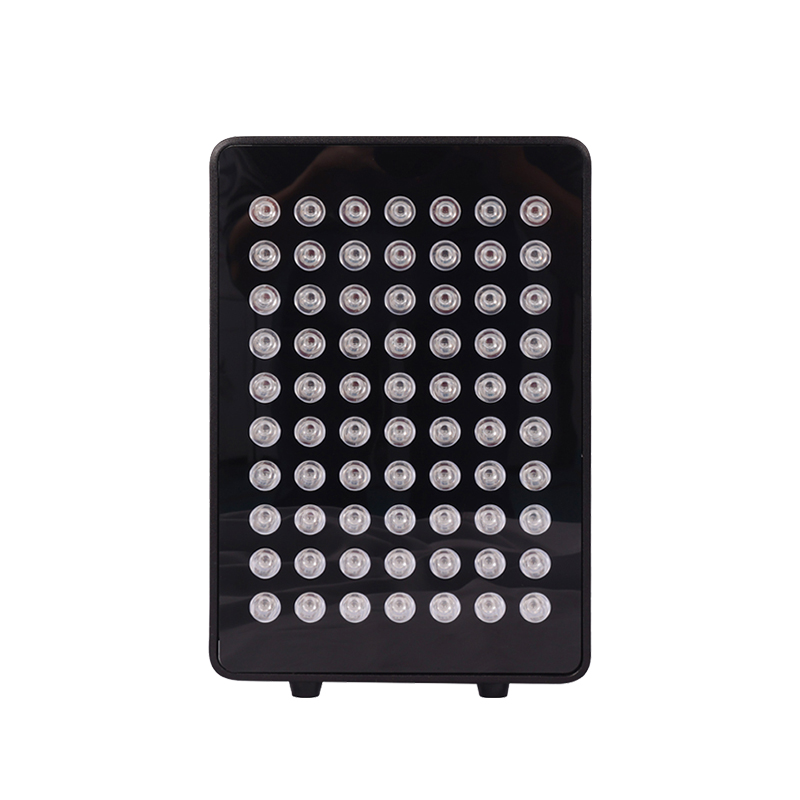
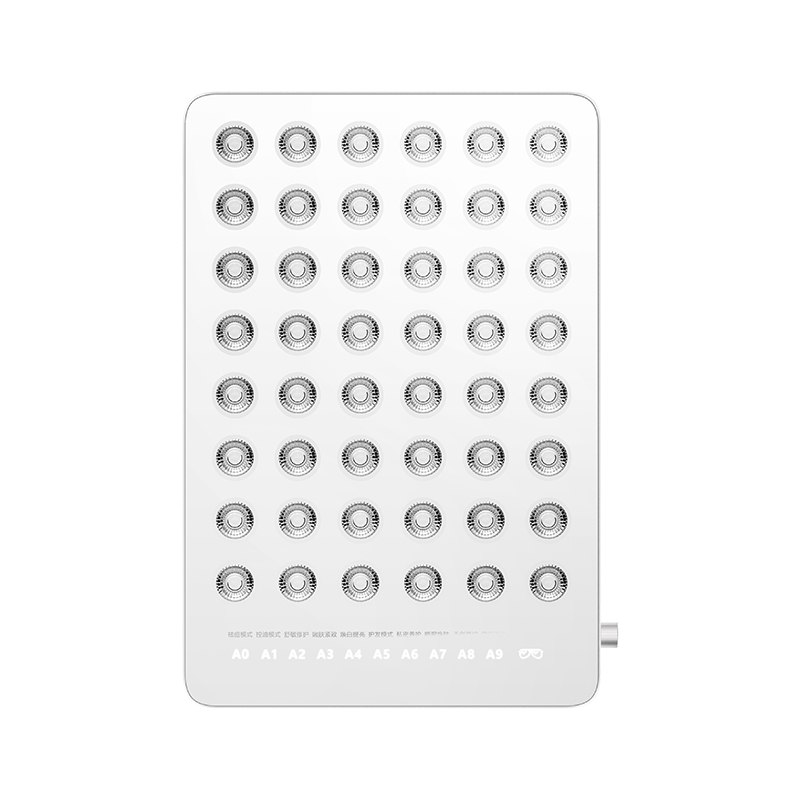
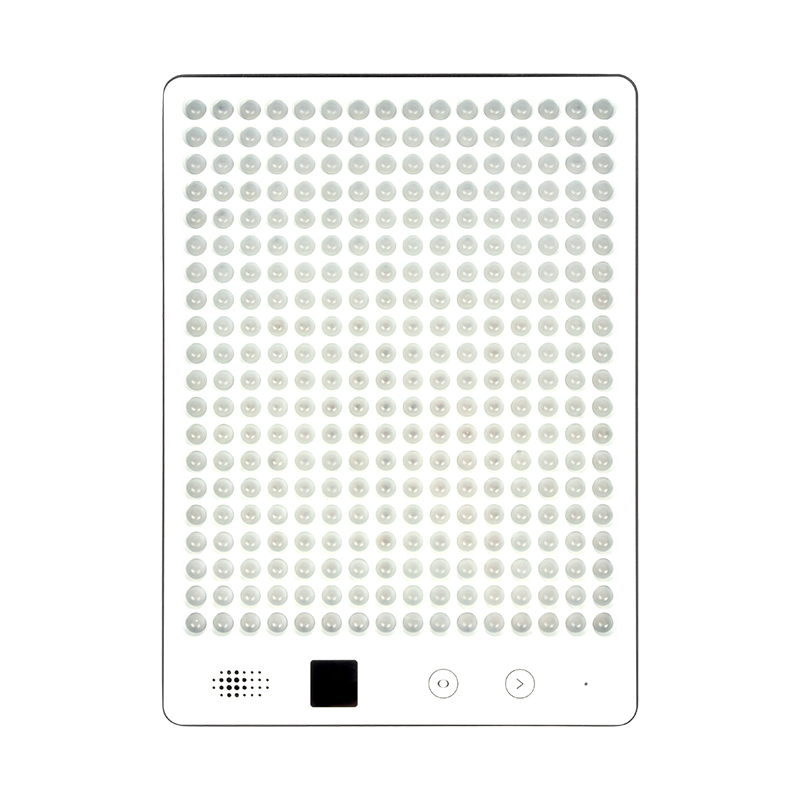
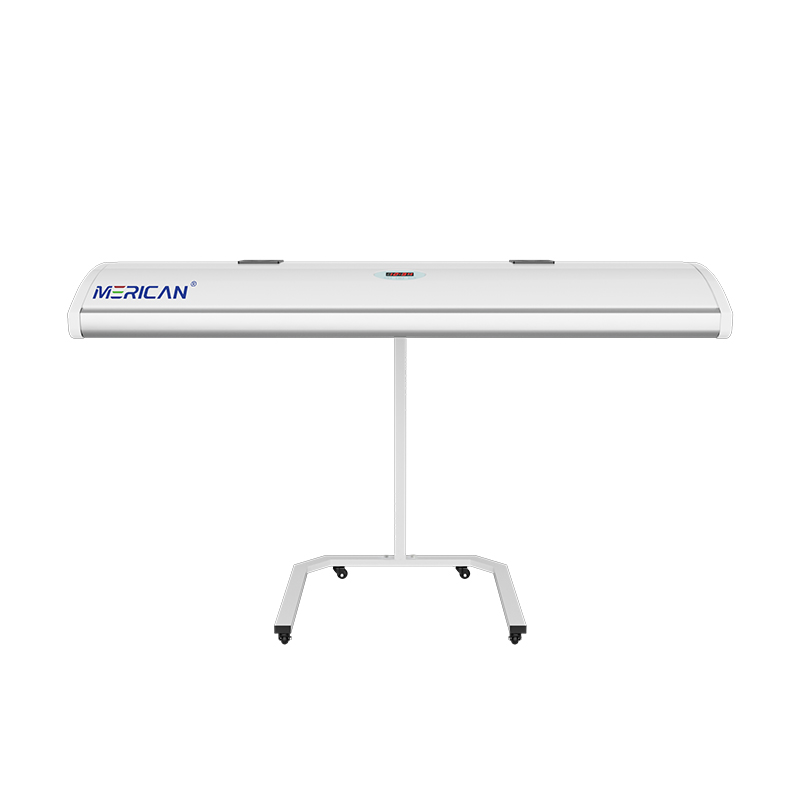
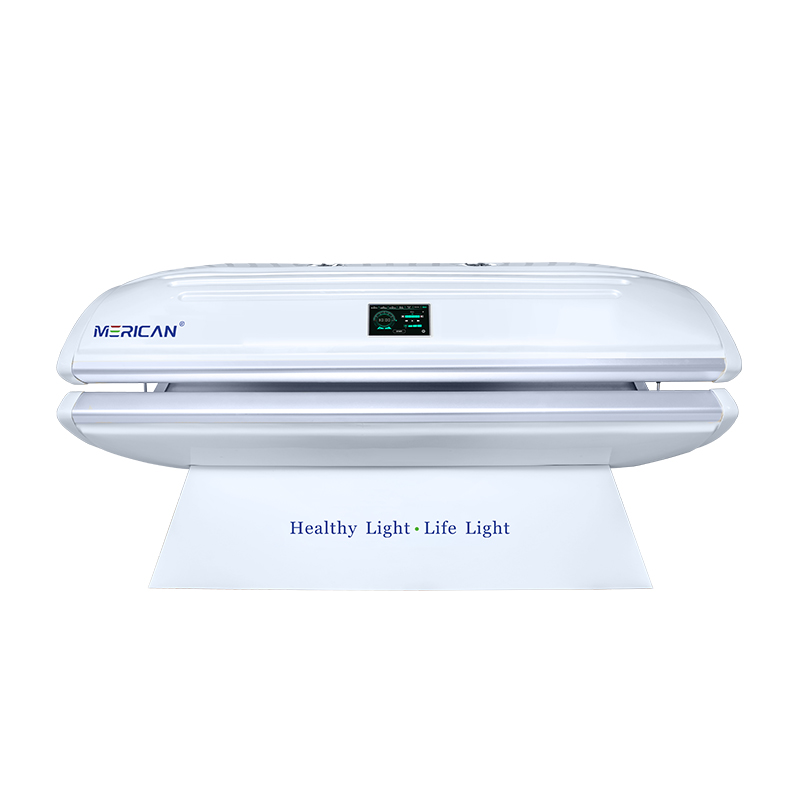
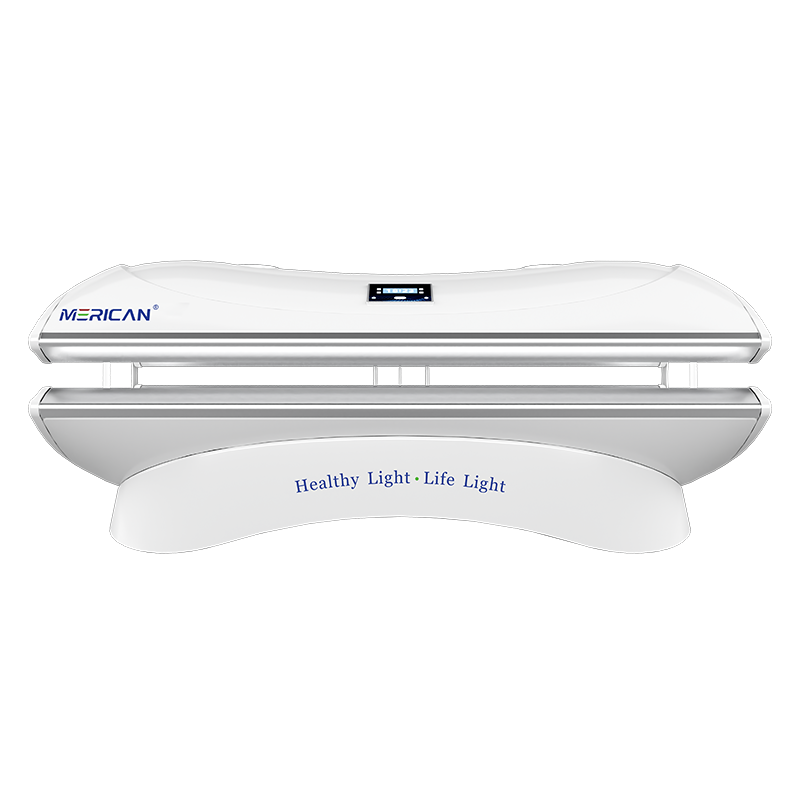
- Device Quality and Safety: Not all red light therapy devices are created equal. The quality and safety of at-home devices can vary greatly, and some may not deliver the correct wavelengths or intensities needed for therapeutic effects. It’s crucial to choose a reputable device from a trusted manufacturer and follow the instructions carefully to avoid potential risks.
- Potential Interactions with Medications: If you’re taking medications for neurological conditions or other health issues, Die Rotlichttherapie kann auf unerwartete Weise mit ihnen interagieren. It’s essential to consult with your doctor before starting red light therapy to ensure it’s safe and won’t interfere with your current treatment plan.
- Kosten und Zugänglichkeit: Professionelle Rotlichttherapie-Behandlungen in Kliniken oder Spas können teuer sein, und Heimgeräte können ebenfalls eine erhebliche Investition erfordern. Zusätzlich, Der Zugang zu hochwertigen Geräten und professioneller Beratung kann je nach Standort eingeschränkt sein.
Tips for Safe and Effective Red Light Therapy for Brain Health
If you decide to try red light therapy for brain health, Hier finden Sie einige Tipps, die Ihnen dabei helfen, Sicherheit und Wirksamkeit zu gewährleisten:
- Wählen Sie ein seriöses Gerät eines vertrauenswürdigen Herstellers und befolgen Sie die Anweisungen sorgfältig.
- Beginnen Sie mit kurzen Behandlungssitzungen und erhöhen Sie die Dauer schrittweise je nach Verträglichkeit.
- Konsultieren Sie vor Beginn der Behandlung einen Arzt, insbesondere, wenn Sie unter gesundheitlichen Vorerkrankungen leiden oder Medikamente einnehmen.
- Überwachen Sie Ihr Ansprechen auf die Therapie und passen Sie das Behandlungsprotokoll nach Bedarf an.
- Kombinieren Sie die Rotlichttherapie mit anderen gesunden Lebensgewohnheiten, such as a balanced diet, regelmäßige Bewegung, and adequate sleep, for optimal brain health.
Abschluss
Red light therapy offers an intriguing potential for improving brain health and cognitive function, Es ist jedoch wichtig, mit Vorsicht und einem Verständnis für seine Grenzen an die Sache heranzugehen. By considering factors such as limited human research, individuelle Variabilität, Gerätequalität und -sicherheit, potential interactions with medications, sowie Kosten und Zugänglichkeit, Sie können eine fundierte Entscheidung darüber treffen, ob die Rotlichttherapie für Sie geeignet ist. Wenn Sie sich entscheiden, es zu versuchen, Befolgen Sie unbedingt das empfohlene Behandlungsprotokoll, Konsultieren Sie einen Arzt, und überwachen Sie Ihre Reaktion, um Sicherheit und Wirksamkeit zu gewährleisten.