Ecco cosa dovresti considerare
Introduzione
L’idea di utilizzare la luce per migliorare le funzioni cerebrali può sembrare fantascienza, ma la terapia con la luce rossa sta facendo scalpore nella comunità della salute e del benessere come potenziale strumento per migliorare le capacità cognitive e trattare le condizioni neurologiche. Tuttavia, prima di affrettarti a provare questo trattamento alla moda, è essenziale comprendere i fatti e le considerazioni associati alla terapia con luce rossa per il cervello. È veramente sicuro ed efficace, oppure ci sono potenziali rischi e limitazioni da tenere a mente? Questo post del blog ti fornirà informazioni essenziali sulla terapia con luce rossa per il cervello, aiutandoti a prendere una decisione informata se è giusto per te.
L'appello della terapia con luce rossa per la salute del cervello
La natura non invasiva della terapia con luce rossa, mancanza di effetti collaterali (se usato correttamente), e il potenziale per migliorare la funzione cerebrale lo rendono un’opzione attraente per le persone che cercano di migliorare le proprie capacità cognitive o gestire condizioni neurologiche. La capacità della terapia di stimolare l’attività cellulare e promuovere la guarigione a livello profondo ha suscitato interesse sia tra i ricercatori che tra gli appassionati di salute.
Potenziali limitazioni e considerazioni
- Ricerca umana limitata: Mentre gli studi sugli animali hanno mostrato risultati promettenti, la ricerca umana sulla terapia con luce rossa per la salute del cervello è ancora nelle sue fasi iniziali. Più su larga scala, sono necessari studi controllati per comprenderne appieno gli effetti, dosaggi ottimali, e sicurezza a lungo termine.
- Variabilità individuale: Come con qualsiasi trattamento, le risposte individuali alla terapia con luce rossa possono variare. Fattori come l'età, stato di salute, e la predisposizione genetica potrebbe influenzare l’efficacia e la sicurezza della terapia. È importante avvicinarsi alla terapia con luce rossa con aspettative realistiche e consultare un operatore sanitario prima di iniziare il trattamento.
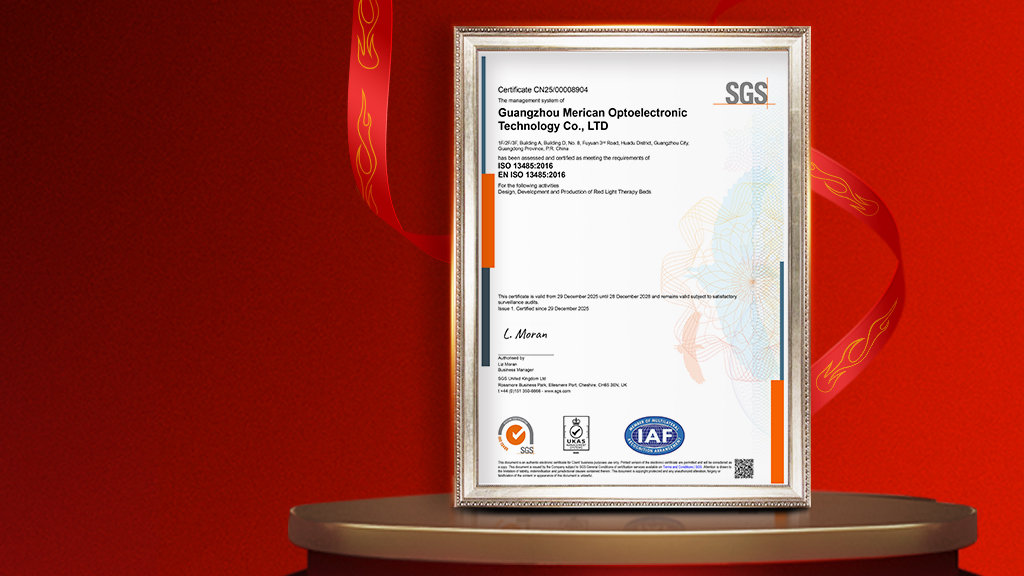
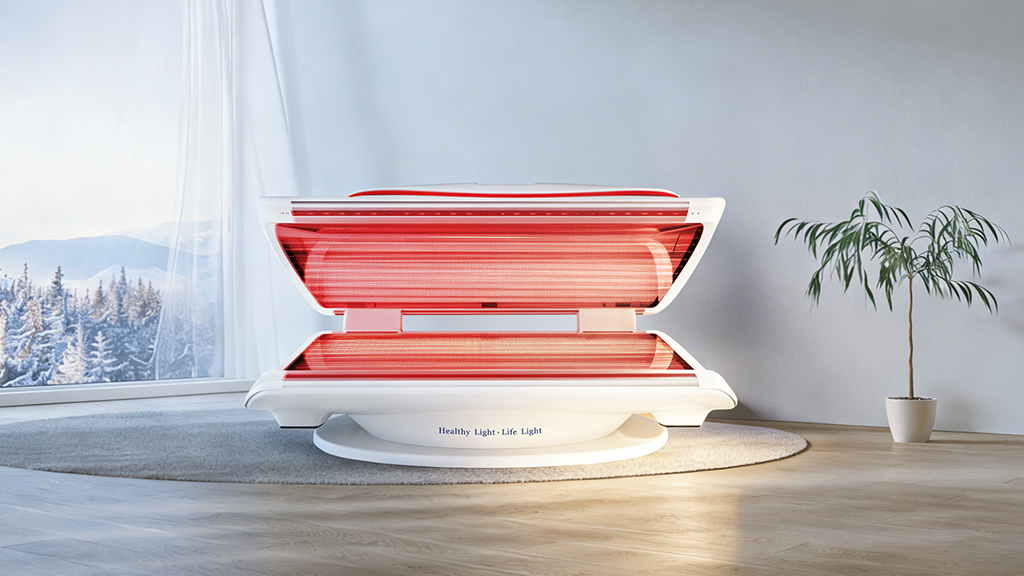
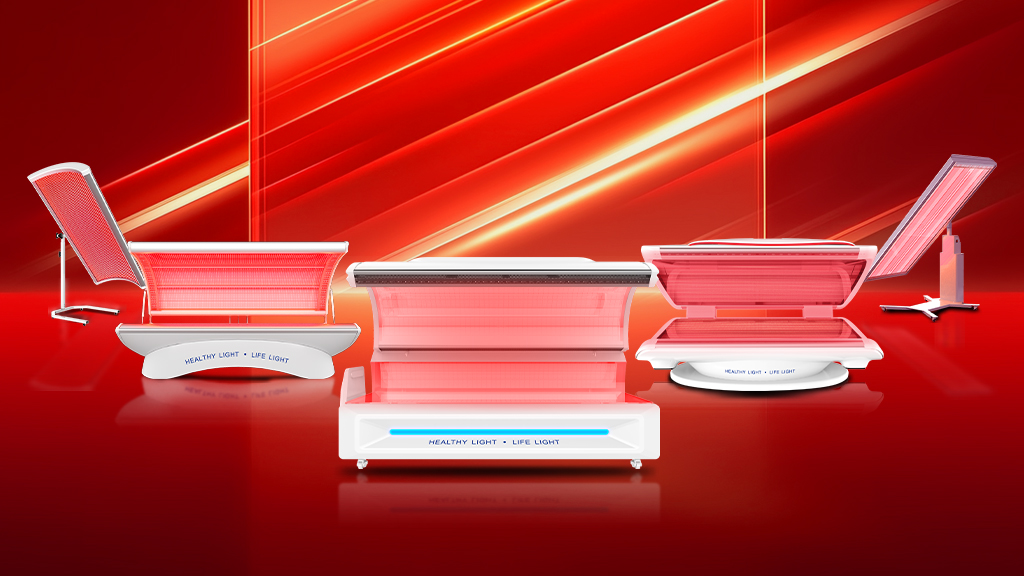
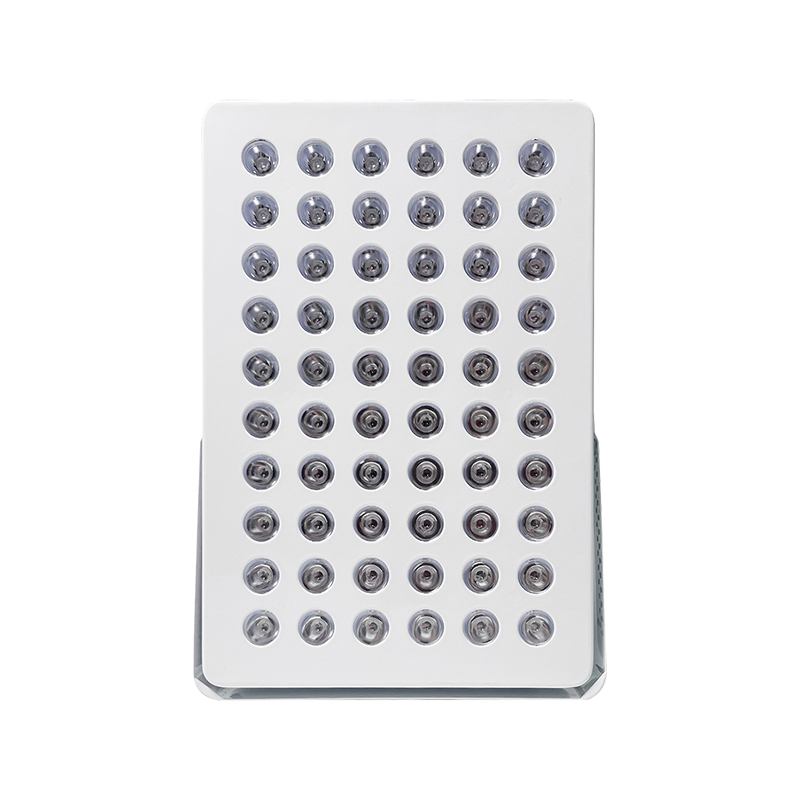
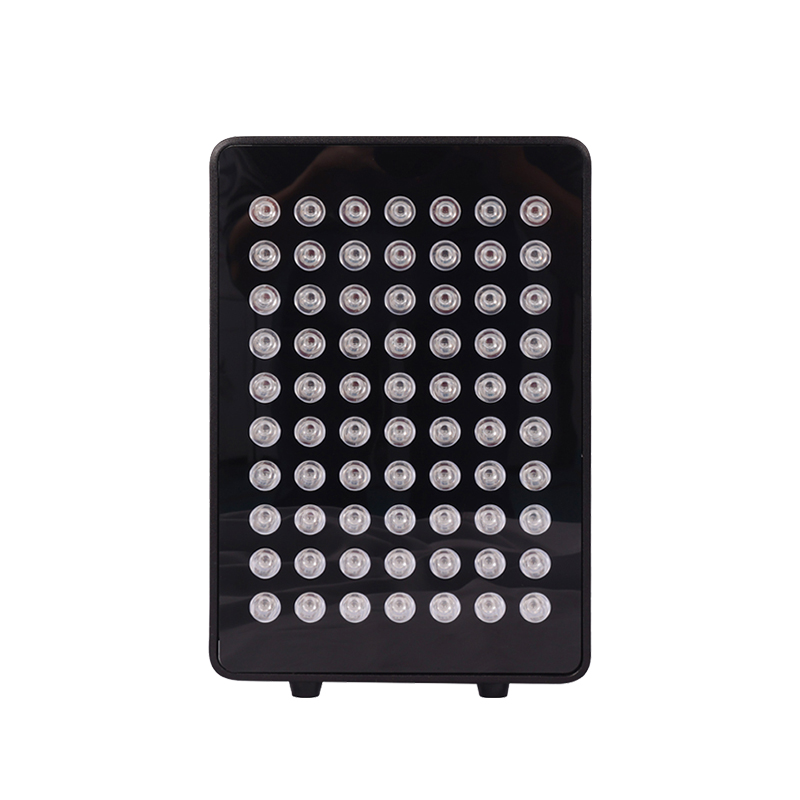
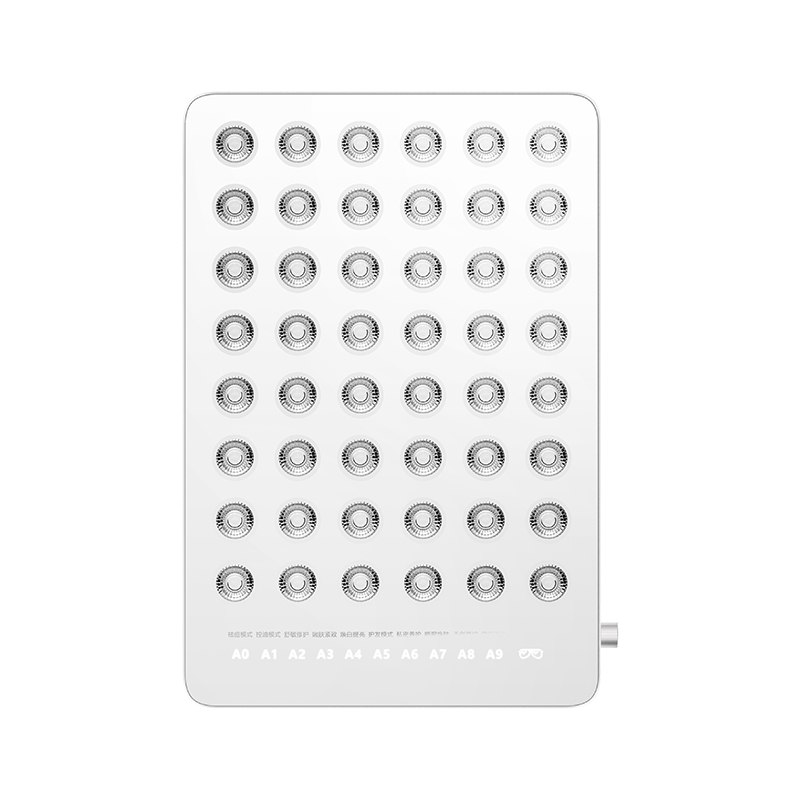
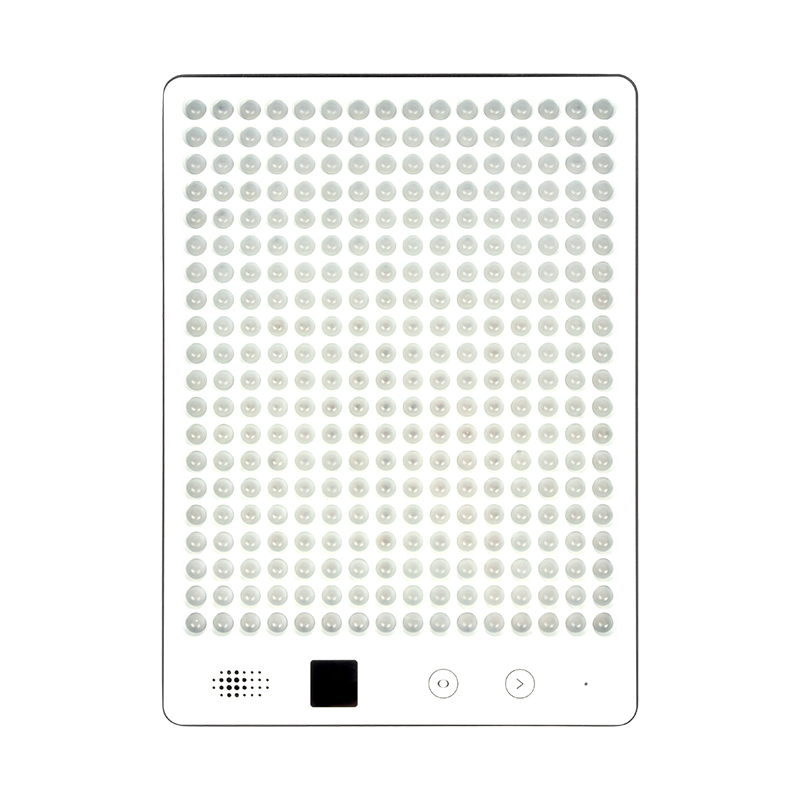
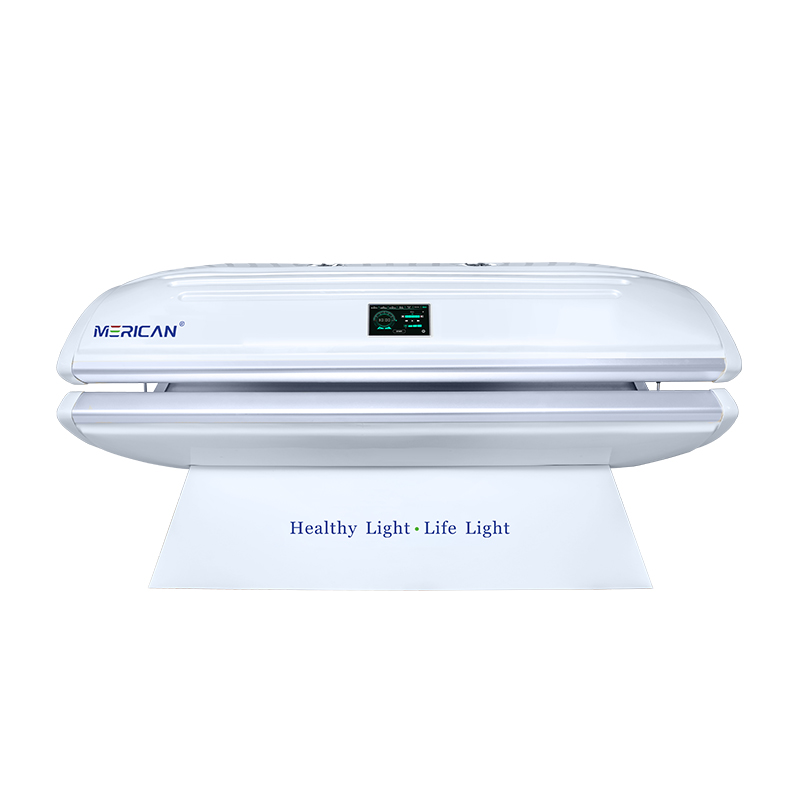
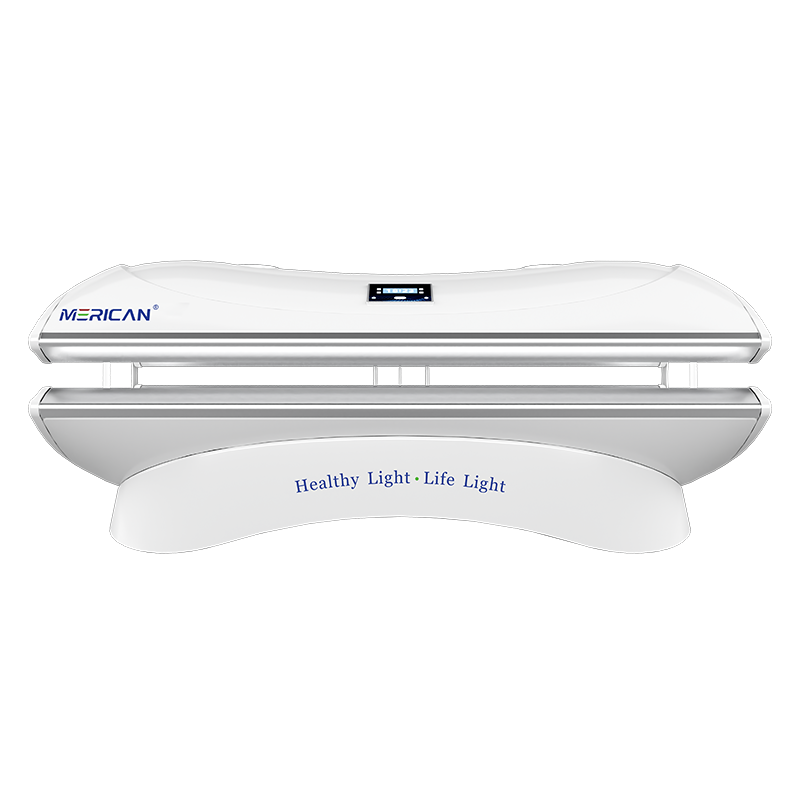
- Qualità e sicurezza del dispositivo: Non tutti i dispositivi per la terapia con luce rossa sono uguali. La qualità e la sicurezza dei dispositivi domestici possono variare notevolmente, e alcuni potrebbero non fornire le lunghezze d'onda o le intensità corrette necessarie per gli effetti terapeutici. È fondamentale scegliere un dispositivo affidabile da un produttore affidabile e seguire attentamente le istruzioni per evitare potenziali rischi.
- Potenziali interazioni con i farmaci: Se stai assumendo farmaci per condizioni neurologiche o altri problemi di salute, la terapia con la luce rossa può interagire con loro in modi inaspettati. È essenziale consultare il proprio medico prima di iniziare la terapia con la luce rossa per assicurarsi che sia sicura e non interferisca con il piano di trattamento attuale.
- Costo e accessibilità: I trattamenti professionali di terapia con luce rossa presso cliniche o spa possono essere costosi, e anche i dispositivi domestici possono richiedere un investimento significativo. Inoltre, l'accesso a dispositivi di alta qualità e alla guida professionale potrebbe essere limitato a seconda della tua posizione.
Suggerimenti per una terapia a luce rossa sicura ed efficace per la salute del cervello
Se decidi di provare la terapia con la luce rossa per la salute del cervello, ecco alcuni suggerimenti per aiutarti a garantire sicurezza ed efficacia:
- Scegli un dispositivo affidabile da un produttore affidabile e segui attentamente le istruzioni.
- Iniziare con brevi sessioni di trattamento e aumentare gradualmente la durata in base alla tolleranza.
- Consultare un operatore sanitario prima di iniziare il trattamento, soprattutto se soffri di patologie preesistenti o stai assumendo farmaci.
- Monitora la tua risposta alla terapia e modifica il protocollo di trattamento secondo necessità.
- Combina la terapia con la luce rossa con altre abitudini di vita sane, come una dieta equilibrata, esercizio fisico regolare, e un sonno adeguato, per una salute cerebrale ottimale.
Conclusione
La terapia con luce rossa offre un potenziale intrigante per migliorare la salute del cervello e la funzione cognitiva, ma è essenziale affrontarlo con cautela e comprenderne i limiti. Considerando fattori come la limitata ricerca umana, variabilità individuale, qualità e sicurezza del dispositivo, potenziali interazioni con i farmaci, costi e accessibilità, puoi prendere una decisione informata se la terapia con la luce rossa è giusta per te. Se decidi di provarlo, assicurarsi di seguire il protocollo terapeutico raccomandato, consultare un operatore sanitario, e monitorare la tua risposta per garantire sicurezza ed efficacia.