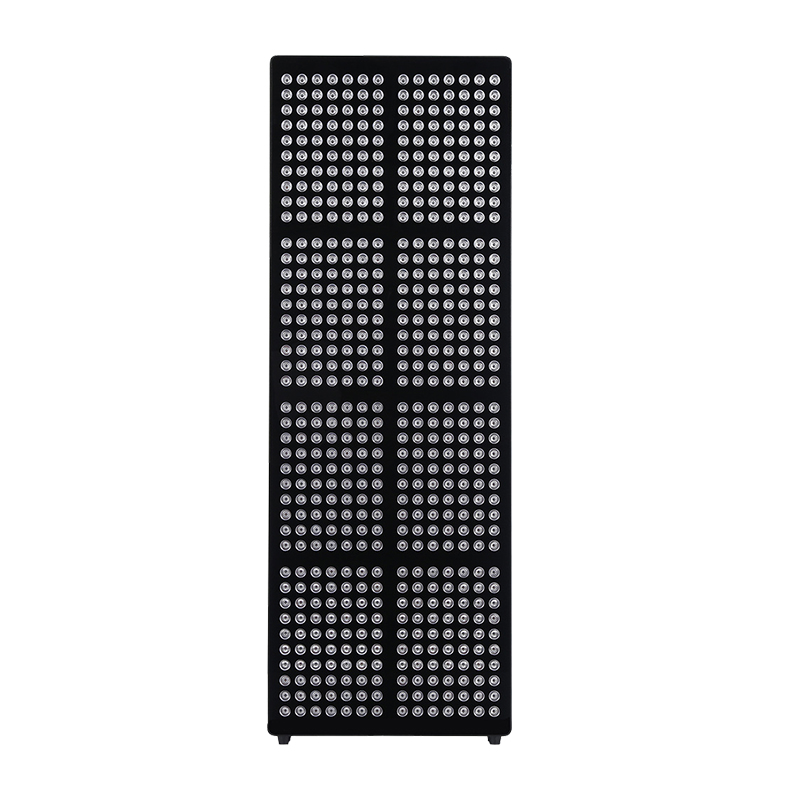
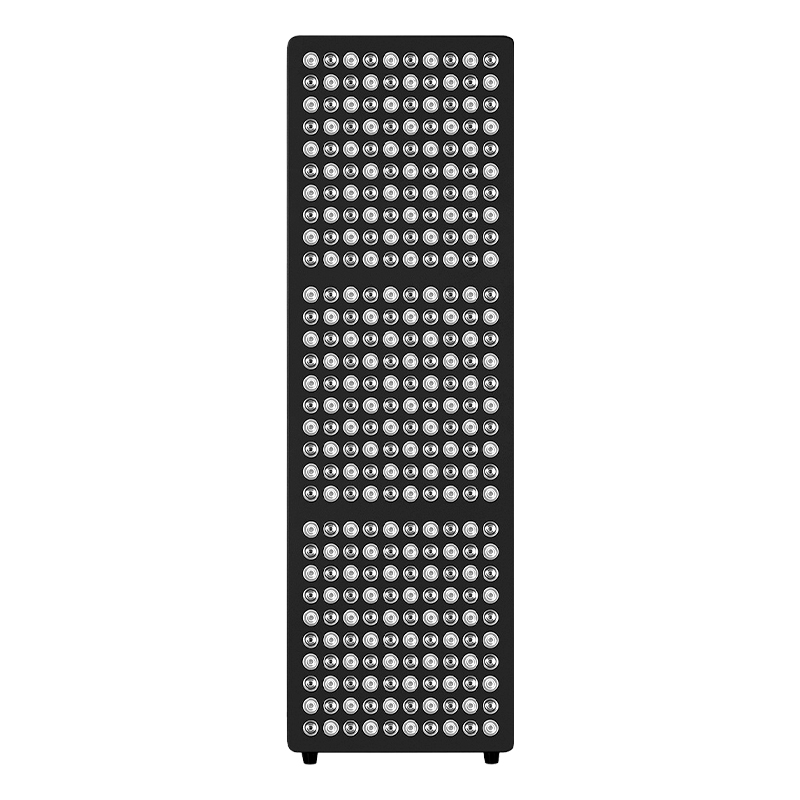
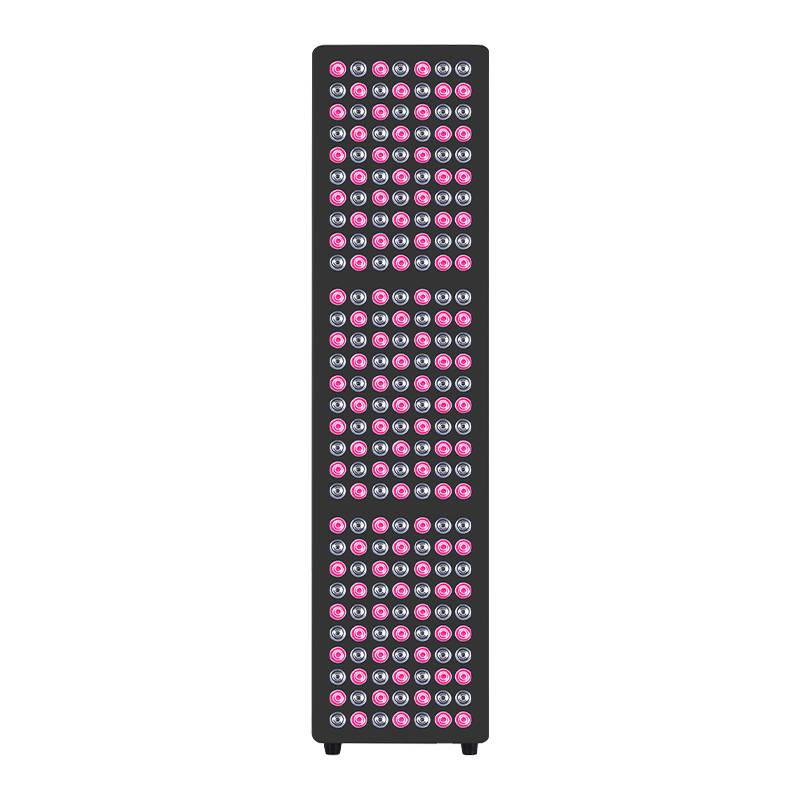
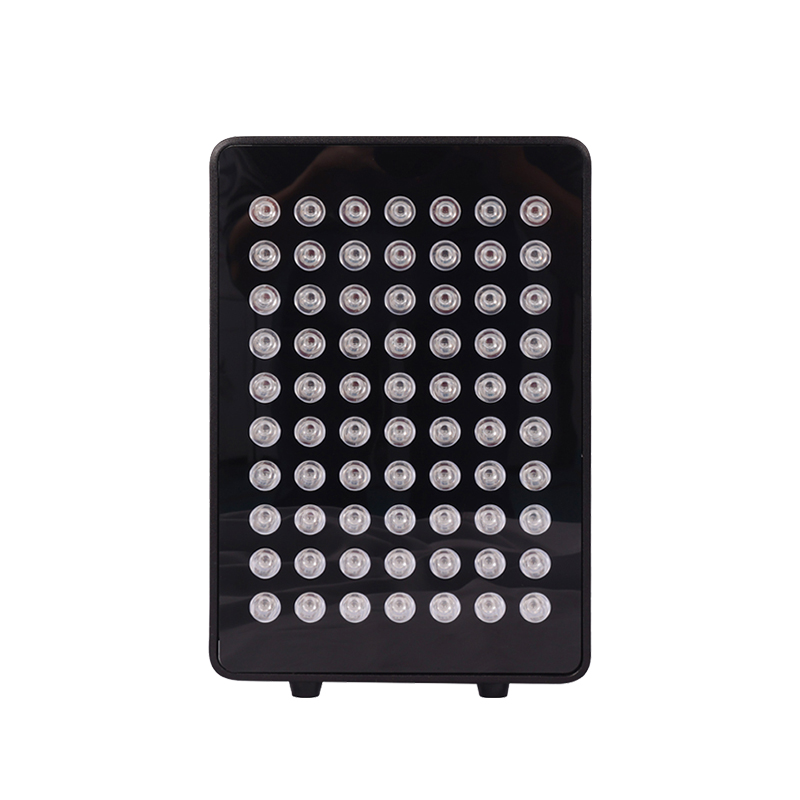
Red light therapy has become one of the most popular non-invasive wellness technologies in recent years. From fitness recovery centers to beauty clinics and wellness spas, more people are using red and near-infrared light therapy to support relaxation, Hautgesundheit, Verkehr, und Muskelregeneration. Unter den vielen Behandlungsbereichen, the chest has become an increasingly common focus for red light therapy sessions.
The chest area plays an important role in posture, breathing, upper body movement, and muscle function. Daily stress, Übung, schlechte Haltung, and long hours sitting at desks may contribute to tightness and discomfort in the chest muscles and surrounding tissues. Aus diesem Grund, many people are exploring red light therapy as part of broader wellness and recovery routines.
Red light therapy works by delivering specific wavelengths of red and near-infrared light to the body. Im Gegensatz zu UV-Bräunungstechnologien, Die Rotlichttherapie basiert nicht auf der UV-Exposition. Stattdessen, it is commonly associated with supporting natural cellular activity, Verkehr, und Genesungsprozesse.
One of the most commonly discussed benefits of red light therapy on the chest is muscle relaxation. The chest muscles are heavily involved in everyday movement, Übung, and upper-body stability. Activities such as weight training, push-ups, sports, or physically demanding work may cause soreness and tension in this area. Red light therapy sessions are often used after workouts to help create a calming and relaxing recovery experience.
Near-infrared wavelengths such as 850nm are especially popular for deeper tissue support because they may penetrate below the surface of the skin more effectively than visible red light alone. These wavelengths are commonly associated with muscle comfort and recovery support. Red light wavelengths like 660nm are widely used for surface-level skin support and circulation improvement.
Improved circulation is another reason why many people use red light therapy on the chest area. Eine gesunde Durchblutung trägt zum Transport von Sauerstoff und Nährstoffen durch den Körper bei. Red and near-infrared light are commonly associated with promoting circulation, which may support natural recovery and overall comfort after physical activity.
Many fitness enthusiasts include red light therapy in post-workout recovery routines. Chest-focused exercises such as bench presses, chest flys, dips, and push-ups can place stress on muscles and connective tissues. Regular wellness sessions may help users feel more relaxed after intense physical training.
Another growing area of interest is skin wellness. The chest area is often exposed to sunlight and environmental stress, which can affect skin appearance over time. Red light therapy is widely associated with collagen support and skin rejuvenation, making it a popular addition to beauty and anti-aging routines.
Some users also appreciate the relaxing nature of red light therapy sessions. Stress and tension can affect breathing patterns and upper-body comfort. Many people describe red light therapy sessions as soothing and calming, especially when used in quiet wellness environments.
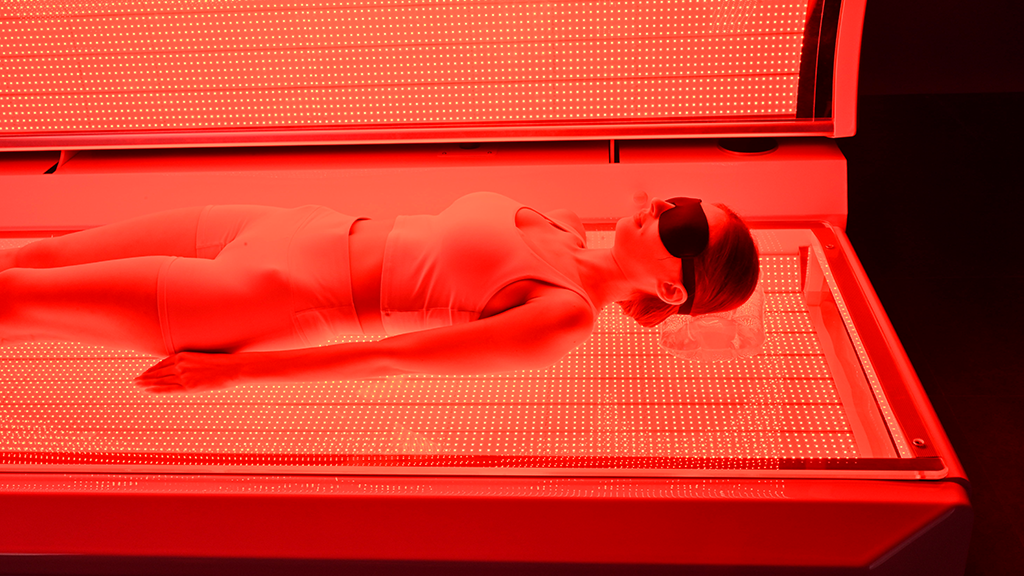
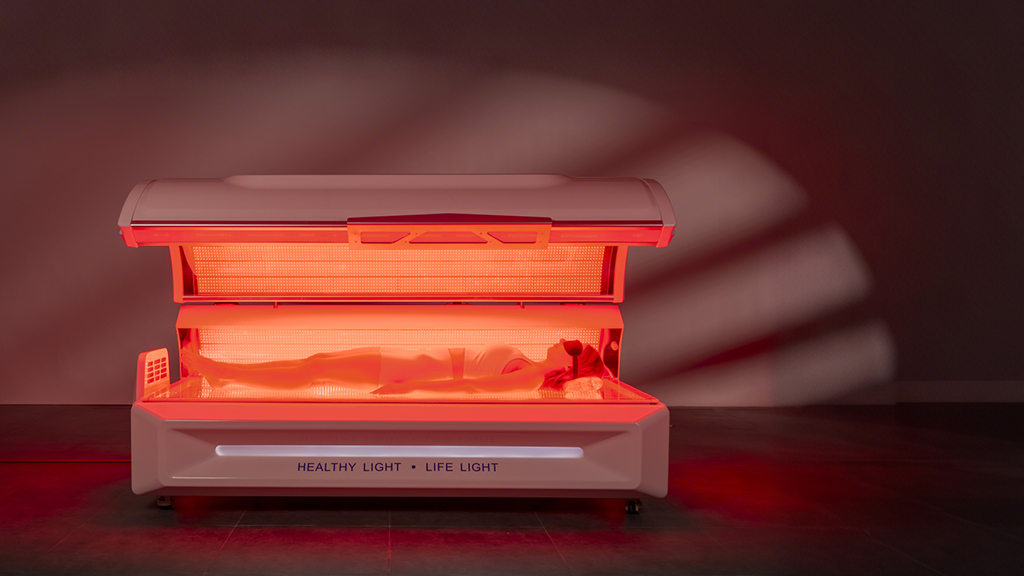
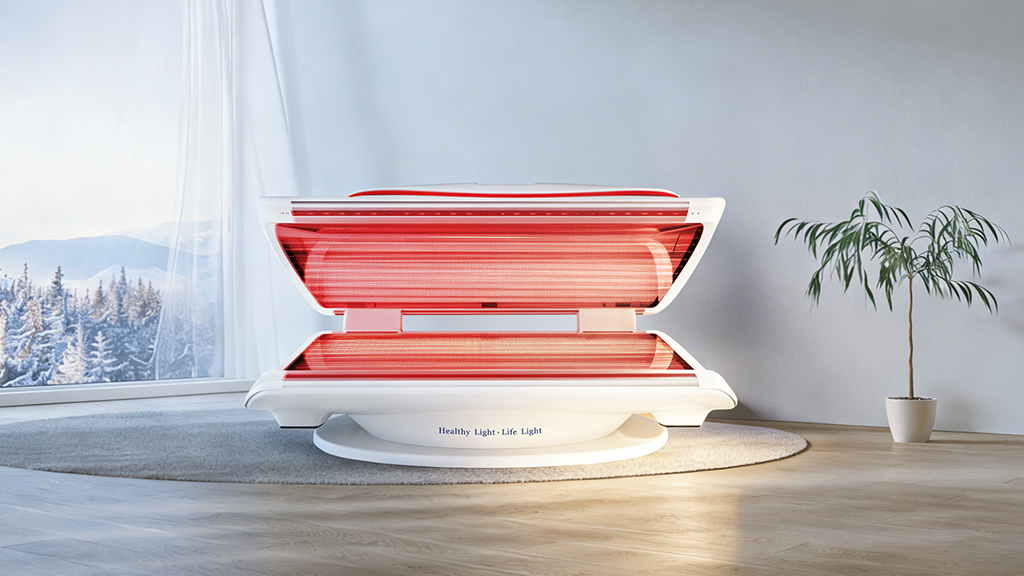
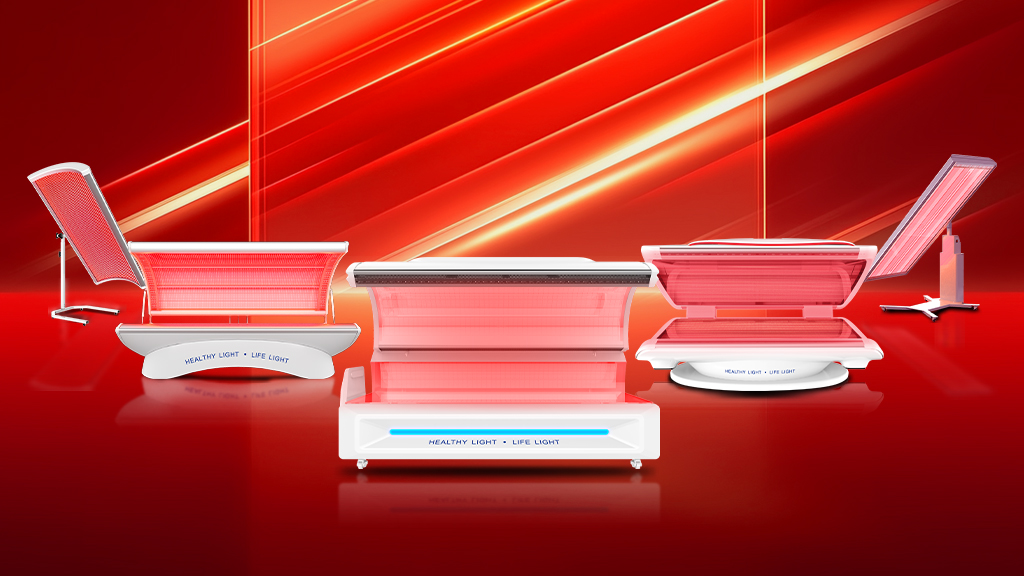
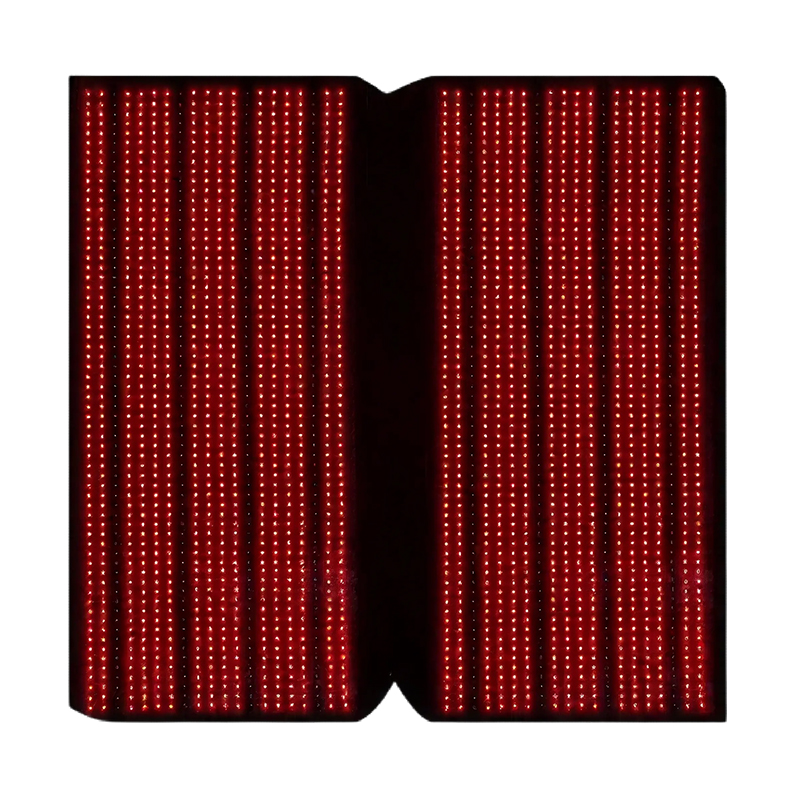
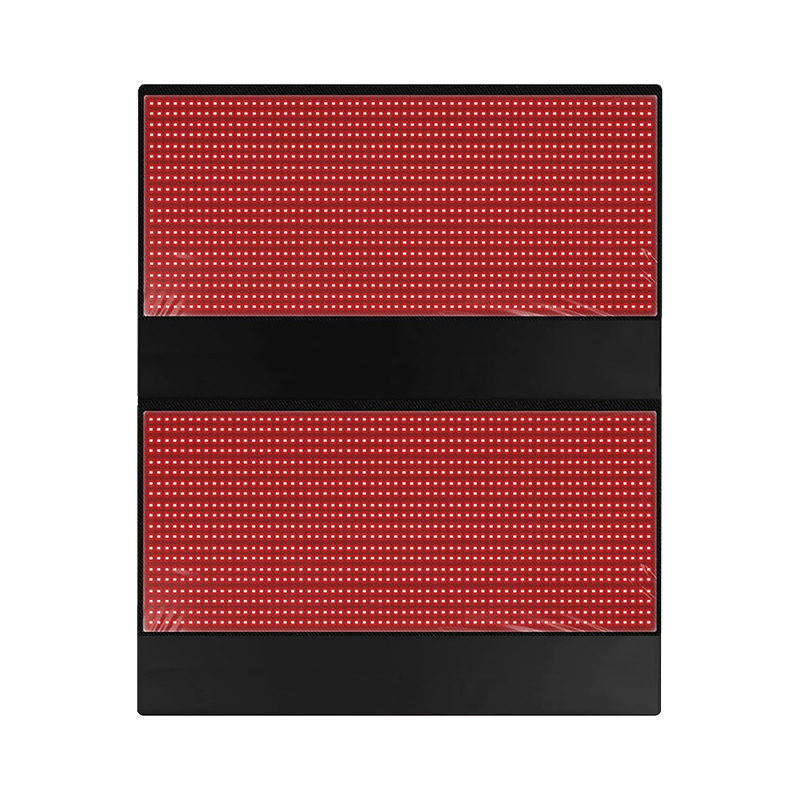
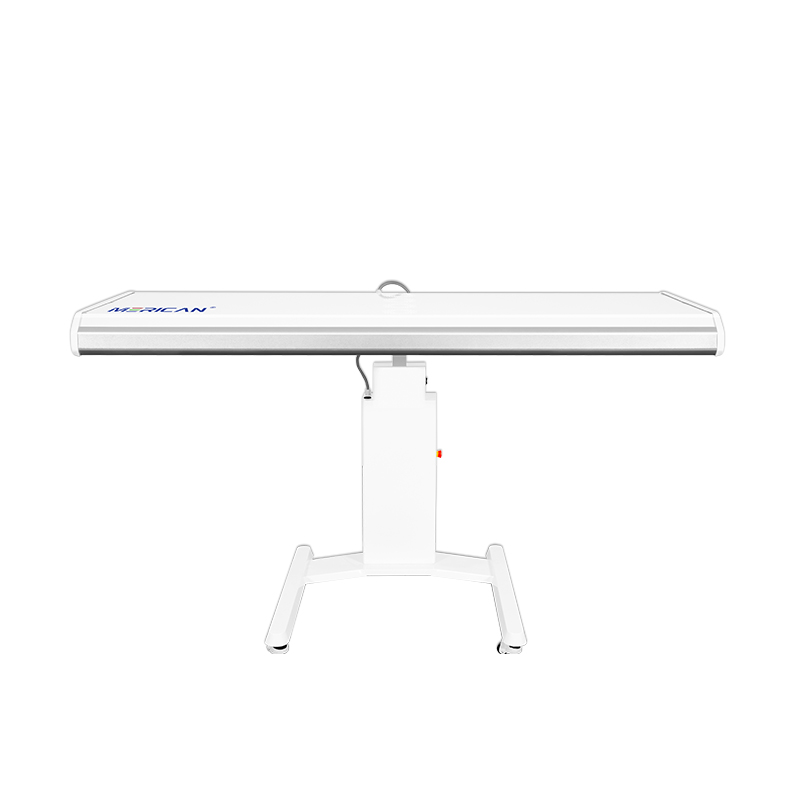
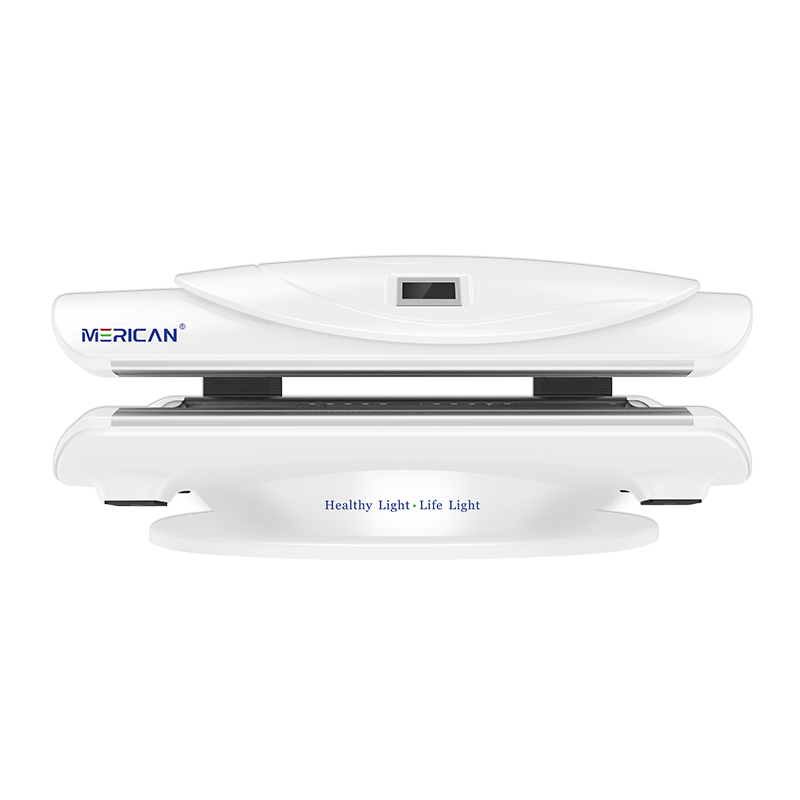
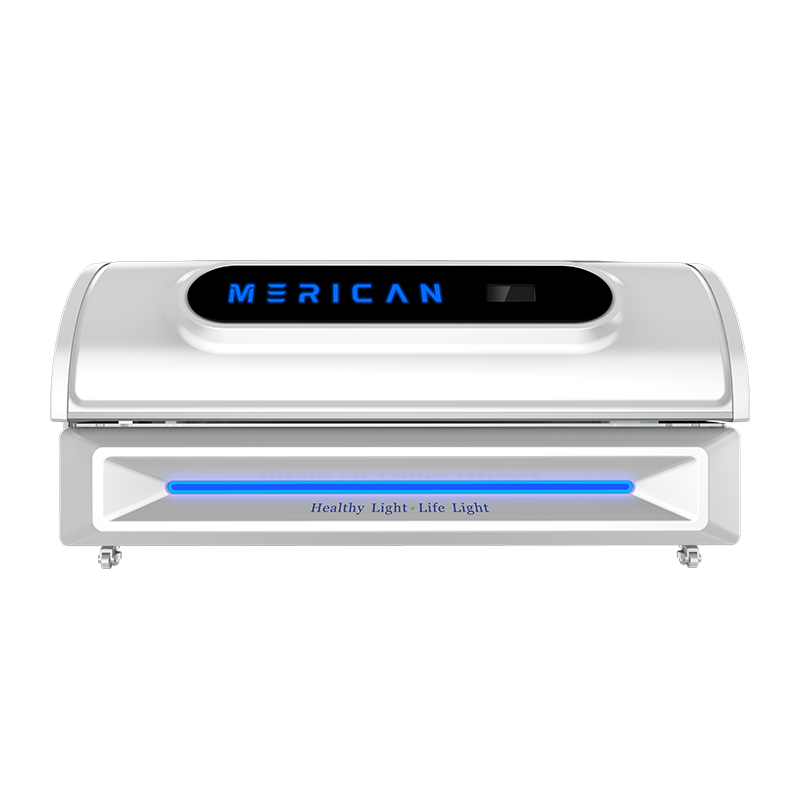
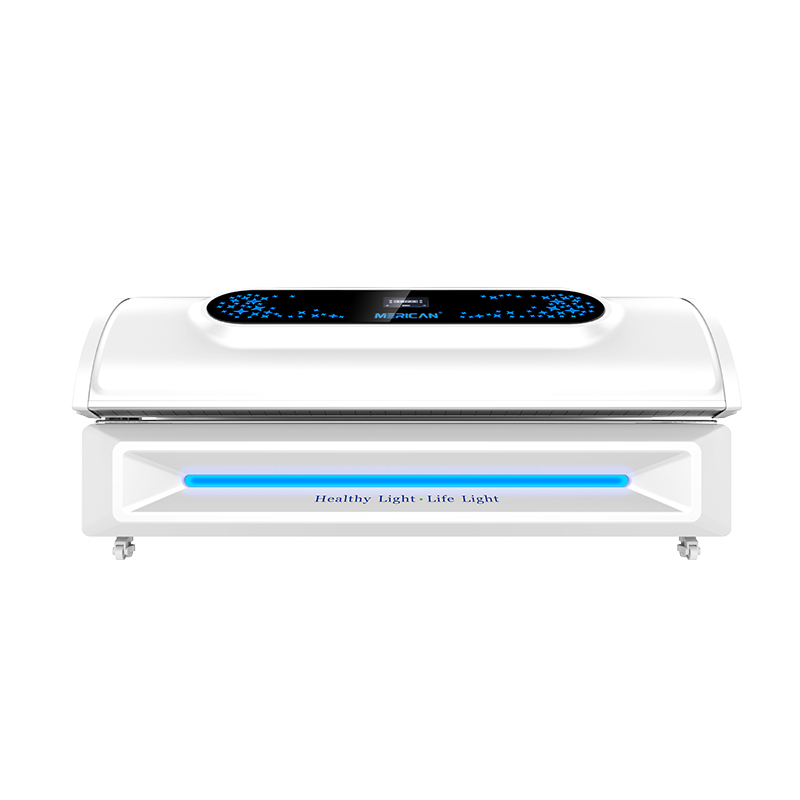
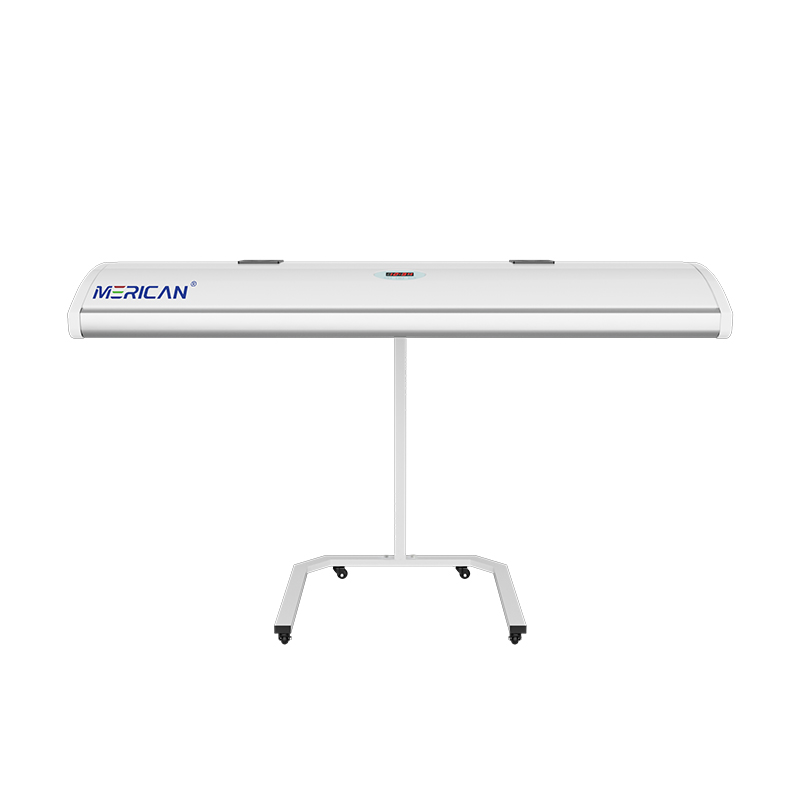
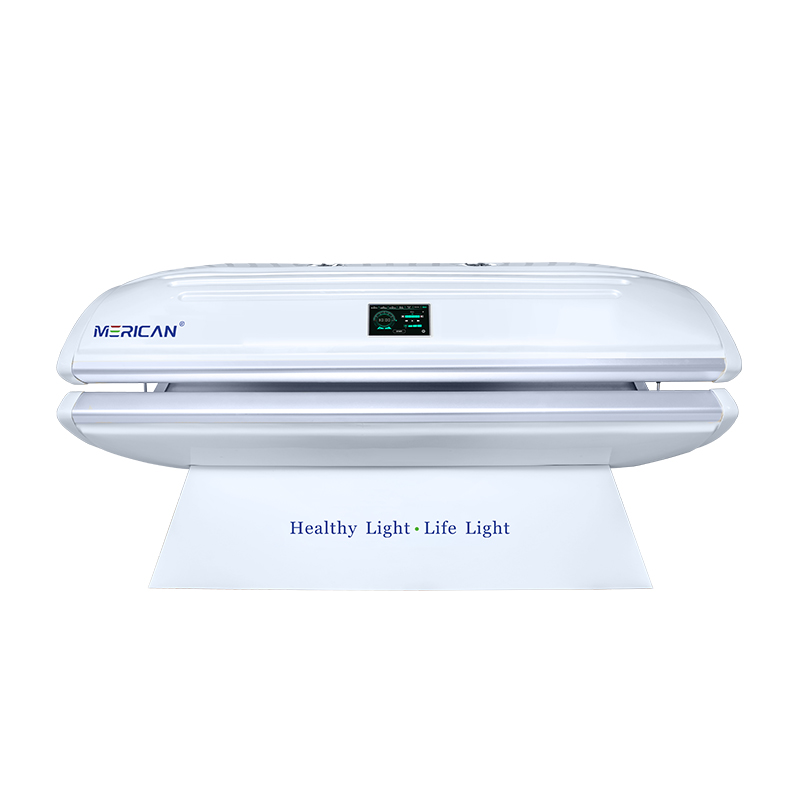
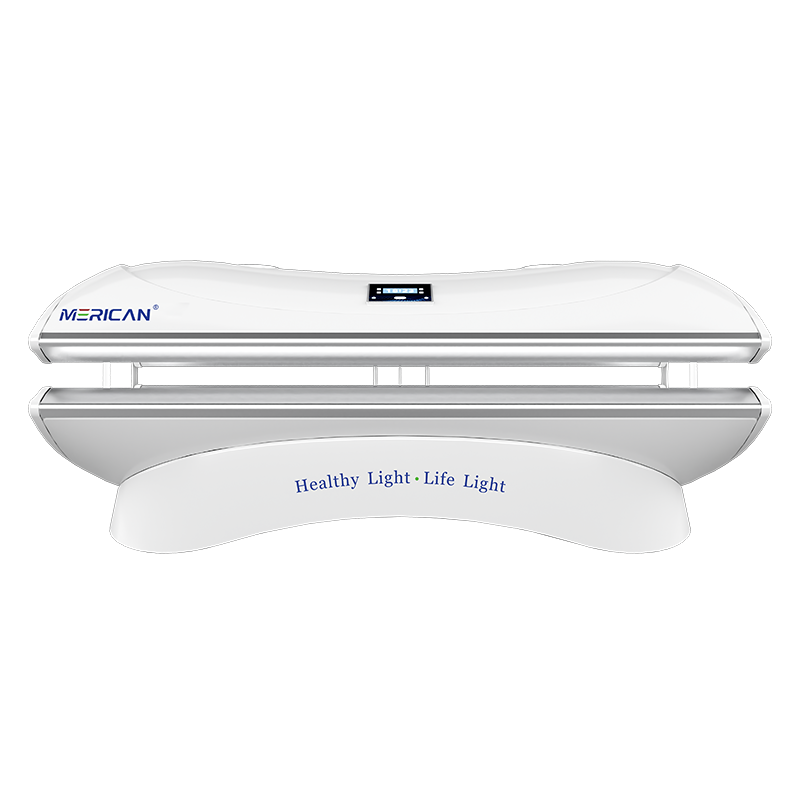
Professional full-body systems are becoming increasingly popular because they allow users to receive broader and more even light exposure. Instead of treating only one small area at a time, full-body light therapy systems can target the chest, Schultern, zurück, and arms simultaneously. This improves convenience and treatment efficiency.
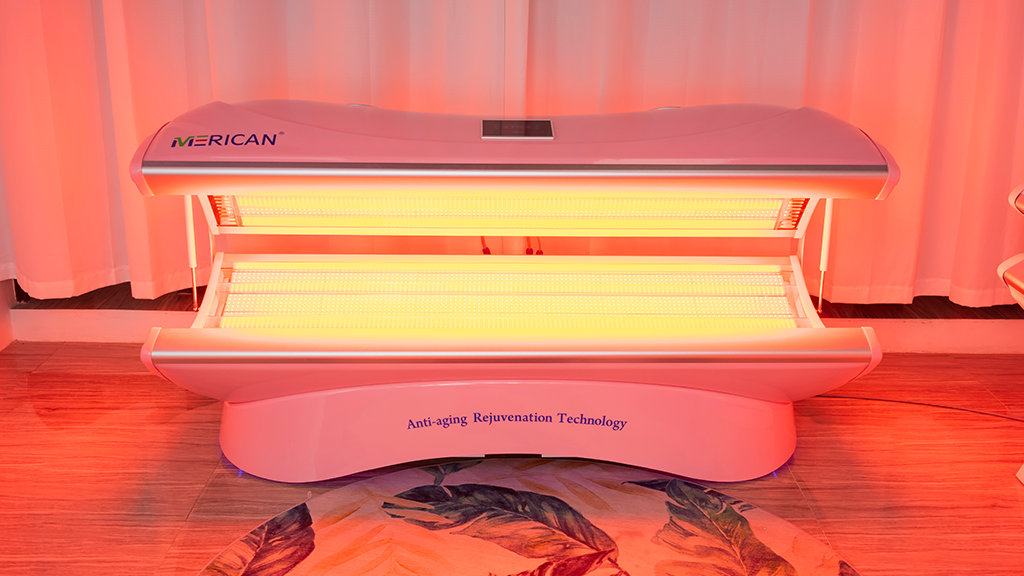
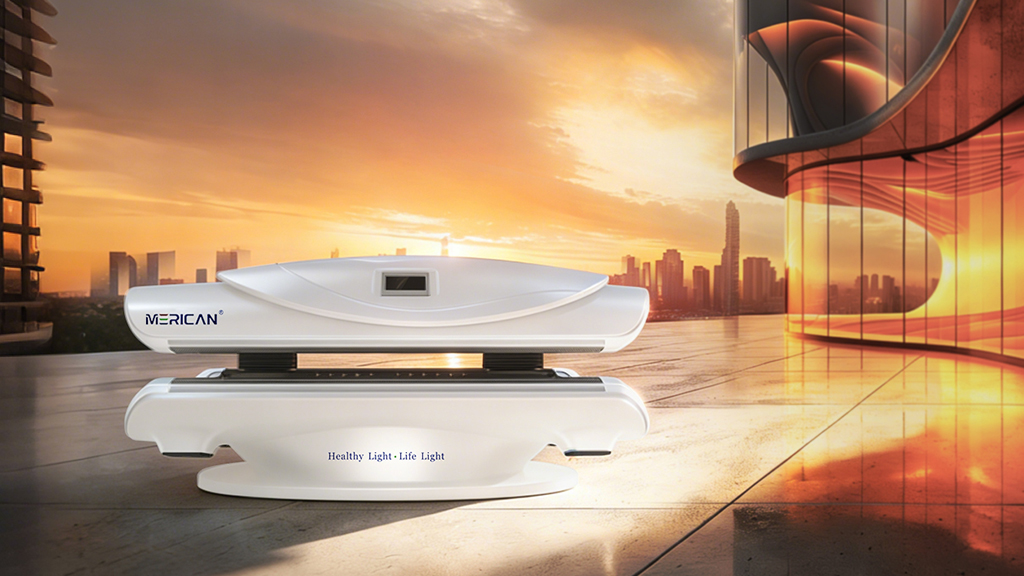
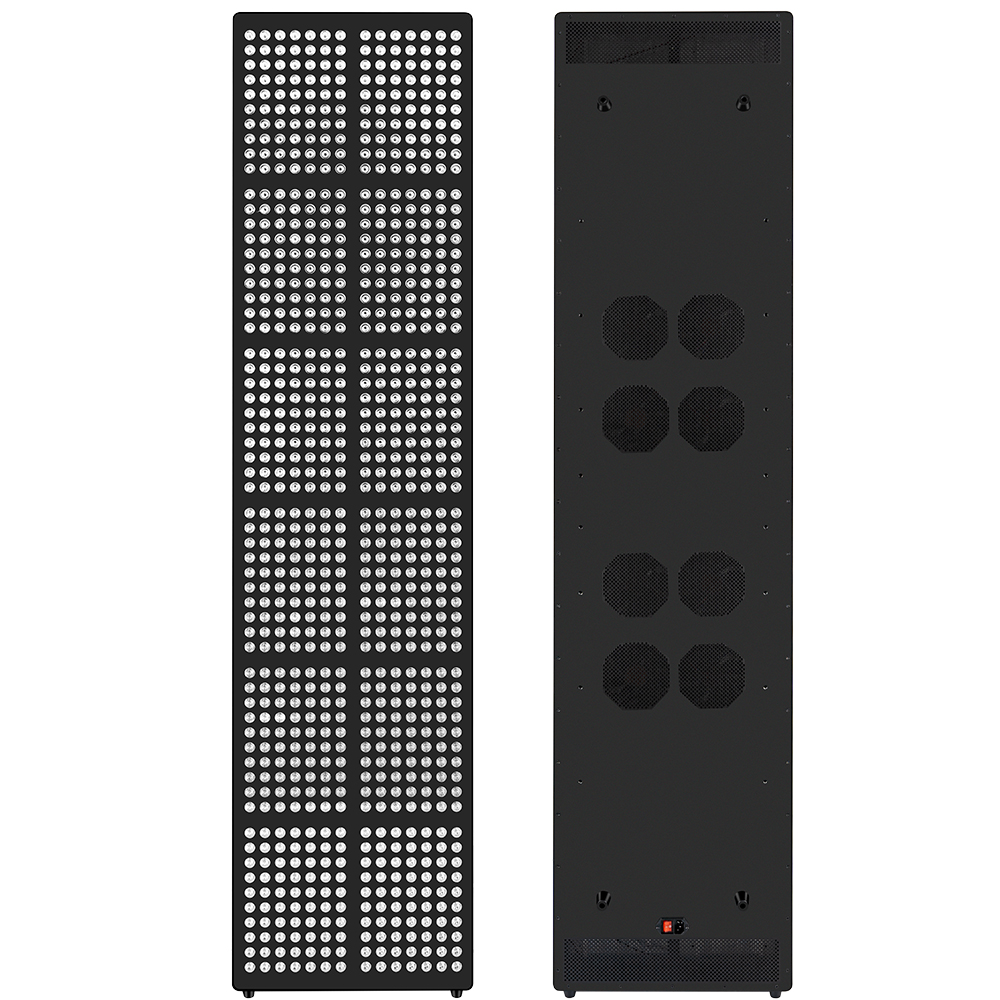
Modern wellness technology providers continue developing advanced red light therapy systems for commercial and professional applications. Global red light therapy bed suppliers and manufacturers are focusing on high-performance LED systems, ergonomische Designs, and intelligent cooling structures to improve the treatment experience.
Many users prefer professional-grade devices because stable wavelengths and even energy distribution may help improve comfort and consistency during sessions. Full-body systems are now commonly found in gyms, Spas, Rehabilitationszentren, and wellness studios worldwide.
Consistency is often considered important when using red light therapy for wellness support. While some users report feeling relaxed after a single session, gradual improvements over several weeks are more commonly associated with long-term wellness routines.
It is also important to understand that red light therapy is not intended to diagnose or treat serious chest-related medical conditions. Individuals experiencing chest pain or breathing difficulties should always seek professional medical evaluation. Many people instead use red light therapy as a complementary wellness tool for relaxation and recovery support.
Another reason for the growing popularity of red light therapy is convenience. Sessions are typically non-invasive, komfortabel, and require little downtime. This makes it easy for people to integrate treatments into modern lifestyles focused on recovery and self-care.
As wellness technology continues evolving globally, red light therapy remains one of the fastest-growing recovery and relaxation trends. Whether used for muscle comfort, Durchblutungsförderung, Wohlbefinden der Haut, oder Erholung nach dem Training, chest-focused red light therapy sessions are becoming an increasingly popular part of modern wellness routines.