Why These Two Therapies Are Often Confused
Both far infrared and red light therapy are marketed for pain relief and wellness, yet they produce very different experiences and results.
Knowing the difference between far infrared and red light therapy can prevent unrealistic expectations and help you invest wisely.
Far Infrared Therapy: Best for Heat-Based Relaxation
Far infrared therapy is ideal if you want:
- A sauna-like experience
- Deep muscle warming
- Sweating and detox sensation
- Stress and tension relief
It works best in sessions rather than daily quick treatments.
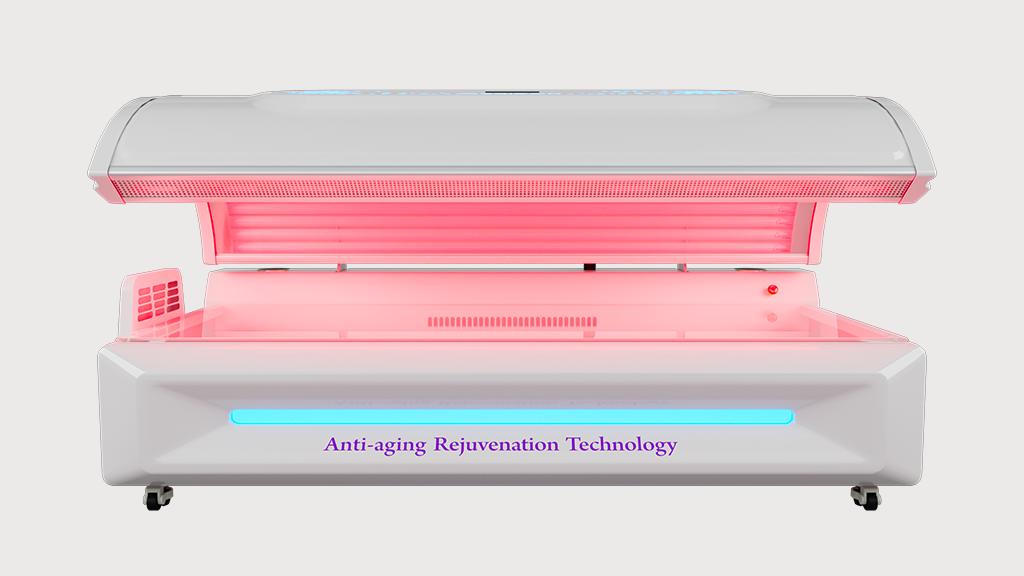
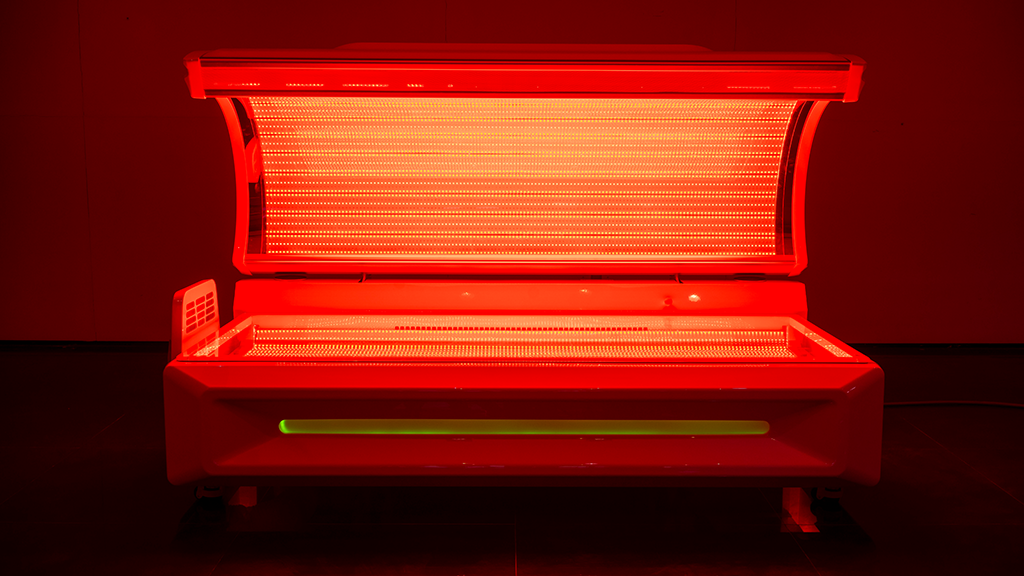
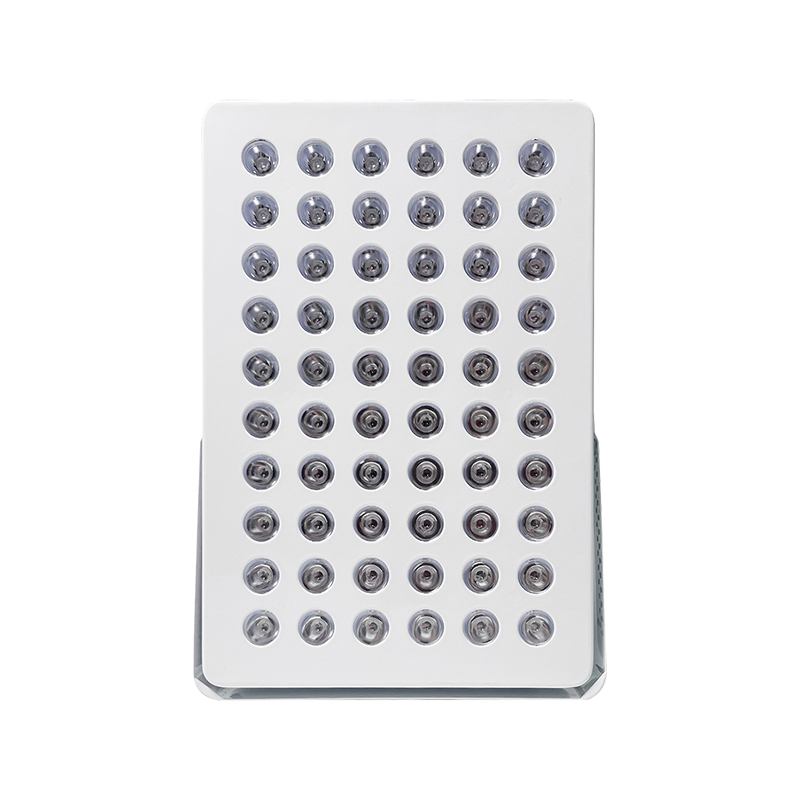
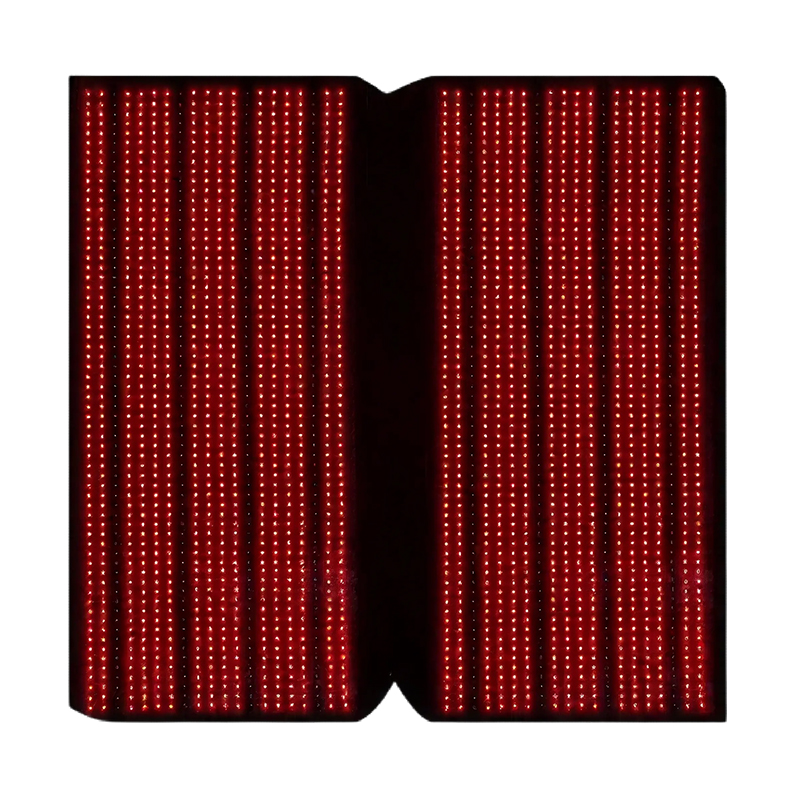
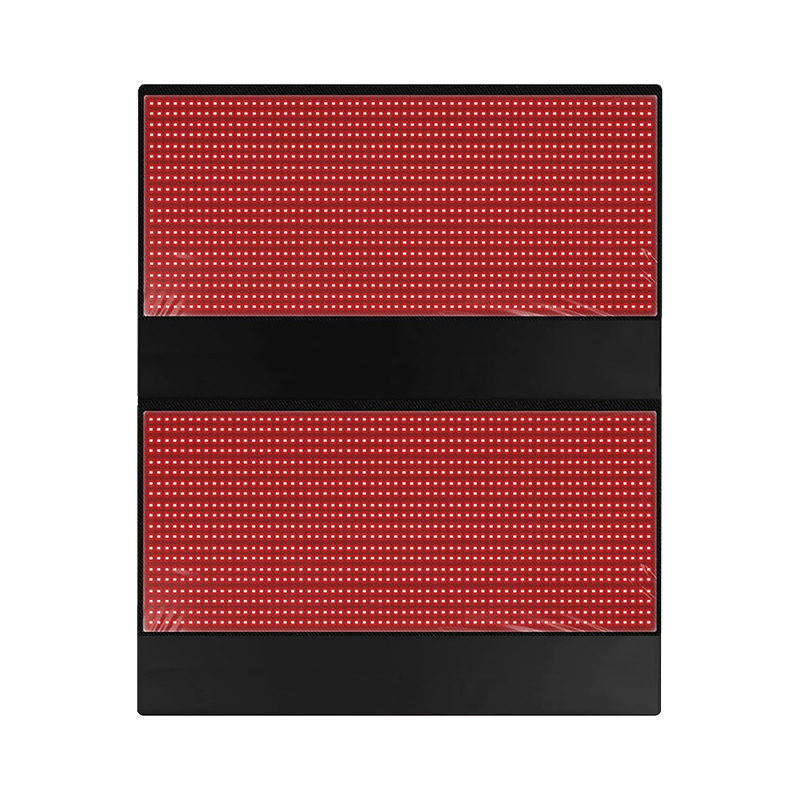
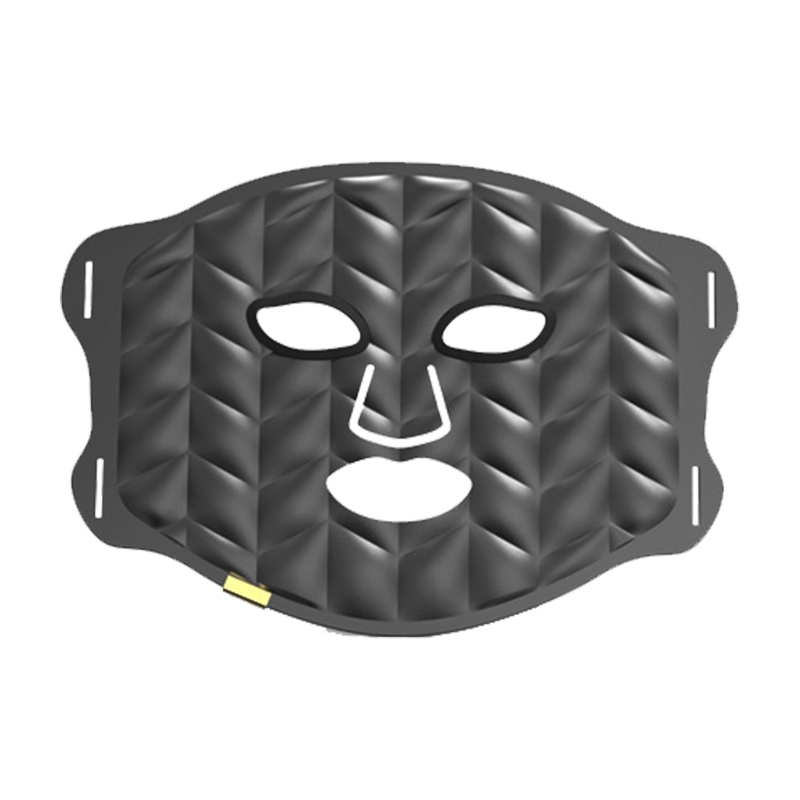
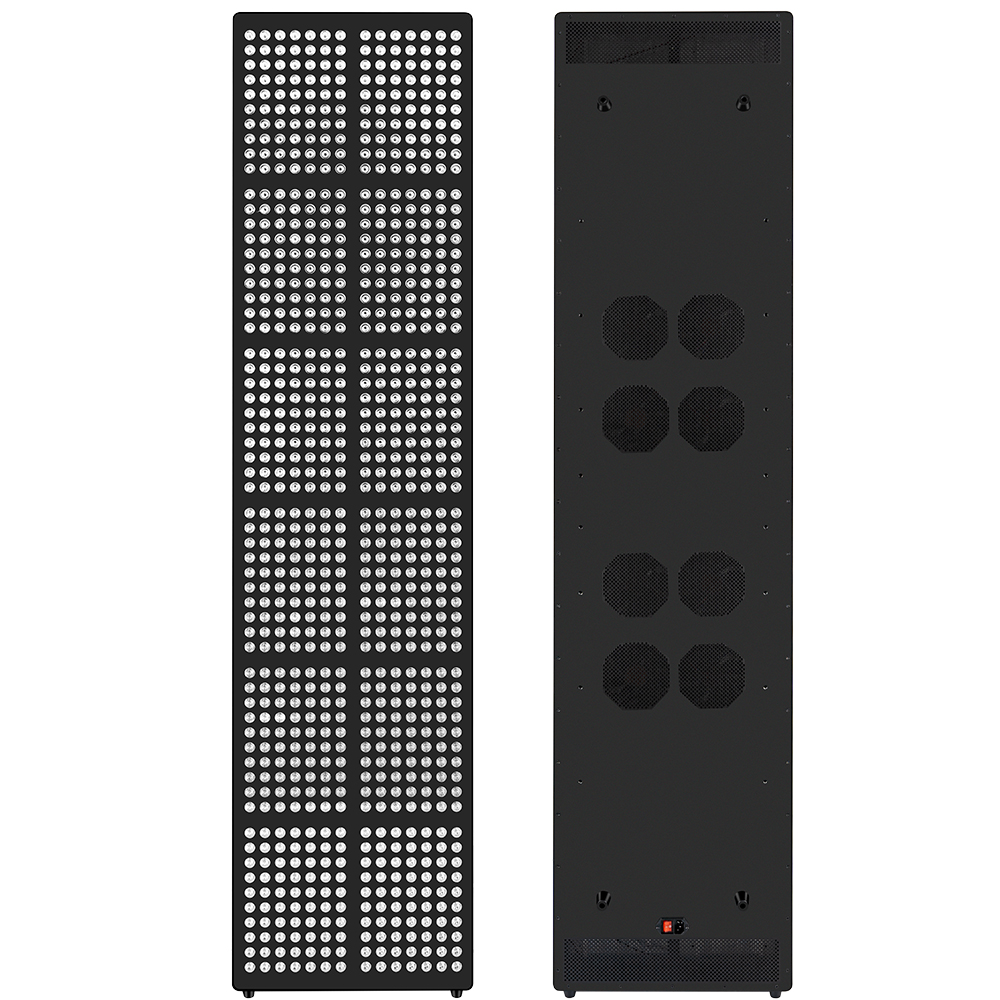
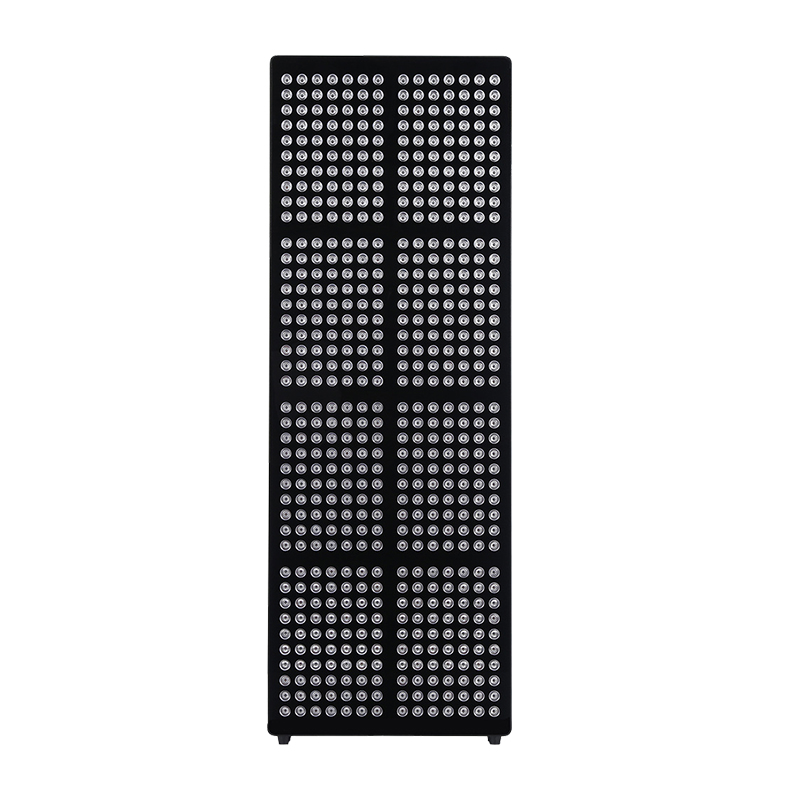
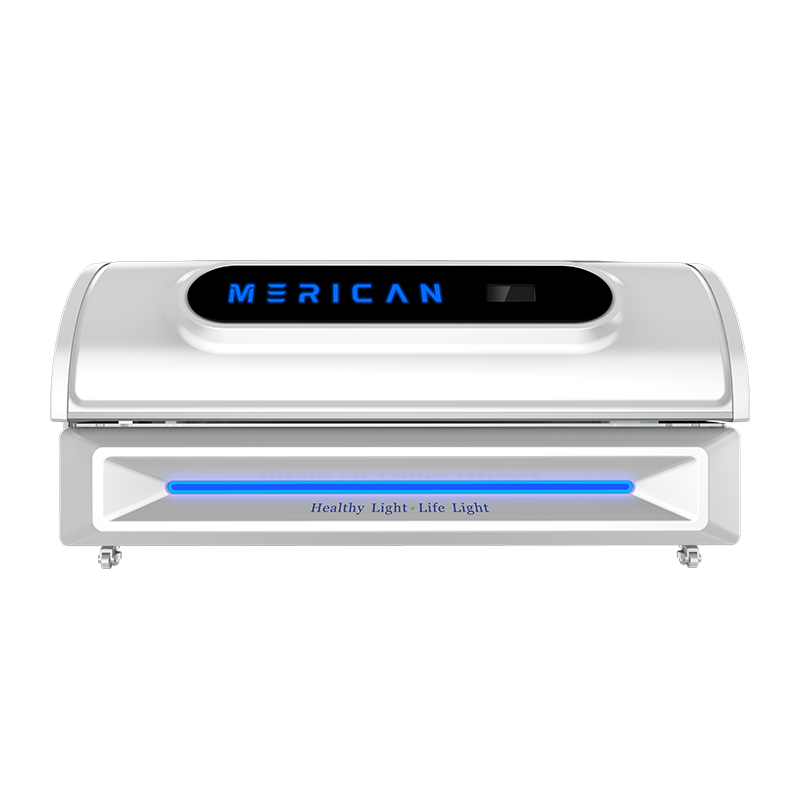
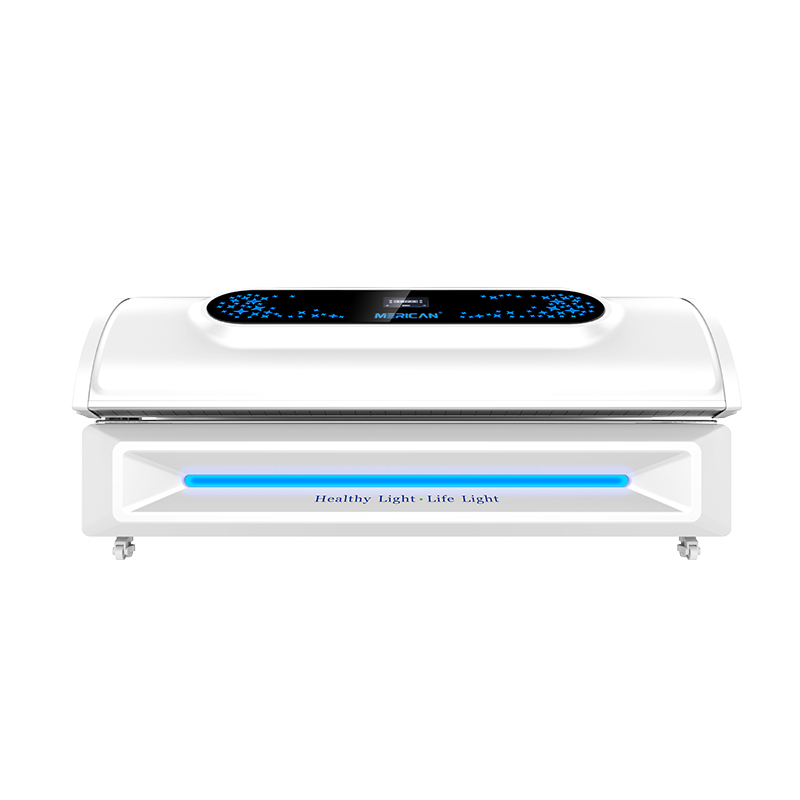
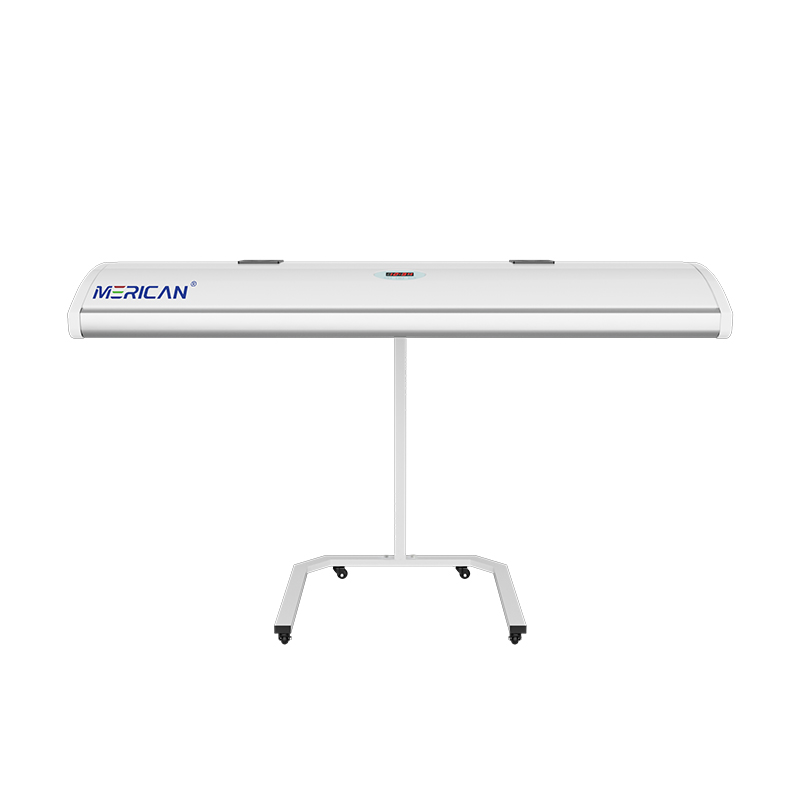
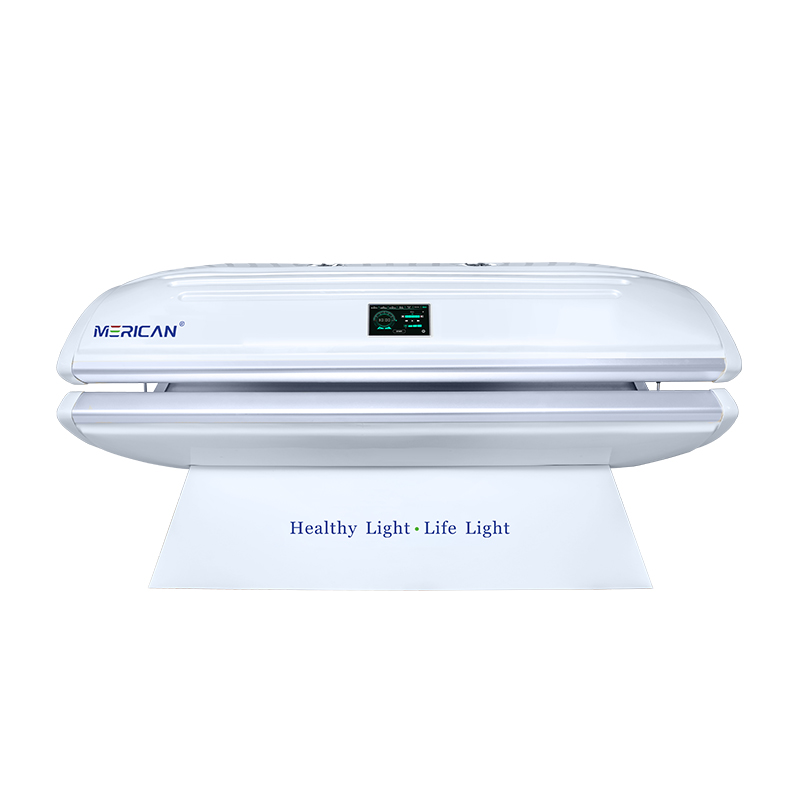
Rotlichttherapie: Best for Non-Heat Cellular Support
Red light therapy is ideal if your goals include:
- Anti-aging skincare
- Muscle and joint recovery
- Inflammation reduction
- Regular, consistent treatments
It delivers benefits without raising body temperature.
Experience Comparison
| Aspekt | Far Infrared | Rotlicht |
|---|---|---|
| Sensation | Hot, sweating | Warm or neutral |
| Sitzungsdauer | 20–40 Minuten | 10–20 Minuten |
| Frequenz | 2–4 times/week | 3–6 times/week |
| Recovery focus | Thermal relaxation | Cellular regeneration |
Can They Be Combined?
Ja. Many wellness centers combine:
- Far infrared for warming and relaxation
- Red light therapy for post-heat cellular recovery
This combination enhances circulation while supporting tissue repair.
Which Therapy Is More Versatile?
Red light therapy offers broader applications across:
- Medical aesthetics
- Sportliche Erholung
- Rehabilitation
- Daily wellness routines
Far infrared therapy remains more specialized for sauna-based experiences.
Letzte Gedanken
Also, what is the difference between far infrared and red light therapy?
Far infrared therapy works through heat and sweating, while red light therapy works at the cellular level without heat.
Choosing the right therapy depends on whether your priority is relaxation and warmth oder regeneration and recovery.