Por qué estas dos terapias a menudo se confunden
Tanto la terapia con luz infrarroja lejana como con luz roja se comercializan para aliviar el dolor y mejorar el bienestar., sin embargo, producen experiencias y resultados muy diferentes.
Conociendo el diferencia entre la terapia de luz infrarroja lejana y roja puede evitar expectativas poco realistas y ayudarle a invertir sabiamente.
Terapia de infrarrojo lejano: Lo mejor para la relajación basada en el calor
La terapia de infrarrojos lejanos es ideal si quieres:
- Una experiencia tipo sauna
- Calentamiento muscular profundo
- Sensación de sudoración y desintoxicación.
- Alivio del estrés y la tensión.
Funciona mejor en sesiones que en tratamientos rápidos diarios..
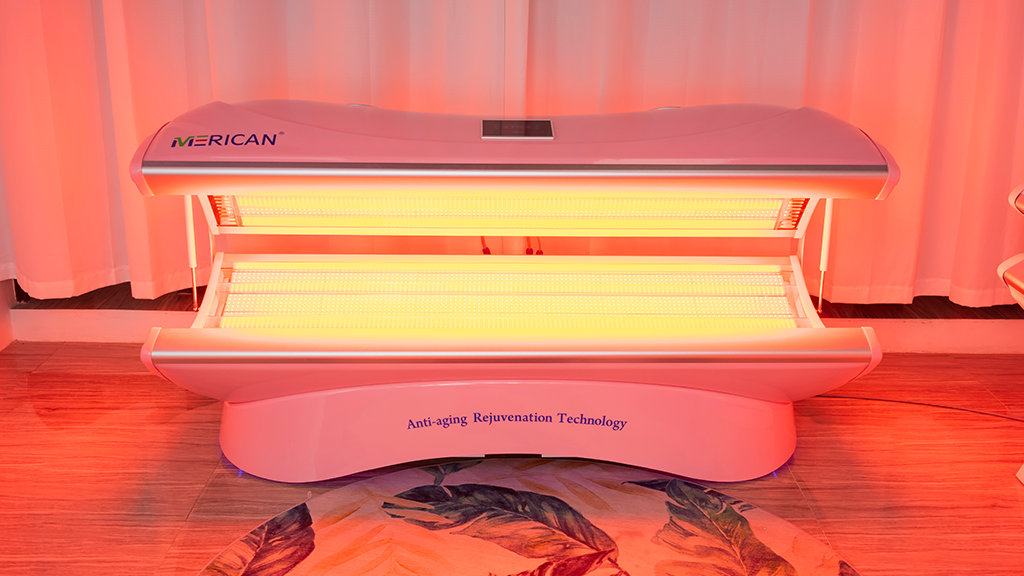
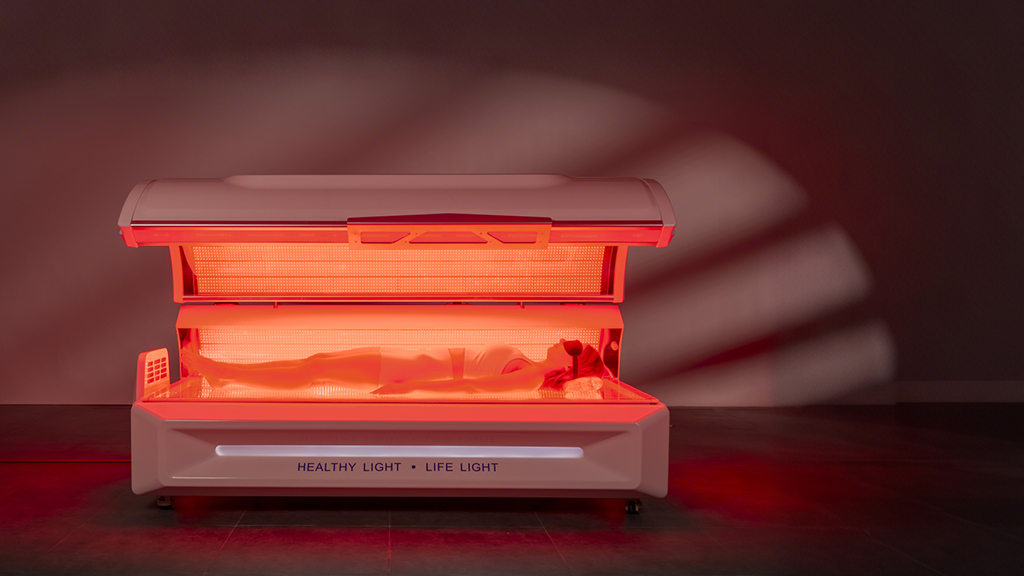
Terapia de luz roja: Lo mejor para soporte celular sin calor
La terapia con luz roja es ideal si tus objetivos incluyen:
- Cuidado de la piel anti-envejecimiento
- Recuperación muscular y articular.
- Reducción de la inflamación
- Regular, tratamientos consistentes
Ofrece beneficios sin elevar la temperatura corporal..
Comparación de experiencias
| Aspecto | Infrarrojo lejano | Luz roja |
|---|---|---|
| Sensación | Caliente, transpiración | Cálido o neutro |
| Duración de la sesión | 20–40 minutos | 10–20 minutos |
| Frecuencia | 2–4 veces/semana | 3–6 veces/semana |
| Enfoque de recuperación | Relajación termal | Regeneración celular |
¿Se pueden combinar??
Sí. Muchos centros de bienestar combinan:
- Infrarrojo lejano para calentarse y relajarse
- Terapia de luz roja para la recuperación celular post-calentamiento
Esta combinación mejora la circulación mientras apoya la reparación de tejidos..
¿Qué terapia es más versátil??
La terapia con luz roja ofrece aplicaciones más amplias en todo:
- estetica medica
- Recuperación deportiva
- Rehabilitación
- Rutinas diarias de bienestar
La terapia de infrarrojo lejano sigue estando más especializada para las experiencias basadas en la sauna.
Pensamientos finales
Entonces, cual es el diferencia entre la terapia de luz infrarroja lejana y roja?
La terapia de infrarrojos lejanos funciona a través del calor y la sudoración., mientras que la terapia con luz roja funciona a nivel celular sin calor.
La elección de la terapia adecuada depende de si su prioridad es relajación y calidez o regeneración y recuperación.