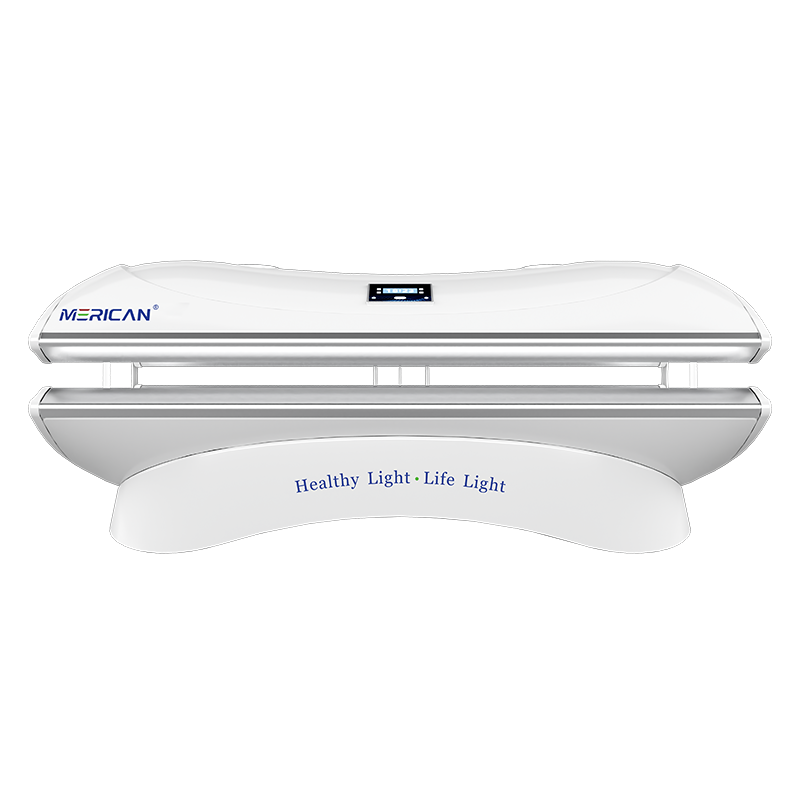
Q1: Μπορεί η θεραπεία με κόκκινο φως να θεραπεύσει το εγκεφαλικό?
ΕΝΑ: Οχι. Η θεραπεία με κόκκινο φως δεν είναι θεραπεία για το εγκεφαλικό. Είναι ένα αποτελεσματικό συμπληρωματικό εργαλείο αποκατάστασης που έχει σχεδιαστεί για να προάγει την επισκευή του εγκεφάλου, μετριάσει τις συνέπειες, και να επιταχύνουν την πρόοδο της παραδοσιακής προπόνησης αποκατάστασης βελτιώνοντας την κυτταρική λειτουργία.
Ε2: Είναι ασφαλής η θεραπεία με κόκκινο φως για τη θεραπεία εγκεφαλικού? Υπάρχουν παρενέργειες?
ΕΝΑ: Είναι ασφαλές όταν χρησιμοποιείται υπό επαγγελματική καθοδήγηση. Η θεραπεία με κόκκινο φως χρησιμοποιεί μη ιονίζουσα ακτινοβολία, δεν παράγει θερμότητα, είναι μη επεμβατική, και είναι ανώδυνη. Οι περισσότερες αναφορές δείχνουν ότι οι παρενέργειες είναι ελάχιστες και ήπιες, πιθανώς να περιλαμβάνει σύντομο πονοκέφαλο ή καταπόνηση των ματιών (εάν δεν φοράτε γυαλιά). Οι ασθενείς με διαταραχές φωτοευαισθησίας θα πρέπει να είναι προσεκτικοί.
Ε3: Πότε μπορεί να ξεκινήσει η θεραπεία με κόκκινο φως μετά από εγκεφαλικό?
ΕΝΑ: Θεωρητικά, μπορεί να ξεκινήσει στην υποξεία ή χρόνια φάση, αφού σταθεροποιηθεί η κατάσταση. Ωστόσο, ο συγκεκριμένος χρόνος πρέπει να καθοριστεί από τον ιατρό. Ο γιατρός θα αξιολογήσει τον βέλτιστο χρόνο για παρέμβαση με βάση τη συνολική υγεία του ασθενούς, τύπος εγκεφαλικού επεισοδίου, και σοβαρότητα.
Q4: Είναι ακόμα αποτελεσματική η θεραπεία με κόκκινο φως για μεγαλύτερα εγκεφαλικά (πολλά χρόνια μετά από εγκεφαλικό)? ΕΝΑ: Ναί, μπορεί να είναι ακόμα χρήσιμο. Ενώ οι παρεμβάσεις μπορεί να είναι πιο αποτελεσματικές κατά την οξεία και την υποξεία φάση, η νευροπλαστικότητα του εγκεφάλου είναι δια βίου. Έρευνες δείχνουν ότι ακόμη και σε ασθενείς με χρόνιο εγκεφαλικό, Η θεραπεία με κόκκινο φως μπορεί ακόμα να οδηγήσει σε θετικές αλλαγές στη γνωστική λειτουργία, διάθεση, και την κίνηση βελτιώνοντας τη συνολική υγεία του εγκεφάλου και την κυτταρική λειτουργία.
Q5: Ποιο μέρος του κεφαλιού πρέπει να αντιμετωπιστεί?
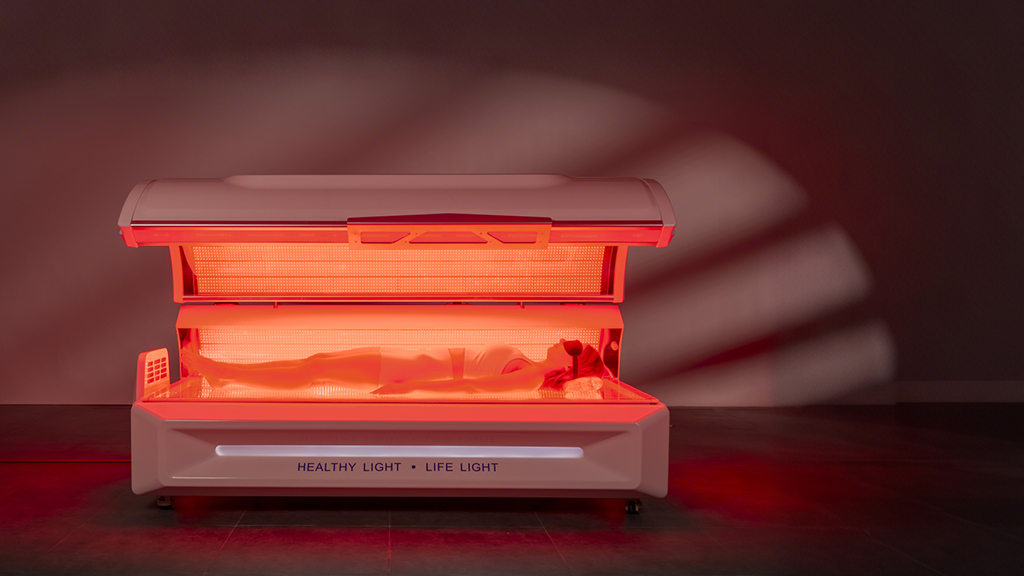
ΕΝΑ: Παραδοσιακά, Η φωτοθεραπεία στοχεύει την περιοχή του τριχωτού της κεφαλής απέναντι από τη βλάβη (επειδή ο εγκέφαλος έχει διασταυρούμενο έλεγχο στο σώμα). Για παράδειγμα, η βλάβη του δεξιού άκρου συχνά προκύπτει από μια βλάβη στην αριστερή πλευρά του εγκεφάλου. Ωστόσο, Η ακτινοβόληση ολόκληρου του σώματος είναι επίσης διαθέσιμη για τη βελτίωση της συνολικής κυκλοφορίας και τη μείωση της φλεγμονής. Η καλύτερη προσέγγιση θα πρέπει να καθοριστεί με βάση τις συστάσεις του κατασκευαστή της συσκευής και του γιατρού σας.
Ε6: Does red light therapy conflict with medication or physical therapy?
ΕΝΑ: Οχι. Red light therapy can be used in conjunction with conventional medication and physical/occupational therapy. Οντως, applying light therapy before or after rehabilitation training may enhance the effectiveness of training by boosting cellular energy.
Ε7: Is there a difference between home red light devices and professional medical devices?
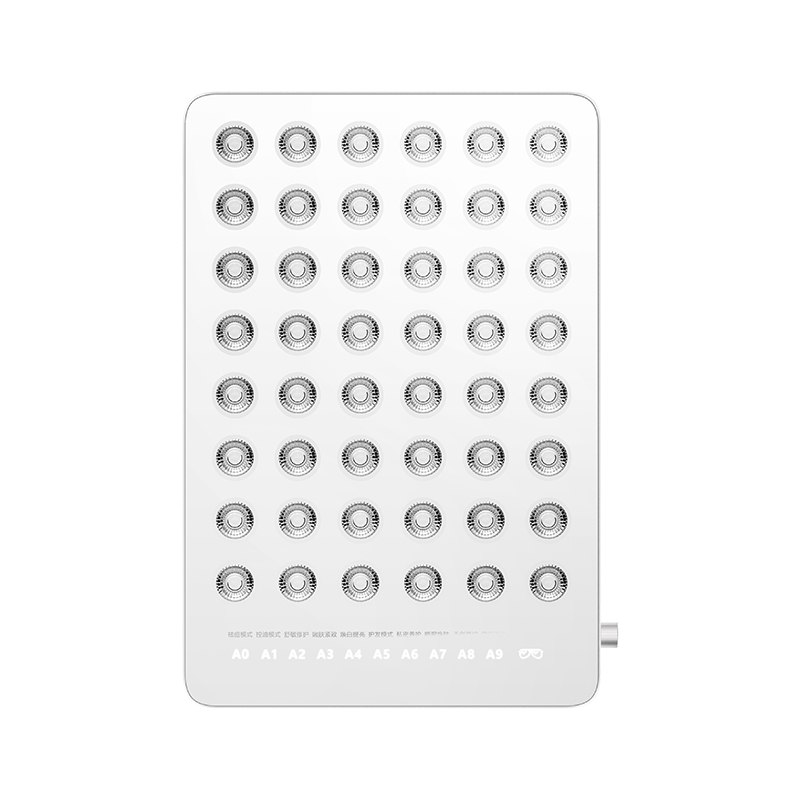
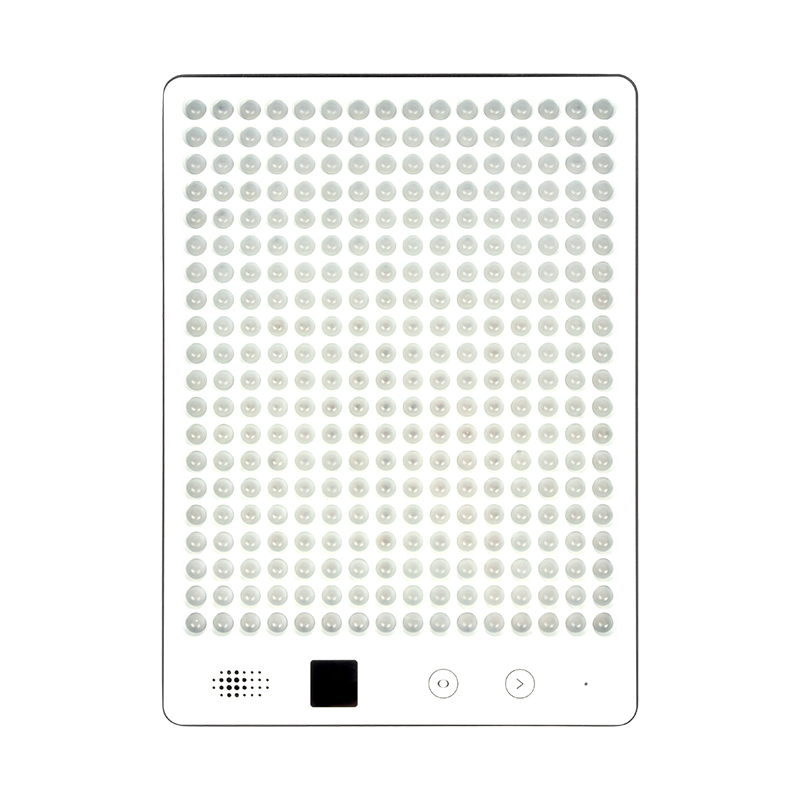
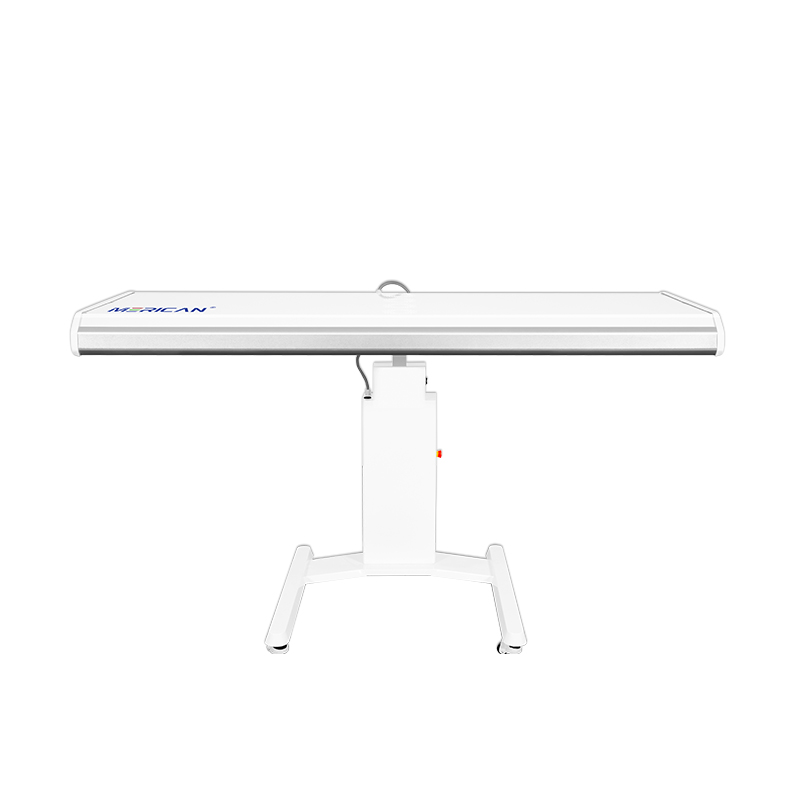
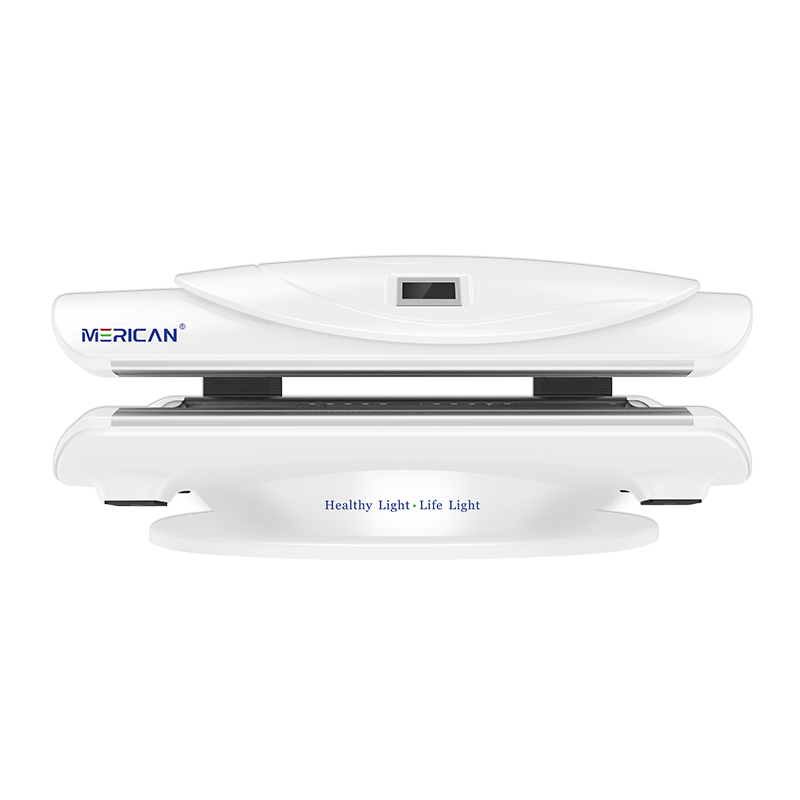
ΕΝΑ: There is a significant difference. Professional medical devices typically have higher power density (ακτινοβολία) and more precise wavelengths, and are designed based on clinical research. While home devices are convenient, they may be less effective. Always consult a professional before purchasing a home device.
Ε8: Πόσος χρόνος χρειάζεται για να δείτε αποτελέσματα?
ΕΝΑ: Τα αποτελέσματα διαφέρουν από άτομο σε άτομο, depending on the severity of the stroke, the frequency of treatments, and the device parameters. Some patients may experience improvements in energy, διάθεση, or sleep within a few weeks, while significant gains in motor or cognitive function may require regular treatment for several months.
Ε9: Can red light therapy help improve speech problems after a stroke?
ΕΝΑ: Δυνητικά. Because red light therapy promotes widespread neural repair and brain plasticity, it may have a positive impact on brain areas that control language function. It can be a helpful supplement to speech therapy, but should not replace professional speech therapy.
Q10: Where can I receive formal red light therapy?
ΕΝΑ: You can check with the rehabilitation, νευρολογία, or physical therapy departments of a major hospital to see if they offer this service. Επιπλέον, some high-end rehabilitation centers, pain clinics, or functional medicine clinics may also offer red light therapy equipment. Be sure to choose a qualified medical institution.